Siraj

Michelin Plate
Our verdict
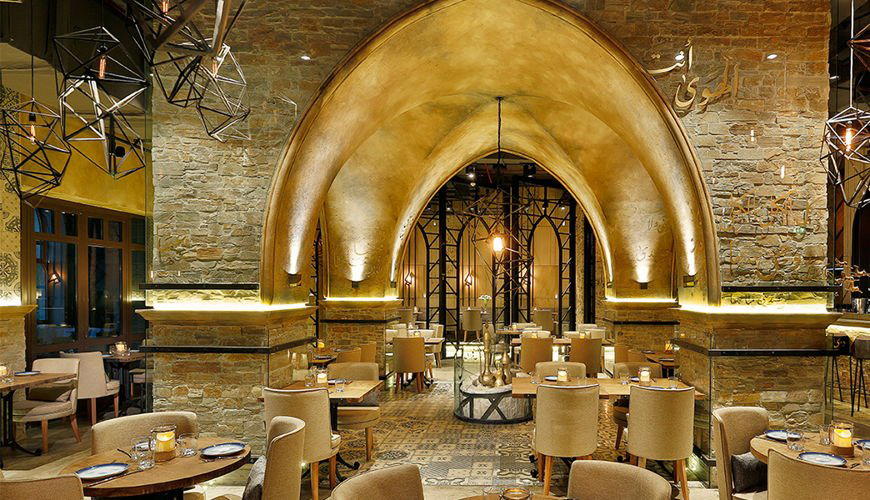
A Michelin Plate recipient in both 2024 and 2025, Siraj brings focused Middle Eastern cooking to Souk Al Bahar in Downtown Dubai, with direct sightlines to Burj Khalifa.For regulars, the draw is a cuisine that reads as regional rather than pan-Arab-generic.

Pearl is the En Primeur Club membership app, where members save venues, book tables and use the concierge.
The menu
What to order
- Chicken biryani
- Hummus
- Fattoush
- Kebbeh
Where Souk Al Bahar's Setting Actually Works in the Kitchen's Favour
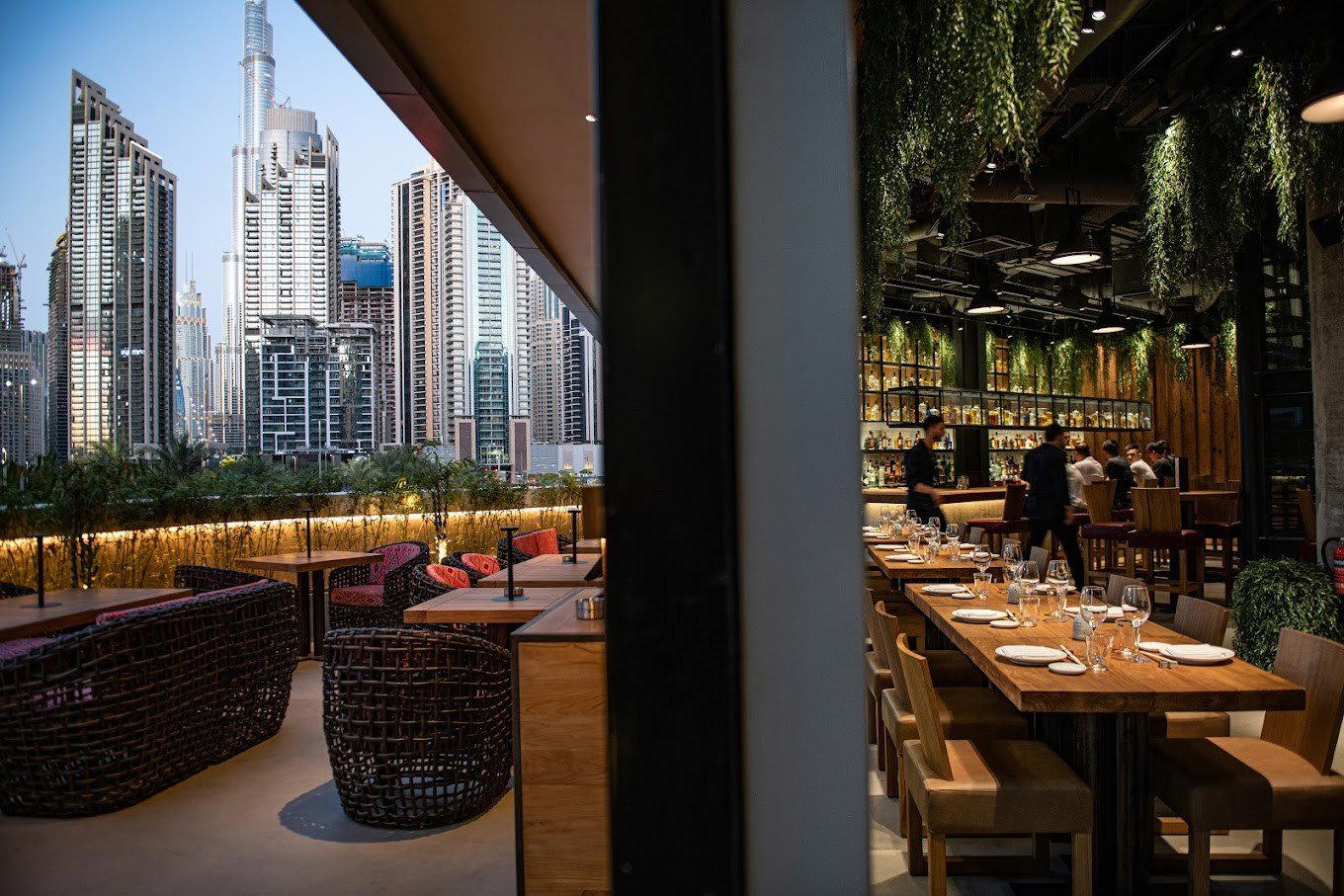
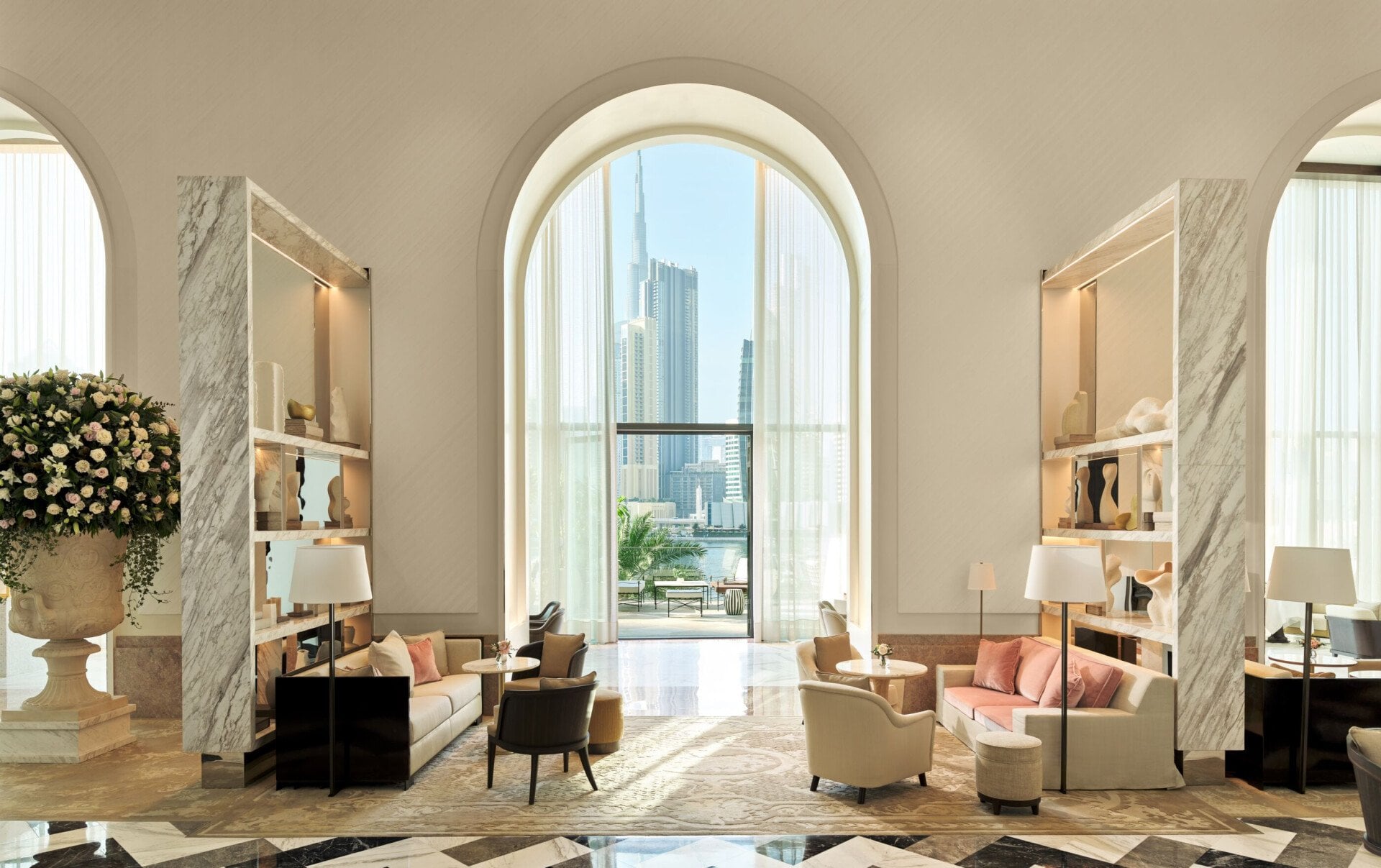
Souk Al Bahar is one of those Downtown Dubai addresses that looks like a tourist photograph and occasionally eats like one too. Siraj is the exception that makes the rule legible. Positioned within the souk's stone-arched interior, with the Burj Khalifa framing the view beyond the terrace, the physical setting here is not incidental, it calibrates what you expect before you've looked at a menu. The question most worth asking is whether a kitchen inside one of the city's most photographed retail corridors can hold a serious culinary line.
What the Michelin Plate signals, specifically, is a kitchen operating with sufficient consistency and technical discipline to merit recognition, not a star, but a clear signal that the food clears the threshold where Michelin inspectors stop and pay attention. In the context of Dubai's Middle Eastern dining tier, where the category splits sharply between high-glamour Levantine productions and low-key neighbourhood staples, holding that recognition across two inspection cycles places Siraj in a distinct middle band: serious enough to earn the nod, grounded enough to keep a broad audience returning.
The Middle Eastern Dining Tier in Dubai, Where Siraj Sits
Dubai's Middle Eastern restaurant category has grown considerably more competitive over the past five years. The city now has serious representation across Emirati, Levantine, Persian, and broader pan-Arab traditions, from the Emirati-focused cooking at Bait Maryam and Sufret Maryam to the more theatrical Arab-world approach at Ninive, and the long-established Persian dining tradition represented by Shabestan. Siraj's price positioning at the mid-range ($$) bracket is significant: it operates below the premium-format tier where Trèsind Studio plays, and well below the trophy-dining ceiling represented by venues like Al Mahara or City Social. That positioning, combined with Michelin recognition, creates an accessible entry point into credentialled Middle Eastern cooking in the city.
Regionally, the comparison set extends beyond Dubai. Erth in Abu Dhabi operates a comparable brief, serious regional cooking at a setting that draws visitors but aims above the tourist menu. Baron in Doha occupies similar territory in the Qatari capital. And internationally, the appetite for focused Middle Eastern cooking at the credentialled mid-market level is evident from venues like Kismet in Los Angeles, Al Badawi in New York City, Adana in Los Angeles, and Al Farah in Abu Dhabi. Siraj fits within that global pattern: regional specificity, recognisable tradition, and a kitchen that takes the cuisine seriously rather than deploying it as backdrop.
What Keeps the Regulars Returning
A star-chasing crowd generates spikes; a loyal base generates sustained volume at a consistent score. At a Downtown Dubai address with the foot traffic Souk Al Bahar attracts, it would be easy to coast on location. The fact that Siraj holds a 4.3 across that volume suggests its regulars are not first-time visitors ticking off an attraction, but people who have returned enough times to push the score up and hold it there.
What Middle Eastern cuisine does particularly well for repeat visitors is range within familiarity. The tradition accommodates cold mezze, hot starters, slow-cooked proteins, grilled formats, and rice dishes that each reward a different occasion or appetite. A table that orders differently every visit, more mezze one time, a focus on grills the next, is a table that keeps returning. This structural flexibility, built into the cuisine itself, is likely part of what sustains Siraj's regular clientele at an address that might otherwise churn through one-time diners.
For Middle Eastern dining in the Gulf specifically, there is also an expectation around hospitality cadence, the pace of service, the generosity of portions, the way a table is set up to share. A kitchen and floor team that understands this rhythm will hold local and regional guests in a way that a technically correct but culturally flat operation won't. The review consistency at Siraj points toward a team that has internalised that rhythm rather than applied it as a formula.
Those planning a broader exploration of what Dubai's dining scene offers across formats and price points can use our full Dubai restaurants guide, as well as our guides to Dubai hotels, Dubai bars, Dubai experiences, and Dubai wineries. For further context on Middle Eastern cooking across global cities, the Astoria Seafood listing in New York and Adamá in Oaxaca each represent different points on the spectrum of how the region's culinary traditions travel.
Timing and Approach
Downtown Dubai's character shifts meaningfully across the year. The cooler months between October and April open up terrace dining at Souk Al Bahar in a way that summer heat simply doesn't permit, and at a venue where the Burj Khalifa view is part of the proposition, the terrace season is the optimal window. The Dubai Fountain show runs on a fixed schedule adjacent to the souk, which means early-evening timing around sunset and the first fountain performance tends to concentrate foot traffic significantly; a reservation that lands slightly earlier or later than peak show times will generally produce a calmer experience inside.
Souk Al Bahar is walkable from the Burj Khalifa and Dubai Mall metro-linked stops, with direct pedestrian access from the wider Downtown precinct. The souk itself is a mixed retail and dining destination, so the surrounding atmosphere is busier than a standalone restaurant address would be, something worth factoring into expectations around arrival and atmosphere.
Know Before You Go
- Address: Souk Al Bahar, Burj Khalifa District, Downtown Dubai
- Cuisine: Middle Eastern
- Price range: Mid-range ($$)
- Awards: Michelin Plate 2024 and 2025
- Ideal time to visit: October to April for terrace dining; avoid peak fountain show times for a quieter room
- Getting there: Walkable from Burj Khalifa/Dubai Mall metro station via Downtown pedestrian links
Frequently asked questions
at Siraj?
The Michelin recognition signals a kitchen operating with consistency across its range, which in Middle Eastern cuisine typically means the cold mezze and grilled formats are the baseline test of quality, these are the dishes inspectors and regulars alike use to read a kitchen.
Nearby-ish Comparables
| Venue | Cuisine | Price | Awards | Notes |
|---|---|---|---|---|
| SirajThis venue (the venue you are viewing) | Modern Emirati Levantine | $50–100 | Michelin Plate | Not listed |
| 11 Woodfire | Modern Woodfire Grill | $150–200 | 1 Michelin Star · World's 50 Best #14 | Modern Cuisine |
| Avatara Restaurant | Modern Vegetarian Indian Fine Dining | Not listed | 1 Michelin Star · Gault & Millau UAE Selected Restaurant | Indian |
| Al Mahara | Modern Italian Seafood | $300–500 | Michelin Plate · World's 50 Best #31 | Seafood |
| Zuma | Modern Japanese Izakaya | $150–200 | Michelin Plate · World's 50 Best #34 | Japanese - Asian, Japanese, Japanese Contemporary |
| City Social | Modern European with Japanese influences | $150–200 | Michelin Plate · Star Wine List | Modern British, Modern Cuisine |
Recognition history
Dated appearances from independent guides and award organizations, with the underlying list record or original source where available.
Michelin Plate
Michelin
Full recognition history (2 entries)
Michelin Plate
Michelin
Continue exploring
More in Dubai
Restaurants in Dubai
All restaurants in Dubai →
Bars in Dubai
All bars in Dubai →
Details
- Modern
- Elegant
- Cozy
- Family
- Group Dining
- Business Dinner
- Special Occasion
- Terrace
- Open Kitchen
- Craft Cocktails
- Zero Proof
- Skyline
- Waterfront
- A La Carte
- Small Plates
- Mocktails
- Shisha
- Vegetarian Friendly
Current opening hours
- Monday
- 12 PM–1 AM
- Tuesday
- 12 PM–1 AM
- Wednesday
- 12 PM–1 AM
- Thursday
- 12 PM–1 AM
- Friday
- 12 PM–2 AM
- Saturday
- 12 PM–2 AM
- Sunday
- 12 PM–1 AM
Hours can change for holidays and private events. Hours as of .
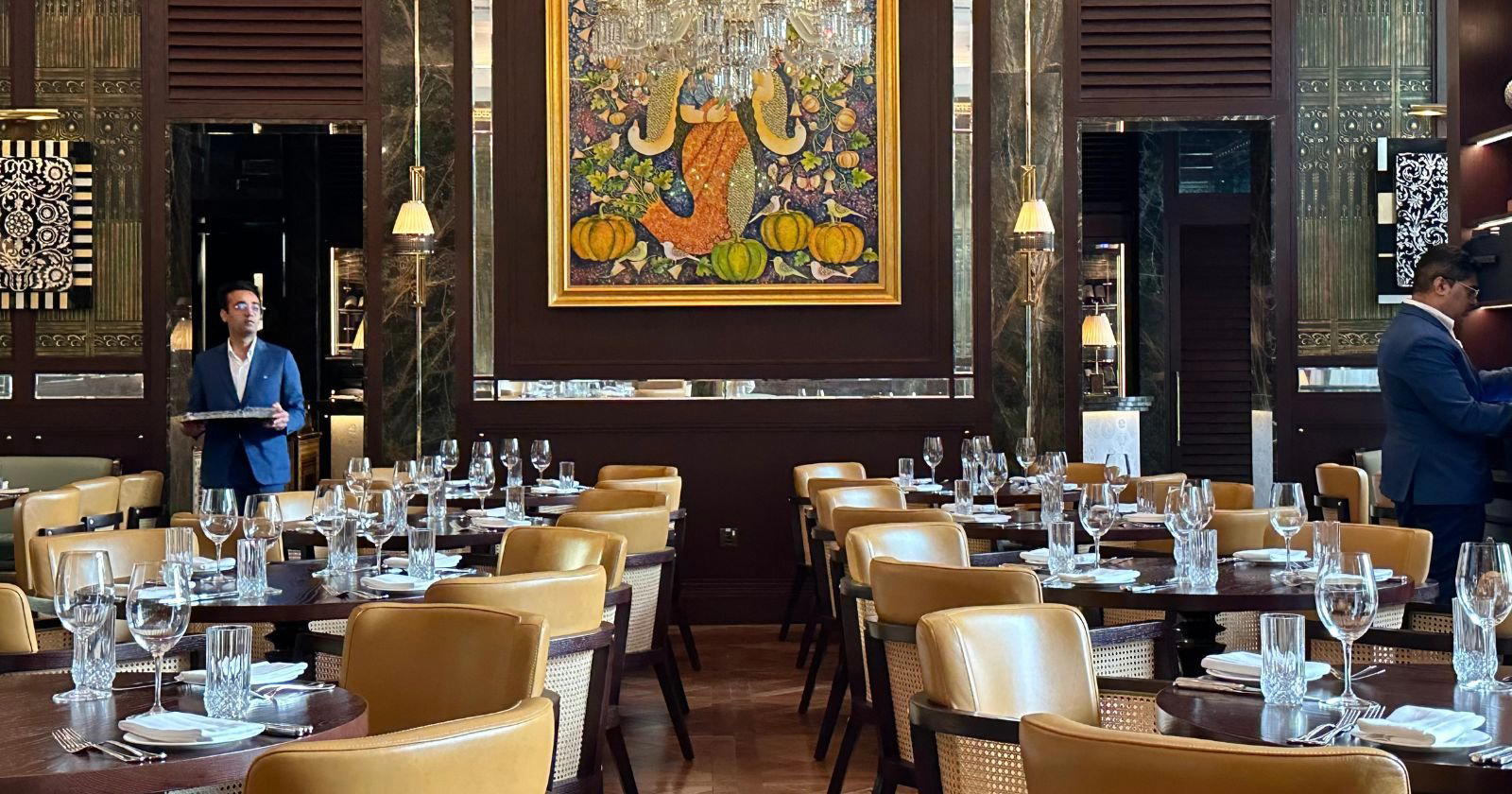
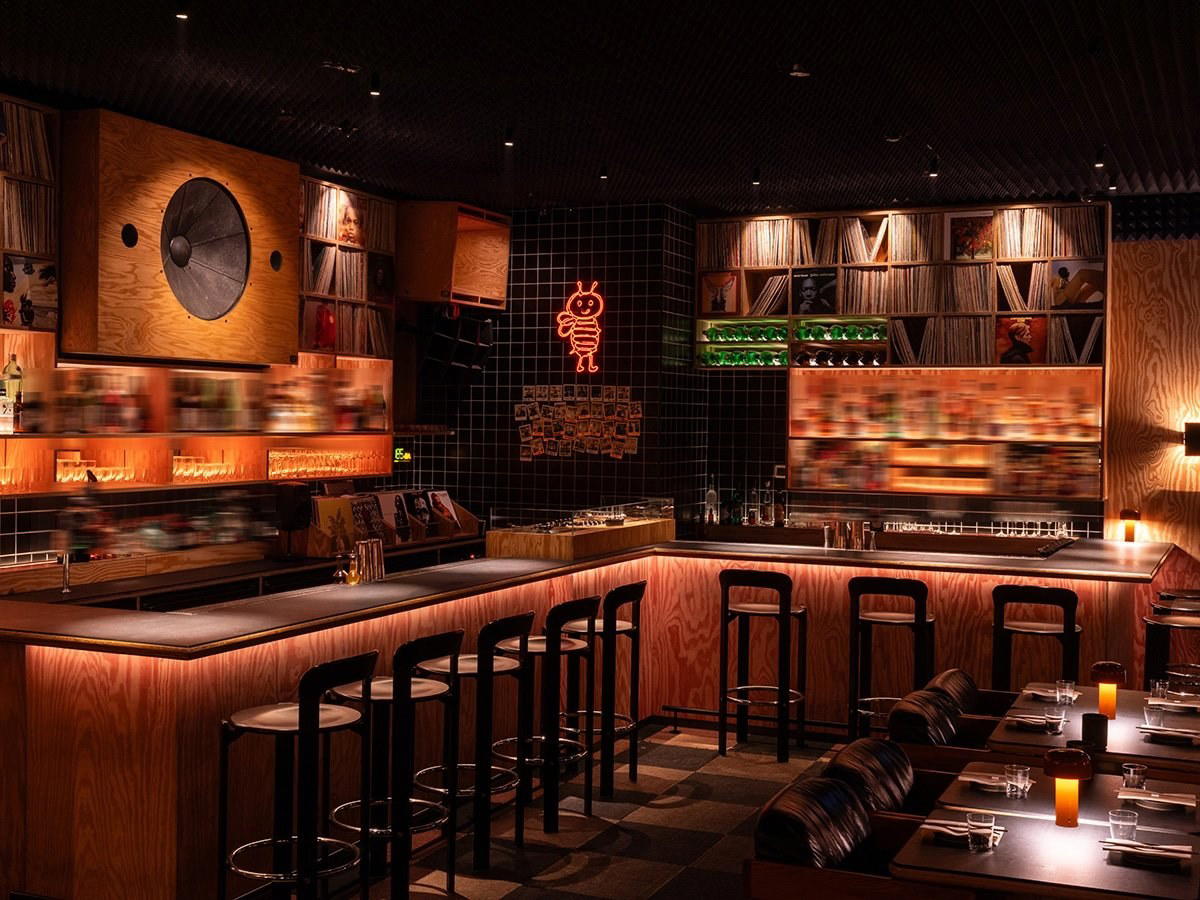
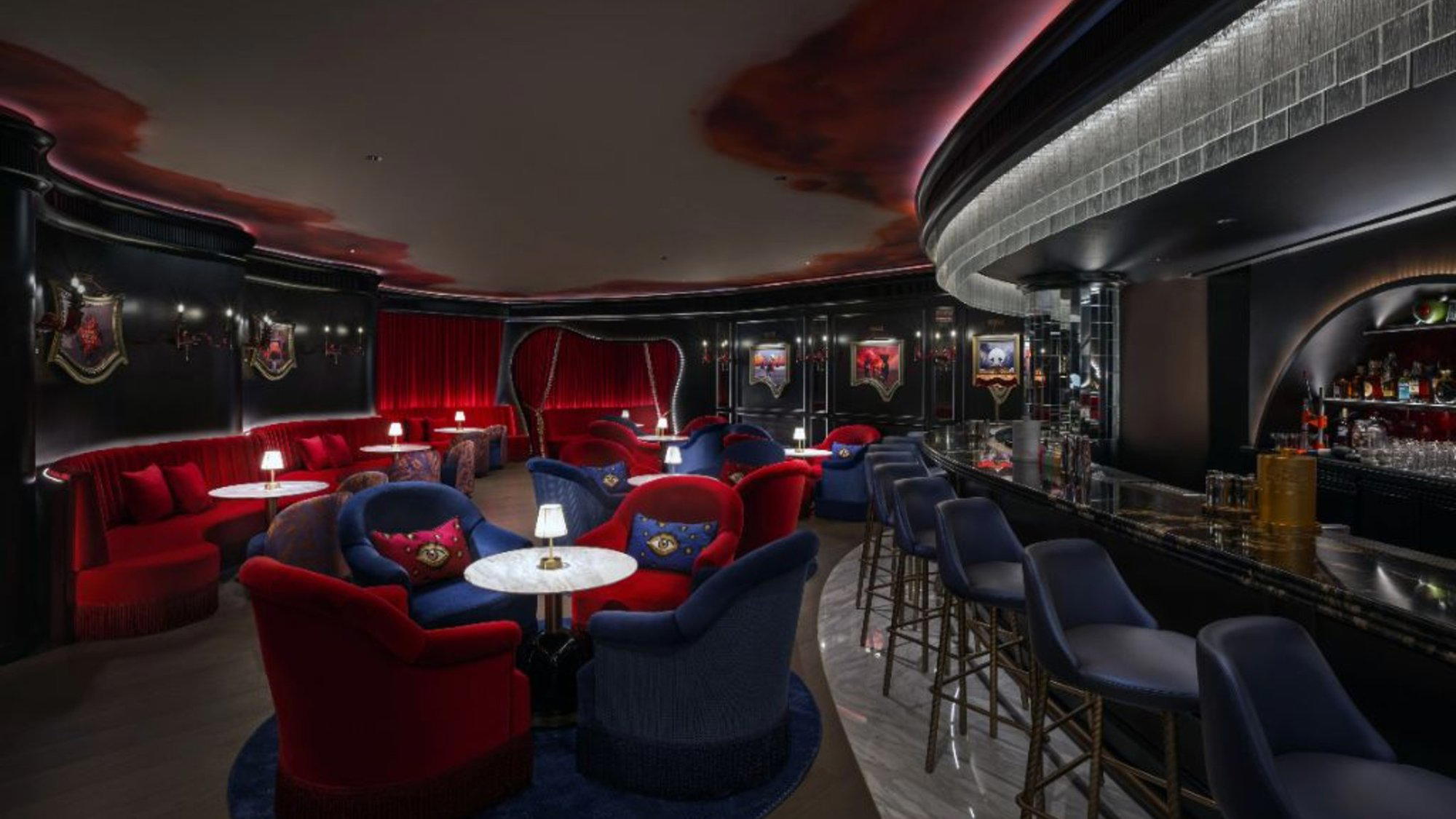
Cozy modern Middle Eastern ambiance with dim ambient lighting, terrace lounge chairs, fairy lights, and stylish Arabic cultural references.