Ninive


Michelin Plate · Gault & Millau UAE Selected Restaurant
Our verdict
Set within Emirates Towers on Sheikh Zayed Road, Ninive transports diners from Dubai's corporate corridor into an outdoor recreation of a Bedouin encampment, complete with rugs, lanterns, low tables, and lush greenery. The menu draws on flavours from across the Middle East and North Africa, built for sharing. A 2024 Michelin Plate holder, it occupies a particular niche in Dubai's dining scene: theatrical heritage atmosphere paired with broadly accessible regional cooking.

Pearl is the En Primeur Club membership app, where members save venues, book tables and use the concierge.
The menu
What to order
- Tamarind chicken
- Wagyu tenderloin skewers
- Mix grill
- Lamb chops
Between the Towers and the Tent
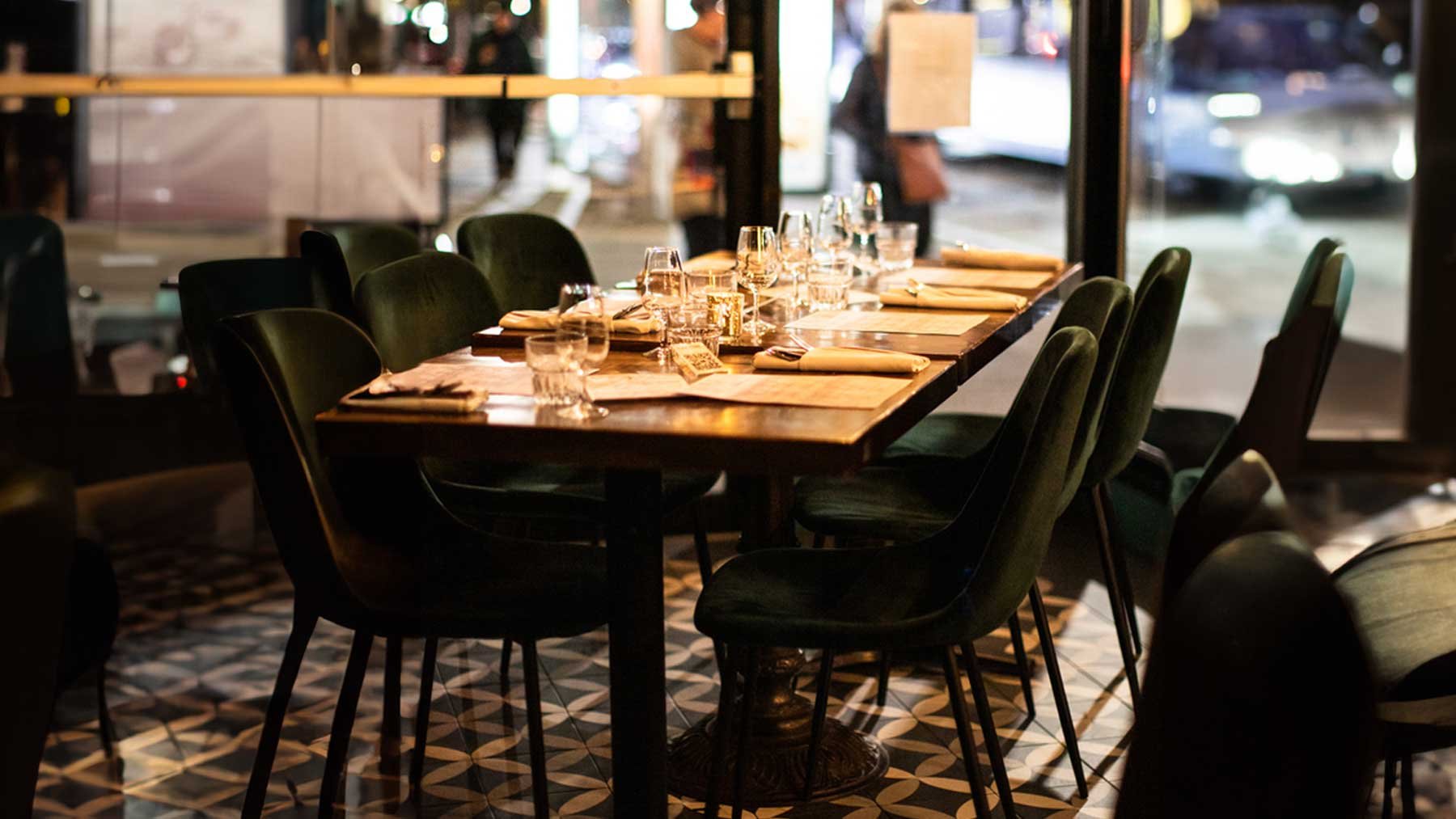
Sheikh Zayed Road is not a street that asks you to slow down. The corridor running through Dubai's financial core is defined by glass, altitude, and velocity, a built environment that signals transaction over contemplation. Arriving at Emirates Towers Hotel and stepping into Ninive requires a conscious gear change. The outdoor-only format places you beneath a structure designed to evoke a Bedouin tent, with rugs underfoot, lanterns casting low light, low tables surrounded by sofas, and greenery dense enough to muffle the ambient hum of the city beyond the perimeter. The gap between what surrounds the restaurant and what exists inside it is, in architectural terms, the entire point.
That contrast has been the defining feature of Ninive's identity for much of its life in Dubai. When outdoor heritage-dining formats first emerged in the Gulf, they occupied a fairly narrow cultural role: a nod to Bedouin tradition calibrated for hotel guests who wanted atmosphere alongside their meal. What has shifted over the past several years is the seriousness with which that atmosphere is now maintained and how the food program has been positioned relative to it. The 2024 Michelin Plate recognition places Ninive within a tier of restaurants that the Guide considers worth noting for food quality, even if the full star threshold has not been reached. In a city where Michelin arrived only in 2022, that placement carries genuine market signal.
The Reference Point: Ancient Mesopotamia in Modern Dubai
The design concept draws from Ninawa, the ancient Mesopotamian city from which the restaurant takes its name, rather than from generic Gulf heritage tropes. That specificity matters. Where many heritage-format restaurants in the region default to a generalized Arabesque aesthetic, Ninive anchors itself to a more defined historical reference: the pre-Islamic Near East, a civilizational breadth that maps onto the menu's geographic range. Dishes pull from across the Middle East and North Africa, and the sharing format reinforces the communal hospitality codes that underpin both the Mesopotamian reference and contemporary regional dining culture.
This positions Ninive differently from the concentrated single-origin approach taken by restaurants like Bait Maryam or Sufret Maryam, which focus on Emirati home cooking. It also distinguishes Ninive from Shabestan, which channels Persian cuisine with its own distinct regional logic. The pan-regional brief at Ninive, covering a band of culinary traditions from the Levant through North Africa, gives it a broader canvas, and the execution within that canvas is what the Michelin recognition is essentially endorsing.
For a wider view of how regional Middle Eastern cooking is being interpreted across different markets, the contrast with venues like Kismet in Los Angeles or Al Badawi in New York City is instructive. Those formats emerge from diaspora contexts, where Middle Eastern cooking is being reinterpreted for audiences who encounter it as one option among many. At Ninive, the audience includes a significant proportion of regional visitors and residents for whom this food carries the weight of the familiar, a different kind of pressure on the kitchen.
How the Format Has Evolved
The trajectory of outdoor heritage restaurants in Dubai broadly follows a pattern of reinvention under market pressure. Properties that opened in the early 2000s as atmospheric novelties have had to decide, over successive years, whether to invest seriously in food quality or remain primarily experiential venues where the setting carries most of the weight. The ones that pursued both have generally fared better as Dubai's dining scene has grown more demanding and more internationally benchmarked.
Ninive's positioning as an outdoor-only venue has remained constant, the format is not incidental but structural, and the Bedouin tent aesthetic is not a seasonal overlay but the permanent operating condition. What appears to have deepened is the kitchen's engagement with the regional canon it draws from. A Michelin Plate in 2024 is not awarded for atmosphere alone; the Guide's inspectors are evaluating food, and the recognition signals that the cooking is now being taken seriously on its own terms, independent of the setting's obvious appeal.
This matters in the context of a broader shift in Dubai's restaurant culture. The city has moved from a market where theatrical setting could substitute for culinary depth toward one where the two are expected to coexist. Venues like Siraj and, further afield, Erth in Abu Dhabi represent the same general push: heritage-coded environments where the food program has matured to match the concept. Ninive sits in that evolving cohort.
The comparison set extends beyond the region. Baron in Doha operates within a similar regional brief, while Al Farah in Abu Dhabi and Adana in Los Angeles show how different market contexts shape the expression of the same broad culinary tradition. At the more experimental end of the spectrum, Adamá in Oaxaca demonstrates what happens when Middle Eastern cooking leaves its geographic origin entirely. Ninive occupies none of those positions: it is a regionally rooted restaurant in a city where that rootedness carries commercial and cultural value simultaneously.
Planning Your Visit
The outdoor-only format means weather is a real variable. Dubai's dining season runs roughly from October through April, when evening temperatures are manageable; the summer months from May through September bring heat and humidity that make outdoor dining uncomfortable regardless of how compelling the setting is. Ninive sits in the $$$$ price tier, consistent with the Emirates Towers address and the broader positioning of hotel-based heritage dining in Dubai. It is a sharing-format meal, which means the per-head cost is somewhat influenced by group size and appetite.
Emirates Towers is well connected on Sheikh Zayed Road, with its own metro station on the Red Line, making arrival direct from most parts of the city. For those building a broader Dubai itinerary around regional cooking, our full Dubai restaurants guide covers the wider field, while our guides to Dubai hotels, bars, wineries, and experiences map the rest of the city's premium offer. For contrast on the Indian fine dining side of the Emirates Towers neighbourhood, Trèsind Studio is worth noting as a benchmark for what the Michelin tier looks like in a different culinary register. And for a seafood-forward Middle Eastern coastal experience in the region, Astoria Seafood in New York provides an interesting transatlantic data point on how the tradition travels.
Frequently asked questions
What should I order at Ninive?
The menu is built for sharing across a wide geographic sweep, Levantine, Egyptian, Moroccan, and Gulf-adjacent dishes appear alongside each other, which is the stated premise of the pan-regional brief. The Bait Maryam comparison is useful here: where that restaurant operates within a tighter Emirati frame, Ninive's strength is breadth. The 2024 Michelin Plate recognition affirms the kitchen's overall execution; ordering across multiple sections of the menu, mezze, grills, and slow-cooked dishes, is the format the kitchen is designed around. Specific dish recommendations require verified sourcing that is not currently available, so the standing guidance is to follow the sharing logic of the concept and let the table cover range.
How far ahead should I plan for Ninive?
Weekend reservations during the October-to-April season, when the outdoor format is fully operational, should be secured at least one to two weeks in advance. The restaurant's position within Emirates Towers means it also absorbs hotel guests, which tightens availability further on high-traffic evenings. For the broader Dubai dining circuit, the same seasonal logic applies: the cooler months compress demand across the city's outdoor-format restaurants simultaneously, so early planning across the itinerary is worthwhile.
Cuisine Lens
| Venue | Cuisine | Price | Awards | Notes |
|---|---|---|---|---|
| NiniveThis venue (the venue you are viewing) | Modern Arabic Mezze and Grill | $50–100 | Michelin Plate · Gault & Millau UAE Selected Restaurant | Not listed |
| 11 Woodfire | Modern Woodfire Grill | $150–200 | 1 Michelin Star · World's 50 Best #14 | Modern Cuisine |
| Avatara Restaurant | Modern Vegetarian Indian Fine Dining | Not listed | 1 Michelin Star · Gault & Millau UAE Selected Restaurant | Indian |
| Al Mahara | Modern Italian Seafood | $300–500 | Michelin Plate · World's 50 Best #31 | Seafood |
| Zuma | Modern Japanese Izakaya | $150–200 | Michelin Plate · World's 50 Best #34 | Japanese - Asian, Japanese, Japanese Contemporary |
| City Social | Modern European with Japanese influences | $150–200 | Michelin Plate · Star Wine List | Not listed |
Recognition history
Dated appearances from independent guides and award organizations, with the underlying list record or original source where available.
Michelin Plate
Michelin
Gault & Millau UAE Selected Restaurant
Gault & Millau · Gault & Millau UAE 2026 - Selected Restaurant
Full recognition history (3 entries)
Michelin Plate
Michelin
Continue exploring
More in Dubai
Restaurants in Dubai
All restaurants in Dubai →
Bars in Dubai
All bars in Dubai →
Details
- Sophisticated
- Elegant
- Cozy
- Relaxed
- Ornate
- Date Night
- Business Dinner
- Group Dining
- After Work
- Terrace
- Open Kitchen
- Hotel Restaurant
- Craft Cocktails
- Skyline
- A La Carte
- Small Plates
- Vegetarian Friendly
Current opening hours
- Monday
- 6 PM–2 AM
- Tuesday
- 6 PM–2 AM
- Wednesday
- 6 PM–2 AM
- Thursday
- 6 PM–2 AM
- Friday
- 6 PM–3 AM
- Saturday
- 6 PM–3 AM
- Sunday
- 6 PM–2 AM
Hours can change for holidays and private events. Hours as of .
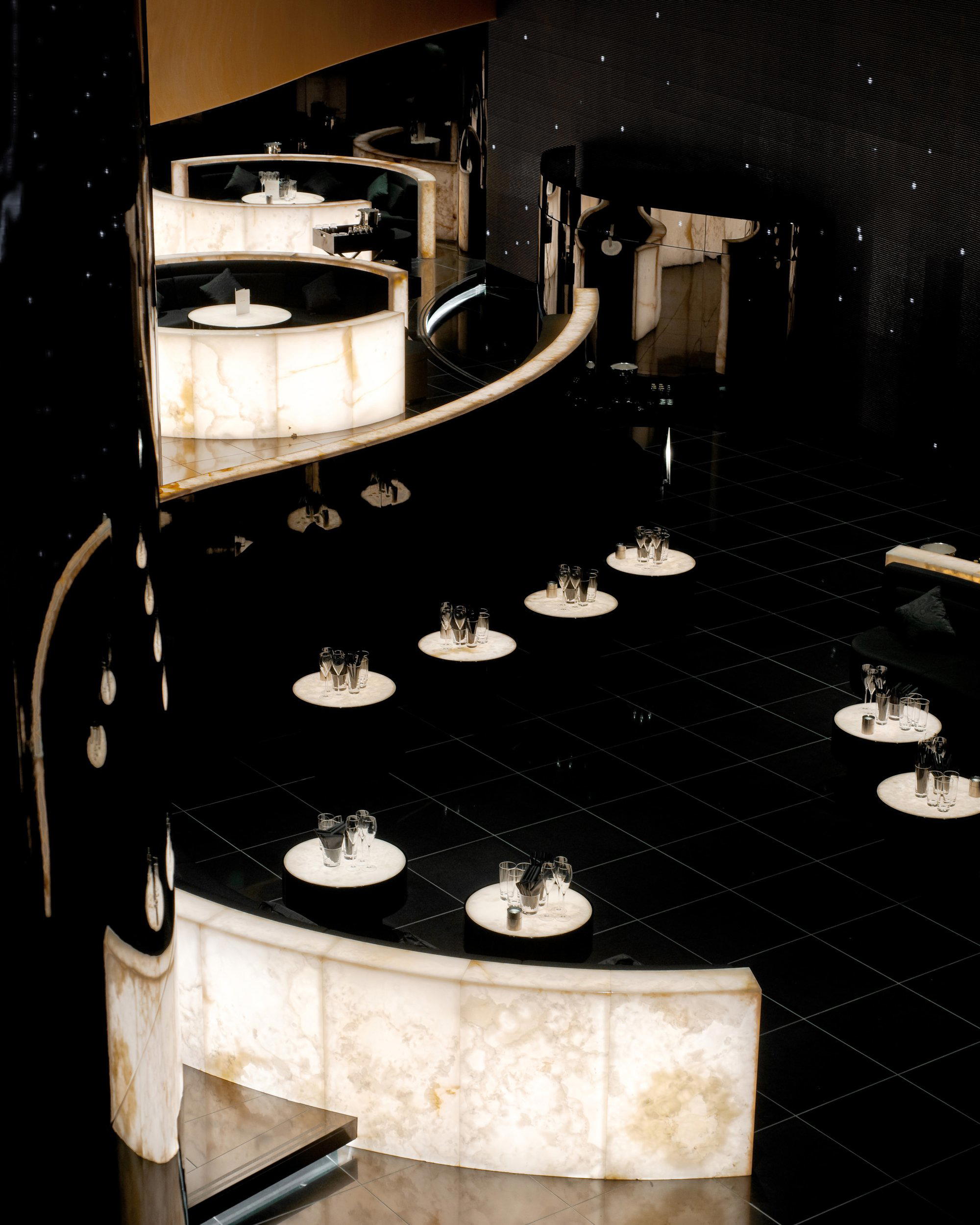
Sophisticated yet relaxed atmosphere with low-lit, cosy low-slung seating, lush hanging gardens, and warm Arabesque décor.