
Seki Beya belongs to Shizuoka’s quieter wagashi culture, where traditional sweets sit closer to everyday ritual than luxury performance. Its Tabelog 100 selection for Japanese traditional sweets and sweets cafés in EAST 2023 gives it a clear credibility signal, while the modest format keeps the focus on regional habit, takeout, and small-room hospitality.
Pearl is the En Primeur Club membership app — saves, bookings, and concierge access live there. Same editors, same standards.
- Address
- 2 Chome-5-24 Miroku, Aoi Ward, Shizuoka, 420-0053, Japan
- Phone
- +81 54-252-5698
- Website
- shizuoka.mytabi.net
 Saves & bookings on Pearl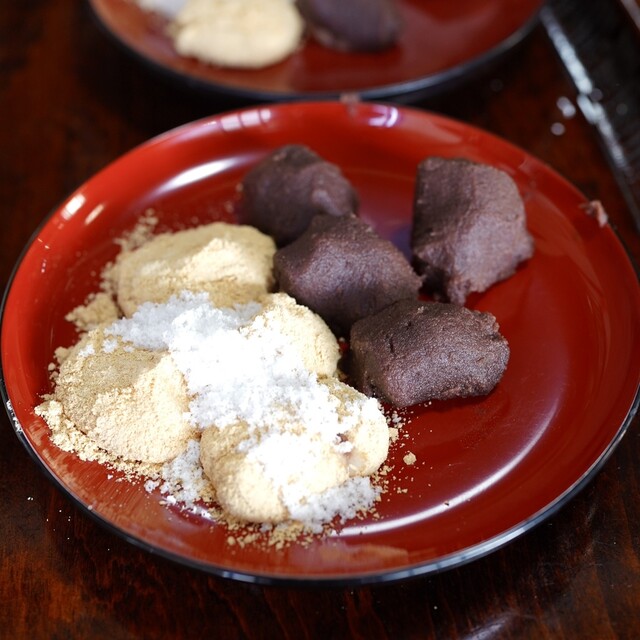
Approaching older sweets shops in Shizuoka, the cues are modest: low signage, compact frontage, and customers arriving for something to carry home rather than a long meal. That restraint matters. Regional wagashi culture does not depend on theatrical dining rooms; it is built around seasonality, gifts, tea, family visits, and small purchases made with intent. Seki Beya sits inside that tradition, in Aoi Ward’s Miroku area, with a format that tells travellers more about local food culture than another polished tasting counter.
Shizuoka’s dining reputation often centers on seafood, green tea, soba, and ryokan-linked kaiseki, but its sweet-shop culture is part of the same civic grammar. Japanese traditional sweets are not dessert in the Western restaurant sense. They mark visits, holidays, school returns, temple routes, and informal hospitality. Their value lies in repetition and specificity: residents know when to stop, what travels well, and what belongs with tea. Seki Beya’s selection for Tabelog 100 Japanese traditional sweets and Japanese sweets café, EAST 2023, places it in a recognized category rather than the broader restaurant race.
Wagashi in Shizuoka is daily culture, not restaurant theatre
The clearest way to read this address is against Shizuoka’s broader eating map. A meal at Asaba (Kaiseki) belongs to the formal end of Japanese hospitality, where sequence, room, and season work as a composed whole. Aozora, Chabo, and Chinese Muramatsu show another Shizuoka pattern: specialist restaurants anchored by craft rather than spectacle. Sweets shops work on a different clock, rewarding travellers who understand that a short stop can carry as much cultural information as a booked dinner.
That distinction matters because visitors can misread wagashi as snacks. In Japan, it is also social technology. The small box, seasonal piece, item chosen for a household visit, and sweet paired with tea all carry meaning beyond appetite. Shizuoka, with its deep tea identity, gives this culture a natural setting. The point is calibration, not excess: sweetness, portion, wrapping, and timing matter, and the shop’s credibility comes from local use.
Seki Beya’s format reinforces that reading. The listing identifies Japanese traditional sweets and a sweets café, with takeout service and seating that includes benches, chairs, and a tatami room. That combination serves several needs: a quick purchase, a pause with friends, or a family stop. It is also non-smoking and children are welcome, placing it in the everyday social lane rather than the adult-only bar or destination counter lane.
The useful comparison is price tier and purpose, not prestige dining
Shizuoka has many restaurants where evening budget signals a more formal choice. Teuchi Soba Tagata, Go, Blue Label, and OUBAITOURI all sit in higher meal-spend brackets than a traditional sweets stop, while Blue Label reaches JPY 8,000 to JPY 9,999. That contrast clarifies wagashi’s role. It is not competing with dinner; it fills the hour before a train, the gap after lunch, or the visit where a gift carries more weight than another reservation.
The Tabelog score of 3.65 adds a second signal, useful because Japanese review culture is stricter in numeric expression than many international platforms. A score in that range, paired with a Tabelog 100 category selection, suggests recognition within a specialist field rather than tourist novelty. For EP Club readers, the practical conclusion is direct: place this address beside a serious Shizuoka meal, not beneath it.
There is a wider Japan-travel lesson here. Travellers often plan food days around lunch and dinner, then leave in-between hours to convenience stores or nearby cafés. That misses much of Japanese regional eating. Sweets shops, onigiri counters, tea rooms, bakeries, and standing bars explain a city’s taste in smaller increments. For that broader lens, compare everyday formats outside Shizuoka, from Onigiri Time in Pasadena to Jōdo Saké Bar in Los Angeles, where Japanese food culture is translated into a different urban rhythm.
How to fold it into a Shizuoka day
Aoi Ward is central enough to fit into a food-led day without building the schedule around one stop. Treat the restaurant as a cultural hinge: plan it around tea, a walk, or a lighter meal rather than making it compete with dinner. The venue’s notes draw one boundary worth respecting: karamomochi is not available for takeaway. That detail changes expectations, especially for travellers assembling gifts or train snacks.
Cash planning matters in older Japanese sweet shops, and here the payment details are clear: credit cards, electronic money, and QR code payments are not accepted. Parking is listed at six spaces, but central Shizuoka movement is often easier when a sweets stop is combined with walking or public transport. Reservations are available, though this category rarely needs the same strategy as a counter restaurant. The smarter concern is timing around closing days and holiday-period changes, then allowing enough margin to choose without rushing.
For a fuller Shizuoka itinerary, place the sweet-shop stop among different registers rather than similar ones. Use Our full Shizuoka restaurants guide for formal meals and specialist counters, Our full Shizuoka hotels guide for where to base the trip, Our full Shizuoka bars guide for evening drinking, Our full Shizuoka wineries guide for regional producers, and Our full Shizuoka experiences guide for cultural planning beyond the table.
That same cross-category thinking applies across Japan. A traveller moving between regions could pair Shizuoka’s wagashi lens with -Grilled beef Sukiyaki- KAMAKURA TANUKIAN 鎌倉 たぬき庵 in Kamakura. 鮪と炭火焼き うお炭 秋葉原店 in Tokyo.cafe in Osaka.know in Kumamoto, (Shoku) Vietnam in Kawasaki, and [Curry Senmon Ten] Maruyama Kyoju. in Sapporo. The through-line is not similarity; it is attention to format. Japan’s food culture reveals itself through small, specific decisions, and a recognized wagashi shop in Shizuoka is one of the cleaner ways to read that code.
Price and Positioning
Nearby venues at a similar price tier for orientation.
| Venue | Price | Notes |
|---|---|---|
| Seki BeyaThis venue — the venue you are viewing | $ | Not listed |
| Aozora | $ | Shimizu-ku (Yui Station area), Japanese cafeteria specializing in local sakura shrimp |
| Sakume | $$ | Mikkabichosakume, Kita-ku, Traditional Unagi (Grilled Eel) |
| Go | $$$ | Aoi-ku, Japanese Grill & Izakaya-Style Dining |
| Ooyakiimo | $ | Aoi-ku, Shizuoka oden & roasted sweet potato shop |
| Suehiro Zushi | $$$ | Shimizu Ward, Traditional Shimizu Sushi with Hagashi Tuna |
Recognition history
Dated appearances from independent guides and award organizations, with the underlying list record or original source where available.
Tabelog 100 #47 · No. 47
Tabelog · Tabelog 100 - Japanese traditional sweets / Japanese sweets cafe - EAST - 2023
Continue exploring
More in Shizuoka
Restaurants in Shizuoka
Browse all →
Hotels in Shizuoka
Browse all →

Wineries in Shizuoka
Browse all →
At a Glance
- Classic
- Cozy
- Rustic
- Well Known
- Solo
- Family
- Casual Hangout
- Historic Building
- Standalone
- Local Sourcing
Current opening hours
- Monday
- 9 AM–4:30 PM
- Tuesday
- 9 AM–4:30 PM
- Wednesday
- 9 AM–4:30 PM
- Thursday
- Closed
- Friday
- 9 AM–4:30 PM
- Saturday
- 9 AM–4:30 PM
- Sunday
- 9 AM–4:30 PM
Hours can change for holidays and private events. Last verified .
A small, old-fashioned Japanese sweet shop with a timeworn exterior and simple tatami and floor-stool seating, offering a quiet, nostalgic atmosphere that feels like stepping into an Edo-era teahouse.