Stoof Maastricht
Stoof Maastricht serves Dutch stew house cooking on Capucijnenstraat, with zuurvlees and stews suited to a casual, conversational dinner.
Pearl is the En Primeur Club membership app — saves, bookings, and concierge access live there. Same editors, same standards.
- Address
- Capucijnenstraat 36, 6211 RR Maastricht, Netherlands
- Phone
- +31618609176
- Website
- stoofmaastricht.nl
- Directions
- Get directions
 Saves & bookings on Pearl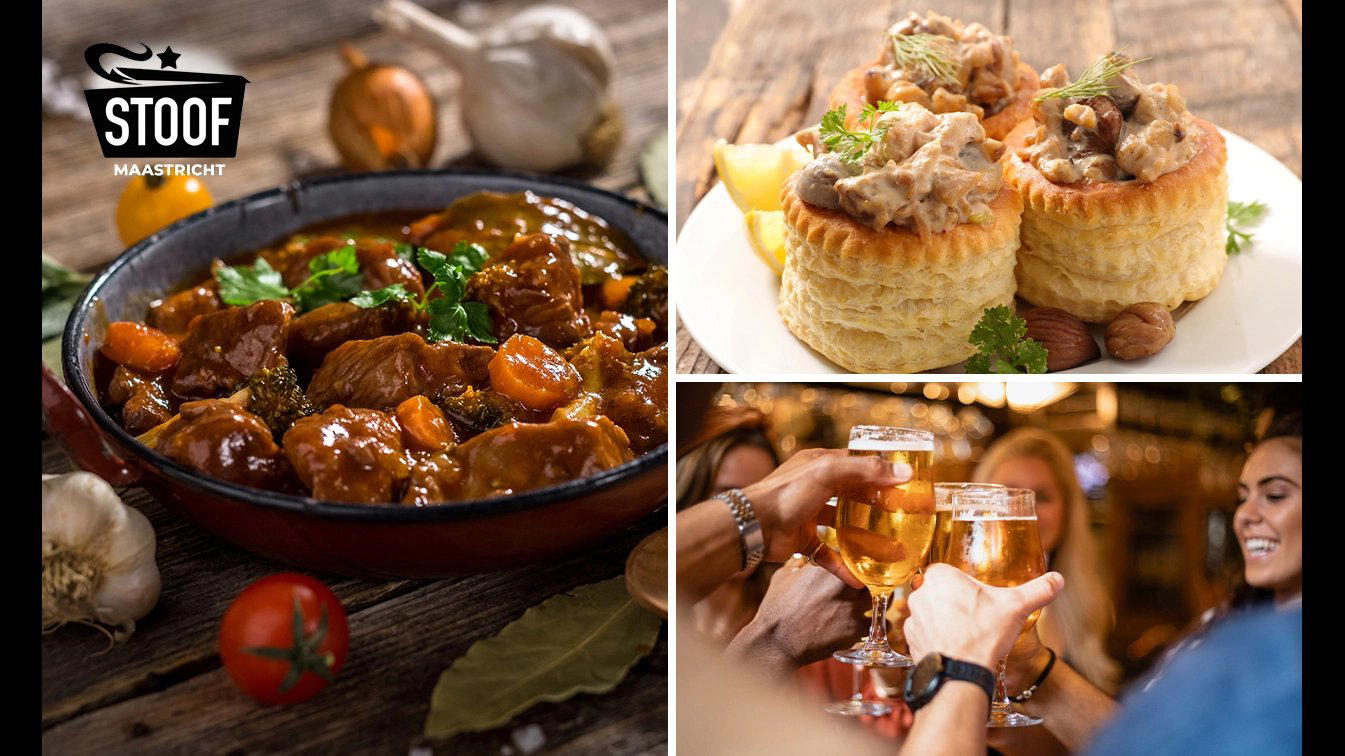
Capucijnenstraat in Winter: Where Limburg's Larder Meets the Table
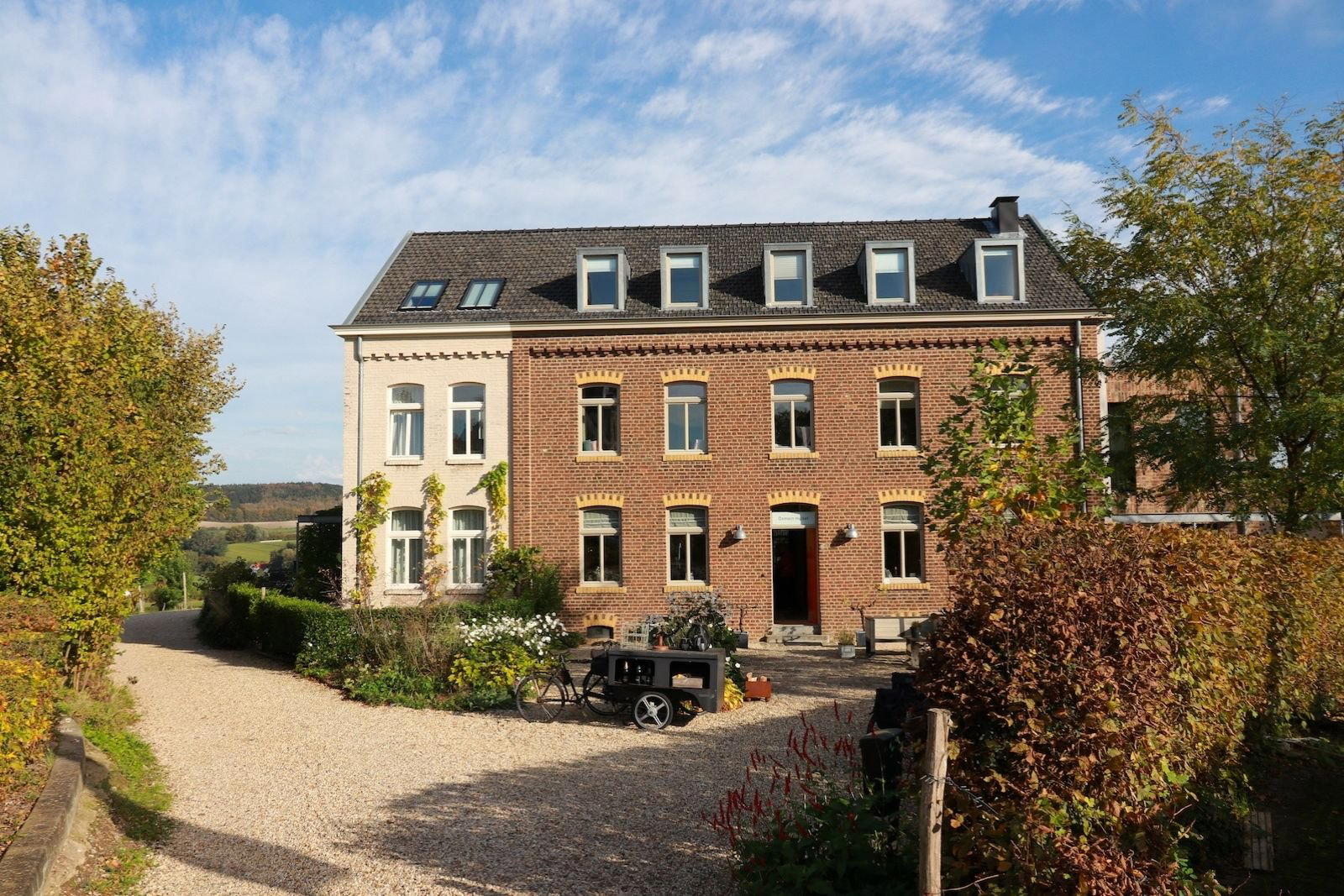
Walk down Capucijnenstraat on a grey November afternoon and the street reads like much of Maastricht's inner city: narrow, cobbled, layered with centuries of Burgundian domestic life. Stoof sits at number 36, and the address places it squarely within a neighbourhood that has long measured its restaurants not by their square footage or their Instagram footprint, but by the reliability of what arrives on the plate. The interior suggests a room that has been worked in rather than staged for effect, the kind of low-lit, warm-toned space that the Dutch south does better than almost anywhere else in the country.
The word stoof translates directly from Dutch as a stew, specifically the slow-cooked braise that defines the cooking of Limburg and the broader Meuse valley. In choosing that name, the restaurant signals an orientation toward ingredient-led, process-driven cooking rather than technique for its own sake. Across the Netherlands, there is a category of restaurant that frames modern European cooking through the prism of regional produce and classical braising traditions. Stoof belongs to that cohort. Stoof occupies a more relaxed register, where the hospitality is unfussy but the sourcing is not.
The Sourcing Logic Behind Slow Cooking
Limburg is the southernmost province of the Netherlands, wedged between Belgium and Germany, and its food culture draws from both directions. The province has its own AOC-equivalent traditions for asparagus, a strong history of river fish from the Meuse, and an agricultural hinterland that produces game, dairy, and root vegetables with genuine seasonal variation. For a restaurant whose name invokes the braise, that geography is not incidental. Slow-cooked dishes reward proximity to raw materials: the quality of a stoof depends on the acidity of the wine used, the fat content of the cut, and the aromatic depth of the vegetables that form the base. None of those variables are well served by long supply chains.
Across the Netherlands, the restaurants that have built particularly durable reputations on ingredient sourcing tend to operate with tight, seasonal menus that shift substantially across the year. De Nieuwe Winkel in Nijmegen and De Groene Lantaarn in Staphorst both represent that approach at the fine-dining level. Stoof applies a comparable logic at a more accessible price point, which is where the format becomes particularly interesting for visitors who want to eat well in Maastricht without committing to a multi-course tasting menu.
The autumn and winter months are especially apt for this style of cooking, when braised dishes and root vegetables feel at their most natural.
Maastricht's Mid-Range Dining and Where Stoof Fits
Maastricht has a dense concentration of serious restaurants, shaped by its proximity to Belgium and its university population. The top tier, represented by addresses such as Tout à Fait and the modern French canon of Au Coin des Bons Enfants, commands prices and formality commensurate with the ambition. Below that, the city has a growing cohort of restaurants that apply serious cooking to a more relaxed format. Bar Beurre at €€ represents the casual French end of that spectrum. Stoof sits in the middle ground, where the cooking is taken seriously but the room does not require a jacket.
That positioning is increasingly common across Dutch provincial cities, and it reflects a broader European shift away from ceremony as a proxy for quality. The relevant comparison set is not the Michelin-starred rooms of Ciel Bleu in Amsterdam or De Librije in Zwolle, but rather the neighbourhood restaurants that have built loyal local followings by doing one thing well and sourcing it honestly. Capucijnenstraat is central and easy to reach on foot from Maastricht Centraal or the Vrijthof.
Planning a Visit
Maastricht's dining scene tends to book out at weekends, particularly between October and December when the city draws visitors from across the Netherlands and Belgium for its Christmas market and the general autumn dining season. For a restaurant of this type and scale, a weekday dinner is the lower-friction option. The address on Capucijnenstraat is central enough that it pairs naturally with an afternoon at the Bonnefanten Museum or a walk through the Jekerkwartier before sitting down to eat.
Peers Worth Knowing
Comparable venues nearby, for context on price, style, and recognition.
| Venue | Cuisine | Price | Notes |
|---|---|---|---|
| Stoof MaastrichtThis venue — the venue you are viewing | Dutch Stew House | $$ | Not listed |
| Wall-Stock | Burgers & Beer Gastropub | $$ | Stokstraatkwartier |
| Vino&Friends | Authentic Italian Wine Restaurant | $$$ | Stokstraat Quarter |
| Pakhoes | Classic French-Belgian | $$$ | Wyck |
| Mediterraneo | Tuscan Italian Fine Dining | $$$ | Wyck |
| TUUR | Modern French Bistro | $$ | Wyck |
Continue exploring
More in Maastricht
Restaurants in Maastricht
Browse all →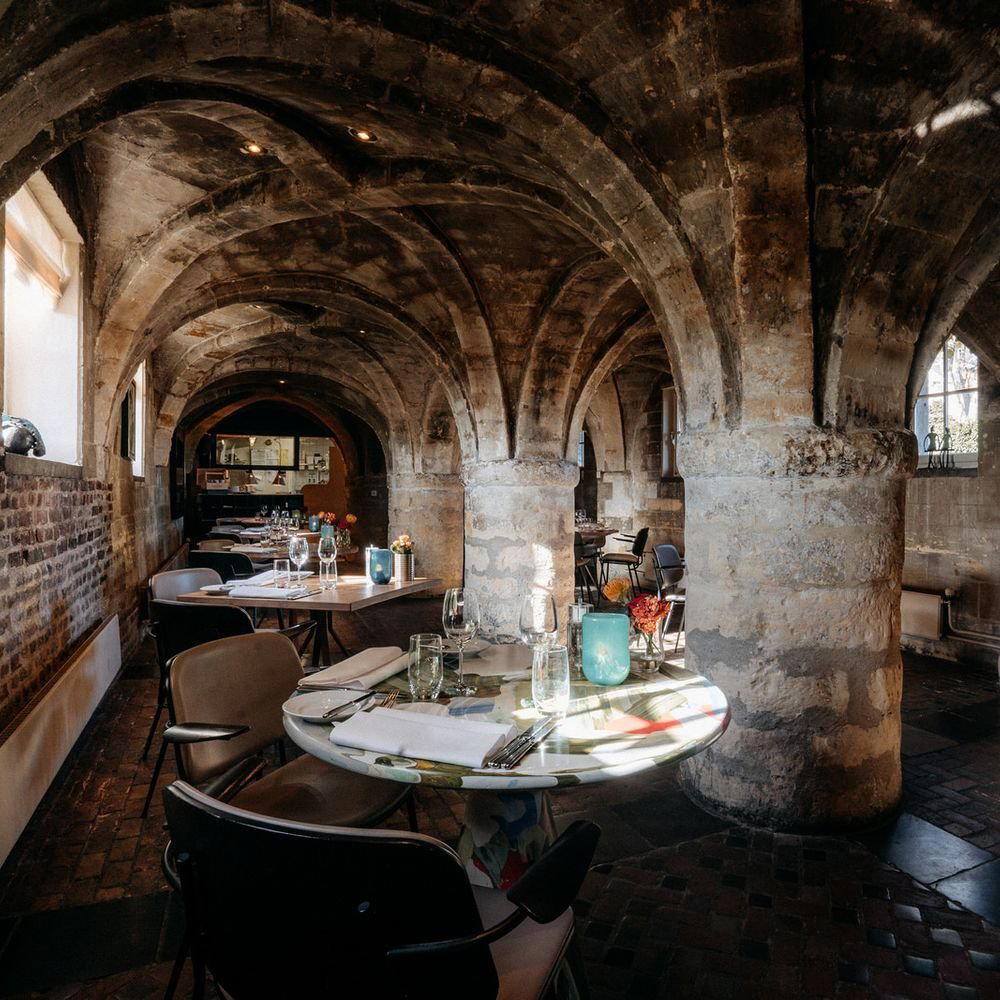
Bars in Maastricht
Browse all →
Hotels in Maastricht
Browse all →
Wineries in Maastricht
Browse all →
At a Glance
- Cozy
- Rustic
- Casual Hangout
Current opening hours
- Monday
- Closed
- Tuesday
- Closed
- Wednesday
- Closed
- Thursday
- 4–10 PM
- Friday
- 4–10 PM
- Saturday
- 4–10 PM
- Sunday
- 4–10 PM
Hours can change for holidays and private events. Last verified .
Cozy local diner atmosphere with warm, comforting vibes from home-style cooking.