Mediterraneo
Mediterraneo occupies a measured position in Maastricht's dining scene, bringing southern European character to a city already well-served by Michelin-level French and creative kitchens. Situated on Rechtstraat in the Wyck quarter, the address places it within easy reach of the city's most active restaurant corridor. Visitors looking for a counterpoint to the region's heavier fine-dining formats will find the Mediterranean register a considered alternative.
Pearl is the En Primeur Club membership app — saves, bookings, and concierge access live there. Same editors, same standards.
- Address
- Rechtstraat 73, 6221 EH Maastricht, Netherlands
- Phone
- +31433255037
- Website
- ristorante-mediterraneo.nl
- Directions
- Get directions
 Saves & bookings on Pearl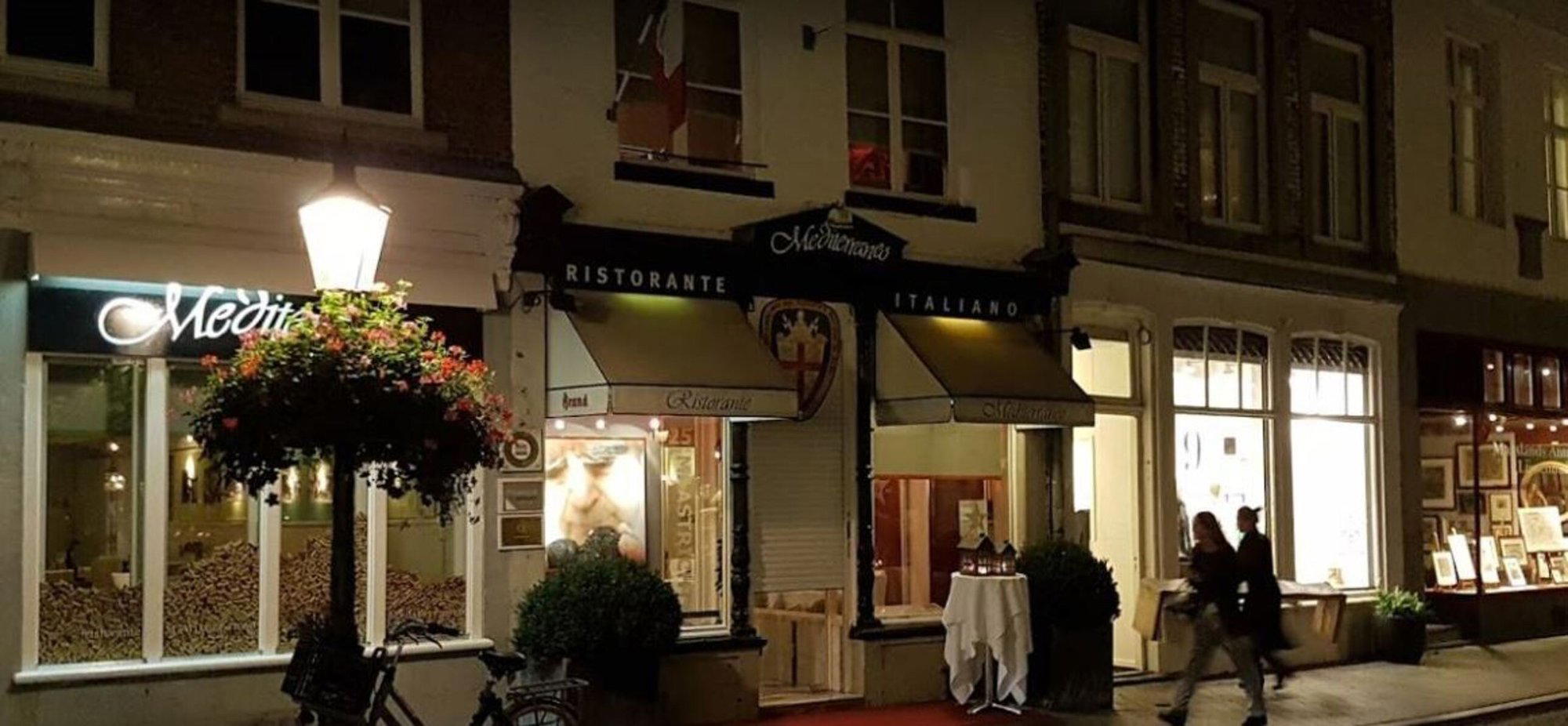
A Southern Register on Maastricht's Most Competitive Street
Rechtstraat runs through the Wyck district on the east bank of the Maas, and it concentrates a disproportionate share of Maastricht's serious dining. The street's character is specific: narrow, stone-faced, lined with addresses that have learned to hold their own against a city with outsized culinary ambition for its size. Mediterraneo sits at number 73, in a neighbourhood where the competition is not theoretical. Beluga Loves You operates its creative four-euro-sign format nearby, Studio draws on Asian influences at the same price tier, and Au Coin des Bons Enfants and Tout à Fait anchor the Modern French end of the market. For a restaurant with Mediterranean orientation to hold ground in this company, it has to offer something the French and creative-kitchen formats do not: a different sensory grammar entirely.
What Mediterranean Means in a Dutch Dining City
The Mediterranean label carries real weight in northern European restaurant culture, and Maastricht is one of the few Dutch cities where it lands with some geographic plausibility. The city sits closer to Lyon than to Amsterdam, shares a border with Belgium, and draws a significant share of its weekend visitors from Germany. That cross-border character shapes what local diners expect from a southern European address: not a theme restaurant approximating sunshine, but a kitchen that treats olive oil, acid, and char as structural tools rather than finishing gestures.
In cities like Amsterdam or Rotterdam, Mediterranean concepts often function as accessible mid-market relief valves beside heavier European fine dining. Maastricht's dining density makes that positioning less direct. The city already has Bar Beurre handling the casual French end of the spectrum at a €€ price point, and a cluster of €€€€ addresses pushing the ceiling. Mediterraneo occupies the gap between those poles, where the offer has to be clear enough to justify a deliberate choice rather than a default one.
The Sensory Register of a Mediterranean Kitchen in Northern Europe
Southern European cooking succeeds or fails on texture and timing in ways that differ markedly from the classical French tradition dominant at Maastricht's higher-end tables. Where a kitchen like Au Coin des Bons Enfants or Tout à Fait builds complexity through sauce architecture and long preparation chains, Mediterranean cooking announces itself through different signals: the smell of woodfire or olive oil hitting a hot surface, the structural contrast between charred exterior and yielding interior, the brightness of citrus or vinegar cutting through fat. These are not subtle effects. They reach the table before the plate does.
That immediacy is part of the appeal for diners fatigued by the studied restraint of northern European fine dining. The broader Dutch fine-dining circuit, which includes two- and three-star addresses like De Librije in Zwolle, Ciel Bleu in Amsterdam, and Aan de Poel in Amstelveen, operates largely within a northern European idiom of precision and minimalism. A Mediterranean kitchen that executes well offers a genuinely different experience within that context, not a lesser one.
Restaurants like De Nieuwe Winkel in Nijmegen or Brut172 in Reijmerstok demonstrate how Dutch regional dining increasingly rewards specificity of concept over generic quality. Mediterraneo's geographic name signals a specific commitment to that southern European register rather than a broader European approach, and in Maastricht's dining environment, that specificity reads as a deliberate editorial choice.
Placing Mediterraneo in the Maastricht Dining Map
Maastricht's dining scene punches above its weight for a city of roughly 120,000 residents. The presence of multiple Michelin-starred addresses, a university population, and steady cross-border tourism from Belgium and Germany creates a market that can sustain restaurants across a wider range of formats and price points than most Dutch provincial cities. Within that market, Mediterranean and southern European concepts occupy a defined niche: accessible enough to attract mid-week diners and visitors not committed to a formal tasting menu, specific enough to offer something distinct from the brasserie and modern French defaults.
The Wyck address on Rechtstraat places Mediterraneo on the right side of the Maas for visitors arriving by train, since Maastricht Centraal station sits in the Wyck district. That logistical convenience matters: the restaurant is within comfortable walking distance of the city's main hotel corridor and does not require crossing to the older city centre. For visitors building a multi-day itinerary that already includes one of Maastricht's higher-commitment fine-dining evenings, a Mediterranean dinner on Rechtstraat functions as a sensible counterpoint in tone and register.
For reference on the international registers that Mediterranean cooking at its most rigorous can reach, the fish-forward precision of Le Bernardin in New York or the structural discipline of Atomix illustrate what full commitment to a culinary grammar produces. Mediterraneo operates in a different tier and context, but the underlying principle holds: restaurants that commit to a specific sensory tradition rather than hedging toward generalism tend to produce more coherent dining experiences.
Weekend evenings in Maastricht draw a mixed crowd of locals, Belgian visitors from Liège and Hasselt (both within an hour's drive), and German day-trippers from Aachen and Cologne. Booking ahead for Friday and Saturday is standard practice across the Wyck dining corridor. Further afield in the Dutch fine-dining circuit, addresses like De Bokkedoorns in Overveen, De Groene Lantaarn in Staphorst, De Lindehof in Nuenen, De Lindenhof in Giethoorn, and 't Nonnetje in Harderwijk demonstrate how geographically dispersed serious Dutch dining has become. Maastricht's cluster of options on a single street remains unusual by national standards.
Planning a Visit
Mediterraneo is located at Rechtstraat 73, 6221 EH Maastricht, in the Wyck district east of the Maas. The address is a short walk from Maastricht Centraal station. Mediterraneo recommends reservations, and its smart casual dress code fits the restaurant's polished but relaxed atmosphere. The Wyck area is dense enough that alternative options on the same street are available should circumstances require flexibility.
Comparable Options
Comparable venues nearby, for context on price, style, and recognition.
| Venue | Cuisine | Price | Notes |
|---|---|---|---|
| MediterraneoThis venue — the venue you are viewing | Tuscan Italian Fine Dining | $$$ | Not listed |
| Rozemarijn | Modern French with Zeeland Roots | $$$ | Stokstraat Quarter |
| Marres Kitchen | Mediterranean with Middle Eastern Influences | $$ | Maastricht city center |
| Vino&Friends | Authentic Italian Wine Restaurant | $$$ | Stokstraat Quarter |
| Brandsøn | Modern Seafood & International Fine Dining | $$$ | Stokstraat Quarter |
| Wall-Stock | Burgers & Beer Gastropub | $$ | Stokstraatkwartier |
Continue exploring
More in Maastricht
Restaurants in Maastricht
Browse all →
Bars in Maastricht
Browse all →
Hotels in Maastricht
Browse all →
Wineries in Maastricht
Browse all →
At a Glance
- Cozy
- Elegant
- Intimate
- Sophisticated
- Date Night
- Special Occasion
- Open Kitchen
- Extensive Wine List
Current opening hours
- Monday
- Closed
- Tuesday
- 6:30–10 PM
- Wednesday
- 6:30–10 PM
- Thursday
- 6:30–10 PM
- Friday
- 6:30–10 PM
- Saturday
- 6:30–10 PM
- Sunday
- Closed
Hours can change for holidays and private events. Last verified .
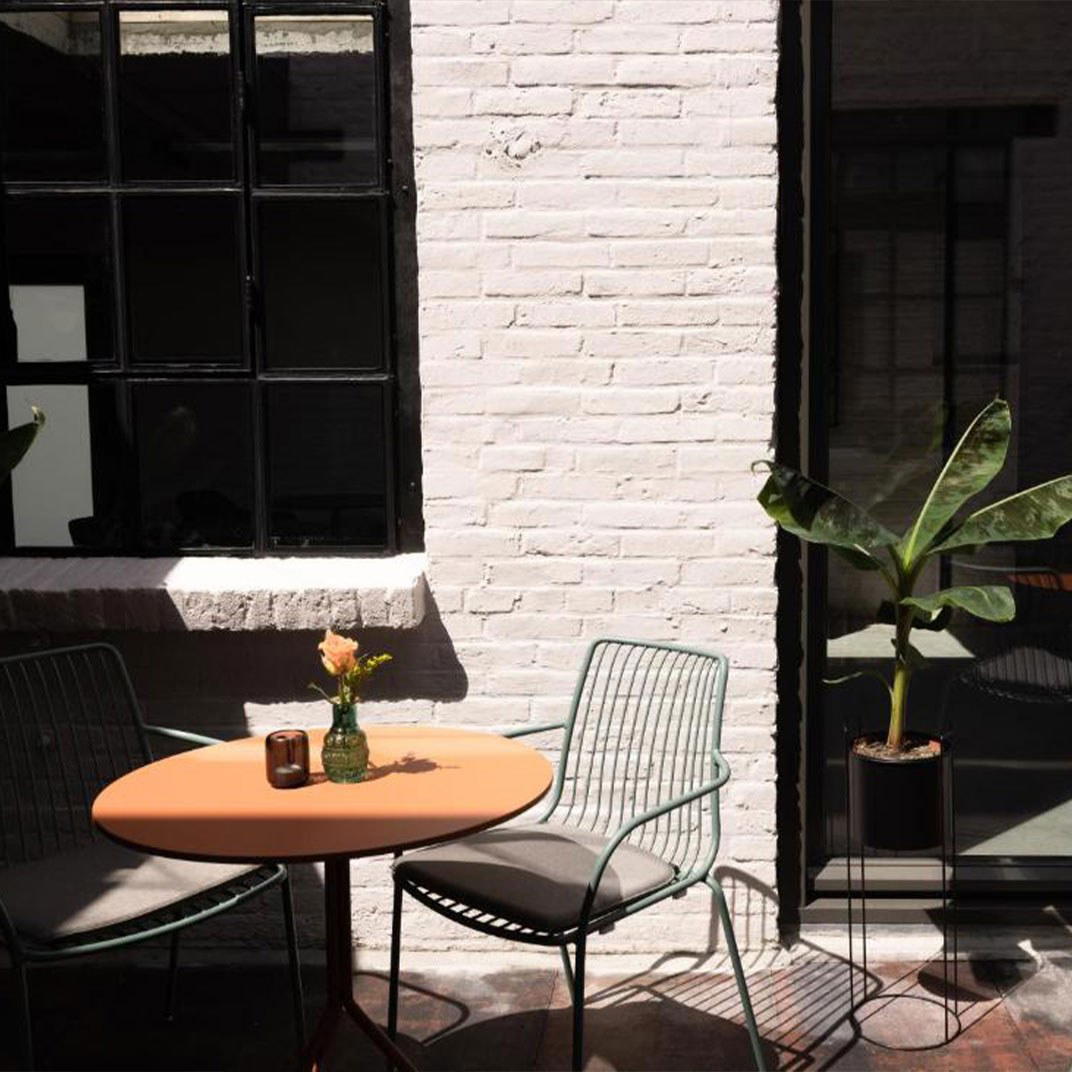
Cozy and warmly decorated interior with a nice, intimate atmosphere praised for its welcoming family-run vibe.