
Steak Ishii gives Ichikawa’s Gyotoku area a serious local steak counterpoint to central Tokyo dining. Its Tabelog Steak / Teppanyaki EAST 100 selection in 2025, 45-seat scale, no-reservation format, and mix of steak, hamburger steak, and cafe categories place it in the practical, ingredient-led side of suburban Japanese meat dining rather than the ceremonial teppanyaki tier.
Pearl is the En Primeur Club membership app — saves, bookings, and concierge access live there. Same editors, same standards.
- Address
- 1 Chome-7 Gyotoku Ekimae, Ichikawa, Chiba 272-0133, Japan
- Phone
- +81 47-397-4285
- Website
- japoncompany.business
 Saves & bookings on Pearl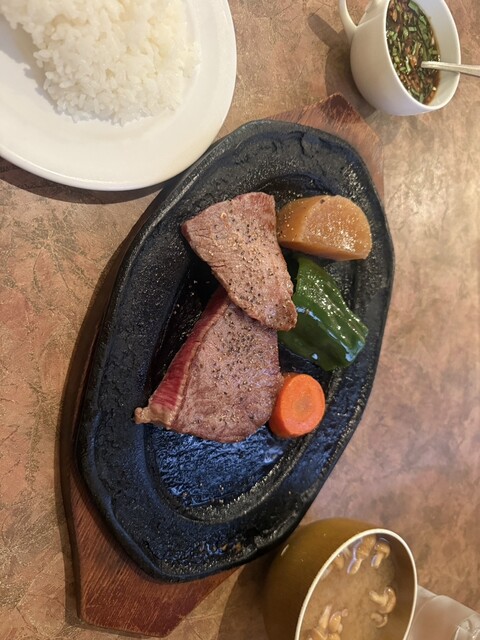
Approach Gyotoku’s side streets and the mood changes quickly from commuter artery to neighbourhood dining territory: smaller buildings, low evening light, and restaurants that serve residents before they serve destination diners. In that setting, the Japanese steak house is less about theatrical flame than sourcing, portion discipline, and the everyday question of how good beef can be made accessible without turning dinner into an occasion-only expense. Steak Ishii belongs to that tradition: a house-restaurant format in Ichikawa with counter seating, tatami room space, and a menu identity that sits across steak, hamburger steak, and cafe rather than formal hotel teppanyaki.
That matters because Chiba’s eastern edge of the Tokyo dining orbit often gets flattened into “near Tokyo” shorthand. The better reading is more specific. Ichikawa and Gyotoku support a dense, practical eating culture: ramen shops, curry houses, small family restaurants, and meat specialists that compete on repeat custom. In that company, a Tabelog Steak / Teppanyaki EAST 100 selection in 2025 is a useful signal. It does not turn the room into luxury theatre; it places it among eastern Japan’s more noted steak and teppanyaki addresses, while the local format keeps the restaurant closer to a neighbourhood staple than a destination tasting counter.
Gyotoku steak culture is built on sourcing, not spectacle
Japanese steak dining splits into several lanes. At one end are polished teppanyaki rooms where the cooking surface, chef choreography, and private-room rhythm carry much of the experience. At the other are neighbourhood steak and hamburger-steak restaurants, where the scrutiny falls on beef quality, doneness, rice-and-sauce compatibility, and how reliably the kitchen handles lunch and dinner service. Steak Ishii reads firmly in the second lane. The presence of hamburger steak alongside steak is not a downgrade; in Japan it often signals a kitchen judged by everyday craft, seasoning balance, and value across repeat visits.
Ingredient sourcing is the quiet axis here. A restaurant does not need to publish a long procurement manifesto for beef to be the point. In this category, diners read sourcing through the format: a concise meat-led menu, a local following, and enough consistency to be recognised on a steak-and-teppanyaki list rather than a general neighbourhood ranking. The absence of private rooms also nudges expectations in the right direction. This is not a venue built around corporate ceremony. It is a compact dining room where the plate has to justify the trip from the station.
Ichikawa’s broader restaurant scene reinforces the point. China Soba Komuro shows how a focused ramen format can draw attention inside the city, while Gyotoku Biryani House reflects the area’s appetite for specialist, affordable cooking outside standard Japanese categories. Enak Enak, Chonan Montaichio, and Jagaimo round out the useful local picture: Ichikawa is less a single dining district than a collection of small, habit-driven rooms. Meat cooking has to earn its place among that everyday competition.
The room suits repeat diners rather than ceremony seekers
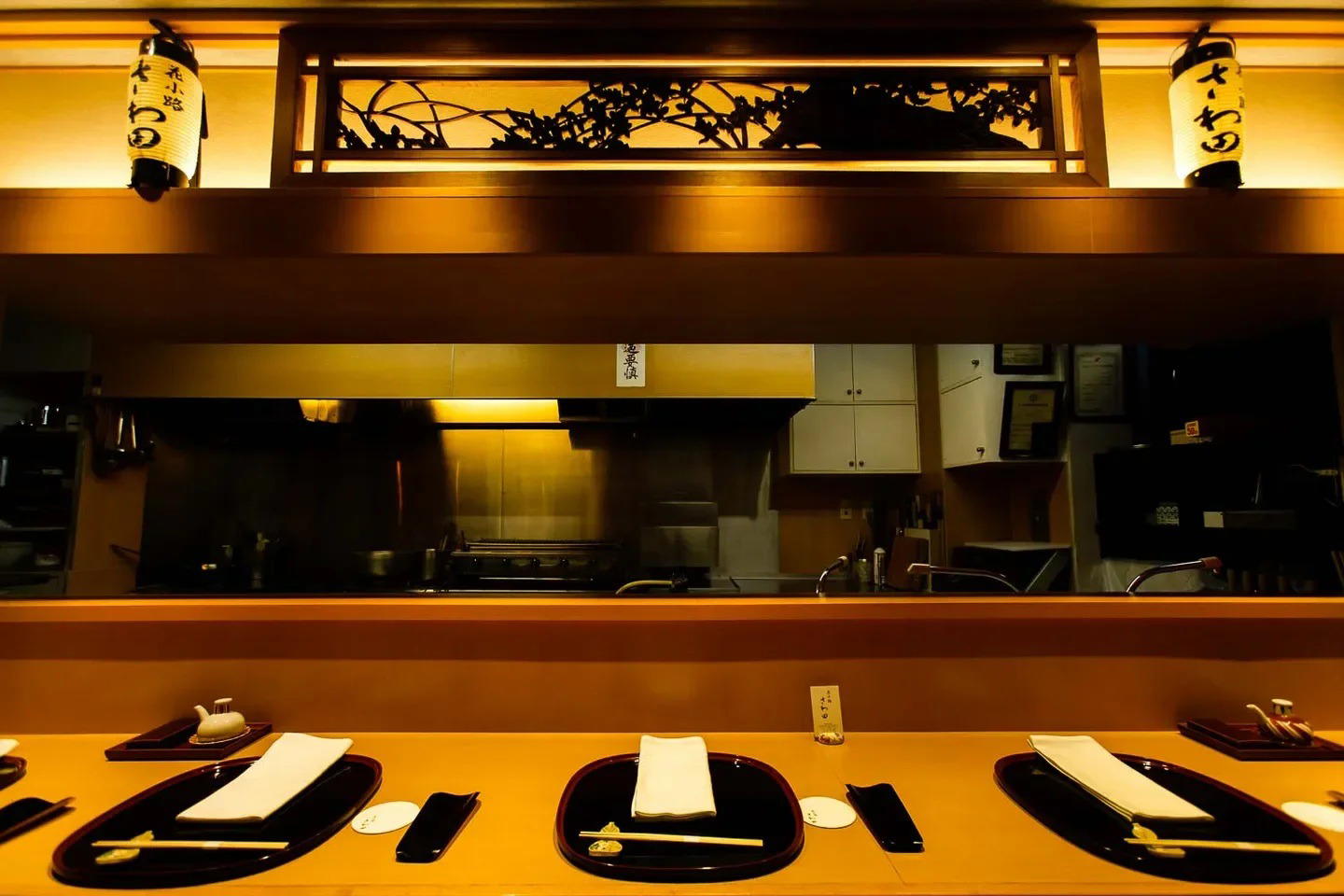
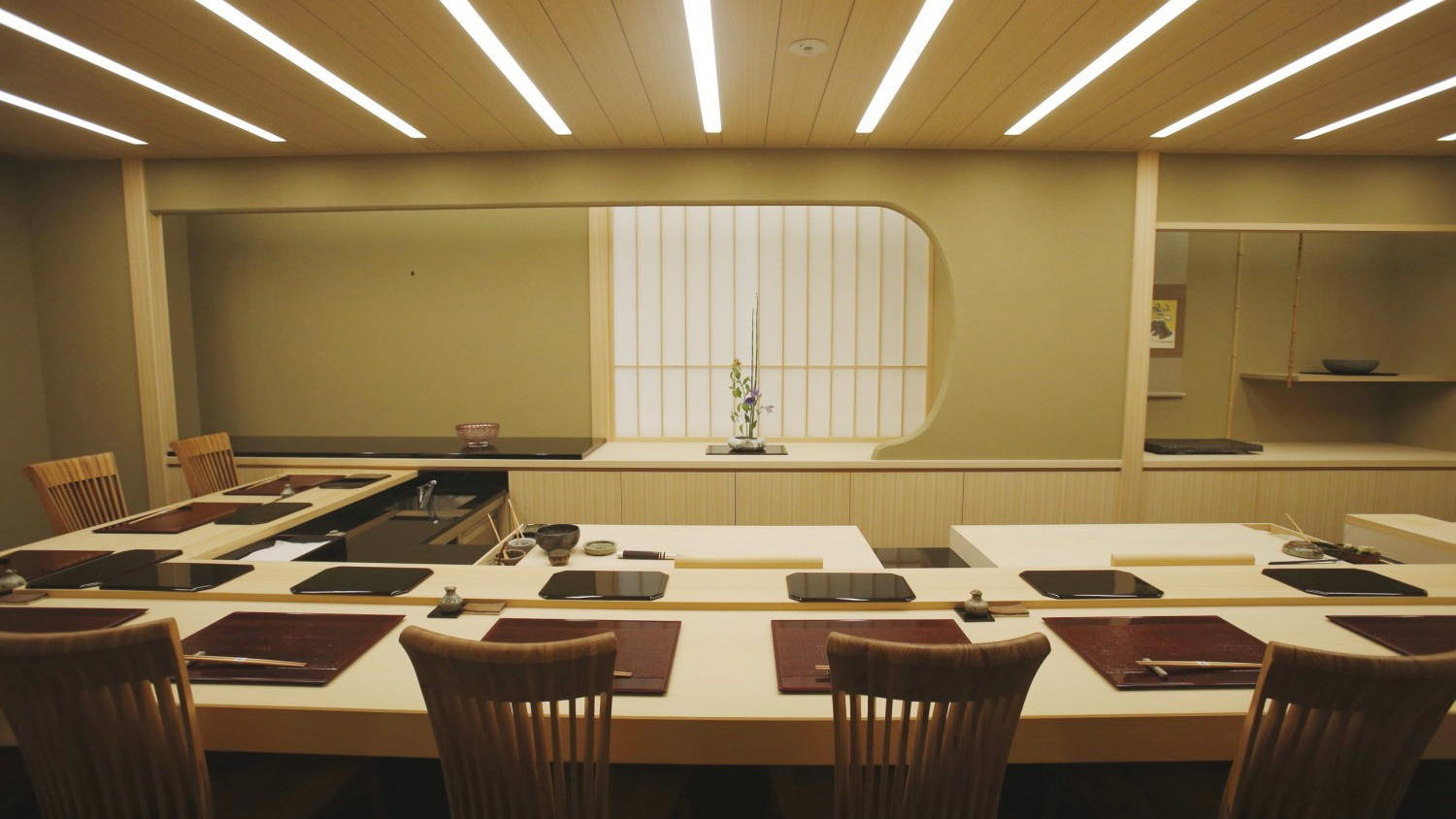
The 45-seat scale is important. It is large enough to feel like a functioning local restaurant rather than a tiny counter built on scarcity, yet small enough that service rhythm and kitchen timing still shape the meal. Counter seating gives solo diners a natural place to land; tatami room space points toward friends or family-style use. Non-smoking status, no private rooms, and no private-use format keep the experience informal. The right expectation is controlled neighbourhood comfort, not hushed fine dining.
Reservation availability also defines the decision. A no-reservations policy shifts the burden from planning months ahead to choosing timing intelligently. That makes the restaurant more approachable than the reservation-only counters that dominate premium Japanese dining, but it also means the meal depends on queue tolerance and schedule flexibility. For travellers building a day around Ichikawa rather than dropping in between Tokyo reservations, that trade-off is manageable. For a tightly timed itinerary, it is a variable.
Payment is another signal of the old-school local model: cash matters when cards, electronic money, and QR payments are not accepted. Three free parking spaces add convenience for Chiba-based diners, while the nearest station is Gyotoku on the Tokyo Metro Tozai Line. Those details place the restaurant in a Japanese category: serious enough to earn recognition, practical enough to remain embedded in daily local use.
How to place it within an Ichikawa food day
The strongest case for going is not that Ichikawa needs a formal steak destination. It is that the city’s food map rewards specialists who do one category with local conviction. A diner comparing options might treat China Soba Komuro as the ramen reference point and Gyotoku Biryani House as the casual spice-driven alternative; Steak Ishii occupies the meat-focused slot, with a higher dinner spend than many everyday Ichikawa meals but a less ceremonial posture than central Tokyo steak houses.
For visitors using Ichikawa as more than a commuter stop, the practical approach is to frame the meal around the area rather than force it into a Tokyo checklist. Start with our full Ichikawa restaurants guide for nearby dining context, then use our full Ichikawa hotels guide, our full Ichikawa bars guide, our full Ichikawa wineries guide, and our full Ichikawa experiences guide to build the rest of the day. For broader Japan and international contrast, related EP Club listings include -Grilled beef Sukiyaki- KAMAKURA TANUKIAN 鎌倉 たぬき庵 in Kamakura. 鮪と炭火焼き うお炭 秋葉原店 in Tokyo.cafe in Osaka.know in Kumamoto, (Shoku) Vietnam in Kawasaki, [Curry Senmon Ten] Maruyama Kyoju. in Sapporo, Jōdo Saké Bar in Los Angeles, and Onigiri Time in Pasadena.
The editorial read is simple: this is the kind of restaurant that explains why suburban Japanese dining deserves closer attention. Recognition gives the trust signal, but the appeal lies in a more grounded equation: beef-led cooking, a local room, station-area access, and a format that rewards diners who value sourcing and consistency over performance.
Comparison Snapshot
Comparable venues by cuisine and price in the same metro.
| Venue | Cuisine | Price | Notes |
|---|---|---|---|
| Steak IshiiThis venue — the venue you are viewing | Casual Japanese Steakhouse & Hamburg | $$ | Not listed |
| Jagaimo | Potato-focused yoshoku (Japanese-style Western) | $$ | Motoyawata |
| Open Oven | Artisanal Bakery & Cafe | $ | Ichikawa |
| Chonan Montaichio | Tsukemen ramen shop | $ | Moto-Yawata |
| Pizzeria Canto Della Terra | Neapolitan Pizzeria & Italian | $$ | Minamiyawata / Motoyawata |
| Tomino Ya Motoyawata honten | Authentic Korean home cooking & offal hot pot | $$ | Ichikawa |
Recognition history
Dated appearances from independent guides and award organizations, with the underlying list record or original source where available.
Tabelog 100 #73 · No. 73
Tabelog · Tabelog 100 - Steak / Teppanyaki - EAST - 2025





At a Glance
- Cozy
- Lively
- Classic
- Family
- Casual Hangout
- Group Dining
- Solo
- After Work
- Standalone
Current opening hours
- Monday
- 11 AM–1:20 PM, 5–8:30 PM
- Tuesday
- Closed
- Wednesday
- 11 AM–1:20 PM, 5–8:30 PM
- Thursday
- 11 AM–1:20 PM, 5–8:30 PM
- Friday
- 11 AM–1:20 PM, 5–8:30 PM
- Saturday
- 11 AM–1:20 PM, 5–8:30 PM
- Sunday
- 11 AM–1:20 PM, 5–8:30 PM
Hours can change for holidays and private events. Last verified .
Casual, lively family-friendly steakhouse with a cozy, homey feel; the interior is decorated with many celebrity autographs and feels like a classic neighborhood spot rather than a formal restaurant.