Station F occupies a particular position in Montreal's dining conversation, the kind of place regulars treat as a standing appointment rather than an occasion. Set within a city that takes its restaurants seriously, it draws a loyal clientele who return not for novelty but for consistency. For visitors trying to read Montreal's modern dining scene, it offers a useful point of entry into what the city values most.
 Discover on Pearl
Pearl is the En Primeur Club membership app — saves, bookings, and concierge access live there. Same editors, same standards.
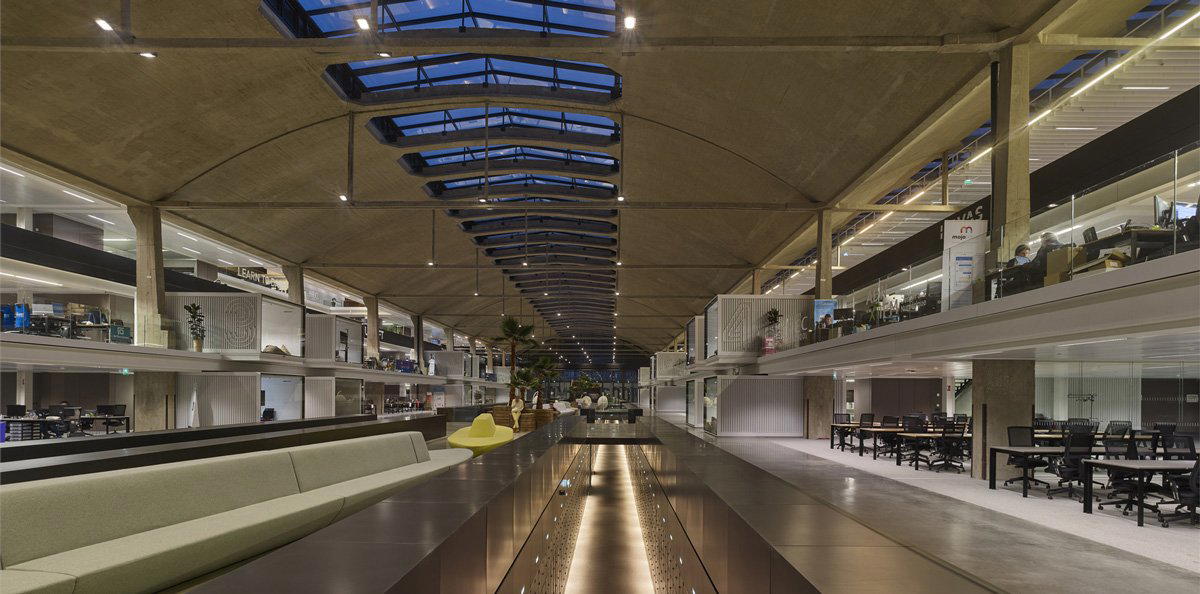
What the Regulars Already Know
Montreal restaurants tend to earn their reputations slowly, through accumulated visits rather than opening-week headlines. The city has enough serious dining to make loyalty a meaningful signal: when locals return to the same table week after week, it says something about the room that no press release can manufacture. Station F has built that kind of following, the sort that shows up without consulting a review, orders with the ease of someone who has made the same decision before, and tends not to explain the place to first-timers in too much detail.
Montreal's Modern Dining Context
To understand where Station F sits, it helps to map the broader shape of Montreal dining. The city operates across a wide price spectrum, from the casual permanence of Schwartz's deli on Saint-Laurent to the formality of four-course French at Toqué, which has anchored the high end of the local scene for decades. Somewhere in that spread, a tier of modern, mid-to-upper-range restaurants has emerged over the past fifteen years, drawing on both classical French technique and the city's multicultural ingredient sources.
In that tier, you find places like Mastard, which has built a reputation on focused modern cuisine at the $$$ price point, and Jérôme Ferrer's Europea, which operates at the four-dollar-sign level with a classical French-inflected sensibility. Sabayon represents another thread of that modern movement, while neighbourhood-rooted spots like 3 Pierres 1 Feu and Abu el Zulof illustrate the city's range beyond European traditions. Station F operates within this landscape as a place whose regulars have already done the comparison work and arrived at a preference.
The Logic of Returning
Regular clientele at mid-to-upper Montreal restaurants tend to follow a particular logic. They are not returning for the menu refresh or the seasonal press cycle. They are returning because the room behaves consistently: the pacing is right, the staff remembers them, the kitchen delivers at the same level whether the table is booked on a Tuesday or a Saturday. That kind of operational discipline is harder to sustain than any single excellent dish, and it is what loyal diners are actually paying for when they make a reservation they could have made anywhere else in a city this well-served.
Montreal sits in a Canadian dining context that rewards this consistency. Compared to Toronto, where the restaurant industry turns over faster and media attention is more dispersed, Montreal's scene has historically valued durability. Venues like Tanière³ in Quebec City demonstrate that the province's culinary ambition extends well beyond the island, while the Montreal core sustains a density of serious kitchens that makes lasting reputation genuinely difficult to acquire. For national comparison, the precision-led format of Alo in Toronto and the farm-driven discipline of Eigensinn Farm in Singhampton illustrate the range of what Canadian fine and near-fine dining can look like. Further afield, Fogo Island Inn Dining Room in Joe Batt's Arm and Narval in Rimouski show how regional specificity can function as its own form of credibility.
Station F fits into Montreal's durability-first model. Its regulars are evidence of that positioning, not a marketing claim about it.
What the Unwritten Menu Looks Like
Every restaurant with a loyal following develops an unwritten menu alongside the printed one: the items the kitchen does without thinking, the preparation a regular requests without checking whether it is still offered, the timing adjustments the room makes for a known face. This informal layer of service is not available on a first visit, but it is visible to anyone paying attention. You can identify a room with regulars by how the staff moves around certain tables, the small deviations from standard service that signal recognition.
That quality is not exclusive to formal fine dining. It runs through some of the most consistent mid-range rooms in cities like Montreal, where the overhead economics allow for smaller teams and longer staff tenures. The practical implication for a first-time visitor: arrive with attention for the room's rhythms, not just the plate. The regulars are showing you something about what works here.
Placing Station F in the Broader Canadian Scene
For visitors approaching Montreal from other Canadian cities or from abroad, placing Station F requires some calibration. Montreal's dining costs tend to run below Toronto and Vancouver for comparable quality levels, a function of lower real estate costs and a local culture that resists extreme luxury pricing. The city's French heritage means technical ambition in the kitchen is not remarkable, it is expected, which raises the baseline for what passes as serious cooking.
Venues on EP Club's wider Canadian radar include AnnaLena in Vancouver, Restaurant Pearl Morissette in Lincoln, The Pine in Creemore, Cafe Brio in Victoria, and Busters Barbeque in Kenora. Each represents a different argument about what Canadian hospitality can do at its clearest. Internationally, the technical precision of Le Bernardin in New York City and the community-dinner format of Lazy Bear in San Francisco show how differently similar ambitions can be expressed when the city context changes.
Station F belongs to a Montreal that is confident enough in its own cooking standards not to measure itself primarily against New York or Paris. That is, in itself, a useful piece of editorial information. See our full Montreal restaurants guide for a broader map of where this fits.
Know Before You Go
- Location: Montreal, Quebec, Canada
- Price tier: 2
- Reservations: Recommended
- Dress code: Casual
Peers You’d Cross-Shop
Comparable venues nearby, for context on price, style, and recognition.
| Venue | Cuisine | Price | Notes |
|---|---|---|---|
| Station FThis venue — the venue you are viewing | French Bistro | $$ | |
| Pavillon 67-Resto Casino | French Gourmet Buffet | $$ | Vieux Montréal |
| Le Petit Opus | French Bistro | $$ | Golden Square Mile |
| Brasserie Milton | Quebec-Inspired French Brasserie | $$$ | Quartier des Spectacles |
| Restaurant Le Saint-Jacques | French and Italian | $$ | Louis-Riel |
| La Salle à Manger | French-Inspired Bistro | $$ | La Fontaine Park |

At a Glance
- Casual
- Family
- Casual Hangout
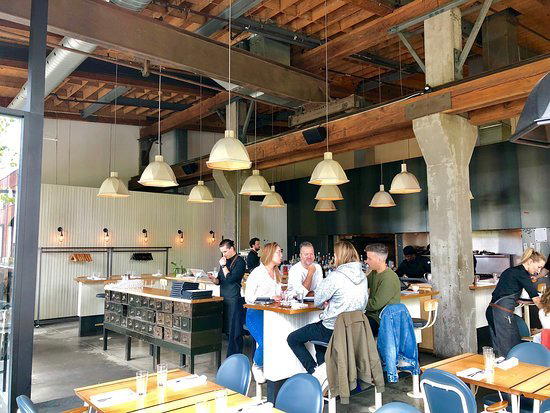
Casual family-friendly atmosphere[1].