On Rue Saint-Paul Ouest in Old Montreal, Stash Café occupies a stretch of the city where Polish cooking has held ground for decades among the cobblestones and converted stone warehouses. The café sits in a dining category — Central European comfort food — that has few serious competitors in the city, making it a practical reference point for anyone mapping Montreal's less-traveled culinary terrain.
Pearl is the En Primeur Club membership app — saves, bookings, and concierge access live there. Same editors, same standards.
- Address
- 200 Rue St-Paul Ouest, Montréal, QC H2Y 1Z5, Canada
- Phone
- +1 514 845 6611
- Website
- restaurantstashcafe.ca
- Directions
- Get directions
 Saves & bookings on Pearl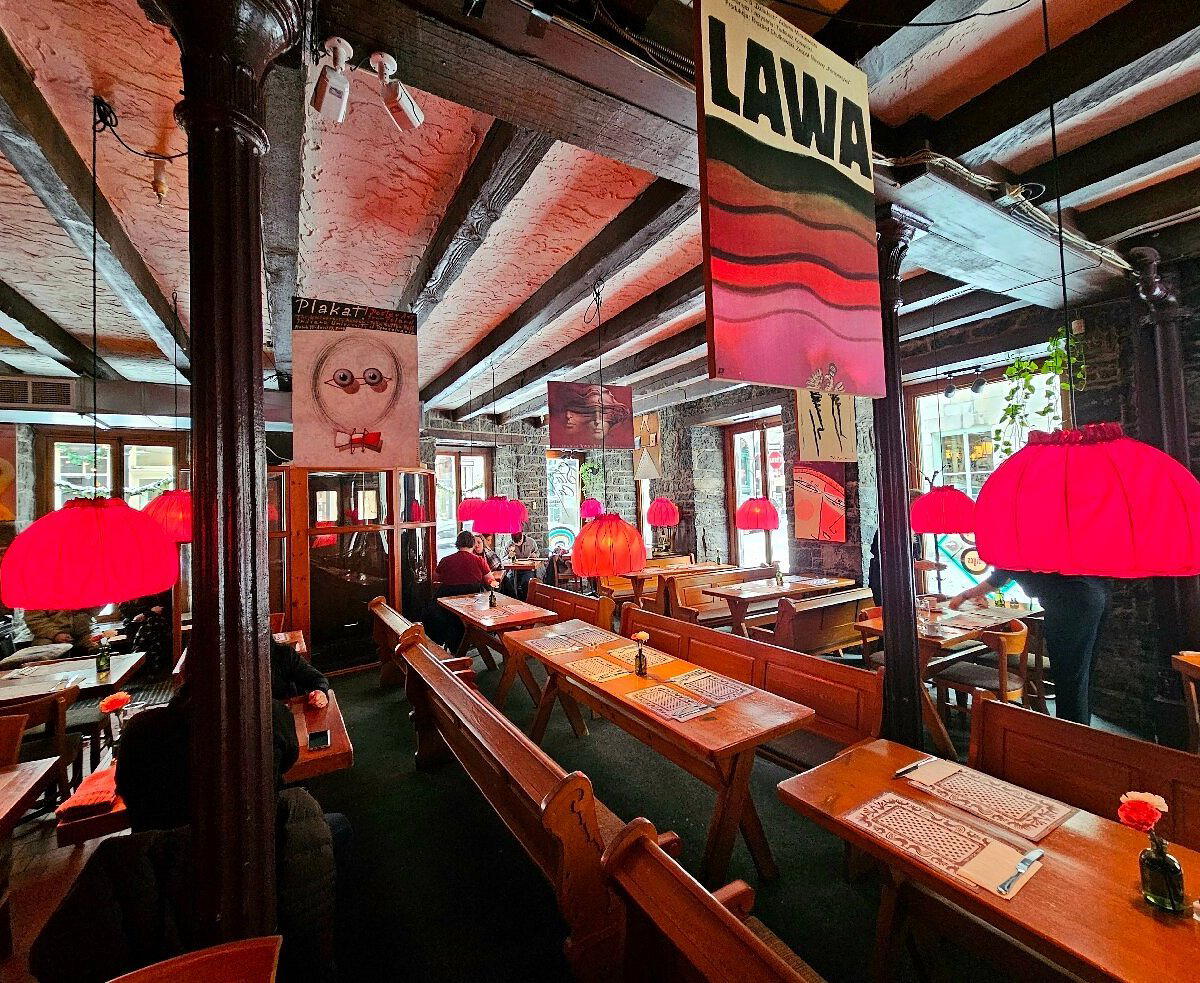
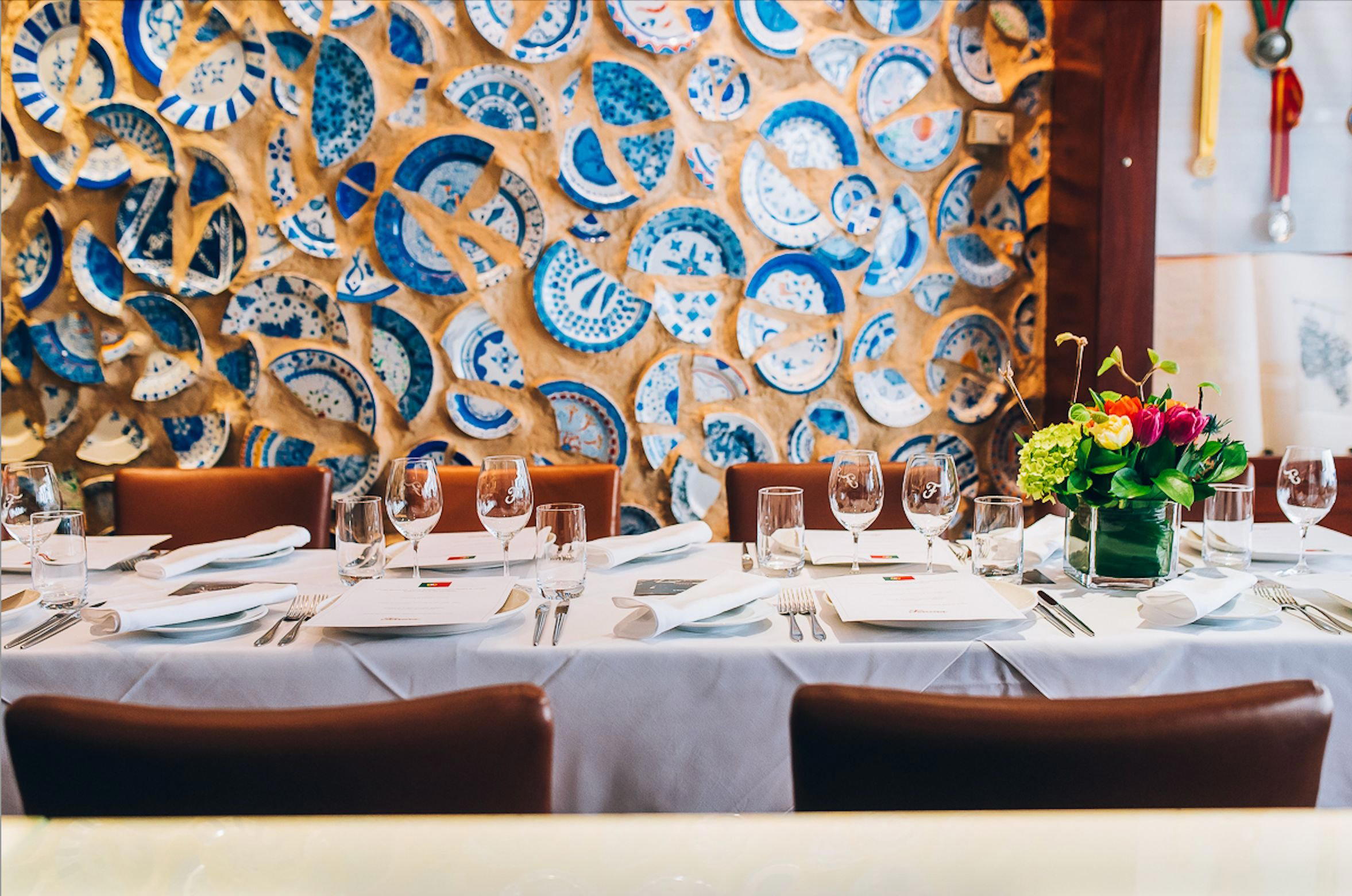
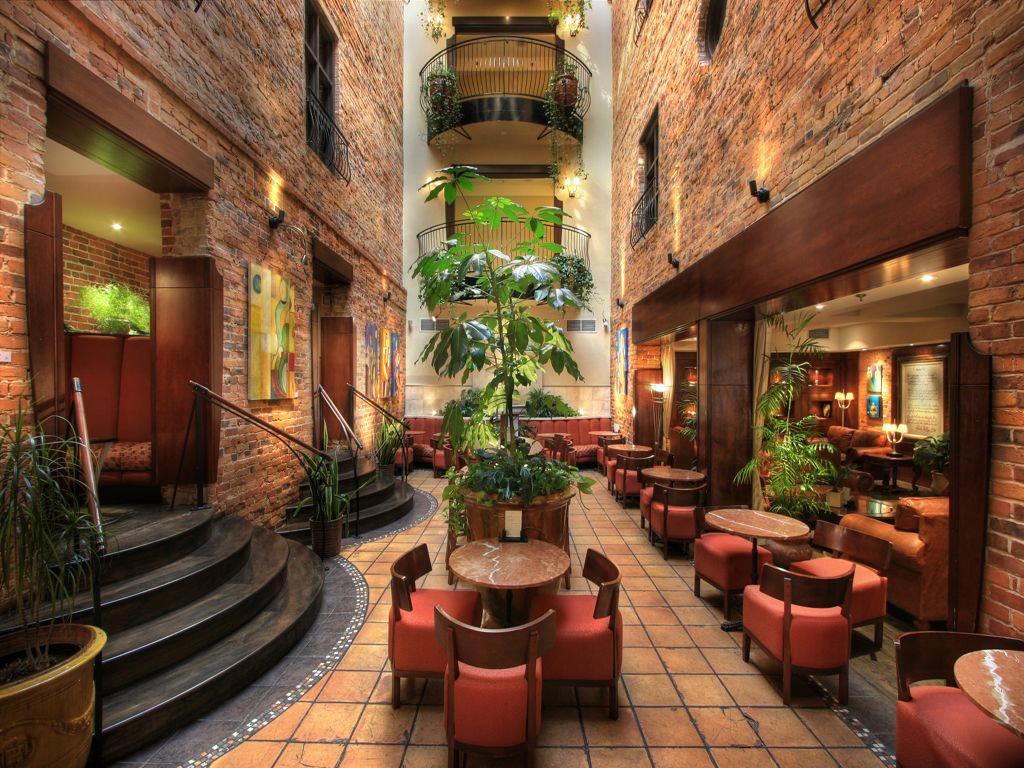
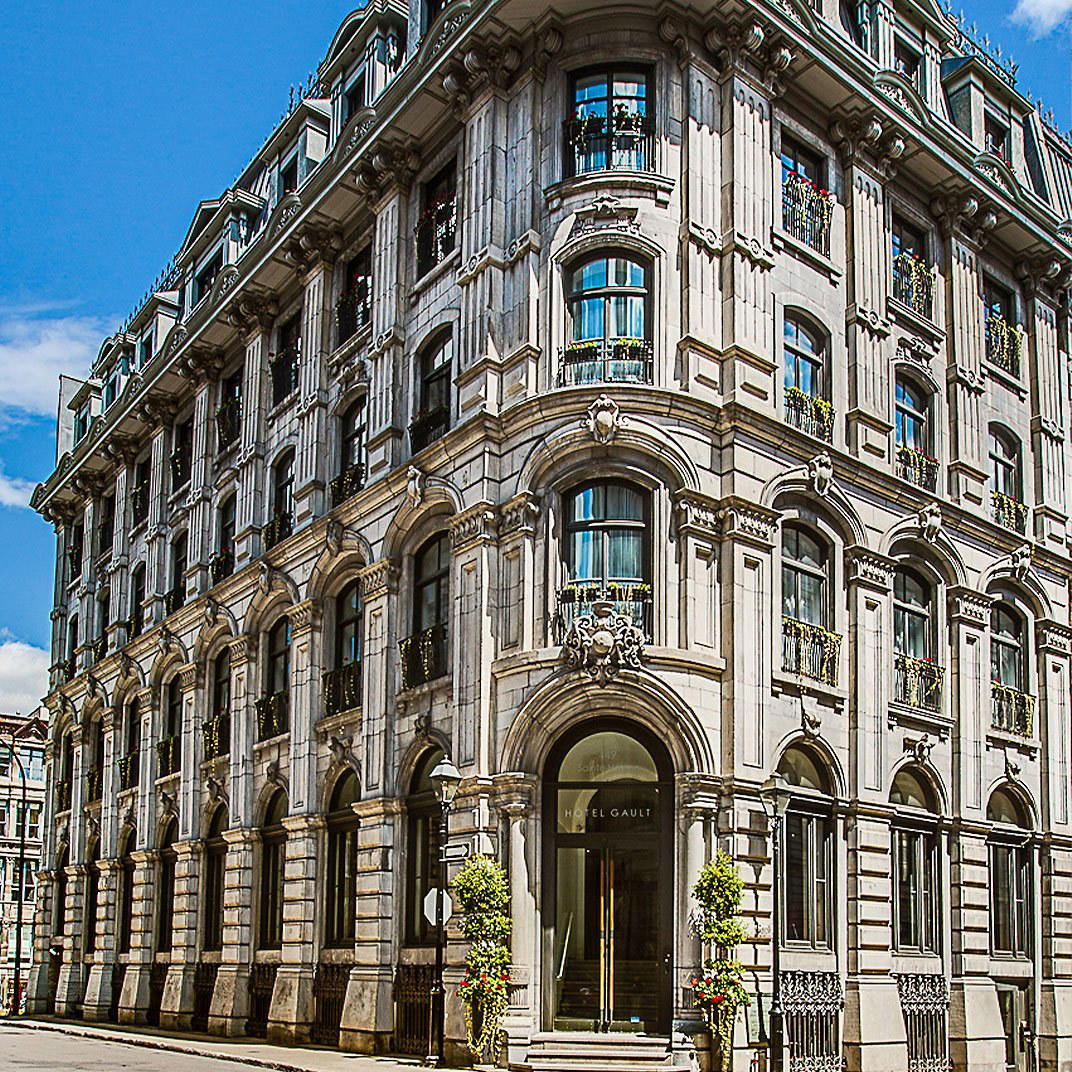
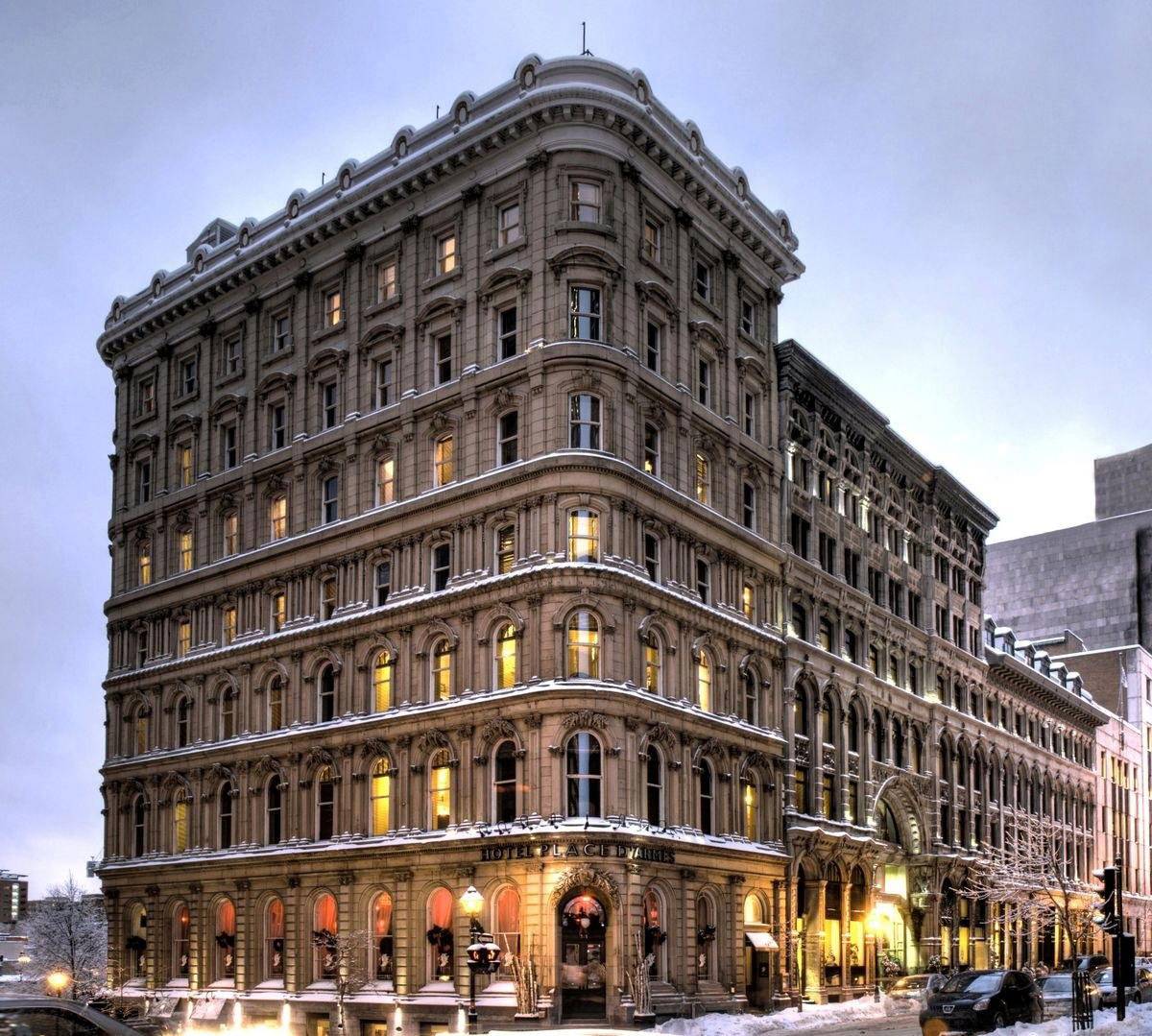
Old Montreal's Rue Saint-Paul is one of those streets where the physical environment does much of the editorial work. The stone facades date to the 17th and 18th centuries, the sidewalks narrow to single-file in places, and the buildings carry the weight of a port city that once traded in fur and grain. Dining rooms along this corridor tend to inherit that atmosphere whether they intend to or not — the ceiling heights, the exposed masonry, the way sound behaves in a room framed by rock walls rather than drywall. At 200 Rue Saint-Paul Ouest, Stash Café works with that environment rather than against it, positioning itself as one of the few Polish restaurants operating in a city whose culinary reputation runs strongly toward French-Québécois traditions and modern tasting menus.
A Polish Kitchen in a French City
Montreal's dining identity has long been dominated by two overlapping forces: the French culinary inheritance that shapes everything from bistro service to charcuterie technique, and a more recent wave of tasting-menu ambition represented by rooms like Jérôme Ferrer - Europea, Mastard, and Sabayon. Polish cooking sits almost entirely outside both traditions, which is precisely what makes a longstanding Polish café in Old Montreal worth understanding on its own terms.
Central European cuisines — Polish, Ukrainian, Czech, share a set of structural principles: preserved and pickled vegetables as counterbalance to rich proteins, pork fat and rye as foundational building blocks, soups built from long-cooked stocks that carry flavour through cold months. These are not delicate constructions. They are practical, calorie-dense, and designed for climates where winter is not a season so much as a condition. Montreal, with its five-month winters and the cultural memory of a working-class immigrant population that included significant Polish and Eastern European communities, is a city where this kind of cooking has historical logic behind it.
Where Montreal's modern dining scene trends toward refinement and technique-forward presentation, rooms like 3 Pierres 1 Feu and Abu el Zulof each occupy their own distinct registers, Stash Café represents a different proposition: a cuisine that has remained largely unchanged in its fundamentals for generations, served in a room that reinforces rather than obscures that continuity.
The Atmosphere as the Menu's First Course
The sensory experience of Old Montreal changes dramatically depending on the time of day and the season. In summer, Rue Saint-Paul fills with tourists moving between the Basilica and the waterfront. By late autumn, the foot traffic thins, the air carries the smell of the St. Lawrence, and the stone walls of the older buildings seem to radiate their own cold. Walking into a room that offers barszcz, the deep-red beetroot soup common across Polish and Eastern European tables, or żurek, a fermented rye soup with hard-boiled egg and sausage, registers differently against that exterior context than it would in a modern glass-fronted dining room.
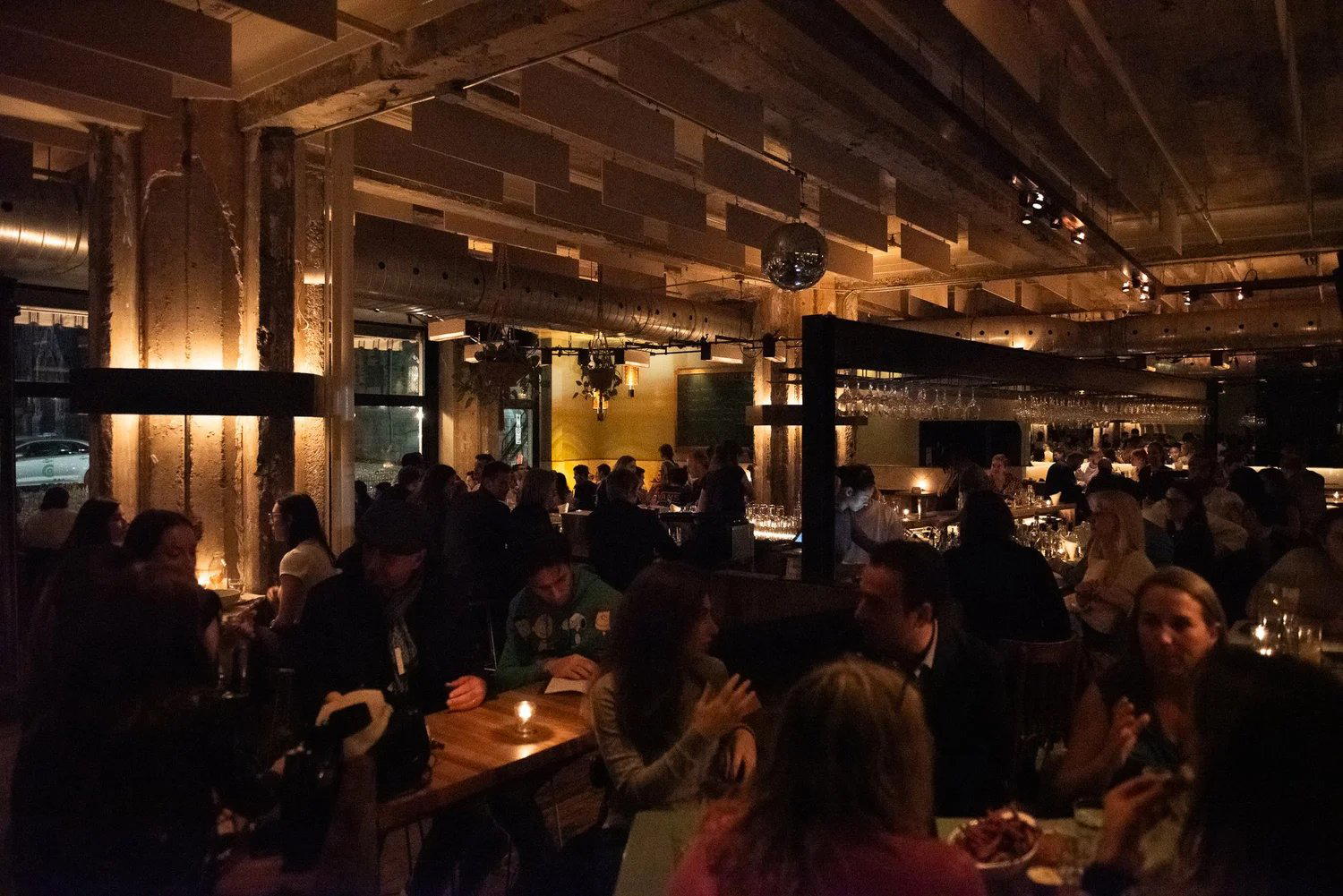
The architecture of Old Montreal's restaurant interiors tends to reinforce this dynamic. Stone walls absorb sound rather than reflecting it, which gives dining rooms along this corridor a quality of quietness disproportionate to their occupancy. The effect is of a space that feels full without feeling loud, a sensory condition that suits the kind of unhurried, sustained eating that Polish comfort cooking asks of a table.
This contrast, between the animated exterior street and the settled interior atmosphere, is part of what defines the dining character of Rue Saint-Paul more broadly. The same quality appears in differently configured rooms along the same stretch, but it suits a Polish café perhaps more naturally than it suits, say, a raw bar or a wine-forward modern bistro.
Where Stash Café Sits in the Montreal Dining Map
Montreal supports a wide internal range of dining categories and price points. At the higher end, the city's modern cuisine operators compete on technique, sourcing, and tasting-menu architecture, a tier that includes rooms with the ambition (and, in some cases, the credentials) of destinations like Tanière³ in Quebec City or Alo in Toronto. At the opposite end sits the category of durable, neighbourhood-anchored institutions, places like Schwartz's, which has operated on Boulevard Saint-Laurent since 1928 and defines the Montreal smoked meat category almost entirely on its own, and L'Express, which has maintained a consistent French bistro register for decades without significant deviation.
Stash Café occupies a category adjacent to the latter group: longstanding, cuisine-specific, not positioned around chef-driven narrative or tasting-menu architecture. It is, instead, the small collection of Central European restaurants operating in a city that has historically not prioritised that cuisine in its dining identity, a position that requires less comparison to Montreal's French tradition than it does an understanding of why the Polish community established roots in Quebec's largest city during the 20th century and what culinary traces that settlement left behind.
For travellers building a broader picture of Canadian dining, the contrast between Old Montreal's stone-corridor restaurants and the country's more remote or rurally anchored dining experiences is instructive. Properties like Eigensinn Farm in Singhampton, Fogo Island Inn Dining Room in Joe Batt's Arm, or Restaurant Pearl Morissette in Lincoln each define their dining identity through extreme specificity of place. Old Montreal's leading dining rooms do something structurally similar, though the specificity is historical and architectural rather than agricultural.
Elsewhere across the country, the same tension between place-rooted cooking and modern technique plays out differently: at AnnaLena in Vancouver, at Narval in Rimouski, at Cafe Brio in Victoria, and at The Pine in Creemore. Montreal's version of that conversation happens partly in rooms like Stash Café, where the cuisine itself is the argument for continuity.
For those mapping the full range of Montreal's dining options, our full Montreal restaurants guide covers the city's breadth, from tasting-menu destinations to neighbourhood institutions.
Know Before You Go
- Address
- 200 Rue Saint-Paul Ouest, Old Montreal, QC H2Y 1Z5
- Neighbourhood
- Old Montreal (Vieux-Montréal), adjacent to Place d'Armes and the waterfront
- Getting There
- Place-d'Armes metro station (Orange Line) puts you within a short walk along Rue Saint-Jacques. Street parking on Rue Saint-Paul is limited; the McGill or Champ-de-Mars garages are more reliable options.
- Leading Season
- Autumn and winter, when the cold outside makes Central European comfort cooking register most clearly against its context. Summer brings tourist volume to the street but does not change the room's fundamental character.
- Peer Context
- Shares its street and neighbourhood with a mix of French-leaning bistros and tourist-facing dining; Stash Café's Polish kitchen occupies a distinct and largely uncontested category in this corridor.
- Pierogi
- Golabki
- Bigos
- Kielbasa
- Zurek Soup
- Barszcz
Category Peers
| Venue | Cuisine | Price | Awards |
|---|---|---|---|
| Stash CaféThis venue — the venue you are viewing | This venue | Not listed | Not listed |
| L’Express | French Bistro | Not listed | French Bistro, $$ |
| Schwartz’s | Delicatessen | Not listed | Delicatessen, $ |
| Toqué | French | Not listed | French, $$$$ |
| Jérôme Ferrer - Europea | Modern Cuisine | $$$$ | Michelin 1 Star |
| Mastard | Modern Cuisine | $$$ | Michelin 1 Star |

At a Glance
- Cozy
- Romantic
- Classic
- Intimate
- Rustic
- Well Known
- Date Night
- Casual Hangout
- Special Occasion
- Live Music
- Historic Building
- Standalone
Current opening hours
- Monday
- 5–10 PM
- Tuesday
- Closed
- Wednesday
- 5–10 PM
- Thursday
- 5–10 PM
- Friday
- 12–11 PM
- Saturday
- 12–11 PM
- Sunday
- 12–10 PM
Hours can change for holidays and private events. Last verified .
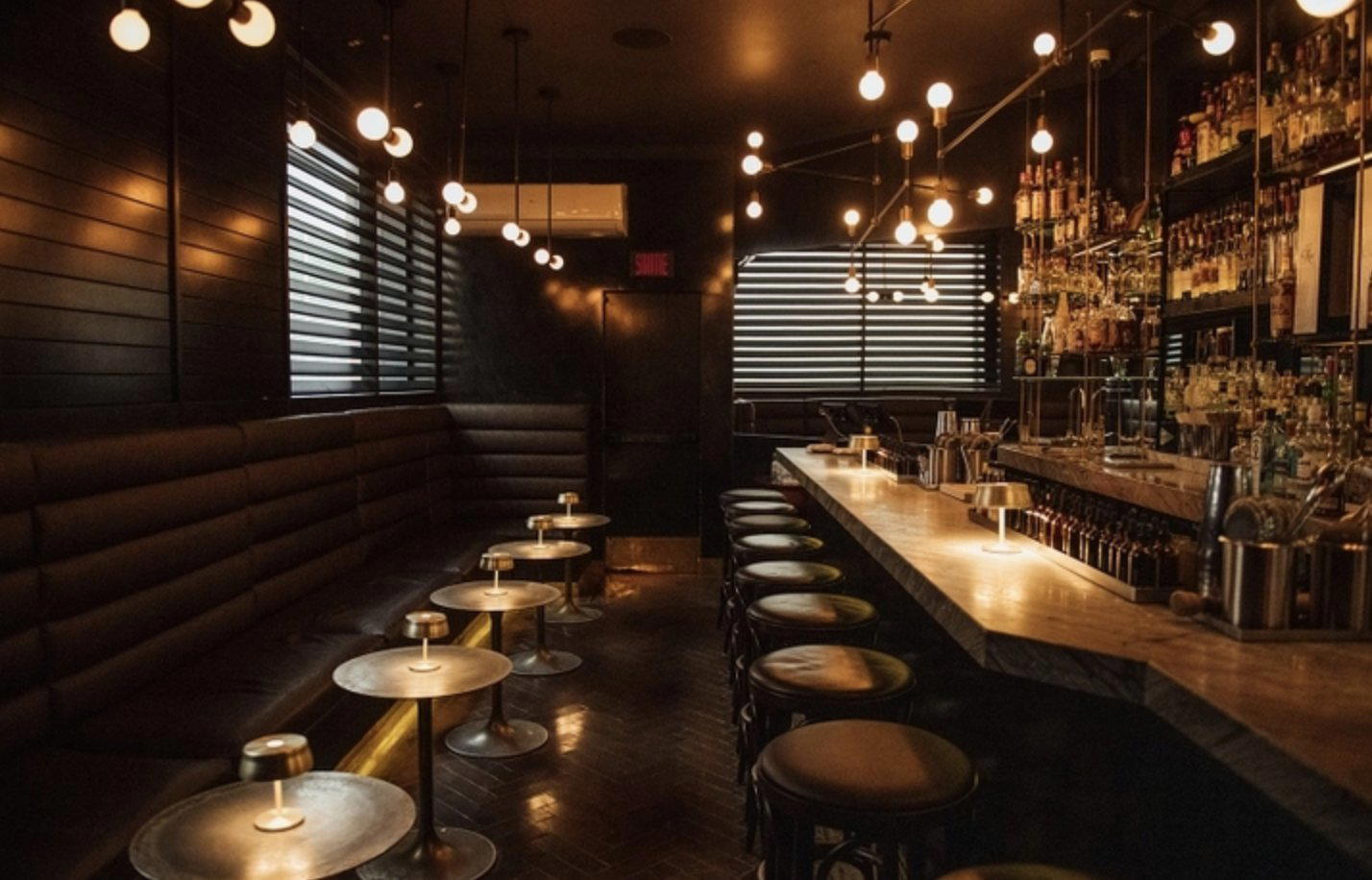
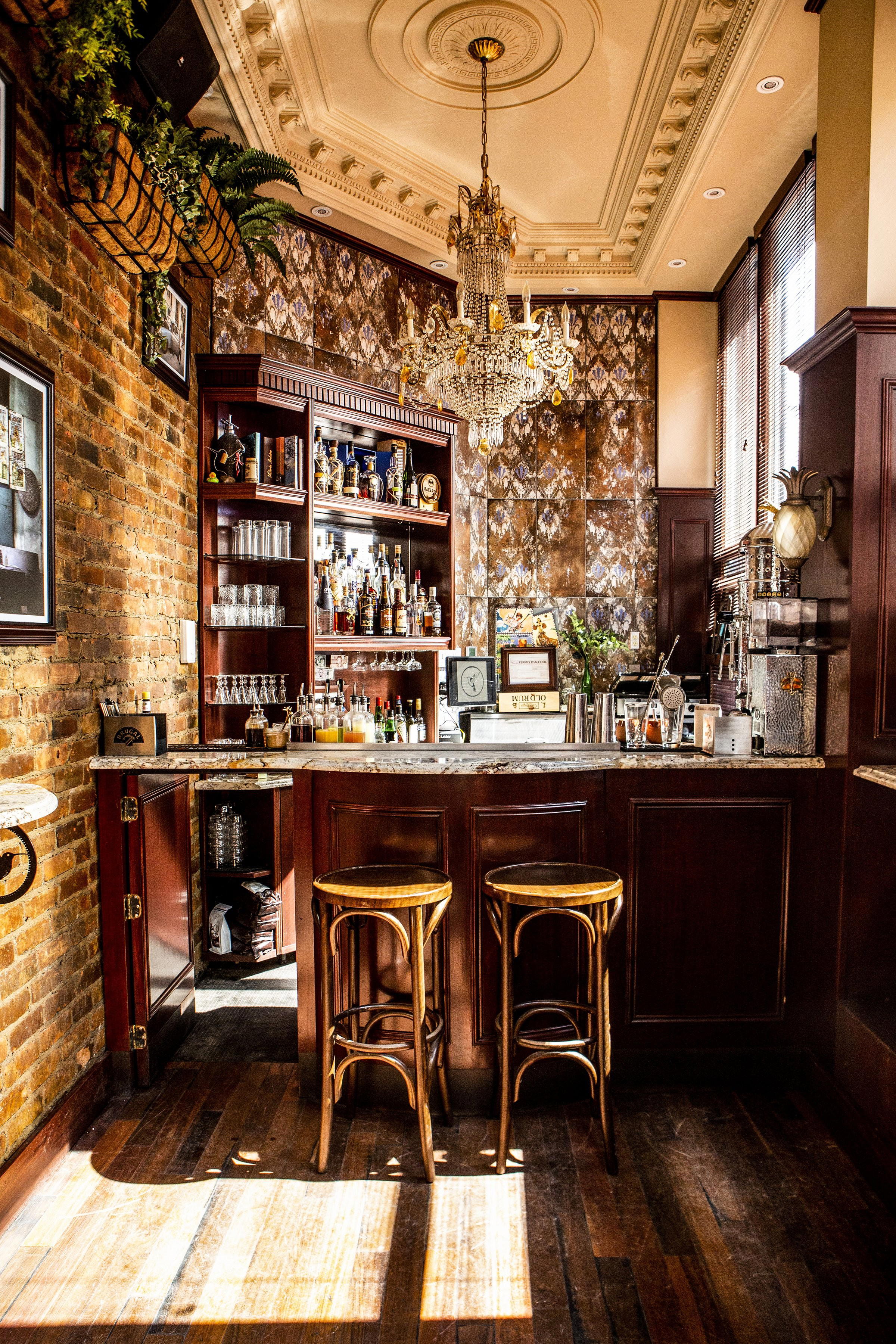
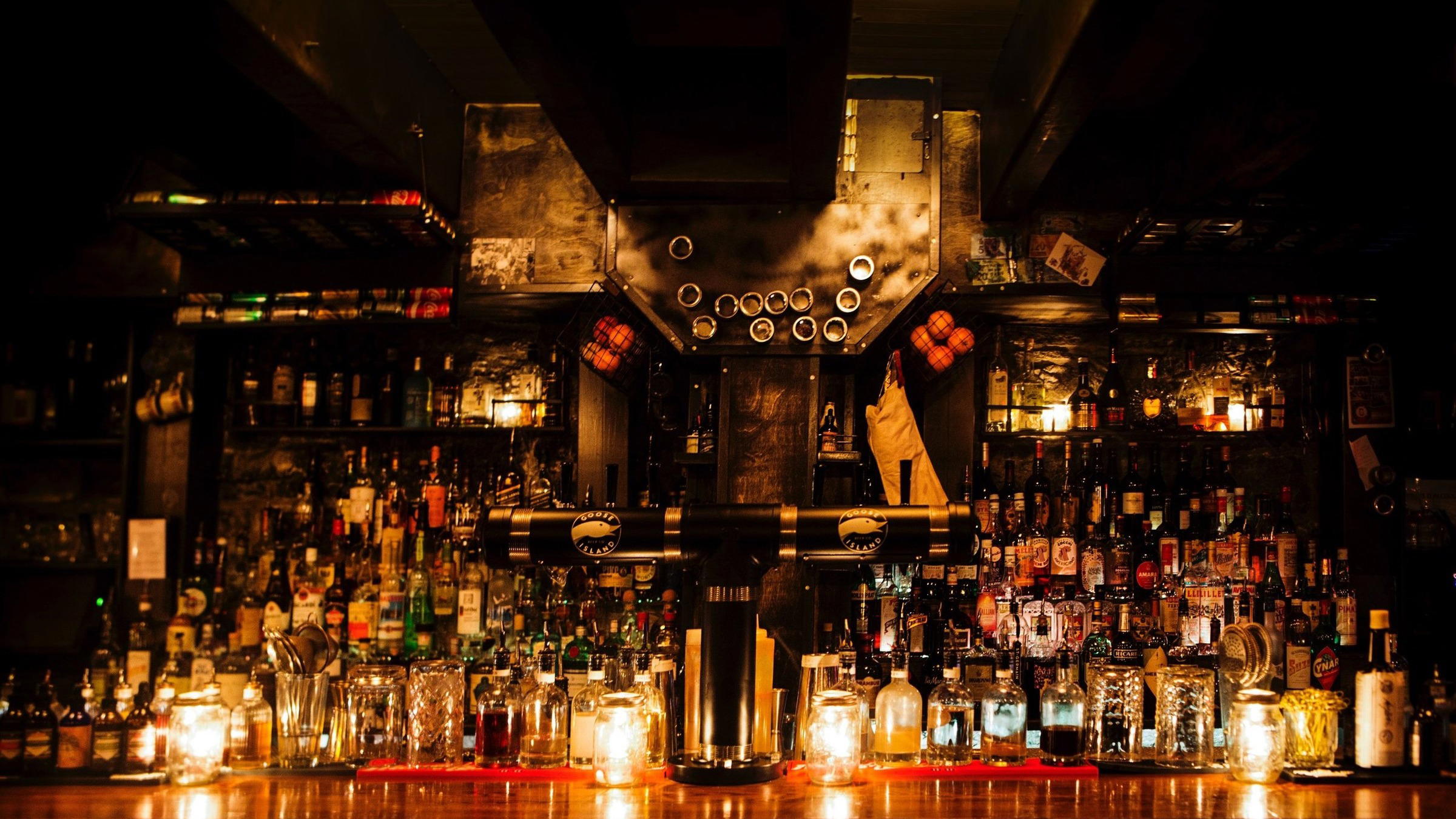
Warm and intimate with exposed beams, paintings hanging from the ceiling, antique convent furnishings, and live piano music daily from 6pm-10pm creating a cozy tavern-like atmosphere.
Know Before You Go
- Getting there
- 200 Rue St-Paul Ouest, Montréal, QC H2Y 1Z5, Canada