Stanley's

Michelin Plate
Our verdict
A Michelin Plate holder on a tucked-away Chelsea side street, Stanley's earns its repeat custom through seasonal Modern British cooking where ingredients do the heavy lifting. The flower-lined courtyard and glasshouse dining room suit the neighbourhood well, and the kitchen's restraint with good produce, leeks, pork chops, market allotment staples, gives the food a clarity that sits apart from the more theatrical end of London dining.

Pearl is the En Primeur Club membership app, where members save venues, book tables and use the concierge.

The menu
What to order
- Ribeye
- Trout crumpet
- Beef tartare
- Brussel sprouts
Chelsea's Seasonal Kitchen and the Ingredient-First Tradition
Modern British cooking has spent the better part of two decades sorting itself into two camps: the technically ambitious end, represented by destination restaurants like CORE by Clare Smyth and the broader ££££ tier that includes The Ritz Restaurant, and a quieter, less theatrical tradition that treats good sourcing as the primary act rather than a supporting claim. Stanley's on Sydney Street belongs firmly to the second tradition. The kitchen operates on the premise that a well-grown leek or a properly aged pork chop doesn't need architectural plating to justify its place on a menu. That restraint is both a philosophical stance and, in Chelsea's context, a commercial one: the neighbourhood's regulars tend to eat out frequently enough to grow tired of spectacle, and a kitchen that can deliver clean, seasonal flavours without fanfare earns consistent loyalty.
Holding a Michelin Plate in both 2024 and 2025, Stanley's sits at the credible end of the neighbourhood bracket, below the multi-star destination tier but well above the generic brasserie middle ground that fills much of the postcode. At the £££ price point, it prices against places like Dorian and Cornus rather than the ££££ flagship restaurants further into the West End.
Where the Produce Comes From and Why That Shapes the Menu
The ingredient-first approach that Michelin's inspectors noted in their assessment isn't incidental to Stanley's identity, it structures the entire menu logic. Seasonal British cooking at this level draws from a well-established supply network: market gardens in Kent and Essex, specialist butchers working with heritage breed pork, and the kind of allotment-scale producers who supply restaurants with a single variety of carrot or an unusual cultivar of leek rather than commodity volumes. This is a supply chain that rewards kitchens willing to build menus around what is available rather than what is consistent year-round.
The practical consequence is that dishes change with genuine frequency. The pork chop on the menu in autumn is a different ingredient proposition from the same cut in spring, and the kitchen's job, at least as it appears from the outside, is to present that difference honestly rather than smooth it over with sauce or technique. This approach connects Stanley's to a broader tradition of produce-led British cooking that runs from L'Enclume in Cartmel and Moor Hall in Aughton at the high-technique end down through unpretentious neighbourhood restaurants where the kitchen simply buys well and gets out of the way. Stanley's occupies the unpretentious end of that spectrum, and the Michelin recognition suggests the execution is consistent enough to warrant it.
For comparison, the more technically driven side of Modern British, The Fat Duck in Bray or Le Manoir aux Quat' Saisons in Great Milton, uses sourcing as one input among many. At Stanley's, the sourcing is closer to the whole argument. That distinction matters when deciding which restaurant suits a given occasion.
The Setting: Courtyard, Glasshouse, and Chelsea Context
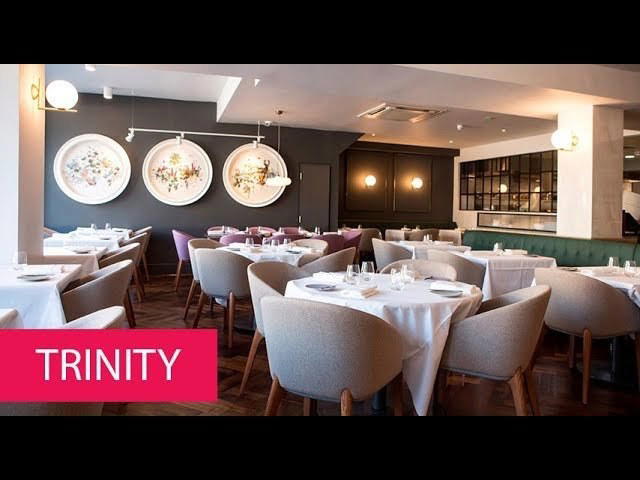
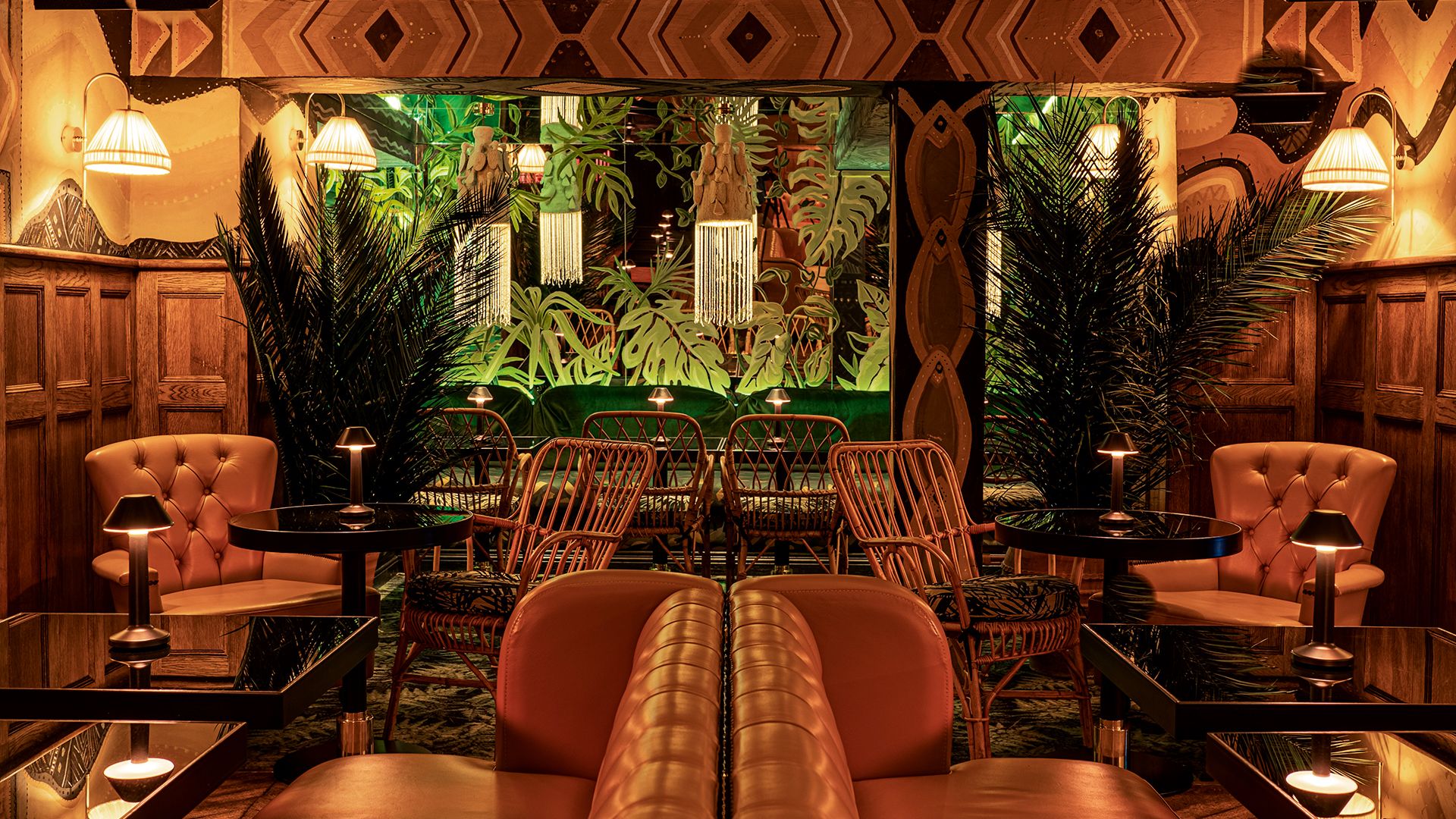
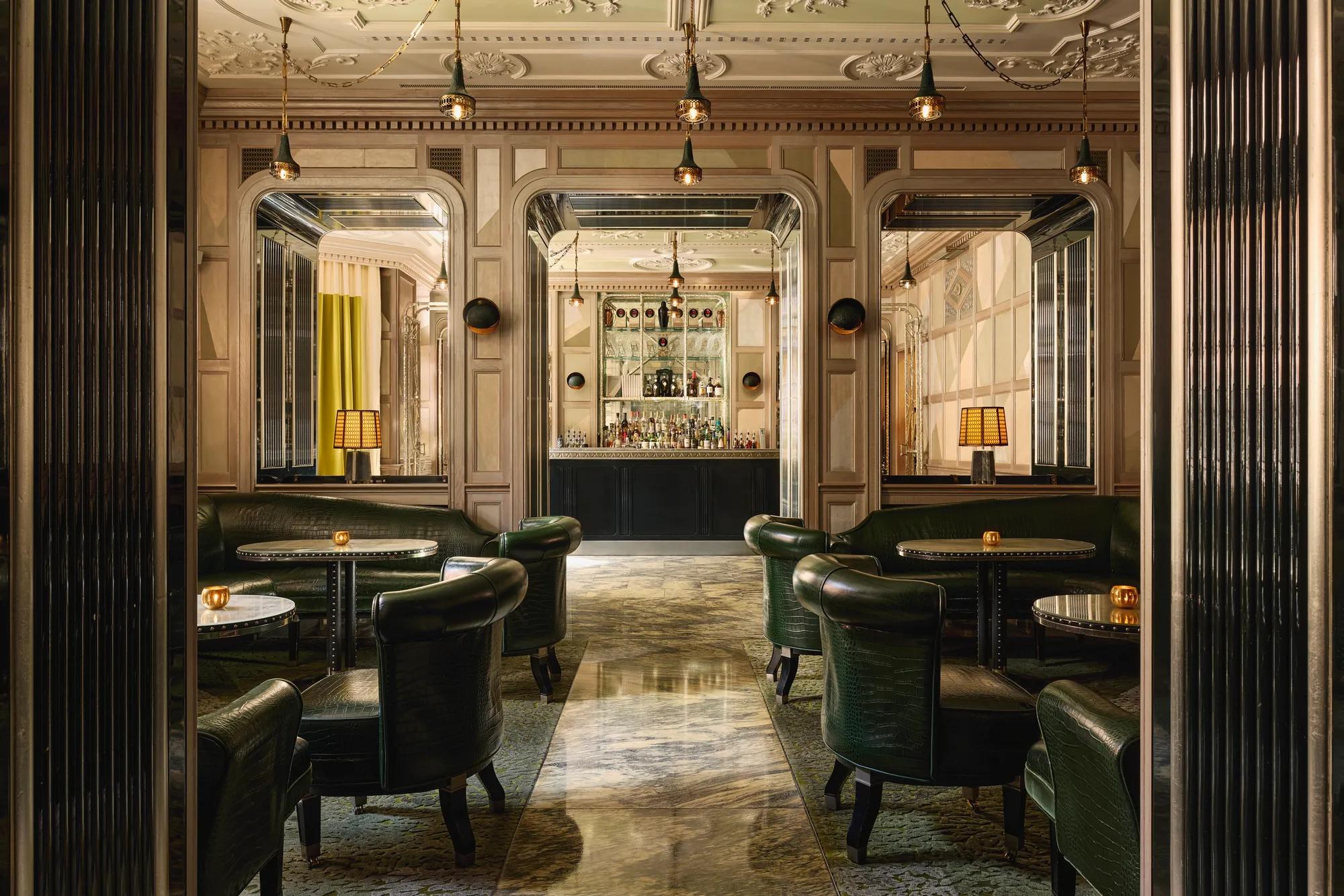
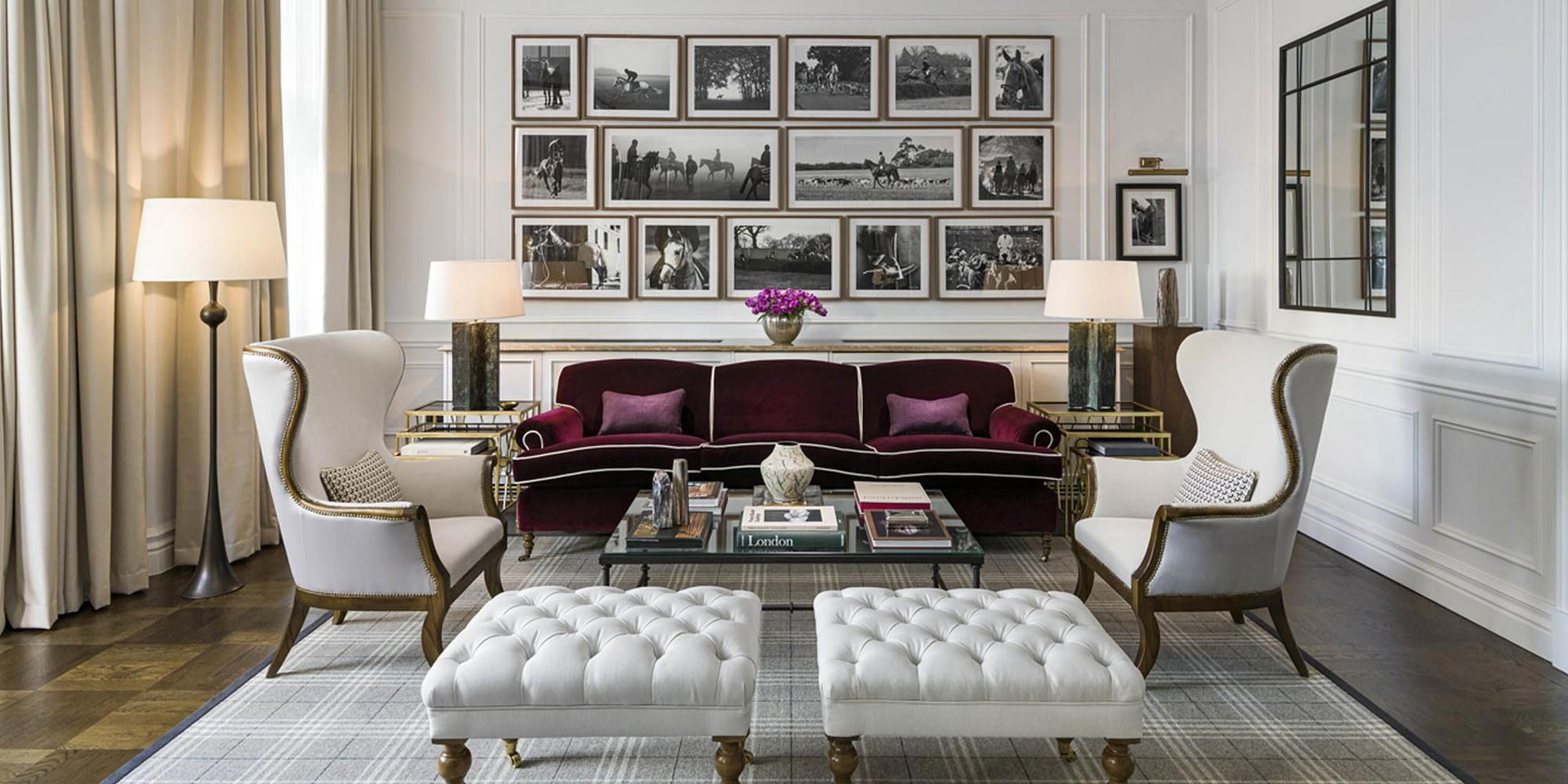
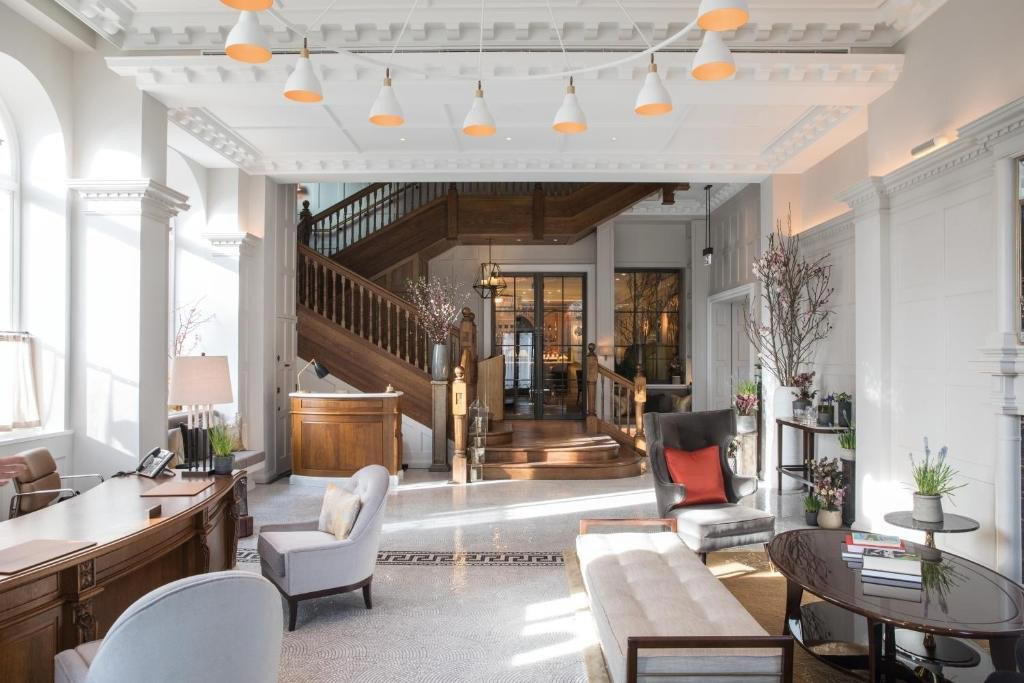
Sydney Street runs off the King's Road, and the address places Stanley's in the residential core of Chelsea rather than at the high-traffic end near Sloane Square. The two dining spaces, a sheltered courtyard dressed with flowering plants and a lean-to glasshouse, read as extensions of the surrounding streets rather than departures from them. Neither space performs drama. The courtyard functions as a genuine outdoor dining room when the weather permits, and the glasshouse bridges seasons without the sealed-off feel of a purpose-built conservatory.
The regulars that fill both spaces reflect the neighbourhood's profile: people who live close enough to walk, who book the same table seasonally rather than once for a special occasion, and who treat the restaurant as a reliable fixture rather than a destination. That dynamic shapes service culture and menu ambition in ways that purely destination-driven restaurants don't experience. Neighbourhood regulars are harder to impress with novelty and quicker to notice when the cooking has slipped.
Restaurants in a comparable register, hide and fox in Saltwood or Ben Wilkinson at The Pass in Horsham, serve similar produce-led Modern British in different regional contexts. Stanley's differentiates through its London address and, specifically, the combination of an outdoor setting that functions as a genuine summer lunch destination and a price point that sits below the full fine-dining tier.
Summer Lunch and the Case for Seasonal Timing
The Michelin text is unusually direct on timing: when the sun comes out, the courtyard lunch is cited as one of the stronger options available in this part of London. That framing is worth taking seriously. Many Chelsea restaurants have outdoor space; fewer have a setting that earns an unprompted seasonal endorsement from Michelin's inspectors. Summer bookings, particularly lunch on weekdays, are the configuration that aligns setting, daylight, and menu most effectively. The seasonal produce focus also means that late spring through early autumn represents the period when the kitchen has the most to work with.
For those planning broader London itineraries, Ormer Mayfair offers a point of comparison in the adjacent fine-dining tier, and the full context of what London's restaurant scene offers across price points and styles is covered in our full London restaurants guide. For hotel context in the surrounding area, our full London hotels guide covers the relevant options, while our full London bars guide, our full London wineries guide, and our full London experiences guide provide additional planning resources. The broader Modern British tradition across England, from Gidleigh Park in Chagford to Hand and Flowers in Marlow, gives further context for where Stanley's sits within the national picture.
Planning Your Visit
Stanley's is at 151 Sydney Street, Chelsea, SW3 5UE, a short walk from South Kensington or Sloane Square Underground stations. The £££ price range places it in the mid-to-upper neighbourhood bracket, appropriate for a relaxed lunch or dinner rather than a special-occasion destination at the ££££ tier. The courtyard and glasshouse seating means that outdoor and sheltered options are both available, but summer lunch bookings are likely to fill ahead of time given the Michelin endorsement of the setting specifically. Reservations in advance are sensible, particularly for weekend lunch or the warmer months.
Quick reference:
Frequently asked questions
Does Stanley's work for a family meal?
The sheltered courtyard and glasshouse setting at 151 Sydney Street give the room an informal, unhurried character that suits a group lunch better than a formal dinner booking. The seasonal, ingredient-focused menu, Michelin Plate–recognised in both 2024 and 2025, tends toward straightforward, produce-driven dishes rather than elaborate tasting-menu formats, which keeps things accessible across different appetites. The £££ price range sits in the mid-to-upper bracket for Chelsea, so it works best for a considered family occasion rather than a casual drop-in.
What's the vibe at Stanley's?
Stanley's draws a neighbourhood crowd: Michelin notes a strong contingent of regulars among the diners, which gives the room the settled confidence of somewhere that doesn't need to perform. The two spaces, a flower-dressed courtyard and a lean-to glasshouse, read as genuinely residential Chelsea rather than the glossier stretch of the King's Road. On a clear afternoon, the courtyard shifts the tone closer to a relaxed lunch than a formal dinner, which Michelin's own assessment singles out as the venue's strongest moment.
Is Stanley's Michelin-listed?
Stanley's has received recognition including: In the very heart of Chelsea, the hidden-away Stanley's feels like a perfect fit for the neighbourhood. Plenty of regulars are among the diners seated in either a sheltered, flower-festooned courtyard or inside a lean-to glasshouse. Vibrant….
What should I eat at Stanley's?
The kitchen's reputation, as documented by two consecutive Michelin Plate awards, rests on letting ingredients carry the work: produce such as leeks and pork chops are handled with minimal intervention so the flavour of the raw material comes through. Dishes are overtly seasonal, so the menu shifts with what's available rather than anchoring to year-round signatures. Timing a visit to a summer lunch in the courtyard is the specific scenario Michelin's inspectors call out as the strongest use of the space.
What should I expect cuisine-wise at Stanley's?
How much does it cost to eat at Stanley's?
Pricing at Stanley's is listed as £££.
Where is Stanley's in London?
Stanley's is located at 151 Sydney St, London SW3 5UE, United Kingdom, London.
At-a-Glance Comparison
| Venue | Cuisine | Price | Awards | Notes |
|---|---|---|---|---|
| Stanley'sThis venue (the venue you are viewing) | Seasonal British Small Plates | $50–100 | Michelin Plate | Not listed |
| The Ledbury | Modern British Fine Dining | $300–500 | 3 Michelin Stars · World's 50 Best #83 | Modern European, Modern Cuisine |
| Sketch, The Lecture Room and Library | Modern French Fine Dining | $200–300 | 3 Michelin Stars · World's 50 Best #18 | Modern French |
| CORE by Clare Smyth | Modern British Fine Dining | $150–200 | 3 Michelin Stars · World's 50 Best #97 | Modern British |
| Restaurant Gordon Ramsay | French Fine Dining | $200–300 | 3 Michelin Stars · World's 50 Best #13 | Contemporary European, French |
| Dinner by Heston Blumenthal | Historic British Fine Dining | $200–300 | 2 Michelin Stars · World's 50 Best #45 | Modern British, Traditional British |
Recognition history
Dated appearances from independent guides and award organizations, with the underlying list record or original source where available.
Michelin Plate
Michelin
Full recognition history (3 entries)
Michelin Plate
Michelin
Michelin Plate
Michelin