Dorian




1 Michelin Star · Star Wine List · National Restaurant Awards Top 100 #3
Our verdict
Dorian arrived in Notting Hill in 2022 with a Michelin star following by 2024 and a position inside the top 70 of Opinionated About Dining's Casual Europe ranking by 2025. Chef Max Coen's wood-fired cooking draws from pedigree kitchens including Ikoyi and Core by Clare Smyth, producing a neighbourhood brasserie that critics have consistently found harder to categorise than to praise.

Pearl is the En Primeur Club membership app, where members save venues, book tables and use the concierge.
The menu
What to order
- Crab rosti
- Veal sweetbreads
- Sirloin steak
A Notting Hill Brasserie That Critics Couldn't Ignore
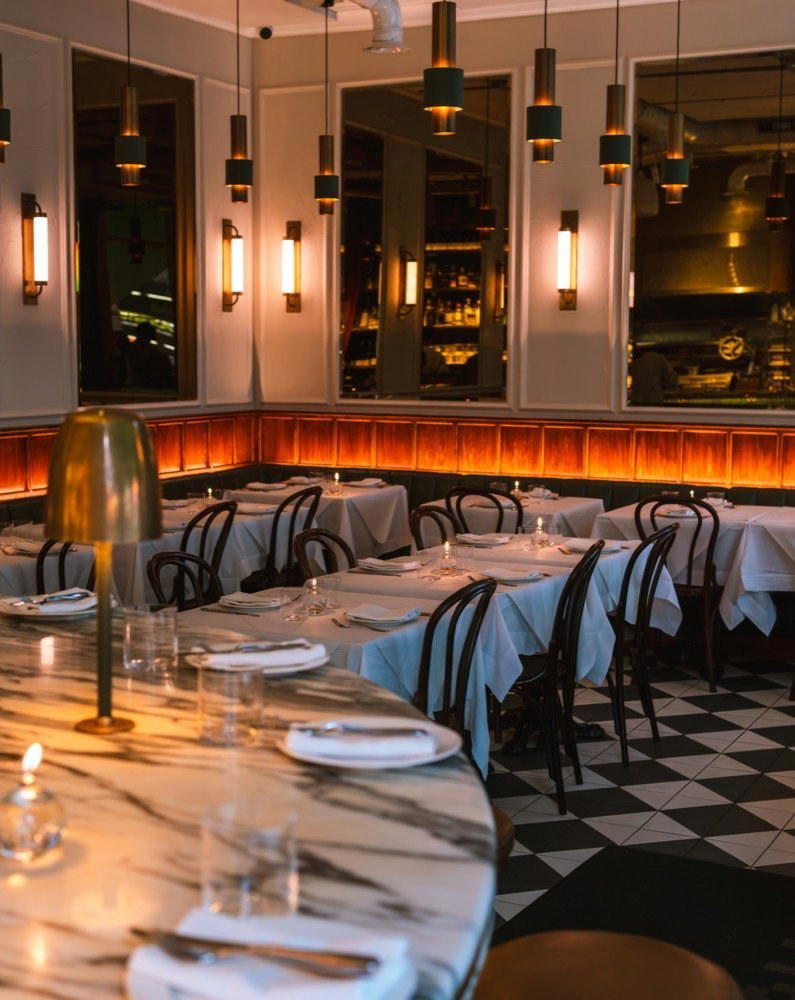
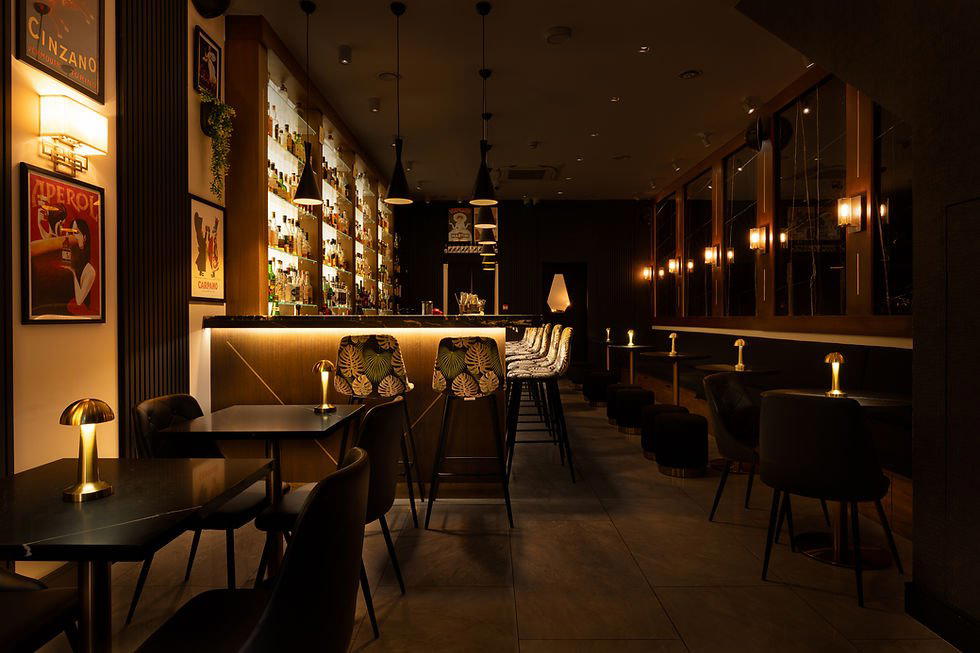
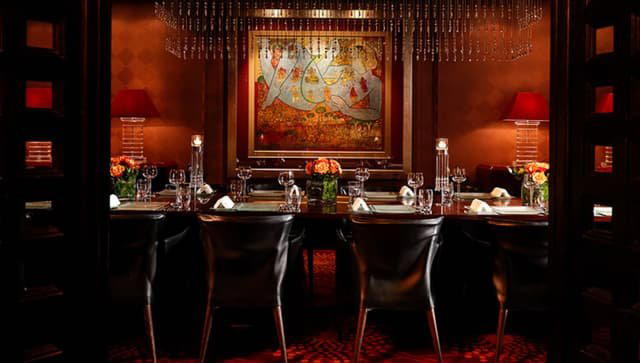
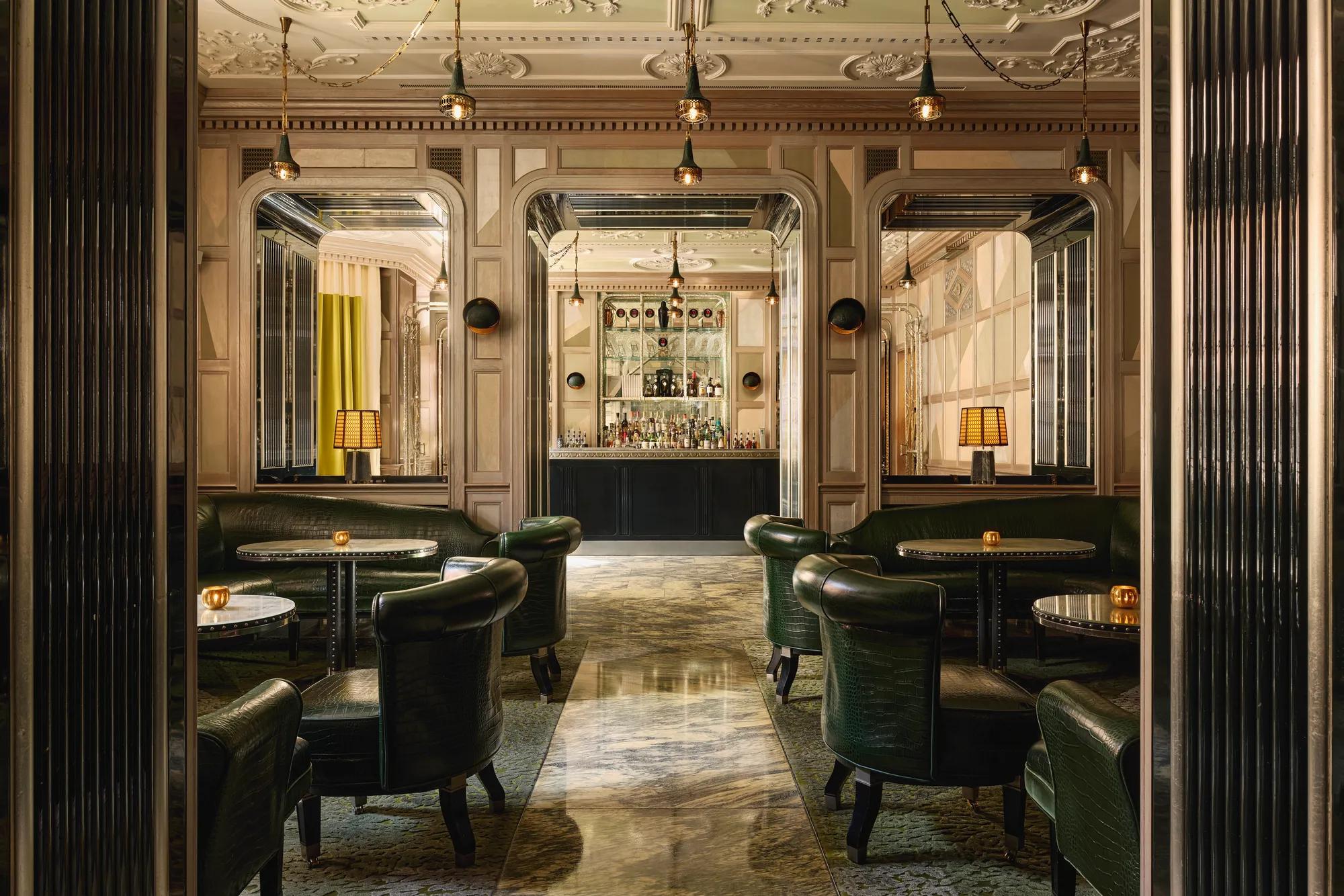
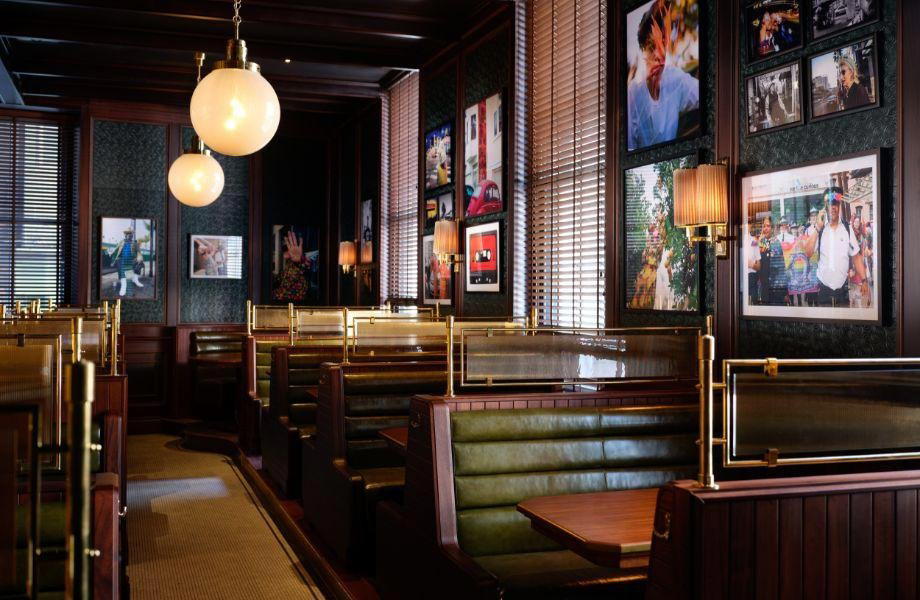
On Talbot Road, just north of the Portobello Road market corridor, the exterior of Dorian gives little away. Inside, exposed ventilation ducts run across the ceiling, black-and-white tiled floors anchor the room, and British racing green banquettes line the walls opposite close-packed, linen-clothed tables. An open kitchen sits at the rear, counter seats facing the pass where the wood-fired grill produces much of what lands on the table. The atmosphere is deliberately busy, this is a room that runs at volume, with a service team assembled, according to the restaurant's own account, from The Wolseley, Noble Rot, and CORE by Clare Smyth.
That provenance matters. London's £££££-tier dining rooms are not in short supply of formal polish, from The Ritz Restaurant to Cornus and Ormer Mayfair. What Dorian offers instead is something harder to manufacture: the energy of a neighbourhood room that happens to be cooking at a level well above its stated register.
The Awards Case, Assembled Quickly
Dorian opened in 2022. By 2023, Opinionated About Dining had placed it in the Highly Recommended tier for Casual Europe. In 2024, it climbed to number 121 in that same ranking and collected a Michelin star. By 2025, it had moved to number 69 in OAD's Casual Europe list. That is a fast trajectory for any restaurant, and particularly notable for one that describes itself as a bistro for locals on a residential stretch of W11.
The acceleration reflects something specific about what is happening in London's neighbourhood dining tier. A generation of operators has moved away from the destination-restaurant model, building rooms that sit closer to their communities while applying technical discipline drawn from high-end kitchens. The Harwood Arms established an early proof of concept in this space, earning Michelin recognition while staying firmly in pub format. Dorian operates in a comparable register, unassuming surrounds, serious cooking, but through a modern brasserie lens rather than a pub one.
The man behind the project is Chris D'Sylva, whose earlier ventures include the Notting Hill Fish Shop and Supermarket of Dreams, and who operates as a supplier to a number of respected London kitchens. That supply-chain background shapes how the restaurant sources and what it emphasises: primary ingredients, treated carefully, with wood-fired grilling as the structural technique rather than the decorative flourish.
What the Kitchen Is Actually Doing
Chef Max Coen, who came to Dorian with experience including Ikoyi, runs a menu where descriptions are deliberately terse. That restraint is a positioning choice as much as an aesthetic one: the food is asked to speak rather than the copy. Opinionated About Dining's notes describe the cooking as relying on excellent primary ingredients, with the wood-fired grill as the defining technique, and portions that range from single-bite snacks to shared main courses.
Documented examples from published reviews include a white crabmeat and potato rösti starter, a veal sweetbread with radicchio and grilled onion puree, a sea bass tranche with grilled corn, razor clams and saffron fish sauce, and a Limousin veal chop with vin jaune. The dessert notation of a choux bun described as 'devilfish', chocolate, cream, crowned with nuts, appears in multiple accounts as an indicator of the kitchen's willingness to push texture and richness without losing control of the dish. These are not the descriptions of a kitchen playing it safe inside a neighbourhood format.
The Modern British category has a wide range of expressions in London, from the technically elaborate tasting menus of CORE by Clare Smyth to the gastropub tradition represented by The Harwood Arms. Dorian occupies a middle position that is genuinely its own: the format is casual and the room is neighbourhood-scaled, but the ingredient sourcing, the team credentials, and the Michelin endorsement place it in a different competitive conversation than the average Notting Hill brasserie.
For a broader view of how this style sits within the national picture, the contrast with destination Modern British, The Fat Duck in Bray, L'Enclume in Cartmel, Moor Hall in Aughton, Gidleigh Park in Chagford, or the pub-format exemplar Hand and Flowers in Marlow, is useful. Those rooms ask diners to travel, to commit to a set experience, and to pay for an orchestrated progression. Dorian asks none of that. The question it poses is whether a bistro format can sustain serious cooking over time, and three years in, the answer from the critical consensus appears to be yes.
Regional expressions of the genre worth noting alongside Dorian include Le Manoir aux Quat' Saisons in Great Milton, hide and fox in Saltwood, and Ben Wilkinson at The Pass in Horsham, each demonstrating that the Modern British register operates at high levels well outside the M25.
The Wine List as a Separate Conversation
Published accounts of the wine list describe France and Italy as the primary anchors, with older vintages and what reviewers have characterised as stellar labels sitting alongside a smaller selection of more accessible bottles and by-the-glass options starting from £9. The majority of bottles carry three-figure price tags. For a room that presents itself in brasserie terms, the list's depth and ambition represent a deliberate choice to attract a wine-engaged clientele alongside the neighbourhood regulars. This is a pattern increasingly common across serious London neighbourhood restaurants: the food format reads casual, the cellar does not.
The Notting Hill Context
Notting Hill has long carried a dual reputation, affluent residential postcode, tourist-facing weekend market, that makes it an unusual setting for serious dining. The restaurants that have worked leading here tend to be those that serve the residential population first and the visitor economy second. Dorian's self-description as a bistro for locals is not incidental to its positioning; it is the operating logic. The room fills because the neighbourhood claims it, and the neighbourhood claims it because the cooking is worth the frequency.
Talbot Road sits west of the Portobello Road spine, at a remove from the densest weekend foot traffic. That slight distance from the market crowds shapes the audience and the atmosphere. Tables are close-packed and linen-clothed, the room runs loud at service, and counter seats at the open kitchen offer direct sight lines to the grill. First-time visitors are advised by the service team on volume and ordering sequence, a practical note given that the menu spans single bites through to large shared plates, and the right combination is not immediately obvious from the terse menu copy alone.
Planning Your Visit
Address: 105–107 Talbot Road, London W11 2AT. Hours: Monday dinner only (5:30–11pm); Tuesday through Saturday lunch (12–2:30pm) and dinner (5:30–11pm); Sunday lunch (12–2:30pm) and dinner (5:30–10pm). Price range: ££££. Booking: Reservations are recommended; the restaurant's reputation and Michelin status mean weekend tables fill quickly. Dress: No stated code, and the room's casual aesthetic accommodates a wide range of approaches, but the clientele trends toward smart-casual given the price point. Wine: By-the-glass options from £9; the list runs predominantly to three-figure bottles with a focus on France and Italy. First-time visitors should follow service recommendations on portion volume and ordering sequence.
For broader context on where Dorian sits within London's dining scene, see our full London restaurants guide. For accommodation near Notting Hill, our full London hotels guide covers the range. Drinking beyond dinner is covered in our full London bars guide, and for those with an interest in wine specifically, our full London wineries guide and our full London experiences guide are also available.
What dish is Dorian famous for?
No single dish has been formally designated a signature, but published critical accounts consistently highlight the sea bass with grilled corn, razor clams and saffron fish sauce as a technically strong central plate. The Limousin veal chop with vin jaune recurs across multiple reviews as a benchmark shared main course, and the wood-fired grill technique is the connective thread across much of the menu. Michelin's notes point to the liver parfait toast and the broader range from snack to shared plate as characteristic of the format.
Frequently asked questions
What are the operating hours at Dorian?
Hours at Dorian: Monday 5:30 PM-11 PM Tuesday 12 PM-2:30 PM 5:30 PM-11 PM Wednesday 12 PM-2:30 PM 5:30 PM-11 PM Thursday 12 PM-2:30 PM 5:30 PM-11 PM Friday 12 PM-2:30 PM 5:30 PM-11 PM Saturday 12 PM-2:30 PM 5:30 PM-11 PM Sunday 12 PM-2:30 PM 5:30 PM-10 PM.
What part of town is Dorian in?
Dorian is located at 105, 107 Talbot Rd, London W11 2AT, United Kingdom, London.
Is there a head chef associated with Dorian?
The chef associated with Dorian is Max Coen.
How It Stacks Up
| Venue | Cuisine | Price | Awards | Notes |
|---|---|---|---|---|
| DorianThis venue (the venue you are viewing) | Modern British Bistro | $50–100 | 1 Michelin Star · Star Wine List | Not listed |
| The Ledbury | Modern British Fine Dining | $300–500 | 3 Michelin Stars · World's 50 Best #42 | Modern European, Modern Cuisine |
| Sketch, The Lecture Room and Library | Modern French Fine Dining | $200–300 | 3 Michelin Stars · World's 50 Best #18 | Modern French |
| CORE by Clare Smyth | Modern British Fine Dining | $150–200 | 3 Michelin Stars · World's 50 Best #97 | Modern British |
| Restaurant Gordon Ramsay | French Fine Dining | $200–300 | 3 Michelin Stars · World's 50 Best #13 | Contemporary European, French |
| Dinner by Heston Blumenthal | Historic British Fine Dining | $200–300 | 2 Michelin Stars · World's 50 Best #45 | Modern British, Traditional British |
Recognition history
Dated appearances from independent guides and award organizations, with the underlying list record or original source where available.
Michelin 1 Star
Michelin
Star Wine List
Star Wine List
National Restaurant Awards Top 100 #3 · No. 3
National Restaurant Awards · 2026 National Restaurant Awards Top 100
Opinionated About Dining Casual in Europe Ranked #71
Opinionated About Dining
The Good Food Guide GFG Very Good
The Good Food Guide
Full recognition history (11 entries)
Michelin 1 Star
Michelin
National Restaurant Awards Top 100 #10
National Restaurant Awards
Opinionated About Dining Casual in Europe Ranked #69
Opinionated About Dining
Michelin 1 Star
Michelin
Opinionated About Dining Casual in Europe Ranked #121
Opinionated About Dining
Opinionated About Dining Casual in Europe Highly Recommended
Opinionated About Dining
Continue exploring
More in London
Restaurants in London
All restaurants in London →
Bars in London
All bars in London →

Details
- Lively
- Modern
- Trendy
- Elegant
- Date Night
- Business Dinner
- Special Occasion
- Open Kitchen
- Extensive Wine List
- A La Carte
- Small Plates
- Vegetarian Friendly
Current opening hours
- Monday
- 12–2:30 PM, 5:30–11 PM
- Tuesday
- 12–2:30 PM, 5:30–11 PM
- Wednesday
- 12–2:30 PM, 5:30–11 PM
- Thursday
- 12–2:30 PM, 5:30–11 PM
- Friday
- 12–2:30 PM, 5:30–11 PM
- Saturday
- 12–2:30 PM, 5:30–11 PM
- Sunday
- 12–10 PM
Hours can change for holidays and private events. Hours as of .
Cool and lively atmosphere with exposed ventilation ducts, black-and-white tiled flooring, racing green banquettes, and close-packed tables creating a trendy, unassuming bistro vibe.