TOWN


On Drury Lane in Covent Garden, TOWN sits within the accessible end of London's British-produce dining spectrum, where seasonal menus, a strong plant-forward offering, and an open-kitchen format define the experience. Recognised by the We're Smart Green Guide for its 100% pure plant dishes, it draws a crowd looking for quality cooking without ceremony, with a quick-lunch format that keeps both pace and cost in check.
Pearl is the En Primeur Club membership app — saves, bookings, and concierge access live there. Same editors, same standards.
- Address
- 26-29 Drury Ln, London WC2B 5RL, United Kingdom
- Phone
- +44 7418 633764
- Website
- town.restaurant
- Directions
- Get directions
 Saves & bookings on Pearl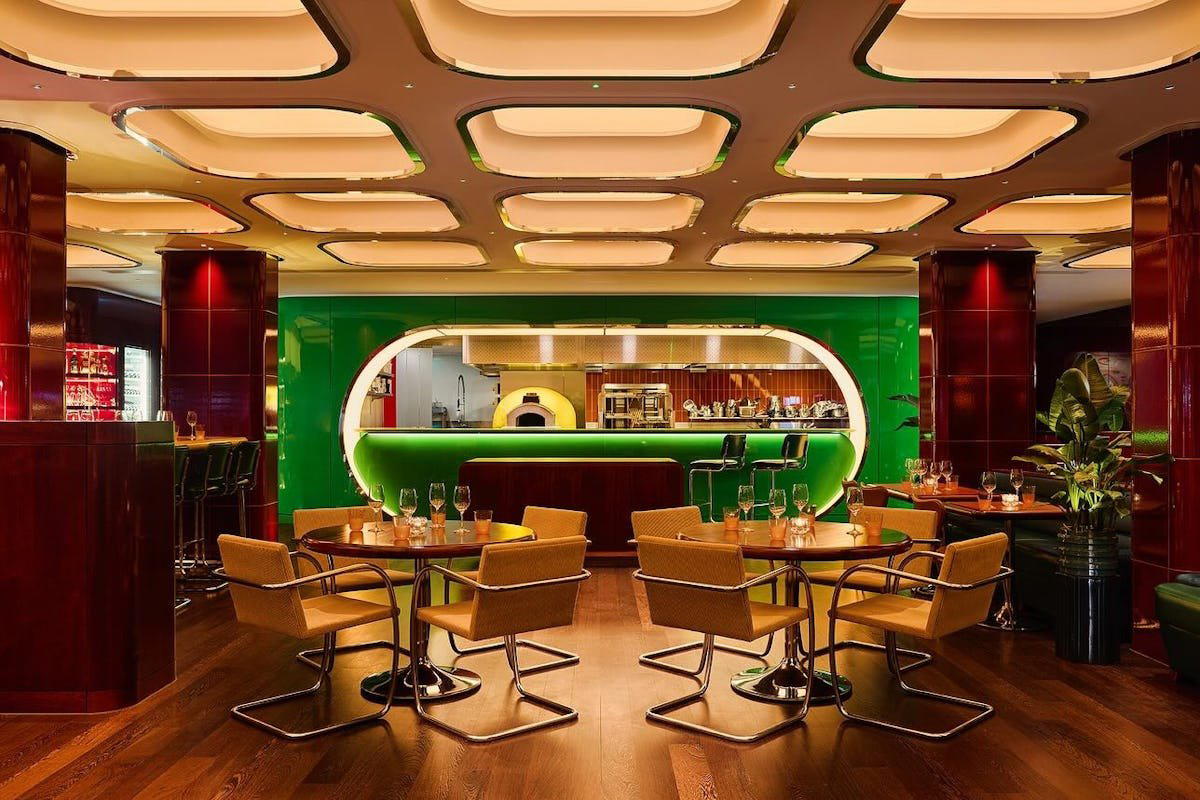
Drury Lane and the Case for Unfussy British Cooking
If there is one thing worth doing on a visit to Covent Garden, it is testing whether a restaurant can make seasonal British produce feel genuinely compelling without the scaffolding of tasting menus or formal codes of conduct. TOWN, at 26-29 Drury Lane, London, makes that case consistently. It sits at a different point on London's dining spectrum from the four-star brigade at CORE by Clare Smyth or The Ledbury, and that distance is not a weakness. The city has always needed restaurants that can translate good sourcing and skilled cooking into something accessible, and TOWN positions itself squarely in that space.
The Scene: Where Plant-Forward Meets British Produce
British restaurant culture has, over the past decade, seen a meaningful shift in how plant-based cooking is treated. For most of that period, plant-forward dishes occupied a polite corner of a menu otherwise defined by meat. That posture has changed. A growing cohort of London restaurants now treat vegetables, grains, and fermented ingredients as the primary creative medium, not a secondary track. TOWN connects to that movement through a seasonal 100% pure plant menu that earned the restaurant recognition from the We're Smart Green Guide, a European publication that assesses restaurants specifically for plant-based ambition and execution.
That recognition matters as a signal about where the kitchen's interests lie. At restaurants such as Dinner by Heston Blumenthal or Restaurant Gordon Ramsay, the anchoring logic is French technique and historical British reference. TOWN operates on a different register: the anchoring logic is seasonal availability and accessibility, which puts it closer in spirit to the pub dining tradition than to the tasting-menu circuit, even if the execution is sharper than that comparison implies.
The Room and the Energy
The dining room is designed to be noticed. An open kitchen gives the space a particular kind of accountability: cooking is visible, and the energy of service is transferred directly into the dining room rather than absorbed behind closed doors. That format has become a reliable marker of a certain kitchen confidence in London, common enough now that it signals intent rather than novelty. At TOWN, the open kitchen and social layout create a fizzing energy and a positive atmosphere.
The theatre of the open kitchen, combined with a layout that reads as social rather than formal, makes TOWN a credible opening-act venue for an evening in the West End. Covent Garden's proximity to major theatres and the concentration of pre-theatre dining in the area creates a specific kind of demand that restaurants here have to meet: people want quality and pace, not a three-hour commitment. TOWN's format is calibrated for that context.
Reading the Menu Structure
Menu opens with snacks before moving into larger dishes, a structure that has become standard across London's mid-tier and accessible fine dining rooms. What distinguishes TOWN's version is the specificity of the snacks: fried sage leaves with heather honey and chilli, for example, are the kind of thing that requires a kitchen paying attention to ingredient sourcing and balance rather than relying on familiar crowd-pleasers. Heather honey is a regional British product with a distinct bitterness that separates it from commodity honey, and pairing it with chilli and fried sage suggests a kitchen that understands contrast rather than one defaulting to safe combinations.
Across Britain's broader restaurant scene, this approach to snacks as a creative overture has become a way for kitchens to signal their priorities before the main menu arrives. At destination restaurants like L'Enclume in Cartmel or Moor Hall in Aughton, snacks carry significant weight in defining the kitchen's identity. TOWN operates at a different price point and scale, but the logic is similar: the snack course is not filler.
The Quick Lunch Format
The quick lunch menu is one of the more practically useful things about TOWN. London's lunch culture has bifurcated sharply: at one end, multi-course set menus that use the midday slot to offer tasting-menu experiences at reduced prices (a tactic used by Sketch's Lecture Room and Library and others); at the other, fast-casual formats with no pretension to anything beyond speed. TOWN's quick lunch sits between those poles, keeping both duration and cost to a minimum while still operating within a kitchen that takes its produce and preparation seriously. For the working lunch or the pre-matinee slot, that positioning is commercially intelligent and practically useful.
The Fat Duck in Bray, Gidleigh Park in Chagford, Hand and Flowers in Marlow, and Le Manoir aux Quat' Saisons in Great Milton each represent a distinct strand of British hospitality and cooking, spanning from modernist experimentation to classical French-influenced country house dining. TOWN is not in conversation with those references, and that is by design.
Stevie Parle in Context
Chef Stevie Parle has built a portfolio of London restaurants over a career that spans multiple formats and neighbourhoods, a pattern more common in American restaurant cities like New York, where operators such as those behind Le Bernardin or Atomix tend to maintain single, high-focus operations, than in the London scene. The multi-restaurant operator model in London requires each venue to hold its own identity rather than trade on a single flagship reputation. TOWN, as one of Parle's projects, carries the clearest brief: approachable cooking, seasonal British produce, no unnecessary complexity.
Planning a Visit
Address: 26-29 Drury Lane, London WC2B 5RL. Reservations are recommended. Dress code: smart casual. Budget: Around $55 per person.
Price Lens
Comparable venues nearby, for context on price, style, and recognition.
| Venue | Cuisine | Price | Awards | Notes |
|---|---|---|---|---|
| TOWNThis venue — the venue you are viewing | Not listed | $$$ | Michelin Plate | Not listed |
| Rogues | Not listed | $$$ | Michelin Plate | Cambridge Heath, Modern British Small Plates |
| Pig and Butcher | Angel, British Gastropub | $$$ | Michelin Plate | Not listed |
| Rosi | Mayfair, Modern British | $$$ | Michelin Plate | Not listed |
| Anchor & Hope | Waterloo, Seasonal British Gastropub | $$ | Michelin Plate | Not listed |
| The Chalk Freehouse | Chelsea, Refined British Gastropub | $$$ | Michelin Plate | Not listed |
Recognition history
Dated appearances from independent guides and award organizations, with the underlying list record or original source where available.
Michelin Plate
Michelin
We're Smart World 3 Radishes
We're Smart World
Continue exploring
More in London
Restaurants in London
Browse all →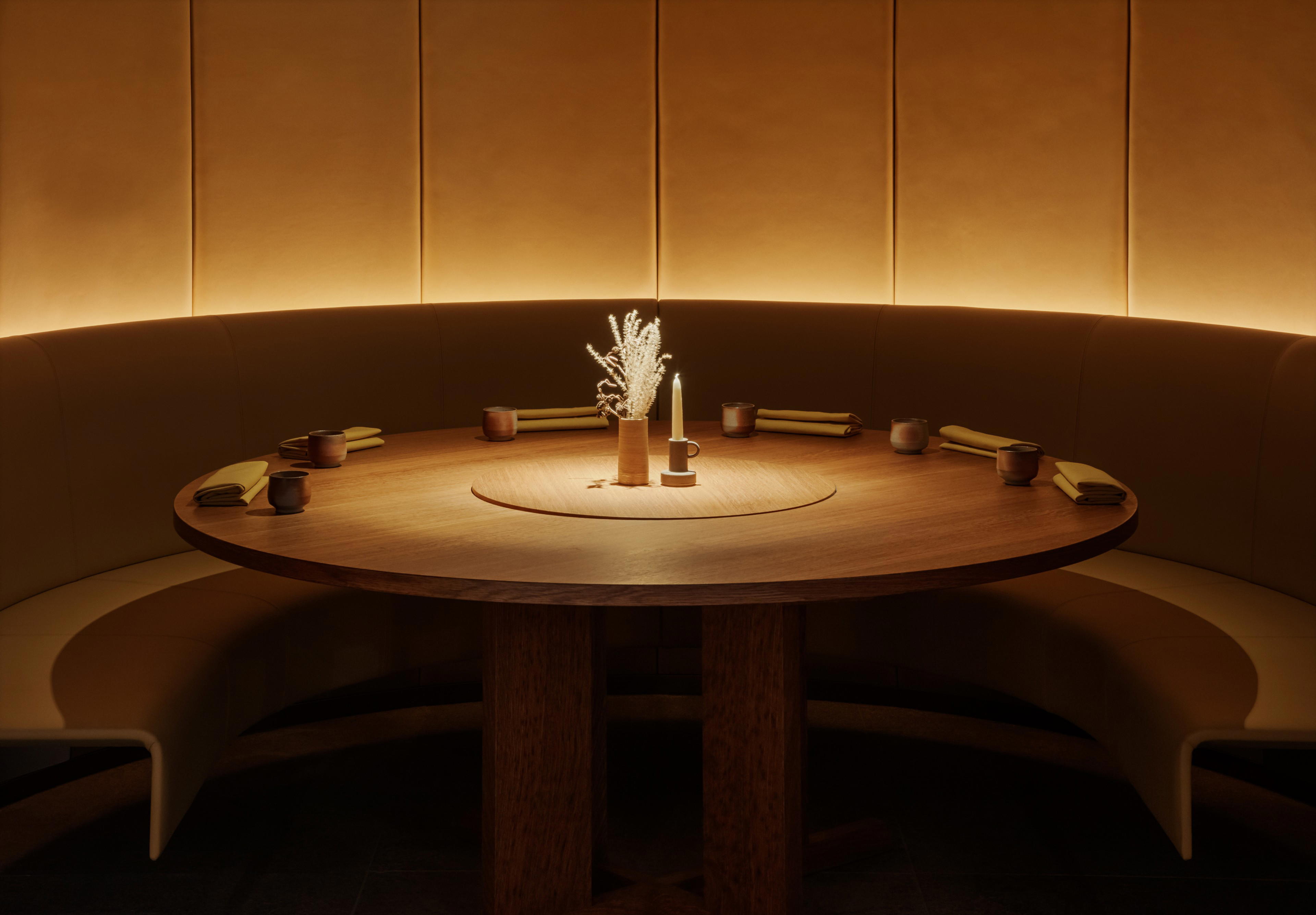
Bars in London
Browse all →
Hotels in London
Browse all →

At a Glance
- Modern
- Elegant
- Lively
- Cozy
- Trendy
- Date Night
- Special Occasion
- Group Dining
- Open Kitchen
- Extensive Wine List
- Craft Cocktails
- Local Sourcing
Current opening hours
- Monday
- 12 PM–12 AM
- Tuesday
- 12 PM–12 AM
- Wednesday
- 12 PM–12 AM
- Thursday
- 12 PM–12 AM
- Friday
- 12 PM–12 AM
- Saturday
- 12 PM–12 AM
- Sunday
- Closed
Hours can change for holidays and private events. Last verified .
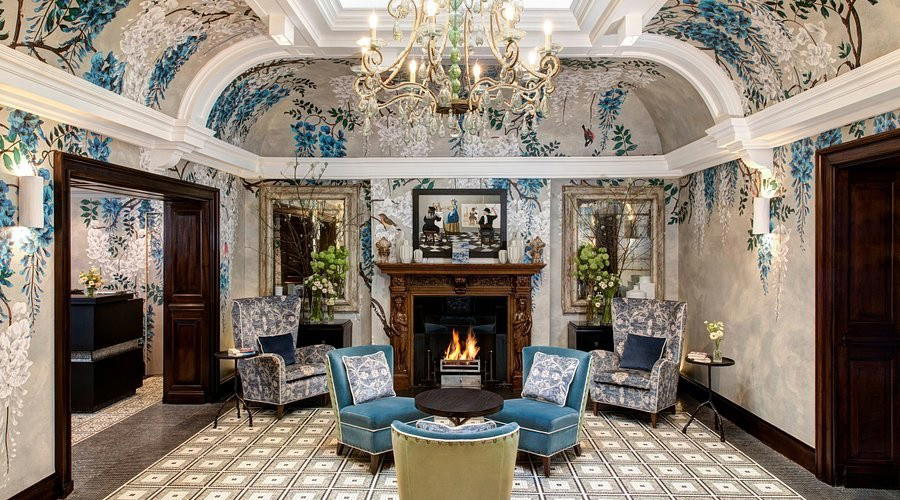
Stylish retro-glam space with clean curves, burgundy and earth tones, open kitchen buzz, comfortable and spacious with lively yet not too loud atmosphere.