Cadet


Michelin Bib Gourmand · Star Wine List
Our verdict
A collaboration between wine importers Beattie & Roberts, charcutier George Jephson, and former St John and Lyle's chef Jamie Smart, Cadet operates as a bar and shop on Newington Green, north London. The focus is natural wine, primarily French, alongside serious charcuterie, pâté en croûte, rillettes, slip sole, with a blackboard menu running Thursday to Sunday.

Pearl is the En Primeur Club membership app, where members save venues, book tables and use the concierge.
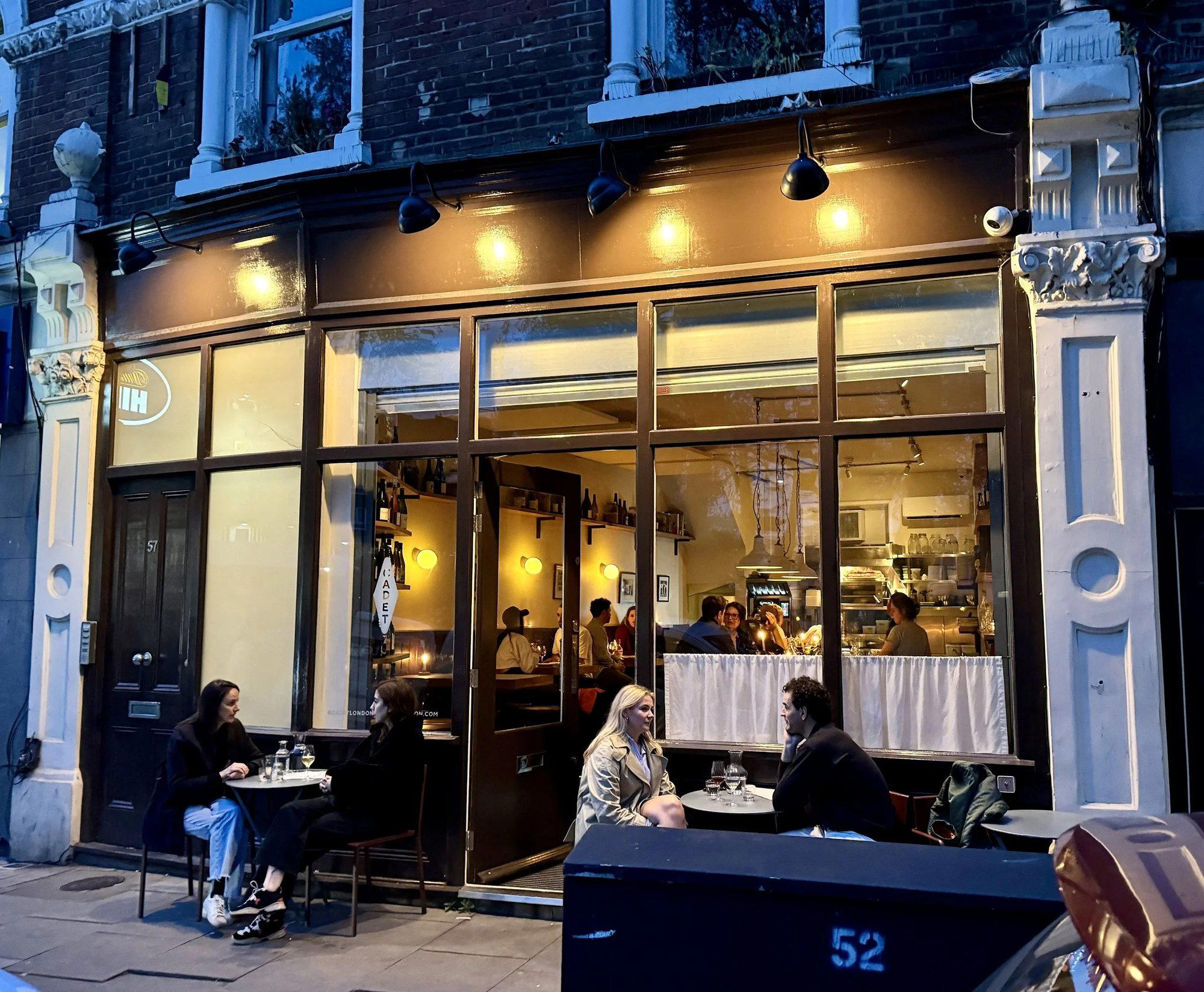
Where Natural Wine and Charcuterie Converge in North London
Newington Green sits at a particular remove from the central London dining circuit. Its Georgian terraces and independent traders have long attracted a different kind of hospitality business: one built on product conviction rather than footfall. That context matters when considering Cadet, a compact bar and shop at 57 Newington Green that brings together wine importers Beattie and Roberts, charcuterie specialist George Jephson, and former St John and Lyle's chef Jamie Smart. The combination is not accidental. Each contributor represents a distinct supply-chain discipline, and the result is a venue defined by the integrity of what it sources rather than the theatre of how it presents it.
A Sourcing Model Built Into the Structure
The natural wine movement in London has, over the past decade, produced a clear split between bars that use natural wine as an aesthetic signal and those where the selection reflects genuine importer relationships and supply-chain knowledge. Cadet sits unambiguously in the second category. Beattie and Roberts, as importers rather than buyers from a list, bring direct producer access to the selection, which skews heavily French. This is not a cellar assembled from a distributor catalogue; it is the retail and on-trade expression of an existing import business, which gives the range a coherence and depth that most standalone wine bars cannot replicate.
That sourcing logic extends to the food side. George Jephson's involvement signals a commitment to traditional preserving and curing disciplines, pâté en croûte in particular is a technique demanding precision in pastry, forcemeat seasoning, and temperature management, that sits within a broader revival of French charcuterie craft in London. The presence of a former St John chef in that partnership is notable: St John's influence on nose-to-tail and whole-animal thinking in British kitchens has been structural, and the ethos of using the whole product, wasting as little as possible, runs through charcuterie-making as a discipline. Rillettes, for instance, are by their nature a preservation and efficiency product, converting secondary cuts and fat into something long-lasting and highly seasoned. This is sustainability through technique rather than through branding.
The Week in Two Modes
Cadet operates with a structural distinction that most wine bars avoid: the format changes depending on the day. From Monday to Wednesday, the offer is closer to a bar with retail, where simple snacks accompany the wine selection. From Thursday through Sunday, a blackboard menu introduces a broader range of dishes, drawing on Smart's training, slip sole with Café de Paris butter, well-seasoned rillettes, pâté en croûte. The blackboard format is itself an ethical and practical choice. Dishes can be written and removed depending on what's available and in condition; there is no printed menu to fulfil when a product falls short or a batch doesn't meet standard. It keeps the kitchen honest and reduces the structural pressure to compromise on sourcing.
While venues like CORE by Clare Smyth, The Ledbury, Sketch, The Lecture Room and Library, and Restaurant Gordon Ramsay occupy the Michelin three-star bracket with structured tasting menus and corresponding price points, Cadet operates on an entirely different register, informal, counter-led, product-first. It is closer in spirit to a French cave à manger than to anything in the central London fine dining corridor. Dinner by Heston Blumenthal and the broader British gastronomic tradition it draws on are geographically and conceptually far removed from what Newington Green supports.
The Ethical Architecture of the Natural Wine Bar
The natural wine category carries an implicit sustainability argument: lower-intervention farming, reduced chemical inputs, and closer relationships between producer and importer. When a bar is co-owned by the importers themselves, that argument becomes structural rather than rhetorical. The wines at Cadet are not selected to be fashionable; they reflect the producer relationships that Beattie and Roberts have built, which in the natural wine context typically means smaller domaines, organic or biodynamic farming, and limited allocations. This is a supply chain with fewer intermediaries and more direct accountability than most retail wine operations.
On the food side, charcuterie as a category is inherently low-waste. The craft disciplines it demands, curing, confiting, potting, encasing, were developed precisely to extend the utility of an animal beyond its prime cuts. Pâté en croûte uses secondary meats and offal; rillettes use belly and shoulder; the pastry casing itself is structural rather than decorative. A kitchen built around these techniques is, by design, oriented toward full-product use. This is not a venue that has added a sustainability section to its website; the sustainability logic is baked into the product choices.
Newington Green and the Bar-Shop Hybrid
The shop element of Cadet matters beyond convenience. London's most interesting wine-adjacent retail operations have moved toward hybrid models, buy a bottle to take home, drink another at the bar, because it creates a customer relationship that outlasts the visit. The wine selections available to purchase are the same ones being poured, which aligns the retail and on-trade offer in a way that builds trust. A drinker who discovers a natural Burgundy or Loire white at the bar can take another bottle home; the importer relationship makes that direct. This model has become increasingly common in Paris and Lyon but remains relatively uncommon in London outside of a few specialists.
For a broader picture of where Cadet sits within London's drinking and dining options, the EP Club London bars guide and London restaurants guide provide further context. Those planning time across the city will also find the London hotels guide, London wineries guide, and London experiences guide useful for building an itinerary. Beyond London, venues such as The Fat Duck in Bray, L'Enclume in Cartmel, Moor Hall in Aughton, Gidleigh Park in Chagford, Hand and Flowers in Marlow, and hide and fox in Saltwood represent the range of serious British dining beyond the capital. Internationally, Le Bernardin in New York City and Atomix in New York City offer a reference point for how importer-chef collaborations and counter-format dining operate in a different market context.
Planning a Visit
| Detail | Cadet | Typical Central London Natural Wine Bar | Michelin Fine Dining (London) |
|---|---|---|---|
| Format | Bar, shop, blackboard menu (Thu–Sun) | Bar with snacks | Tasting menu, set format |
| Price register | Well-priced (per venue data) | Mid-range | ££££ |
| Booking pressure | Walk-in friendly (bar format) | Generally walk-in | Months in advance |
| Wine focus | Natural, predominantly French, importer-direct | Mixed natural selection | Classical fine wine lists |
| Food anchor | Charcuterie, pâté en croûte, bistro dishes | Small plates | Multi-course modern cuisine |
Frequently asked questions
What is Cadet known for?
What's the must-try dish at Cadet?
How hard is it to get a table at Cadet?
Do they accommodate allergies at Cadet?
Does Cadet sell wine to take home as well as serving it at the bar?
A Credentials Check
| Venue | Cuisine | Price | Awards | Notes |
|---|---|---|---|---|
| CadetThis venue (the venue you are viewing) | Modern British Small Plates | $50–100 | Michelin Bib Gourmand · Star Wine List | Not listed |
| The Ledbury | Modern British Fine Dining | $300–500 | 3 Michelin Stars · World's 50 Best #42 | Modern European, Modern Cuisine |
| Sketch, The Lecture Room and Library | Modern French Fine Dining | $200–300 | 3 Michelin Stars · World's 50 Best #18 | Modern French |
| CORE by Clare Smyth | Modern British Fine Dining | $150–200 | 3 Michelin Stars · World's 50 Best #97 | Modern British |
| Restaurant Gordon Ramsay | French Fine Dining | $200–300 | 3 Michelin Stars · World's 50 Best #13 | Contemporary European, French |
| Dinner by Heston Blumenthal | Historic British Fine Dining | $200–300 | 2 Michelin Stars · World's 50 Best #45 | Modern British, Traditional British |
Recognition history
Dated appearances from independent guides and award organizations, with the underlying list record or original source where available.
Michelin Bib Gourmand
Michelin
Star Wine List
Star Wine List
Full recognition history (3 entries)
Michelin Plate
Michelin
Continue exploring
More in London
Restaurants in London
All restaurants in London →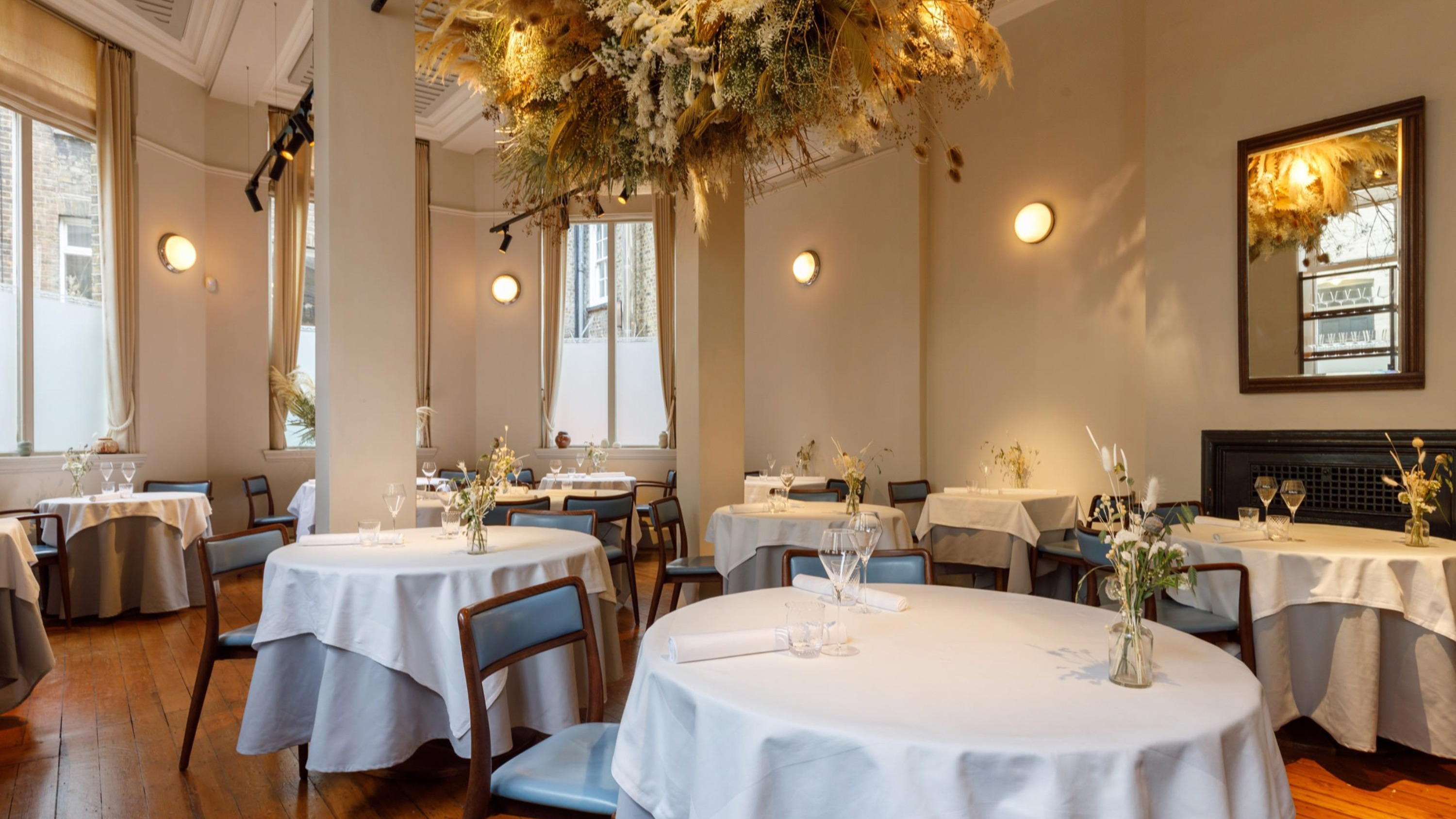
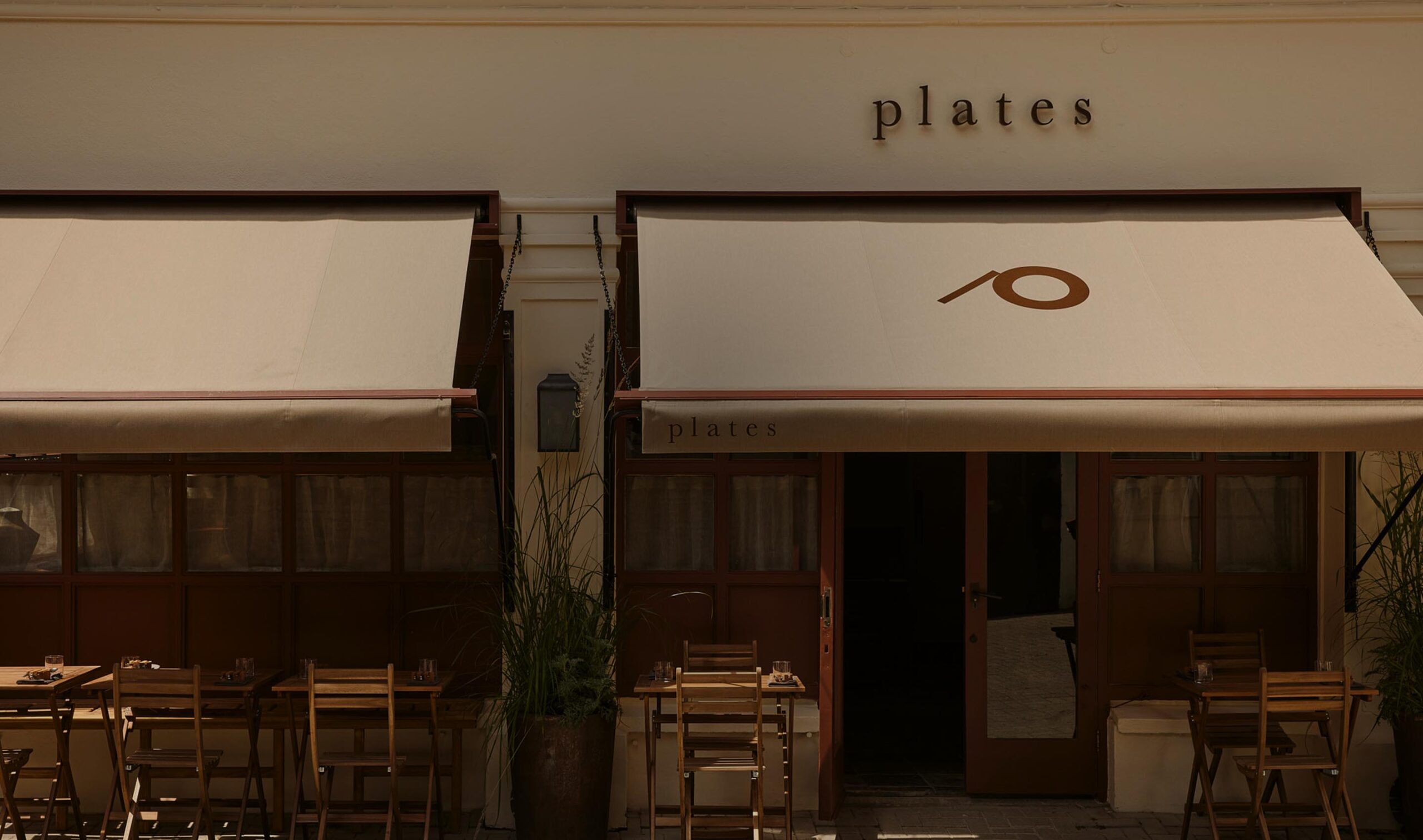
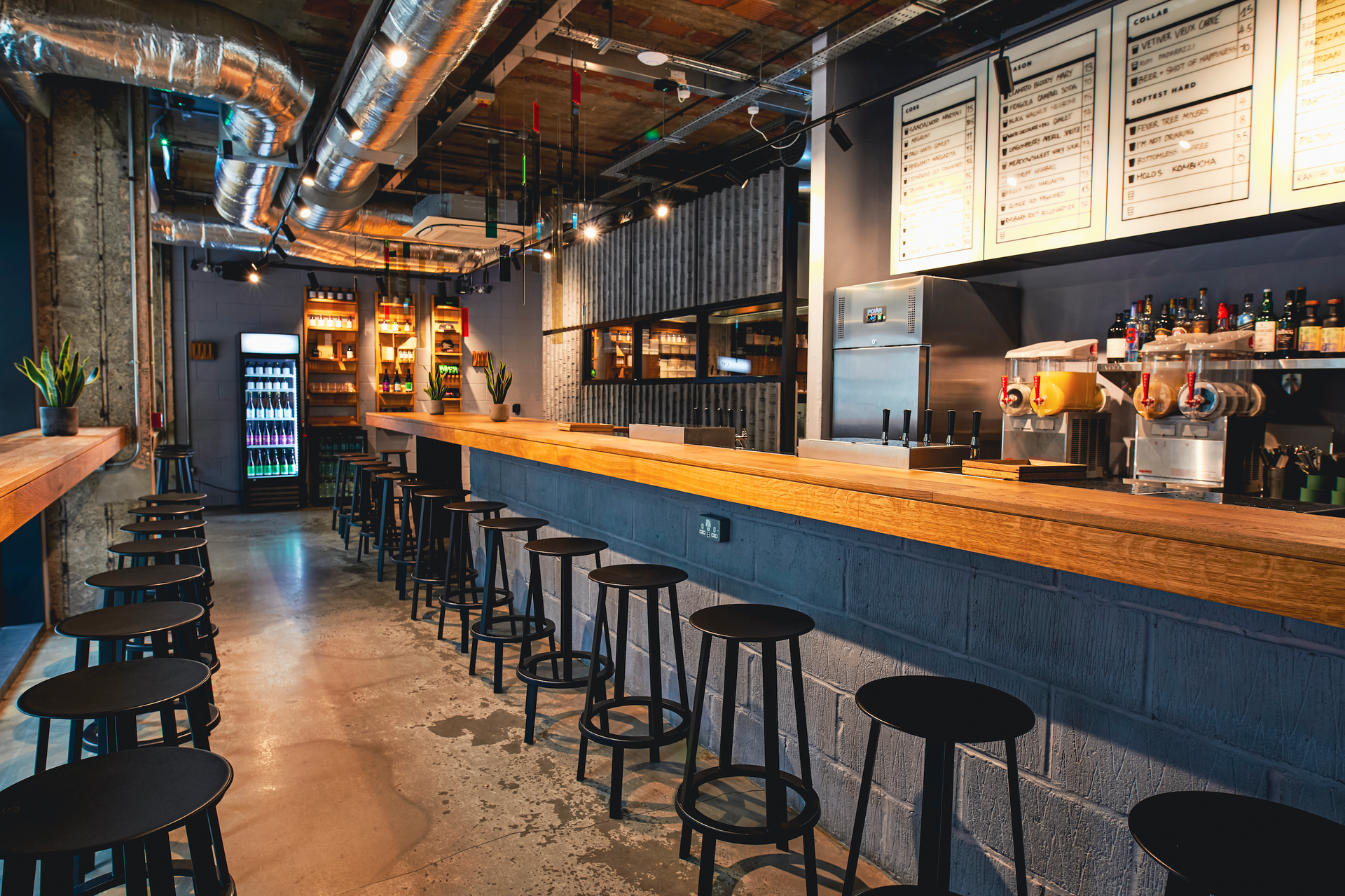
Bars in London
All bars in London →

Details
- Cozy
- Trendy
- Intimate
- Date Night
- Casual Hangout
- Open Kitchen
- Natural Wine
- Local Sourcing
- Small Plates
- Natural Wine
- Vegetarian Friendly
Current opening hours
- Monday
- Closed
- Tuesday
- 5–10 PM
- Wednesday
- 5–10 PM
- Thursday
- 5–11 PM
- Friday
- 5–11 PM
- Saturday
- 12–11 PM
- Sunday
- 2–10:30 PM
Hours can change for holidays and private events. Hours as of .
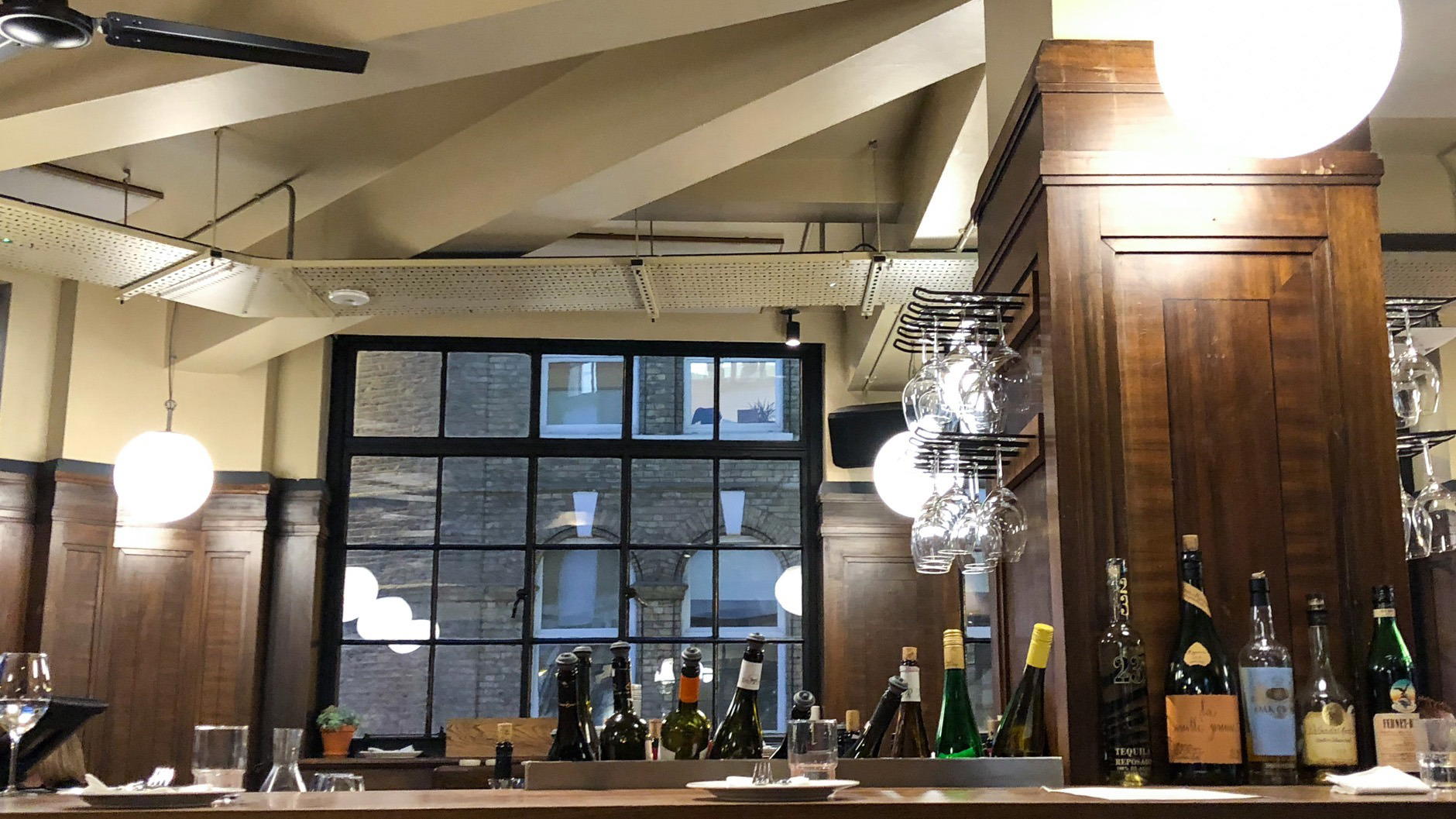
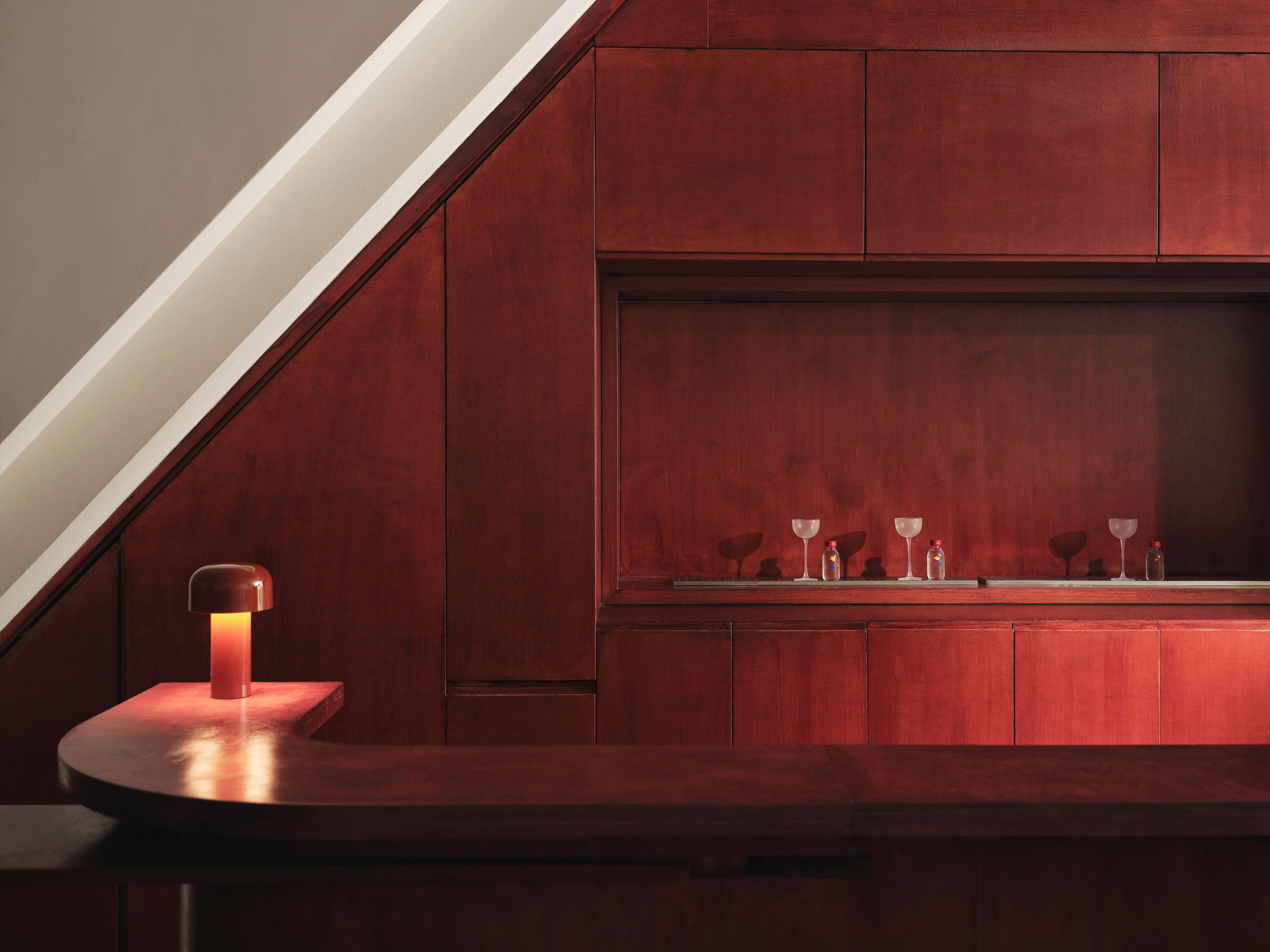
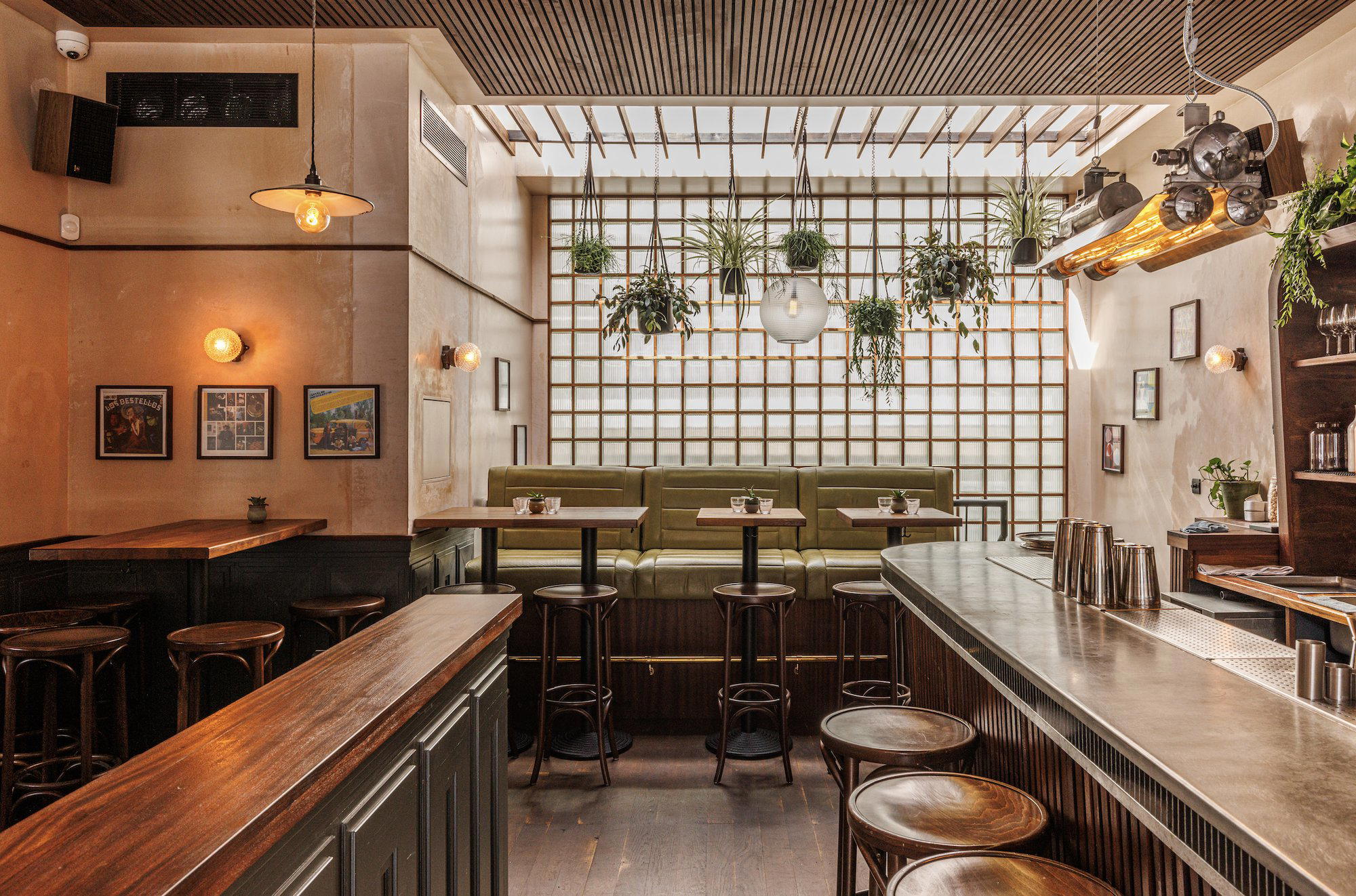
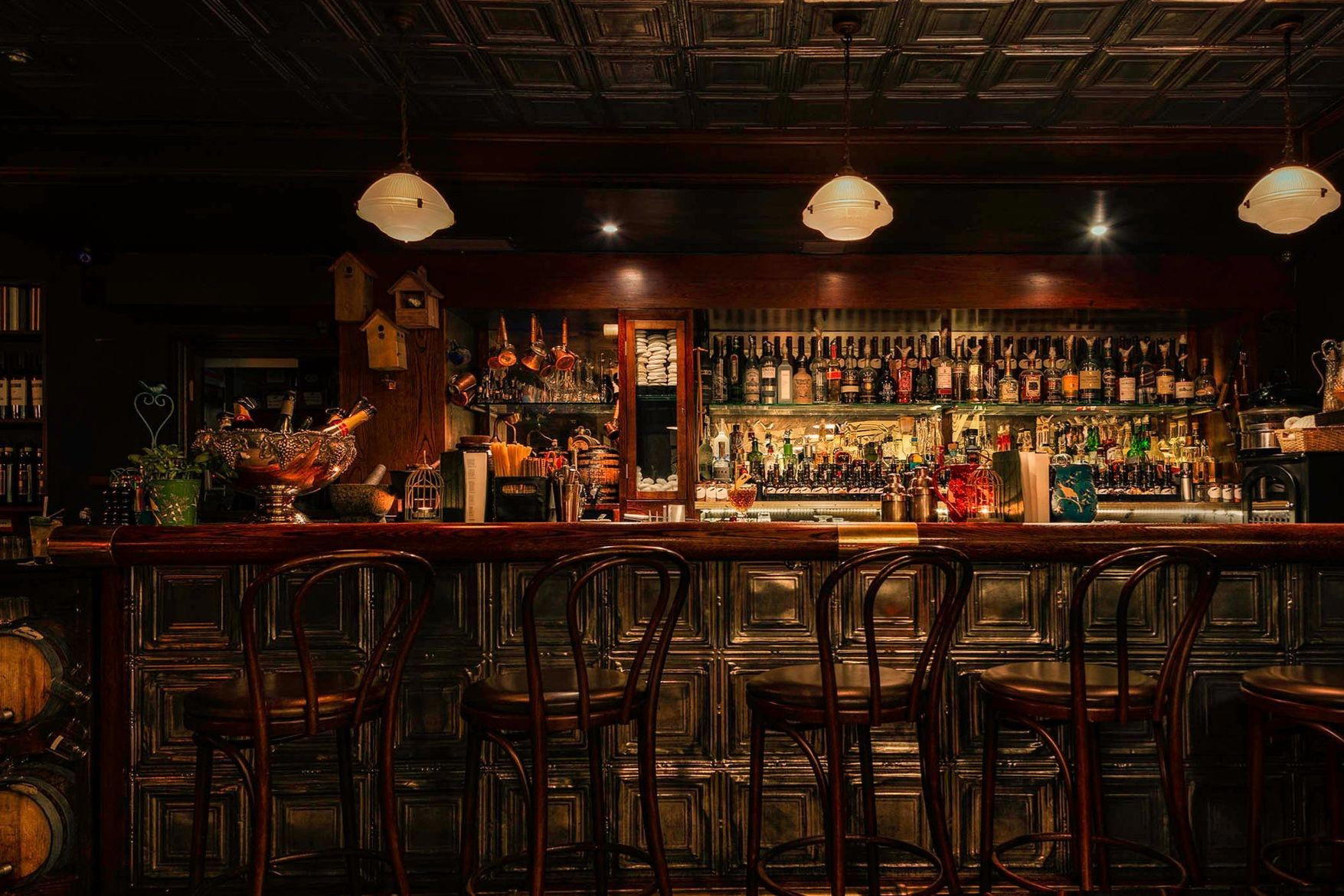
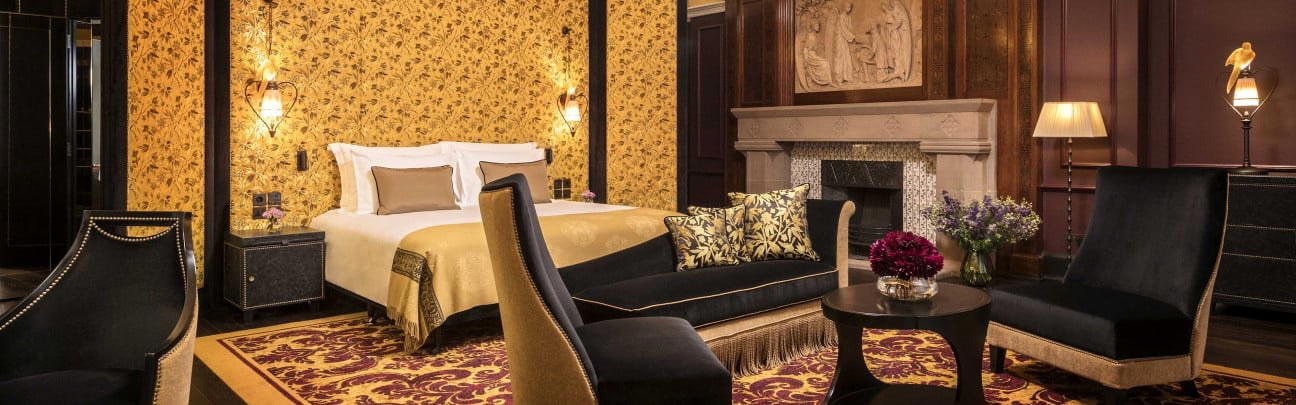
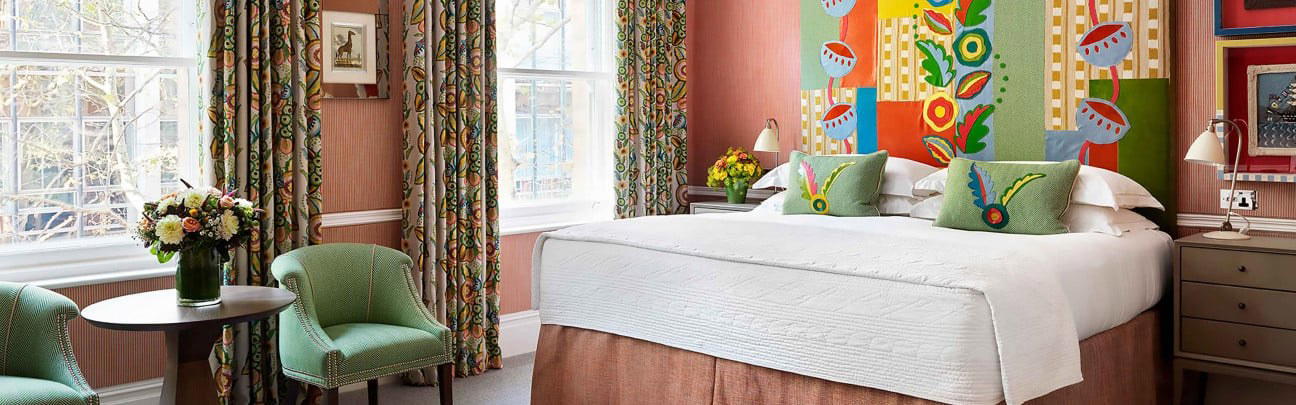
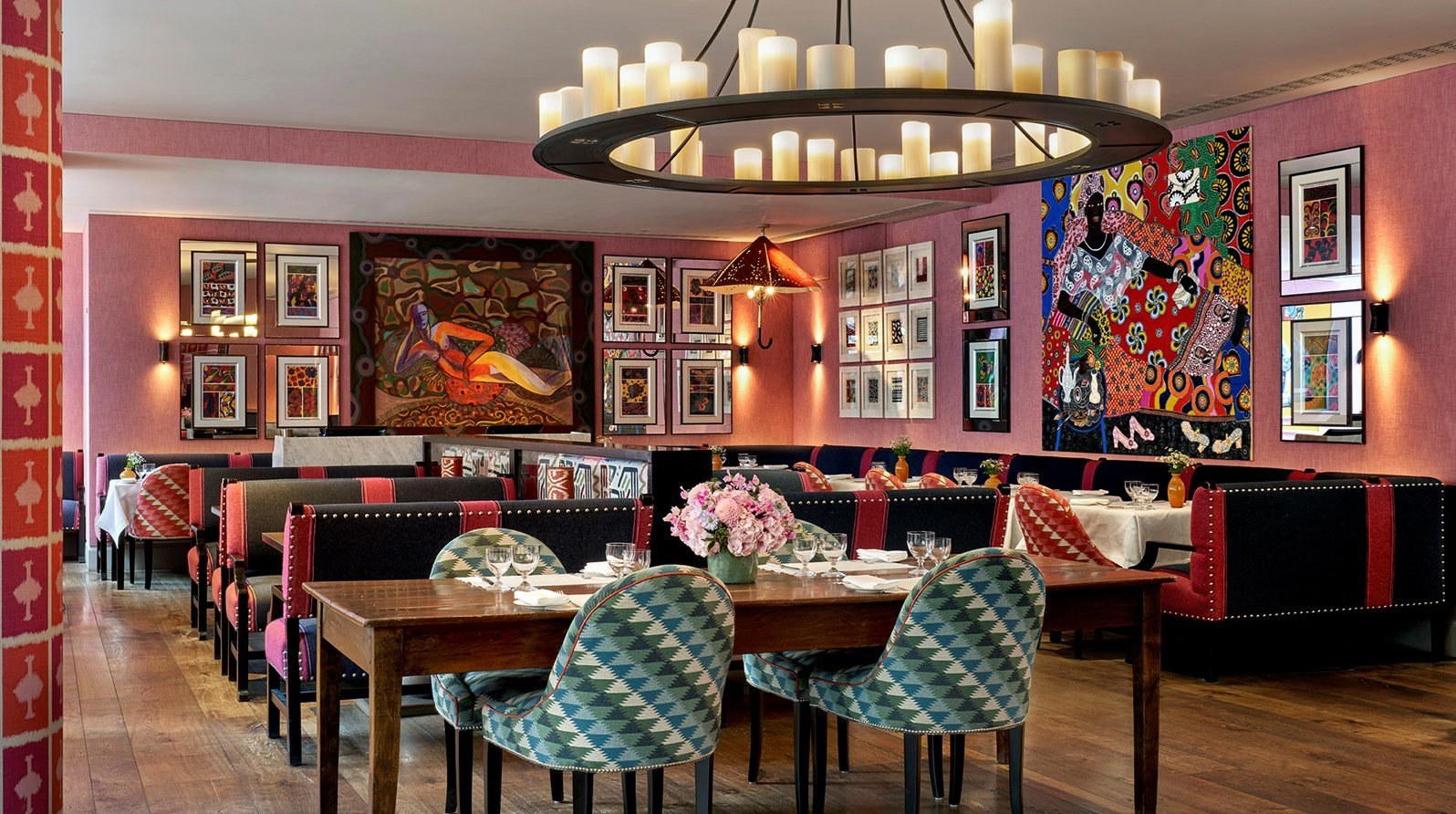
Minimalist yet warm Parisian cave-à-manger style with natural light from big windows, chalkboard menus, and a convivial, homey community atmosphere.