Stalk

James Beard Award Semi Finalist
Our verdict
Stalk occupies a spot on Central Avenue in Dover, New Hampshire, where the city's dining scene sits at a crossroads between its working-port heritage and a newer wave of ingredient-focused cooking.

Pearl is the En Primeur Club membership app — saves, bookings, and concierge access live there. Same editors, same standards.
- Address
- 286 Central Ave, Dover, NH 03820
- Phone
- (603) 343-2600
- Hours
- Mon ClosedTue–Wed 5–9 PMThu–Sat 4–9 PMSun Closed
- Website
- stalkrestaurant.com
- Directions
- Get directions
- Booking
- Book on SevenRooms
The menu
What to order
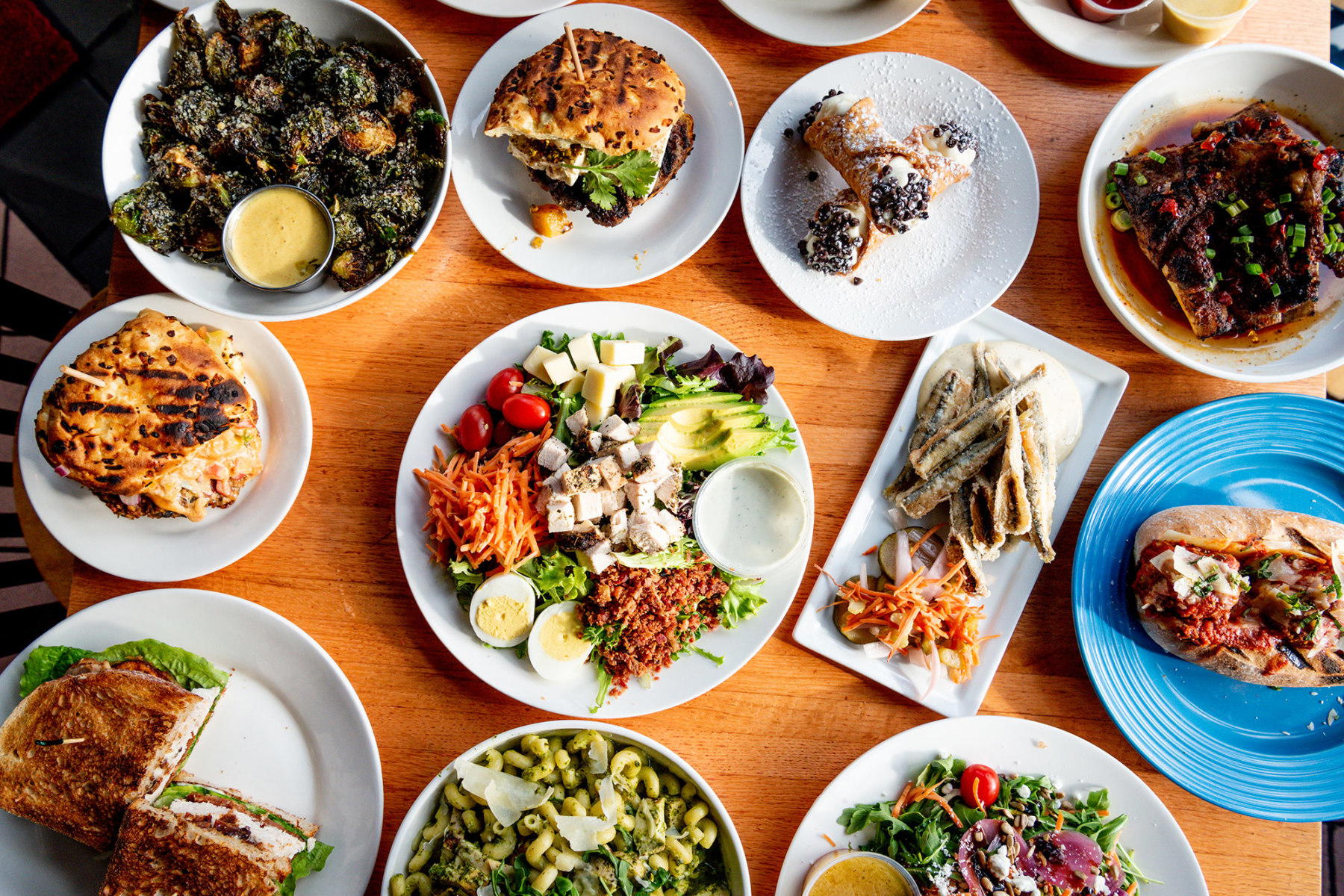
- Vegan manicotti
- Grilled pork chop
- Black garlic carrots
Dover's Dining Character and Where Stalk Sits Within It
Dover, New Hampshire carries a culinary identity shaped by its proximity to the coast and its history as a mill town turned mid-sized city. The Seacoast region's dining conversation has long been anchored by seafood institutions, with places like Newick's Lobster House representing the direct, produce-forward tradition that defines New England eating at its most literal. Alongside that tradition, a smaller cohort of more format-conscious restaurants has emerged in the city center, among them Stages at One Washington, which brought progressive American tasting-menu thinking to Central Avenue. Stalk, also on Central Avenue at number 286, positions itself within that evolving mid-city tier, though the venue's current public profile remains sparse enough that its precise format and culinary direction require direct confirmation.
What the address tells you is meaningful on its own. Central Avenue is Dover's commercial spine, and restaurants that anchor there tend to operate for a local dining public rather than a tourist pass-through. That context shapes expectations: the room is likely to reward residents more than visitors hunting for a single-night marquee experience. For a fuller picture of where Stalk fits against the city's other options, the full Dover restaurants guide maps the scene with more granularity.
The Cultural Weight of Ingredient-Driven Cooking in New England
Across American fine dining, the past decade has seen a consolidation around sourcing transparency as a primary editorial statement. At the top of that register nationally, places like Blue Hill at Stone Barns in Tarrytown and Single Thread Farm in Healdsburg have built entire identities around the farm-to-counter chain, where the menu is effectively a report on what the land produced that week. That model carries cultural weight that extends well beyond the restaurants themselves: it reflects a broader American reckoning with industrialized food systems and a reassertion of regional identity through what lands on the plate.
New England sits in a particularly charged position within that conversation. The region's short growing season, cold-water fisheries, and centuries-old foraging traditions give ingredient-led cooking here a different texture than it has in California or the Pacific Northwest. The name alone does not make a program, but it does signal an intent worth investigating.
How Dover Compares to the Broader American Fine Dining Circuit
To understand what a serious restaurant in Dover is working against, it helps to place the city's dining ambitions inside a national frame. The American fine dining circuit has a pronounced gravitational pull toward major metros. Alinea in Chicago, Le Bernardin in New York City, and The French Laundry in Napa all operate within ecosystems of dense critic attention, deep wine programs, and international travel demand. Restaurants in smaller cities compete on different terms: they draw from a regional audience, rely more heavily on word-of-mouth, and cannot depend on destination diners to fill seats during slower months.
That constraint, however, also creates a different kind of restaurant. Some of the most technically serious American cooking now happens in mid-sized cities where rent economics permit more experimental formats and where chefs can build long-term relationships with a finite local audience. Lazy Bear in San Francisco built its communal format partly as a response to the anonymity of large-city dining. Bacchanalia in Atlanta demonstrated that sustained fine dining credibility is achievable outside the traditional coastal corridors. Dover, at its current stage of restaurant development, is a city where a well-executed concept has room to define a tier rather than compete for position within an already crowded one.
Internationally, the same dynamic plays out in cities like those served by 8 1/2 Otto e Mezzo Bombana in Hong Kong, where European culinary tradition has been transplanted into a city with its own powerful food culture and where the result is a hybrid that neither tradition could have produced alone. The American Seacoast version of that transplant is quieter but no less real: European technique meeting cold-Atlantic produce in a city that has not yet been fully mapped by the critical establishment.
What to Consider Before You Go
The address at 286 Central Ave places it in central Dover, accessible on foot from the downtown core and within reasonable driving distance from Portsmouth and the broader Seacoast region. For context on price tier and format expectations, comparing against Dover peers such as Stages at One Washington gives a reasonable bracket for what the city's more considered dining options tend to charge and how far ahead they require reservations.
Restaurants in this tier nationally, from Addison in San Diego to Causa in Washington, D.C. and Atomix in New York City, typically require booking windows of two to six weeks for standard seating, extending to three or more months for prime weekend times. Whether Stalk operates under similar pressure is something only confirmed booking data can answer. The same applies to dress code, menu format, and any dietary accommodation policies. For venues with thinner public profiles, calling ahead is not merely courteous, it is the only reliable way to arrive with accurate expectations.
Travelers already building a broader American itinerary around serious regional cooking might also consider Providence in Los Angeles, Emeril's in New Orleans, The Inn at Little Washington, and Brutø in Denver as reference points for how regional American fine dining has evolved in cities of varying sizes and culinary traditions. Each offers a distinct model for how serious cooking roots itself in place.
Frequently asked questions
Is Stalk child-friendly?
Stalk's positioning within Dover's more considered dining tier suggests it skews toward adult diners, though nothing in the public record formally restricts families. Given the ingredient-focused approach common to restaurants at this address on Central Ave, younger diners with limited palates may find the menu a tighter fit. check the venue's official channels to confirm any accommodations before arriving with children.
Is Stalk better for a quiet night or a lively one?
Dover's Central Ave restaurant corridor runs the full range from casual to composed, and Stalk's available profile places it closer to the quieter, more deliberate end of that spectrum. This is less a late-night energy venue and more a destination for a focused meal. If you're after a table where conversation carries easily, the format here is more likely to suit.
What sets Stalk apart from other Dover, NH restaurants working with local ingredients?
Stalk operates on Central Ave in Dover, a city whose culinary identity is shaped by both Seacoast access and a growing appetite for sourcing-led cooking that goes beyond seasonal garnish. Where many New Hampshire restaurants gesture toward local ingredients as a selling point, Stalk's framing positions the supply chain itself as the editorial core of the menu. For diners tracking that shift in the broader American fine dining conversation, Dover is a less-expected address, which is precisely what gives a restaurant like Stalk its particular relevance in the region.
What do people recommend at Stalk?
The restaurant's emphasis on ingredient transparency in the New England tradition suggests the menu reflects seasonal availability rather than a fixed signature roster. Checking in directly or monitoring local Dover food coverage will give the most current picture of what's drawing repeat visits.
Where is Stalk in Dover?
Stalk is located at 286 Central Ave, Dover, NH 03820, Dover.
How far ahead should I plan for Stalk?
No reservation lead-time data is publicly documented for Stalk at its Dover, NH location. In New Hampshire's Seacoast dining scene, restaurants with serious sourcing programs and limited seating can fill quickly on weekends, so calling ahead or checking online availability at least a week out is a reasonable baseline. Contacting Stalk directly at 286 Central Ave is the most reliable step before planning a visit.
Budget and Context
Comparable venues nearby, for context on price, style, and recognition.
| Venue | Cuisine | Price | Awards | Notes |
|---|---|---|---|---|
| StalkThis venue — the venue you are viewing | Farm-to-Table American Bistro | Not listed | James Beard Award Semi Finalist | Not listed |
| Newick's Lobster House | Classic New England Seafood | Not listed | Not listed | Dover Point, Classic New England Seafood |
| Stages at One Washington | Progressive New England Fine Dining | $100–150 | James Beard Award Best Chef: Northeast | Downtown Dover, Progressive New England Fine Dining |
| Moxy | Modern American Tapas | $30–50 | Not listed | Downtown Portsmouth, Modern American Tapas |
| Industry East | Modern American Small Plates | $20–30 | Not listed | Downtown, Modern American Small Plates |
| Cotton | Farm-to-Table American Comfort Food | $30–50 | Not listed | Historic Millyard District, Farm-to-Table American Comfort Food |
Recognition history
Dated appearances from independent guides and award organizations, with the underlying list record or original source where available.
James Beard Award Semi Finalist
James Beard Award

Details
- Intimate
- Cozy
- Modern
- Date Night
- Special Occasion
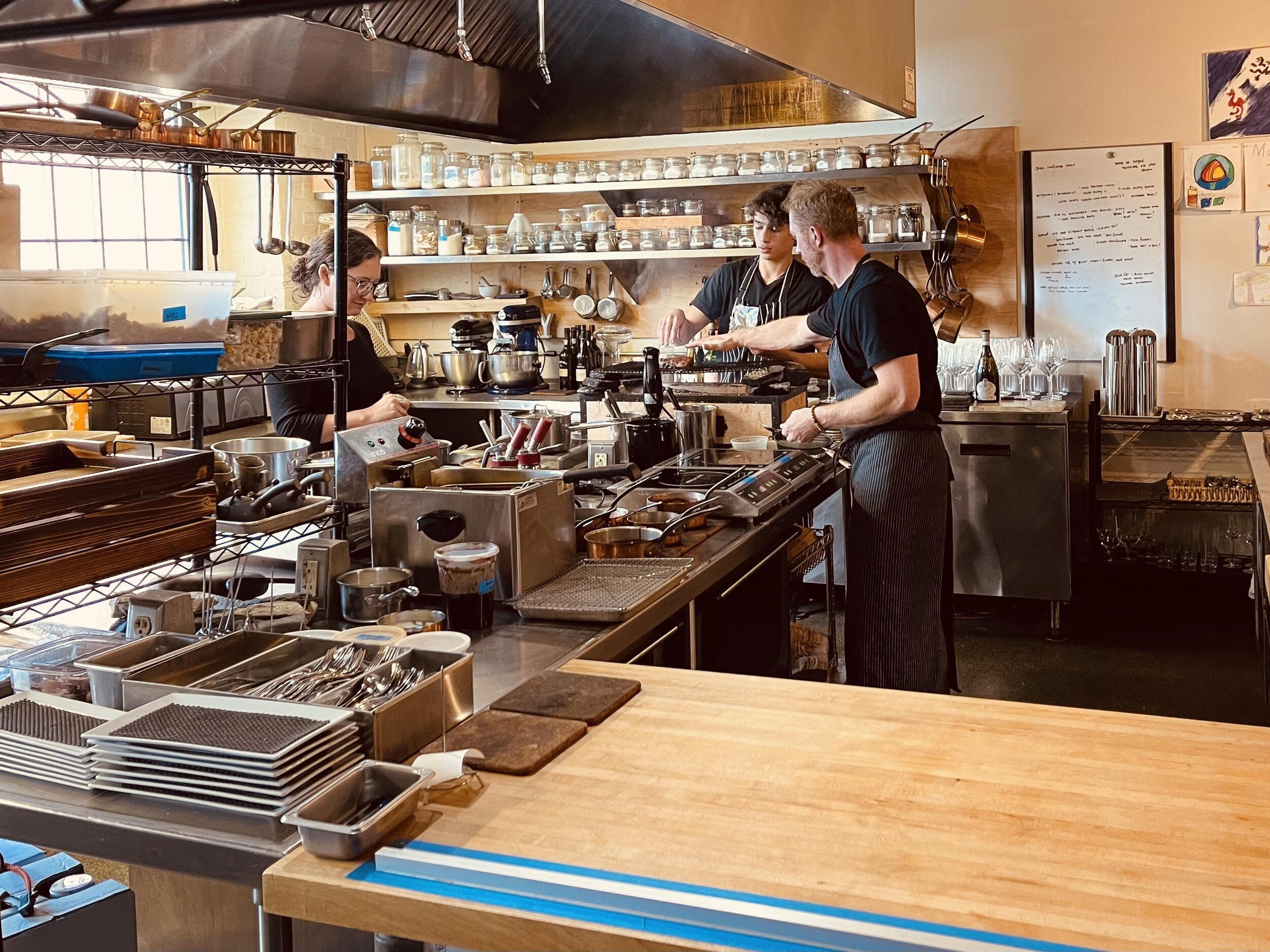
- Open Kitchen
- Farm To Table
- Local Sourcing
- Street Scene
- A La Carte
- Vegan Options
Current opening hours
- Monday
- Closed
- Tuesday
- 5–9 PM
- Wednesday
- 5–9 PM
- Thursday
- 4–9 PM
- Friday
- 4–9 PM
- Saturday
- 4–9 PM
- Sunday
- Closed
Hours can change for holidays and private events. Last verified .
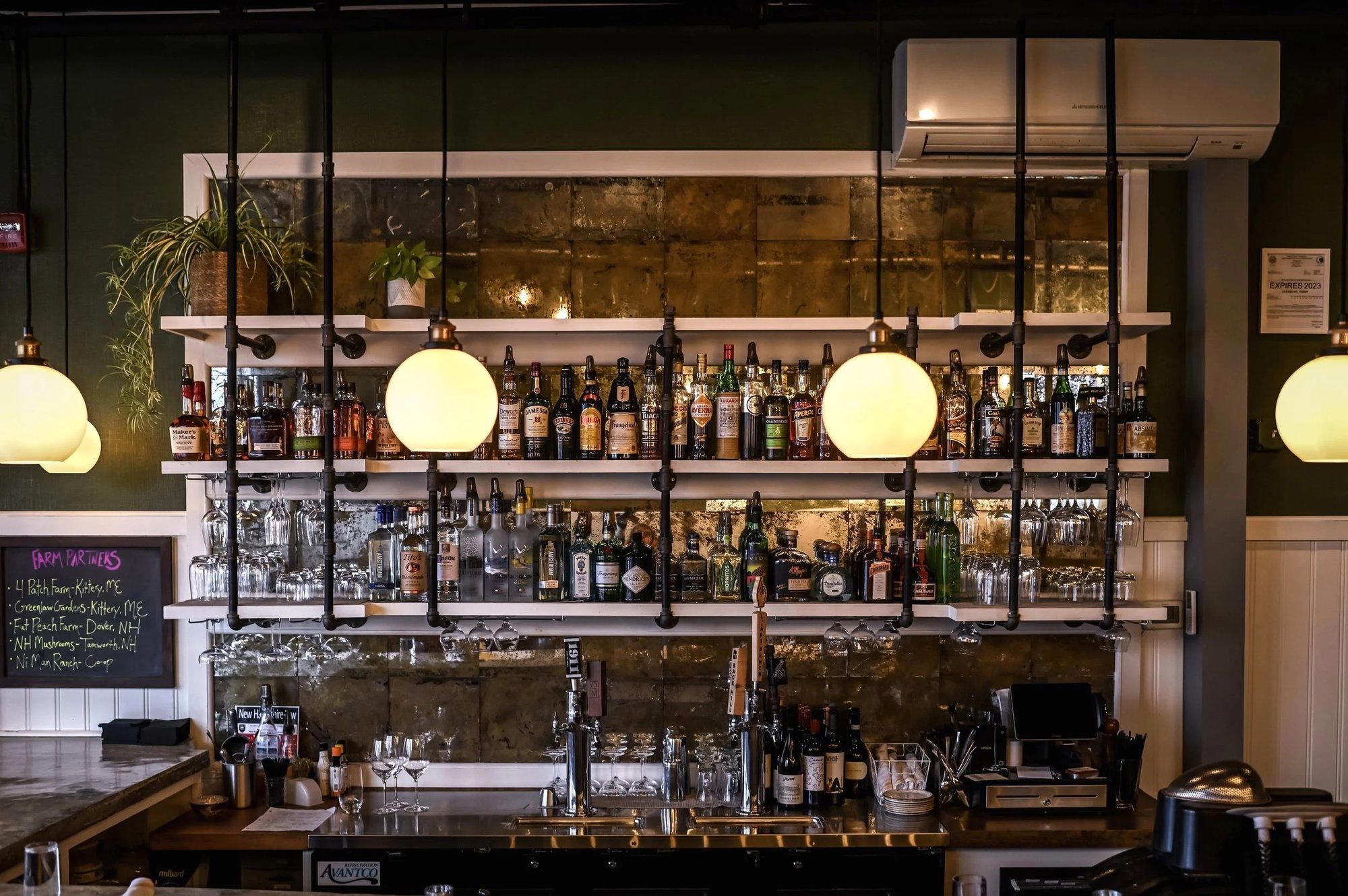
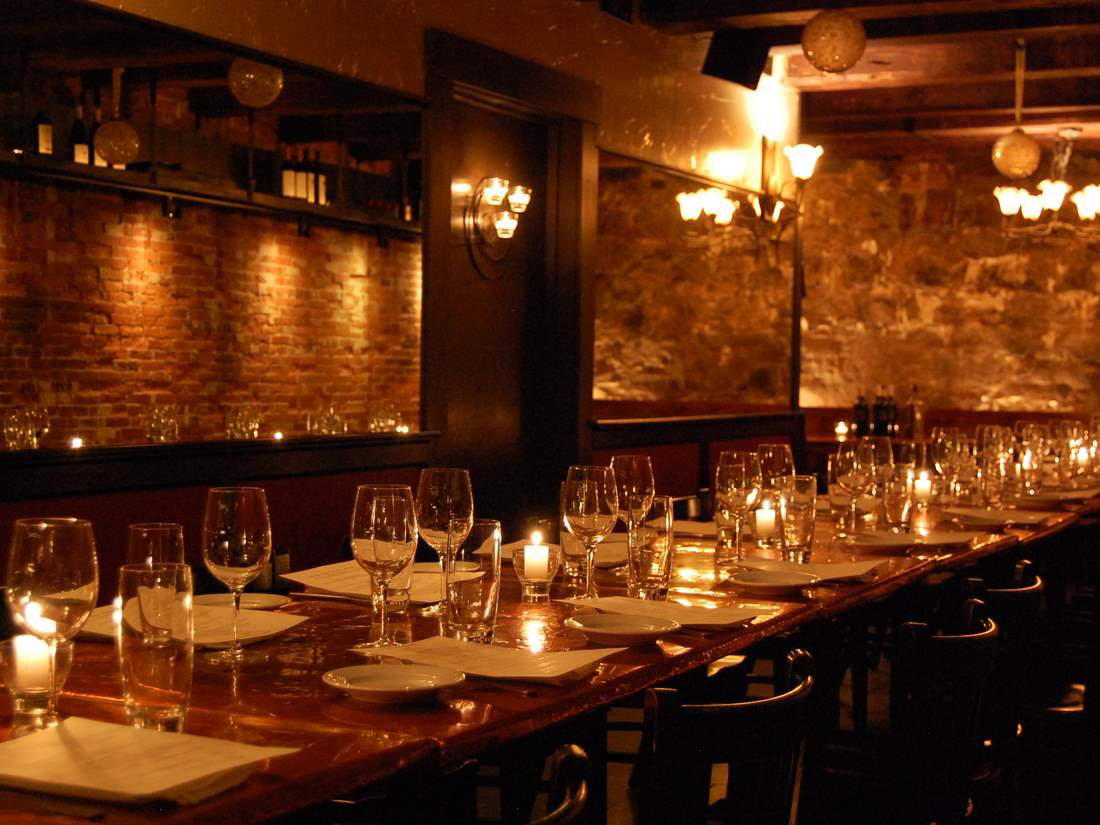
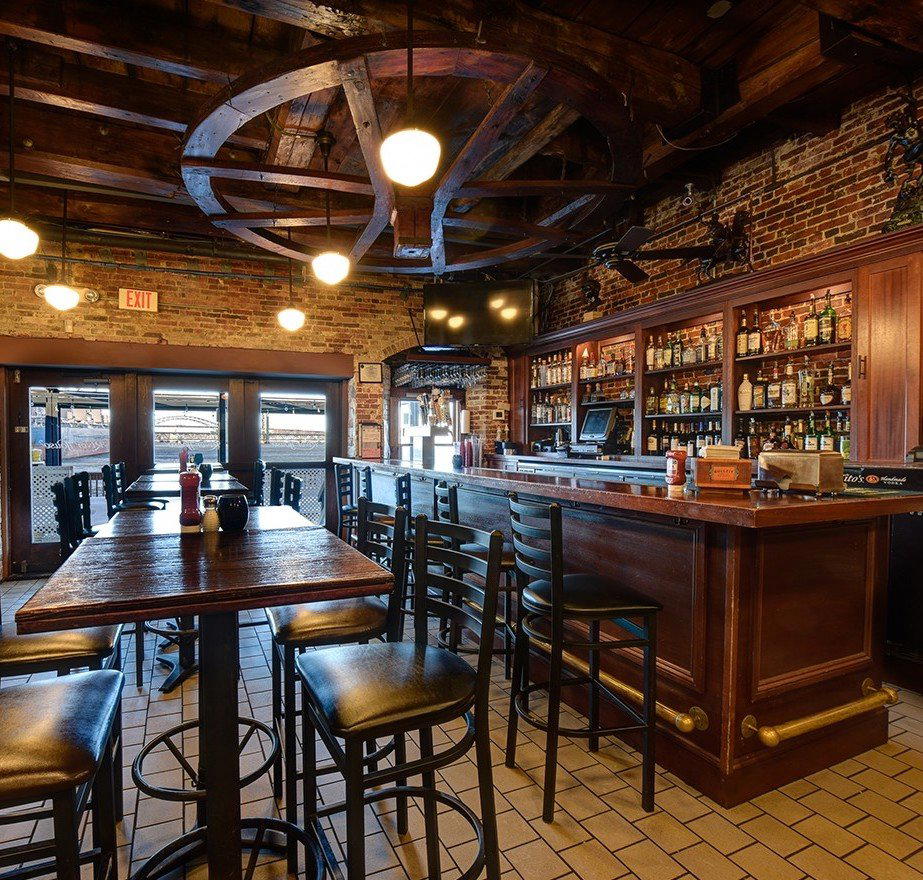
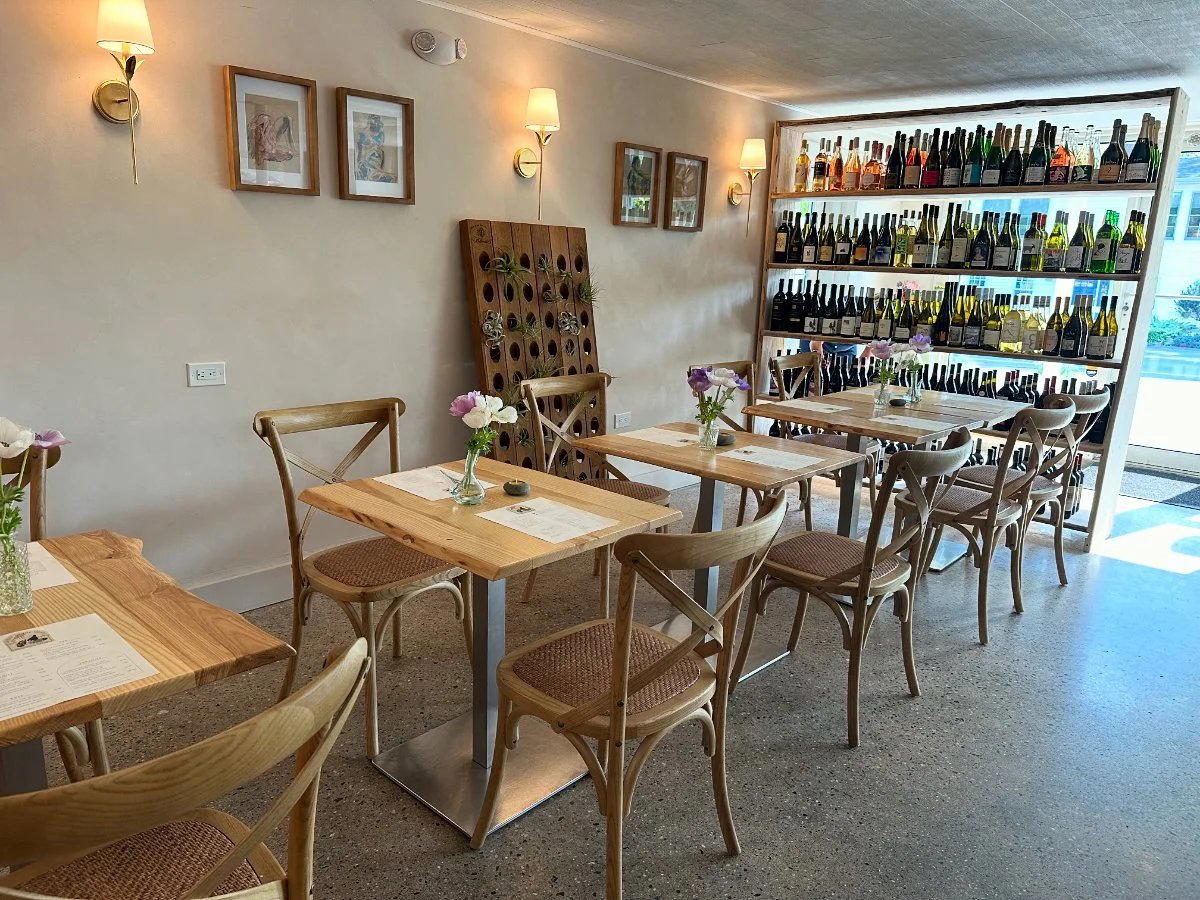
Intimate bistro atmosphere with close tables, suitable for watching street scenes, and a warm, upscale casual vibe.