Moxy
Our verdict
Moxy sits on Penhallow Street in the heart of Portsmouth's historic downtown, where colonial-era architecture meets a dining scene that has grown considerably more serious in recent years. The address places it within easy reach of the city's most active restaurant corridor, making it a practical base for exploring one of New England's most concentrated collections of independent restaurants.

Pearl is the En Primeur Club membership app — saves, bookings, and concierge access live there. Same editors, same standards.
- Address
- 106 Penhallow St, Portsmouth, NH 03801
- Phone
- (603) 319-8178
- Hours
- Mon–Thu 5–9 PMFri–Sat 5–10 PMSun 5–9 PM
- Website
- moxyrestaurant.com
- Directions
- Get directions
- Booking
- Book on Resy
The menu
What to order
- Beef Short Rib Marmalade
- Rabbit Cacciatore
- Pan Roasted Salmon
- Potato Gnocchi
Penhallow Street and the Portsmouth Dining Corridor
Portsmouth, New Hampshire occupies a peculiar position in the American dining conversation. A city of roughly 22,000 permanent residents, it runs a restaurant scene that consistently punches well above its population weight, drawing comparison to coastal towns in Maine and Massachusetts that benefit from similar combinations of tourist traffic, a demanding local food culture, and proximity to serious agricultural and seafood supply chains. Penhallow Street, where Moxy sits at number 106, runs through the densest part of that activity, placing the address inside a few walkable blocks that account for a disproportionate share of Portsmouth's most-discussed tables.
That concentration matters for how visitors should approach the city. Unlike larger American cities where dining neighborhoods are separated by significant transit time, Portsmouth's core allows a single evening to span multiple stops without logistical friction. The restaurants along and adjacent to Penhallow tend to share a similar customer base: visitors from Boston and beyond who treat Portsmouth as a deliberate food destination, alongside a local population that supports year-round trade rather than purely seasonal volume.
New England Coastal Dining: The Tradition Behind the Address
The culinary context for any serious restaurant on this stretch is New England's coastal pantry, which represents one of the more compelling regional food identities in the United States. Gulf of Maine species, including haddock, halibut, and various shellfish, form a backbone that chefs along this coastline have worked with for generations. The tradition is not one of invention for its own sake but of knowing the source material well enough to let it lead.
That tradition has evolved considerably in the past two decades. Where Portsmouth restaurants once defaulted to preparations recognizable across New England's tourist-facing dining circuit, the current cohort shows considerably more range. Caribbean influence, for instance, appears through venues like Bwa Denn (Caribbean Fusion), which signals how far Portsmouth's culinary references now extend beyond the regional baseline. Meanwhile, more classically oriented spots such as 15 Point Road and Captain's Table restaurant anchor the scene with approaches rooted in the coastal New England canon.
For visitors arriving from cities where Michelin recognition defines the upper tier of dining, it is worth calibrating expectations appropriately. Portsmouth's strength is not formal fine dining in the mode of Le Bernardin in New York City or The French Laundry in Napa, nor the kind of tasting-menu conceptualism found at Alinea in Chicago or Lazy Bear in San Francisco. The city operates in a different register: confident, ingredient-led cooking with a strong sense of place, closer in spirit to the farm-anchored approach of Blue Hill at Stone Barns in Tarrytown than to destination tasting-counter formats.
The Penhallow Street Experience
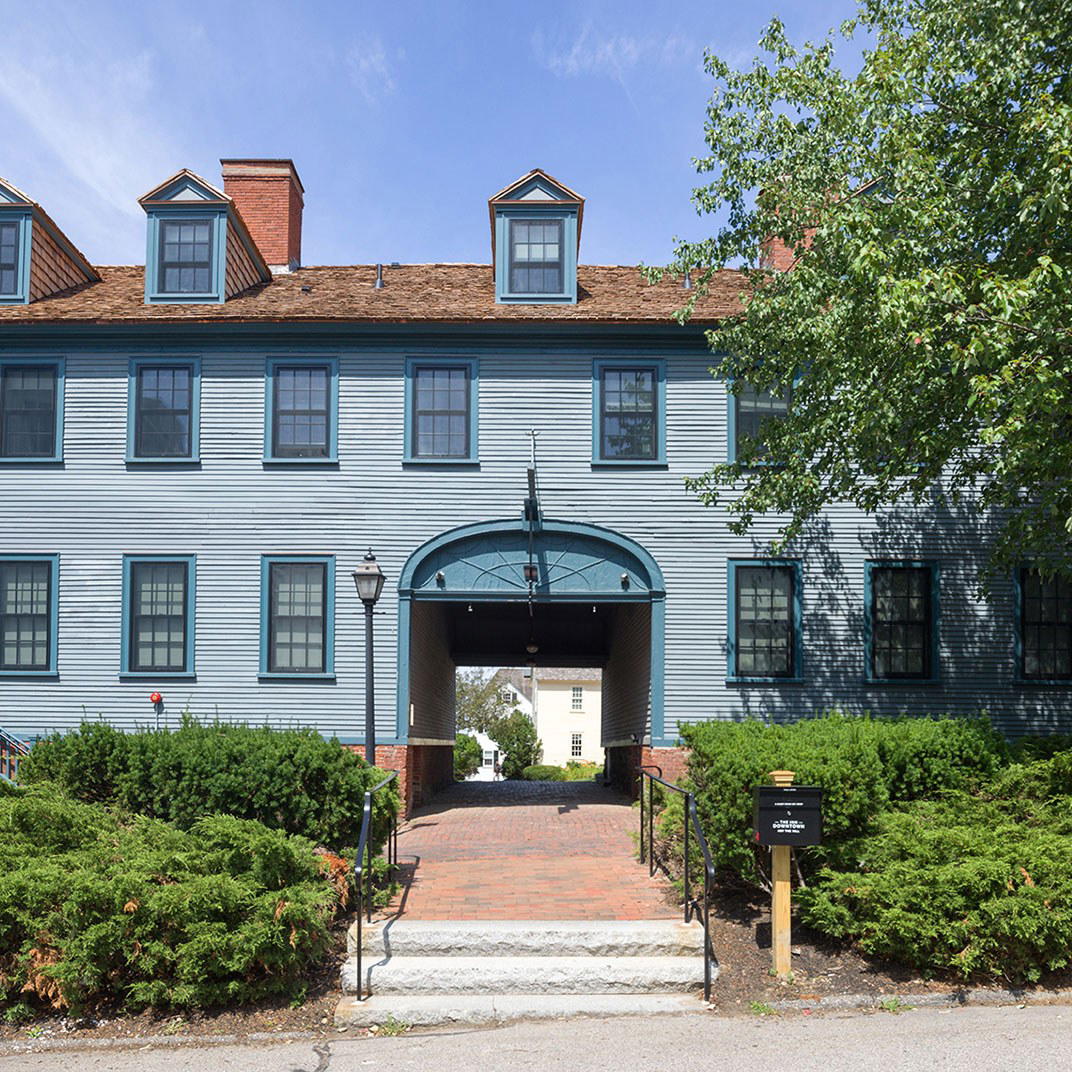
Walking Penhallow Street in the early evening gives a reasonable read on Portsmouth's dining character. The buildings along this stretch date largely from the eighteenth and early nineteenth centuries, red-brick and low-slung, with the kind of architectural scale that resists the anonymizing effect common to newer dining districts. Restaurants occupy converted commercial and residential spaces, which tends to produce rooms with more particular character than purpose-built dining venues.
The seasonal rhythm is worth understanding before planning a visit. Portsmouth's peak period runs from late May through September, when the combination of tourist traffic and favorable weather fills tables with considerably more competition than the shoulder months. Visitors arriving in October or March will find the same restaurants operating with more availability and, often, a local crowd that reflects the city's year-round dining culture more accurately than summer trade does.
Portsmouth in the American Fine Dining Hierarchy
Placing Portsmouth within the wider American dining picture requires some honesty about what the city is and is not. The country's most formally recognized tables, from Atomix in New York City to Single Thread Farm in Healdsburg to Providence in Los Angeles, operate within established metropolitan ecosystems supported by dense critic networks, substantial capital, and deep talent pipelines. Portsmouth sits outside that ecosystem by geography and scale.
What Portsmouth offers instead is a different kind of dining credibility: specificity of place, access to genuinely excellent primary ingredients, and a competitive local market that keeps standards honest without the performative quality that sometimes attaches to destination dining in major cities. Venues like Addison in San Diego, The Inn at Little Washington in Washington, and Emeril's in New Orleans each represent regional dining identities that grew from specific place-based ingredients and traditions rather than urban critical mass. Portsmouth's leading restaurants belong to a similar lineage, even at a smaller scale. And for visitors who have experienced the Korean tasting-menu precision of Atomix or the Italian technique of 8 1/2 Otto e Mezzo Bombana (Hong Kong), Portsmouth represents a conscious shift in register, not a step down in seriousness.
Planning Your Visit
Moxy sits at 106 Penhallow Street in Portsmouth's downtown core, accessible on foot from most of the city's accommodation options and within a short drive from I-95. Portsmouth draws visitors from Boston roughly 60 miles to the south, and the city's compact footprint means that parking near the Penhallow Street corridor, while competitive during summer weekends, is manageable outside peak hours. For a broader picture of what the city offers across dining formats and neighborhoods, our full Portsmouth restaurants guide maps the scene with greater granularity.
Frequently asked questions
Where is Moxy located?
Moxy is located at 106 Penhallow St, Portsmouth, NH 03801, Portsmouth.
Is Moxy Portsmouth suitable for a special occasion dinner?
Moxy sits at 106 Penhallow Street in Portsmouth's downtown core, a block that has become a reference point for the city's dining identity among New Hampshire residents and seasonal visitors alike. Portsmouth consistently draws diners from Boston and the broader Seacoast region specifically for its concentrated restaurant corridor, which gives venues here a competitive context well above typical small-city expectations. Confirming the current format and reservation options directly with Moxy is the clearest way to judge fit for a specific occasion.
What's the best thing to order at Moxy?
Portsmouth's position within the New England coastal pantry tradition means most serious kitchens in this corridor work with local shellfish, landed fish, and regional produce. Checking directly with the restaurant before your visit will give you the most accurate picture of what the kitchen is running.
How far ahead should I plan for Moxy?
Reservation lead times for Moxy on Penhallow Street are not formally documented, but Portsmouth's downtown dining corridor operates at high capacity during summer and fall foliage seasons. For weekend tables between June and October, contacting the restaurant several weeks in advance is a reasonable baseline. Off-season visits in winter and early spring typically allow more flexibility.
Booking and Cost Snapshot
Comparable venues nearby, for context on price, style, and recognition.
| Venue | Cuisine | Price | Awards | Notes |
|---|---|---|---|---|
| MoxyThis venue — the venue you are viewing | Modern American Tapas | $30–50 | Not listed | Not listed |
| Jumpin' Jay's Fish Café | Fresh Seafood and Raw Bar | $30–50 | Not listed | downtown, Modern Seafood |
| Dinnerhorn | Classic American Seafood | $20–30 | Not listed | Route 1, Classic American Seafood |
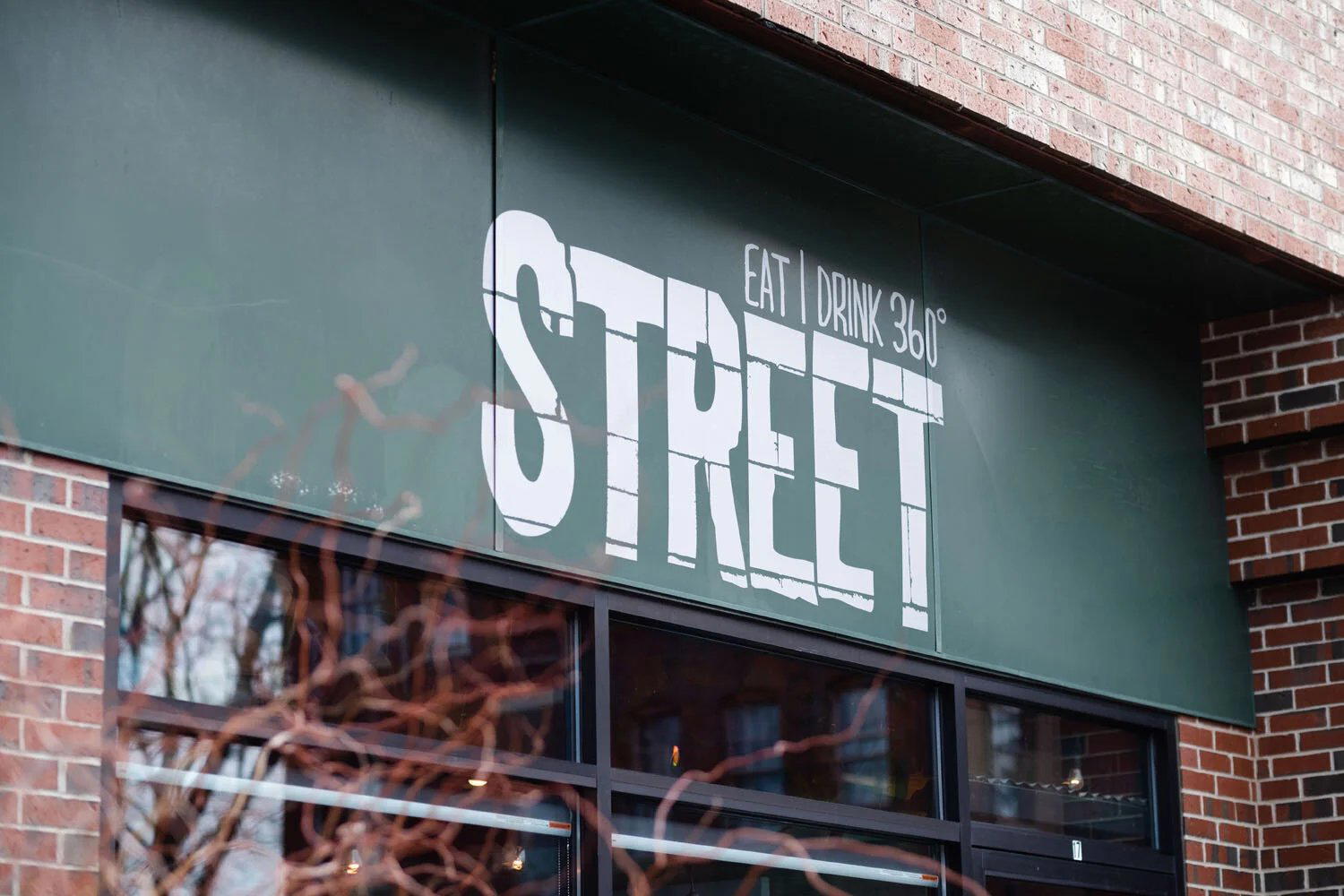
| Street | International Street Food Fusion | $20–30 | Diners, Drive-Ins and Dives Featured Bar | West End, International Street Food Fusion |
Continue exploring
More in Portsmouth
Restaurants in Portsmouth
Browse all →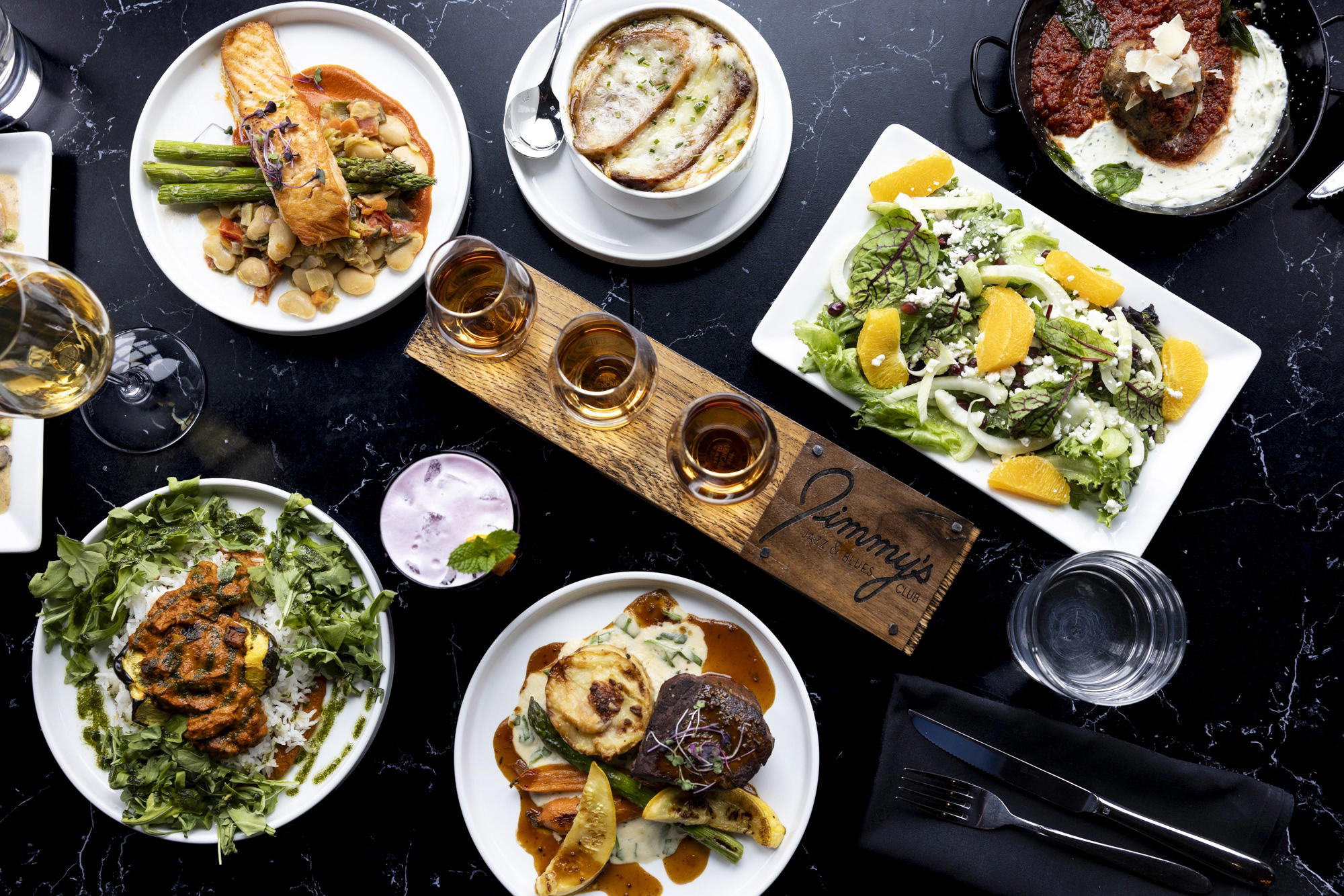
Bars in Portsmouth
Browse all →

Details
- Energetic
- Modern
- Lively
- Casual
- Date Night
- Group Dining
- Casual Hangout
- Celebration
- After Work
- Late Night
- Open Kitchen
- Craft Cocktails
- Beer Program
- Farm To Table
- Local Sourcing
- Small Plates
- A La Carte
- Craft Cocktails
- Local Beer Flights
- Vegetarian Friendly
- Vegan Options
- Gluten Free Options
Current opening hours
- Monday
- 5–9 PM
- Tuesday
- 5–9 PM
- Wednesday
- 5–9 PM
- Thursday
- 5–9 PM
- Friday
- 5–10 PM
- Saturday
- 5–10 PM
- Sunday
- 5–9 PM
Hours can change for holidays and private events. Last verified .
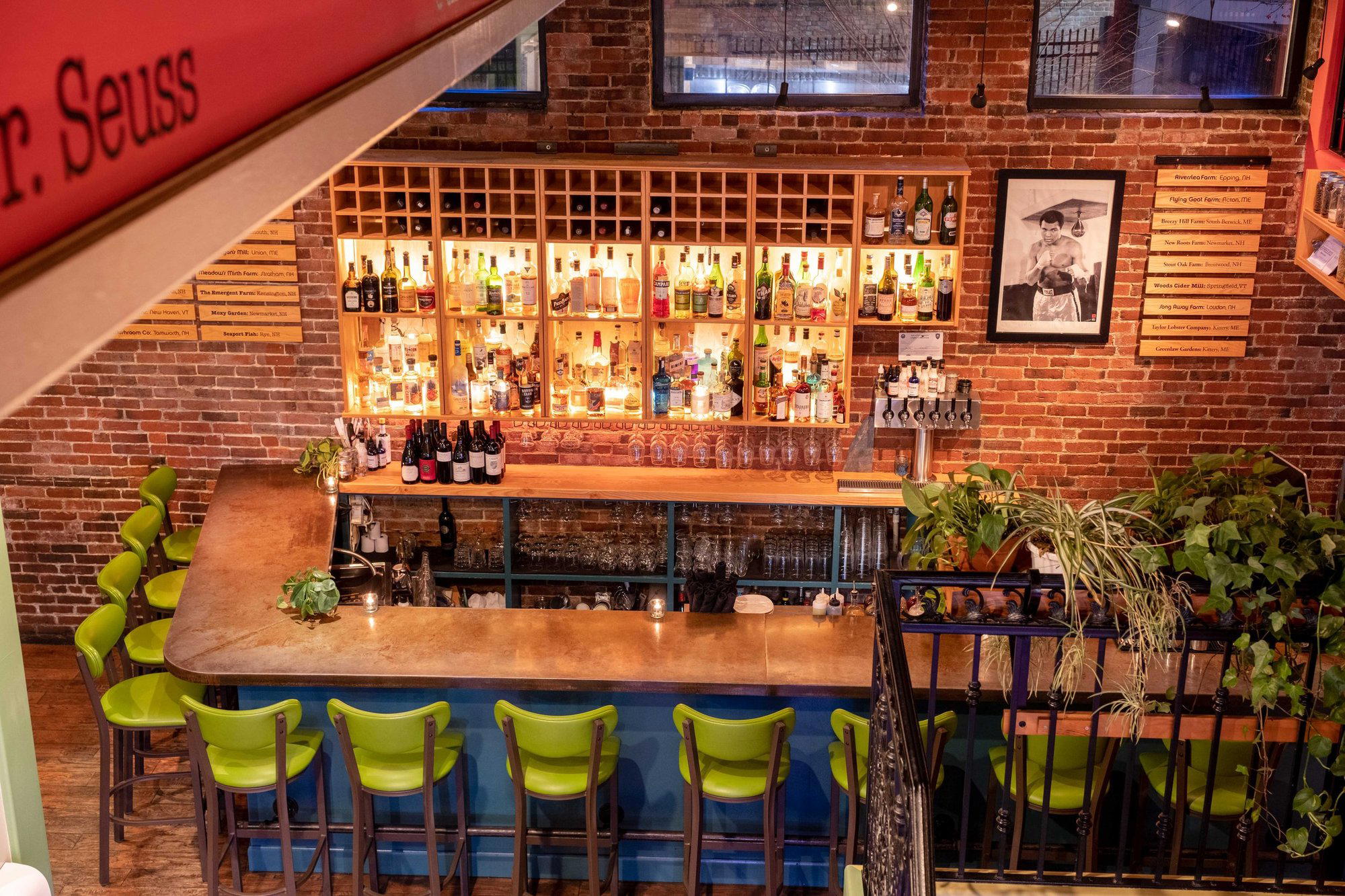
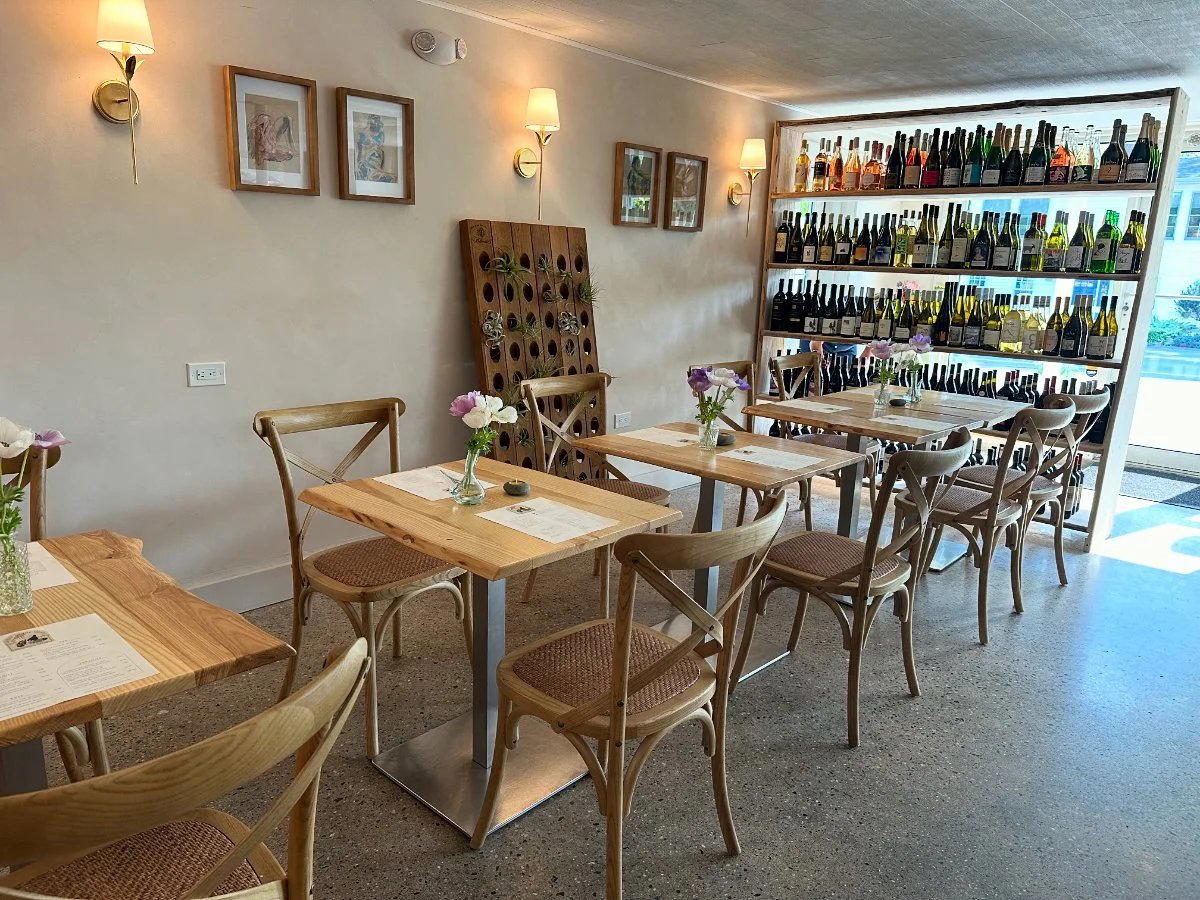
Bustling, energetic two-story loft atmosphere with an open kitchen creating an engaging dining environment and a large, happening bar.