Black Trumpet
Black Trumpet occupies a converted space on Portsmouth's working waterfront at 29 Ceres Street, where the cocktail programme draws as much attention as the kitchen. In a city that punches above its size for independent dining, this address has become a reference point for technically driven drinks alongside ingredient-led food. Portsmouth visitors with a serious interest in the bar side of a meal should consider it early in their planning.

Pearl is the En Primeur Club membership app — saves, bookings, and concierge access live there. Same editors, same standards.
- Address
- 29 Ceres St, Portsmouth, NH 03801
- Phone
- (603) 431-0887
- Hours
- Mon ClosedTue–Fri 5–9 PMSat–Sun 5–10 PM
- Website
- blacktrumpetbistro.com
- Directions
- Get directions
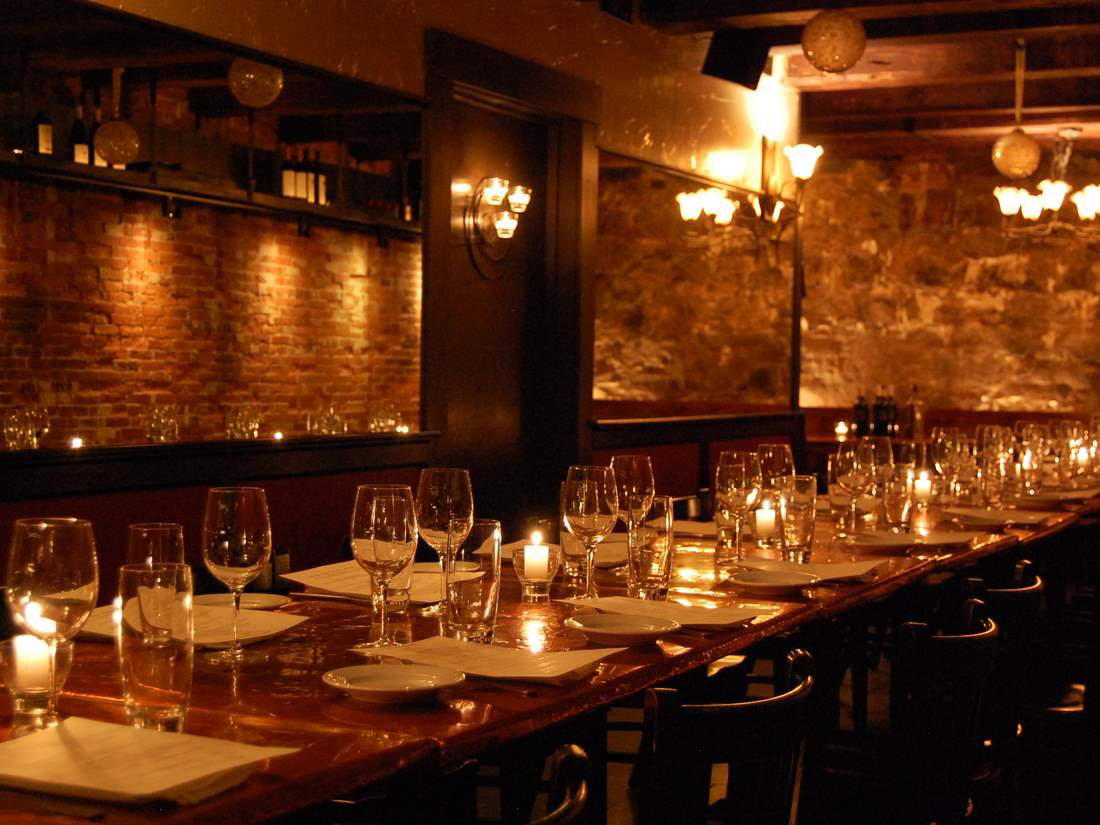
Portsmouth's Waterfront and the Case for Serious Drinking
Ceres Street sits at the edge of Portsmouth's Piscataqua waterfront, a compressed stretch of brick buildings that once served the port trade and now house some of the more serious independent restaurants in northern New England. The neighbourhood has a physical quality that most American restaurant districts lack: low ceilings, worn stone, the faint presence of a working river just outside. Black Trumpet at number 29 sits inside that texture. Approaching from the street, the building reads as mercantile-era Portsmouth rather than designed hospitality, which is consistent with the way the city's better independents tend to operate. They earn their reputation through what happens inside, not through architectural gesture.
Portsmouth is a small city that consistently produces dining rooms and bars that sit comfortably alongside those in Boston or Portland, Maine. That compression matters. In a market where a single disappointing address can define a visitor's evening, venues that develop a sustained reputation do so through repeat local custom and word of mouth that travels further than the city's size would suggest. Black Trumpet has occupied its Ceres Street address long enough to accumulate that kind of standing, which in the context of a city this size functions as its own form of credential.
The Cocktail Programme as Editorial Subject
American cocktail culture over the last decade has split into two recognisable schools. One prioritises theatrical delivery: smoke, temperature contrast, elaborate garnish, the performance of complexity. The other works at the ingredient level, foregrounding fermentation, regional spirits, house-made bitters, and seasonal produce as the actual material of the drink rather than decoration on top of it. The second school tends to age better and to integrate more naturally with serious food programmes. It is also harder to execute, because the technique has nowhere to hide behind spectacle.
Black Trumpet's bar operates in that second register. The cocktail programme is ingredient-driven in the sense that matters most: the drinks are built around what the kitchen is already doing with local and seasonal sourcing, rather than constructed as a separate entertainment layer. This kind of integration is less common than menus claim. When it functions properly, it means the bar and the kitchen are drawing from the same logic, and the result is a coherence across the full meal that a stand-alone cocktail list cannot achieve. For comparison, programmes at venues like Kumiko in Chicago and Jewel of the South in New Orleans demonstrate how deeply a drinks programme can reflect a kitchen's sourcing philosophy when the two departments share a creative brief. Black Trumpet operates on a smaller scale, but the structural logic is the same.
The drinks themselves draw on regional spirit production, a category that has expanded significantly in New England over the past fifteen years. Craft distilleries across New Hampshire, Vermont, and Maine have given bar programmes in this region access to base spirits with genuine local character, which changes what a seasonal cocktail list can accomplish. A drink built on a local rye or an apple brandy from the upper valley carries a specificity that imported spirits cannot replicate, and it anchors the programme to the geography in a way that feels earned rather than marketed.
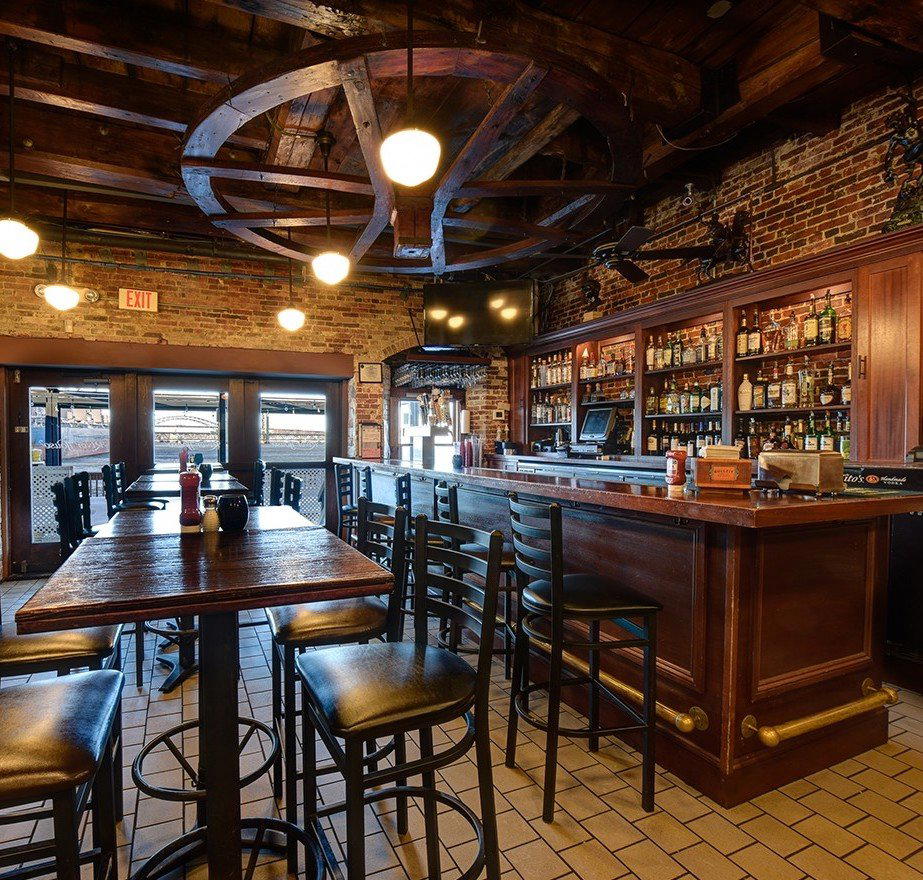
Within Portsmouth specifically, the waterfront bar scene divides between venues oriented toward the tourist trade and those that hold their standard regardless of the crowd. River House and The Oar House represent different points on that spectrum. Black Trumpet sits closer to the serious end, where the bar programme is treated as a substantive part of the offer rather than a revenue supplement to the kitchen. That positioning makes it more useful for a particular kind of visit: one where the drinks matter as much as the food and where the evening is structured around both rather than one.
Nationally, the venues that Black Trumpet most closely resembles in programme philosophy include ABV in San Francisco, Allegory in Washington, D.C., and Julep in Houston, all of which anchor their cocktail identity in regional ingredients and a clear point of view about technique. The scale is different and the local context is different, but the underlying editorial commitment to the drink as a finished, considered object rather than a quick pour is comparable. Bar Leather Apron in Honolulu, Superbueno in New York City, Bar Kaiju in Miami, and The Parlour in Frankfurt represent the same school of thinking across different cities and formats.
The Food Programme and Its Relationship to the Bar
Black Trumpet's kitchen works with the kind of sourcing brief that has become a marker of serious independent restaurants in New England: local farms, seasonal rotation, and a willingness to let availability shape the menu rather than the reverse. In practice this means the menu changes with meaningful frequency, which has implications for both the food and the drinks. A cocktail list that genuinely reflects the kitchen's seasonal position cannot be static, and the discipline required to keep both moving in the same direction is operationally demanding. That Black Trumpet has maintained this over an extended run on Ceres Street suggests the operation has the structure to sustain it.
The cuisine draws on European technique applied to northeastern American ingredients, a synthesis that defines much of the serious independent restaurant work happening across New England. It is a mode that suits Portsmouth's identity: historically mercantile and outward-looking, but increasingly confident in what the local larder can produce. For a fuller picture of where Black Trumpet sits within the city's independent restaurant scene, the EP Club Portsmouth guide covers the full range.
Planning a Visit
29 Ceres Street is walkable from the core of Portsmouth's Market Square district, which makes it a natural endpoint for an evening that begins elsewhere in the city. The waterfront location means summer evenings bring more foot traffic to the street, and the shoulder seasons of spring and autumn tend to offer a quieter experience of the room. Reservations are advisable given the address's sustained reputation in a small market where good tables at serious independents fill reliably. Visiting specifically for the cocktail programme makes most sense when treated as a full evening rather than a pre-dinner stop: the integration between bar and kitchen works well when you allow both sides of the offer to operate together.
In Context: Similar Options
Comparable venues nearby, for context on price, style, and recognition.
| Venue | Cuisine | Price | Notes |
|---|---|---|---|
| Black TrumpetThis venue — the venue you are viewing | wine_bar | $50–100 | Not listed |
| River House | lounge | Not listed | downtown |
| The Oar House | pub | Not listed | Downtown Portsmouth |
Continue exploring
More in Portsmouth
Bars in Portsmouth
Browse all →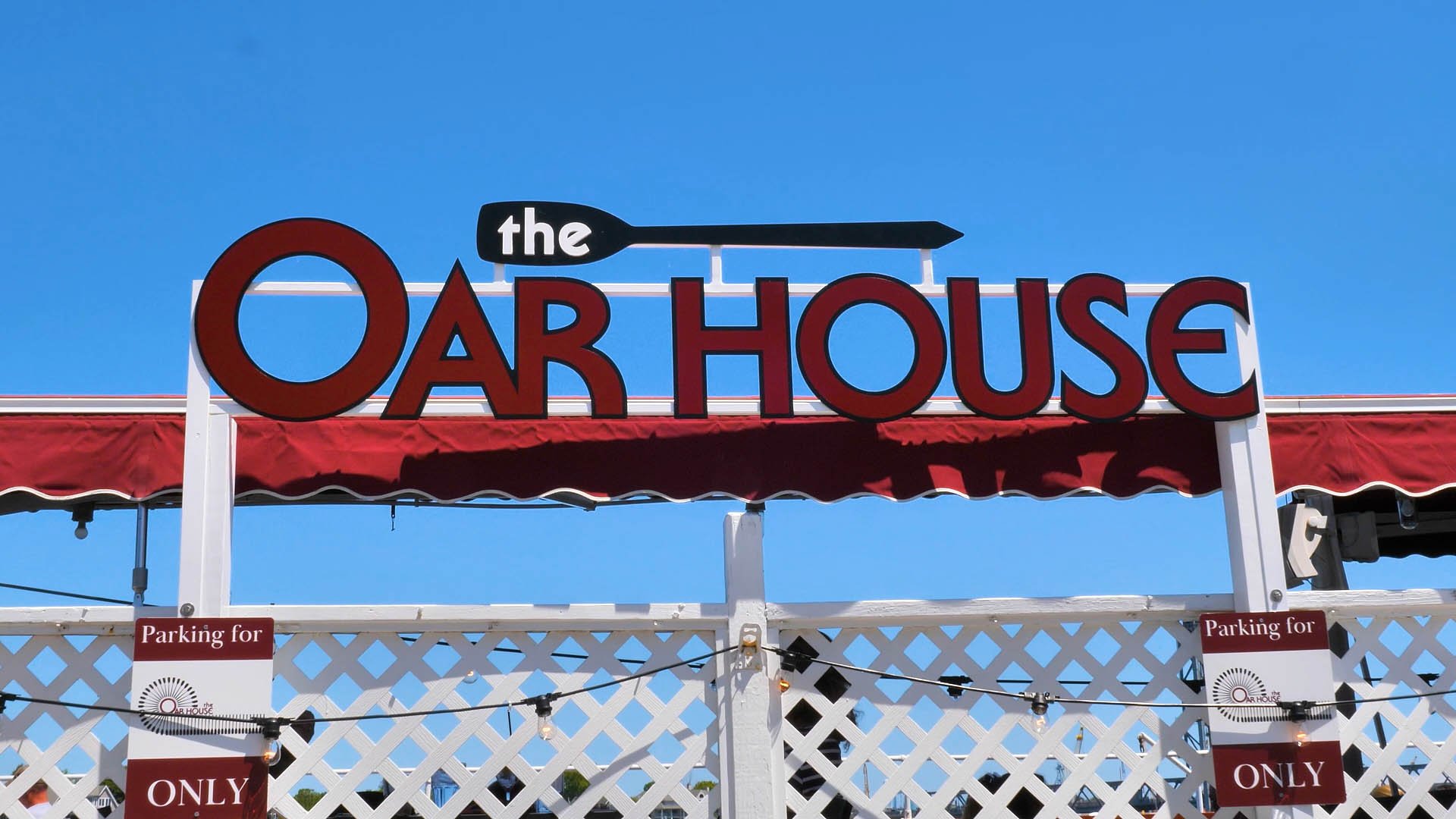
Restaurants in Portsmouth
Browse all →

Details
- Cozy
- Romantic
- Sophisticated
- Elegant
- Date Night
- After Work
- Special Occasion
- Casual Hangout
- Waterfront
- Historic Building
- Standalone
- Seated Bar
- Lounge Seating
- Booth Seating
- Craft Cocktails
- Natural Wine
- Conventional Wine
- Waterfront
Current opening hours
- Monday
- Closed
- Tuesday
- 5–9 PM
- Wednesday
- 5–9 PM
- Thursday
- 5–9 PM
- Friday
- 5–9 PM
- Saturday
- 5–10 PM
- Sunday
- 5–10 PM
Hours can change for holidays and private events. Last verified .
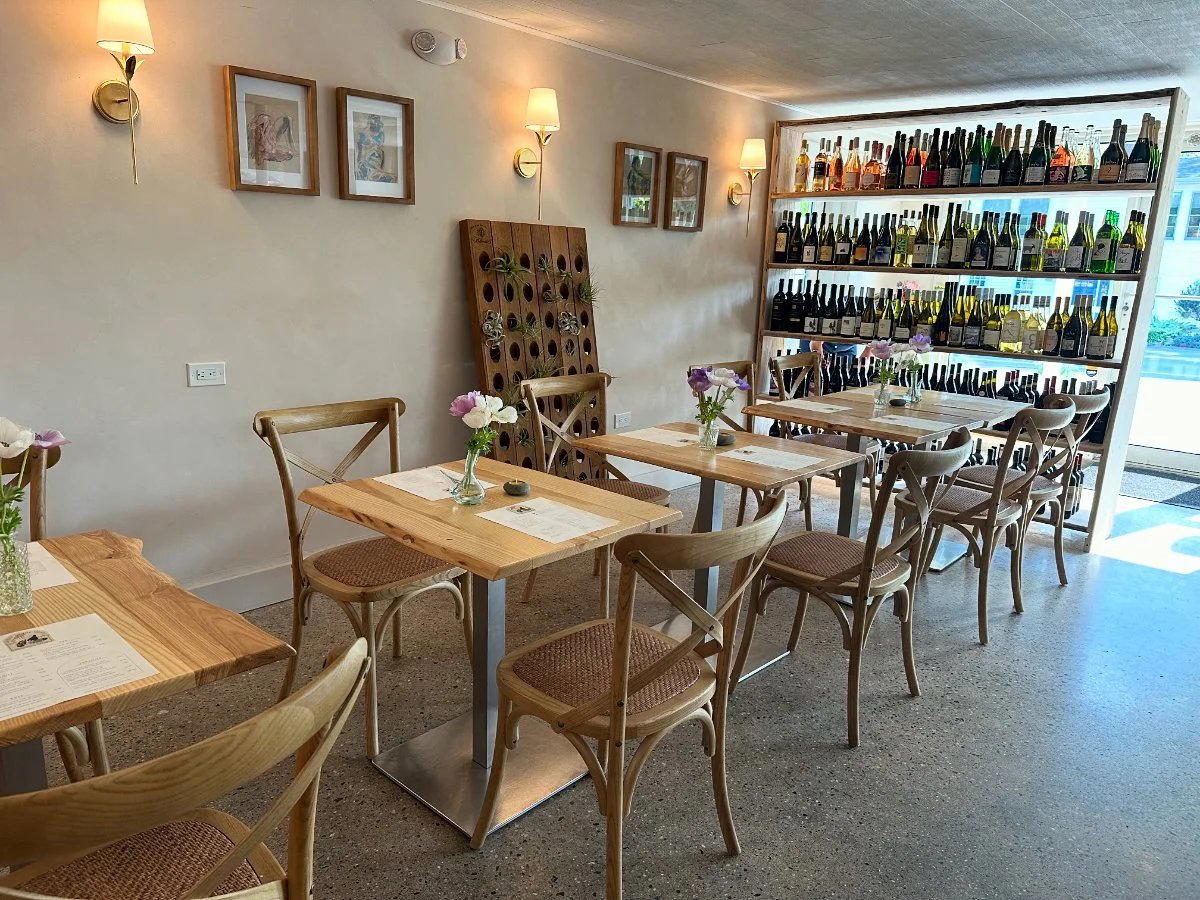
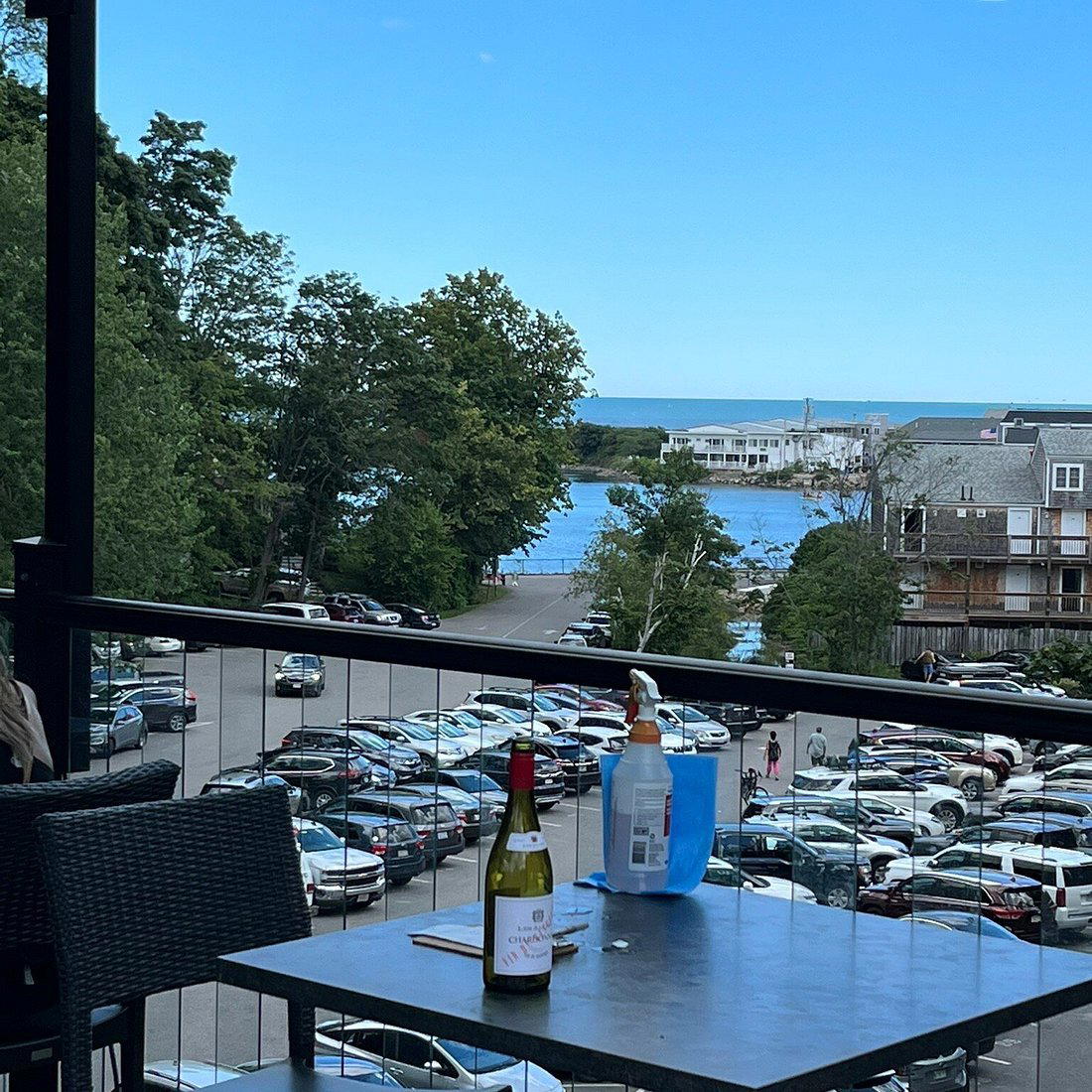
Intimate, dimly lit neighborhood setting with harbor views; sophisticated yet welcoming atmosphere ideal for evening dining and wine appreciation.