The Oar House
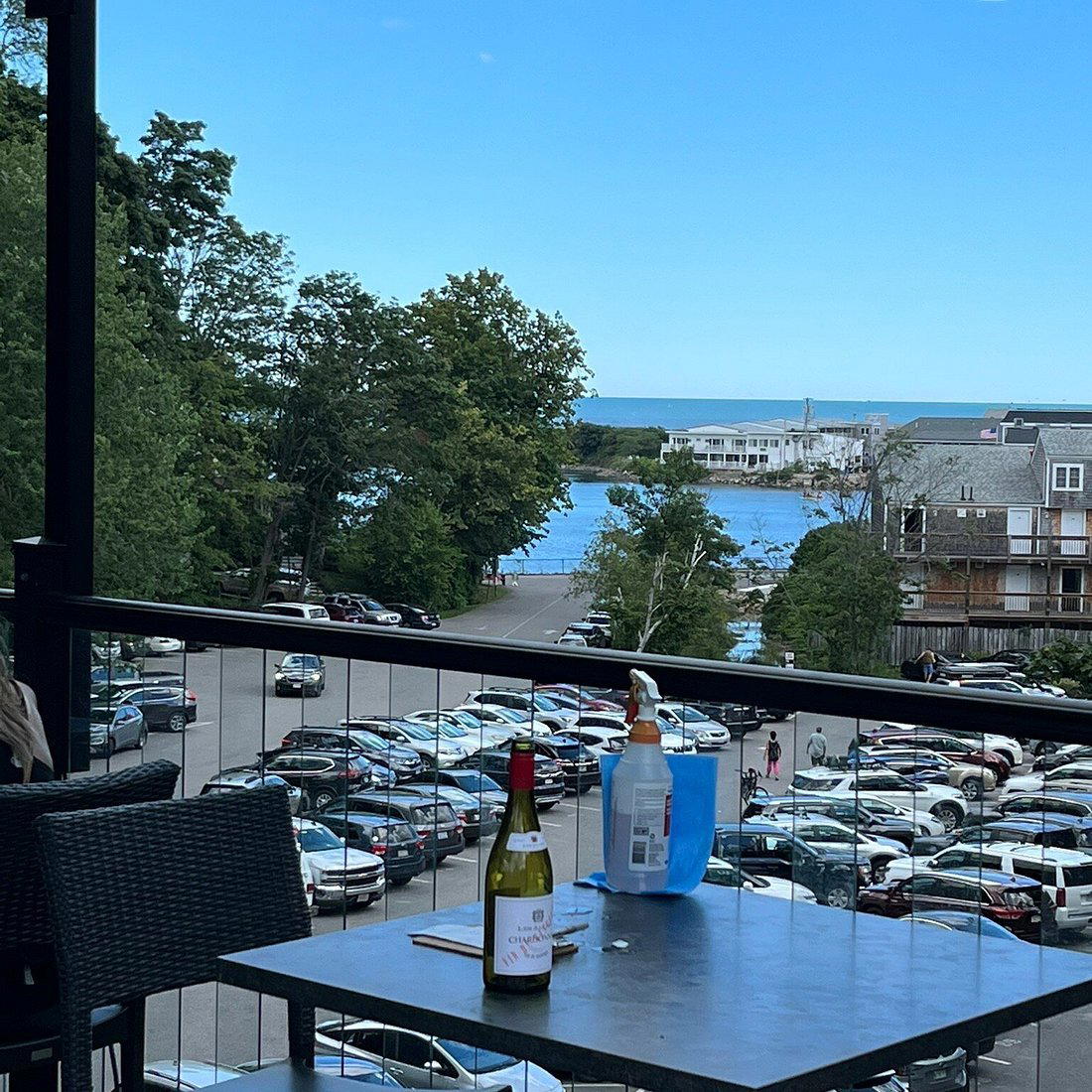
On Portsmouth's working waterfront at 55 Ceres Street, The Oar House occupies a stretch of New Hampshire coastline where the Piscataqua River has shaped the local identity for centuries. The address alone signals what to expect: a bar and dining room embedded in the maritime grain of one of New England's oldest port cities, where the physical setting does most of the editorial work before a drink ever arrives.

Pearl is the En Primeur Club membership app — saves, bookings, and concierge access live there. Same editors, same standards.
- Address
- 55 Ceres St, Portsmouth, NH 03801
- Phone
- (603) 436-4025
- Hours
- Mon–Thu 11:30 AM–8:30 PMFri–Sat 11:30 AM–9 PMSun 11 AM–8:30 PM
- Website
- oarhousenh.com
- Directions
- Get directions
- Booking
- Book on Resy
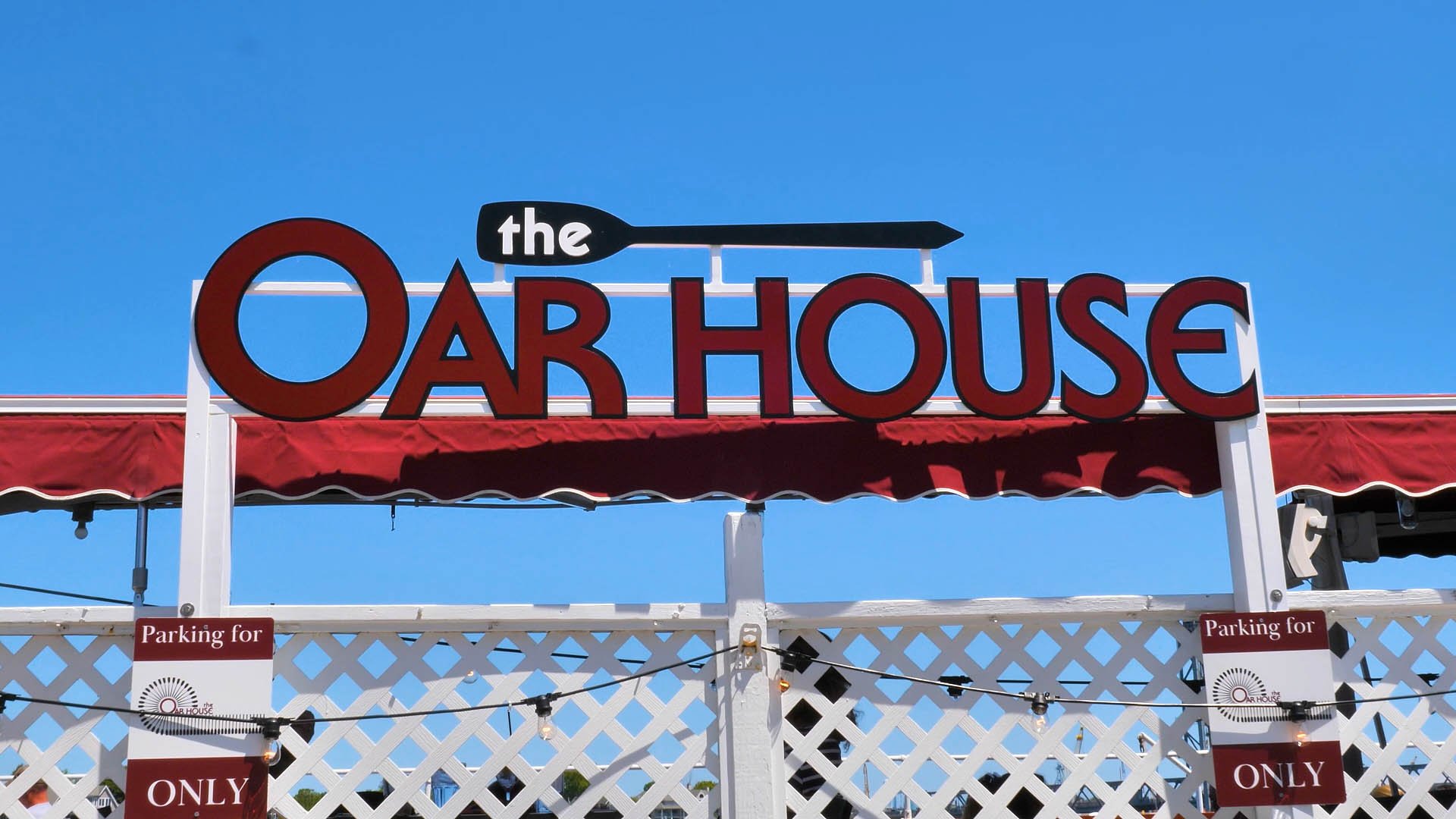
Where the River Does the Talking
Portsmouth, New Hampshire sits at the mouth of the Piscataqua River, a tidal estuary that once made this city one of colonial America's busiest ports. That history didn't fade so much as compress itself into a few blocks of Ceres Street, where brick warehouses and counting houses have survived long enough to become the city's most atmospheric drinking and dining corridor. The Oar House, at 55 Ceres St, is planted firmly in that tradition — a waterfront address that carries more than postal significance. In a city of roughly 22,000 people that punches well above its weight for bars and restaurants, location on Ceres Street functions as a shorthand for a particular kind of experience: one where the building, the river view, and the accumulated context of the neighbourhood matter as much as what's in the glass.
The Physical Argument for Waterfront Drinking
New England's coastal bar culture has always been tied to working waterfronts rather than resort-built promenades, and Portsmouth is among the clearest surviving examples. The Piscataqua runs fast here — it's one of the strongest tidal rivers on the East Coast, and that presence is felt rather than merely seen. A bar positioned on Ceres Street is in conversation with the water in a way that a downtown interior simply isn't. The architecture of the street enforces a mood: low ceilings, heavy timber, the faint smell of the river at low tide, natural light that shifts dramatically between seasons. Bars that occupy these spaces inherit an atmosphere that no amount of interior design budget can manufacture from scratch. The physical environment sets the register before a single guest is seated.
That context places The Oar House in a peer group that includes River House on the same stretch of waterfront and Black Trumpet a short walk inland, a trio that together define the upper tier of Portsmouth's dining and drinking scene. The distinction between them is partly about format and partly about the specific relationship each has with its physical address. The Oar House's position on the water's edge is among the most direct of the three, which shapes the kind of atmosphere it generates at different times of day and across the New Hampshire seasons. For a fuller picture of how these venues fit into the city's dining character, the full Portsmouth restaurants guide maps the scene in more detail.
Atmosphere as the Primary Product
There is a category of bar and restaurant where the room is the point. Not as a substitute for quality, but as an argument that setting and service are themselves a form of craft. Portsmouth's waterfront venues tend to operate in this register, and the Ceres Street addresses in particular have a density of atmosphere that most American cities of similar size can't replicate. The combination of genuine historical fabric, not restored to period-room sterility, but worn into something livable, with the tidal river visible from the dining room creates conditions that are genuinely difficult to engineer elsewhere.
This is the logic that drives serious bar programs in cities with strong physical identity. Compare the approach to what's happening in other American markets: Kumiko in Chicago built its reputation on a spare, precise interior where every element is controlled. Allegory in Washington, D.C. leans into literary theatrics and layered visual storytelling. ABV in San Francisco operates in a more casual, neighbourhood-bar-done-seriously register. Each approach reflects its city's character. Portsmouth's version, exemplified along Ceres Street, is about inherited authenticity: the room came before the bar program, and the bar program's job is to be worthy of the room.
Portsmouth in the Broader American Bar Context
New Hampshire doesn't register in most national bar conversations, which is partly a function of geography and partly of scale. But Portsmouth has consistently maintained a drinking culture that rewards attention. The city's proximity to Boston (roughly 55 miles south on I-95) means it draws a knowledgeable visitor base without being absorbed into Boston's gravitational pull. It has enough independence of character to develop its own hospitality identity, and enough foot traffic from weekend visitors to sustain venues that invest seriously in their programs.
Nationally, the bars that have built durable reputations tend to share a few characteristics: a clear physical identity, a program that reflects the place rather than importing trends wholesale, and consistency across seasons. Jewel of the South in New Orleans works in the tradition of that city's particular cocktail history. Julep in Houston is shaped by Southern spirits traditions. Bar Leather Apron in Honolulu navigates the specific demands of a market that runs on tourism without being captured by it. Superbueno in New York City draws on Latin-Caribbean references to create something genuinely local. Bar Kaiju in Miami and The Parlour in Frankfurt each demonstrate how a bar's physical format and aesthetic commitments communicate before the menu is even opened. Portsmouth's waterfront venues operate in this same logic, drawing from the city's maritime past to create something that couldn't have been built anywhere else on this coast.
Planning a Visit
Ceres Street is walkable from Portsmouth's Market Square, which sits roughly four blocks inland and serves as the practical centre of the city's dining and nightlife district. The waterfront addresses on Ceres tend to draw earlier in the evening for dinner and carry through into late-night drinking, particularly in the warmer months when the riverside setting is at its most persuasive. New Hampshire's summers are short and busy, July and August bring the highest visitor volume, and weekends along the waterfront fill early. For visitors arriving from out of state, Portsmouth is roughly an hour north of Boston by car and accessible by Amtrak's Downeaster line, which stops in nearby Dover with connecting transit options. Specific booking details, current hours, and reservation options for The Oar House are best confirmed directly with the venue, as contact information was not available at the time of writing.
Cuisine Context
| Venue | Cuisine | Price | Awards |
|---|---|---|---|
| The Oar HouseThis venue — the venue you are viewing | Not listed | Not listed | Not listed |
| Julep | Not listed | Not listed | World's 50 Best |
| Kumiko | Not listed | Not listed | World's 50 Best |
| ABV | Cocktail Bar | $20–30 | World's 50 Best #39 · Eater Cocktail Bar Guide |
| Bisous | Not listed | $20–30 | World's 50 Best #30 · James Beard Award Semi Finalist |
| Canon | Not listed | Not listed | World's 50 Best |
Continue exploring
More in Portsmouth
Bars in Portsmouth
Browse all →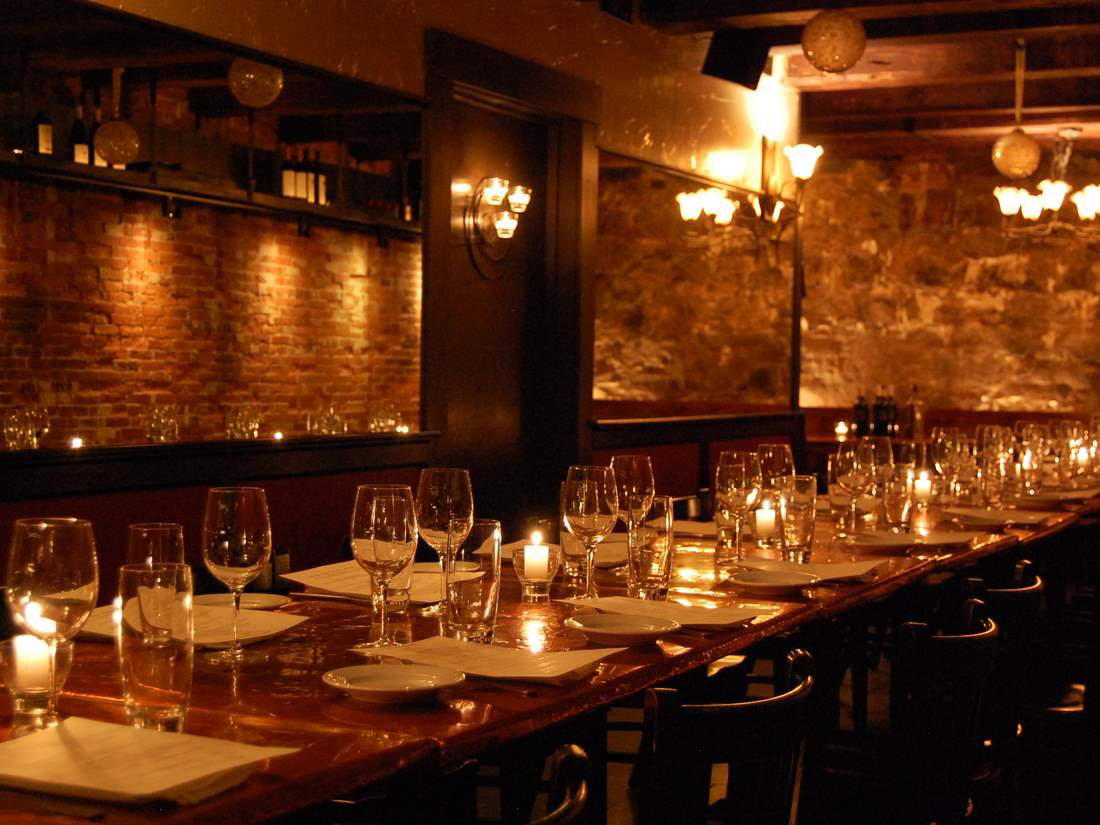
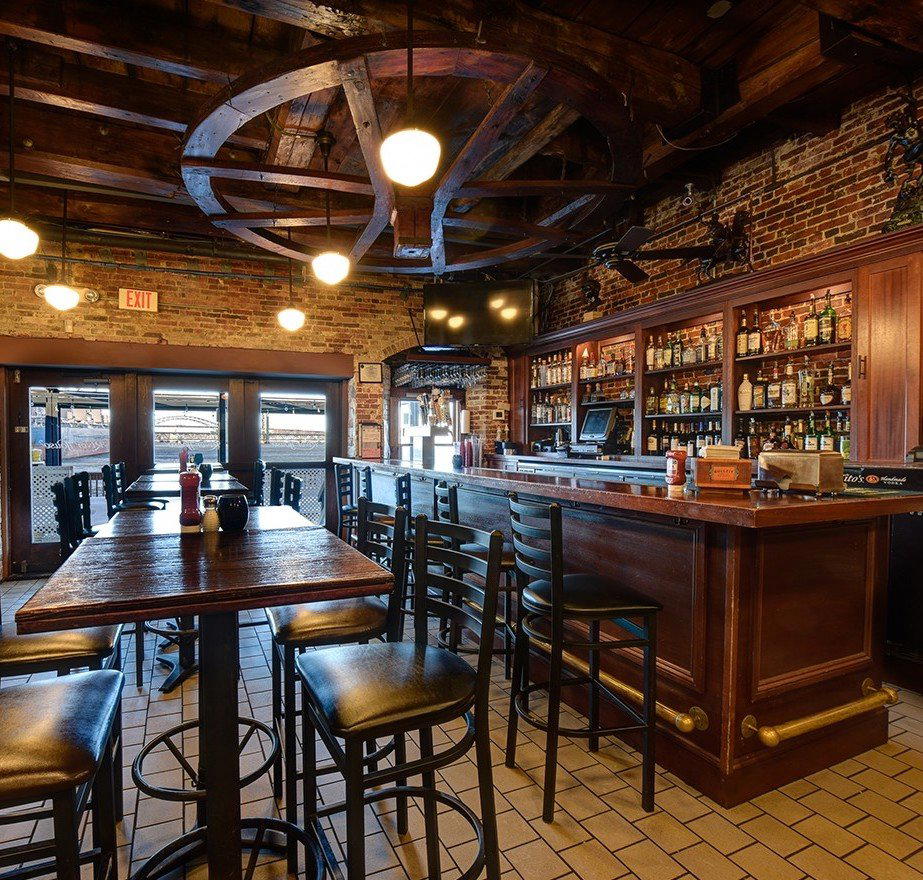

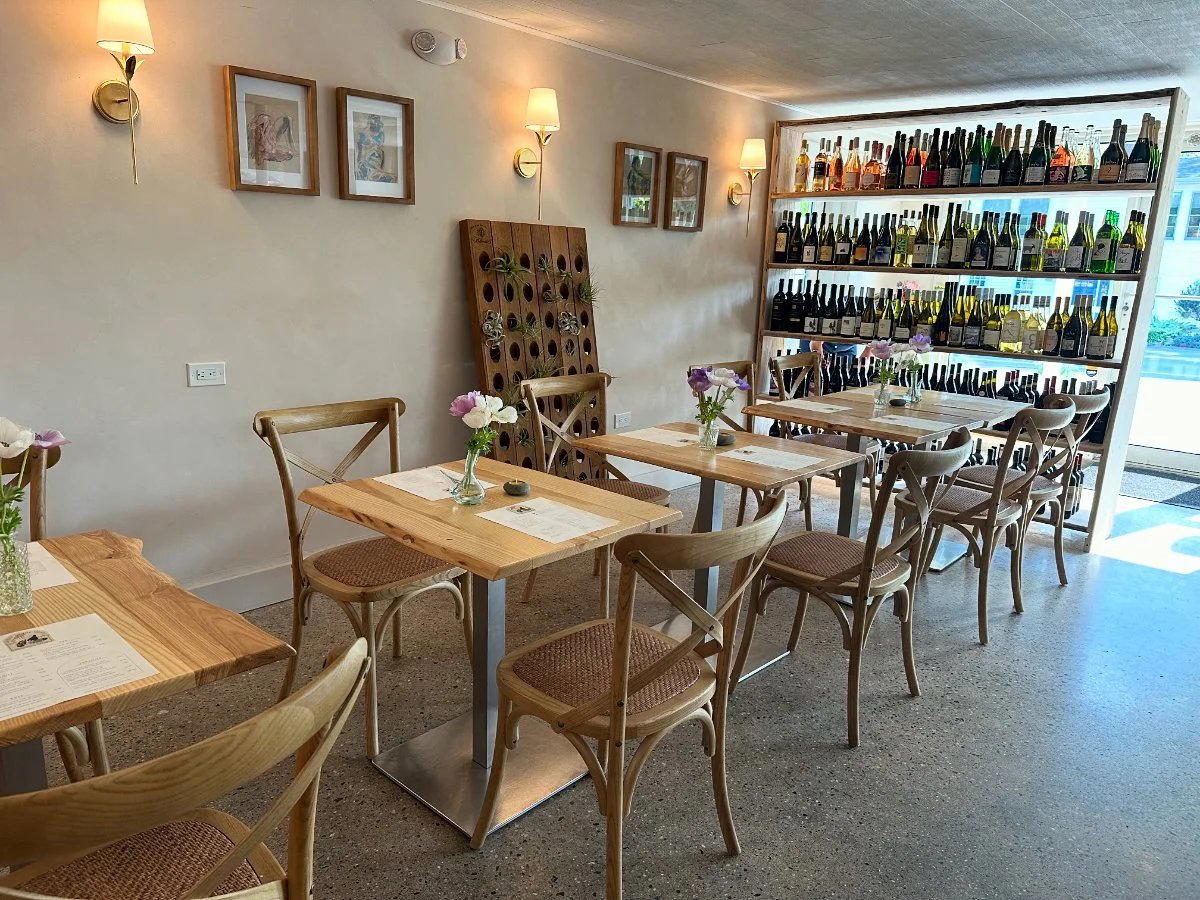
Restaurants in Portsmouth
Browse all →
Details
- Rustic
- Scenic
- Classic
- Casual Hangout
- Group Outing
- Waterfront
- Historic Building
- Outdoor Terrace
- Lounge Seating
- Classic Cocktails
- Waterfront
Current opening hours
- Monday
- 11:30 AM–8:30 PM
- Tuesday
- 11:30 AM–8:30 PM
- Wednesday
- 11:30 AM–8:30 PM
- Thursday
- 11:30 AM–8:30 PM
- Friday
- 11:30 AM–9 PM
- Saturday
- 11:30 AM–9 PM
- Sunday
- 11 AM–8:30 PM
Hours can change for holidays and private events. Last verified .
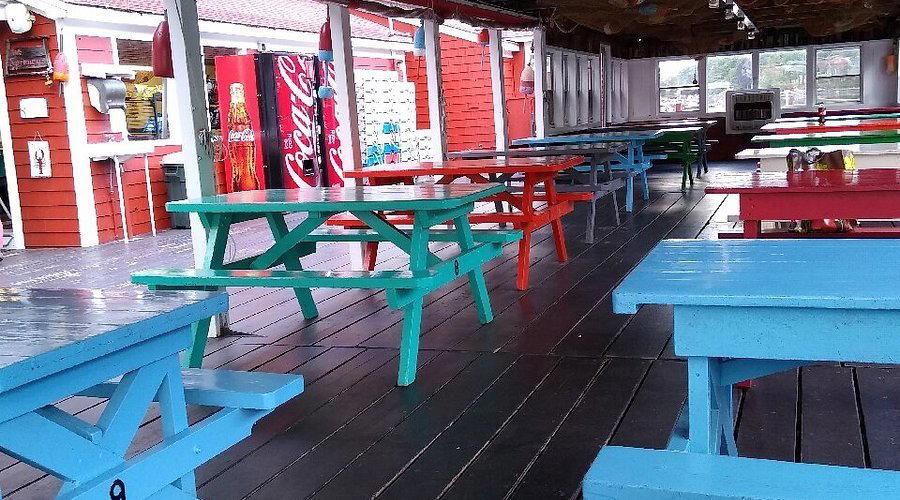
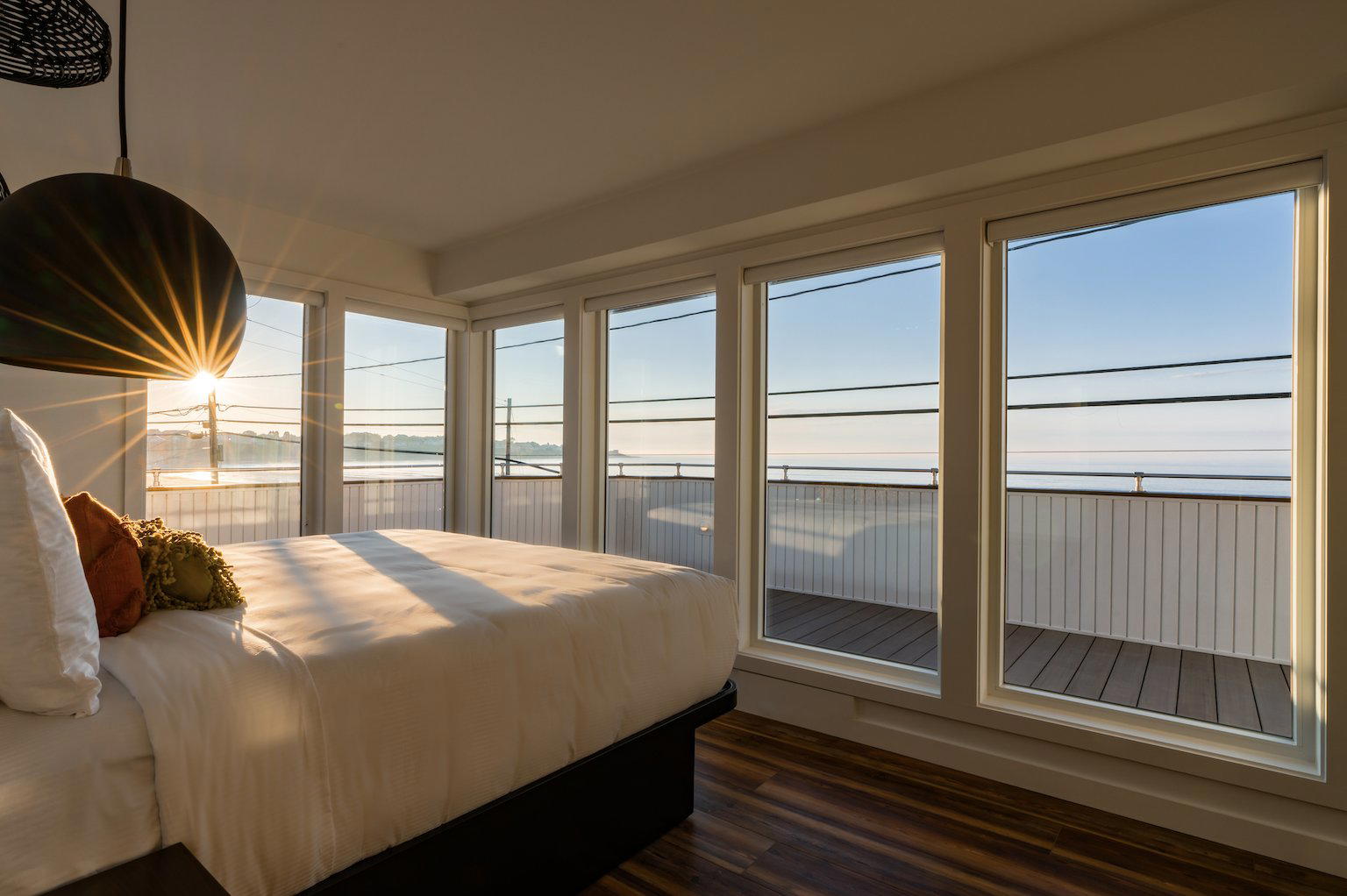
Historic maritime-themed setting with mementos, lively atmosphere, and waterfront views from the deck.