Blue Mermaid Island Grill
A casual seafood grill on the Kittery waterfront, Blue Mermaid Island Grill draws on Maine's coastal supply chain for a menu built around what the region produces best. It sits in a price tier and format that serves the town's year-round dining scene rather than destination-restaurant ambition, making it a practical reference point for understanding how New England's seafood traditions translate to everyday tables.
Pearl is the En Primeur Club membership app — saves, bookings, and concierge access live there. Same editors, same standards.
- Address
- 10 Shapleigh Rd, Kittery, ME 03904
- Phone
- +12077032754
- Website
- bluemermaid.com
 Saves & bookings on Pearl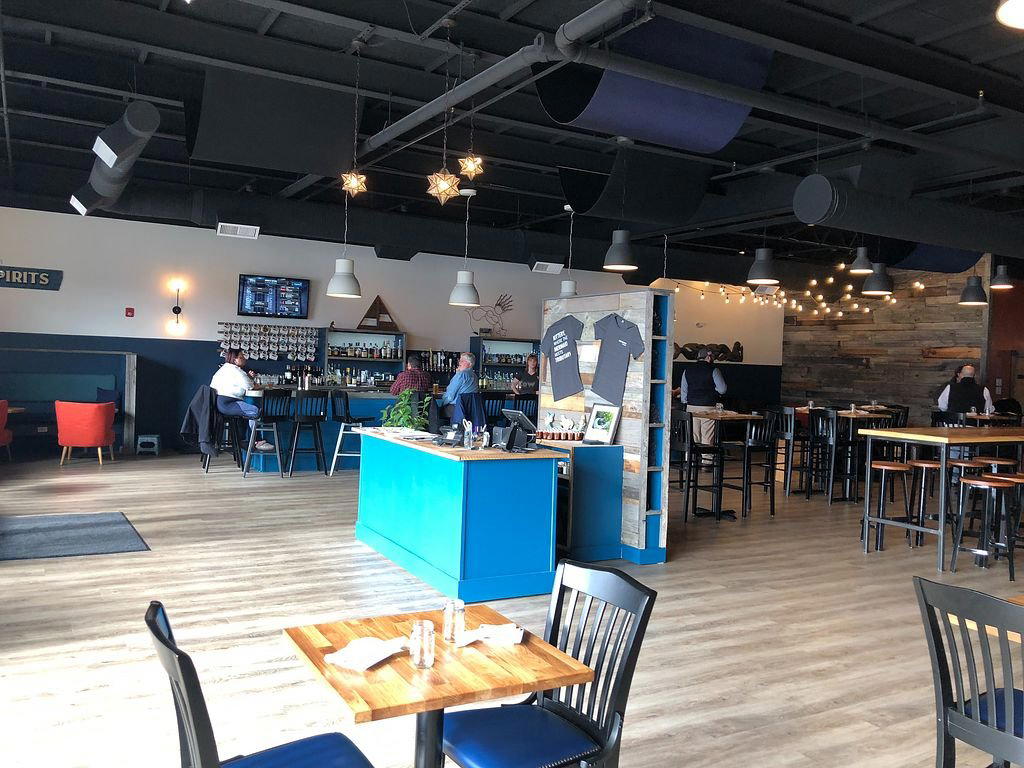
Where the Gulf of Maine Meets the Plate
Kittery occupies a particular position in Maine's food geography. It is the first town across the Piscataqua River from New Hampshire, close enough to Portsmouth's more developed dining scene to feel its gravitational pull, yet connected by proximity to the fishing grounds and coastal farms that give northern New England its sourcing advantage. Restaurants here do not need to import a coastal identity; it is already in the air, the water, and the supply chains that move product from dock to kitchen. Blue Mermaid Island Grill is a restaurant in Kittery, Maine, serving Caribbean-Influenced American Grill fare at a casual, walk-in-friendly price tier.
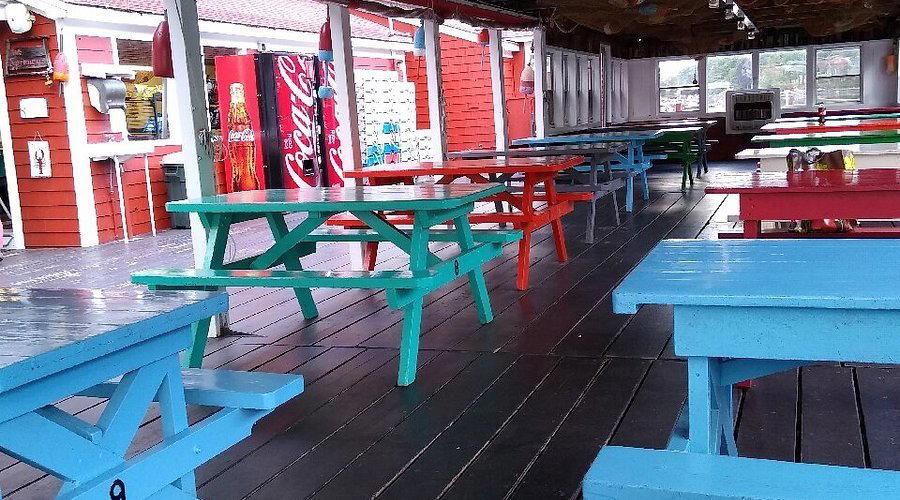
The name gestures toward something sun-soaked and tropical, but the actual context is New England coastal, the kind of waterfront grill that keeps its menu anchored to what the region actually produces rather than what a beachside fantasy might suggest. In a town where Robert's Maine Grill and Tulsi each represent distinct dining registers, Blue Mermaid occupies the casual, ingredient-forward tier that forms the backbone of any working coastal town's food scene.
The Sourcing Logic Behind New England's Coastal Grills
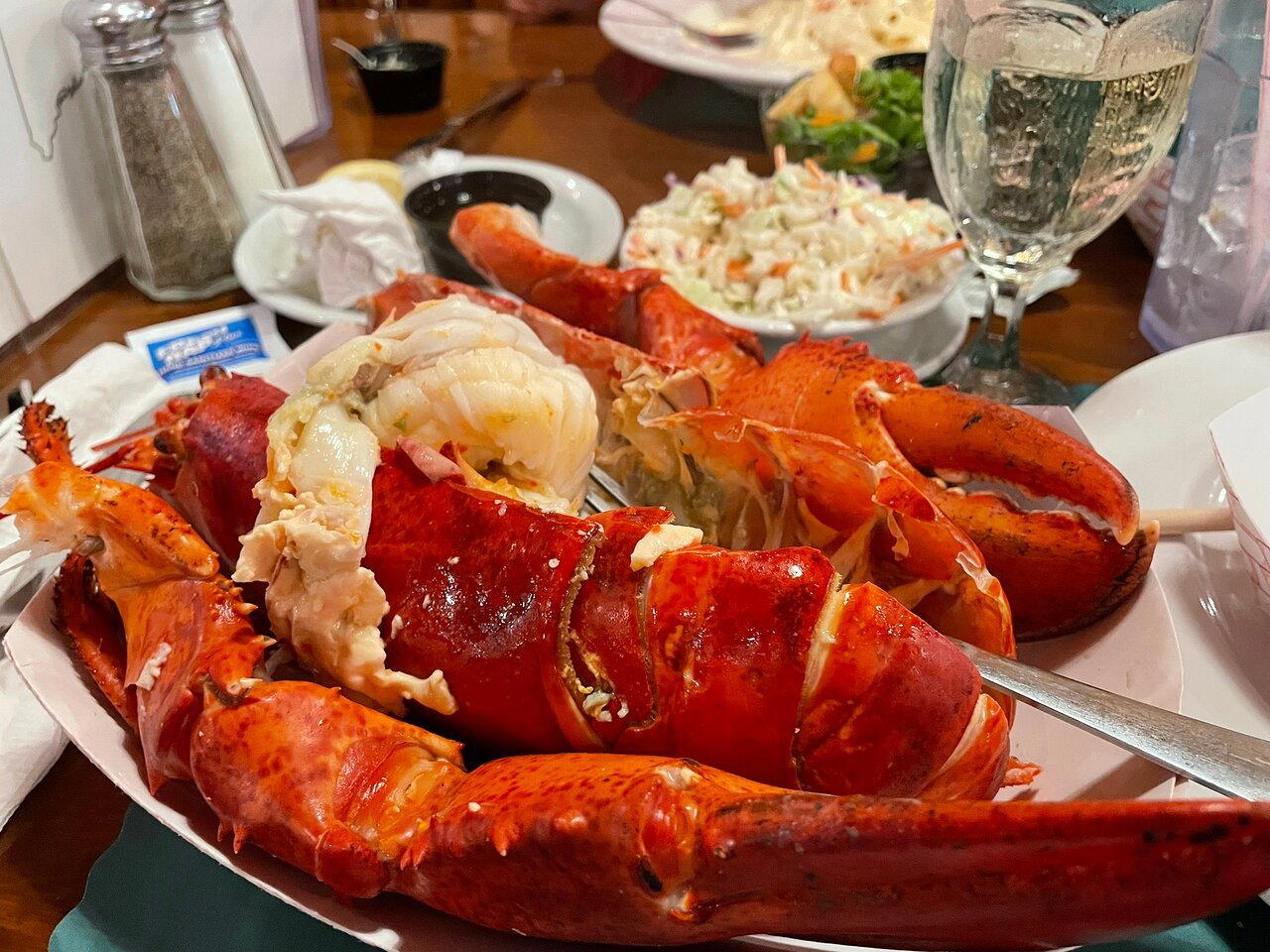
To understand what a restaurant like Blue Mermaid Island Grill is doing, it helps to understand what Maine's coastal supply chain makes possible. The Gulf of Maine is among the more productive cold-water fisheries in the Atlantic, generating lobster, haddock, clams, scallops, and oysters that move through well-established regional distribution networks. For a restaurant at this price and format tier, proximity to that supply chain is a structural advantage rather than a marketing claim. The cold water slows bacterial growth, meaning product harvested in the morning can be on a plate by afternoon with minimal intervention required.
This is the logic that separates a credible coastal grill from a seafood-themed restaurant: the former lets the sourcing do the heavy lifting, while the latter relies on seasoning and presentation to compensate for distance from origin. The broader New England dining tradition has always understood this distinction, and restaurants that hold to it, even at the casual end of the price spectrum, produce food that punches above its apparent ambition. That sourcing discipline is what connects a waterfront grill in Kittery, structurally if not stylistically, to the philosophy behind destination restaurants like Blue Hill at Stone Barns in Tarrytown or Single Thread Farm in Healdsburg, both of which have built Michelin recognition around the same fundamental premise: proximity to source changes what is possible on the plate.
At the opposite end of the formality and price spectrum, seafood programs at restaurants like Le Bernardin in New York City or Providence in Los Angeles demonstrate how far technical refinement can extend coastal ingredients. What differentiates the casual New England grill is not ambition but register: the goal is immediacy rather than transformation, letting the material speak with minimal interference.
Kittery as a Dining Town: Context and Competition
Kittery's dining scene has developed unevenly. It benefits from consistent tourist traffic generated by the outlet stores along Route 1, which creates a customer base willing to spend on a meal without necessarily seeking a destination-level experience. That dynamic shapes what restaurants at this end of the market can sustain: formats that are accessible, menus that are readable, and price points that do not require advance planning or special occasion framing.
Restaurants like Lazy Bear in San Francisco, Atomix in New York City, or The Inn at Little Washington represent a different category of ambition and investment entirely. So do regionally celebrated kitchens like Smyth in Chicago, Frasca Food & Wine in Boulder, or The Wolf's Tailor in Denver. Blue Mermaid Island Grill belongs to the broader coastal grill category in New England, where value is measured in consistency and sourcing integrity.
That framing matters for setting expectations. Restaurants like Emeril's in New Orleans or Addison in San Diego operate with the kind of infrastructure and ambition that accumulates awards and drives destination travel. A coastal grill in a small Maine border town is answering a different set of questions: Is the catch fresh? Is the preparation honest? Does the setting make sense for where you are? Those are the terms on which this category should be assessed.
Ingredient Sourcing as the Organizing Principle
Maine has one of the more traceable seafood supply chains on the East Coast. The state's lobster industry alone operates under a licensing and hauling system that makes provenance relatively easy to establish. Shellfish harvesting zones are mapped and regulated, and the short distances between fishing grounds and coastal towns compress the time between catch and service in a way that mid-Atlantic and Southern seafood markets cannot match. For a grill format, where heat application is often direct, that raw material quality is the primary variable a kitchen controls.
This sourcing argument extends beyond seafood. Maine's agricultural output, root vegetables, heritage grains, dairy from small-scale producers, has grown steadily as the farm-to-table model moved from high-end restaurant marketing into broader regional practice. Even at the casual grill tier, these supply networks are available to kitchens willing to use them. The question for any restaurant in this category is whether it treats sourcing as a competitive differentiator. Restaurants that make it the former tend to produce more consistent food, because the supply chain itself imposes a kind of seasonal discipline. Menus shift when the catch shifts, which keeps the kitchen responsive to material rather than locked into a static offering.
The coastal kitchens generating greater attention in American seafood dining, from ITAMAE in Miami to destination-scaled operations like The French Laundry in Napa or Atelier Moessmer Norbert Niederkofler in Brunico, all operate on a version of this sourcing discipline, just at different price and formality tiers. What connects them to a waterfront grill in Kittery is the underlying logic: the ingredient, treated with respect for its origin, is the argument.
Planning Your Visit
Blue Mermaid Island Grill is located at 10 Shapleigh Rd in Kittery, Maine. Given the venue's casual format and coastal-town positioning, it functions well as a spontaneous stop.
How It Stacks Up
Comparable venues nearby, for context on price, style, and recognition.
| Venue | Cuisine | Price | Notes |
|---|---|---|---|
| Blue Mermaid Island GrillThis venue — the venue you are viewing | Caribbean-Influenced American Grill | $$ | Not listed |
| Tulsi | Authentic Northern Indian | $$ | downtown Kittery |
| Robert's Maine Grill | Maine Seafood Grill | $$ | Kittery Outlets |
| The Cottages at Cabot Cove | Fresh Baked Goods & Pastries | Not listed | Kennebunkport |
| The Jewel Box | Cocktail Bar with Snacks | $$ | Arts District |
| Papi Portland | Puerto Rican Bar & Kitchen | $$ | Old Port |

At a Glance
- Lively
- Rustic
- Energetic
- Brunch
- Group Dining
- Casual Hangout
- Live Music
- Craft Cocktails
Current opening hours
- Monday
- Closed
- Tuesday
- Closed
- Wednesday
- 2–8 PM
- Thursday
- 2–8 PM
- Friday
- 12–8 PM
- Saturday
- 12–8 PM
- Sunday
- 10 AM–2 PM
Hours can change for holidays and private events. Last verified .
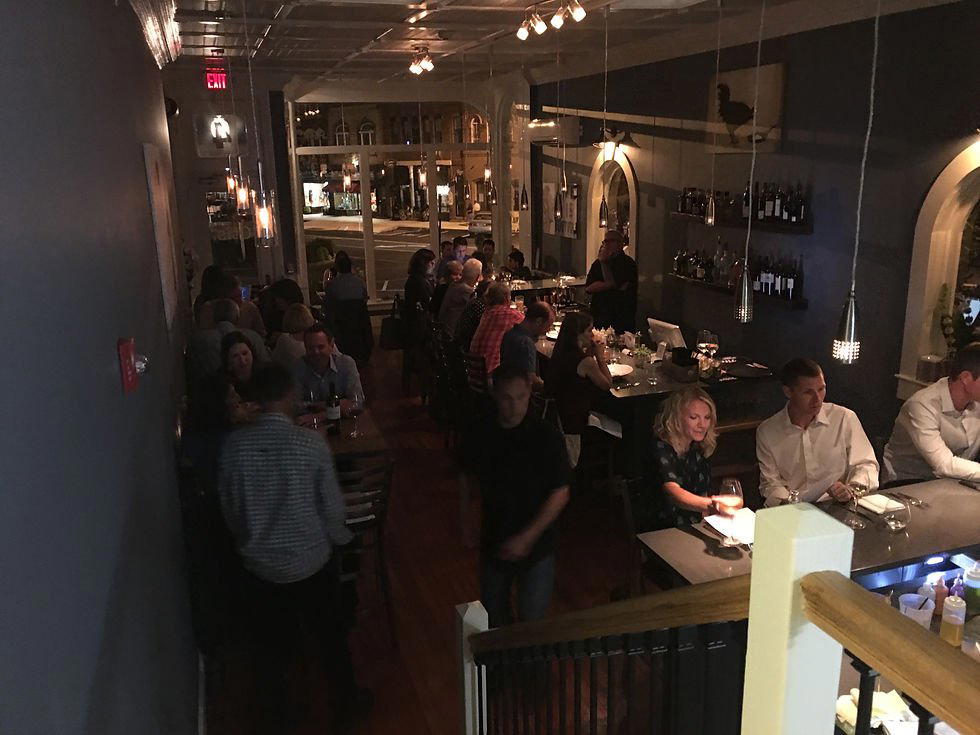
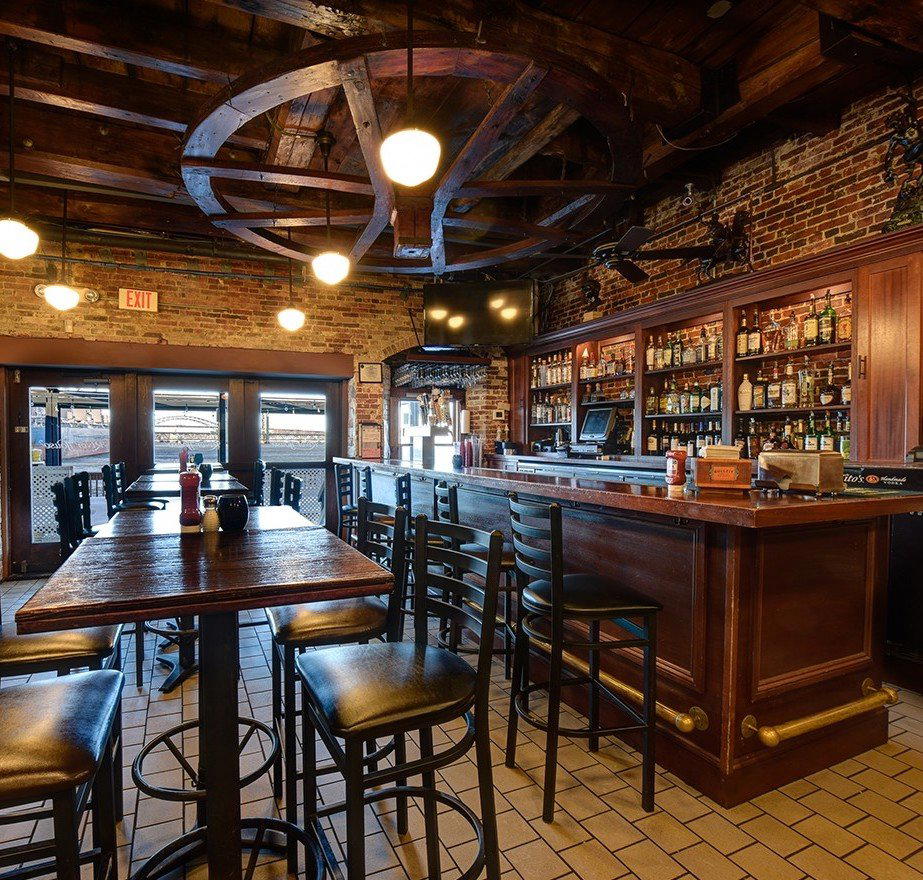
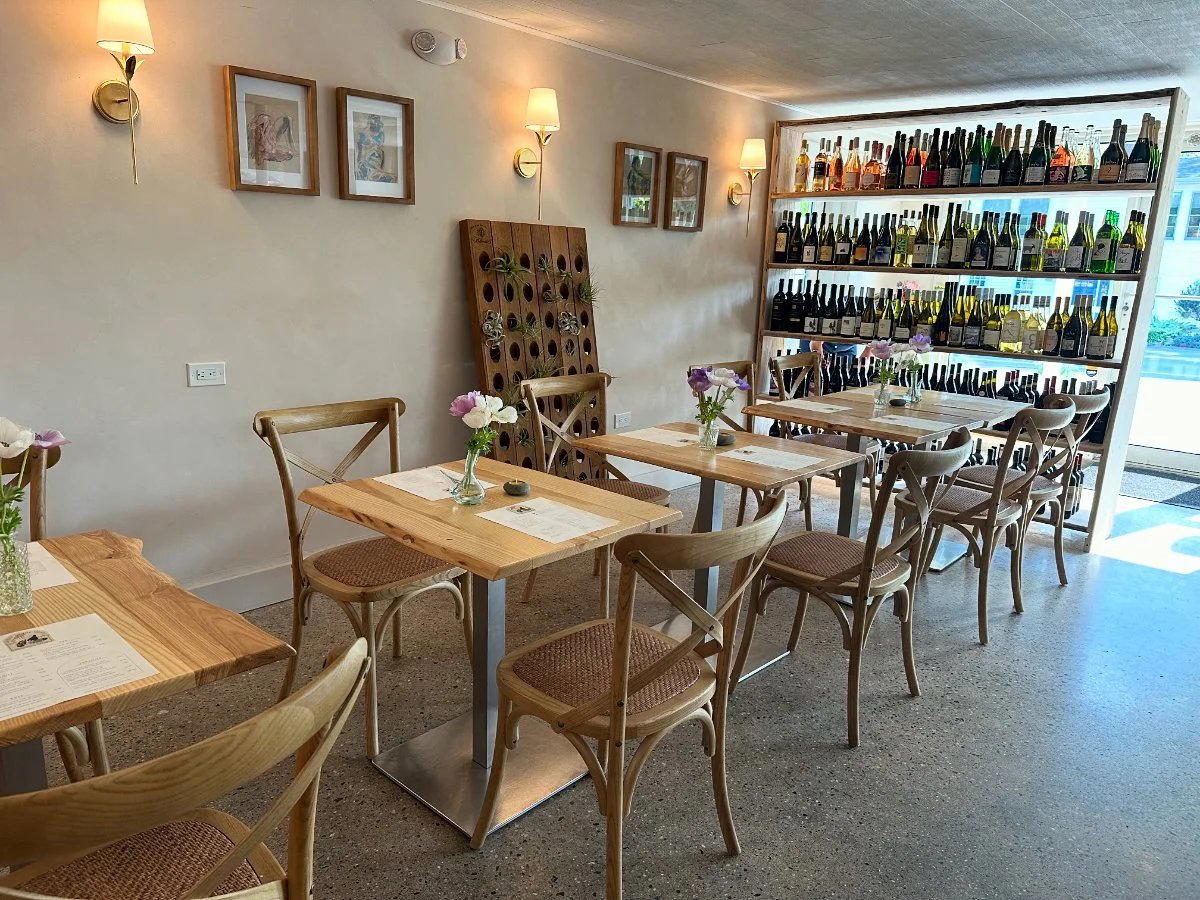
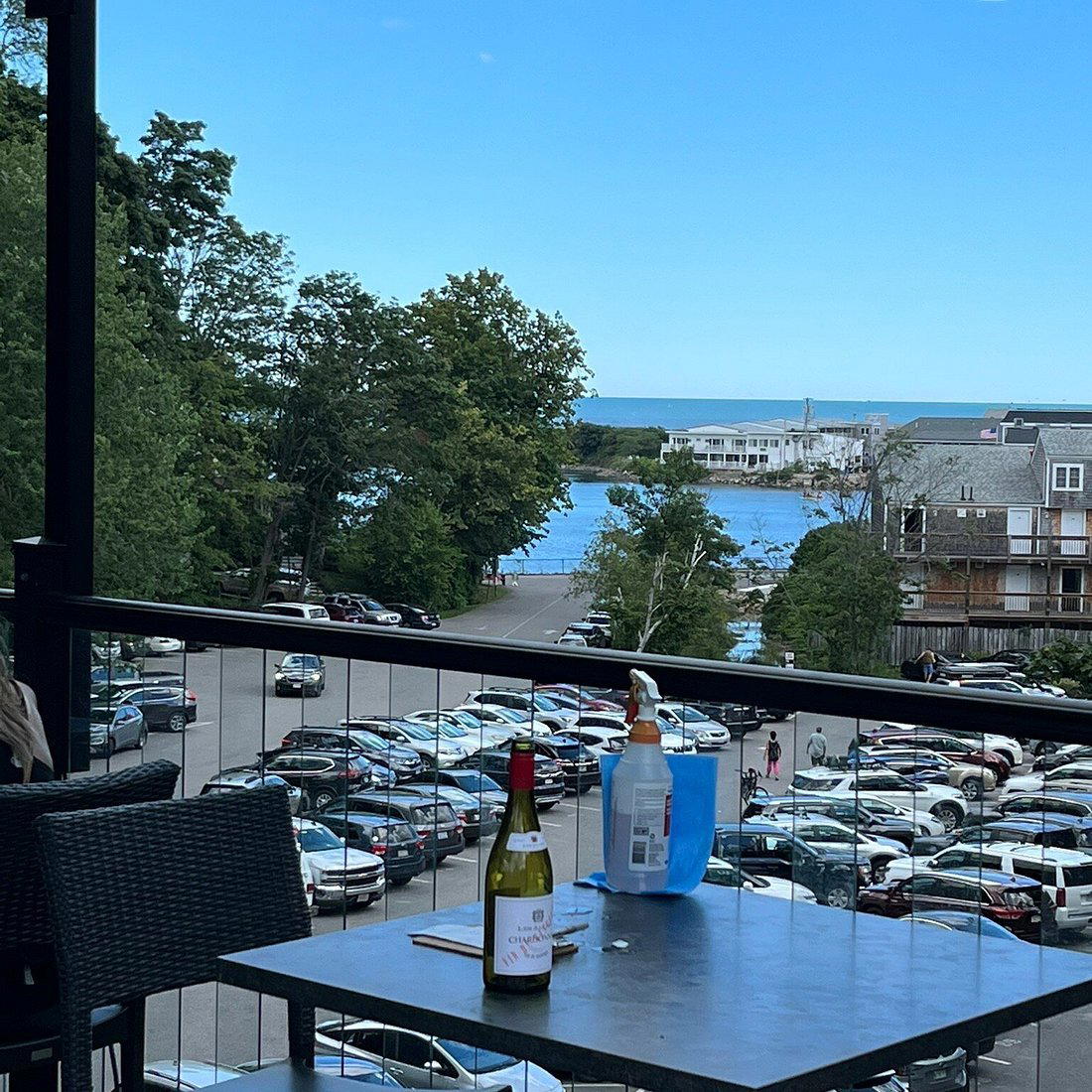
Modern, open industrial-style space with live music, relaxed and inviting atmosphere.