Cotton
Our verdict
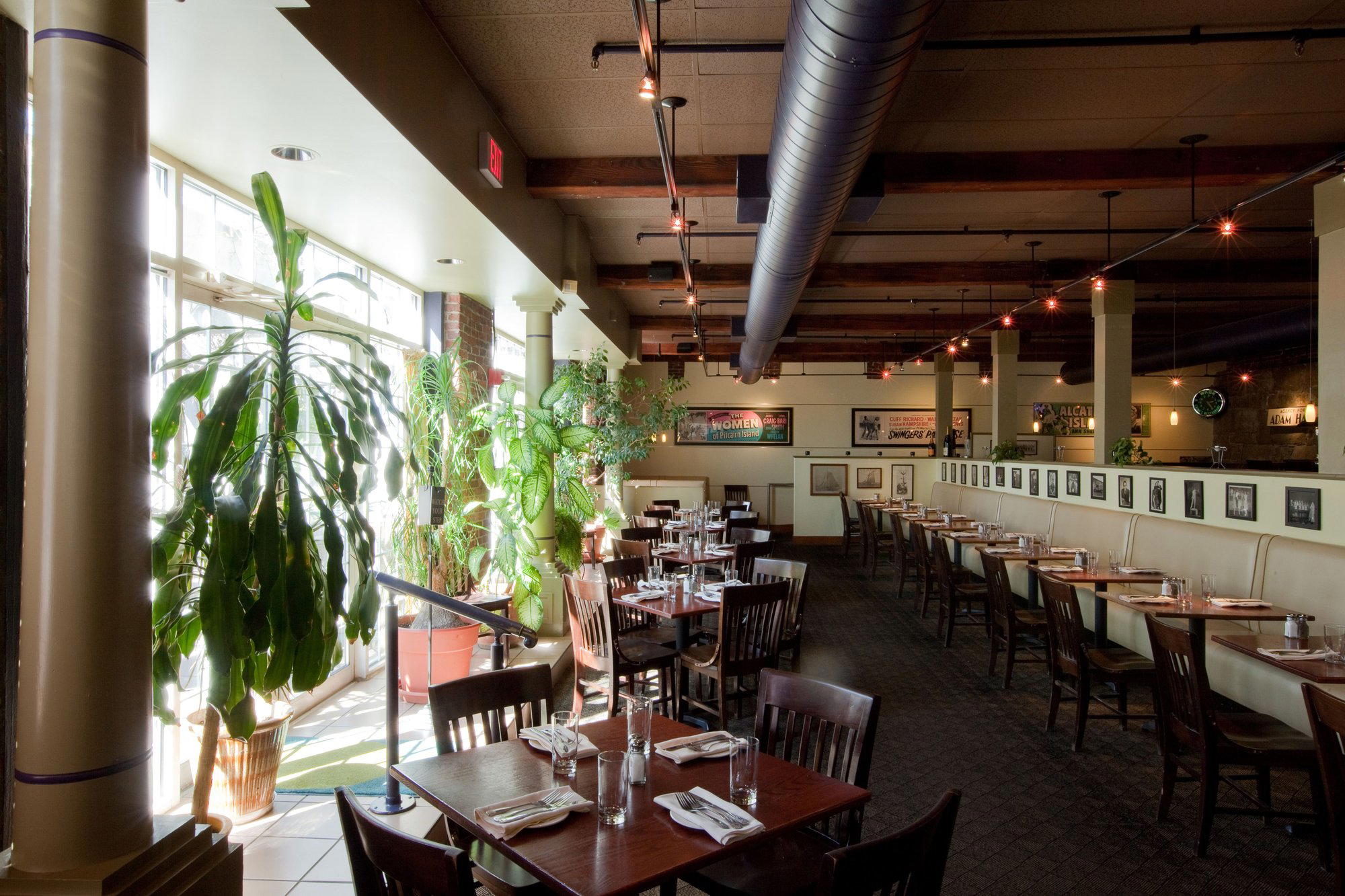
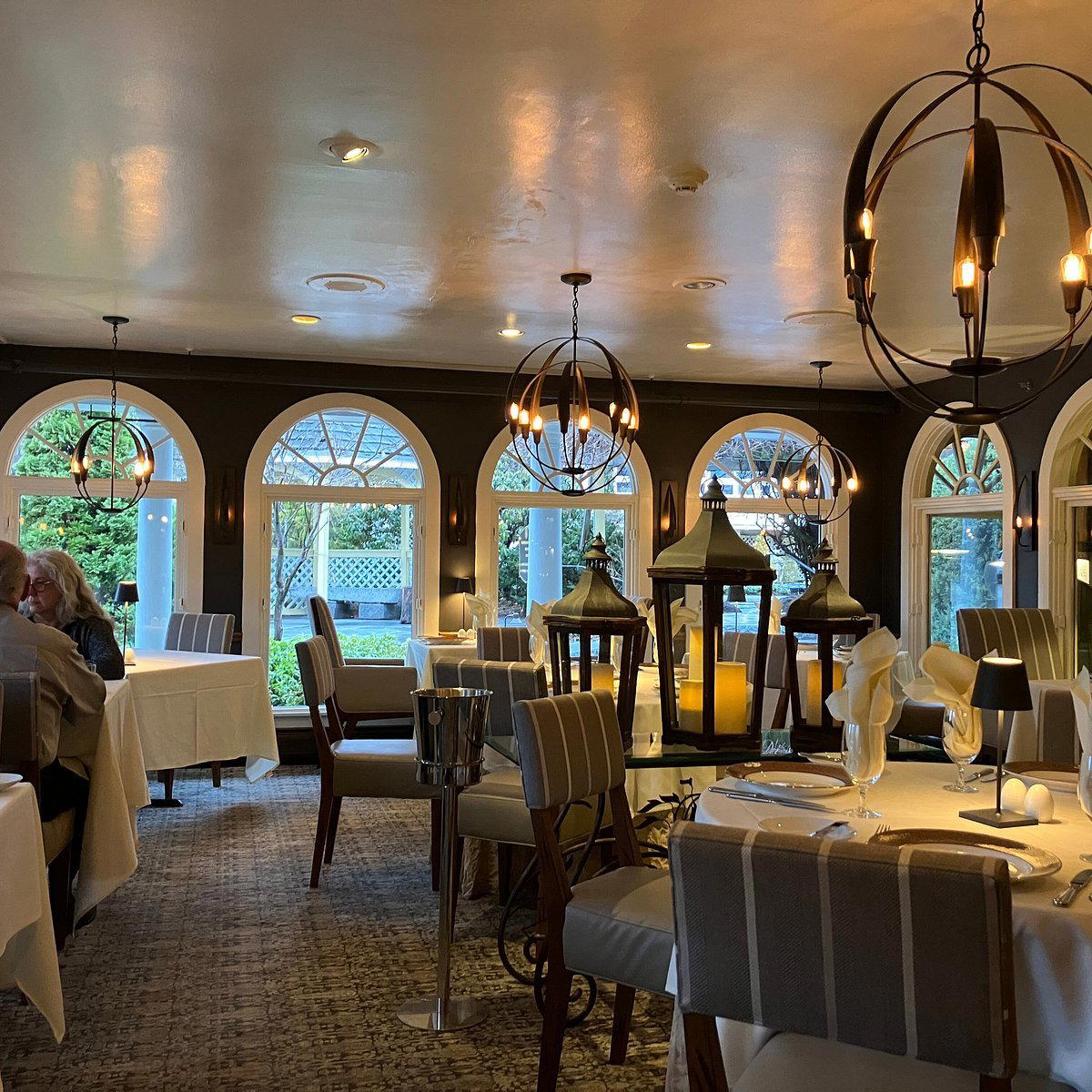
Cotton occupies a converted mill space at 75 Arms Street in Manchester, New Hampshire, bringing a considered approach to American dining to a city better known for its industrial past than its restaurant scene. The setting shapes the meal as much as the kitchen does, with the progression from first course to last following a logic that rewards attention. For Manchester, it represents a dining register that sits apart from the city's casual mainstream.

Pearl is the En Primeur Club membership app — saves, bookings, and concierge access live there. Same editors, same standards.
- Address
- 75 Arms St, Manchester, NH 03101
- Phone
- (603) 622-5488
- Hours
- Mon ClosedTue–Fri 5–8:30 PMSat 4–8:30 PMSun Closed
- Website
- cottonfood.com
- Directions
- Get directions
- Booking
- Book on OpenTable
The menu
What to order
- Retro Meatloaf
- Bistro Steak
- Buttermilk Herb Fried Chicken
The Building Before the Menu
Manchester, New Hampshire's dining identity has long been anchored in function over form: family-run Italian red-sauce houses, reliable pub kitchens, and the kind of meat-forward American cooking that suits a post-industrial city built on the Amoskeag Mills. Against that backdrop, the former mill architecture of Arms Street carries a particular weight. Cotton, at 75 Arms Street, inhabits a space where exposed brick, high ceilings, and the residual geometry of industrial construction do the atmospheric work before a single plate arrives. In American dining more broadly, the repurposed factory or warehouse has become a recognizable format, from converted loft restaurants in Chicago to brick-walled dining rooms in Brooklyn. In Manchester, it still feels deliberate rather than decorative.
The meal at Cotton is leading understood as a progression rather than a collection of dishes. Multi-course sequencing at this tier of American dining, whether at destination addresses like The French Laundry in Napa or tightly focused rooms like Smyth in Chicago, works when each course resets the palate and raises a question the next course answers. Cotton applies that logic to a regional New England setting, working within the constraints and possibilities of a city that sits between Boston's more developed food culture to the south and the quieter dining scenes of Vermont and New Hampshire's Lakes Region to the north.
Where Manchester's Table Is Set
New Hampshire lacks the density of restaurant infrastructure that produces fierce culinary competition, and that relative scarcity has two effects. Cotton does not compete against the kind of Michelin-tracked progressive kitchens that define premium dining in denser American cities. The relevant comparison is internal: within Manchester itself, a restaurant that commits to careful sourcing, structured service, and a multi-course format occupies territory that few others attempt.
The contrast with Manchester's UK counterpart is instructive, if geographically coincidental. In Manchester, England, restaurants like mana and Skof operate in a city with a sufficiently concentrated dining audience to support progressive tasting menus at the highest price tiers. The UK Manchester's scene also includes mid-tier addresses with strong editorial positioning, such as 10 Tib Lane and 20 Stories, alongside established modern European rooms like Adam Reid at the French. Manchester, New Hampshire operates at a different scale and density entirely, which shapes what ambition looks like in practical terms.
The Arc of the Meal
American dining at the serious mid-market tier tends to sequence around a logic borrowed from French service traditions but adapted for local ingredients and a less formal register. An opening course establishes place, often through a regional ingredient or a technique that signals kitchen confidence without announcing it. Middle courses carry the structural weight of the meal, introducing protein and seasonal vegetables in combinations that develop across the table rather than resolving within a single bite. Dessert, in the better versions of this format, functions as punctuation rather than escalation, dialing back richness rather than amplifying it.
Cotton's position on Arms Street places it within walking distance of Manchester's downtown core, which makes it accessible for both pre-theater dining and longer, occasion-driven meals. That dual function is common in American cities of Manchester's scale, where a single serious restaurant often serves multiple audience types across a week. The most productive visit is likely a weeknight when the room is quieter and the kitchen can pace the progression without the compression that weekend service sometimes forces.
Nationally, the conversation about structured American dining has moved toward transparency in sourcing and a closer relationship between farm and table. Addresses like Blue Hill at Stone Barns in Tarrytown and Single Thread Farm in Healdsburg represent the most fully realized version of that model, where the sourcing infrastructure is as developed as the kitchen. Regional addresses work within tighter constraints, sourcing from a smaller producer network and adapting the menu to what New England seasons actually deliver rather than what a national supply chain can provide year-round. That constraint, when a kitchen treats it as a condition to work within rather than a problem to solve around, produces menus with a clearer seasonal logic.
Reading the Room
For a visitor arriving from a city with a denser restaurant ecology, the value proposition at a room like Cotton is partly about the meal itself and partly about what it represents in context. In cities like Los Angeles, where Providence operates, or in New Orleans, where Emeril's carries a different kind of institutional weight, the serious restaurant exists within a competitive field that sharpens it. In Manchester, NH, the serious restaurant exists almost as a category of one at its tier, which produces a different kind of pressure and a different relationship with its audience.
That audience tends to be local and loyal rather than tourist-driven, which shapes how the room operates across seasons. A restaurant building its reputation on repeat visitors rather than destination traffic develops different rhythms: the menu changes matter more, the service relationships run deeper, and the experience of a first visit benefits from the infrastructure built for regulars. For the wider context of how New Hampshire's dining scene sits relative to other American cities, our full Manchester restaurants guide maps the relevant reference points.
Internationally, the benchmark for serious multi-course progression remains high. Rooms like Le Bernardin in New York City, Atomix in New York City, Addison in San Diego, Lazy Bear in San Francisco, The Inn at Little Washington, and Atelier Moessmer Norbert Niederkofler in Brunico set the category standard. Cotton operates well below that altitude in terms of scale and recognition, but the underlying logic of structured progression, attentive service, and seasonal anchoring connects to the same tradition. The gap is one of resources and market size, not necessarily of intent.
Planning the Visit
Cotton is located at 75 Arms Street in Manchester, New Hampshire, in the city's downtown mill district. Given the limited public information currently available on booking policies and hours, contacting the restaurant directly is the most reliable approach for reservations and dietary accommodation queries. The Arms Street address is walkable from Manchester's central hotel cluster, which reduces the need for transport coordination on longer evenings. For a structured multi-course meal, arriving without time pressure produces a materially better experience than treating it as a quick-turnaround dinner.
Frequently asked questions
What part of town is Cotton in?
Cotton is located at 75 Arms St, Manchester, NH 03101, Manchester.
Is Cotton in Manchester, NH suitable for a business dinner?
Cotton's location in Manchester's downtown mill district at 75 Arms Street places it among the more considered restaurant settings in the city, making it a practical choice when the occasion calls for something beyond a pub counter or casual table. The structured format of the meal supports the kind of pacing that a business dinner typically requires, though reservations should be confirmed directly with the restaurant.
What dish is Cotton famous for?
No single signature dish has been reliably documented in current sources for Cotton. The restaurant's reputation within Manchester, NH rests more on its structured approach to the meal as a whole than on any one preparation, which places it in a dining register the city's broader scene does not heavily populate.
Do they take walk-ins at Cotton?
Manchester, NH operates at lower restaurant traffic volumes than major metro markets, so walk-in seats may be more accessible here than at comparable operations in Boston or Portland, but contacting Cotton directly before arrival is advisable.
What has Cotton built its reputation on?
Cotton's standing in Manchester, NH comes from occupying a dining tier that the city's restaurant scene, historically weighted toward pub kitchens and red-sauce houses, does not heavily fill. Its mill-district address at 75 Arms Street gives it a setting that supports a more deliberate approach to the meal than most of its local peers.
Can Cotton accommodate dietary restrictions?
At a structured dinner operation in Manchester, NH, communicating restrictions in advance when booking gives the kitchen the best chance to adjust, and that applies to any serious mid-market format.
Recognition Snapshot
Comparable venues nearby, for context on price, style, and recognition.
| Venue | Cuisine | Price | Notes |
|---|---|---|---|
| CottonThis venue — the venue you are viewing | Farm-to-Table American Comfort Food | $30–50 | Not listed |
| KC's Rib Shack | Southern-Style Barbecue | $20–30 | Not listed |
| Industry East | Modern American Small Plates | $20–30 | Downtown |
| Hanover Street Chophouse | Classic Steakhouse & Seafood | Not listed | Hanover Street |
| Hanover Street Chophouse | Dining | Not listed | downtown |
Continue exploring
More in Manchester
Restaurants in Manchester
Browse all →
Bars in Manchester
Browse all →
Hotels in Manchester
Browse all →
Details
- Cozy
- Modern
- Elegant
- Date Night
- Special Occasion
- Historic Building
- Extensive Wine List
- Farm To Table
- Local Sourcing
- A La Carte
- Craft Cocktails
- Vegetarian Friendly
- Vegan Options
- Gluten Free Options
Current opening hours
- Monday
- Closed
- Tuesday
- 5–8:30 PM
- Wednesday
- 5–8:30 PM
- Thursday
- 5–8:30 PM
- Friday
- 5–8:30 PM
- Saturday
- 4–8:30 PM
- Sunday
- Closed
Hours can change for holidays and private events. Last verified .
Inviting casual upscale atmosphere in a hip historic mill with cozy bar and restaurant areas.