Spuntino
Spuntino occupies a quiet address on Avenida Emilio Castelar in Polanco, one of Mexico City's most competitive dining corridors. The kitchen operates at the intersection where imported culinary technique meets Mexican market produce, a mode of cooking that defines the neighbourhood's most considered restaurants. For visitors building a Polanco itinerary, it belongs in the same planning conversation as the area's better-known addresses.
Pearl is the En Primeur Club membership app — saves, bookings, and concierge access live there. Same editors, same standards.
- Address
- Av. Emilio Castelar 95, Polanco, Polanco IV Secc, Miguel Hidalgo, 11560 Ciudad de México, CDMX, Mexico
- Phone
- +525589369137
- Website
- opentable.com
- Directions
- Get directions
 Saves & bookings on Pearl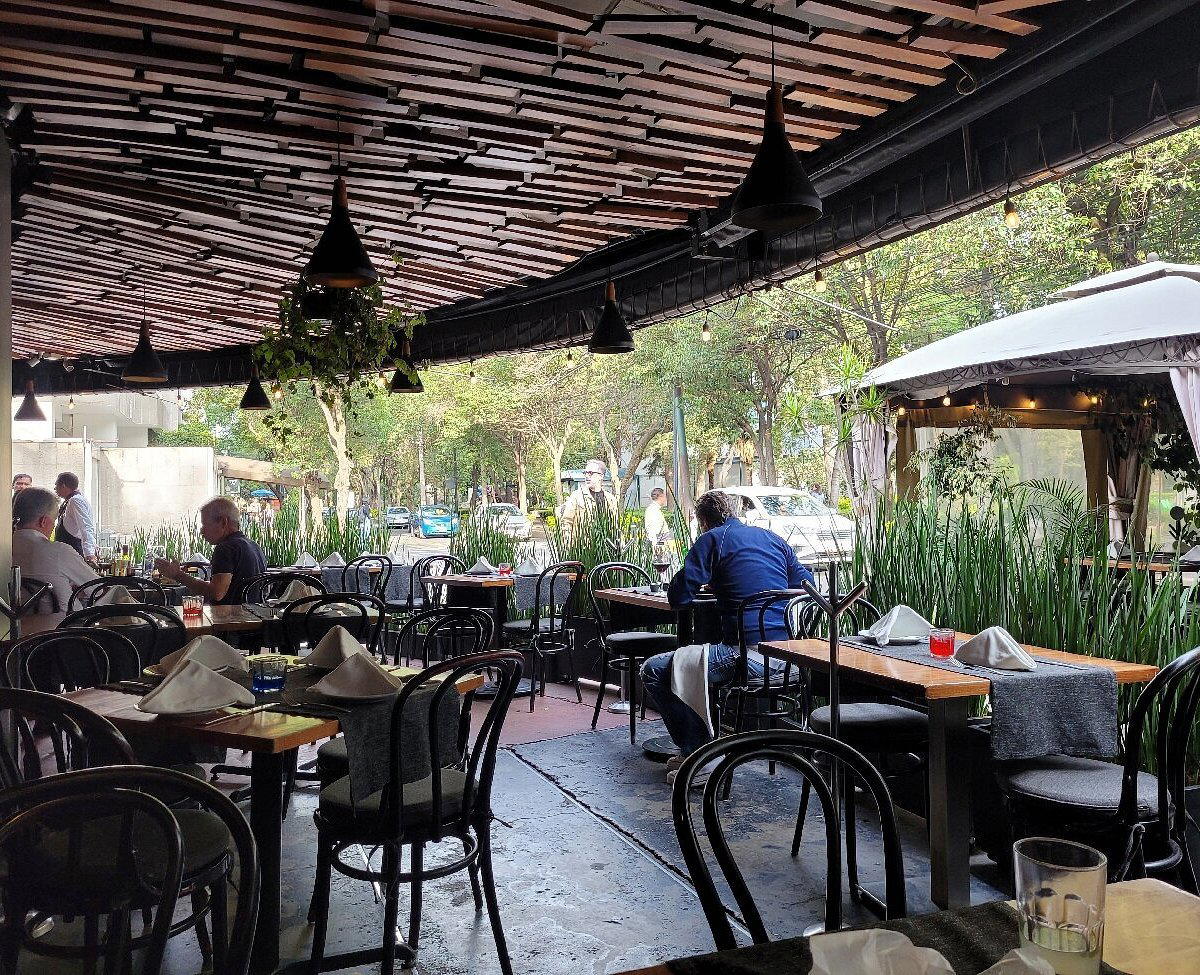
Polanco and the Technique-Meets-Terroir Formula
Avenida Emilio Castelar runs through Polanco IV Sección, a stretch of Mexico City known for a dense cluster of serious restaurants. The neighbourhood draws its identity from a particular cooking mode: kitchens that bring European or North American technique to bear on ingredients sourced from Mexican markets, milpas, and coastal suppliers. Pujol codified the model over two decades. Quintonil refined it around indigenous vegetables and insects. Dozens of smaller rooms have followed the same logic, each staking a claim on a specific ingredient set or regional tradition. Spuntino, at number 95 on Castelar, joins that conversation.
The name signals Italian lineage: spuntino translates roughly as a light bite or snack in Italian, carrying connotations of informality and restraint rather than ceremony. In a neighbourhood where tasting menus and formal service have long defined the premium tier, that nomenclature is itself a positioning statement. The broader pattern across Mexico City's mid-tier dining scene has moved toward exactly this register: technically precise kitchens that present their work without the apparatus of grande cuisine.
The Intersection of Imported Method and Local Supply
The cooking mode that defines Polanco's most interesting rooms at the mid-tier level is not fusion in the blunt sense, it is the application of specific technical disciplines, whether Italian curing traditions, French sauce work, or Japanese knife culture, to the seasonal output of Mexican producers. This matters because Mexico's ingredient base is genuinely deep. Corn varieties number in the hundreds. Chili diversity across Oaxacan, Poblano, and Yucatecan supply chains gives any kitchen access to a flavour range that European pantries cannot replicate. The question any Polanco kitchen faces is what methodological frame it uses to present that material.
Across the broader Mexico City scene, particularly coherent answers to that question come from restaurants willing to commit to a single culinary tradition as a structural lens. Rosetta, on Colima in Roma Norte, applies Italian baking and fermentation principles to Mexican grains and produce with enough consistency to hold recognition across multiple editorial cycles. Sud 777 in Pedregal takes a different route, anchoring its sourcing programme to specific Mexican producers and building menus around what that supply chain yields season to season. Em operates in a more tightly focused Mexican register. Spuntino's position on the Italian-inflected end of Polanco's spectrum places it in dialogue with Rosetta rather than with the indigenous-technique houses.
What the Polanco Address Implies
A Castelar address carries specific expectations for a Mexico City dining audience. The street and its immediate surrounds constitute one of the city's highest-cost-per-cover corridors, which means that a room at this postcode is pricing against an established comparable set and is assessed accordingly. Neighbourhood regulars in Polanco tend to be experienced diners who move between the area's more celebrated addresses and newer entrants with a comparative frame already in place.
That pressure produces a particular discipline in kitchens that survive on Castelar beyond their opening season. Menus tend to tighten rather than expand. Sourcing relationships deepen. The rooms that hold attention are usually those that resist the temptation to broaden their offer in search of wider appeal and instead push further into whatever their founding logic was. For a room with Italian nomenclature in a Mexican market city, that logic points toward the intersection that the name implies: the European spuntino tradition, reinterpreted through whatever the local supply chain makes possible on a given week.
Mexico's restaurant scene beyond Polanco offers useful comparison points for understanding what this approach looks like at its most developed. Animalón in Valle de Guadalupe applies wood-fire technique to Baja California's agricultural abundance in a way that makes the sourcing itself the spectacle. Alcalde in Guadalajara has built a programme around Jalisco producers that functions as a template for regional ingredient-led cooking. KOLI in Monterrey runs a similar sourcing discipline from the north. Levadura de Olla in Oaxaca and Huniik in Mérida represent the southern end of a national movement that places local ingredient identity at the centre of every menu decision. Spuntino operates within the same broad current, channelled through a Polanco address and an Italian culinary reference.
Mexico City in a Regional and International Frame
Mexico City's fine-dining and upper-mid tier scene increasingly draws comparisons with other global cities where European technique has been absorbed and redirected through local ingredient cultures. Le Bernardin in New York represents one end of that spectrum: a room where classical French precision operates without much concession to local ingredient politics. Atomix, also in New York, sits at the other extreme, where Korean culinary heritage is the organising principle and European technique is a tool rather than an identity. Mexico City's most interesting rooms occupy a middle ground, and the Italian-inflected kitchens on the Polanco corridor are a specific node within that middle ground.
For visitors moving between Mexico City and the country's other serious dining destinations, the contrast is instructive. HA' in Playa del Carmen applies Mayan ingredient traditions to a contemporary tasting format. Le Chique in Puerto Morelos works in a more overtly European technical register, with Mexican produce as the raw material. Olivea in Ensenada and Lunario in El Porvenir operate within Baja California's wine-adjacent dining culture, where proximity to vineyards shapes both the menu and the occasion. Pangea in San Pedro Garza García has held its position as northern Mexico's reference point for this approach for long enough to constitute a case study in how the imported-technique, local-ingredient formula ages.
Planning a Visit
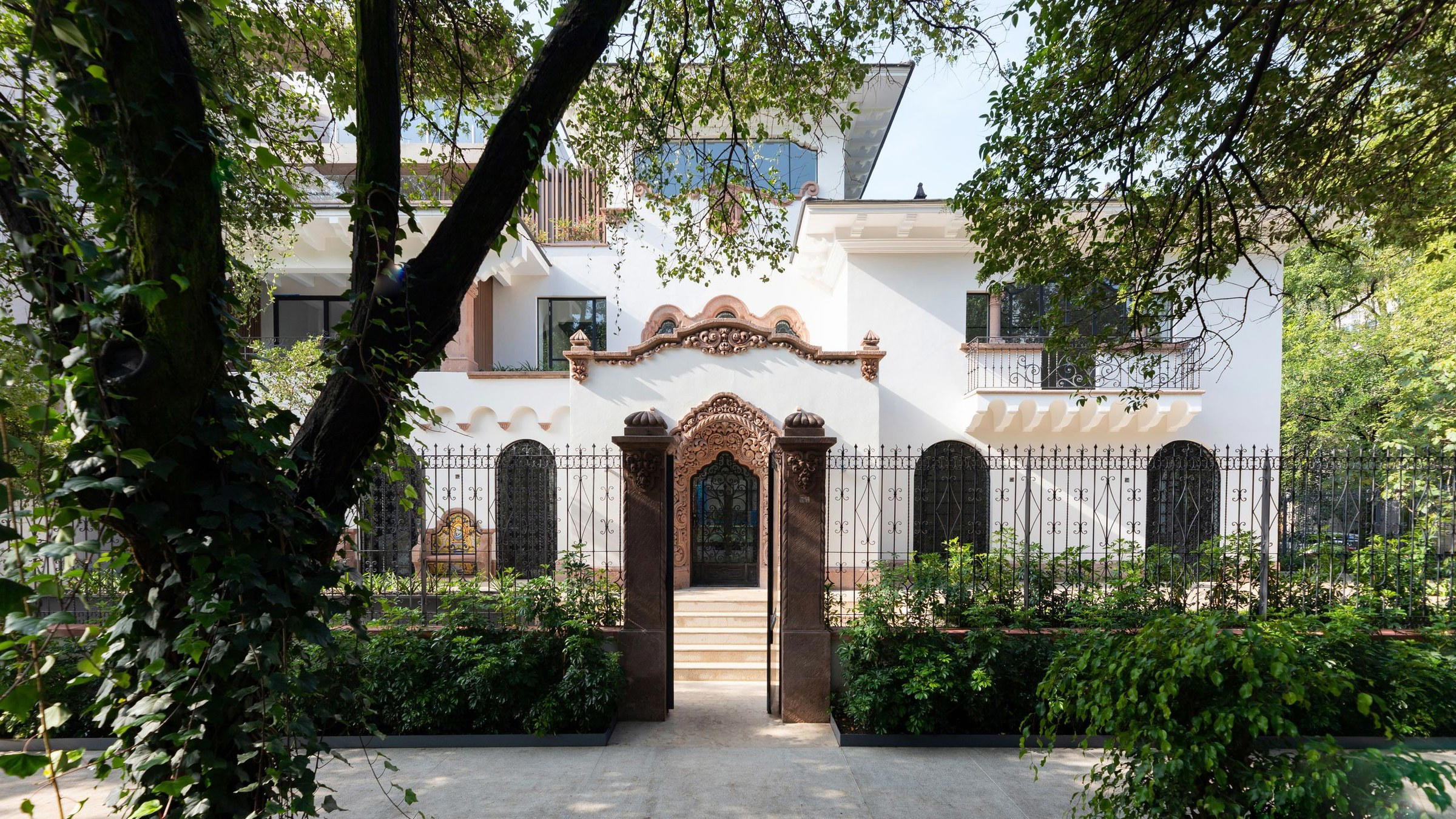
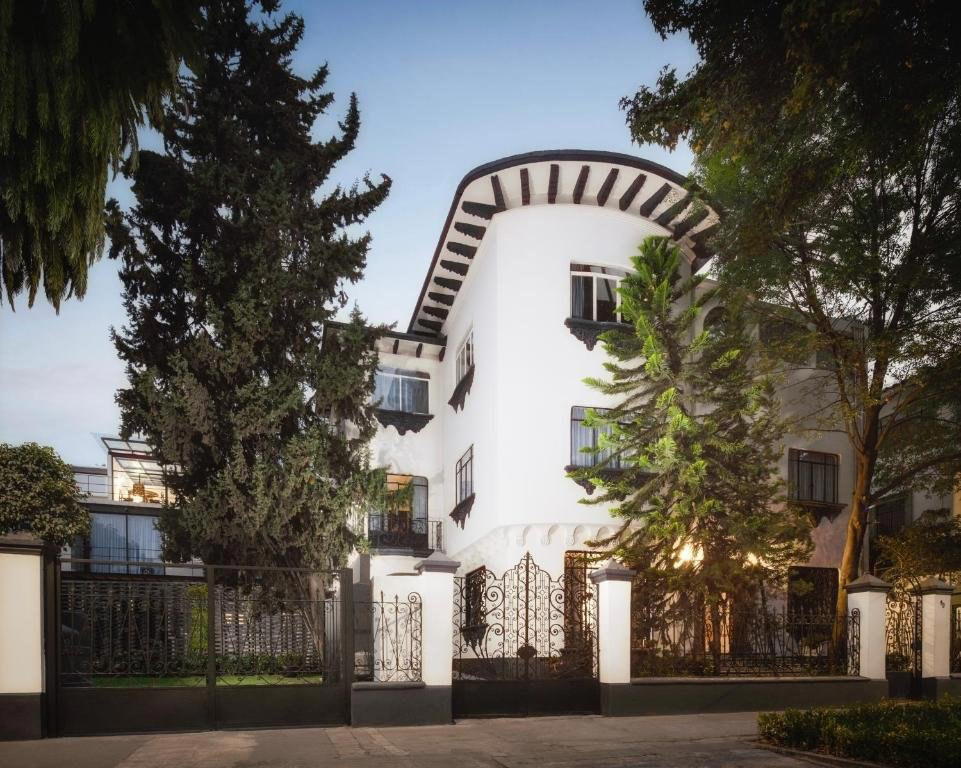
Spuntino sits at Av. Emilio Castelar 95, Polanco IV Sección, in the Miguel Hidalgo borough, postcode 11560. The address is walkable from the Polanco metro station and within easy reach of the neighbourhood's main hotel cluster. Reservations are recommended. Dress is smart casual.
Budget Reality Check
Comparable venues nearby, for context on price, style, and recognition.
| Venue | Cuisine | Price | Notes |
|---|---|---|---|
| SpuntinoThis venue — the venue you are viewing | Not listed | $$$ | Not listed |
| Carnal- Insurgentes | Actipan, Argentine Steakhouse | $$$$ | Not listed |
| La Caña | Not listed | $$$ | Polanco Chapultepec, Modern Latin Rooftop Bar & Grill |
| Blanco Castelar | Not listed | $$$ | Polanco Chapultepec, Mexican-European Fusion |
| Ostería del Becco | Not listed | $$$ | Los Morales Secc Palmas, Modern Italian Osteria |
| ARDA | Not listed | $$$ | Centro Urbano Benito Juarez, Modern Smoke and Fire Grill |
Continue exploring
More in Mexico City
Restaurants in Mexico City
Browse all →
Bars in Mexico City
Browse all →



At a Glance
- Elegant
- Trendy
- Date Night
- Casual Hangout
- Terrace
- Street Scene
Current opening hours
- Monday
- 11:30 AM–10 PM
- Tuesday
- 11:30 AM–10 PM
- Wednesday
- 11:30 AM–11:30 PM
- Thursday
- 11:30 AM–12 AM
- Friday
- 11:30 AM–12 AM
- Saturday
- 11:30 AM–12 AM
- Sunday
- 11:30 AM–10 PM
Hours can change for holidays and private events. Last verified .
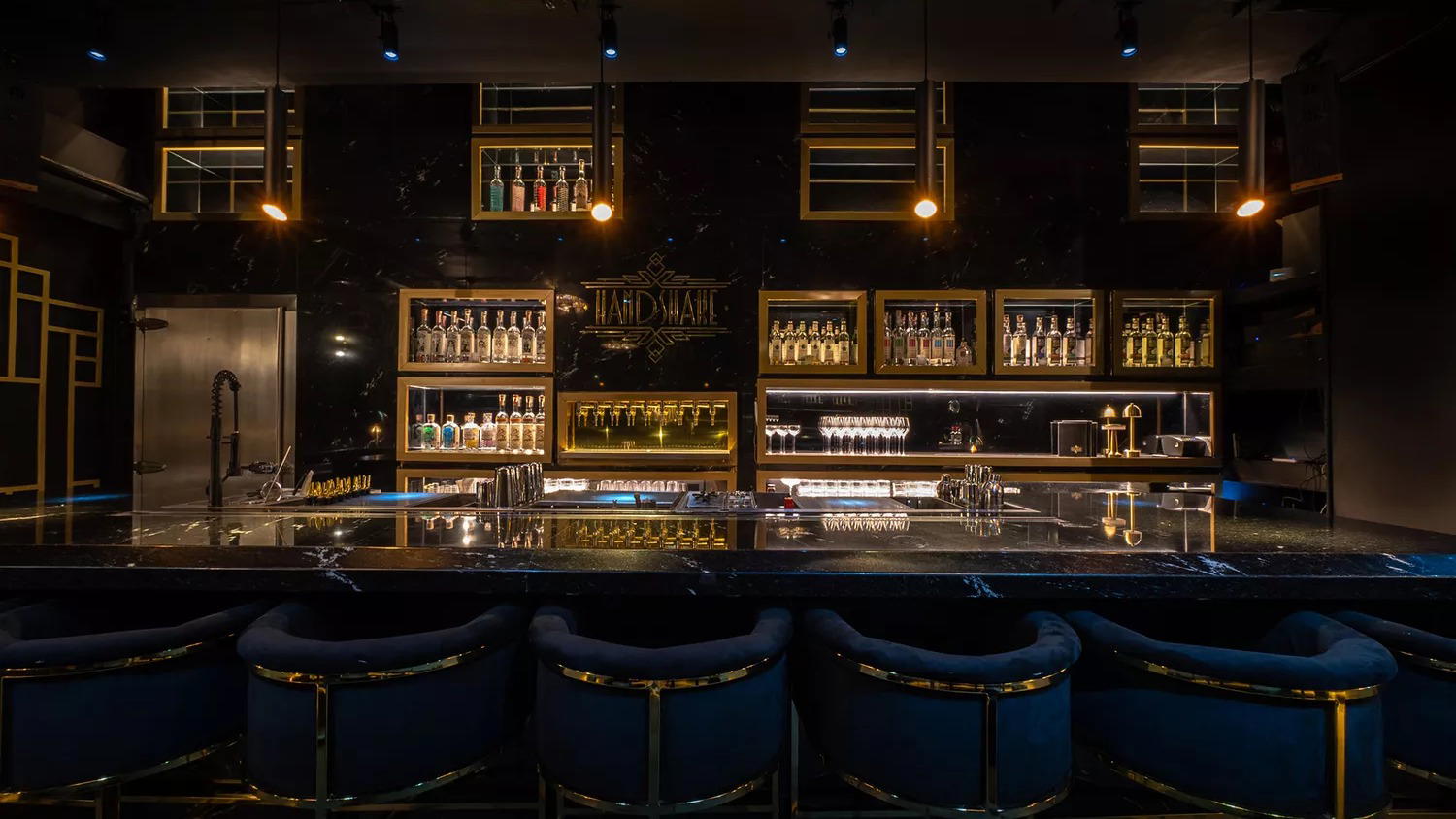
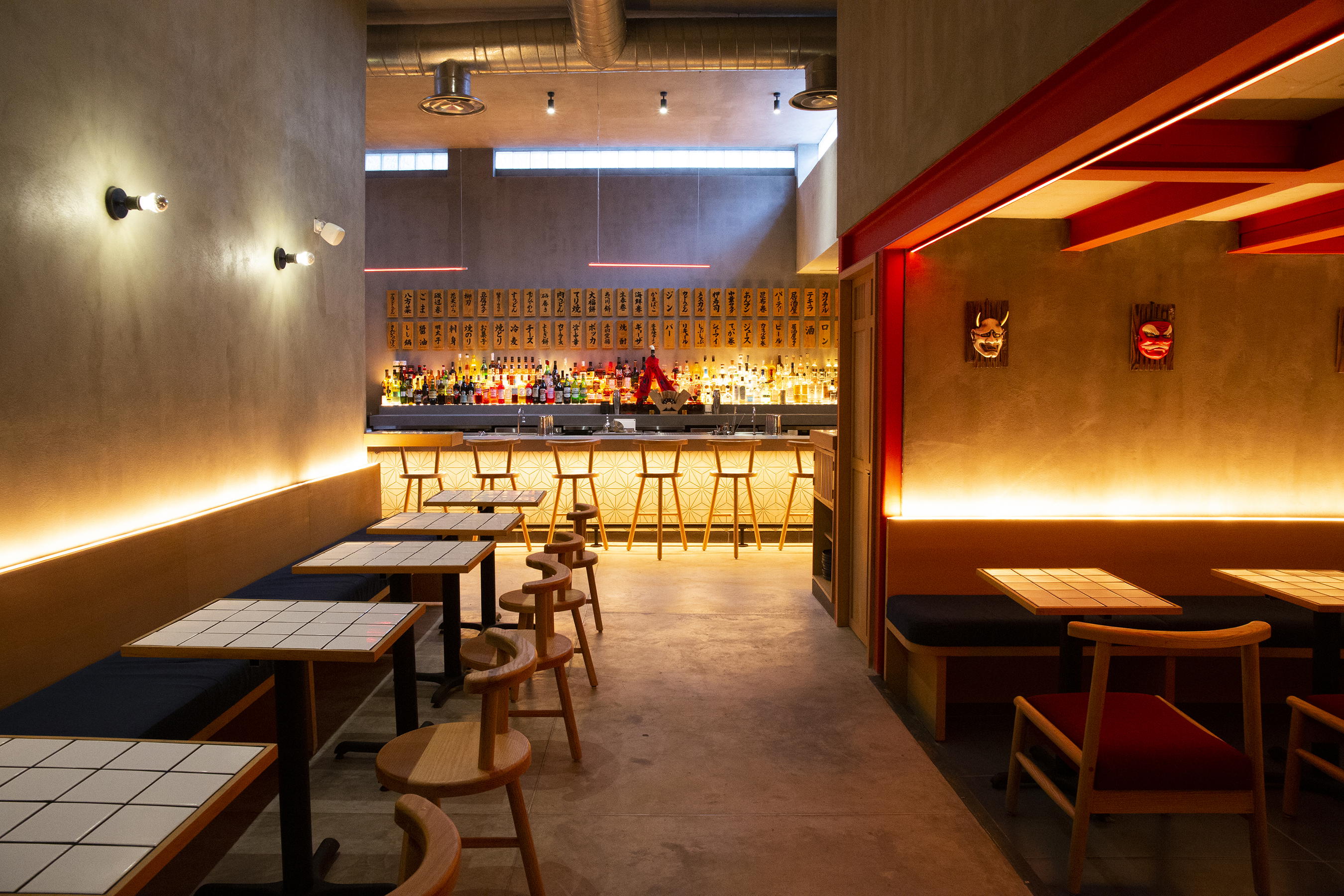
Casual elegant atmosphere with moderate noise levels, featuring terrace seating near Parque Lincoln.