Spuntino Coyoacán
Our verdict
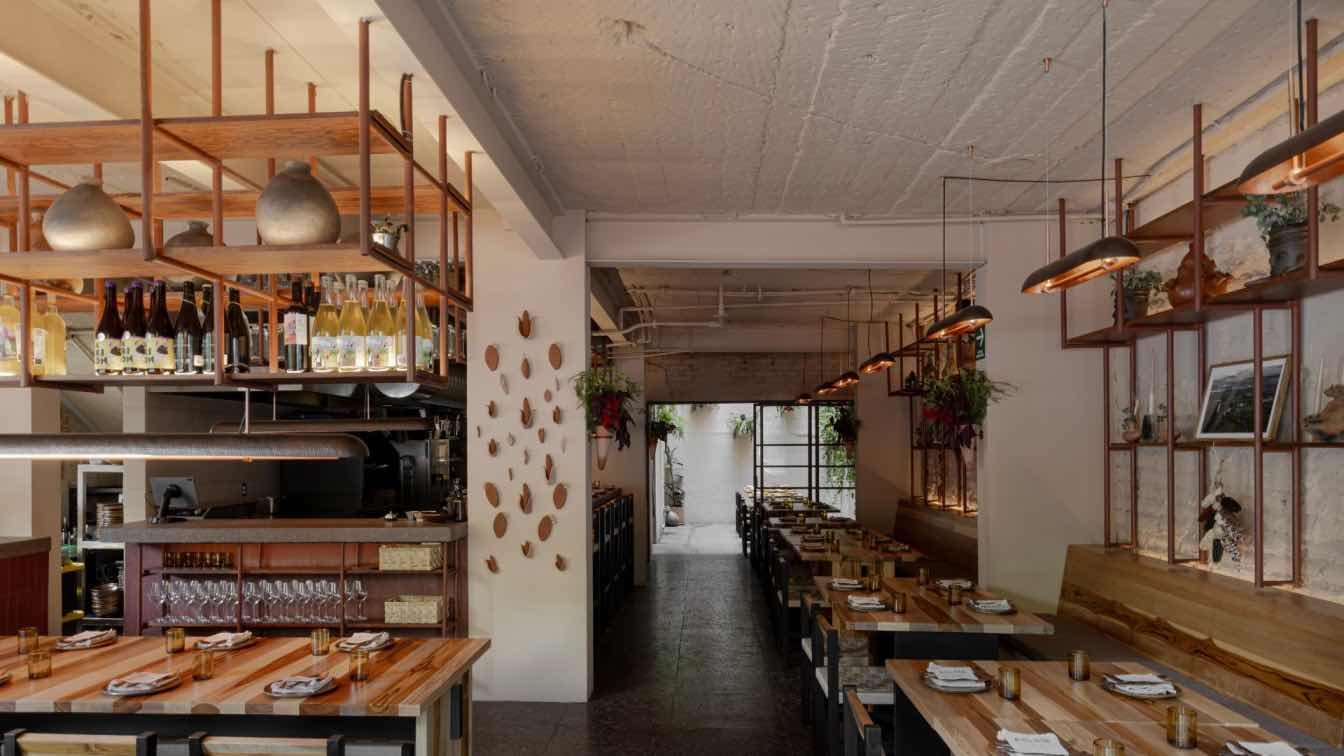
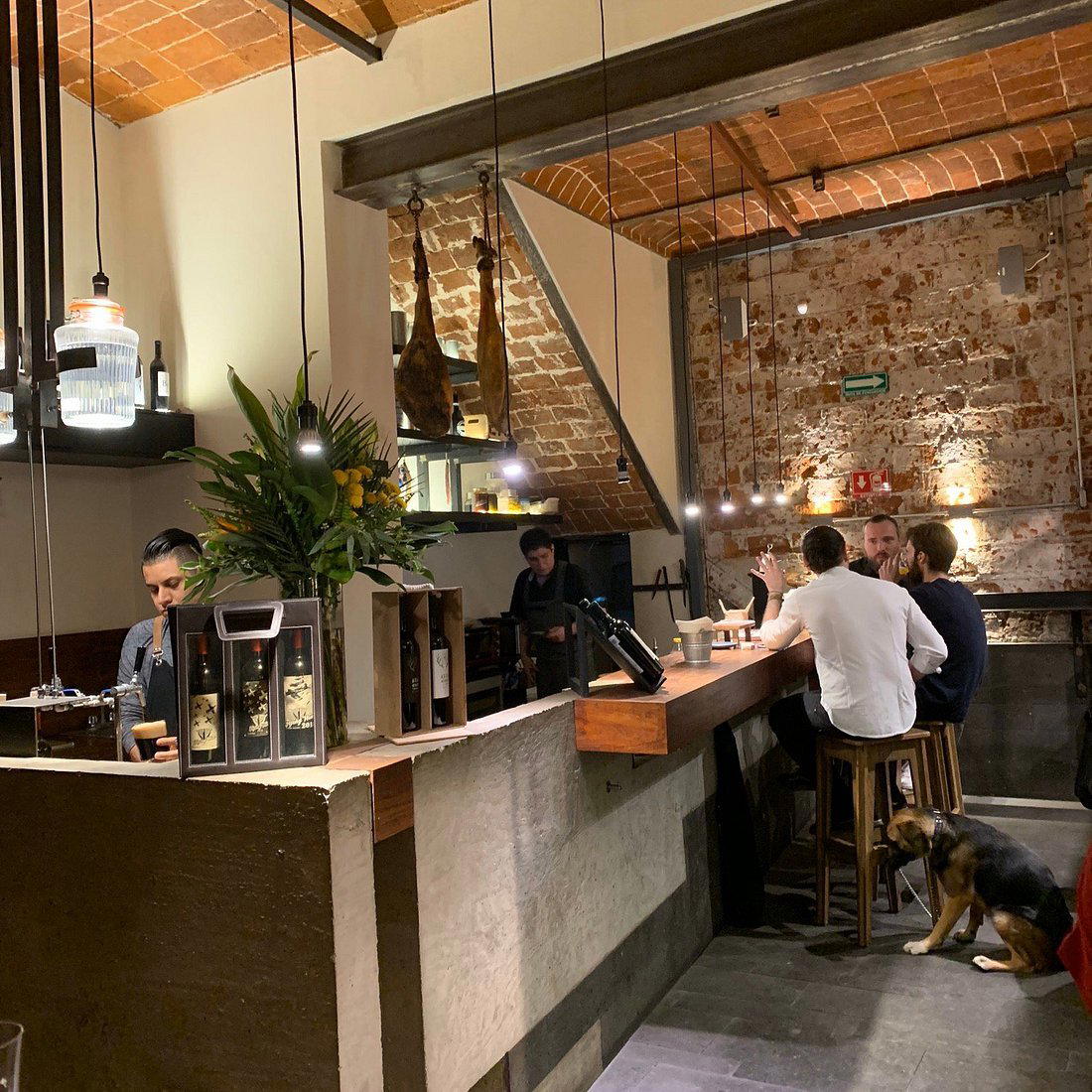
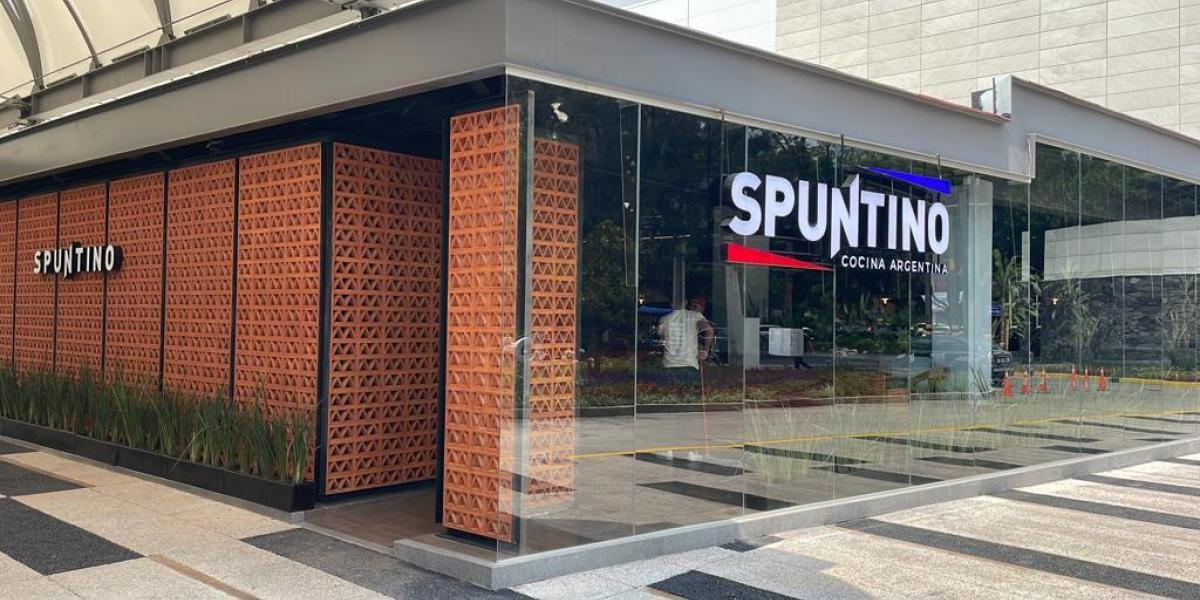
Spuntino Coyoacán occupies a quieter register than the Roma and Condesa restaurant circuit, operating in one of Mexico City's most historically layered neighbourhoods on Avenida Miguel Ángel de Quevedo. The address places it in Santa Catarina, where the pace of eating is slower and the context for what ends up in the glass or on the plate is shaped as much by the surrounding colonial streets as by any single kitchen philosophy.
The menu
What to order
- Pizza
- Pasta
- Meat dishes
Where Coyoacán Sets the Table
Approach Avenida Miguel Ángel de Quevedo on a weekday afternoon and the shift in register from central Mexico City is immediate. The tree-lined boulevard that marks the northern edge of Coyoacán moves at a different tempo from Colonia Roma's restaurant row or the tasting-menu circuit that runs through Polanco. The neighbourhood's identity is anchored in stone courtyards, weekend market culture, and a residential density that puts the focus on eating well rather than eating conspicuously. Spuntino Coyoacán, at number 247 on that boulevard in the Santa Catarina section, sits inside that logic rather than against it.
Coyoacán has historically attracted a different dining public than the city's northern fashion quarters. The area draws locals who have been eating in the same places for years, alongside visitors who come for the Frida Kahlo museum and the central market and stay longer than expected. That audience tends to reward consistency and depth over novelty, which shapes what survives there. For a venue in this neighbourhood, longevity is a credential in itself.
The Wine Angle in a Beer-and-Mezcal City
Mexico City's fine dining conversation has shifted measurably over the past decade. The generation of restaurants that brought Pujol and Quintonil to international attention also changed expectations around the beverage program: mezcal lists deepened, natural wine crept onto tables that once poured only house Tempranillo, and sommeliers began appearing at mid-tier operations where they'd previously been absent. The city's wine culture is still maturing relative to its food culture, but the gap is narrowing.
In Coyoacán specifically, that evolution is visible in how the neighbourhood's more serious eating establishments handle their lists. The area's proximity to UNAM and its historically intellectual residential base creates a public that reads menus carefully and asks questions. A venue called Spuntino carries an Italian reference in its name, and in the Italian dining tradition, wine is not an afterthought appended to food but a parallel track with equal editorial weight.
The wider Mexico City wine scene, for context, has been shaped partly by proximity to Baja California's Valle de Guadalupe, which supplies a growing proportion of bottles appearing on city lists. Restaurants at the level of Rosetta have helped normalize Mexican wine on serious tables, while the range of imported European labels available to the capital's mid-market establishments has expanded significantly since import liberalization eased earlier in this decade. For a neighbourhood restaurant operating in Coyoacán's price register, the practical question is how deeply a cellar selection is curated versus assembled by distributor default. The answer to that question tends to separate the operations worth returning to from those content to coast on geography and ambience.
Coyoacán in the City's Dining Geography
Mexico City's restaurant geography is rarely discussed with the borough-level precision it deserves. The capital's culinary conversation concentrates on a handful of high-profile addresses while dozens of serious neighbourhood operations go unreported. Coyoacán's dining scene runs on different economics from the tasting-menu tier: the public is local-heavy, price sensitivity is real, and the relationship between a restaurant and its surrounding streets is often closer than in the tourist-facing neighbourhoods to the north.
Venues like Sud 777 and Em operate in the same broad city but in a different gravitational field from a Coyoacán address. The southern neighbourhoods, which include San Ángel and Pedregal as well as Coyoacán, have a more residential quality that keeps pricing closer to what the neighbourhood will sustain rather than what visiting expense accounts will absorb. That constraint is not a limitation so much as a discipline: it tends to produce menus where every element has to earn its place, because there is less room to charge for theater.
Across Mexico more broadly, the range of serious eating extends well beyond the capital. Alcalde in Guadalajara, KOLI Cocina de Origen in Monterrey, and Levadura de Olla in Oaxaca each represent a regional version of the same question: how does a restaurant hold its identity when the national conversation about Mexican food is being defined elsewhere? The Coyoacán address poses that question in miniature form within the capital itself.
Reading the Room Before You Book
Santa Catarina, the specific colonia within Coyoacán where Spuntino operates, is a compact residential pocket. It is walkable from the Coyoacán market and the main jardín, which makes the address convenient for anyone spending a half-day in the neighbourhood. The journey from central Condesa or Roma takes between 20 and 30 minutes depending on traffic, and the Metro's Viveros station (Line 3) is within walking distance of the Miguel Ángel de Quevedo corridor.
For visitors already exploring the southern city, the neighbourhood pairs naturally with a visit to Ciudad Universitaria or the Anahuacalli museum, both of which sit within a short cab ride. Mexico City's southern zones reward a dedicated half-day or full day rather than a rushed detour from the north.
Mexico's broader dining circuit, for those building a longer trip, extends into comparable regional registers: Animalón in Valle de Guadalupe, Huniik in Merida, HA' in Playa del Carmen, Le Chique in Puerto Morelos, Lunario in El Porvenir, Pangea in San Pedro Garza García, and Olivea Farm to Table in Ensenada each occupy a distinct regional tier worth mapping alongside the capital's scene. See our full Mexico City restaurants guide for broader orientation across the city's neighbourhoods and price tiers.
For international reference points on what serious beverage programs look like in a neighbourhood context, Le Bernardin in New York City and Atomix in New York City represent the ceiling of that conversation, though the comparison is less about competitive set and more about understanding where the craft of list-building sits when it operates with full institutional support.
Planning Details
Address: Av. Miguel Ángel de Quevedo 247, Santa Catarina, Coyoacán, 04310 Ciudad de México. Getting there: Metro Viveros (Line 3) is the closest station; the walk from the station to the Miguel Ángel de Quevedo strip takes under ten minutes. Reservations: Timing: Coyoacán operates on a slower lunch-to-late-afternoon rhythm; weekend lunches draw a larger local crowd. Budget: The neighbourhood's pricing conventions sit below the Polanco tasting-menu tier; expect a mid-range spend consistent with a serious neighbourhood restaurant rather than a destination dining room.
Frequently asked questions
What part of town is Spuntino Coyoacán in?
Spuntino Coyoacán is located at Av. Miguel Ángel de Quevedo 247, Santa Catarina, Coyoacán, 04310 Ciudad de México, CDMX, Mexico, Mexico City.
How does Spuntino Coyoacán fit into the broader Mexico City restaurant scene?
Mexico City's restaurant conversation has historically concentrated in Roma Norte, Polanco, and Condesa, but Coyoacán represents a different proposition: lower commercial density, a resident-first clientele, and a neighbourhood that still functions as a place people actually live rather than a dining district. Spuntino at Av. Miguel Ángel de Quevedo 247 is positioned within that context, making it a reference point for the city's growing cohort of wine-attentive, Italian-adjacent venues operating outside the obvious postcode cluster.
What do people recommend at Spuntino Coyoacán?
Spuntino operates in Santa Catarina, a residential colonia within Coyoacán, where the dining register skews toward considered, neighbourhood-scale cooking rather than high-concept tasting menus. Given the Italian-inflected character implied by the name, spuntino translates loosely as a light bite or snack in Italian, guests tend to gravitate toward shareable plates and whatever is paired with the wine list. Miguel Ángel de Quevedo 247 will reflect the actual menu rotation.
Should I book Spuntino Coyoacán in advance?
Santa Catarina is a compact colonia, and Spuntino sits on one of Coyoacán's main arteries at Av. Miguel Ángel de Quevedo 247, which draws both neighbourhood regulars and visitors to the nearby Coyoacán market. Weekend afternoons in particular tend to fill tables at well-regarded local spots in this borough. Booking ahead, or arriving early on weekdays, is the practical approach, especially given that no online reservation platform is currently listed.
What's the defining dish or idea at Spuntino Coyoacán?
The venue's name points directly at the concept: spuntino in Italian describes a casual, between-meals bite, which positions the kitchen somewhere between a full trattoria and a wine bar with serious food. In Mexico City's dining geography, that format is relatively uncommon in Coyoacán compared to the Roma and Condesa corridors, giving Spuntino a distinct niche in the southern borough. The combination of that Italian-leaning format with Coyoacán's slower, residential pace is the clearest through-line.
What It’s Closest To
Comparable venues nearby, for context on price, style, and recognition.
| Venue | Cuisine | Price | Notes |
|---|---|---|---|
| Spuntino CoyoacánThis venue (the venue you are viewing) | Italian-Argentine | $30–50 | Not listed |
| La Entraña Parrilla | Argentine Parrilla | Not listed | Sociedad Cooperativa Poder Popular |
| Quebracho | Authentic Argentinian Steakhouse | $30–50 | Cuauhtemoc |
| Loma Linda Reforma | Classic Argentine-Style Steakhouse | $50–100 | Lomas Virreyes |
| Carnivore Prime Steakhouse | Prime Steakhouse Grill | Not listed | Cooperativa Palo Alto |
| Hotaru Mitikah | Contemporary Japanese Sushi | $50–100 | Acacias |