Quebracho
Quebracho occupies a Cuauhtémoc address at Río Lerma 175, placing it inside one of Mexico City's most competitive dining corridors. The name references the South American hardwood prized for its density and fire, a quiet signal about what the kitchen may value. For visitors calibrating where this fits within the city's dining hierarchy, context from the broader Mexico City scene is essential reading.
Pearl is the En Primeur Club membership app — saves, bookings, and concierge access live there. Same editors, same standards.
- Address
- C. Río Lerma 175, Cuauhtémoc, 06500 Ciudad de México, CDMX, Mexico
- Phone
- +525552083999
- Website
- quebracho.com.mx
- Directions
- Get directions
 Saves & bookings on Pearl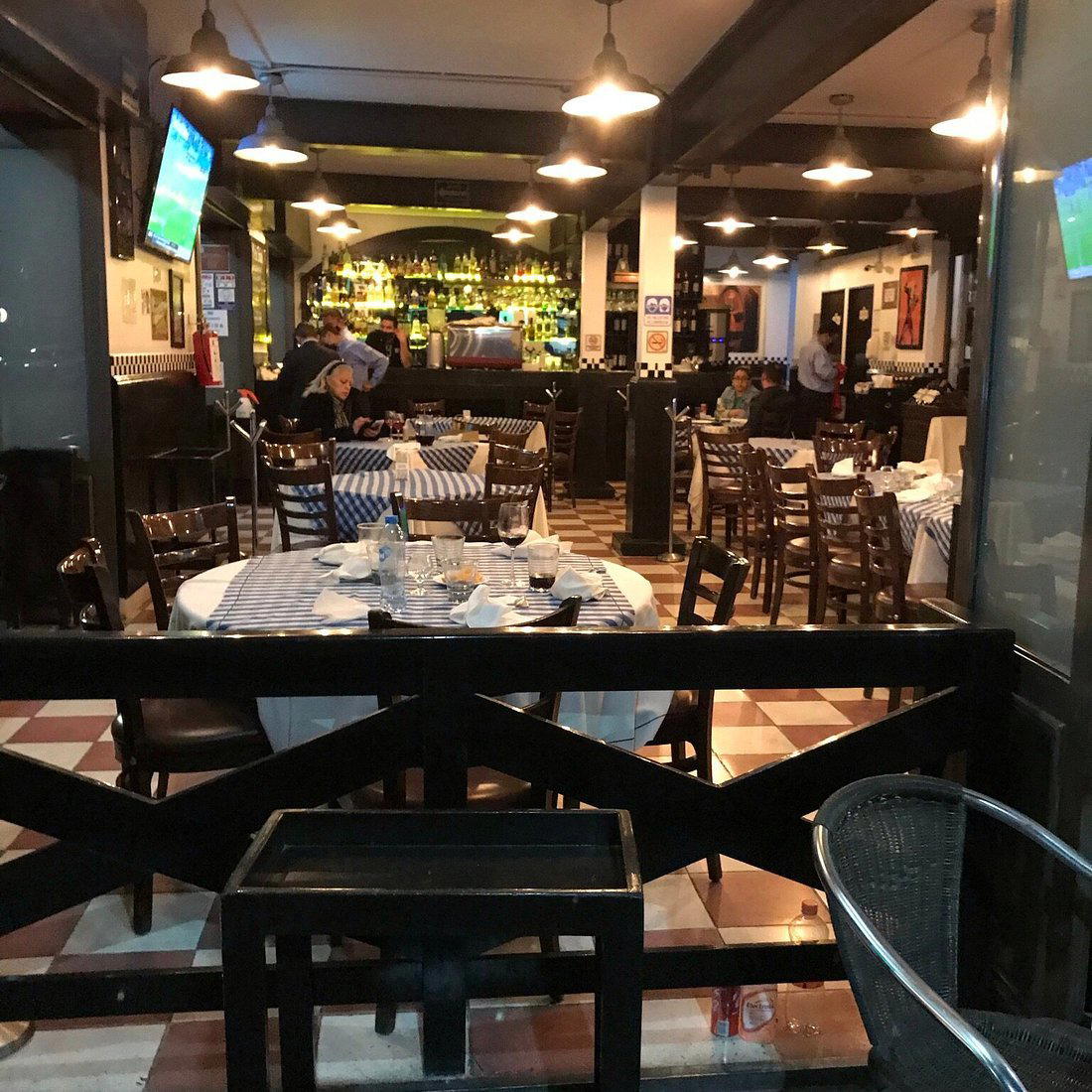
Cuauhtémoc's Dining Corridor and Where Quebracho Sits
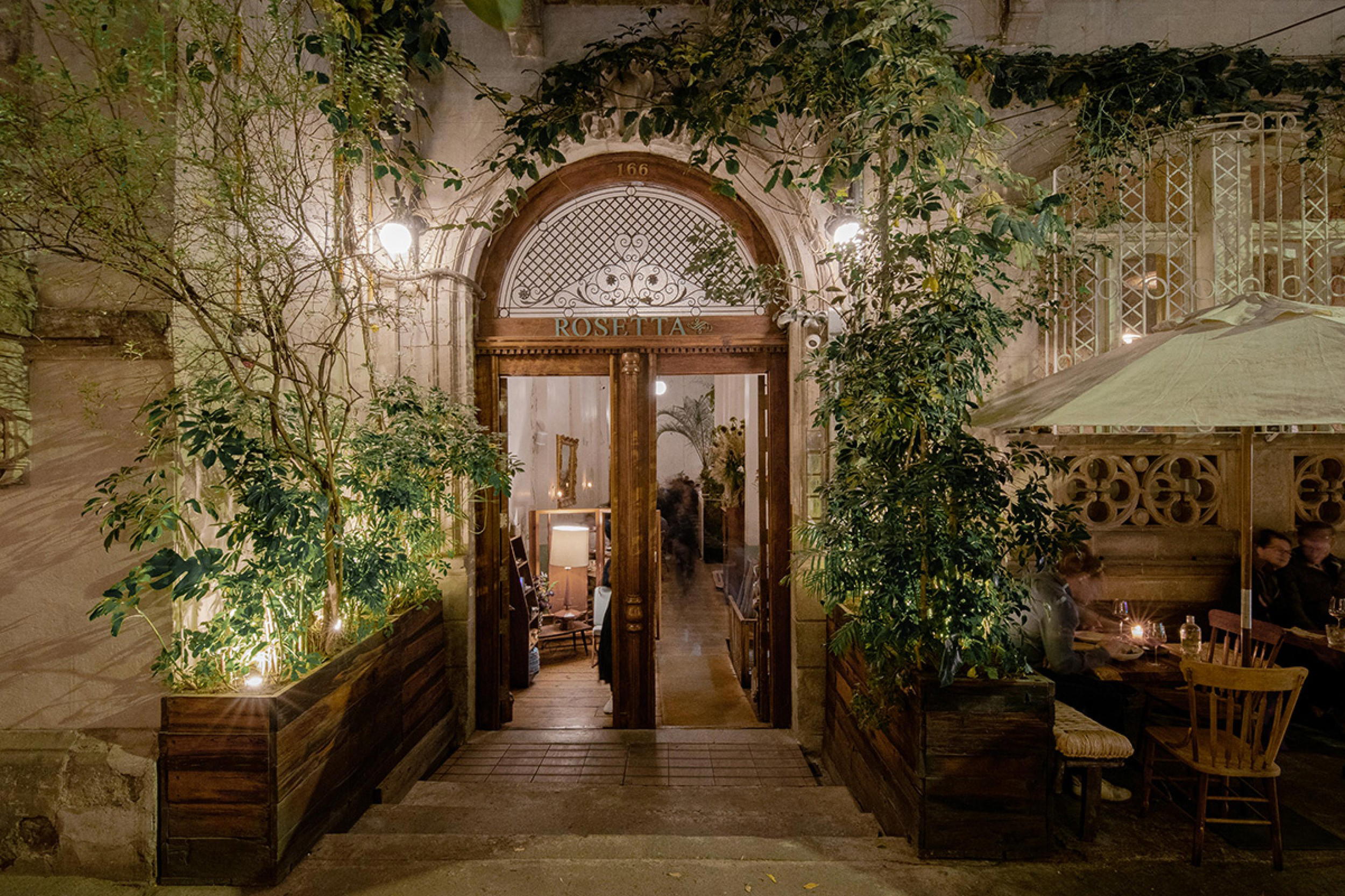
Mexico City's Cuauhtémoc borough has spent the better part of a decade consolidating a reputation that used to belong almost exclusively to Polanco. The streets around Río Lerma, Río Sena, and their cross streets now form a loose but identifiable dining district where the competition for serious diners is genuine. In this context, an address at Río Lerma 175 is not incidental, it places a restaurant inside a neighbourhood where proximity to Rosetta, one of the city's most discussed Italian-leaning kitchens, and several other destination-grade rooms creates a baseline expectation for visitors arriving with research behind them.
The name Quebracho refers to a genus of South American hardwoods, among the densest naturally occurring timbers in the Americas, historically prized for charcoal and fire-based cooking. That etymology is not decorative. In dining contexts across Latin America, the quebracho reference most often signals an orientation toward fire, live-coal cookery, or asado traditions. The name signals an approach built around fire and grilling, which suits the room's Argentine steakhouse identity.
The Lunch and Dinner Divide in Mexico City's Mid-Tier
Across Mexico City's restaurant scene, the gap between lunch and dinner service is more pronounced than in most comparable capitals. The comida corrida tradition means that midday eating carries social weight, multi-course, unhurried, frequently the main event of the working day. Evening dining, particularly in destination-grade rooms, tends to operate differently: a smaller, more deliberate clientele, higher per-cover spends, and a service pace calibrated to visitors and professionals with more discretionary time.
For a Cuauhtémoc address like Quebracho's, this divide matters. The neighbourhood draws a working lunch crowd from surrounding offices and government buildings, meaning daytime service in this corridor tends to be commercially active in a way that Polanco's purely residential-and-hotel catchment is not. Evening service then self-selects toward a different group: diners who have specifically chosen to come to Río Lerma rather than drift there from a nearby hotel. That intentionality often produces a different room energy, quieter, more focused, less transactional.
Where fire-based or grill-focused kitchens are concerned, the lunch-versus-dinner divide also plays out on the plate. Whole-animal or long-cook preparations that anchor an evening menu rarely appear at lunch, where speed and price sensitivity reshape the offer. If Quebracho's kitchen does operate around live-fire principles, the evening service is the more likely home of whatever the kitchen considers its primary statement. The afternoon visit, if available, would give a different cross-section entirely: faster, less ceremonial, potentially better value per dish.
This pattern is consistent across Mexico City's grill-oriented rooms and holds across the city's dining tiers. For peer context at the more formal end of the city's cooking, Pujol and Quintonil both operate distinct lunch formats at price points below their tasting menus, and Em has built a reputation partly on the discipline of its daytime offer. Sud 777, further south in Pedregal, shows how a kitchen with genuine creative ambition can run two distinct service personalities across the same day.
Reading the Room: Atmosphere by Service
Cuauhtémoc restaurants at street level tend to inherit the borough's physical character: pre-war residential buildings with high ceilings, ornamental ironwork, and interior courtyards that create a natural acoustic separation from the street. This building stock produces a particular kind of dining atmosphere, neither the glass-and-concrete modernism of Santa Fe nor the converted-mansion grandeur of Polanco, but something more like a working neighbourhood that happens to have accumulated serious kitchens over time.
An address on Río Lerma at number 175 puts Quebracho within walking distance of Parque España and the Roma Norte border, in a stretch where residential and commercial uses mix without either dominating. Lunch in this environment has a particular character: natural light, foot traffic outside, a sense of the city operating around you. The evening shift tends toward a more self-contained mood, the street quiets, the interior asserts itself, and the room becomes the primary context rather than a window onto neighbourhood life.
For visitors comparing across the city's fire-and-grill category, the atmosphere register at this address is likely to differ from the more produced environments at high-investment openings in Polanco. That is not a disadvantage. Some of Mexico City's most considered cooking happens in rooms that do not perform their own ambition.
Mexico's Broader Fire-Cooking Tradition and the City's Place in It
Live-fire cooking has been a constant in Mexican kitchens from pre-Columbian hearth cooking through the wood-burning comales of Oaxaca and the pit-roasted barbacoa traditions of Hidalgo and Tlaxcala. What has shifted in the last decade is the number of urban restaurants treating that tradition as a primary editorial statement rather than a nostalgic footnote. Across the country, kitchens from Animalón in Valle de Guadalupe to Alcalde in Guadalajara have made smoke and live coal a central design principle rather than a technique buried inside a tasting menu.
Mexico City has been slower to commit to this format at the destination-dining tier than some regional cities, partly because the capital's creative energy has historically flowed toward technique-forward Mexican cooking, the territory of Pujol and its peers. Rooms that foreground grill work occupy a different, less globally recognised bracket in the city's hierarchy, which means they often operate with less international visitor traffic and more local regulars. That profile, where it holds, produces a different kind of hospitality: less performed, more direct.
For readers calibrating Quebracho against kitchens elsewhere in Mexico, the fire-forward tradition runs through Levadura de Olla in Oaxaca, KOLI Cocina de Origen in Monterrey, and Lunario in El Porvenir. Coastal expressions of the same live-fire impulse appear at HA' in Playa del Carmen and Le Chique in Puerto Morelos. The contrast between these regional approaches and what a Mexico City kitchen does with similar raw material is where the interesting editorial question lives, not in any single venue's execution, but in what each city's version of fire cooking reveals about local ingredient culture and dining expectation.
Planning a Visit: Practical Context
The address at C. Río Lerma 175, Cuauhtémoc, 06500 places Quebracho in a walkable grid. The nearest Metro access is typically via Insurgentes or Sevilla on Line 1, both within walking distance of the Río Lerma corridor. The neighbourhood is navigable on foot for guests staying in Roma Norte or Juárez.
| Venue | Cuisine Focus | Price Tier | Borough |
|---|---|---|---|
| Quebracho | Not confirmed | Not confirmed | Cuauhtémoc |
| Rosetta | Italian, Creative | $$ | Roma Norte |
| Em | Mexican | $$$ | Juárez |
| Pujol | Mexican | $$$$ | Polanco |
| Quintonil | Modern Mexican | $$$$ | Polanco |
For those extending a Mexico trip beyond the capital, the restaurant scenes in San Pedro Garza García, Mérida, and Ensenada each offer distinct reference points for how Mexican cooking is developing outside the capital. International comparisons for the ambitious diner seeking similar technical registers might include Le Bernardin or Atomix in New York City, both of which operate at the precision end of the spectrum that Mexico City's leading rooms increasingly benchmark against.
Budget Reality Check
Comparable venues nearby, for context on price, style, and recognition.
| Venue | Cuisine | Price | Notes |
|---|---|---|---|
| QuebrachoThis venue — the venue you are viewing | Not listed | $$$ | Not listed |
| Spuntino Coyoacán | Not listed | $$$ | San Ángel Inn, Argentine Steakhouse & Italian Grill |
| Cambalache Polanco | Not listed | $$$$ | Polanco Chapultepec, Argentine Steakhouse |
| Rincón Argentino | Not listed | $$$ | Chapultepec Morales, Authentic Argentine Steakhouse |
| P&W | Not listed | $$$$ | Polanco Chapultepec, USDA Prime Steakhouse |
| Loma Linda | Ampl Granada, Classic Mexican Steakhouse | $$$ | Not listed |
Continue exploring
More in Mexico City
Restaurants in Mexico City
Browse all →
Bars in Mexico City
Browse all →
At a Glance
- Rustic
- Elegant
- Classic
- Date Night
- Group Dining
- Special Occasion
- Open Kitchen
- Extensive Wine List
Current opening hours
- Monday
- 12–11:30 PM
- Tuesday
- 12–11:30 PM
- Wednesday
- 12–11:30 PM
- Thursday
- 12–11:30 PM
- Friday
- 12–11:30 PM
- Saturday
- 12–11:30 PM
- Sunday
- 12–11:30 PM
Hours can change for holidays and private events. Last verified .
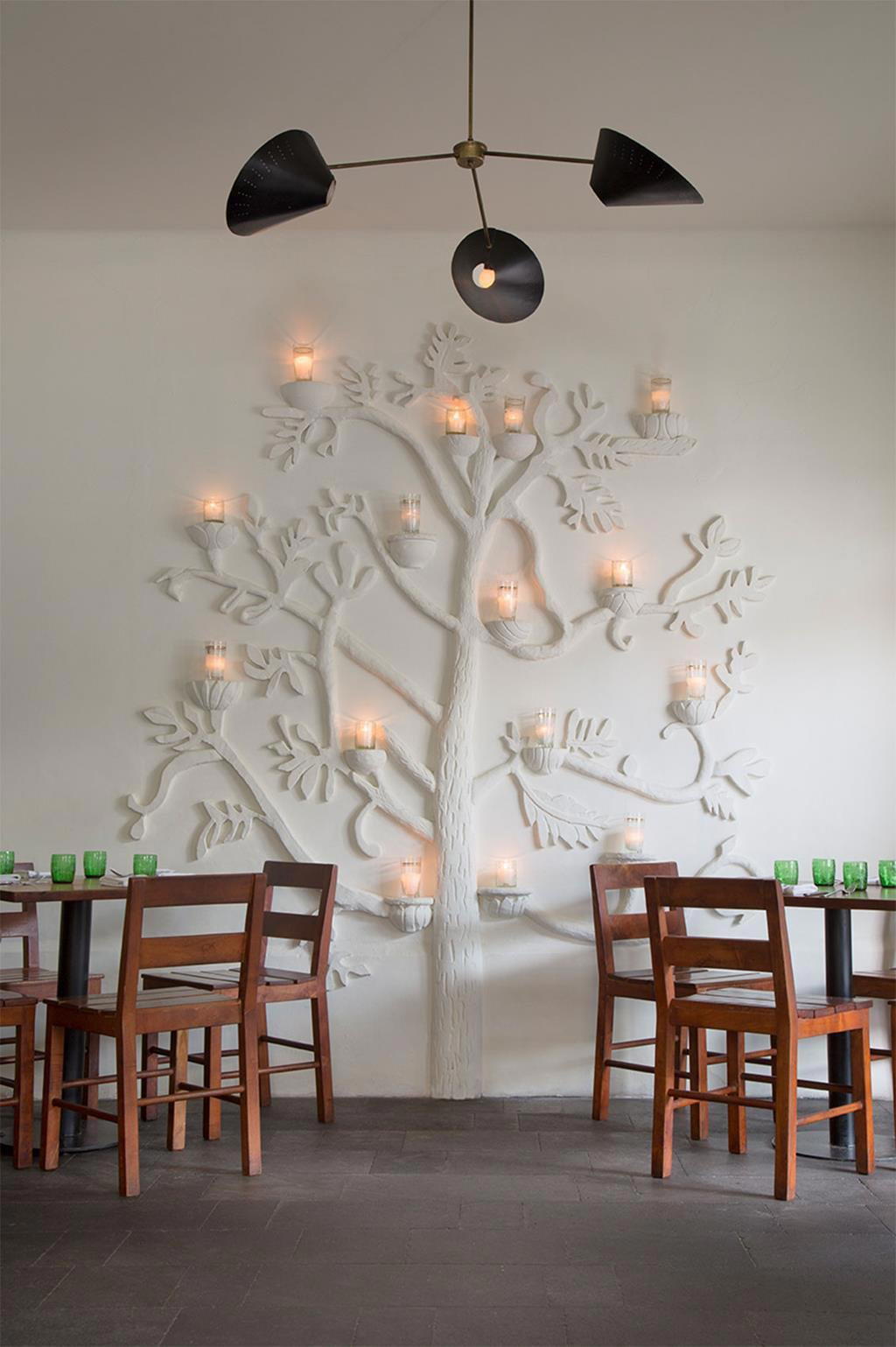
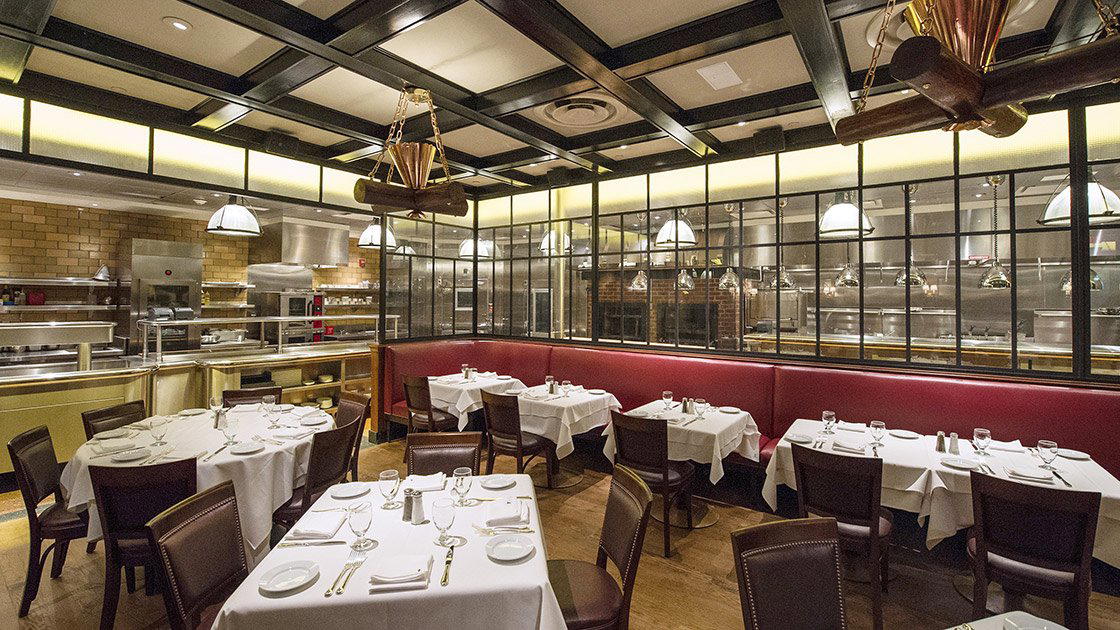
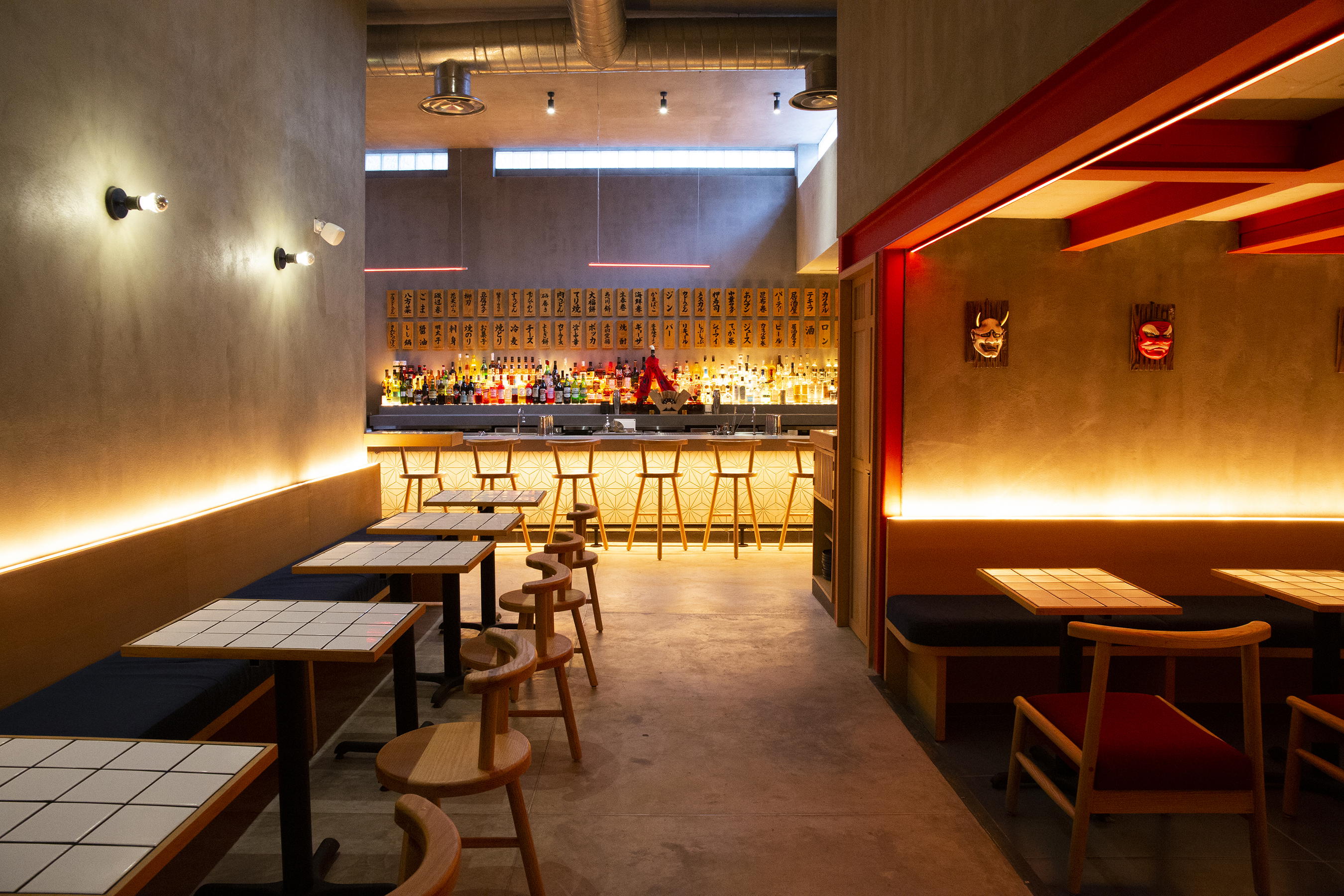
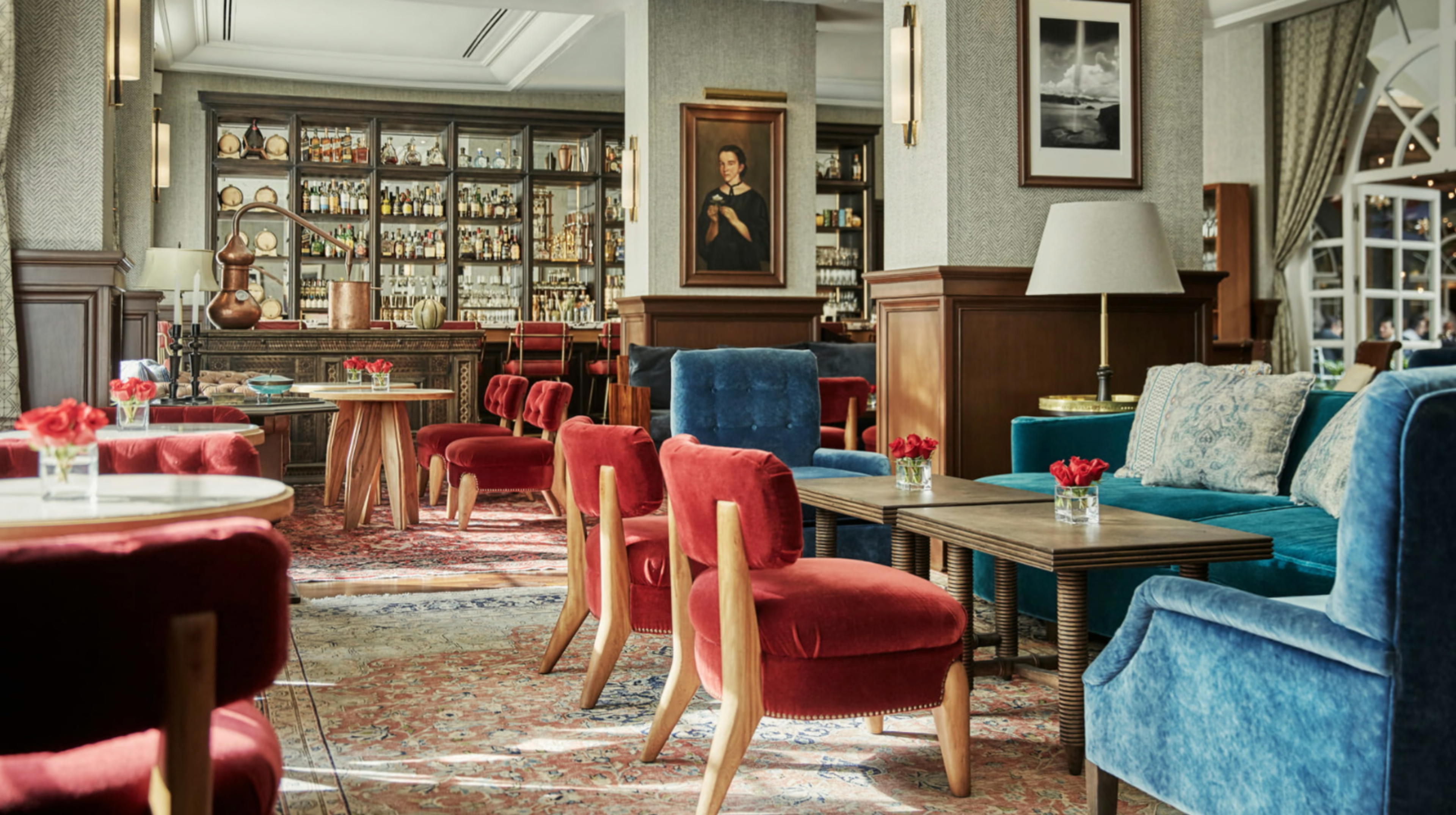
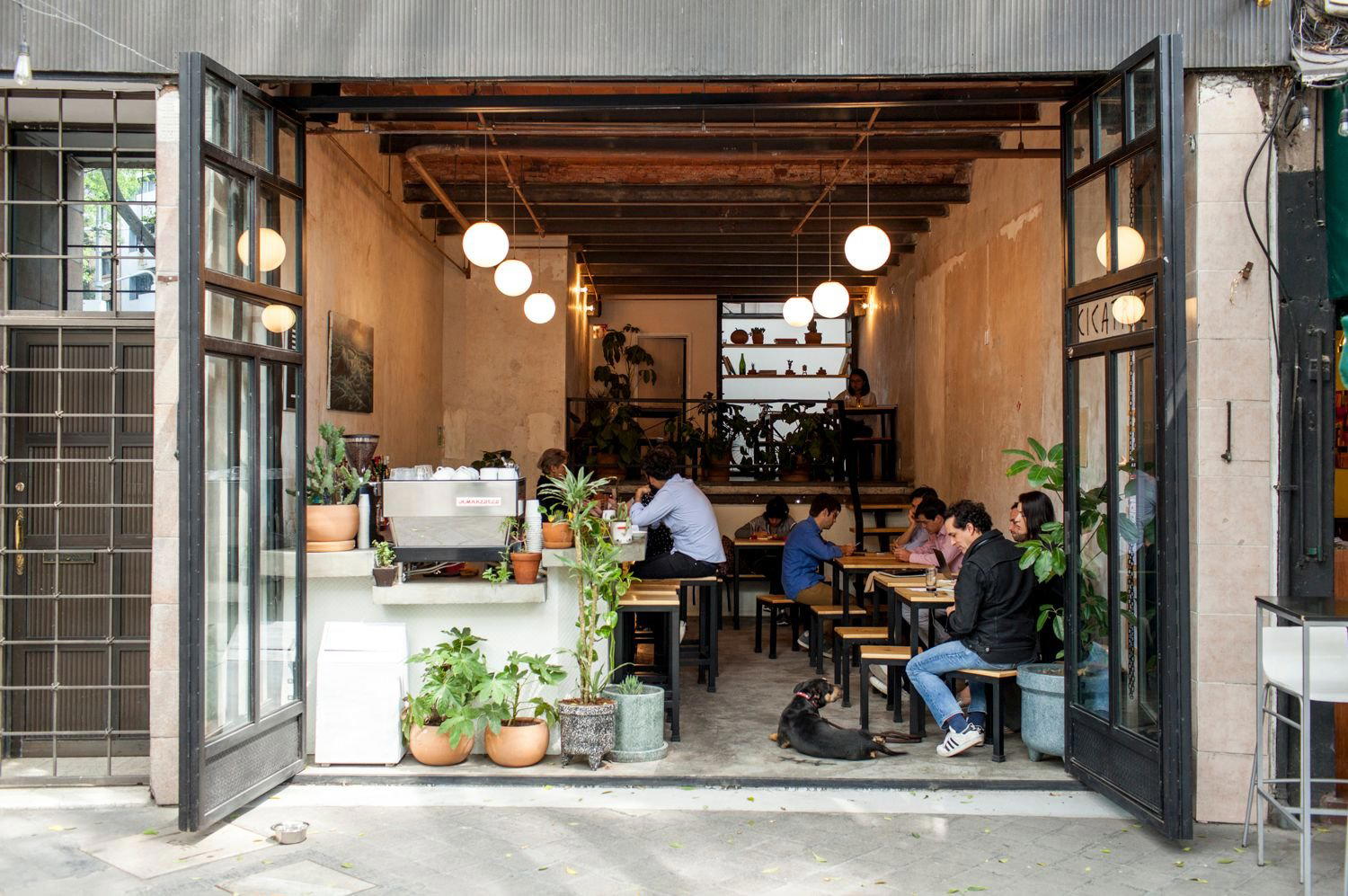
Warm and inviting with rustic yet elegant decor, wooden furniture, dim lighting, and traditional Argentinian accents.