Spui76
Spui76 sits on Spuistraat in Bunschoten-Spakenburg, a fishing town on the former Zuiderzee whose relationship with Dutch waterways has shaped local eating habits for centuries. The address places it inside a community where provenance still carries weight, and where the broader Central Netherlands dining scene is quietly drawing attention from travellers willing to look beyond Amsterdam's established restaurant corridor.
Pearl is the En Primeur Club membership app — saves, bookings, and concierge access live there. Same editors, same standards.
- Address
- Spuistraat 76, 3752 AK Bunschoten-Spakenburg, Netherlands
- Phone
- +31333035276
- Website
- spui76.nl
- Directions
- Get directions
 Saves & bookings on Pearl
A Fishing Town and Its Table
Bunschoten-Spakenburg is not a city that courts restaurant tourism. It is a working town on the edge of the Eemmeer, historically shaped by eel fishing, smoked herring, and the kind of no-ceremony eating that comes from communities tied to water and season. That context matters when assessing any restaurant operating here, because the supply chain available to a kitchen in Spakenburg is genuinely unusual: proximity to freshwater fish stocks, flat agricultural hinterland stretching toward Utrecht, and a regional food culture that has never fully abandoned ingredient-first cooking in favour of metropolitan trend-chasing. Spui76, addressed at Spuistraat 76 in the heart of the old town, occupies that culinary geography directly.
The street itself is narrow and characteristic of the older Spakenburg quarter, where the built fabric has changed little since the mid-twentieth century. Approaching along Spuistraat, the scale is domestic rather than commercial, which is consistent with how serious independent restaurants operate across smaller Dutch towns: integrated into residential streetscapes, without the signage or frontage typical of city-centre dining. This format, common in villages such as Loenen aan de Vecht (where 't Amsterdammertje operates in comparable scale) and Giethoorn (home to De Lindenhof), tends to concentrate quality inside modest envelopes. The physical environment rewards a slower pace of arrival.
Ingredient Geography in Central Netherlands
The editorial angle worth pursuing here is not the restaurant's interior or its service approach, both of which are absent from available records, but the sourcing environment that defines what Central Netherlands kitchens can actually do. The Eemmeer and the connected Randmeren form a freshwater system that has supplied eel, perch, pike-perch, and bream to this region for generations. As Dutch fishing quotas have tightened and eel in particular has moved toward protected status, kitchens in this area have had to develop more nuanced relationships with local suppliers, substituting seasonal freshwater catches with produce from the surrounding Gelderse Vallei and the polders south toward Amersfoort.
This is the sourcing tension that defines smaller-town Dutch restaurants more clearly than any urban counterpart. While Ciel Bleu in Amsterdam or FG in Rotterdam can draw from national and international supply networks with relative ease, a kitchen in Bunschoten is more directly accountable to what is available within driving distance. That constraint, when taken seriously, produces a different kind of cooking: one defined by season and scarcity rather than menu permanence. The leading regional examples of this approach in the Netherlands, including De Nieuwe Winkel in Nijmegen with its Michelin-recognised organic programme, demonstrate how powerful local-constraint cooking can become when the kitchen commits to it fully.
Where Spui76 Sits in the Regional Picture
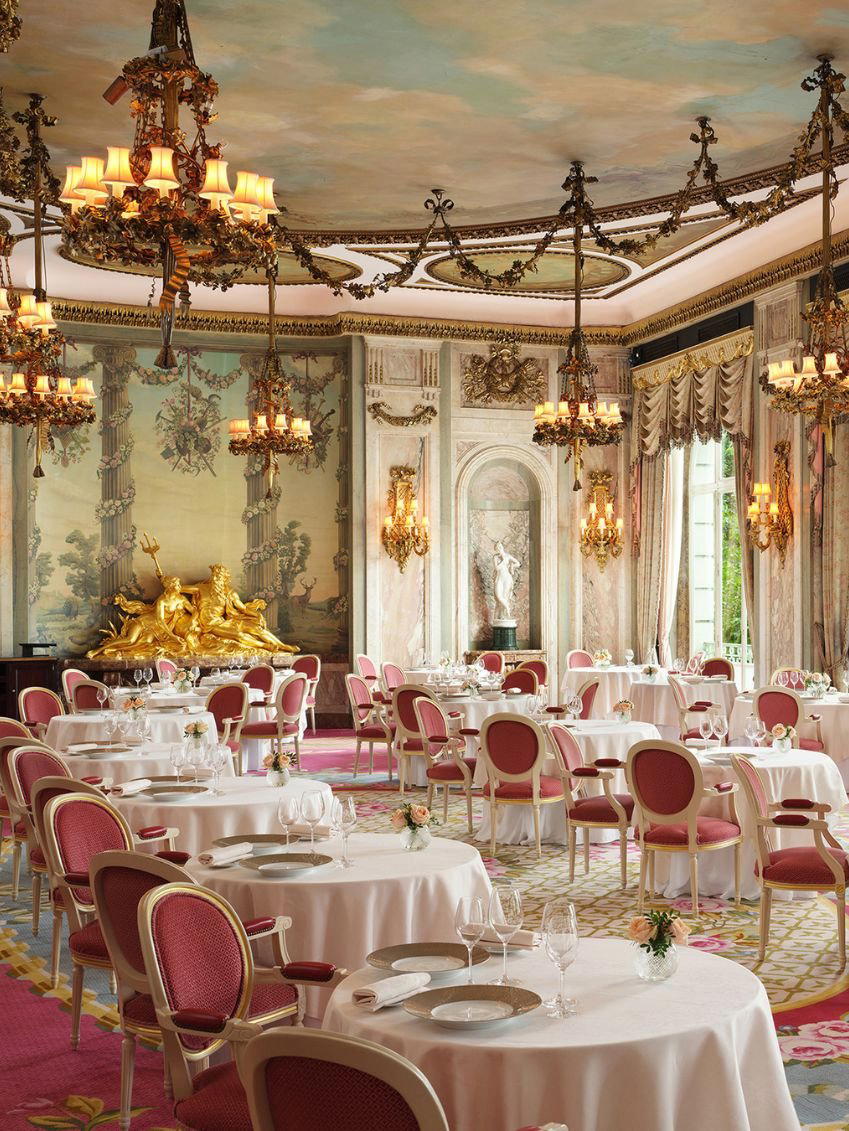
The Netherlands has developed a recognisable tier of serious independent restaurants operating outside the major cities, many of them holding Michelin recognition at one or two stars and drawing guests who travel specifically for the meal. De Librije in Zwolle anchors the northern end of this circuit at three stars; 't Nonnetje in Harderwijk represents the creative end of the Veluwe-edge dining offer, roughly forty kilometres from Bunschoten. Aan de Poel in Amstelveen, De Bokkedoorns in Overveen, and Inter Scaldes in Kruiningen fill out the broader national picture of destination cooking at a high price tier.
That absence of formal credentials places it in a different category: the neighbourhood or town-centre independent that operates primarily for local guests and occasional visitors, rather than for the destination-dining traveller making a cross-country reservation. This is not a diminishment. The Dutch restaurant culture at this level, particularly in smaller Gelderse and Utrechtse towns, includes kitchens that produce serious, ingredient-led cooking without seeking or receiving formal recognition. Whether Spui76 belongs to that category cannot be confirmed from current data, but the address and setting are consistent with it.
For those building a wider itinerary around Central Netherlands eating, the region between Amersfoort, Harderwijk, and Nijmegen offers more culinary depth than its profile suggests. De Groene Lantaarn in Staphorst, De Lindehof in Nuenen, and De Treeswijkhoeve in Waalre each represent the regional independent model at different points on the spectrum. Tribeca in Heeze and Brut172 in Reijmerstok extend that map further south. Spui76 occupies the northern section of this regional dining geography, close enough to Amersfoort and to the A1 corridor to serve as a local anchor rather than a detour. See our full Bunschoten restaurants guide for a broader view of what the town offers.
Planning a Visit
Bunschoten-Spakenburg is approximately thirty kilometres northeast of Utrecht and accessible by regional bus from Amersfoort station, the nearest NS rail hub. The town is compact enough to walk between the harbour, the old Spakenburg museum quarter, and Spuistraat without difficulty. This is standard practice for smaller independents in Dutch provincial towns, where online presence and reservation systems vary considerably from the urban norm.
The broader principle for travelling to eat in towns of Bunschoten's scale applies here: pair the meal with the place. The harbour area, the traditional Spakenburg fishing boats (still present in the old harbour on weekends during summer), and the textile-and-fishing history accessible through the Museum Bunschoten-Spakenburg give the visit context that no city-based restaurant trip can replicate. For travellers accustomed to the controlled precision of a place like Le Bernardin in New York or the architectural intent behind Atomix, the register here is deliberately different: smaller, more local, more contingent on what the week's fishing and farming has produced.
How Spui76 Bunschoten compares with similar nearby venues.
| Venue | Cuisine | Price |
|---|---|---|
| De Mandemaaker | Contemporary | €€ |
| Het Sluishuys | Farm to table | €€€ |
| De Salentein | Modern Cuisine | €€€ |
Continue exploring
More in Bunschoten
Restaurants in Bunschoten
Browse all →
Bars in Bunschoten
Browse all →
Hotels in Bunschoten
Browse all →
Wineries in Bunschoten
Browse all →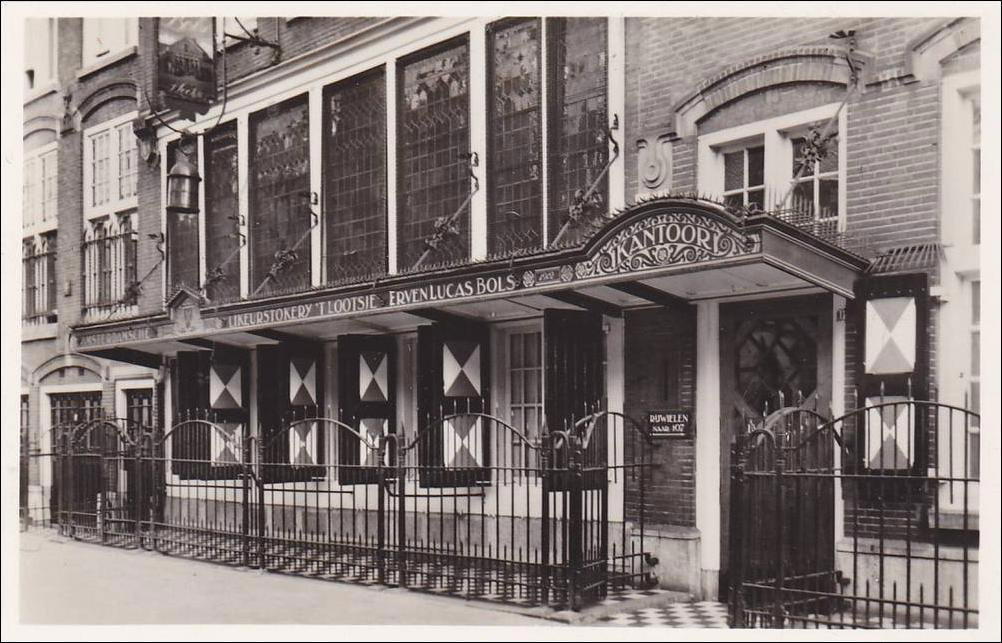
At a Glance
- Elegant
- Sophisticated
- Date Night
- Special Occasion
- Private Dining
- Local Sourcing
Current opening hours
- Monday
- Closed
- Tuesday
- Closed
- Wednesday
- 11 AM–10 PM
- Thursday
- 11 AM–10 PM
- Friday
- 11 AM–10 PM
- Saturday
- 11 AM–10 PM
- Sunday
- Closed
Hours can change for holidays and private events. Last verified .
Refined dining atmosphere suitable for an elegant experience.
Know Before You Go
- Getting there
- Spuistraat 76, 3752 AK Bunschoten-Spakenburg, Netherlands