In the Eisack Valley south of Klausen, Spitalerhof sits in a part of South Tyrol where alpine agriculture and Italian culinary tradition converge at altitude. The region's farms, dairies, and mountain pastures define what ends up on the plate, placing Spitalerhof within a broader South Tyrolean dining tradition that prizes provenance over spectacle. For travellers moving through the Dolomites corridor, it offers a grounded alternative to the valley's more theatrical dining options.
Pearl is the En Primeur Club membership app — saves, bookings, and concierge access live there. Same editors, same standards.
- Address
- Leitach Coste, 46, 39043 Chiusa BZ, Italy
- Phone
- +39472847612
- Website
- spitalerhof.it
- Directions
- Get directions
 Saves & bookings on Pearl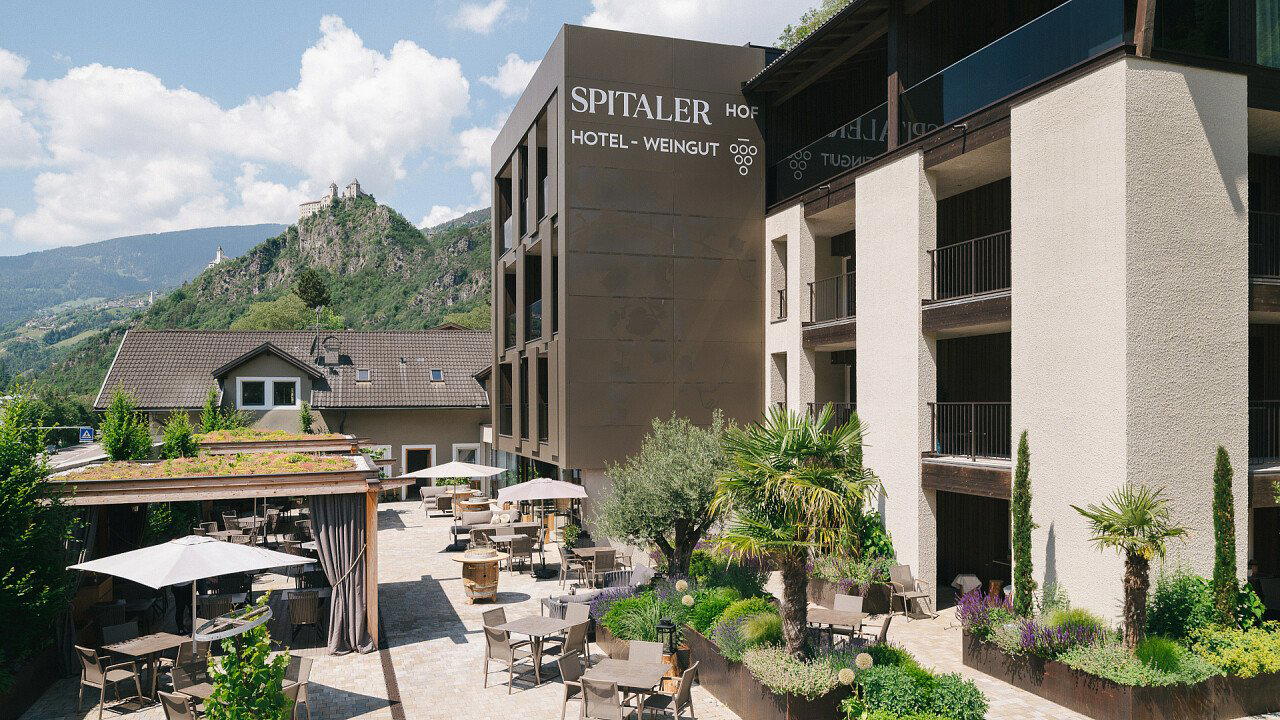
Where the Eisack Valley Sets the Table
South Tyrol operates on a different axis from the rest of Italy's fine dining geography. While restaurants like Osteria Francescana in Modena or Enoteca Pinchiorri in Florence draw their identity from urban accumulation and centuries of civic gastronomy, the restaurants around Klausen and the Eisack Valley draw from something more vertical: the land above them. Hayfields at 1,200 metres, dairies with fewer than a dozen cows, orchards pressed against terraced hillsides where apple cultivation meets vine. The cuisine here is less a product of professional ambition than of agricultural proximity.
Spitalerhof occupies that tradition. Located along the Leitach Coste road above Chiusa (Klausen in German), the address alone signals something about its orientation: this is not a restaurant that positions itself against the valley floor's tourist infrastructure, but one that faces upward, toward the farms and pastures that supply South Tyrolean tables at their most honest.
The Logic of Alpine Sourcing
To understand what drives South Tyrolean cooking at this level, it helps to understand what the region produces and how that shapes the plate. The Eisack Valley runs north to south between the Brenner Pass and Bolzano, and its altitude range produces ingredients that flatten the distinction between mountain rusticity and fine dining ambition. Speck from pigs raised on whey and grain, cheese from small Alpine dairies, rye bread traditions that predate the unification of Italy, and fruit from orchards that benefit from diurnal temperature swings of fifteen degrees or more: these are not garnishes or local colour. They are the structural logic of the cuisine.
This sourcing-first philosophy connects South Tyrol's better restaurants to a broader European movement that has reshaped how altitude is read on a menu. In Italy specifically, the conversation has often centred on coastal or urban traditions. Uliassi in Senigallia draws from the Adriatic; Quattro Passi in Marina del Cantone from the Tyrrhenian. Mountain sourcing represents a different register entirely, one where fermentation, curing, and preservation carry as much cultural weight as the classical techniques that define restaurants like Dal Pescatore in Runate or Le Calandre in Rubano.
For travellers who have followed Italy's more celebrated dining circuit, including destinations like Piazza Duomo in Alba, Reale in Castel di Sangro, or Da Vittorio in Brusaporto, South Tyrol's mountain-sourcing tradition reads as a counterpoint rather than an inferior alternative. The ambition is different, not lesser.
Klausen and Its Dining Position
Klausen itself is a small medieval town in the Eisack Valley, sitting on the rail and road corridor between Bolzano and Brixen (Bressanone). It is not a dining destination in the way that Alba or Modena function as destinations, drawing visitors specifically for their restaurant concentration. Instead, Klausen sits on routes: the Brenner corridor, the Dolomites touring circuit, the Wine Road that runs south toward Bolzano. Restaurants in and around Klausen therefore serve a mixed audience, locals with a long relationship to Alpine cooking traditions, and travellers pausing on longer itineraries.
That dual audience shapes what works here. The South Tyrolean table is not performing for outsiders in the way that, say, a destination tasting menu at Enrico Bartolini in Milan or Villa Crespi in Orta San Giulio might be. It is feeding a community that eats this way because the landscape around them produced this food for centuries.
The South Tyrolean Table in Regional Context
South Tyrol's culinary identity sits at a particular crossroads: legally Italian since 1919, culturally Austro-Tyrolean in language and food tradition, and increasingly confident in a third identity that belongs to neither fully. The region now holds more Michelin stars per capita than almost anywhere in Italy, with Atelier Moessmer Norbert Niederkofler in Brunico representing the more ambitious end of that Alpine-sourcing philosophy at an international level.
Spitalerhof operates in a quieter register within this same tradition. Where internationally recognised rooms like Gambero Rosso in Marina di Gioiosa Ionica or Casa Perbellini 12 Apostoli in Verona carry the weight of formal recognition and press attention, the Eisack Valley's more local options carry a different form of authority: continuity with the territory. That is not a consolation for the absence of awards. It is a distinct value proposition for the traveller who wants to read the land through the plate rather than read a tasting menu built around technique and narrative.
Le Bernardin in New York City or Atomix in New York City, where the provenance of the ingredient is treated as a primary editorial decision, not an afterthought.
Quick Comparison
Comparable venues nearby, for context on price, style, and recognition.
| Venue | Cuisine | Price | Notes |
|---|---|---|---|
| SpitalerhofThis venue — the venue you are viewing | Modern South Tyrolean | $$$ | Not listed |
| Sull’Albero Trattoria | Tuscan Trattoria | $$$ | Chiusdino |
| Feldthurnerhof | Regional Italian with Austrian Influences | $$$ | Feldthurns |
| Vinzenz-zum feinen Wein | Modern Alpine Italian with Natural Wine Focus | $$$ | Sterzing (Vipiteno) |
| Onkel Taa – K.u.K. Museum Bad Egart | Modern South Tyrolean with Austro-Hungarian influences | $$$ | Parcines |
| Restaurant Arôme Thaler | Modern Italian Mediterranean | $$$ | Bolzano Centro |
Continue exploring
More in Klausen
Restaurants in Klausen
Browse all →
Bars in Klausen
Browse all →
Hotels in Klausen
Browse all →
At a Glance
- Rustic
- Cozy
- Scenic
- Special Occasion
- Date Night
- Open Kitchen
- Historic Building
- Extensive Wine List
- Farm To Table
- Local Sourcing
- Mountain
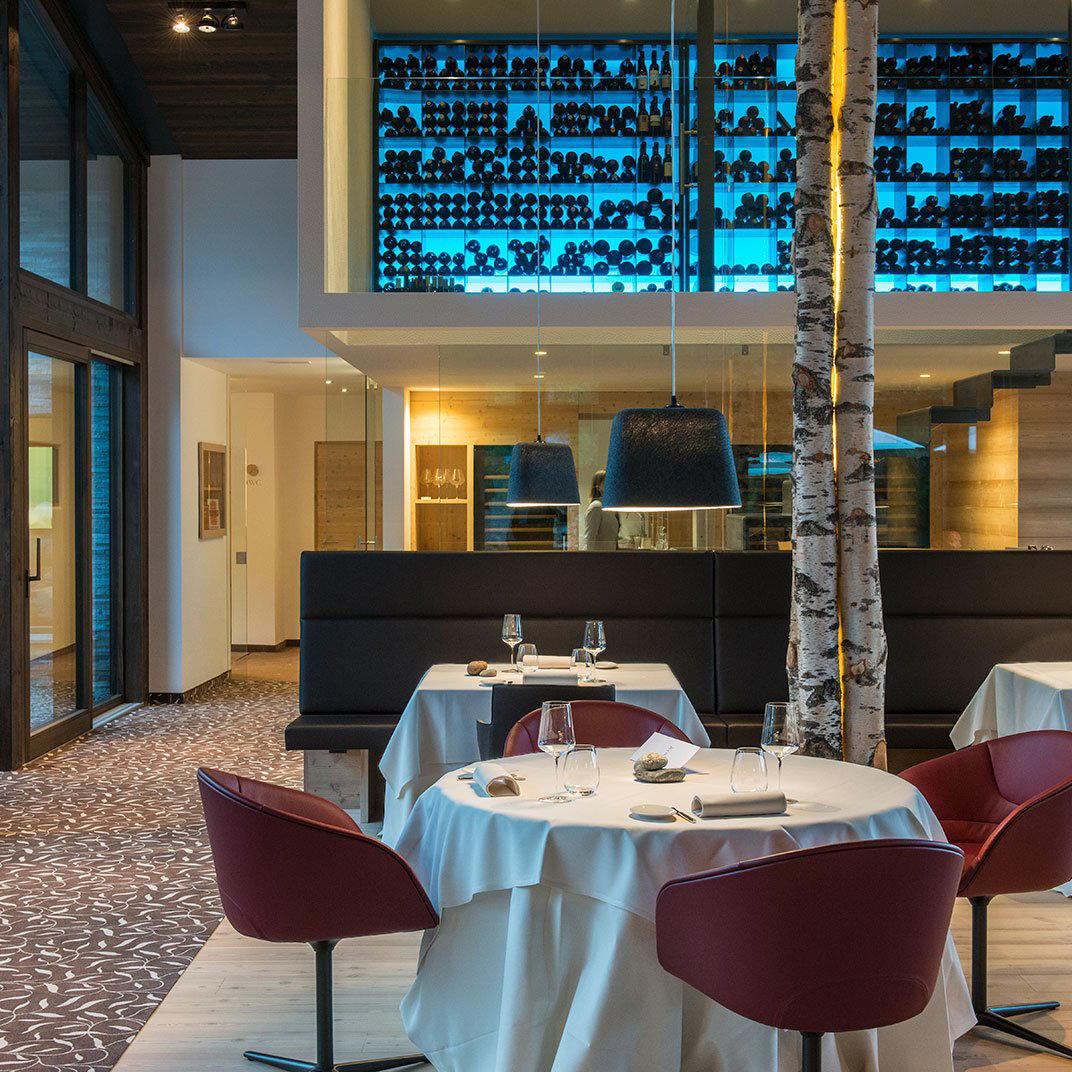
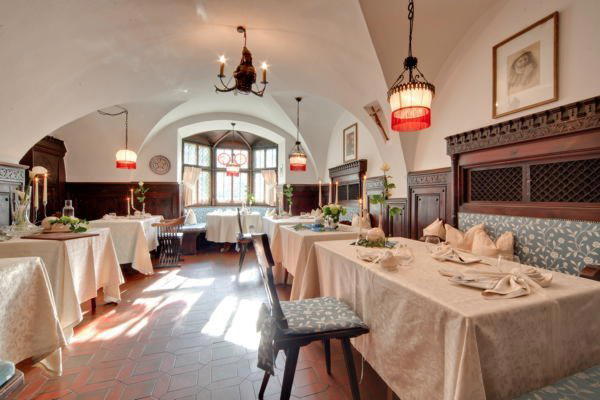
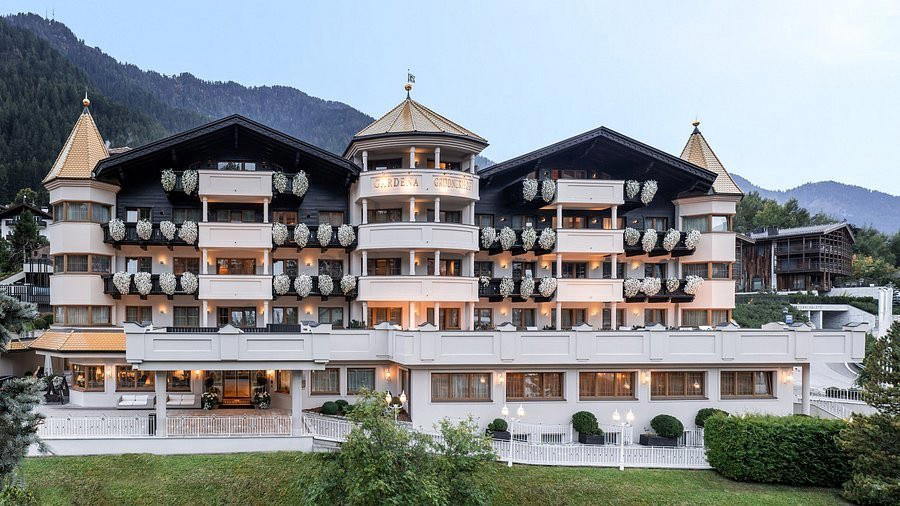
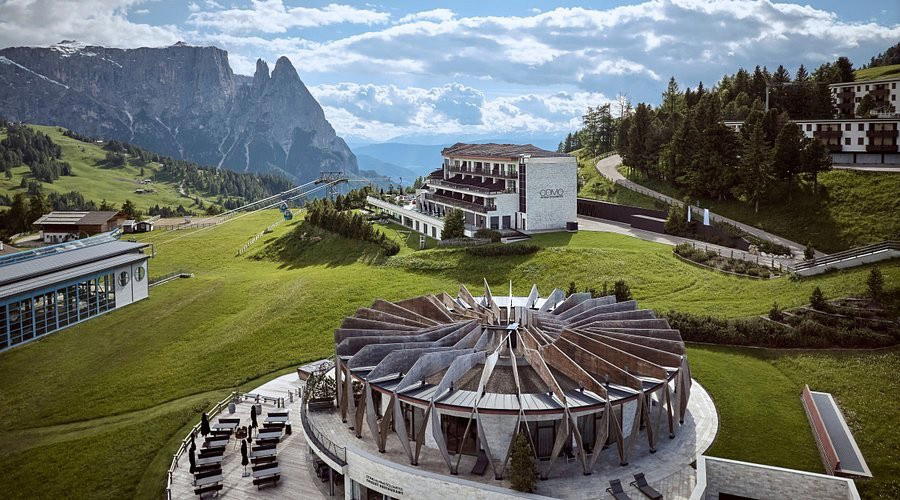
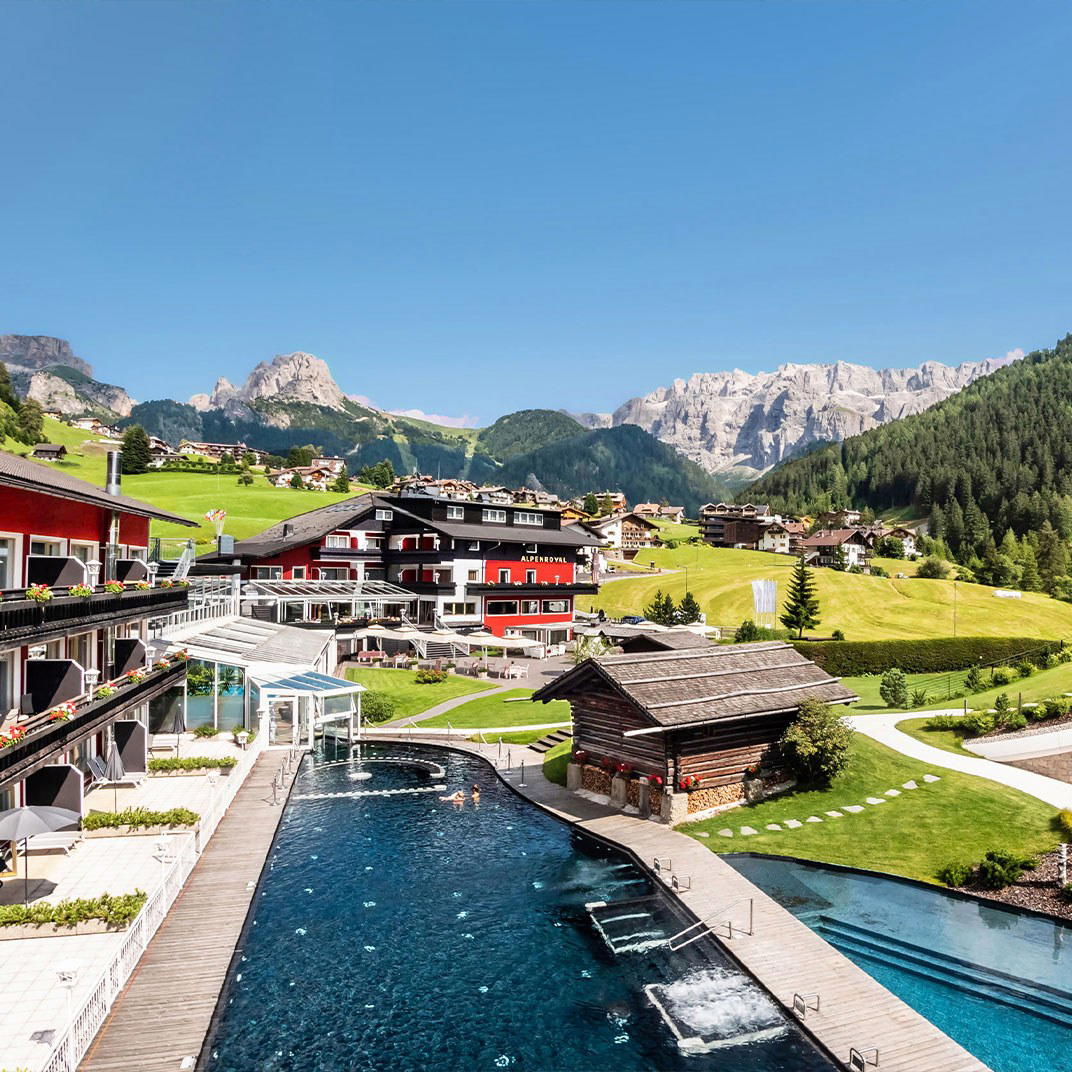
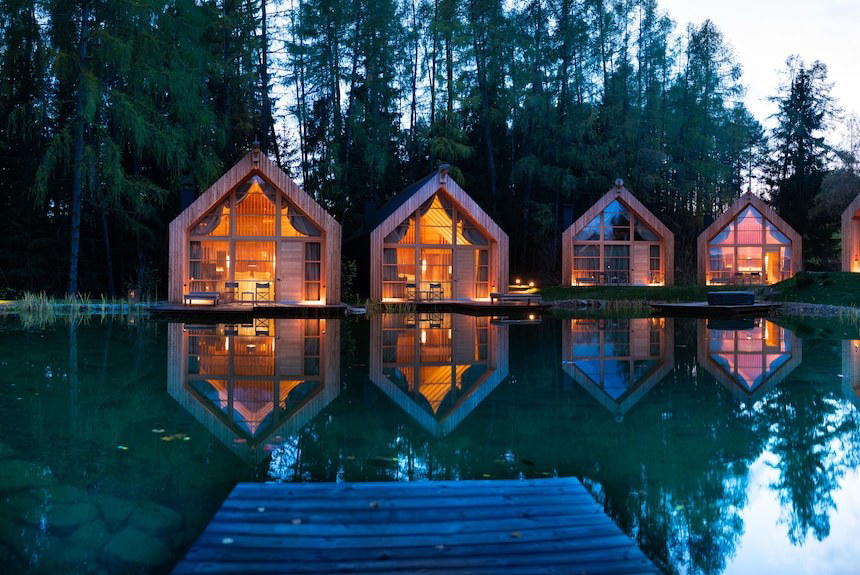
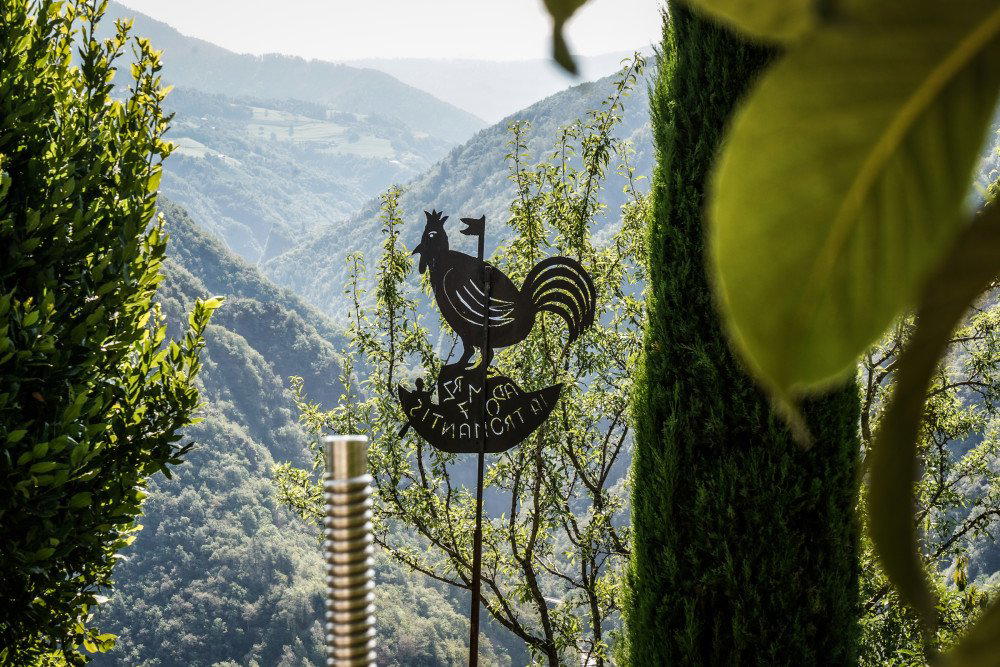
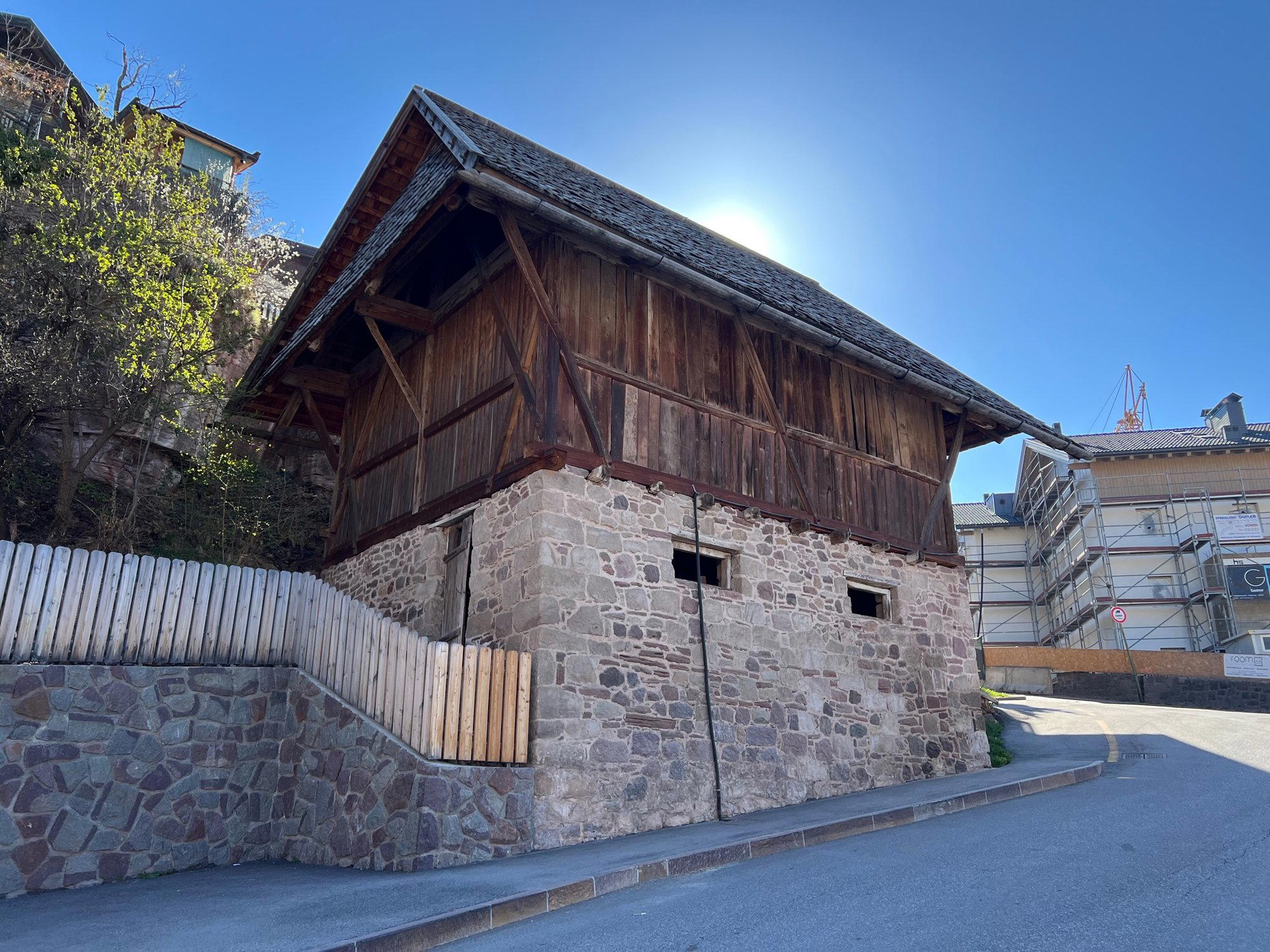
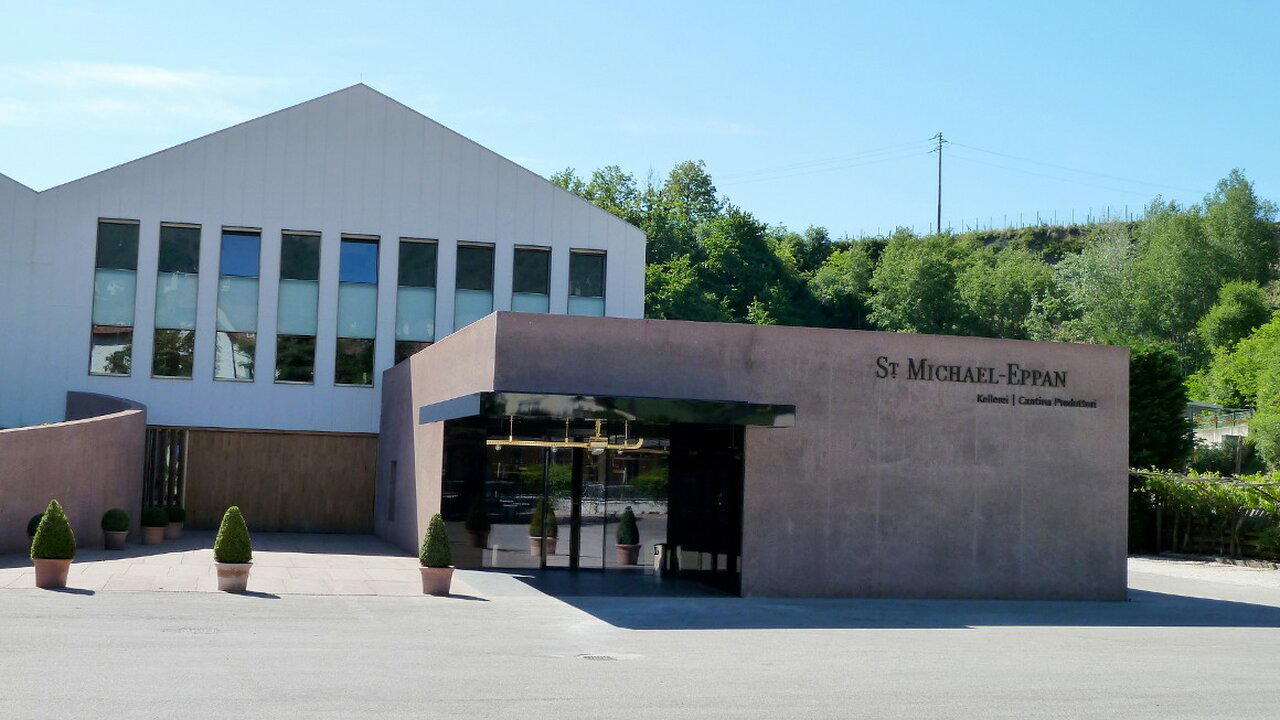
Cozy and rustic atmosphere with tasteful, fresh decor, featuring sumptuous buffets and elegantly presented dishes on natural elements like wooden drawers and stone slabs.