Feldthurnerhof
A traditional South Tyrolean farmhouse restaurant in the village of Feldthurns, Feldthurnerhof sits within a region where mountain agriculture and hyperlocal sourcing define the table. The surrounding Eisack Valley and Dolomite foothills set the culinary register: cured meats, aged cheeses, foraged greens, and rye breads that reflect elevation and season more than any chef's personal statement.
Pearl is the En Primeur Club membership app — saves, bookings, and concierge access live there. Same editors, same standards.
- Address
- Via Pradello, 1, 39040 Velturno BZ, Italy
- Phone
- +39472855333
- Website
- feldthurnerhof.com
- Directions
- Get directions
 Saves & bookings on Pearl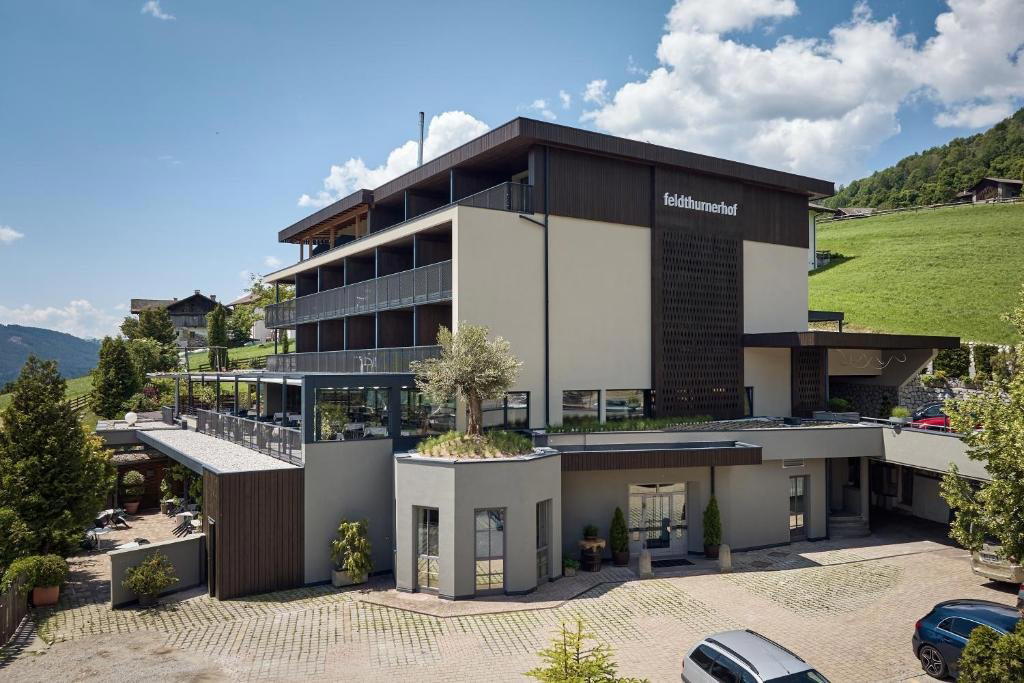
Where the Dolomites Set the Menu
South Tyrol's dining identity is shaped less by chef ambition than by the land itself. At altitude, in a region where growing seasons compress and livestock roams narrow alpine meadows, ingredient sourcing is not a marketing position, it is a structural constraint that becomes, over generations, a culinary philosophy. The village of Feldthurns sits on a south-facing terrace above the Eisack Valley, between Bolzano and Brixen, in a corridor where Germanic agricultural traditions and northern Italian cooking technique have been in dialogue for centuries. Restaurants here do not compete with urban fine-dining circuits; they operate on a different axis entirely, one anchored to what the surrounding farms and forests produce.
Feldthurnerhof, addressed at Via Pradello 1 in the commune of Velturno, occupies this agricultural context directly. The physical approach tells you something before you sit down: the road rises through terraced apple orchards and vine rows, past stone-walled farmsteads that have been sending produce to local tables since before refrigeration made distance irrelevant. In a region where the DOC Südtirol wine appellation covers everything from Pinot Grigio to Lagrein, and where Speck Alto Adige holds a protected geographical indication recognised across Europe, provenance is not a claim, it is a bureaucratic and agricultural fact.
The South Tyrolean Table: A Sourcing Tradition
Understanding what makes this part of Italy distinctive at the table requires some unpacking of geography. South Tyrol (Alto Adige) was part of the Austro-Hungarian Empire until 1919, and its food culture reflects that layered inheritance. Knödel, bread dumplings incorporating speck, cheese, or spinach, are the region's most recognisable export, but the broader table runs deeper: grey bread baked from a mixture of rye and wheat, aged Graukäse (grey cheese) with its sharp, low-fat profile, venison and wild boar from managed alpine hunts, and a wine culture that punches significantly above its acreage in terms of critical recognition.
What separates South Tyrolean sourcing from the broader Italian farm-to-table conversation is specificity of altitude. Ingredients shift meaningfully as you move from valley floor to mountain pasture. Dairy from cows grazing at 1,500 metres carries different fat profiles than lowland milk; mushrooms foraged from beech and larch forests above Feldthurns have a character distinct from those gathered on the Po Plain. Farmhouse restaurants in villages like Feldthurns, as opposed to the more polished operations in Bolzano or Merano, tend to work with this altitude specificity in a direct, unmediated way. The supply chain is short by necessity and by tradition.
For comparative context, the region's most prominent fine-dining address, Atelier Moessmer Norbert Niederkofler in Brunico, has built an internationally recognised programme around a strict alpine-sourcing mandate. That approach at the summit tier validates what village-level farmhouse restaurants in South Tyrol have practised for far longer, without the press attention. The same regional logic, source within the mountain ecosystem, let season govern the menu, runs from three-Michelin-star tables down to agriturismi on terraced hillsides.
Feldthurns as a Dining Village
Feldthurns is not a destination that draws visitors primarily for its restaurants. It is a working agricultural village where the road infrastructure, the scale of the settlement, and the rhythm of daily life remain oriented around farming and orcharding rather than tourism. That context shapes the dining offer. Restaurants here serve a local and regional clientele alongside visitors who have sought out the area deliberately, hikers on the Keschtnweg chestnut trail, cyclists on valley routes, and travellers staying in farmhouse accommodation rather than resort hotels.
Within Feldthurns itself, Glangerhof and Loaterer Hof represent the village's other dining options, both operating within the same farmhouse-restaurant tradition. The comparable set here is not the broader Italian fine-dining circuit, not the register of Osteria Francescana in Modena, Piazza Duomo in Alba, or Enoteca Pinchiorri in Florence, but rather the agriturismo and Gasthaus tradition that defines rural Alto Adige, where the point is direct access to regional produce and cooking in a setting that reflects agricultural life rather than aspirational hospitality.
Visitors who arrive expecting the technical ambition of Reale in Castel di Sangro or the seafood sophistication of Uliassi in Senigallia are orienting by the wrong map. The relevant comparison is the village Gasthaus tradition of the German-speaking Alps, translated into an Italian administrative context.
Planning a Visit
Feldthurns sits approximately twelve kilometres north of Bolzano, accessible by car via the SS12 and regional roads that climb from the valley floor. The village is well positioned as part of a broader South Tyrol itinerary.
Seasonal timing matters here more than in most Italian regions. The apple harvest runs through September and October; summer sees the longest days and the highest foot traffic on alpine trails; winter brings a quieter, more local clientele and a heavier, more restorative menu register. Spring, when the first foraged greens appear above the snowline, tends to be the moment when the gap between what arrives on the plate and what grows within view of the window is at its narrowest.
Comparable Spots, Quickly
Comparable venues nearby, for context on price, style, and recognition.
| Venue | Cuisine | Price | Notes |
|---|---|---|---|
| FeldthurnerhofThis venue — the venue you are viewing | Regional Italian with Austrian Influences | $$$ | Not listed |
| Glangerhof | South Tyrolean Alpine-Italian | $$$ | Feldthurns |
| Loaterer Hof | Traditional South Tyrolean Farmstead | $$ | Feldthurns |
| Signaterhof | Traditional South Tyrolean | $$$ | Renon |
| Stüa Dla Lâ | Modern Ladin-Tyrolean-Italian Gourmet | $$$ | Badia - Pedraces |
| Taverna Posta Zirm | Traditional Italian Pizzeria & Grill | $$$ | Corvara |
Continue exploring
More in Feldthurns
Restaurants in Feldthurns
Browse all →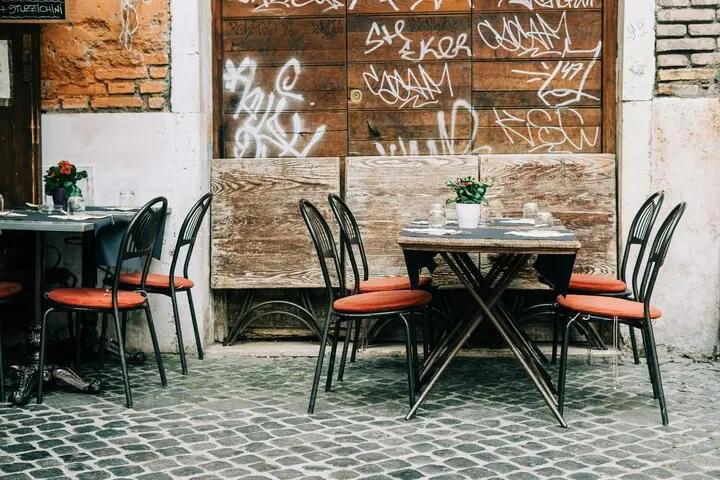
Bars in Feldthurns
Browse all →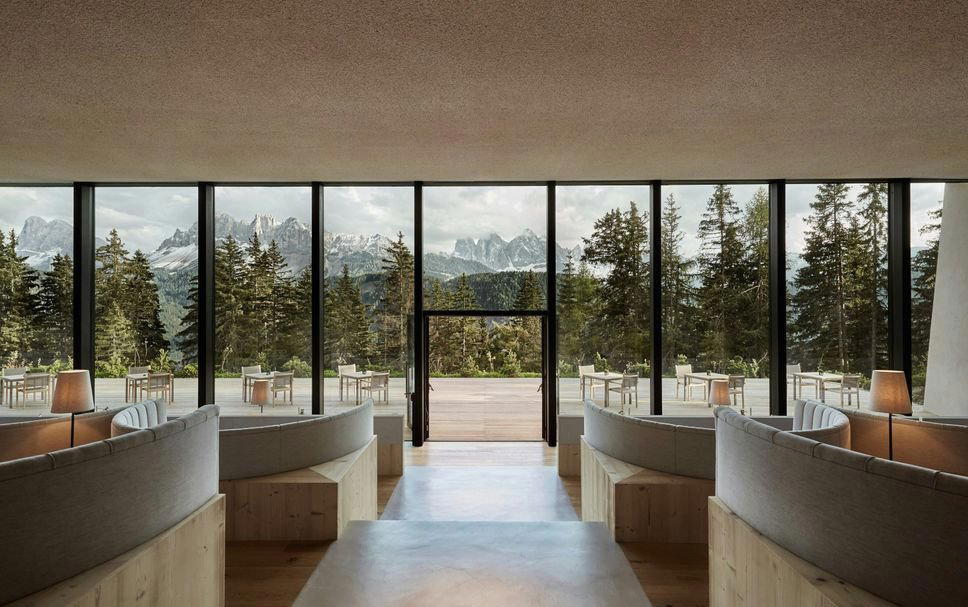
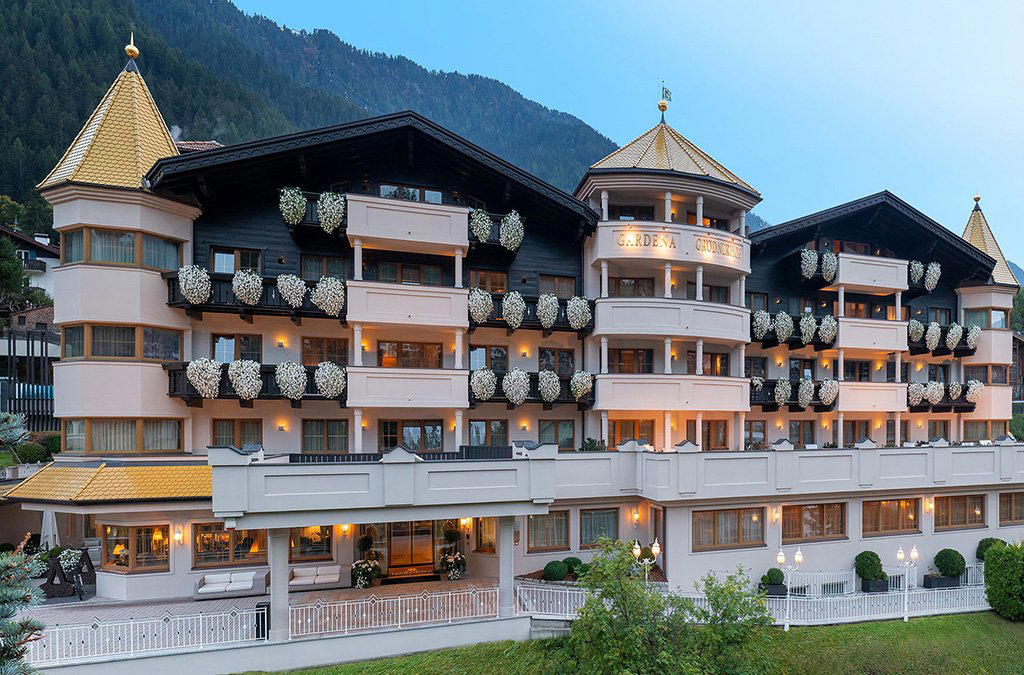
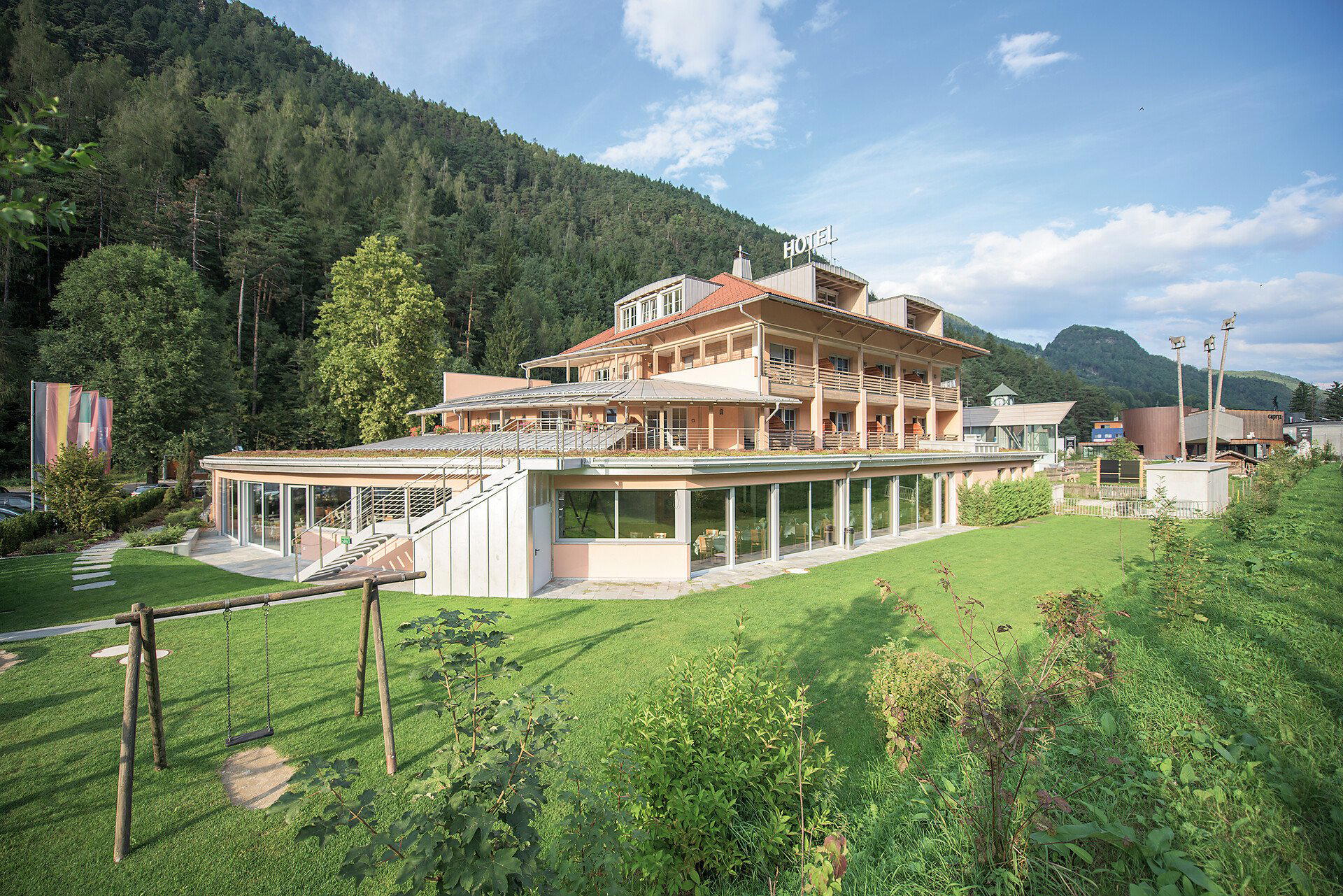
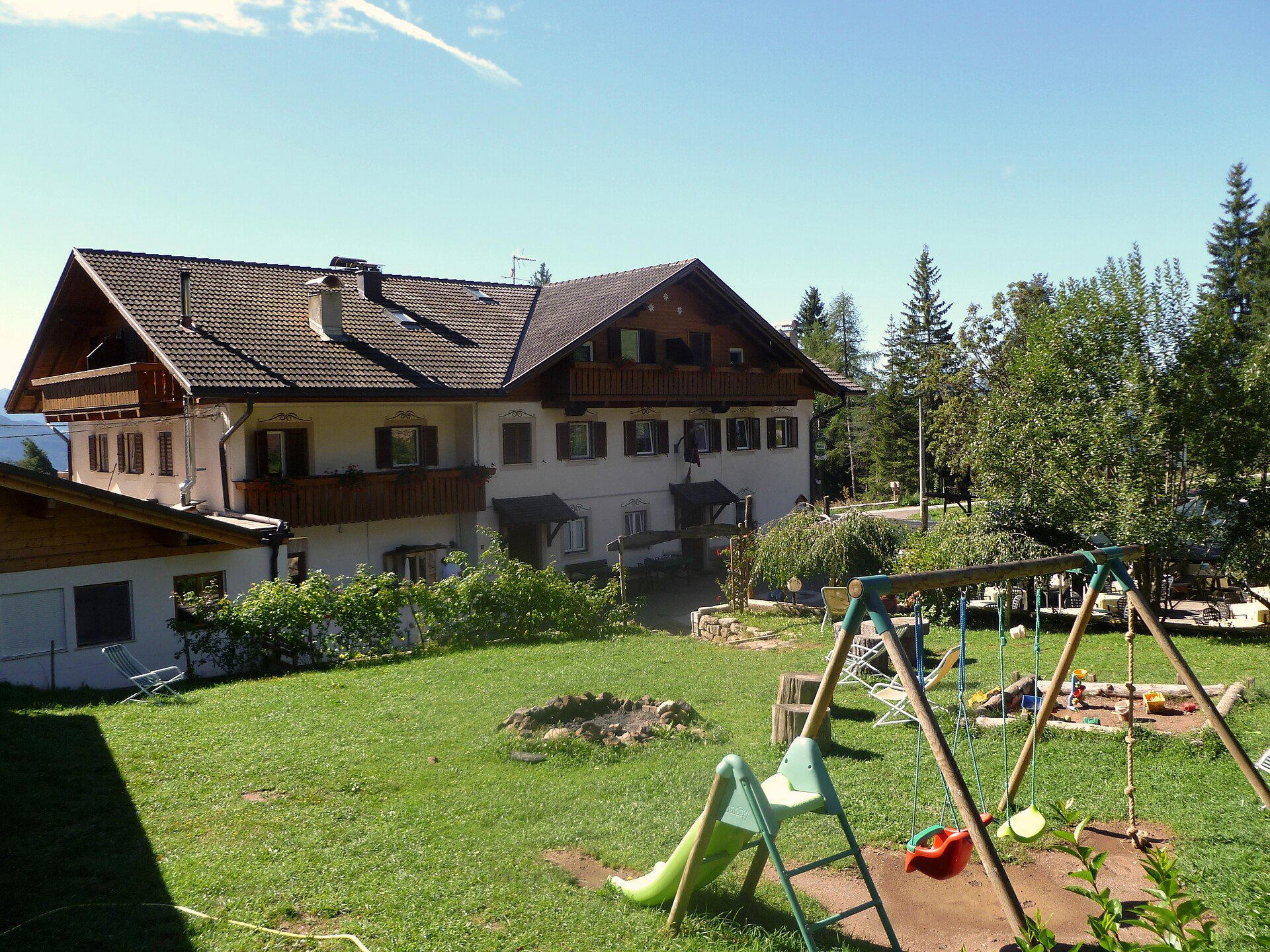
Hotels in Feldthurns
Browse all →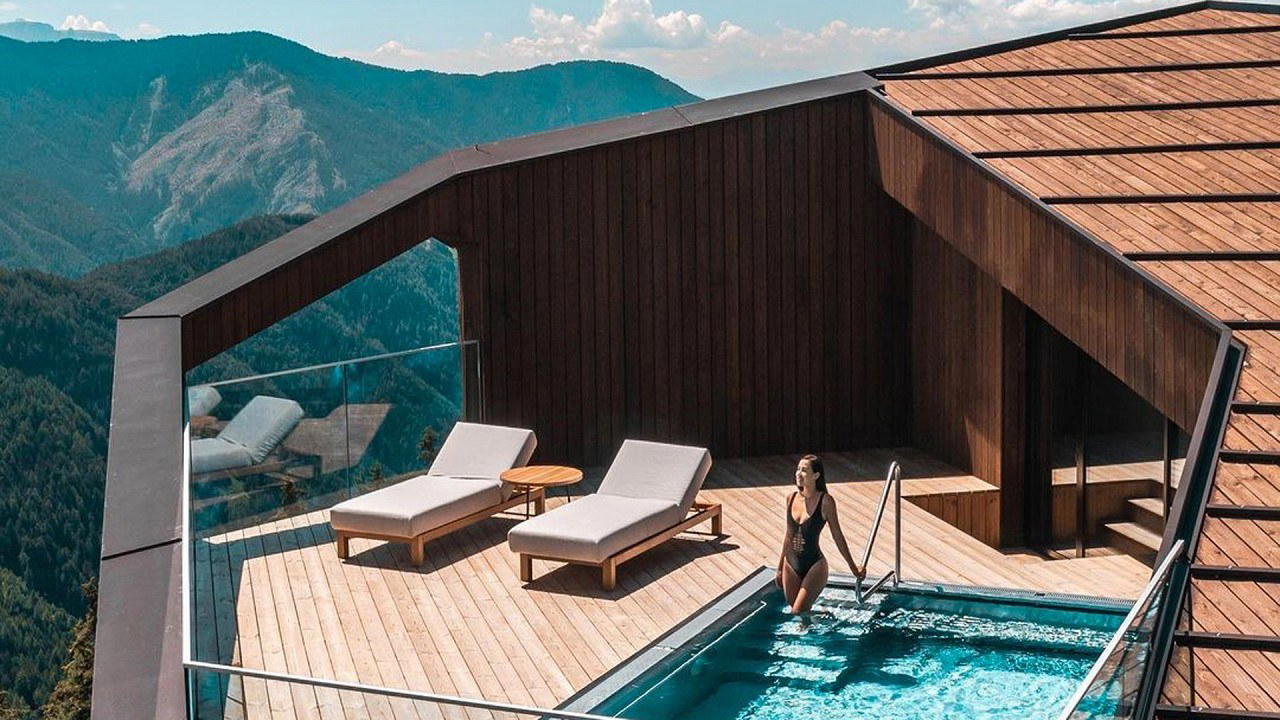
At a Glance
- Cozy
- Rustic
- Scenic
- Elegant
- Family
- Celebration
- Panoramic View
- Terrace
- Extensive Wine List
- Farm To Table
- Local Sourcing
- Mountain
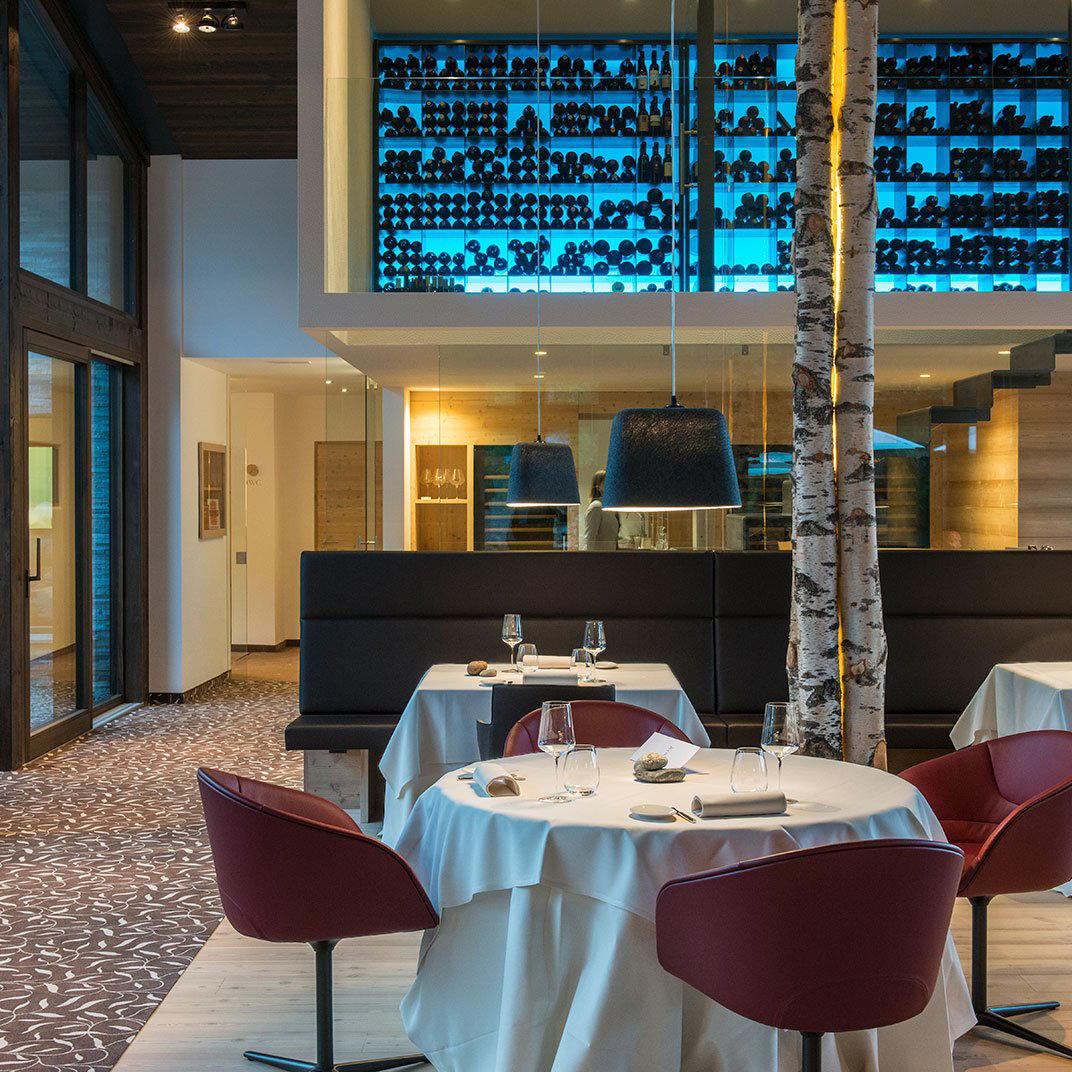
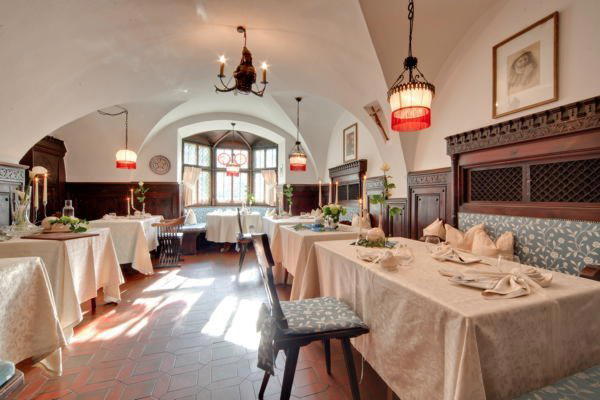
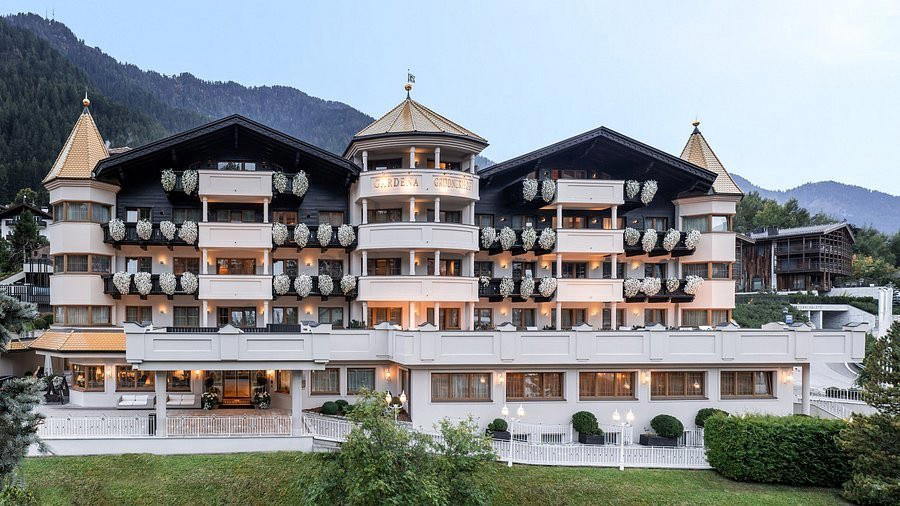
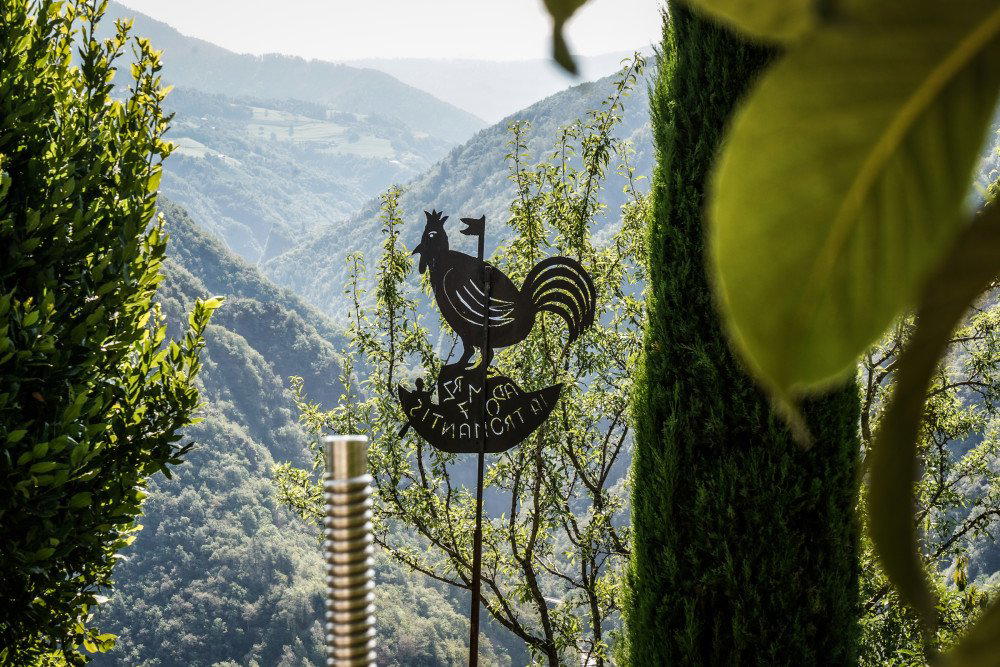
Panoramic restaurant with fantastic mountain views, cozy and relaxing atmosphere enhanced by wellness facilities and elegant furnishings.