
A wine-focused address on Città Nuova in Sterzing, Vinzenz-zum feinen Wein sits at the intersection of South Tyrolean Alpine tradition and the region's serious wine culture. The town's position near the Brenner Pass has long made it a crossroads for Austrian and Italian culinary influence, and this address reflects that layered inheritance. For travellers passing through or based in Vipiteno, it offers a grounded entry point into the area's food and wine character.
Pearl is the En Primeur Club membership app — saves, bookings, and concierge access live there. Same editors, same standards.
- Address
- Città Nuova, 4, 39049 Vipiteno BZ, Italy
- Phone
- +39472760342
- Website
- zenz.bz.it
- Directions
- Get directions
 Saves & bookings on Pearl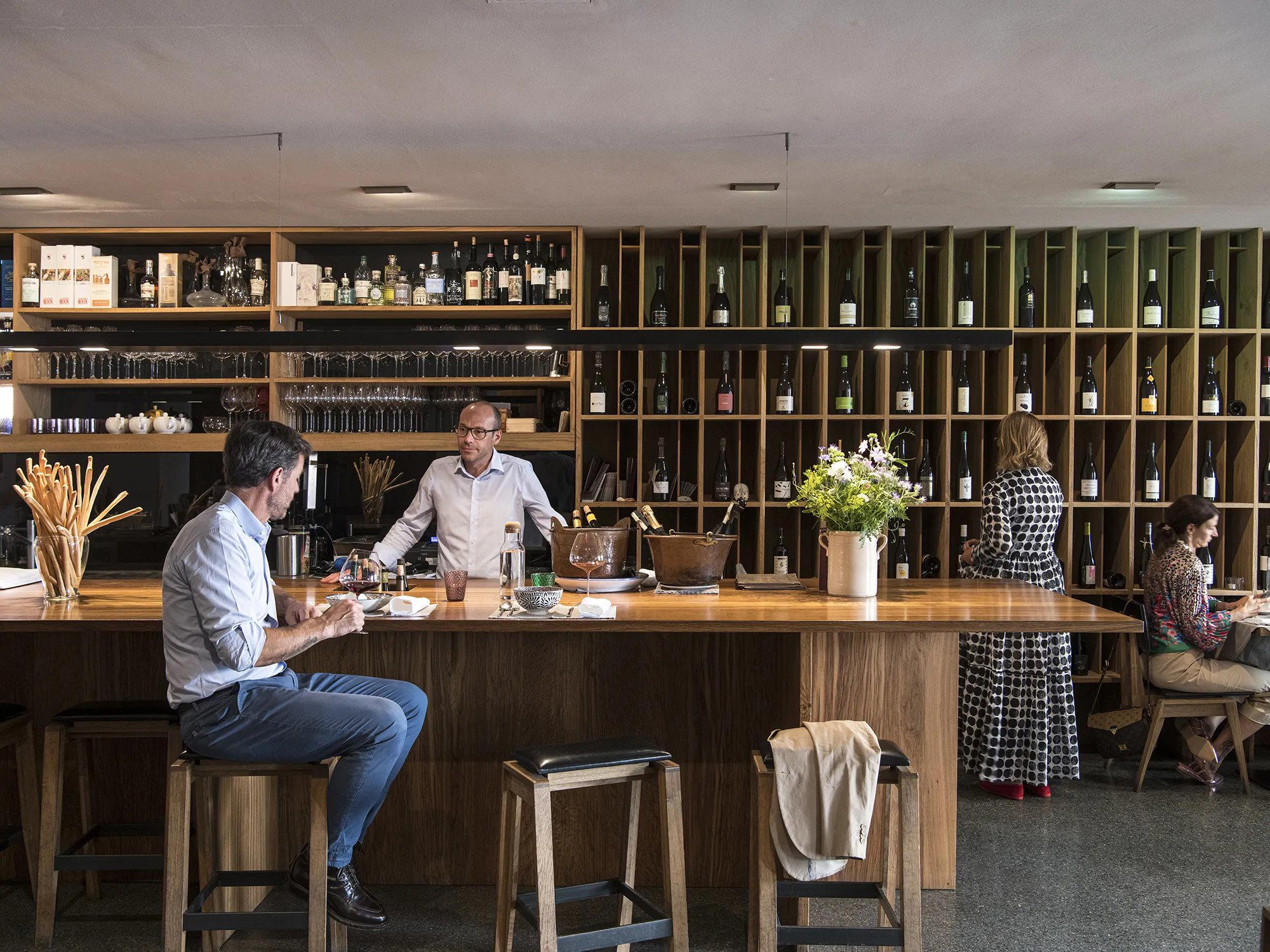
Where Alpine Trade Routes Meet the Glass
Città Nuova is Sterzing's main artery, a medieval street where Gothic arcades shade the pavement and the architecture still carries the civic ambition of a town that once controlled among the more important mountain passes in Europe. The Brenner corridor made Sterzing, known in German as Vipiteno, a commercial hub for centuries, and the legacy of that position shows up in the food culture: this is a place where Austrian solidity and Italian warmth have been negotiating terms for a long time. Wine bars in this context are not a recent import from a metropolitan dining scene; they are a natural extension of a town that has always been a stopping point, a place where merchants, travellers, and locals shared a table and took stock of where they were headed.
Vinzenz-zum feinen Wein occupies an address on Città Nuova that places it squarely within that tradition. The name alone signals a specific positioning: this is a place that takes wine seriously, and the German phrasing reflects the bilingual, bicultural reality of South Tyrol, where Alto Adige DOC labels and Austrian varieties coexist in the same cellar without apology.
The Sourcing Logic of South Tyrolean Wine Culture
South Tyrol produces wines on steep, sun-exposed slopes at altitudes that force the vines to work hard and concentrate flavour without heavy intervention. The region's Vernatsch, Lagrein, and Gewürztraminer have carved out reputations in European fine-wine circles that the region's small size would not obviously predict. What makes a wine address in Sterzing editorially interesting is not just the list itself but the sourcing geography: producers are often within an hour's drive, the elevation ranges are dramatic, and the stylistic contrast between the Germanic north and the Italian south of the province appears in the bottle as much as on the label.
This proximity matters for any serious wine venue in the region. The leading Alto Adige wine bars function less like a curated retail experience and more like a direct line to the terroir, a place where the person recommending the glass has a working knowledge of the producer, the vintage conditions, and the way the wine behaves at altitude. In that sense, Vinzenz-zum feinen Wein belongs to a broader category of specialist addresses in provincial Italian towns that punch above their weight precisely because they are close to the source. Compare that approach to the grand urban wine programs at places like Enoteca Pinchiorri in Florence, where the cellar depth is extraordinary but the sourcing relationship is necessarily more curated and distant. The provincial model offers something different: specificity over breadth, locality over comprehensiveness.
Sterzing in the Context of Northern Italian Dining
Sterzing sits at the northern edge of Italy's fine-dining geography, a country that covers enormous range from the creative tasting menus of Osteria Francescana in Modena and Le Calandre in Rubano to the hyper-regional, produce-led kitchens of the Alpine north. South Tyrol's highest-profile kitchen is Atelier Moessmer Norbert Niederkofler in Brunico, where the Alpine sourcing philosophy has been articulated at a Michelin level, drawing international attention to the region's larder: mountain herbs, cured meats, dairy from high-altitude pastures, and wild ingredients that reflect the landscape rather than override it.
That philosophy filters down through the province's food culture in ways that reach beyond the flagship addresses. In Sterzing, the proximity to Austrian food traditions adds another dimension: speck, Graukäse, and rye bread are not garnishes or nostalgic references but functional, daily foods that appear on tables here with the same matter-of-fact quality as olive oil does further south. A wine-focused venue in this town sits inside that layered food culture, and the pairings on offer reflect both sides of the provincial identity.
For travellers who have been working through the canon of Italian fine dining, Piazza Duomo in Alba, Da Vittorio in Brusaporto, Uliassi in Senigallia, or La Pergola in Rome, Sterzing represents a different register entirely: quieter, more vernacular, rooted in agricultural and trade-route history rather than culinary ambition for its own sake. That is not a lesser thing. It is a different thing, and often a more revealing one.
Planning a Visit
Sterzing sits on the main Brenner rail corridor between Innsbruck and Verona, making it accessible by train without requiring a car, though driving in from the Val Gardena or the Eisack valley adds scenic value to the approach. Città Nuova, where Vinzenz-zum feinen Wein is addressed, is a short walk from the train station, and the town is compact enough to cover on foot. The alpine season peaks in summer and early winter, and the wine culture here tends to reflect those rhythms: local whites perform well in the warmer months, while the structured reds of Lagrein and Blauburgunder suit the colder, quieter season.
Those building a wider itinerary through northern Italy's dining scene can use Sterzing as a northern anchor before moving south toward addresses like Casa Perbellini 12 Apostoli in Verona, Dal Pescatore in Runate, or Villa Crespi in Orta San Giulio. Equally, travellers moving between Italy and wider Europe might consider how the contrast between South Tyrolean wine culture and the technically precise programs at venues like Le Bernardin in New York City or Atomix in New York City illustrates how different the sourcing logic of a regional specialist can be from a metropolitan fine-dining program. Other Italian references worth considering in this comparative frame include Enrico Bartolini in Milan, Reale in Castel di Sangro, Quattro Passi in Marina del Cantone, and Gambero Rosso in Marina di Gioiosa Ionica for a fuller picture of the range Italy covers.
Fast Comparison
Comparable venues nearby, for context on price, style, and recognition.
| Venue | Cuisine | Price | Notes |
|---|---|---|---|
| Vinzenz-zum feinen WeinThis venue — the venue you are viewing | Modern Alpine Italian with Natural Wine Focus | $$$ | Not listed |
| Sull’Albero Trattoria | Tuscan Trattoria | $$$ | Chiusdino |
| Col Alt | Modern Alpine Italian | $$$ | Corvara |
| Ungererhof | South Tyrolean Farm-to-Table | $$$ | Ratschings |
| Alpenrestaurant Elisabeth | South Tyrolean Regional | $$$ | Sarntal |
| Enoteca della Valpolicella | Valpolicella Italian Trattoria | $$$ | Fumane |
Recognition history
Dated appearances from independent guides and award organizations, with the underlying list record or original source where available.
Falstaff Restaurant - 89 Falstaff Points
Falstaff
Continue exploring
More in Sterzing
Restaurants in Sterzing
Browse all →
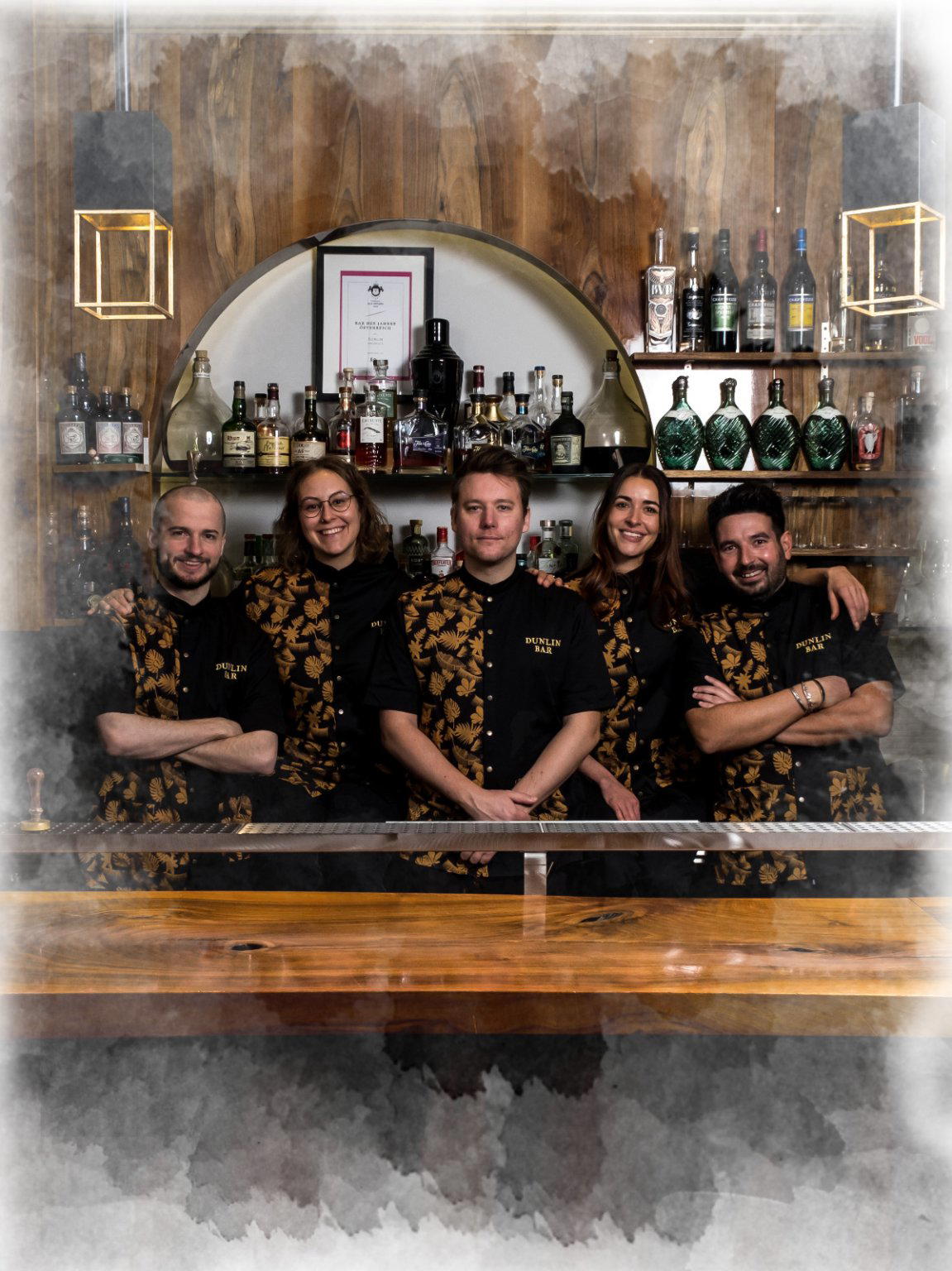
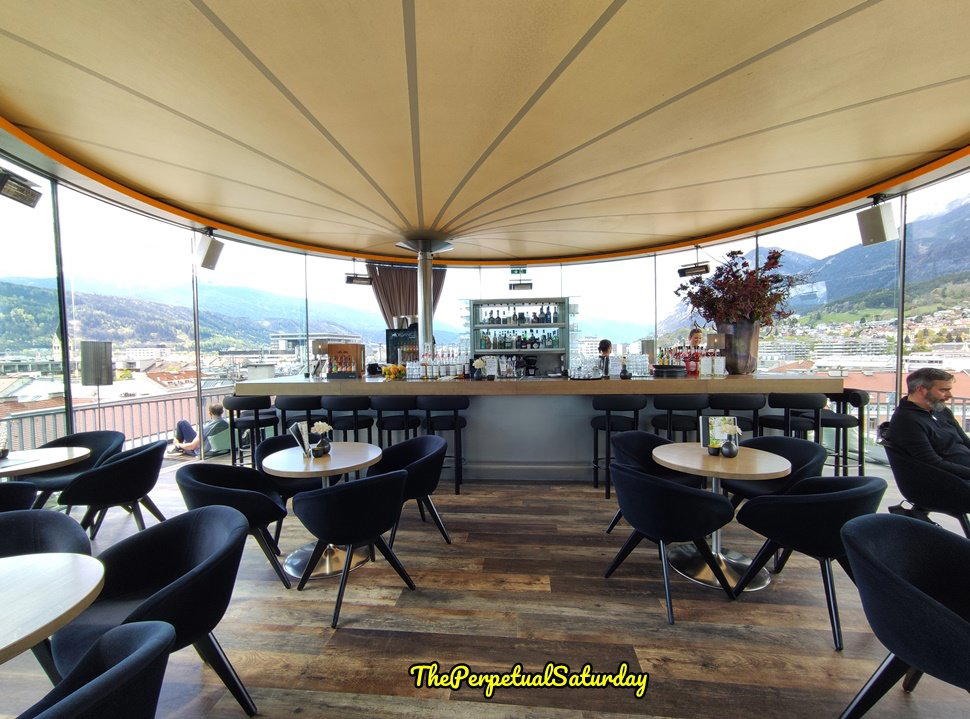
Bars in Sterzing
Browse all →

Hotels in Sterzing
Browse all →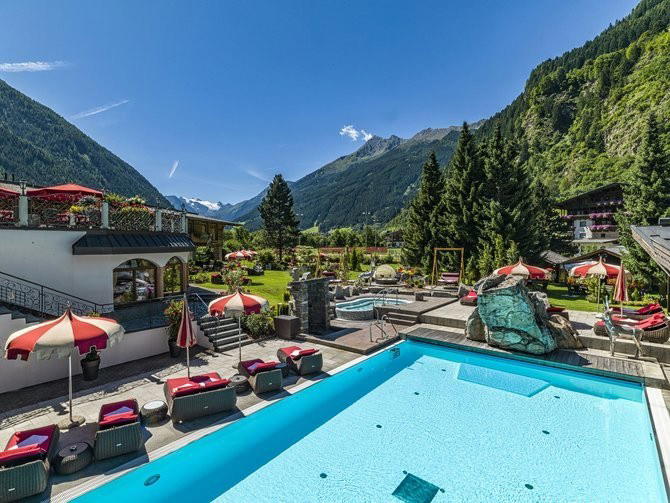

At a Glance
- Elegant
- Modern
- Cozy
- Sophisticated
- Date Night
- Business Dinner
- Special Occasion
- Casual Hangout
- Wine Cellar
- Open Kitchen
- Standalone
- Historic Building
- Extensive Wine List
- Natural Wine
- Sommelier Led
- Farm To Table
- Local Sourcing
- Natural Wine
- Organic
Current opening hours
- Monday
- 12–9:30 PM
- Tuesday
- 6–9:30 PM
- Wednesday
- Closed
- Thursday
- 6–9:30 PM
- Friday
- 12–9:30 PM
- Saturday
- 12–9:30 PM
- Sunday
- 12–9:30 PM
Hours can change for holidays and private events. Last verified .
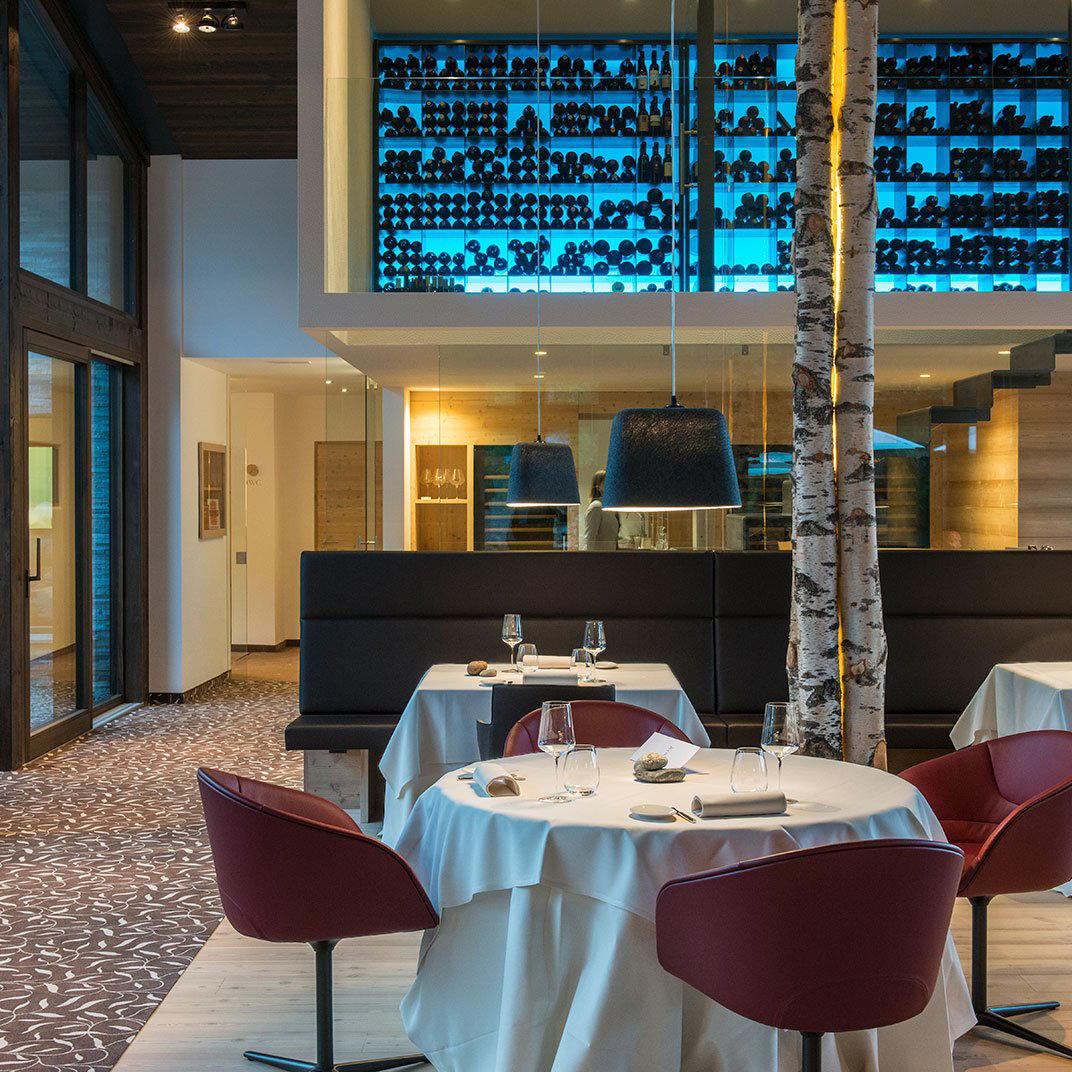
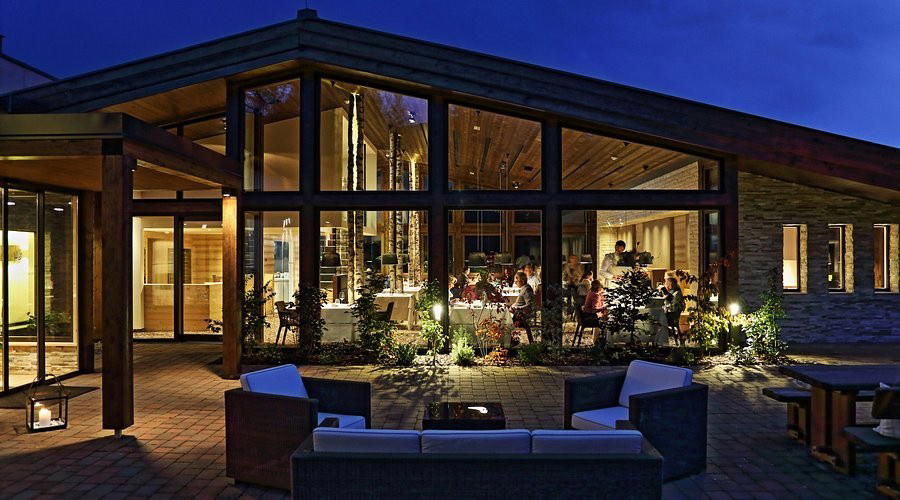
Tastefully decorated modern space with warm, welcoming atmosphere; intimate and refined lighting that complements the sophisticated yet relaxed environment.