Spicy Lemon occupies a Kortrijk address at Waterpoort 3, placing it within reach of the city's compact dining circuit. The name signals a kitchen leaning toward citrus-forward heat, a combination that sits at an interesting remove from the predominantly French-inflected tables that dominate the West Flanders restaurant scene. For diners working through Kortrijk's options, it represents a distinct tonal shift from the region's more classical registers.
Pearl is the En Primeur Club membership app — saves, bookings, and concierge access live there. Same editors, same standards.
- Address
- Waterpoort 3, 8500 Kortrijk, Belgium
- Phone
- +3256900005
- Website
- spicylemon.be
- Directions
- Get directions
 Saves & bookings on Pearl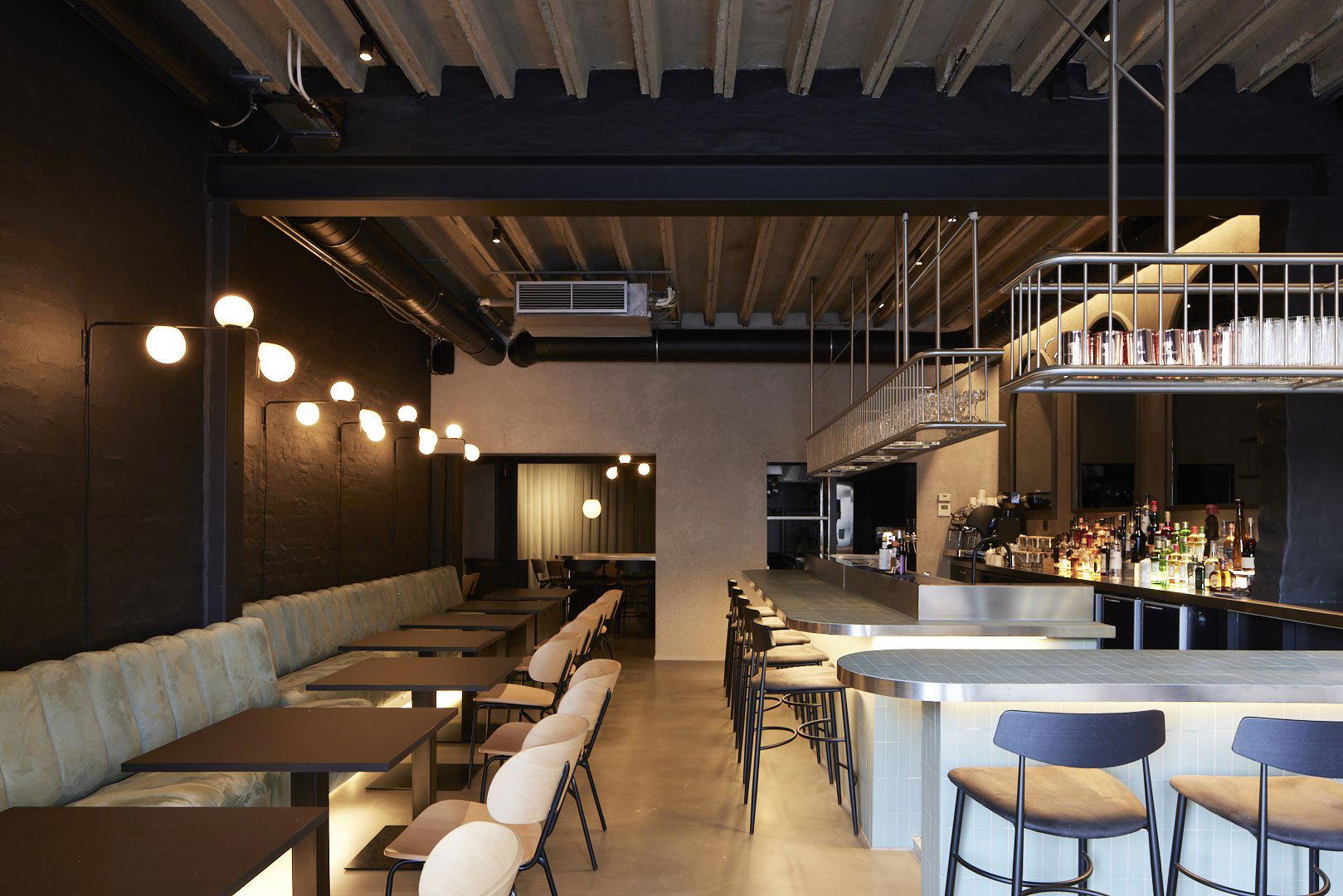
Kortrijk's Dining Register and Where Heat Fits Into It
West Flanders has built its restaurant reputation largely on the French-Flemish continuum: seasonal product, classical technique, and a preference for restraint. The city of Kortrijk reflects that broader pattern faithfully, with its stronger tables clustering around modern French and farm-to-table formats. Table d'Amis (Modern French) and De Garage (Farm to table) exemplify that dominant mode: careful sourcing, composed plating, and menus that treat acidity and richness as the primary tension to resolve. Spicy Lemon is a restaurant in Kortrijk at Waterpoort 3, serving Persian-Inspired Middle Eastern food at about €49 per person. Spicy Lemon, at Waterpoort 3, positions itself differently from the outset. The name alone is an editorial statement: citrus and heat, brightness and provocation, flavors that sit outside the butter-and-reduction grammar of the region's leading kitchens.
That positioning matters because Kortrijk is not a large dining city. Its restaurant circuit is compact enough that a venue with a distinct flavor identity reads clearly against its neighbors. Where Choclo and Argendael occupy their own niches within the city's offer, a kitchen built around spice and citrus signals a different set of reference points entirely, one more likely drawn from Southeast Asian, South American, or Middle Eastern traditions than from the Escoffier lineage that still anchors much of Belgian fine dining.
Reading the Menu Through Its Name
When the venue name functions as the menu's thesis statement, it tells you something precise about how the kitchen thinks about structure. Spicy Lemon's dual-word identity suggests a menu architecture organized around contrast rather than harmony: heat to create urgency, citrus to provide resolution. This is a different logic from the French-inflected kitchens that dominate the €€€ tier in Kortrijk, where the movement tends to be from richness toward brightness, from weight toward lift. A kitchen that leads with spice and lemon is instead building dishes around immediate intensity, asking diners to engage with the food's edges rather than its center.
Across the broader Belgian restaurant scene, this kind of flavor-forward positioning has grown more common as diners in cities like Brussels and Antwerp have absorbed influences from global culinary traditions. Places like Zilte in Antwerp and Bozar Restaurant in Brussels operate at the formal end of the spectrum, but the broader shift they represent, toward kitchens willing to push flavors harder and draw from wider reference pools, has filtered into more casual formats too. The restaurant at its Waterpoort address sits within that trajectory, offering Kortrijk diners a register that the city's more classically oriented tables do not cover.
The Waterpoort Setting
Waterpoort 3 is an address in central Kortrijk, a city that rewards walking between its dining options. The compact geography means that diners can treat an evening as a progression through different registers: a stop at Beugnies Les Chocolats for something sweet, a meal at a spice-led kitchen like Spicy Lemon, and still find themselves within a manageable radius of the city's other notable addresses. This kind of density is a practical advantage in a mid-sized Flemish city, where the dining circuit does not sprawl the way it does in Ghent or Antwerp.
For context on what the broader Flemish region offers at the highest tier, the kitchens at Hof van Cleve - Floris Van Der Veken in Kruishoutem and Boury in Roeselare set the regional benchmark for technique and seasonal product. Those addresses anchor the upper end of what West Flanders produces. Kortrijk's own scene, including the restaurant, operates in a different register: more neighborhood-scaled, more accessible in format, and in this case, more willing to lead with flavor intensity over formal precision.
What Spice-Forward Kitchens Demand from Diners
A kitchen that commits to heat and citrus as its organizing principles requires diners to adjust their expectations around pacing and weight. Spice-forward menus tend to build differently from classical European formats: they often front-load intensity, rely on acid to reset the palate between courses, and use aromatics to carry structural complexity rather than reduction sauces or fat. This produces a different kind of engagement at the table, one that rewards attention to the sequence of flavors rather than the architecture of any single plate.
This approach connects the restaurant to a broader category of restaurants that have grown across Belgian cities over the past decade, kitchens drawing from South and Southeast Asian, North African, and Latin American traditions to offer something that the country's classical French inheritance does not. Internationally, the logic has been refined to a high level at places like Atomix in New York City, where Korean reference points drive a tasting menu format. Locally in Flanders, the conversation is less formal but the directional shift is similar: flavor complexity sourced from heat and acidity rather than from technique applied to premium product alone.
For diners coming from further afield to explore the region's range, the contrasts repay attention. Willem Hiele in Oudenburg, Bartholomeus in Heist, and De Jonkman in Sint-Kruis each represent different interpretations of what a Flemish kitchen can do with local product and classical training. A stop in Kortrijk at the restaurant offers a different data point entirely: a kitchen operating outside that tradition by design.
Planning a Visit
The restaurant is located at Waterpoort 3, 8500 Kortrijk, in the city centre. Kortrijk is accessible by train from Brussels (approximately one hour) and Ghent (approximately thirty minutes), making it a viable day-trip or short-stay destination within the Belgian rail network. The restaurant is recommended for reservations and is open Tue to Sat, 6 to 10 PM. Those building a longer itinerary through Belgium's secondary cities may also find useful reference points at Castor in Beveren, d'Eugénie à Emilie in Baudour, and L'air du temps in Liernu. At the international level, Le Bernardin in New York City demonstrates what happens when a kitchen applies absolute technical discipline to a single flavor register, a useful benchmark for thinking about how any focused culinary concept scales from local to global ambition.
Recognition Snapshot
Comparable venues nearby, for context on price, style, and recognition.
| Venue | Cuisine | Price | Notes |
|---|---|---|---|
| Spicy LemonThis venue — the venue you are viewing | Persian-Inspired Middle Eastern | $$ | Not listed |
| Fluffy Falafel | Vegan Middle Eastern Falafel | $$ | Centrum |
| V-CHOCOLATIER by Sweertvaegher | Traditional Belgian Chocolatier | $$ | city center |
| Sprezza | Mediterranean Cocktail Bar | $$ | Graanmarkt |
| Argendael | French-Belgian Bistro with Black Angus Specialization | $$$ | Bellegem |
| Choclo | Modern Latin American (Mexican-Peruvian) | $$$ | city center |


At a Glance
- Lively
- Modern
- Trendy
- Cozy
- Date Night
- Special Occasion
- Open Kitchen
- Local Sourcing
Current opening hours
- Monday
- Closed
- Tuesday
- 6–10 PM
- Wednesday
- 6–10 PM
- Thursday
- 6–10 PM
- Friday
- 6–10 PM
- Saturday
- 6–10 PM
- Sunday
- Closed
Hours can change for holidays and private events. Last verified .
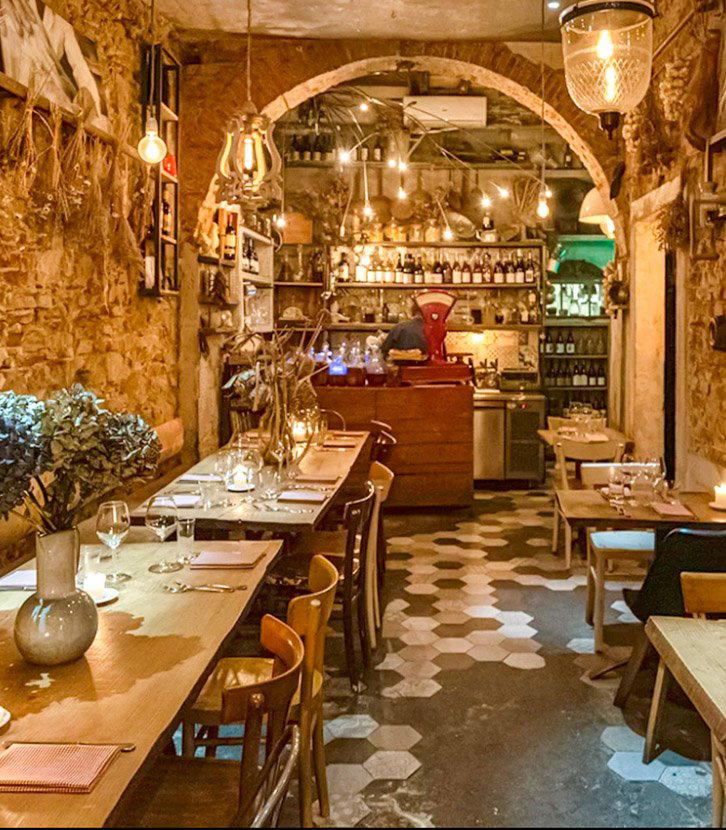
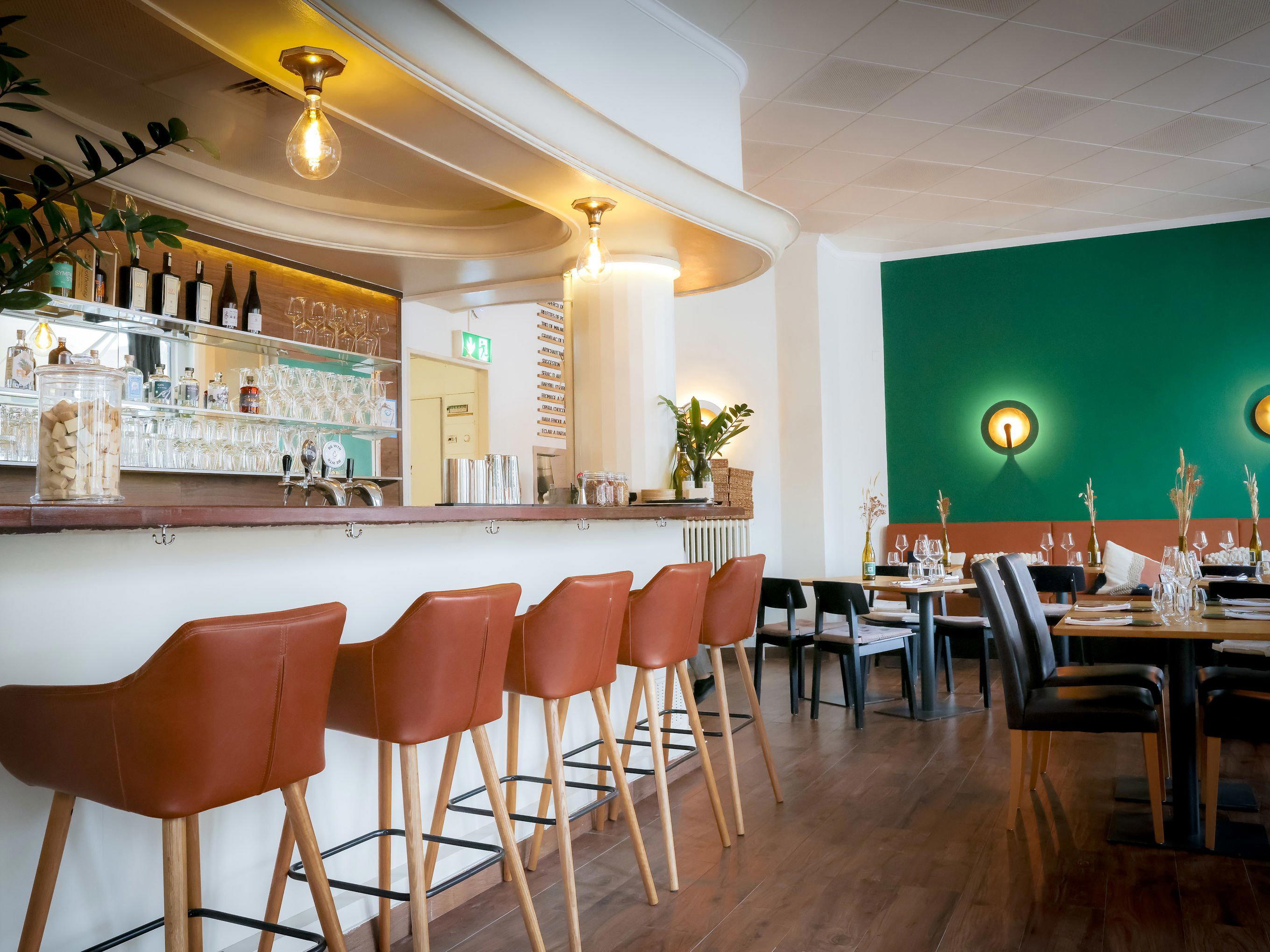
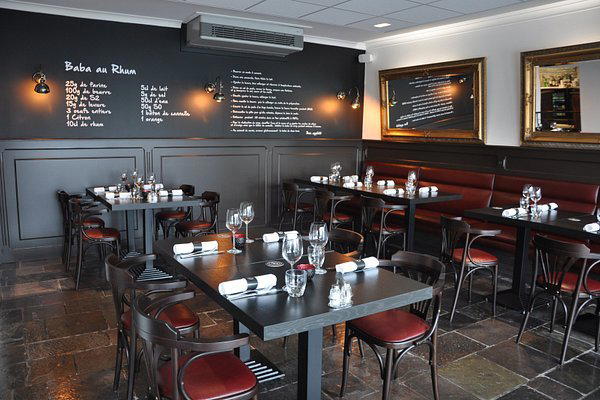
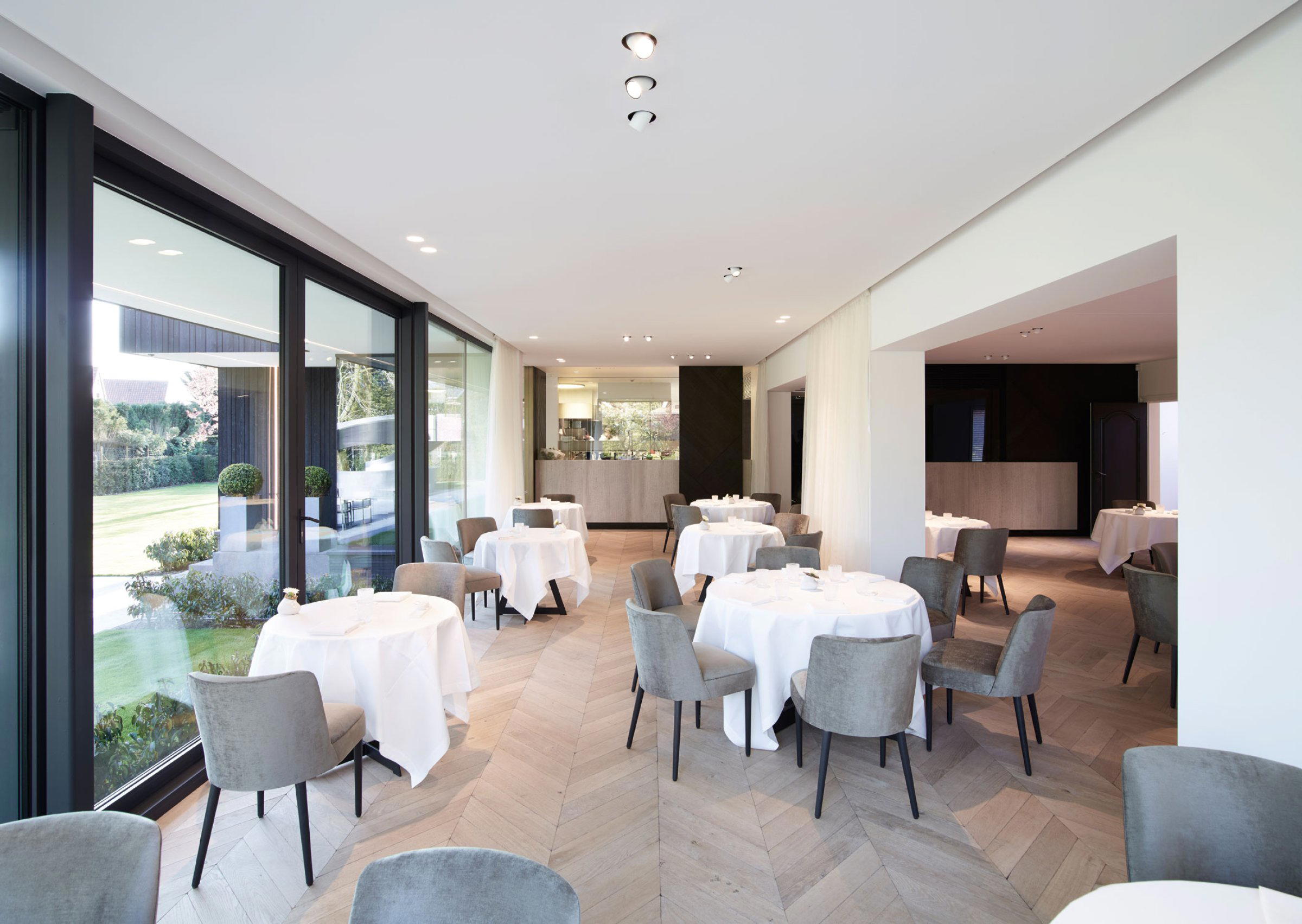
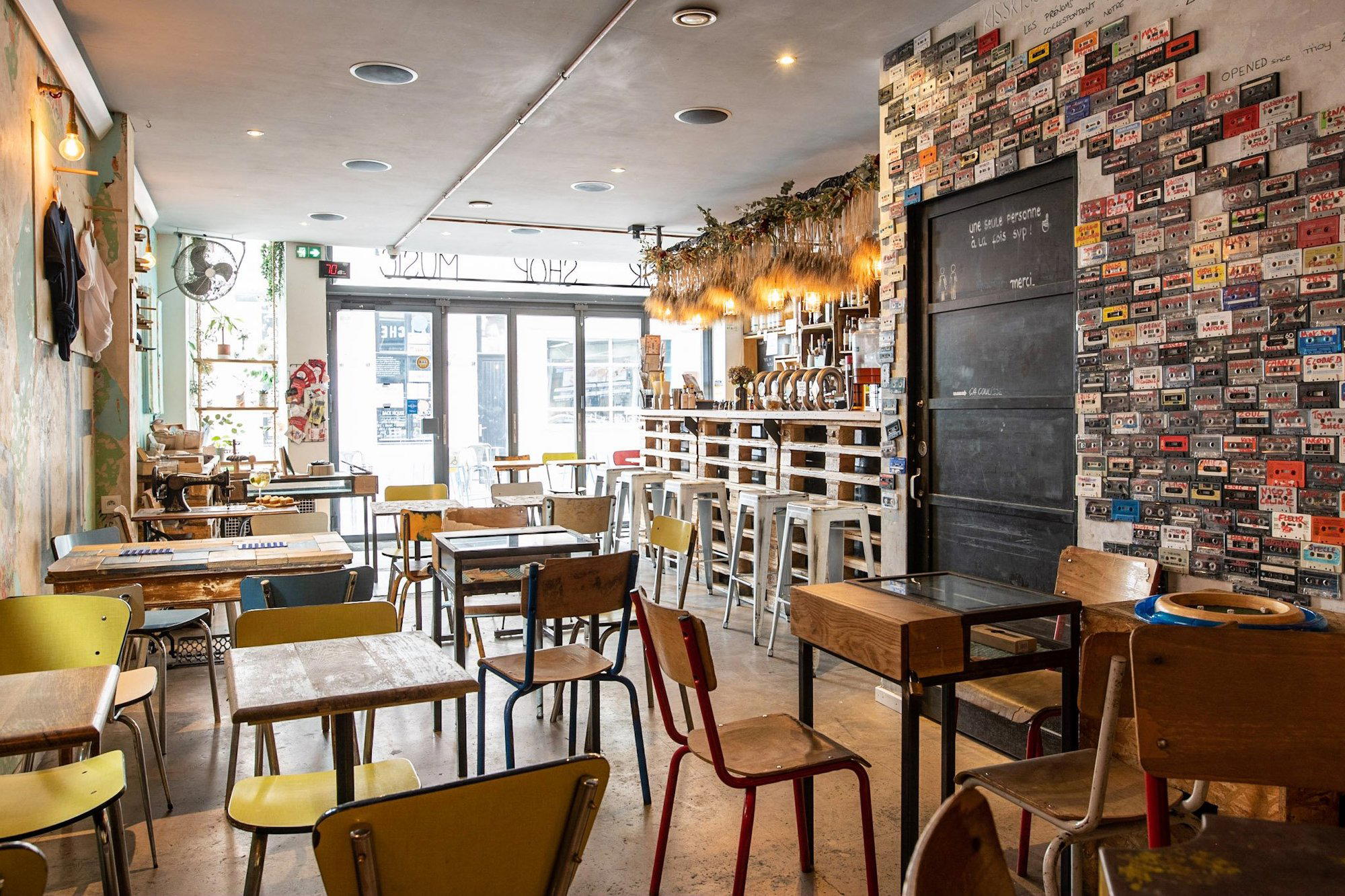
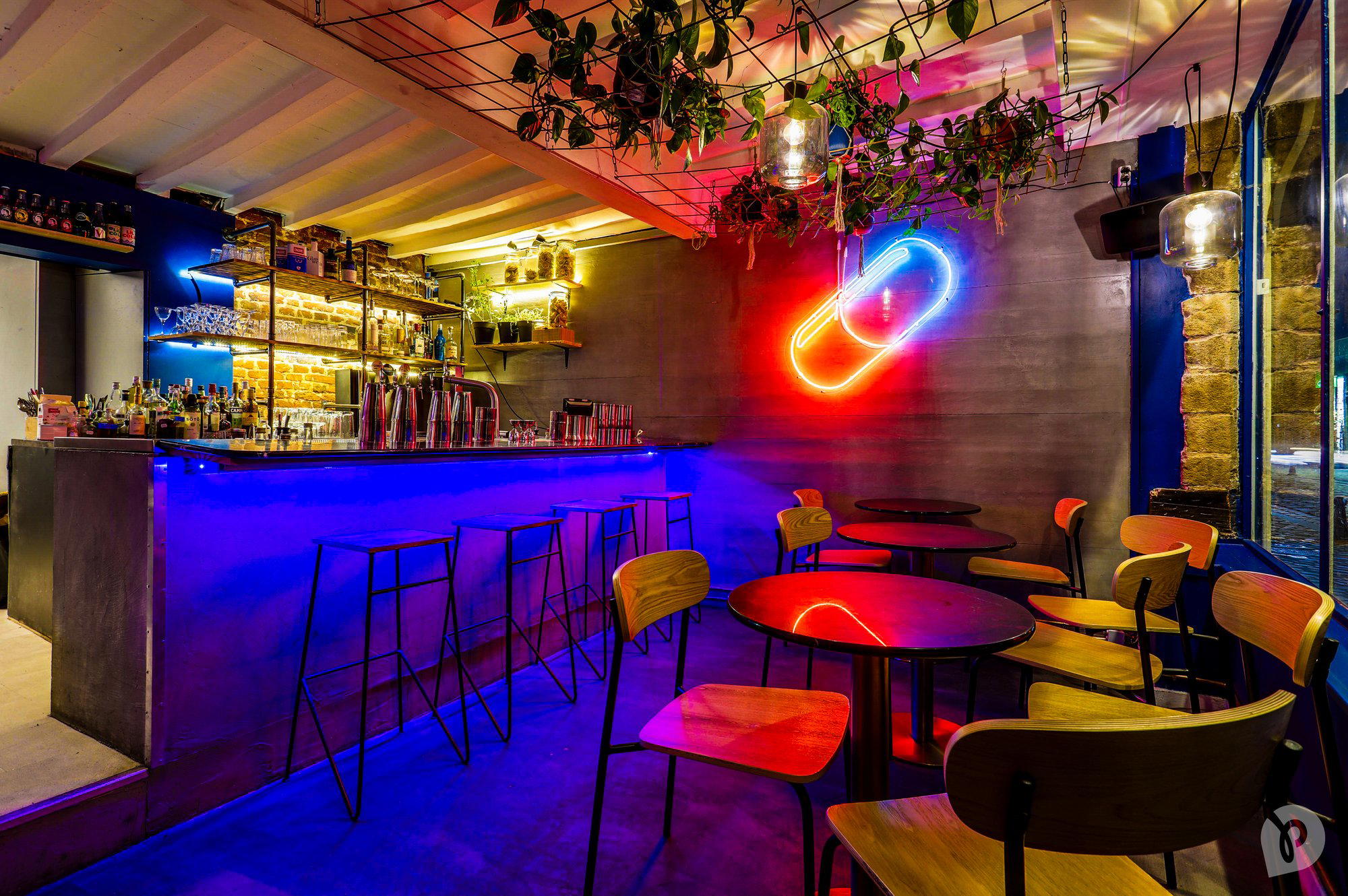
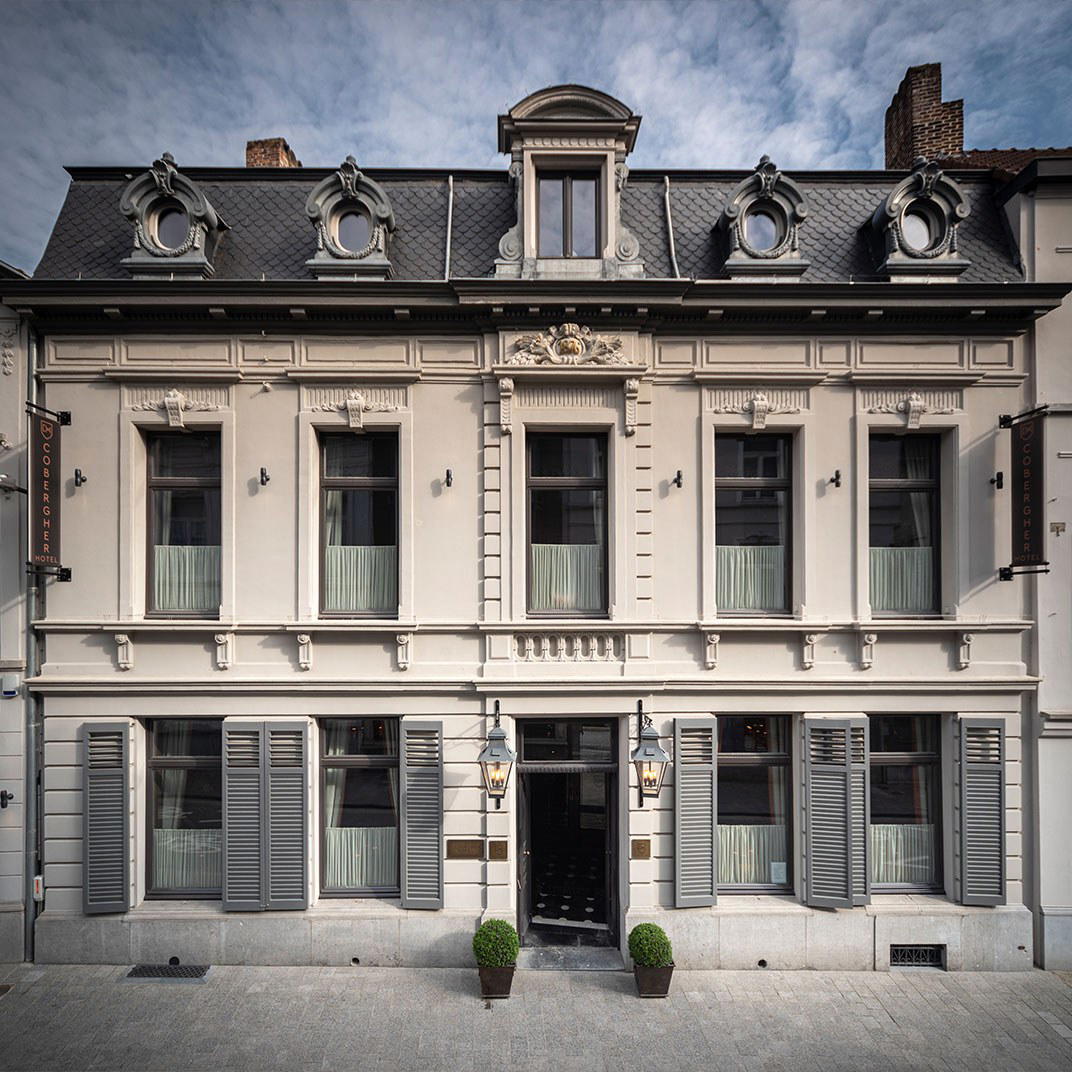
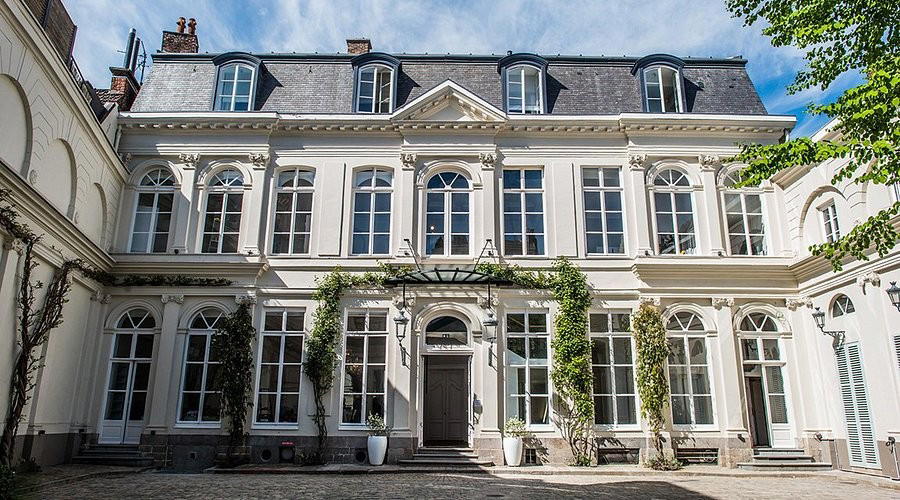
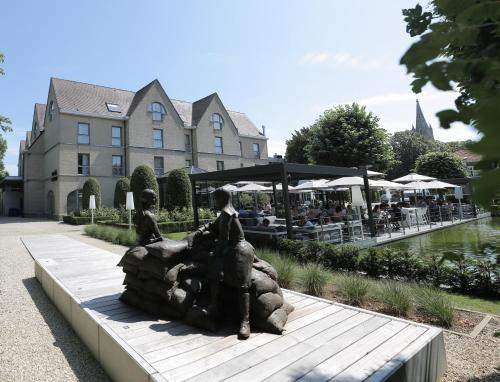
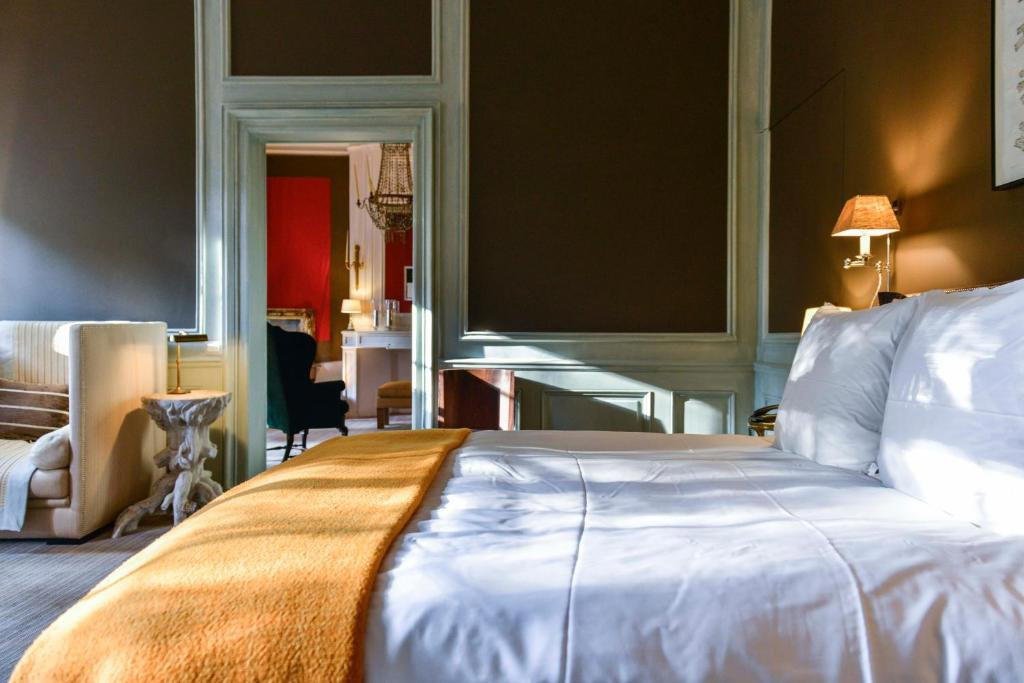
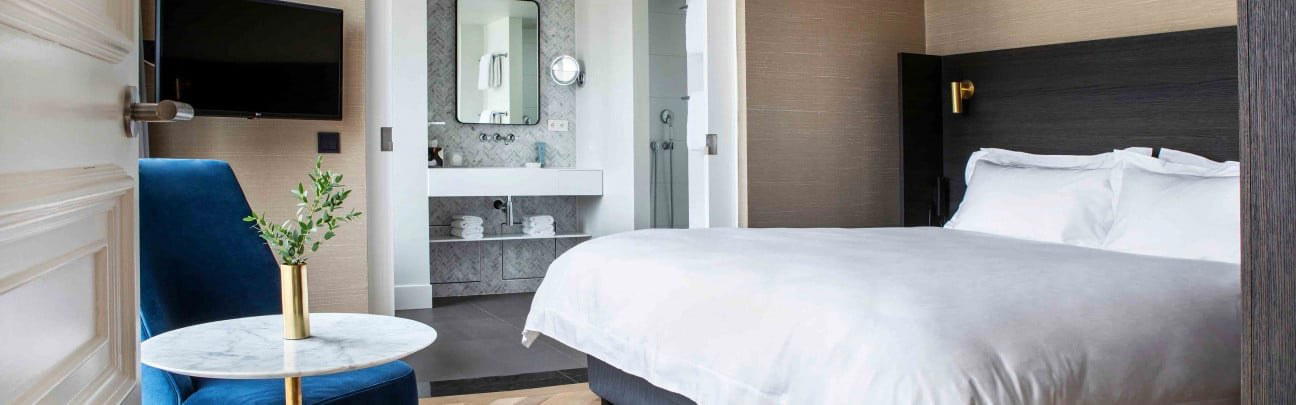
Warm, lively, and contemporary setting with atmospheric lighting and design that blends Middle Eastern hospitality with modern aesthetics.