Argendael sits on Doornikserijksweg in Kortrijk, occupying a position in the city's broader wave of ingredient-led dining that has quietly reshaped West Flanders' restaurant scene. The address places it at a remove from the city centre, a spatial cue that often signals a kitchen with something specific to say. Kortrijk rewards those willing to follow that kind of detour.
Pearl is the En Primeur Club membership app — saves, bookings, and concierge access live there. Same editors, same standards.
- Address
- Doornikserijksweg 195, 8510 Kortrijk, Belgium
- Phone
- +3256315145
- Website
- argendael.be
- Directions
- Get directions
 Saves & bookings on Pearl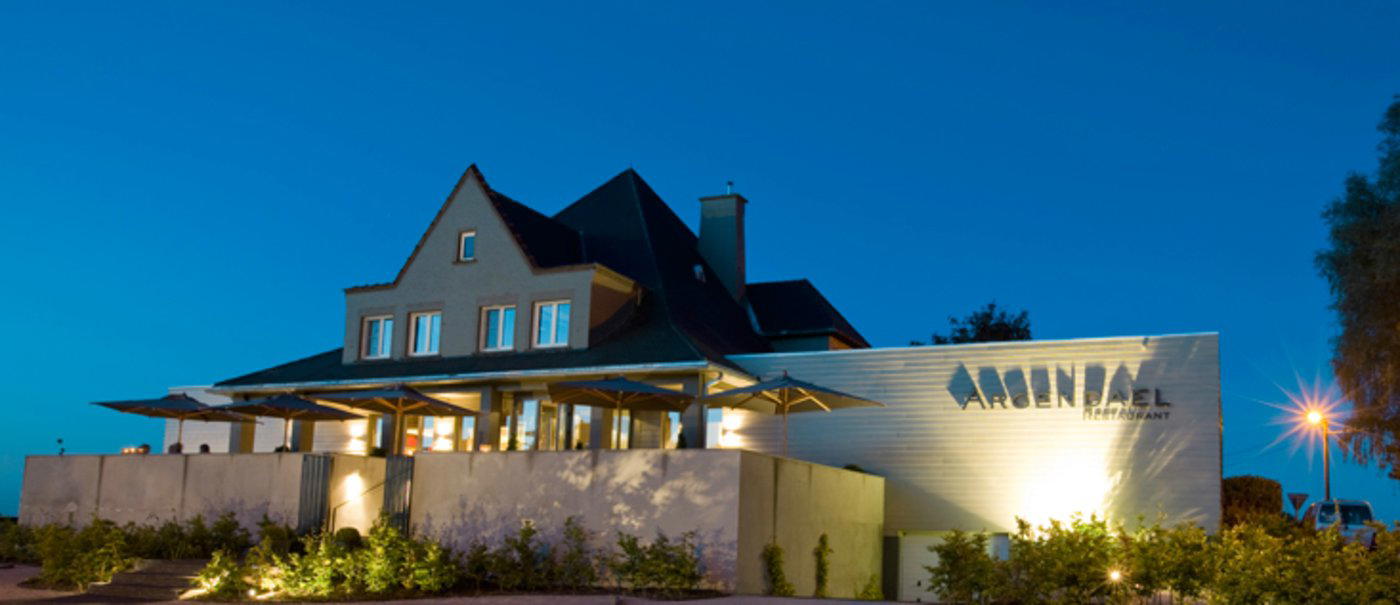
The Road Out of the Centre
Kortrijk's most interesting kitchens are rarely where tourists expect them. The city's dining identity has been built, over the past decade, along peripheral addresses and repurposed spaces rather than in the tourist-facing lanes around the Grote Markt. Argendael, at Doornikserijksweg 195, follows that logic. The address is on the southern approach into the city, a stretch of road that reads more functional than fashionable, which tends to filter the room toward people who came specifically rather than stumbled in. That kind of audience changes how a kitchen cooks.
West Flanders has developed a coherent regional dining identity distinct from the Michelin-dense corridors around Ghent or Antwerp. Venues like Boury in Roeselare and Hof van Cleve in Kruishoutem have established that the province is capable of competing at the highest level of Belgian fine dining. Kortrijk itself has grown a cluster of address-specific, format-conscious restaurants, from the modern French precision of Table d'Amis to the farm-to-table commitments of De Garage, that suggest the city is operating as a scene rather than a collection of isolated operators.
Where the Ingredients Come From
The dominant editorial conversation in Belgian fine dining over the past several years has been about sourcing: which kitchens are genuinely committed to regional supply chains, and which are using agricultural language as decoration. The distinction matters because Belgium's farming geography is specific. West Flanders has access to coastal North Sea produce, polderland vegetables, and an agricultural interior that differs substantially from the Ardennes-facing kitchens of Wallonia or the urban sourcing networks available to restaurants in Brussels, like Bozar Restaurant.
Kortrijk sits at an interesting pivot point in that geography. The city is close enough to the coast for seafood supply to be viable and embedded in an agricultural region with strong leek, chicory, and endive production. Restaurants that commit to that local sourcing frame are working with ingredients that carry genuine provenance rather than generic regional branding. That specificity is what separates ingredient-led dining from marketing copy about ingredient-led dining. Comparable positions in other Belgian cities have produced some of the country's more interesting kitchens, including Vrijmoed in Gent and Willem Hiele in Oudenburg, where the West Flemish coastal supply chain is treated as the core creative material rather than a garnish on a more conventional menu.
In Kortrijk's comparable set, the farm-to-table vocabulary has become a meaningful differentiator rather than a catchall. De Garage and venues operating in the €€€ bracket alongside Argendael are competing partly on the credibility of their sourcing claims. Diners in this segment increasingly read menus as supply-chain documents, and kitchens that can name specific producers or trace a seasonal logic through a tasting progression hold an advantage over those that cannot.
Kortrijk's €€€ Tier: What the Bracket Means
Kortrijk's mid-to-upper dining tier operates with a pricing logic shaped by local income levels and competition from Ghent, 45 kilometres to the northeast, which draws some of the city's more ambitious diners for special occasions. That competitive pull has historically kept Kortrijk restaurants from pushing into the highest price brackets, but it has also encouraged kitchens to deliver genuine value at the €€€ level, where the comparison is not against a Michelin-starred tasting menu in Antwerp but against a well-executed local alternative.
The effect is a tier of restaurants, including Argendael's near neighbours in the Kortrijk scene, that tend to offer serious cooking at accessible prices relative to the national fine-dining average. La Durée in nearby Izegem and Desanto in Kortrijk operate within this same competitive frame, and the cumulative effect has been a scene with stronger-than-expected depth for a city of Kortrijk's size. For reference, the Belgian fine-dining corridor produces kitchens at every price point from neighbourhood bistro to three-star destination; Kortrijk's €€€ tier sits comfortably in the middle of that national range.
Reading the Room at Doornikserijksweg
Peripheral addresses in Belgian cities tend to sort restaurants into one of two types: those that ended up there because rents were low and have never developed a distinct identity, and those that chose the location as an enabling constraint, using the space and the absence of foot-traffic pressure to develop a more deliberate program. The latter type, which includes addresses like Ralf Berendsen in Neerharen and Cuchara in Lommel, tends to attract a committed local following rather than a tourist or business-lunch rotation.
That audience profile shapes the atmosphere in ways that are not immediately visible from a menu. A room full of repeat visitors carries different energy than one cycling through first-timers, and kitchens feeding regulars tend to iterate more precisely, adjusting portions, progressions, and seasonal transitions based on genuine feedback. It is the structural condition that produces the kind of cooking celebrated at format-disciplined venues internationally, from Lazy Bear in San Francisco to the sustained precision of Le Bernardin in New York, albeit across a different scale and ambition.
The Kortrijk Scene in Wider Flemish Context
Kortrijk's emergence as a coherent dining destination rather than a provincial satellite of Ghent or Bruges is a relatively recent development, accelerated by a generation of operators who built identities around specific formats and sourcing commitments rather than trying to replicate the genre kitchens of larger cities. Choclo and Beugnies Les Chocolats are examples of Kortrijk businesses that have developed distinct identities within specific product categories, evidence that the city supports specialist operators rather than only generalist dining.
That specialist orientation matters when reading Argendael's position. Belgian dining outside the three major cities, Brussels, Ghent, and Antwerp, increasingly rewards specificity over breadth. Venues that try to cover every format and cuisine tend to attract a transient audience; those that commit to a clear identity, whether around sourcing geography, format discipline, or a specific culinary tradition, build the kind of local loyalty that sustains a kitchen through the slower months. The comparison set across Belgium reflects this: d'Eugénie à Emilie in Baudour and Zilte in Antwerp both occupy clear positions in their respective markets, and the clarity of that positioning is what allows diners to make a deliberate choice rather than a random one.
At-a-Glance Comparison
Comparable venues nearby, for context on price, style, and recognition.
| Venue | Cuisine | Price | Notes |
|---|---|---|---|
| ArgendaelThis venue — the venue you are viewing | French-Belgian Bistro with Black Angus Specialization | $$$ | Not listed |
| Pauline | Modern Belgian Fine Dining | $$$ | Gentsesteenweg |
| Pizzeria Sofia | Neapolitan Pizza | $$ | Sint-Maartenskerkhof |
| Sprezza | Mediterranean Cocktail Bar | $$ | Graanmarkt |
| Spicy Lemon | Persian-Inspired Middle Eastern | $$ | Kortrijk |
| Desanto | French-Belgian Brasserie | $$$ | city center |


At a Glance
- Romantic
- Rustic
- Cozy
- Elegant
- Date Night
- Business Dinner
- Group Dining
- Celebration
- Special Occasion
- Private Dining
- Terrace
- Sommelier Led
- Farm To Table
- Local Sourcing
Current opening hours
- Monday
- Closed
- Tuesday
- Closed
- Wednesday
- Closed
- Thursday
- 12–2 PM, 7–9 PM
- Friday
- 12–2 PM, 7–9 PM
- Saturday
- 7–10 PM
- Sunday
- 12–2 PM, 6:30–8:30 PM
Hours can change for holidays and private events. Last verified .
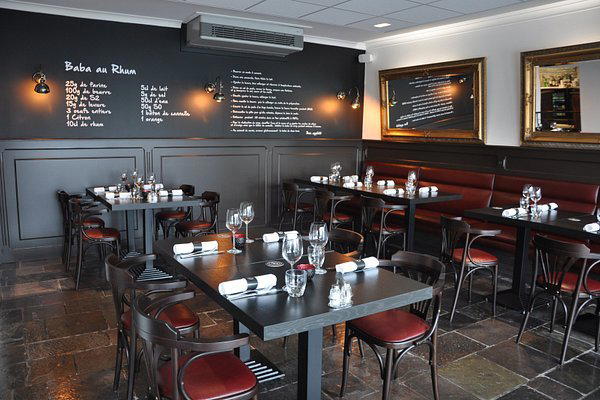
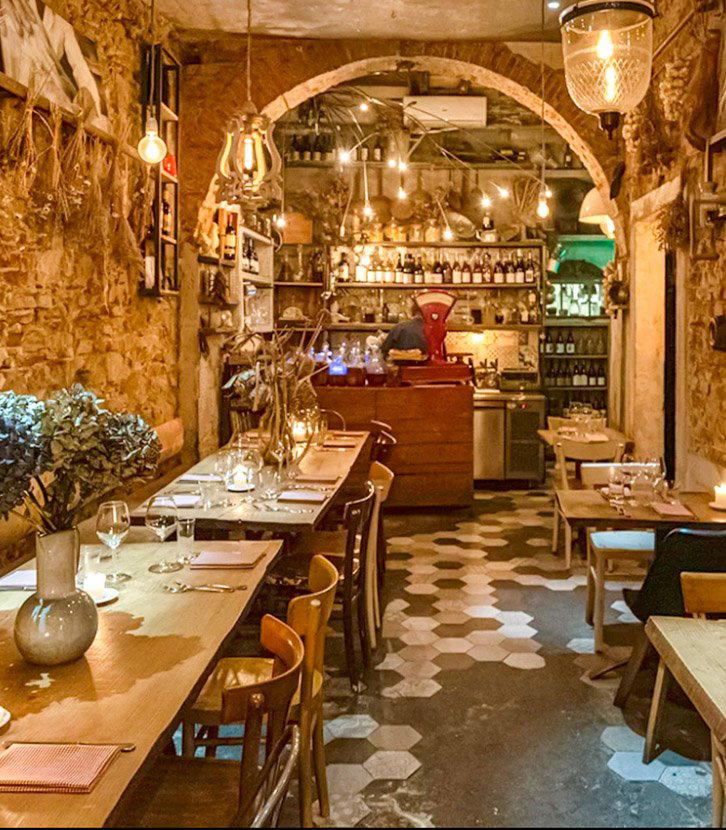
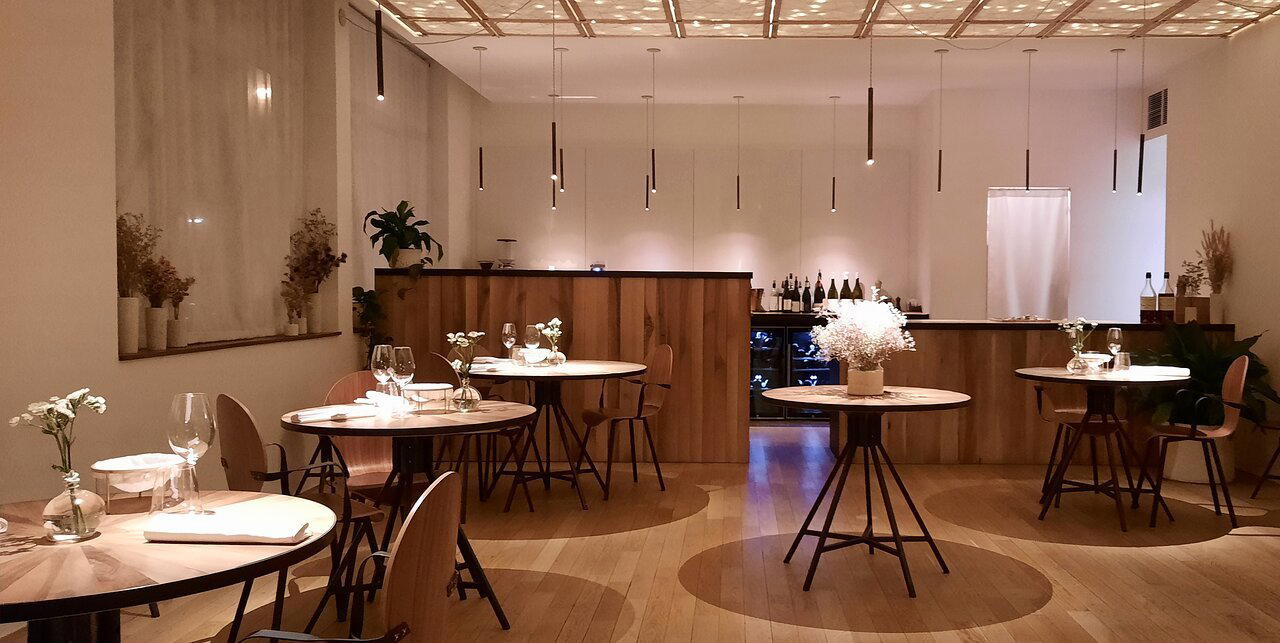
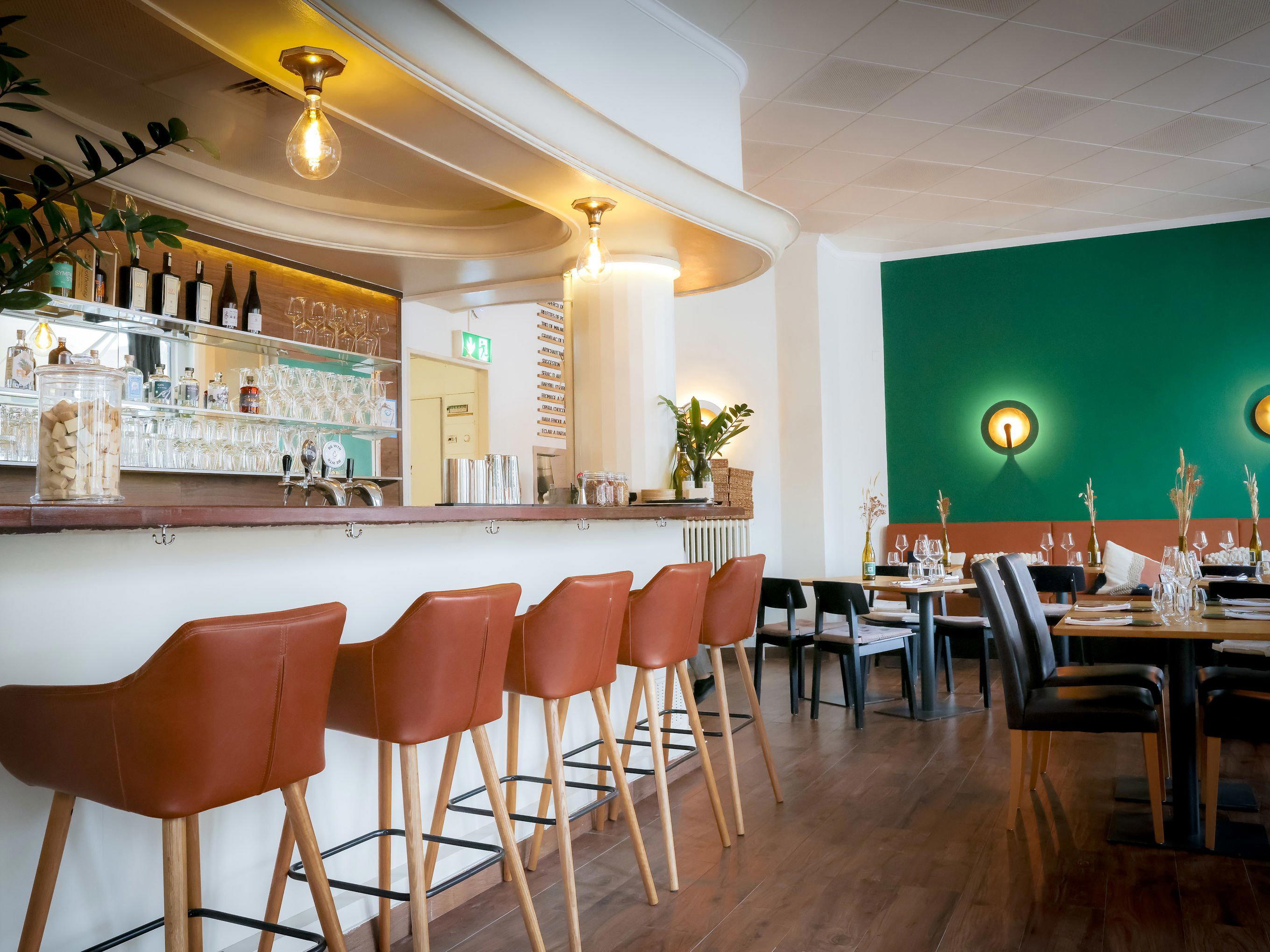
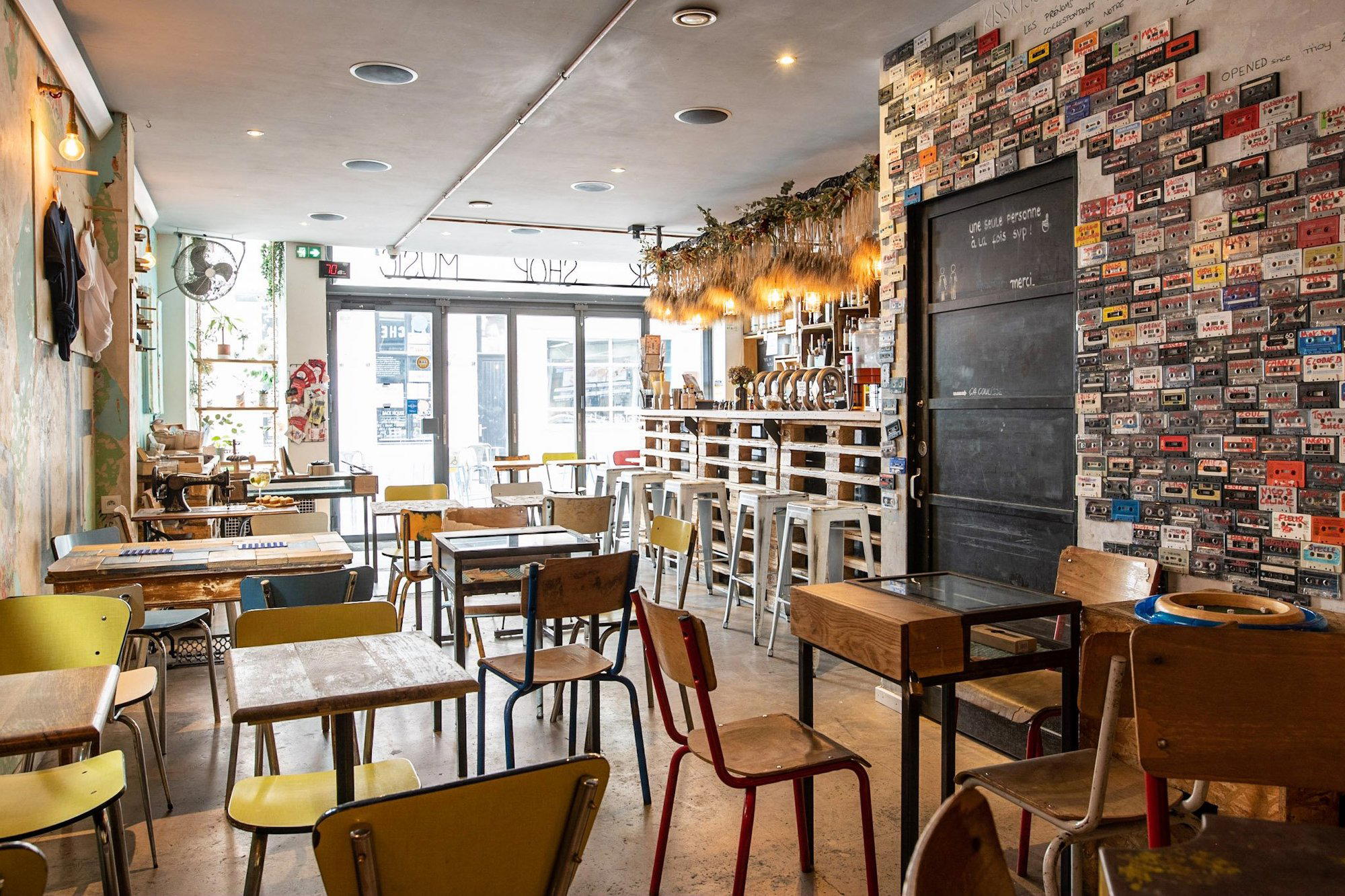
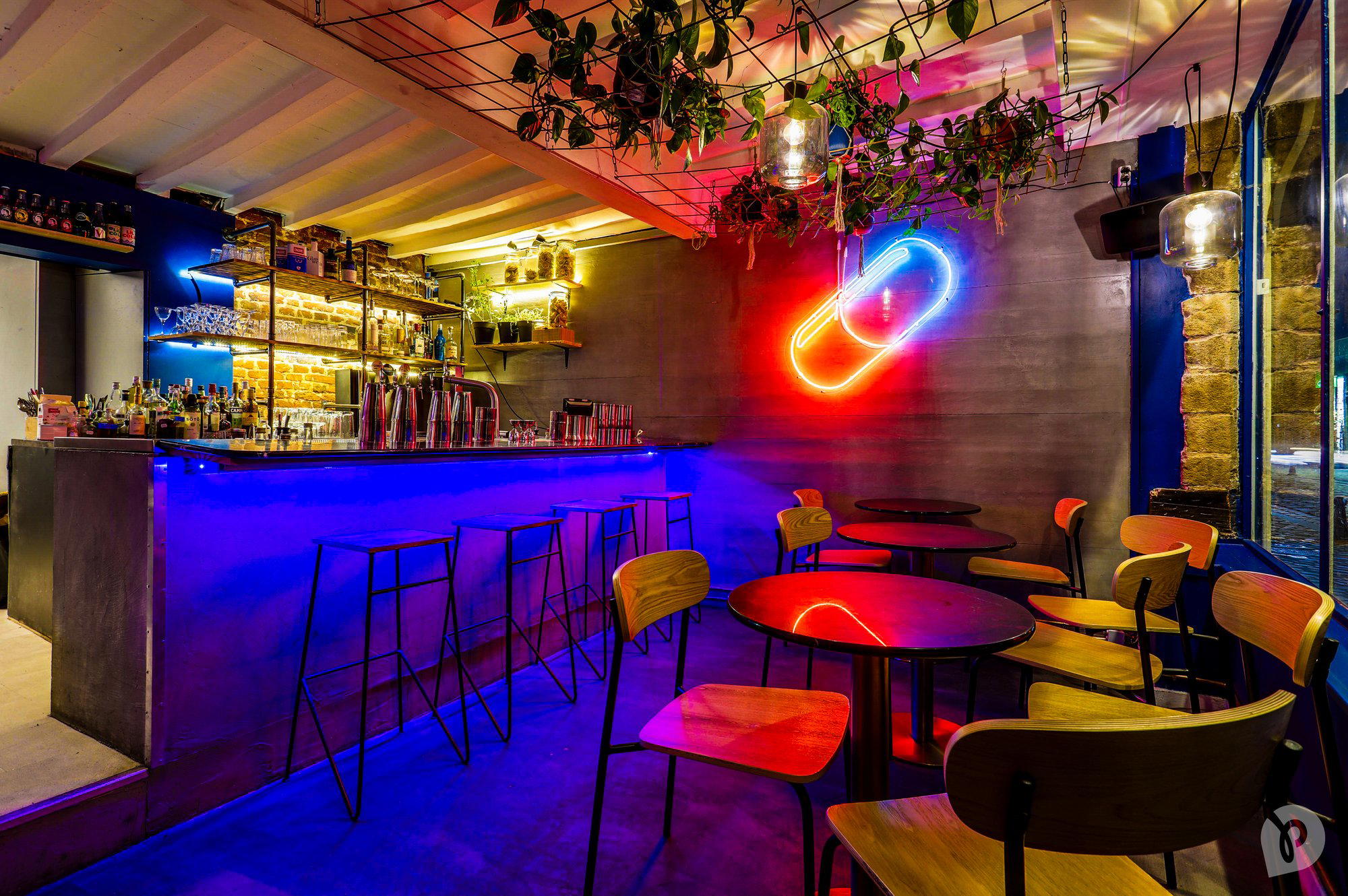
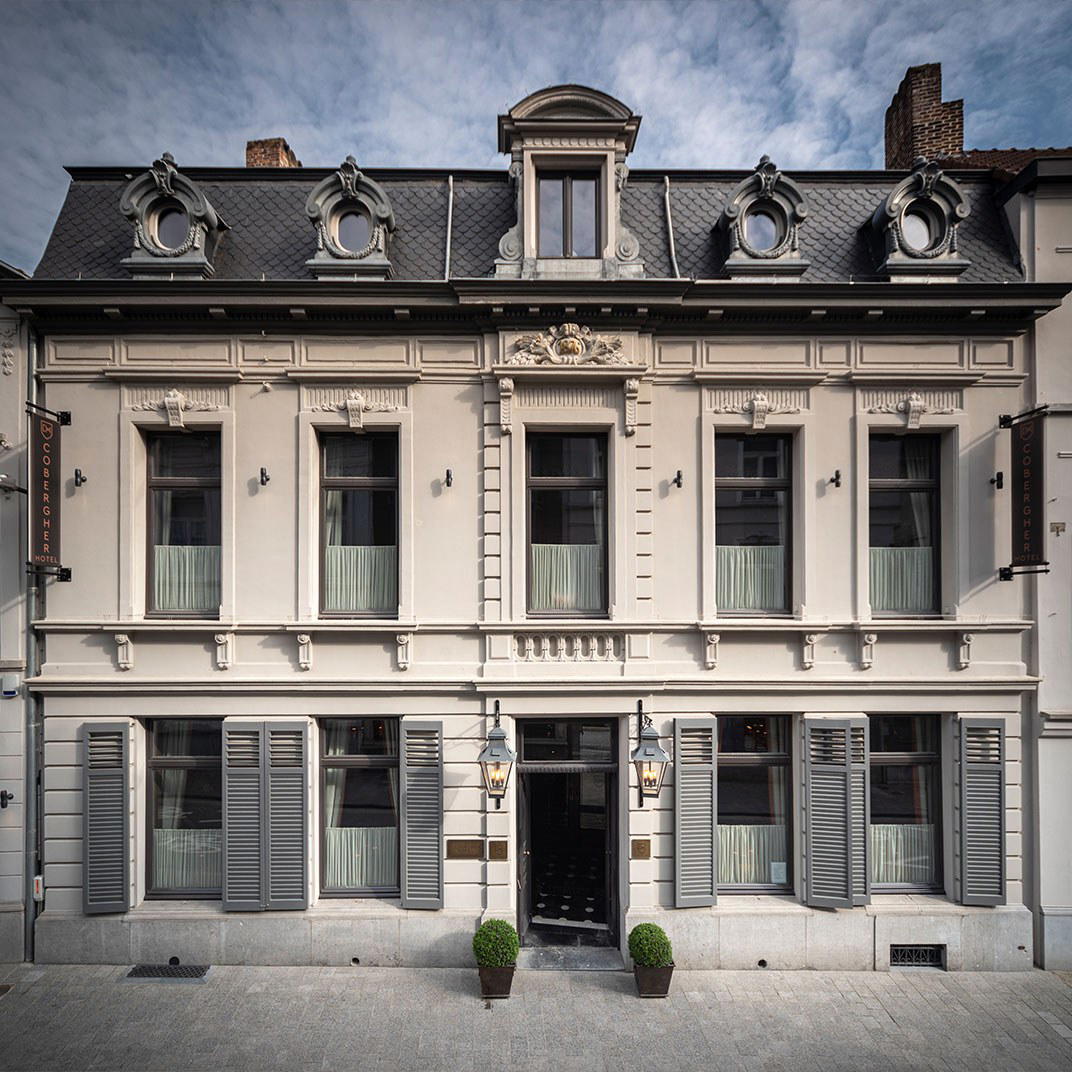
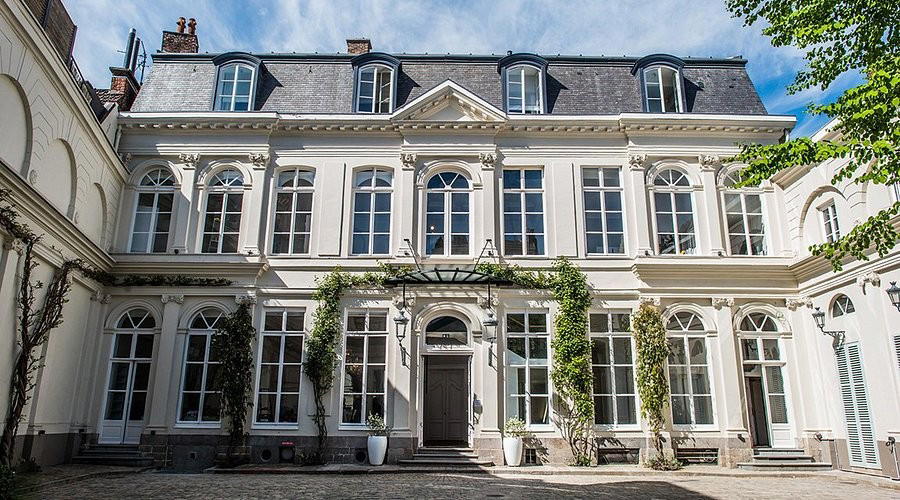
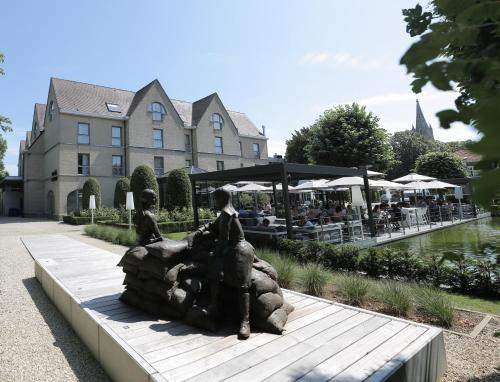
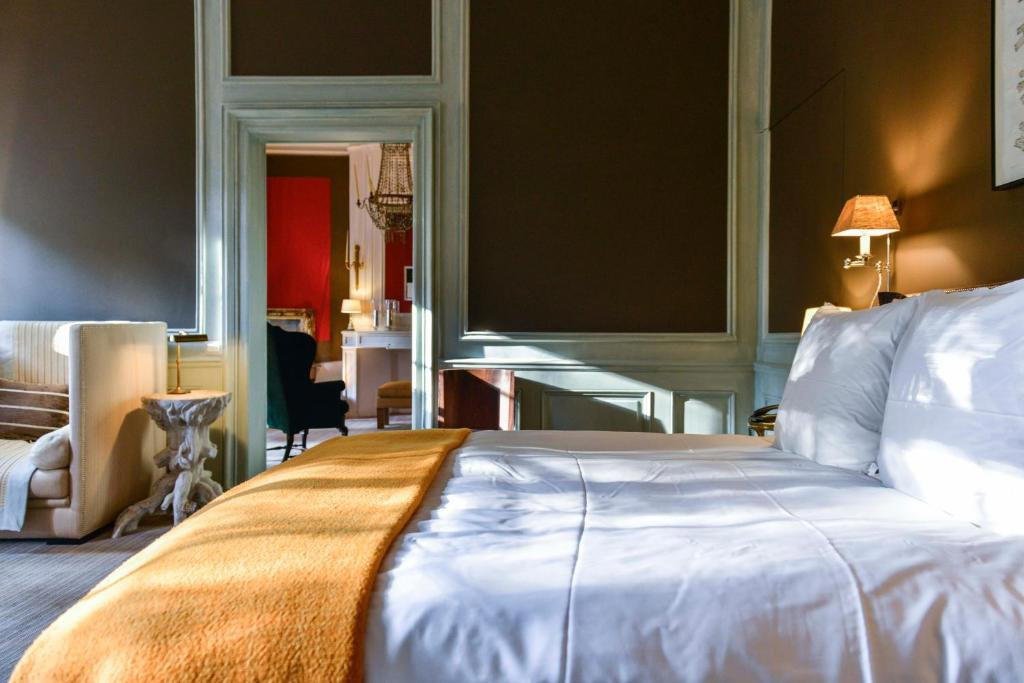
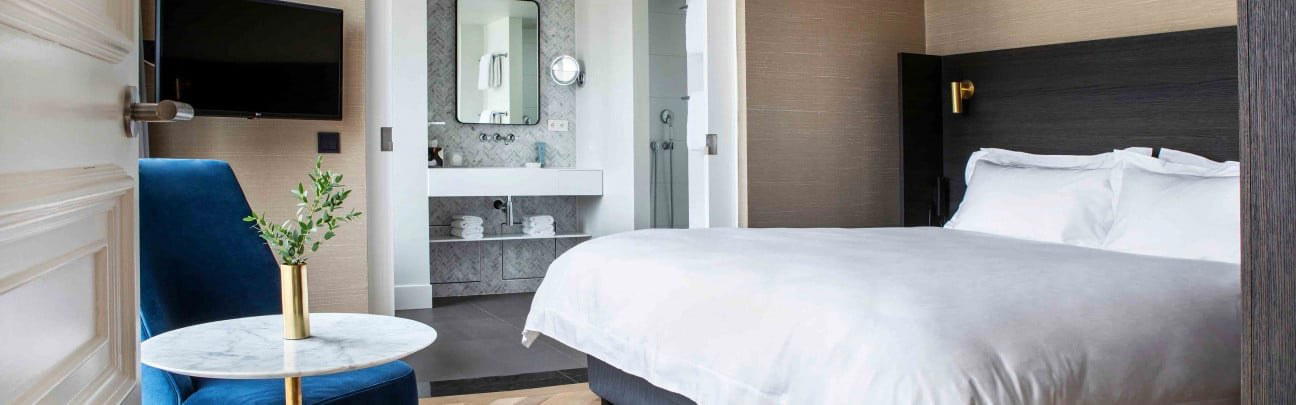
Spacious, rustic interior with modern decor; warm and welcoming atmosphere that balances fine dining refinement with casual comfort.