Spice & Dining KĀLA

Spice & Dining KĀLA puts Kitakyushu’s small-format dining culture into a sharper spice register, with Indian, Thai and innovative cooking compressed into a four-seat counter format. Its 2024 Tabelog 100 selection for Asian and ethnic cuisine in West Japan gives the room a clear credential, but the deeper interest is its ingredient discipline: fish, wine, and a stripped-back seasoning language built around oils, salt and vinegar.
Pearl is the En Primeur Club membership app — saves, bookings, and concierge access live there. Same editors, same standards.
- Address
- 福岡県北九州市小倉北区馬借3-3-30
- Phone
- +819071593045
- Website
- tabelog.com
 Saves & bookings on Pearl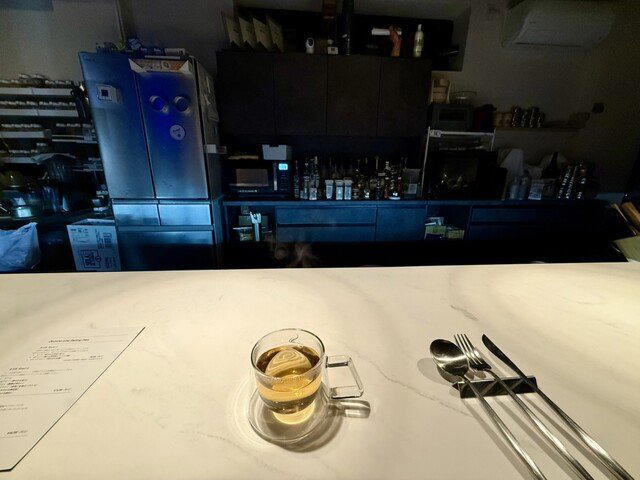
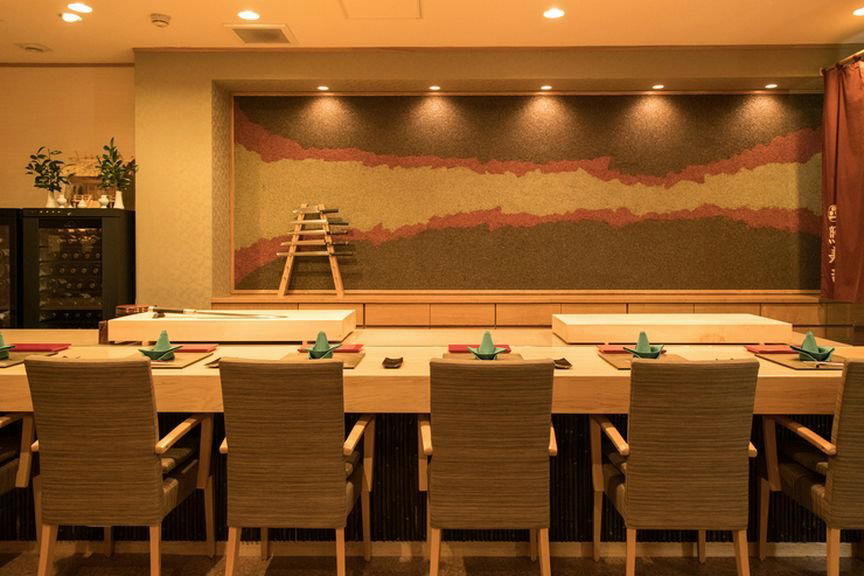
Approaching the counter, scale is the first signal. Kitakyushu has plenty of practical eating, from ramen counters to udon shops, but a four-seat room changes the terms of attention: sound drops, the kitchen becomes part of the table, and spice stops acting as background heat. Spice & Dining KĀLA is not a curry shop, Thai bistro, or French-style dégustation with cumin for color, but a compact course format where Indian and Thai references become structure.
That matters in Kokurakita-ku, where Kitakyushu’s dining identity is often read through comfort and locality: tonkotsu ramen, market-adjacent seafood, old-school grills, and noodles serving workers as much as travelers. The city’s high-spend tier is smaller and more deliberate. Sushi Asauumi sits in a similar budget bracket, while Tsudaya Shokudo and Zubora Tei are far more casual. KĀLA reads less as an alternative to neighborhood dining than as a specialist evening for diners comfortable with counter formats, tasting-menu pacing, and a kitchen that asks for close attention.
Fish, spice and restraint replace the usual heat-first script
Modern spice-led restaurants in Japan often split two ways. One leans casual: curry, biryani, regional plates, fast turnover. The other borrows French or Japanese fine-dining grammar and makes spice the central language rather than an accent. KĀLA sits in the second camp. Its listed categories, Indian, Innovative and Thai, are broad, but the ingredient stance tells more: fish is emphasized, salad oil is avoided, and grapeseed, olive, coconut and mustard oils are listed among the working fats. Seasoning is framed around salt and vinegar, with sweeteners avoided outside Thai cooking and desserts.
That discipline changes the meal. Spice is not merely chile or aroma; it organizes acidity, oil texture and protein. In Japan, where luxury dining often prizes ingredient purity, this gives spice cooking a different status, closer to kappo logic than to the heavy, sauce-driven stereotype many diners still attach to Indian food abroad. The restaurant uses the phrase “nu-india,” but the clearer translation is that Indian elements such as gravy, achar and chutney are treated as course-menu components rather than fixed-format plates.
The 2024 Tabelog 100 selection for Asian cuisine and ethnic cuisine in West Japan gives KĀLA a public marker in a category growing more serious across Japanese cities. Tabelog’s Hyakumeiten lists tend to reward depth inside specific genres, and KĀLA’s inclusion places it among regional specialists rather than general luxury restaurants. Its Tabelog score of 3.88 reinforces that placement: not mass-market popularity, but a narrow, enthusiast-driven audience.
A four-seat counter turns sourcing into theater, not decoration
Capacity is part of the criticism. Four seats create a different contract than a dining room with a hidden brigade. There is little room for excess plating drama or anonymous service rhythm. The counter suits a cuisine built from oils, vinegars, fish and spice bases because small adjustments are visible in real time; the meal’s intelligence sits in sequence, balance and restraint rather than volume.
Kitakyushu’s position also matters. The city sits on the Kanmon Strait, with food culture shaped by trade, industry and seafood access. It is not Kyoto, where refinement is often codified through inherited forms, nor Tokyo, where international genres compete in a dense luxury market. In Kitakyushu, a four-seat Indian-Thai-innovative counter with wine and cocktails lands with productive friction, asking whether spice cuisine can command the same spend and time as sushi or French when stripped of buffet abundance and casual curry-shop familiarity.
The wine signal places the room in conversation with contemporary tasting-menu habits. Spice pairing is difficult: bitterness, acidity, residual sugar, tannin and alcohol can collide quickly. A program listing wine and cocktails alongside spice-led cooking suggests progression rather than single-plate satisfaction. It also separates KĀLA from simpler ethnic-dining formats, where beer or lassi often does the heavy lifting.
For travelers mapping the city, the useful comparison is not only with other high-spend counters. A day of Kitakyushu eating can move from Gyoran Tei Honten to Imanami Udon, then toward sweets at Hyo Kashiya KOMARU or a classic local table such as Inaka An Kokura honten. Hountei adds another local reference point. KĀLA belongs at the opposite end of that itinerary: slower, smaller, more analytical.
How to place it in a Kitakyushu itinerary
This is not the first stop for a broad survey of Fukuoka prefecture’s casual food culture. It makes more sense after the city’s everyday grammar is understood: ramen, udon, eel, market fish, grilled cooking. Then the counter becomes legible as a local outlier, using global spice traditions to test what a Kitakyushu tasting format can be. The opening date, 25 November 2022, also matters. This is a recent restaurant, not an inherited institution, and its recognition arrived quickly enough to mark it as part of a current shift rather than a legacy address.
The format rewards small parties, solo diners and diners comfortable with a prolonged meal. Private use is available, significant when the entire room seats only four. Non-smoking policy, counter seating, power outlets and free Wi-Fi make the space practical, but the experience is built around concentration more than convenience.
Travelers building a broader plan should use Our full Kitakyushu restaurants guide for dining context, then pair it with Our full Kitakyushu hotels guide, Our full Kitakyushu bars guide, Our full Kitakyushu wineries guide and Our full Kitakyushu experiences guide. For wider reference across Japan and beyond, compare how specialist formats appear at -Grilled beef Sukiyaki- KAMAKURA TANUKIAN 鎌倉 たぬき庵 in Kamakura. 鮪と炭火焼き うお炭 秋葉原店 in Tokyo.cafe in Osaka.know in Kumamoto, (Shoku) Vietnam in Kawasaki, [Curry Senmon Ten] Maruyama Kyoju. in Sapporo, Jōdo Saké Bar in Los Angeles and Onigiri Time in Pasadena.
How It Stacks Up
Comparable venues by cuisine and price in the same metro.
| Venue | Cuisine | Price | Notes |
|---|---|---|---|
| Spice & Dining KĀLAThis venue — the venue you are viewing | Modern Indian Fine Dining | $$$ | Not listed |
| Sushi Morita (もり田) | Kyushu-mae Sushi | $$$$ | Kokurakita-ku |
| Tsudaya Kanbee | Dining | Not listed | Kitakyushu |
| Terroir Aitoibukuro | Modern Japanese Tasting Menu | $$$$ | Yatsugatake area, Yamanashi |
| Shiroya Bakery Kokura ten | Japanese Bakery | $ | Kokurakita-ku |
| Imanami Udon | Japanese Udon Noodles | $ | Kokuraminami-ku |
Recognition history
Dated appearances from independent guides and award organizations, with the underlying list record or original source where available.
Tabelog 100 #21 · No. 21
Tabelog · Tabelog 100 - Asian cuisine / Ethnic cuisine - WEST - 2024
Continue exploring
More in Kitakyushu
Restaurants in Kitakyushu
Browse all →

Bars in Kitakyushu
Browse all →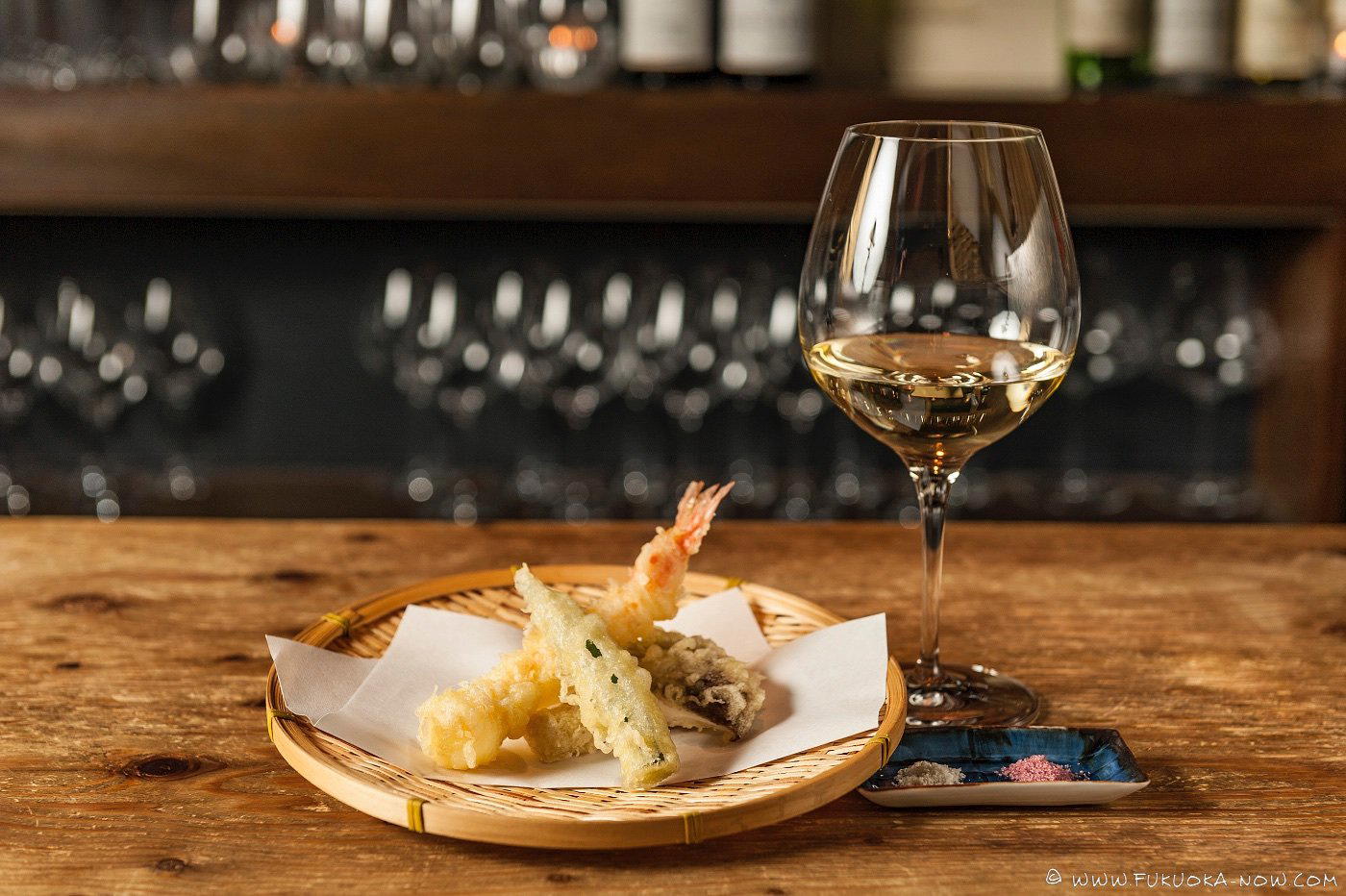


At a Glance
- Modern
- Sophisticated
- Intimate
- Date Night
- Special Occasion
- Business Dinner
- Open Kitchen
- Design Destination
- Standalone
- Craft Cocktails
- Beer Program
- Street Scene
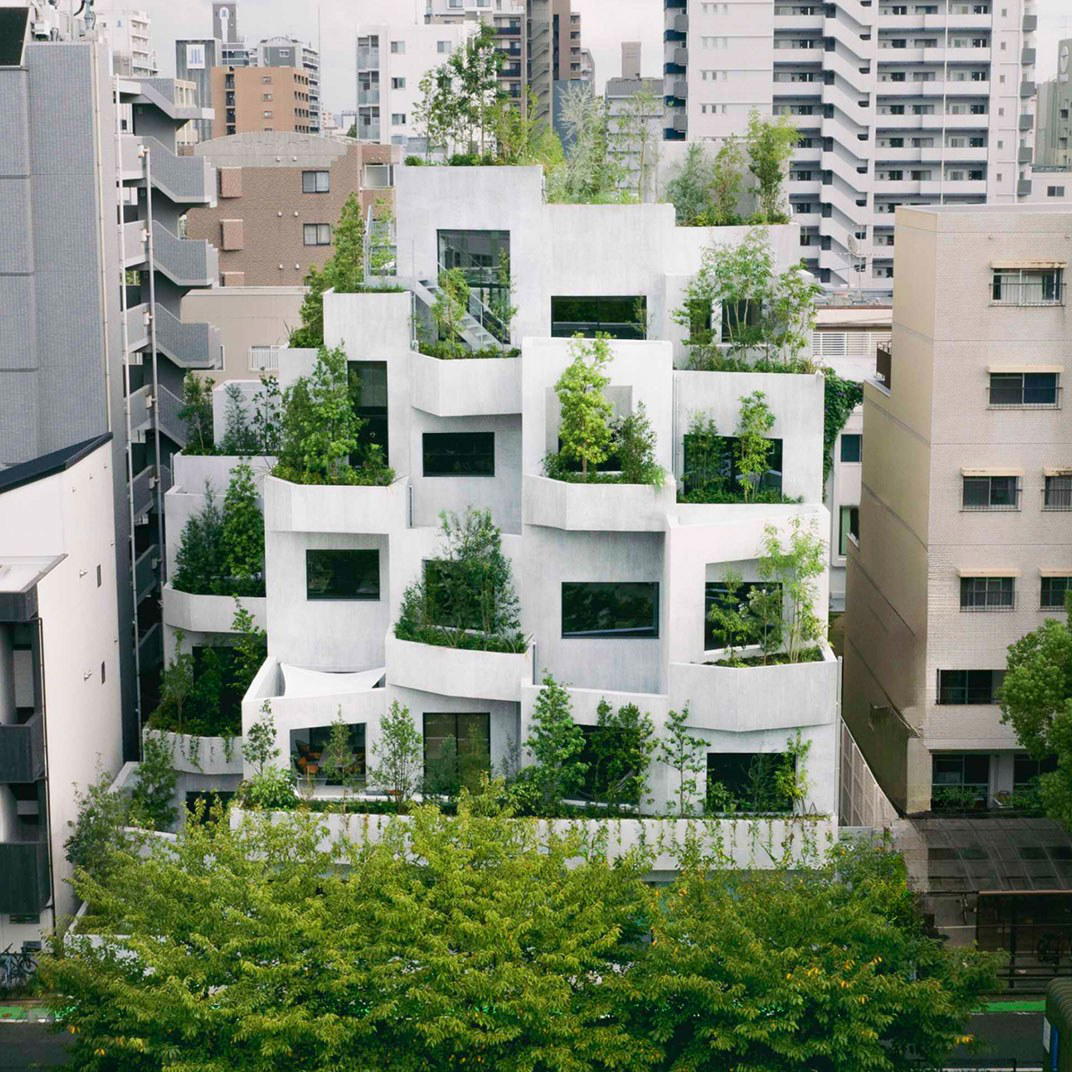
A counter-style, reservation-only dining room with an exclusive, intimate feel and a sense of anticipation from the door-code entry process.