
Spanish Bar BULBO gives Nagoya’s occasion-dining circuit a compact Spanish baru option rather than another formal tasting-menu room. Its Tabelog 100 Spanish cuisine selections in 2024 and 2026, wine focus, and 12-seat format place it in a tighter bracket than casual tapas drinking spots, with a scale better suited to dates and small celebrations than groups.
Pearl is the En Primeur Club membership app — saves, bookings, and concierge access live there. Same editors, same standards.
- Address
- Japan, 〒460-0007 Aichi, Nagoya, Naka Ward, Shinsakae, 2 Chome−27−12 加藤コーポ新栄 1階
- Phone
- +81 90-1267-8723
- Website
- instagram.com
 Saves & bookings on Pearl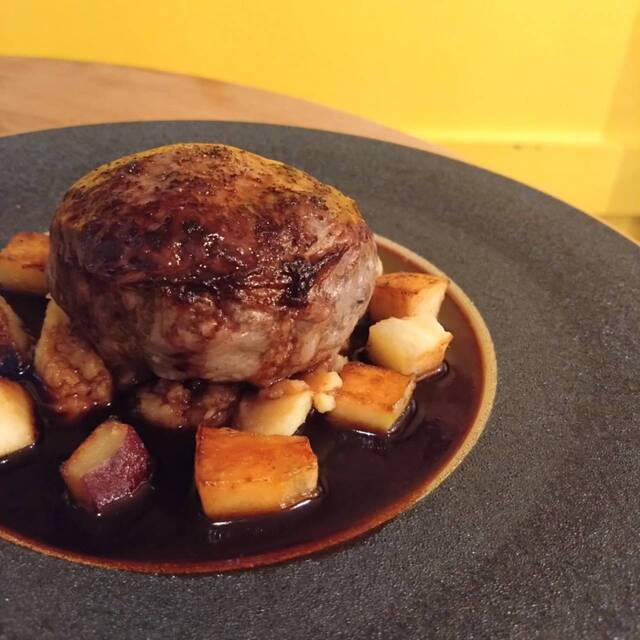
Shinsakae has a different evening rhythm from Nagoya Station’s corporate polish or Sakae’s department-store gravity. The neighbourhood works better after dark, when small rooms, counter bars, and late dinners turn side streets into a map for people who prefer conversation over spectacle. In that setting, Spanish Bar BULBO fits a broader Nagoya pattern: serious food in compact rooms, priced for a considered night out rather than a ceremonial blowout.
Spanish dining in Japan often splits into two lanes. One is the polished restaurant, where regional Spanish cooking is reframed through tasting menus and wine pairings. The other is the baru, a smaller, social model built around wine, shared plates, and a room that shifts tempo across the evening. BULBO sits closer to the second lane, but Tabelog 100 Spanish cuisine selections in 2024 and 2026 put it above the ordinary drinking-bar tier. That matters in Nagoya, where occasion dining does not always require white tablecloth formality; sometimes the stronger move is a narrow room with a few seats, a focused drinks identity, and enough recognition for a date or anniversary dinner.
A Spanish baru scaled for milestone nights, not banquet dining
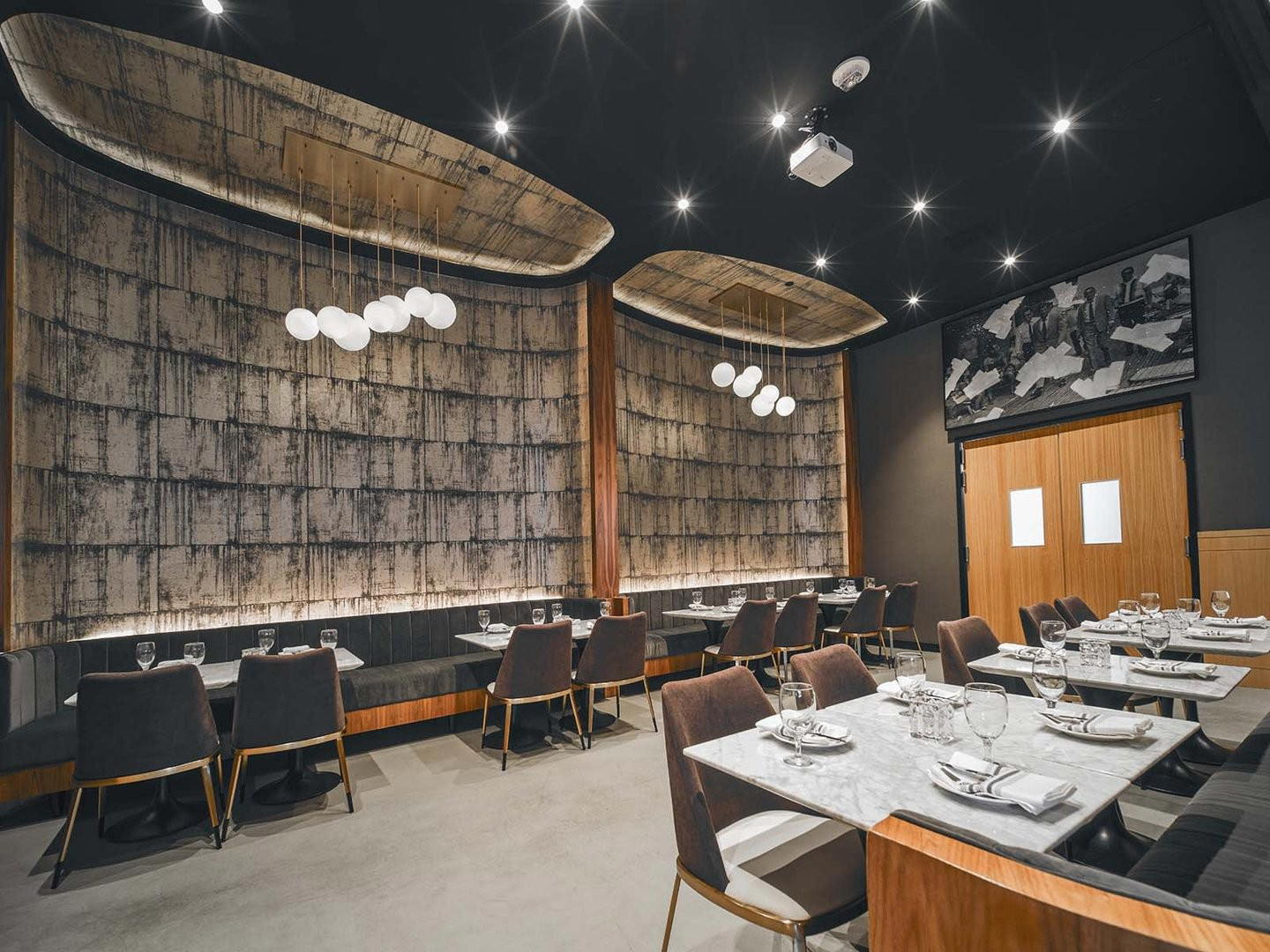
The room’s scale shapes the experience before the menu does. With 12 seats, including counter seating and a single table, it suits two-person dinners and small celebratory plans rather than large parties. That is the point. Japan’s better small restaurants often build confidence through compression: fewer seats, shorter sightlines, more attention to pacing, glassware, and the rhythm between food and wine.
For Nagoya diners, BULBO sits in a useful middle tier. It is not competing with high-ceremony restaurants, and it is not a casual chain-style tapas stop. The price bracket places it alongside independent places where a planned dinner can feel personal without becoming financially theatrical. Among local comparisons, Aaron sits in the same listed dinner range, while lower-priced casual venues occupy another decision set. This is for a night when the setting needs intimacy and credibility, not volume.
The Spanish baru format gives occasion dining flexibility. Shared plates feel less rigid than a course-by-course menu, while wine anchors the evening. For couples, that can beat a restaurant where the kitchen dictates every turn. The appeal is less ceremony than control: choosing pace, ordering around appetite, and letting the room’s small scale do the emotional work.
Recognition gives the small-room format real weight
Tabelog’s Hyakumeiten lists are useful because they are category-specific rather than general applause. A Spanish cuisine selection says something narrower and more relevant than a broad popularity label: within Japan’s Spanish dining category, the restaurant has reached a recognized tier. BULBO’s 2026 Spanish cuisine list appearance, after a 2024 selection, gives the room a stronger signal than newcomer enthusiasm alone.
That signal matters because Spanish food outside Tokyo and Osaka can be harder for travelers to read. Nagoya is better known nationally for local comfort dishes and miso-driven regional signatures than Spanish dining. A small Spanish baru in Shinsakae needs evidence to enter a visitor’s limited dinner schedule. Awards are not a substitute for taste, but they separate a deliberate booking from a pleasant gamble.
The Tabelog score of 3.64 also places it where Japanese diners tend to treat a restaurant as credible rather than merely convenient. Scores on the platform are conservative by design; a mid-3 rating can carry more meaning than on international review sites. Pair that with the 12-seat footprint and wine-led identity, and the case is clear: BULBO belongs to Nagoya’s smaller specialist dining circuit, where format and selectivity matter as much as category.
For readers building a wider Nagoya itinerary, the useful comparison is not only other Spanish rooms. It is the city’s split between counter-led specialists and broader all-purpose restaurants. 1022, 451, and Alan. show how much of Nagoya’s dining interest sits in independent formats rather than hotel dining rooms. All Day Dining Montmartre serves a different purpose, useful when breadth and hotel convenience matter more than the mood of a small bar.
How to use it in a Nagoya itinerary
The strongest use case is a two-person dinner in Shinsakae, especially when the night calls for more intention than a casual izakaya but less stiffness than a formal tasting menu. Dates are a natural fit because the space is small, counter seating is part of the format, and the wine identity gives the evening a clear line. For milestones, it works better for low-key celebration than public grand gesture.
Travelers should read the Sunday closure and late-night operating rhythm as planning logic. Shinsakae rewards diners who treat dinner as the main event rather than a stop between attractions. The neighbourhood is not a hotel-lobby dining zone; it suits guests already comfortable with Nagoya’s central districts who want a smaller address after the obvious choices.
There is one practical caveat for families: small children are discouraged, matching the room’s date-night positioning. That does not make the place severe. It clarifies the occasion. A 12-seat wine-focused Spanish baru has a different social contract from a family restaurant, useful when choosing where to spend a limited evening in the city.
For broader planning, start with Our full Nagoya restaurants guide, then use Our full Nagoya hotels guide, Our full Nagoya bars guide, Our full Nagoya wineries guide, and Our full Nagoya experiences guide to build the rest of the trip. Readers comparing Japanese dining styles beyond Aichi can also look at -Grilled beef Sukiyaki- KAMAKURA TANUKIAN 鎌倉 たぬき庵 in Kamakura. 鮪と炭火焼き うお炭 秋葉原店 in Tokyo.cafe in Osaka.know in Kumamoto, (Shoku) Vietnam in Kawasaki, [Curry Senmon Ten] Maruyama Kyoju. in Sapporo, Jōdo Saké Bar in Los Angeles, and Onigiri Time in Pasadena.
At a Glance
Comparable venues at a similar level for quick context.
| Venue | Cuisine | Price |
|---|---|---|
| Spanish Bar BULBOThis venue — the venue you are viewing | Not listed | $$ |
| Trattoria Tope | Higashi, Italian Trattoria | $$ |
| Link | Naka, Japanese Sake Bar & Izakaya | $$ |
| Bistro Den Den | Chikusa, Spanish Bistro & Tapas | $$$ |
| Riverente | Nishi, Dining | Not listed |
| YAAB THAI en CASA | Nakamura, Dining | Not listed |
Recognition history
Dated appearances from independent guides and award organizations, with the underlying list record or original source where available.
Tabelog 100 #62 · No. 62
Tabelog · Tabelog 100 - Spanish cuisine - 2026
Continue exploring
More in Nagoya
Restaurants in Nagoya
Browse all →
At a Glance
- After Work
- Casual Hangout
- Date Night
- Standalone
- Extensive Wine List
Current opening hours
- Monday
- 6 PM–1 AM
- Tuesday
- 6 PM–1 AM
- Wednesday
- 6 PM–1 AM
- Thursday
- 6 PM–1 AM
- Friday
- 6 PM–1 AM
- Saturday
- 6 PM–1 AM
- Sunday
- Closed
Hours can change for holidays and private events. Last verified .
A cozy, intimate Spanish bar where drink lovers gather, offering an authentic moment with Spanish cuisine and wine at a small counter with only about a dozen seats.