
Spanish Bar Bosque brings the Spanish bar format into central Yokkaichi with a fish-led menu, wine focus, and Tabelog 100 Spanish cuisine selection in 2026. The appeal is less formal destination dining than a compact, station-side counter-and-table room where tapas, paella, jamón, cocktails, and Spanish wine sit comfortably inside Japan’s after-work dining culture.
Pearl is the En Primeur Club membership app — saves, bookings, and concierge access live there. Same editors, same standards.
- Address
- 三重県四日市市安島1-1-42
- Phone
- +81593404140
- Website
- bosque-yokkaichi.com
 Saves & bookings on Pearl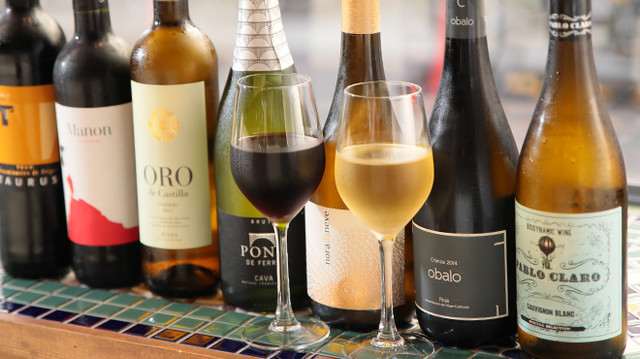
Near Kintetsu Yokkaichi, the Spanish bar idiom changes register. It is not the grand dining-room version of Spain, with white cloth and ceremony, but the Japanese reading of a bar de tapas: counter seats, tables for groups, wine within reach, and food designed to move from a first glass into a full evening. In a city better known to travelling diners for ramen, izakaya cooking, and regional comfort food, Spanish Bar Bosque gives Yokkaichi a different kind of night out, one built around shared plates rather than a fixed tasting-menu script.
That matters because Spanish cooking in Japan has often found its strongest expression outside luxury dining. The form travels well: seafood, rice, ham, olive oil, grilled items, and wine all translate cleanly into the way Japanese diners already eat in groups. Bosque’s category listing spans Spanish, Spanish-style baru, and izakaya, which is the point. This is Spain filtered through the grammar of a Japanese drinking room, not a museum piece. Its selection for Tabelog 100 Spanish cuisine in 2026, with earlier selection in 2024, places it in a national conversation that reaches beyond Mie Prefecture.
Spanish bar culture, adapted to a Yokkaichi drinking room
The stronger Spanish bars in Japan understand pacing. A table may begin with tapas, move toward rice, add jamón, and stay with wine or cocktails rather than treating dinner as a rigid sequence. Bosque’s public menu positioning points to more than 50 handmade dishes, including daily tapas, paella, and jamón, with a wine program described around more than 40 Spanish wines. Those details are useful because they show breadth without implying fine-dining formality. The price band sits in the JPY 4,000 to JPY 4,999 range, a level that makes repeat local use more plausible than once-a-year occasion dining.
Fish is flagged as a particular focus, which fits both sides of the format. Spain’s coastal repertoire gives a bar plenty of room for seafood, while Mie diners are not strangers to fish-led meals. The result is a useful middle ground: less specialized than a sushi counter, more wine-oriented than a standard izakaya, and looser than a kappo room. In Yokkaichi terms, that puts Bosque beside rather than above the city’s other casual specialists. Oki No occupies a neighbouring price bracket, while Honetsuki Dori Kamon operates at a far lower spend; Bosque’s argument is the longer wine-and-small-plates evening.
The award signal is also worth reading carefully. Tabelog’s Hyakumeiten lists tend to reward depth within a genre rather than broad luxury cues, and Spanish cuisine remains a narrower category in Japan than sushi, ramen, or yakiniku. A Yokkaichi address appearing in that Spanish list says something about the spread of genre-specific dining beyond Tokyo, Osaka, and Kyoto. It also gives visitors a reason to look at the city’s restaurants as more than a stop between Nagoya and Ise.
Where it fits among Yokkaichi's sharper casual tables
Yokkaichi’s dining appeal is strongest when it stays specific. The city does not need to imitate a capital-city tasting-menu circuit to be interesting. Menya Sonidori and Ramen Hachinoashiha show the noodle side of that equation, where specialization and queue culture often matter more than décor. Restaurant KAITO points in a different direction, useful for diners mapping the city beyond izakaya and ramen. Bosque belongs to the after-dark, wine-with-food lane, closer in spirit to the urban baru than to either ramen counter or formal restaurant.
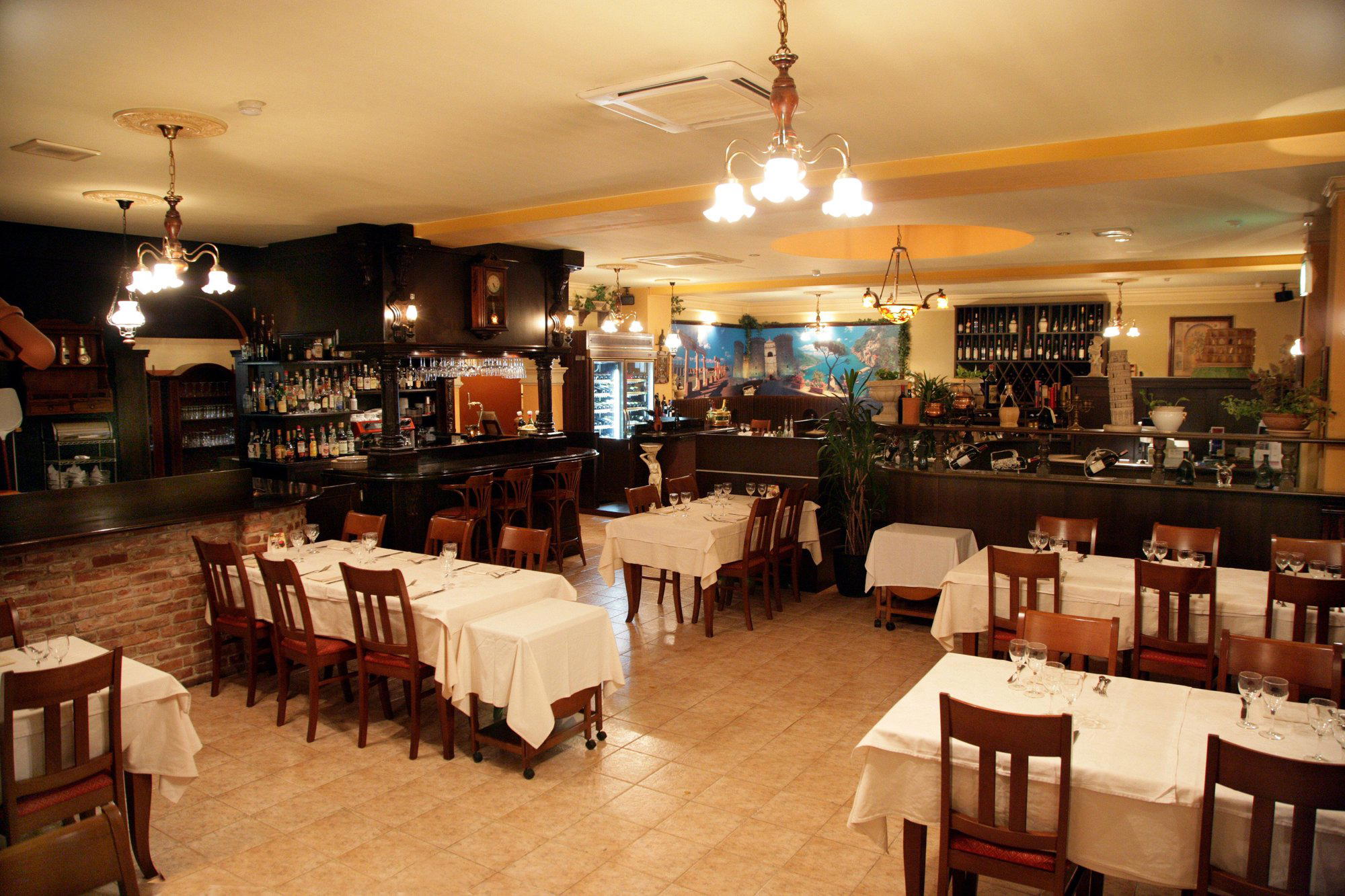
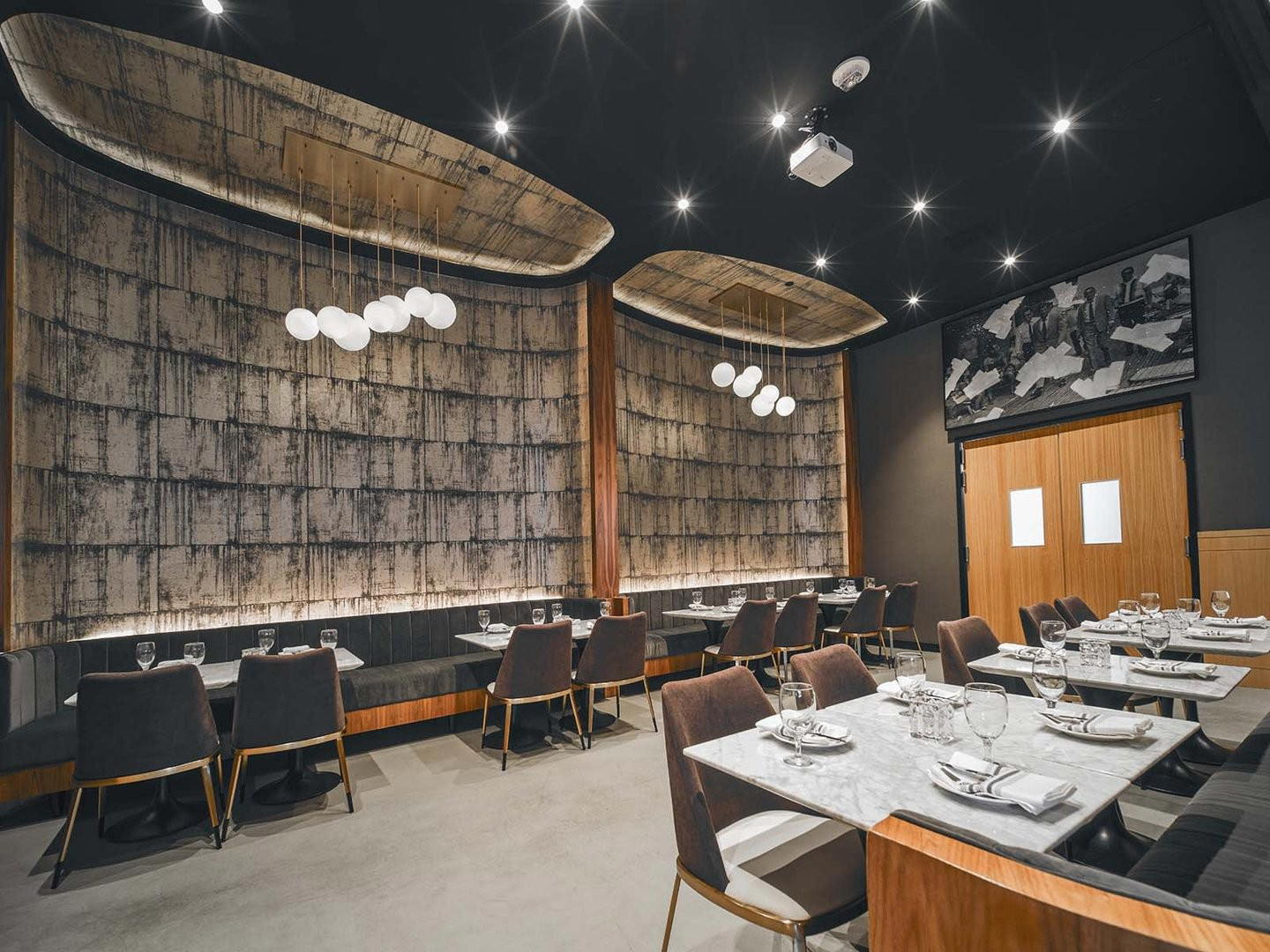
The room’s structure reinforces that role: 32 seats, including 11 at the counter and four four-seat tables, with private use available for larger groups. That combination matters in Japan, where a counter can serve couples and solo diners while tables handle work gatherings or family meals. Children are welcomed, private rooms are not part of the setup, and the venue is non-smoking. It is a practical, flexible format rather than a hushed room built around deference.
For travellers, the decision is simple. Choose Bosque when the evening calls for Spanish wine, seafood-leaning plates, and a conversational room near the station. Choose a ramen specialist when speed and singular focus matter; choose kappo or formal dining when the meal needs ceremony. The Spanish bar format rewards appetite, pacing, and a willingness to share, which makes it a useful counterpoint to Japan’s many solo-bowl and chef-led formats.
How to read the practical signals before going
The useful planning details are unusually clear. The address is 三重県四日市市安島1-1-42, close to Kintetsu Yokkaichi Station, and the venue lists no parking, so rail access is the sensible approach. Hours run Tuesday to Friday from 5:00 PM to midnight, Saturday and Sunday from 4:00 PM to midnight, with Monday closed. Reservations are available, and private-party reservations are handled by phone. Credit cards are accepted, while electronic money and QR payments are not listed. A JPY 300 per-person charge applies except for course reservations.
Spanish Bar Bosque is not the only reason to plan a food-focused stop in Yokkaichi, but it broadens the city’s range. Use Our full Yokkaichi restaurants guide for the wider dining map, then cross-check the city through Our full Yokkaichi hotels guide, Our full Yokkaichi bars guide, Our full Yokkaichi wineries guide, and Our full Yokkaichi experiences guide if the trip extends beyond dinner.
For broader comparison across Japan and beyond, the same question applies: what does a venue add to its local dining culture? That lens connects Yokkaichi with places as varied as -Grilled beef Sukiyaki- KAMAKURA TANUKIAN 鎌倉 たぬき庵 in Kamakura. 鮪と炭火焼き うお炭 秋葉原店 in Tokyo.cafe in Osaka.know in Kumamoto, (Shoku) Vietnam in Kawasaki, and [Curry Senmon Ten] Maruyama Kyoju. in Sapporo. Outside Japan, Jōdo Saké Bar in Los Angeles and Onigiri Time in Pasadena show how Japanese and Spanish-adjacent drinking or snack cultures keep changing when they leave home.
Price Lens
Nearby venues at a similar price tier for orientation.
| Venue | Cuisine | Price | Notes |
|---|---|---|---|
| Spanish Bar BosqueThis venue — the venue you are viewing | Yokkaichi, Spanish Tapas Bar | $$ | Not listed |
| Oki No | Not listed | $$ | Suwa Sakaemachi, Seasonal Japanese Izakaya & Kappo |
| 割烹 西むら | 西新地, Kappou Kaiseki | $$$$ | Not listed |
| 四日市バール | Not listed | $$ | near Kintetsu Yokkaichi Station, French Tavern (Bistro) |
| ターヴォラカルダ オオノ | Motomachi, Italian Trattoria | $$$ | Not listed |
| 采女いしかわ | Not listed | $$$ | Unemecho, Yokkaichi, Traditional Japanese Kaiseki |
Recognition history
Dated appearances from independent guides and award organizations, with the underlying list record or original source where available.
Tabelog 100 #87 · No. 87
Tabelog · Tabelog 100 - Spanish cuisine - 2026
Continue exploring
More in Yokkaichi
Restaurants in Yokkaichi
Browse all →
At a Glance
- Cozy
- Quiet
- Classic
- Group Dining
- Casual Hangout
- After Work
- Standalone
Stylish and relaxing, with a quiet, intimate bar-restaurant atmosphere.