
Restaurant KAITO puts serious French cooking into a small house-restaurant format in Yokkaichi, a city better known to travellers for port-industry commerce than destination dining. Its 2025 selection for Tabelog French WEST “Tabelog 100” gives it a clear credential, while the intimate scale and wine-minded service place it in a quieter, more deliberate tier of Mie dining.
Pearl is the En Primeur Club membership app — saves, bookings, and concierge access live there. Same editors, same standards.
- Address
- 三重県四日市市八幡町4-3
- Phone
- +818078983196
- Website
- tabelog.com
 Saves & bookings on Pearl
In Yokkaichi, the approach to serious dining is rarely theatrical. The city’s restaurant culture tends to sit behind ordinary streets, station-side blocks, and residential addresses rather than grand hotel lobbies. That context matters for Restaurant KAITO: the experience reads less as urban spectacle than as a compact house-restaurant format, where the room, the pacing, and the wine service carry as much weight as the cooking itself.
French dining in regional Japan has developed its own grammar. Outside Tokyo, Osaka, and Kyoto, the stronger kitchens often work with fewer seats, narrower menus, and a closer relationship to nearby producers. The result is not provincial imitation of Parisian fine dining, but a Japanese reading of French structure: sauce work, progression, wine, and formality filtered through local availability and seasonality. In Mie Prefecture, that can mean a stronger connection to coastal supply, agricultural pockets, and the rhythms of a city that is not built around visitors first.
A five-seat French format shaped by regional supply
The useful way to read KAITO is through scale. Five seats changes the economics and the mood of a meal. It narrows the number of covers, reduces the room’s background noise, and makes a conventional restaurant comparison less useful. This is closer to the micro-restaurant tier found across Japan, where the dining room becomes a controlled framework for a small kitchen rather than a broad à la carte operation.
That scale also sharpens the ingredient question. French technique in Japan often succeeds when it avoids importing an entire European pantry as a status symbol. The stronger regional examples use French methods to organize what the area can supply: vegetables with clearer seasonality, seafood that does not need excessive intervention, and sauces calibrated to Japanese expectations of weight and balance. KAITO’s recognition in the 2025 Tabelog French WEST “Tabelog 100” places it inside that conversation, alongside kitchens judged within western Japan rather than against Tokyo’s louder fine-dining economy.
The award signal is useful because Yokkaichi is not an obvious French-dining destination for international travellers. Local demand in cities like this tends to be more occasion-led: anniversaries, business meals, and small group dinners where privacy and pacing matter. A restaurant selected in a regional French category has to justify attention beyond neighbourhood convenience. The case here is the combination of small capacity, wine orientation, and a house-restaurant setting, which gives the meal a more personal tempo than larger urban rooms.
Yokkaichi's dining range makes the French choice more pointed
Yokkaichi rewards diners who do not treat it as a single-category city. The local map moves from casual chicken and ramen to counter-led Japanese cooking and small European rooms. For a low-key local meal, Honetsuki Dori Kamon sits in a different price and format bracket, while Menya Sonidori and Ramen Hachinoashiha speak to the city’s noodle culture rather than its occasion-dining side. Oki No and Spanish Bar Bosque broaden the middle ground, where European references are more casual and flexible.
That contrast is the point. A small French room in this city is not competing with ramen counters on speed or with izakaya formats on spontaneity. It competes for a different evening: planned, quiet, structured, and better suited to diners who want a meal to unfold rather than simply solve hunger. Compared with the city’s casual entries, KAITO occupies the deliberate end of the spectrum, and the Tabelog French WEST selection gives that positioning a public marker.
For travellers building a wider itinerary, Yokkaichi works well when restaurants are treated as part of a regional route rather than a standalone pilgrimage. The city’s dining options can be cross-checked in Our full Yokkaichi restaurants guide, with adjacent planning through Our full Yokkaichi hotels guide, Our full Yokkaichi bars guide, Our full Yokkaichi wineries guide, and Our full Yokkaichi experiences guide. The city does not ask for the same restaurant strategy as Tokyo; the stronger plan is to identify the few meals that merit advance attention, then leave room for casual local eating around them.
Who this room is for
This is a better fit for diners who value intimacy over variety. The presence of a sommelier and the wine focus point toward a meal designed around pairing, pacing, and conversation. Private-room availability also changes the social use of the restaurant: it can handle a small celebration without turning the room into a public stage. The family policy matters too. Junior high school age and above is the relevant threshold, so this is not a young-child dining solution in the way a casual neighbourhood restaurant is.
The opening in 2022 places KAITO in a post-pandemic generation of Japanese small restaurants, when compact rooms, reservation-only formats, and controlled service flows became more common. In a regional city, that model can work especially well: lower volume, higher intent, fewer walk-in assumptions. The trade-off is clear. Diners gain focus and privacy, but lose the flexibility of a larger restaurant with broader seat inventory.
For broader Japan planning, the contrast between regional specificity and metropolitan volume is useful. A beef-focused meal such as -Grilled beef Sukiyaki- KAMAKURA TANUKIAN 鎌倉 たぬき庵 in Kamakura, a Tokyo grill address like. 鮪と炭火焼き うお炭 秋葉原店 in Tokyo, or an Osaka café stop such as.cafe in Osaka answers a different travel need. So do.know in Kumamoto, (Shoku) Vietnam in Kawasaki, [Curry Senmon Ten] Maruyama Kyoju. in Sapporo, Jōdo Saké Bar in Los Angeles, and Onigiri Time in Pasadena. KAITO’s appeal is narrower: a small, wine-aware French meal in Yokkaichi with a recognised regional credential and a setting built for concentration.
A Quick Peer Check
Comparable venues by cuisine and price in the same metro.
| Venue | Cuisine | Price | Notes |
|---|---|---|---|
| Restaurant KAITOThis venue — the venue you are viewing | Intimate French fine dining | $$$$ | Not listed |
| 割烹 西むら | Kappou Kaiseki | $$$$ | 西新地 |
| Ramen Hachinoashiha | Traditional Japanese Ramen (Shio-focused) | $ | : null |
| 四日市バール | French Tavern (Bistro) | $$ | near Kintetsu Yokkaichi Station |
| ターヴォラカルダ オオノ | Italian Trattoria | $$$ | Motomachi |
| 采女いしかわ | Traditional Japanese Kaiseki | $$$ | Unemecho, Yokkaichi |
Recognition history
Dated appearances from independent guides and award organizations, with the underlying list record or original source where available.
Tabelog 100 #30 · No. 30
Tabelog · Tabelog 100 - French - WEST - 2025
Continue exploring
More in Yokkaichi
Restaurants in Yokkaichi
Browse all →
At a Glance
- Intimate
- Elegant
- Cozy
- Romantic
- Sophisticated
- Date Night
- Special Occasion
- Business Dinner
- Celebration
- Solo
- Private Dining
- Standalone
- Design Destination
- Extensive Wine List
- Local Sourcing
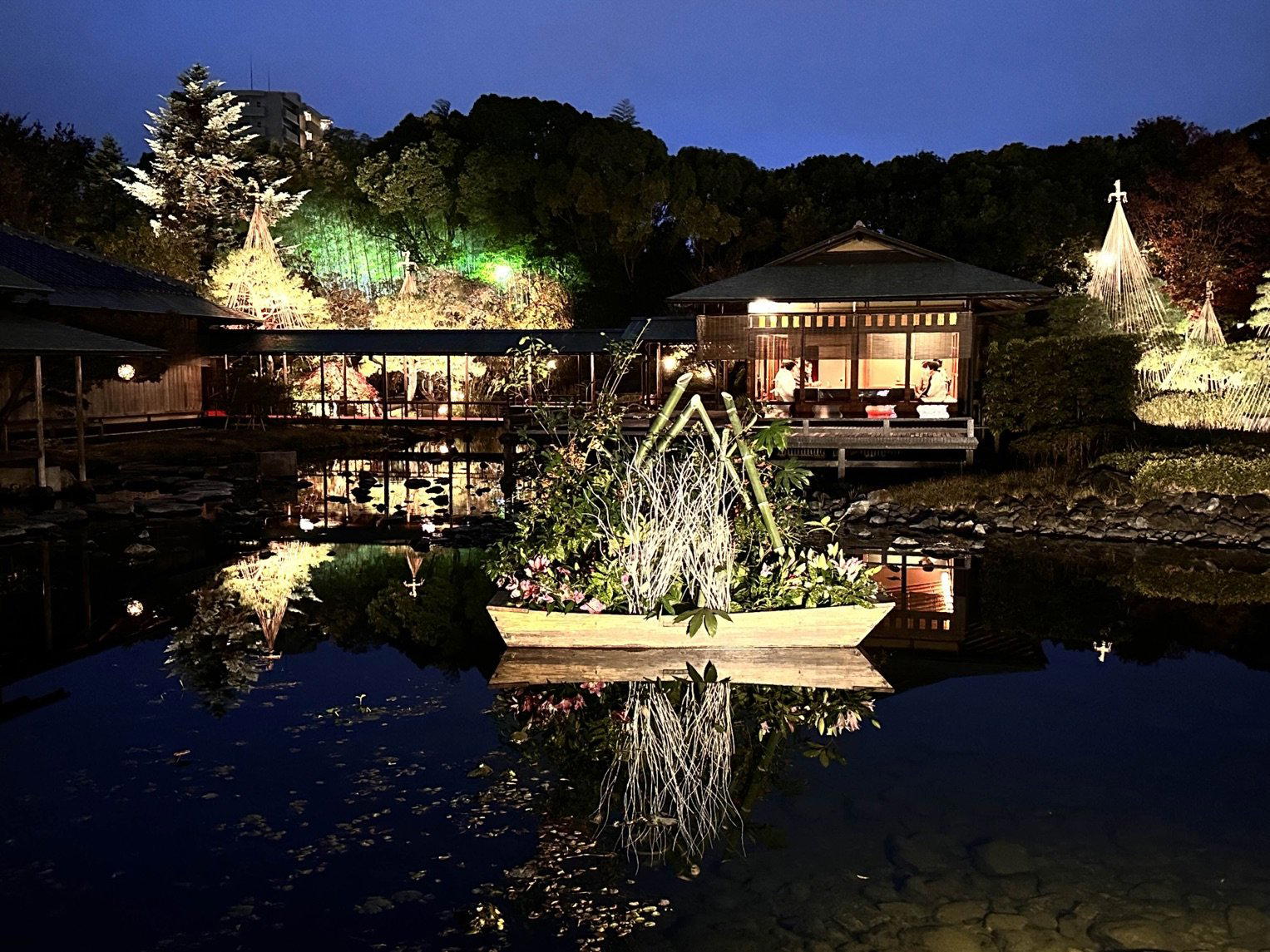
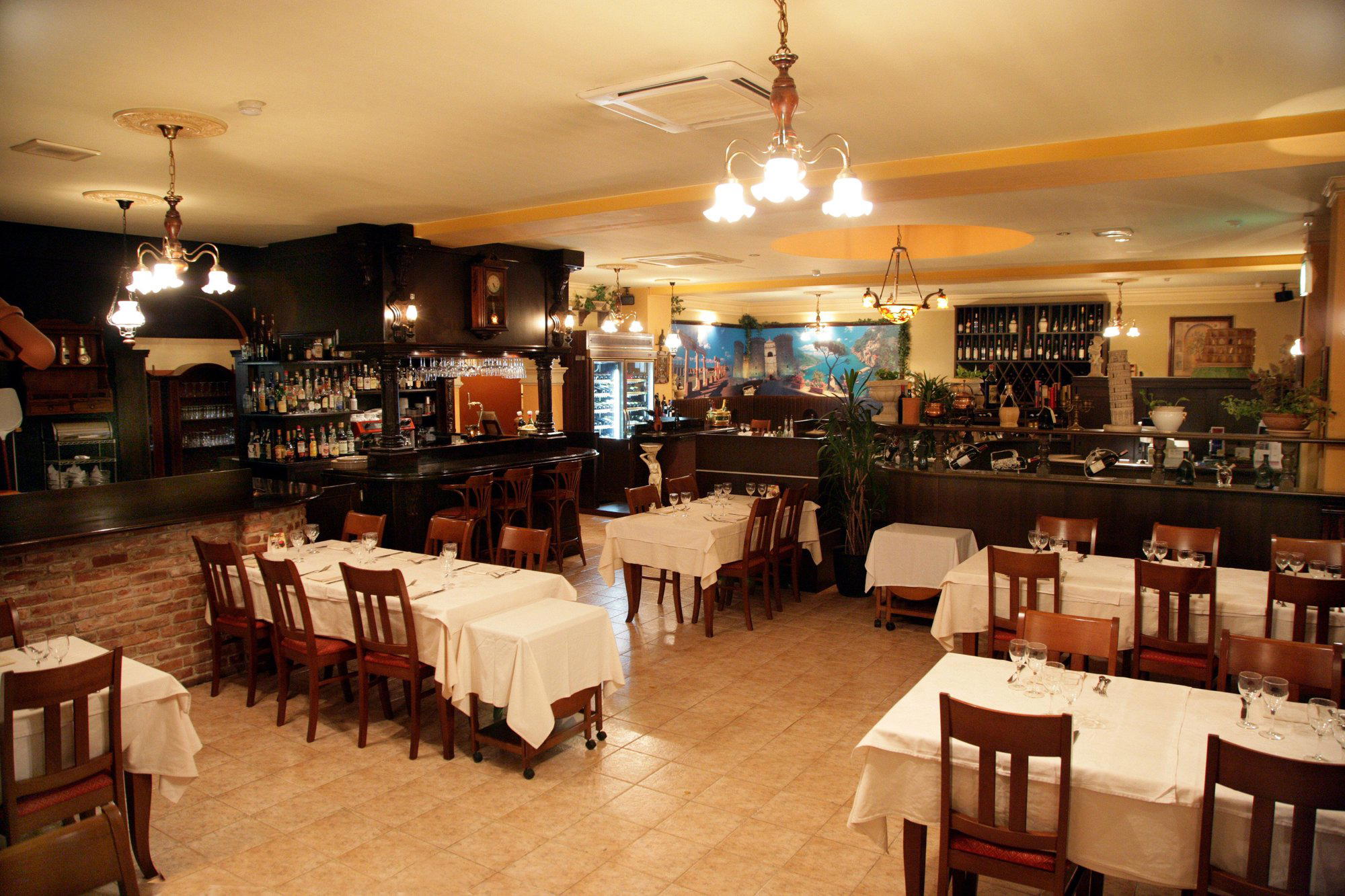
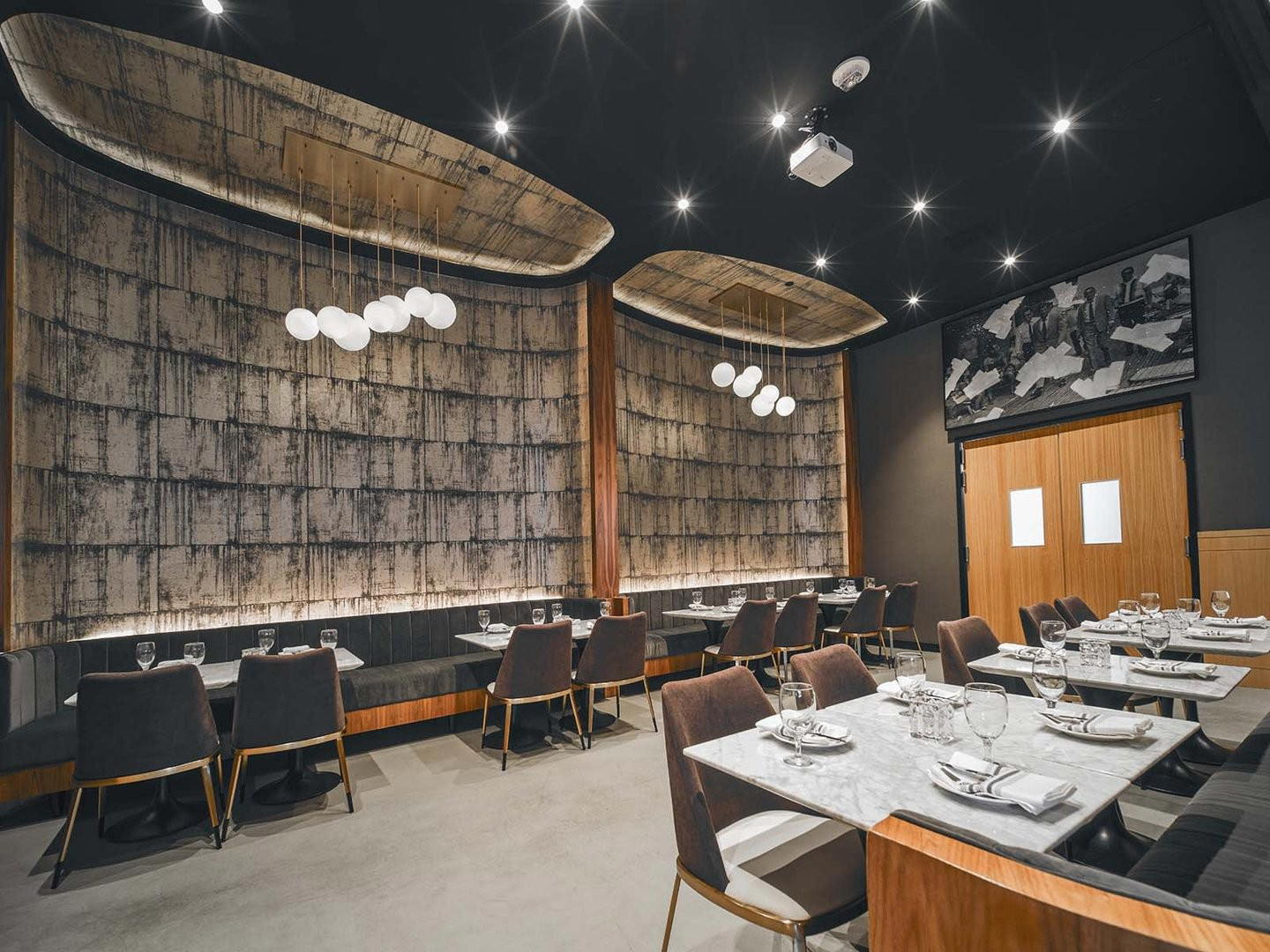
Calm, quiet private-room setting with a refined, elegant atmosphere suited to special occasions rather than casual dining.