Spaccarelli's
Our verdict
Spaccarelli's occupies a strip-mall address on Saw Mill River Road in Millwood, New York, yet draws a loyal following from across Westchester County that suggests something more deliberate than its setting implies. The kitchen works within a tradition where sourcing and preparation carry more weight than spectacle, placing it in a category of quietly serious neighborhood restaurants that the Hudson Valley corridor does better than most American suburbs.

Pearl is the En Primeur Club membership app, where members save venues, book tables and use the concierge.
The menu
What to order
- Veal scaloppine
- Veal ossobuco
- Gnocchi
- Eggplant rollatini
- Branzino
A Strip Mall That Means It
Millwood sits in the Saw Mill River valley between the commuter density of White Plains and the quieter stretches of northern Westchester, a part of New York State where the dining conversation tends to get overshadowed by Manhattan or, in the opposite direction, by the farm-to-table destination properties of the mid-Hudson corridor. That context matters when reading a place like Spaccarelli's. The address, a numbered unit in a Saw Mill River Road shopping strip, is the kind that filters out casual visitors on first glance and rewards those who have a reason to come. In the Northeast suburb, that format has a long track record of housing the region's most consistent neighborhood kitchens, where rent economics allow a kitchen to spend more on product than on architecture.
The physical approach is deliberately unpretentious. Strip-mall dining in Westchester operates in a specific register: the room inside may carry warmth and intention that the exterior entirely conceals, and the regulars who fill it on a Tuesday know something a first-time visitor driving past would not. That gap between exterior signal and interior reality is part of what sustains a loyal local following across years rather than seasons.
Where the Food Comes From
The Hudson Valley and its agricultural edges have become one of the more compelling sourcing corridors in the American Northeast over the past two decades. The region running north from Westchester through Dutchess and Columbia counties into the Catskills supports a dense concentration of small farms, heritage-breed producers, artisan cheesemakers, and seasonal vegetable growers whose output ends up in kitchens ranging from destination restaurants to committed neighborhood tables. Proximity to that supply chain is an advantage that Westchester kitchens are increasingly using with more seriousness, a shift visible in how menus across the county have moved toward named sourcing and seasonal rotation rather than the static, year-round Italian-American or Continental formats that once defined suburban New York dining.
That regional sourcing tradition connects Spaccarelli's to a broader pattern across the Northeast, where the most enduring neighborhood restaurants have built their identities around ingredient relationships rather than around technique spectacle or tasting-menu formats. Compare this approach to the farm-integrated model at Blue Hill at Stone Barns in Tarrytown, where sourcing is the explicit conceptual center and the price point reflects it. At the neighborhood level, the same underlying logic applies but the expression is different: less theatrical, more about consistency over years, and more deeply tied to the community that eats there weekly.
The Italian-American kitchen tradition that the name and address suggest draws on a sourcing ethic that predates contemporary farm-to-table branding. At its most serious, that tradition demanded fresh pasta made from good flour, sauces built from tomatoes worth cooking, and proteins that responded well to slow technique. When those habits hold, the result is food that reads as simple but is difficult to execute at volume, which is precisely what separates a serious neighborhood Italian table from a casual one. Suburban Westchester has historically supported both, and the ability to tell them apart usually comes down to sourcing discipline and kitchen consistency rather than price or decor.
The Westchester Dining Context
Westchester County operates as a dining market with genuine ambition in certain pockets. The county is home to a professional and culinary-school-educated population that eats out frequently and maintains high standards for value and consistency. That reader profile supports a tier of neighborhood restaurants that would register as serious in many American cities but receive less national attention because they sit in the shadow of New York City's media concentration. For dining in this corridor, see our full Millwood restaurants guide for broader context.
The comparison set for a place like Spaccarelli's is not the grand-format destination rooms of the American fine dining circuit, not Alinea in Chicago, not The French Laundry in Napa, not Le Bernardin in New York City. Nor does it sit in the progressive tasting-menu tier of places like Lazy Bear in San Francisco or Atomix in New York City. The relevant peer group is the committed neighborhood restaurant that earns its repeat business through consistency, honest ingredients, and a room that functions as a genuine local anchor rather than a destination object. In that category, longevity is the primary credential. Restaurants that survive fifteen or twenty years in a suburban strip mall do so because the neighborhood chose them, repeatedly, over alternatives.
Across American cities, the most respected neighborhood tables in this format share a pattern: modest exteriors, known regulars, menus that change with season and supply, and a kitchen that values product over theater. That description applies equally to stalwarts in neighborhoods of Atlanta (see Bacchanalia), Boulder (Frasca Food & Wine), and Washington, D.C. (Causa), each of which built sustained reputations in their respective local markets through sourcing discipline rather than awards accumulation or format novelty.
Planning Your Visit
Spaccarelli's sits at 238 Saw Mill River Road, unit seven, in Millwood, NY 10546, reachable from the Saw Mill River Parkway and within reasonable distance of the Metro-North Harlem Line for those arriving without a car. As with most serious neighborhood restaurants in this part of Westchester, the leading approach is to call ahead or check current hours before visiting, as smaller independent kitchens adjust schedules seasonally and operate with more flexibility than chain-format dining. The location rewards those who treat it as a destination rather than a drive-by: plan around it, arrive without rush, and let the room set its own pace. Dress is in keeping with the format, casual to smart-casual, nothing required beyond the intent to eat well. For those building a broader Westchester or Hudson Valley itinerary, pairing a visit here with the destination-tier experience at Blue Hill at Stone Barns in Tarrytown offers a useful illustration of how the same regional sourcing logic operates at two very different scales and price points.
Frequently asked questions
Is Spaccarelli's a family-friendly restaurant?
Spaccarelli's location in a Millwood strip mall at 238 Saw Mill River Road suggests an informal, accessible setting rather than a white-tablecloth room, which generally accommodates families without difficulty. The Westchester County dining market in this corridor skews toward neighborhood regulars and local families as much as destination diners.
What is the atmosphere like at Spaccarelli's?
Spaccarelli's occupies unit seven of a strip mall on Saw Mill River Road in Millwood, a setting that signals function over theater and tends to produce the kind of no-fuss room where the food does the talking. Millwood sits in the Saw Mill River valley between White Plains and northern Westchester, giving it the character of a genuine neighborhood spot rather than a destination restaurant built for out-of-town traffic. Expect an informal dining room oriented around locals.
Is Spaccarelli's worth visiting if I'm driving from White Plains or northern Westchester?
Spaccarelli's sits on Saw Mill River Road in Millwood, accessible from the Saw Mill River Parkway and positioned between White Plains to the south and the quieter stretches of northern Westchester. For a county dining market where serious Italian cooking is concentrated in a handful of pockets, a strip mall address on this corridor can indicate a kitchen that competes on food rather than atmosphere. The address is 238 Saw Mill River Rd, unit seven, Millwood, NY 10546.
What dish is Spaccarelli's famous for?
Given its Italian cuisine type and location in Westchester County, a region with strong access to Hudson Valley produce and a long tradition of Italian-American cooking, the kitchen is well-positioned to work with seasonal local ingredients. For the current menu, contacting the restaurant directly at 238 Saw Mill River Rd, Millwood, NY 10546 is the most reliable approach.
How do I find Spaccarelli's?
Spaccarelli's is located at 238 Saw Mill River Rd #7, Millwood, NY 10546, Millwood.
Comparable Venues
Comparable venues nearby, for context on price, style, and recognition.
| Venue | Cuisine | Price | Notes |
|---|---|---|---|
| Spaccarelli'sThis venue (the venue you are viewing) | Traditional Italian | $30–50 | Not listed |
| Serafina Always | Northern Italian Trattoria | $50–100 | Upper East Side-Carnegie Hill |
| Orso | Regional Italian Trattoria | $30–50 | Hell's Kitchen |
| La Pecora Bianca Bryant Park | Modern Italian | $30–50 | Midtown-Times Square |
| Osteria Morini | Northern Italian Emilia-Romagna Trattoria | Not listed | SoHo-Little Italy-Hudson Square |
| Harvest on Hudson | Mediterranean-Inspired Italian | $50–100 | Hastings on Hudson |
Continue exploring
More in Millwood
Restaurants in Millwood
All restaurants in Millwood →
Bars in Millwood
Browse all →



Details
- Classic
- Elegant
- Romantic
- Cozy
- Date Night
- Special Occasion
- Family
- Celebration
- Group Dining
- Private Dining
- Standalone
- Extensive Wine List
- A La Carte
- Prix Fixe
- Wine
- Vegetarian Friendly
Current opening hours
- Monday
- Closed
- Tuesday
- 4–10 PM
- Wednesday
- 4–10 PM
- Thursday
- 4–10 PM
- Friday
- 4–10 PM
- Saturday
- 4–10 PM
- Sunday
- 4–9 PM
Hours can change for holidays and private events. Hours as of .
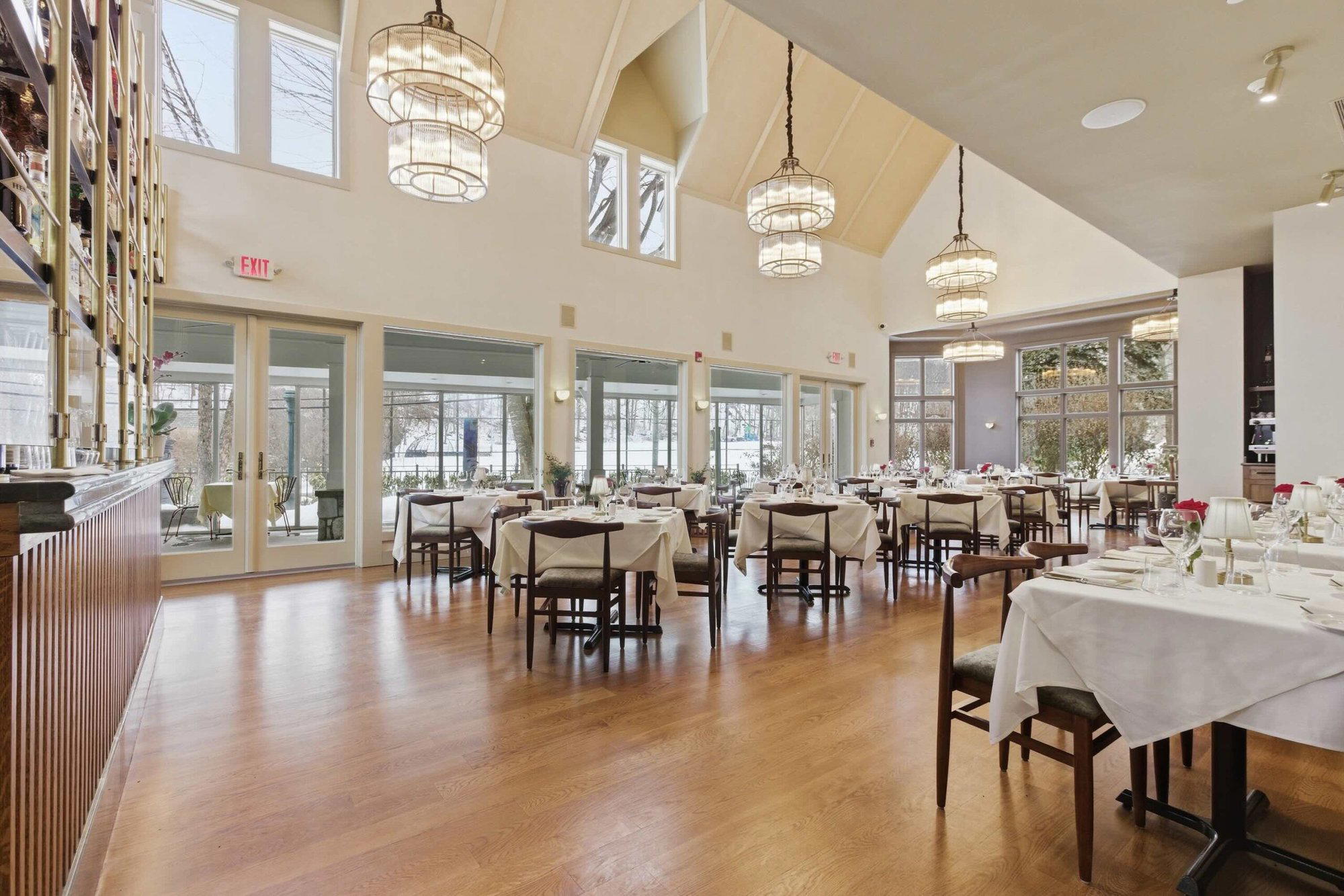
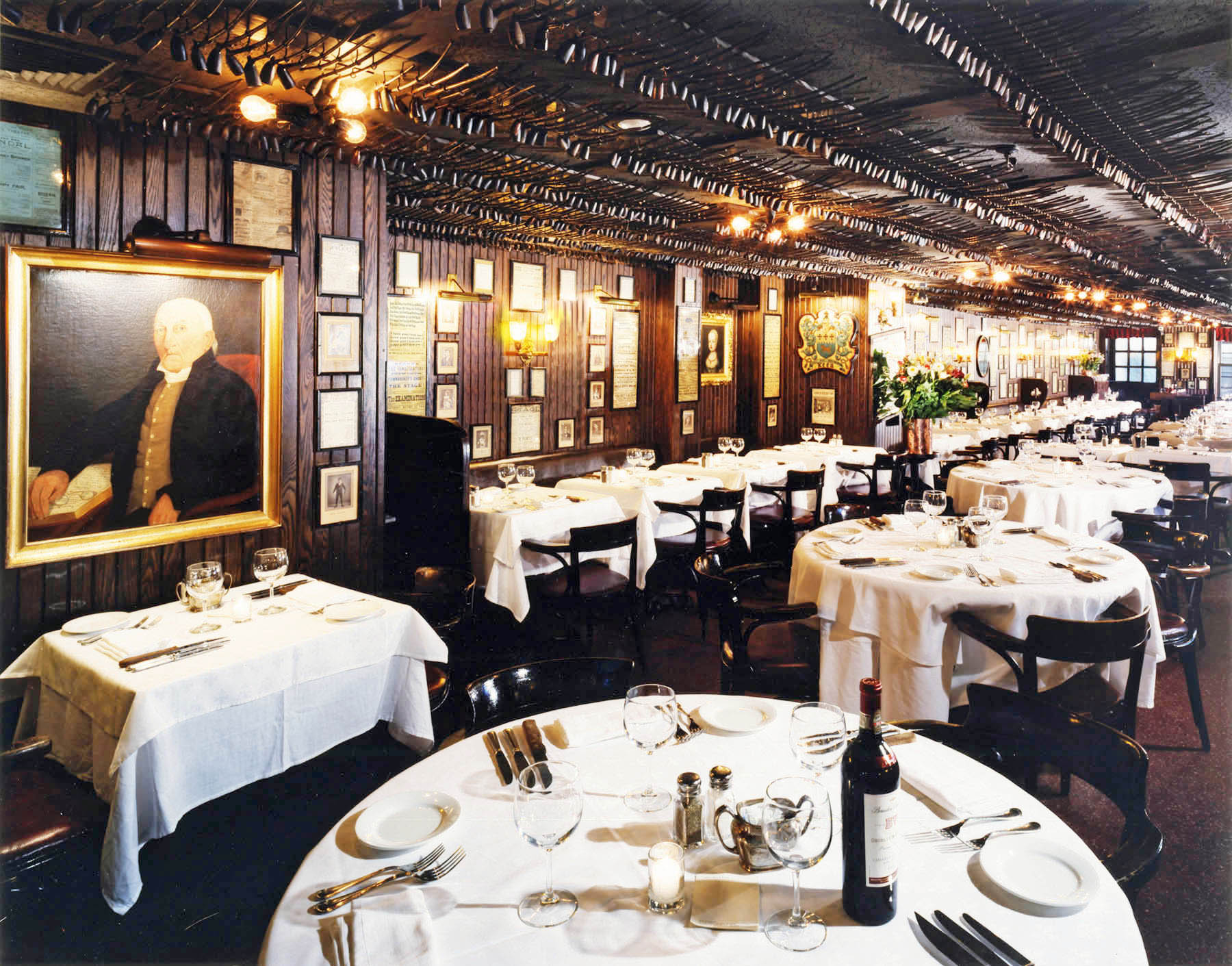
Airy main dining room with multi-colored decorative paintings, bright yellow walls, and chocolate brown beams; intimate rear dining area with soft wall sconce lighting creating a warm, inviting atmosphere.