Harvest on Hudson
Harvest on Hudson sits at the edge of the Hudson River in Hastings-on-Hudson, where the dining room trades on the village's particular geography: close enough to New York City for serious kitchen ambition, far enough removed to anchor its menu in regional produce and river-valley sourcing. The setting rewards those who make the trip up the Metro-North line from Manhattan.
Pearl is the En Primeur Club membership app — saves, bookings, and concierge access live there. Same editors, same standards.
- Address
- 1 River St, Hastings-On-Hudson, NY 10706
- Phone
- +19144782800
- Website
- harvesthudson.com
 Saves & bookings on Pearl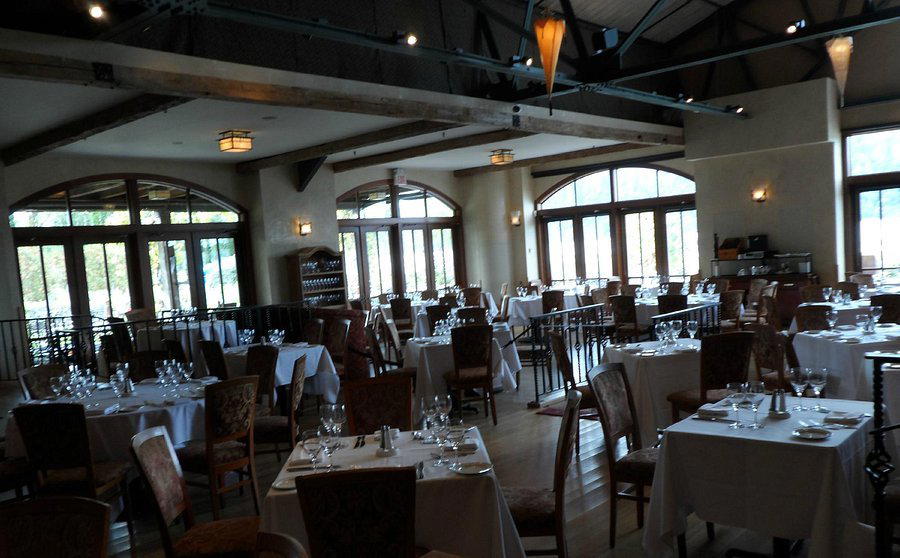
Where the River Meets the Table
Harvest on Hudson is a Mediterranean-Inspired Italian restaurant in Hastings-on-Hudson, New York, with a $60 average per person and a smart casual dress code. The approach to Harvest on Hudson sets expectations clearly. Hastings-on-Hudson is a riverfront village on the eastern bank of the Hudson, roughly twenty miles north of Midtown Manhattan, and the address at 1 River Street places this restaurant as close to the water as zoning permits. This is not a city restaurant that happens to have a view; the geography is load-bearing.
That geography connects directly to a sourcing tradition that defines the better end of Hudson Valley dining. The stretch of the Hudson River Valley running from Westchester County north through Dutchess and Columbia counties has, over the past two decades, become one of the more productive farm-to-table corridors in the northeastern United States. The density of small produce operations, heritage livestock farms, and artisan food producers within a two-hour radius of New York City is matched in few regions outside of Northern California. Harvest on Hudson sits inside that corridor, which means the kitchen has access to supply chains that kitchens in Manhattan often pursue at considerable logistical cost.
Sourcing as Structure, Not Decoration
The farm-to-table framing has been so thoroughly absorbed by American restaurant marketing that it has lost most of its meaning. What distinguishes the restaurants that take it seriously from those that treat it as branding is specificity: named farms, seasonal constraint, and menus that change when the supply does rather than when the printed version wears out. The Hudson Valley context gives the restaurant a genuine argument for regional sourcing rather than a rhetorical one.
The valley's agricultural profile leans toward stone fruits, root vegetables, heritage grains, and dairy. Hudson Valley farms have supplied serious New York kitchens for years. Blue Hill at Stone Barns in Tarrytown is one cited example of how deep that sourcing relationship can go, operating its own farm on the property and setting the standard for integrated agricultural dining in the region. The restaurant operates in a different register, a village restaurant rather than a destination tasting-menu institution, but the proximity to the same supply network is a structural advantage that shapes what the kitchen can reasonably promise.
This matters for the reader deciding where to eat along the river. Restaurants at this distance from New York City operate in a specific tier: serious enough to draw diners from the city deliberately, accessible enough to serve the local community consistently. That dual audience shapes menus toward approachable execution of quality ingredients rather than the experimental formats that define the Michelin-tier urban restaurants. For reference, the more technically demanding end of American fine dining, places like Alinea in Chicago, Le Bernardin in New York City, or The French Laundry in Napa, operate within a different competitive logic entirely, one built around tasting-menu exclusivity and seasonal innovation cycles timed to press and award calendars. The restaurant answers a different question.
The Village Restaurant in Context
Hastings-on-Hudson itself is worth understanding as a dining context. The village sits in southern Westchester County, accessible by Metro-North's Hudson Line with a roughly forty-minute ride from Grand Central. The residential character is predominantly professional and creative-class, the kind of community that generates consistent local demand for quality without the volume that sustains high-concept tasting rooms. For a restaurant to survive at this address, it needs to work for the couple celebrating an anniversary, the family in from the city, and the regulars who appear on a Tuesday. That is a harder brief than it looks.
The riverfront position adds another layer. Hudson River views in the restaurant category carry real premium value in the New York metropolitan area, and the combination of a workable commute, a known sourcing context, and a setting that reads as a genuine departure from city dining creates a proposition that a certain kind of Manhattan diner finds worth the trip.
For comparison along the regional farm-sourcing spectrum, Single Thread Farm in Healdsburg and Providence in Los Angeles both demonstrate how ingredient-led thinking can operate at different price and formality levels while maintaining editorial credibility. The Hudson Valley version of that argument runs through terroir that is genuinely local to the New York metropolitan orbit, which gives it a different kind of resonance for the audience that will actually make the drive or train trip.
Planning the Visit
The restaurant is at 1 River Street in Hastings-on-Hudson, New York 10706. The Metro-North Hudson Line is the practical route from Manhattan, with the Hastings-on-Hudson station a short walk from the restaurant. For those driving from the city, the Saw Mill River Parkway is the standard approach from Westchester. The restaurant is recommended for reservations, and current hours are Monday through Friday from 11:45 AM to 9 PM, Saturday from 11 AM to 10 PM, and Sunday from 11 AM to 9 PM.
The riverfront setting and the approachable register of the menu suggest this works across multiple visit types, from a weekend lunch after a walk along the river to a weeknight dinner for residents. Those looking for the more technically demanding end of regional American cooking might also consider Lazy Bear in San Francisco or Brutø in Denver if the trip demands a more formal tasting format. For Westchester-area dining that shares the regional sourcing orientation, the Hudson Valley corridor offers several reference points worth understanding before booking.
Comparable Spots, Quickly
Comparable venues nearby, for context on price, style, and recognition.
| Venue | Cuisine | Price | Awards | Notes |
|---|---|---|---|---|
| Harvest on HudsonThis venue — the venue you are viewing | Mediterranean-Inspired Italian | $$$ | Not listed | Not listed |
| Boro6 Wine Bar | Contemporary Italian Wine Bar | $$ | Bib Gourmand | Hastings-on-Hudson |
| Il Falco | Authentic Italian Trattoria | $$$ | Not listed | Long Island City-Hunters Point |
| Tartufo Osteria | Contemporary Italian Trattoria | $$$ | Not listed | Hell's Kitchen |
| Vic's | Seasonal Italian | $$$ | Not listed | Greenwich Village |
| Marcellino | Authentic Italian Wood-Fired Pizza and Pasta | $$$ | Not listed | SoHo-Little Italy-Hudson Square |
Continue exploring
More in Hastings On Hudson
Restaurants in Hastings On Hudson
Browse all →
Bars in Hastings On Hudson
Browse all →

Hotels in Hastings On Hudson
Browse all →





At a Glance
- Scenic
- Elegant
- Romantic
- Date Night
- Special Occasion
- Brunch
- Waterfront
- Open Kitchen
- Private Dining
- Terrace
- Extensive Wine List
- Farm To Table
- Local Sourcing
- Waterfront
Current opening hours
- Monday
- 11:45 AM–9 PM
- Tuesday
- 11:45 AM–9 PM
- Wednesday
- 11:45 AM–9 PM
- Thursday
- 11:45 AM–9 PM
- Friday
- 11:45 AM–9 PM
- Saturday
- 11 AM–10 PM
- Sunday
- 11 AM–9 PM
Hours can change for holidays and private events. Last verified .
Welcoming riverfront atmosphere with stone fireplace, classy bar and lounge, and sunset views over the Palisades.