Soul & Smoke - Avondale
Soul & Smoke in Chicago's Avondale neighborhood brings serious barbecue craft to a part of the city better known for taquerias and Eastern European bakeries than smoke rings and brisket. The operation fits within a broader Chicago movement toward ethically grounded, neighborhood-rooted restaurants that treat sourcing and waste reduction as structural commitments, not marketing copy. It is the kind of place that rewards repeat visits over a single occasion.
 Discover on Pearl
Pearl is the En Primeur Club membership app — saves, bookings, and concierge access live there. Same editors, same standards.
- Address
- 3057 N Rockwell St, Chicago, IL 60618
- Phone
- +17736487610
- Website
- soulandsmoke.com
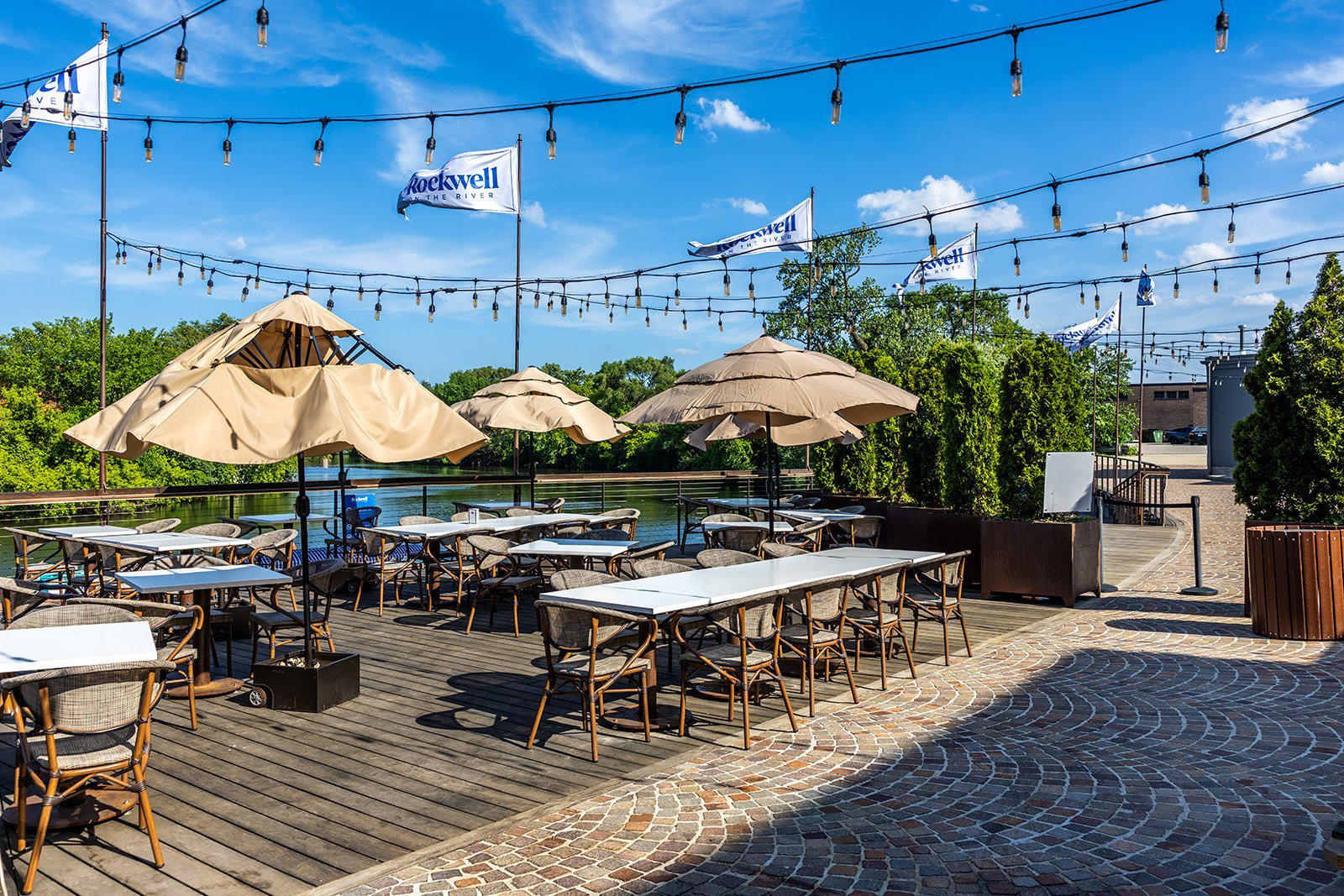
Where Barbecue Meets Avondale's Changing Block
Chicago's barbecue scene has historically concentrated along the South and West Sides, where wood-smoke traditions run deeper than the city's own deep-dish mythology. Avondale, the Northwest Side neighborhood straddling Rockwell and Milwaukee, has been a different story: its food identity built around Mexican grocers, Polish delis, and a newer wave of chef-driven restaurants that arrived as Logan Square's rents began to bite. Soul & Smoke, at 3057 N Rockwell St, sits in that later wave, a barbecue operation in Avondale. That displacement is part of its interest.
The broader pattern in American barbecue over the past decade has been a slow migration away from the roadside shack format and toward more intentional urban operations. Austin's Franklin Barbecue and Kansas City's Q39 made national names by applying kitchen discipline to a craft that once ran on instinct and family recipe alone. Chicago has followed at its own pace, and Avondale is now one address on that map. What distinguishes the stronger entries in this shift is not the smoke itself but the sourcing decisions behind it: which animals, from which farms, managed under what practices.
The Sustainability Argument in Smoke and Fat
Barbecue is an inherently intensive format. Long cook times mean high fuel consumption. Whole-animal or large-cut programs require either waste management infrastructure or the menu creativity to use secondary cuts and offal before they become a problem. The restaurants that have handled this most credibly are those that treat the supply chain as the foundation of the menu rather than a selling point layered on top of it. Blue Hill at Stone Barns in Tarrytown made farm integration the architectural premise of its entire operation. Single Thread Farm in Healdsburg built its identity around a farm-to-table loop so tight it controls both ends. These are fine-dining examples, but the ethical logic applies equally at a counter-service barbecue window.
In the Chicago neighborhood barbecue context, the sustainability question tends to surface in sourcing conversations: how far the pork travels, whether the beef comes from operations with verified welfare standards, and whether the wood fuel is regionally sourced or imported. These are not decorative concerns. They affect the flavor profile of the finished product, the carbon cost of the operation, and the economic relationship the restaurant maintains with its supply chain. A brisket smoked over sustainably harvested Illinois hardwood has a different provenance story than one smoked over generic kiln-dried commercial wood, and increasingly, the more serious barbecue programs are making that distinction explicit.
The Chicago restaurants that have committed most visibly to ethical sourcing in recent years include operations across price tiers. At the fine-dining end, Smyth and Oriole have built tasting menus around seasonal and producer-specific sourcing. Kasama, which operates as both a daytime bakery and a Michelin-starred tasting counter, treats ingredient provenance as central to its identity. The relevant question for a neighborhood barbecue spot like Soul & Smoke is whether the same discipline travels down the price ladder, and what it looks like when it does.
Reading the Avondale Address
Location shapes expectation. Rockwell Street in Avondale is not a destination dining corridor in the way that Fulton Market or the West Loop has become. It is a working residential street with a walk-in customer base drawn from the surrounding blocks. That context matters for how a restaurant builds its program. A location without a high-volume tourist draw depends on repeat neighborhood patronage more than a single-visit experience, and repeat patronage in a barbecue context means consistency: the same smoke level, the same fat render, the same internal temperature across service days.
The neighborhood context also shapes the sustainability conversation. Avondale has a significant Latino population alongside newer residents who arrived during the gentrification wave that moved north from Logan Square. A food operation that reads its neighborhood well tends to find pricing and sourcing positions that work across that mix rather than targeting only the newer demographic. At the same time, the higher cost of ethically sourced protein is a real constraint on margin, which is why the most credible operations are transparent about it rather than absorbing it silently into a premium price without explanation.
Across the country, this pricing conversation is playing out at barbecue operations from Lazy Bear in San Francisco to Emeril's in New Orleans to local spots with no national profile at all. The Chicago version of the conversation is shaped by the city's own production geography: Illinois is a major pork-producing state, which means the supply chain for locally sourced pork can be shorter here than in coastal cities, and the cost premium for regional sourcing correspondingly smaller.
Chicago's Barbecue Tier in National Context
Chicago does not occupy the top tier of American barbecue mythology. That tier belongs to Texas, Kansas City, Memphis, and the Carolinas, each with a distinct regional identity codified over generations. Chicago's contribution has been less about a unified style and more about what happens when a city with serious culinary infrastructure and a diverse food culture turns its attention to a tradition it did not originate. The result tends to be technically accomplished work that draws from multiple regional traditions without being constrained by any single one.
At the highest level of Chicago's restaurant scene, operations like Alinea and Next Restaurant have defined the city's international reputation through progressive American formats. Le Bernardin in New York City, Providence in Los Angeles, and Addison in San Diego represent the same tier in their own cities. Soul & Smoke does not compete in that register, nor does it need to. It competes in the neighborhood barbecue tier, where the currency is smoke consistency, sourcing credibility, and the ability to hold a loyal local following without the support of a reservations system or a Michelin designation.
For reference on how sourcing-forward ethics play at the highest award levels nationally, The French Laundry in Napa, Bacchanalia in Atlanta, and The Inn at Little Washington in Washington have all built farm relationships into their core identity. Atomix in New York City and 8 1/2 Otto e Mezzo Bombana in Hong Kong demonstrate how sourcing discipline translates across cuisines and geographies. The principle scales.
Planning Your Visit
Soul & Smoke - Avondale serves Chicago BBQ and Soul Food at a casual price point. The restaurant is recommended for reservations and is open daily, with later hours on Friday and Saturday. Given Avondale's neighborhood character, walk-in visits during off-peak hours on weekdays are generally less contested than weekend service windows at high-traffic Chicago barbecue spots, though conditions will vary.
Credentials Lens
Comparable venues nearby, for context on price, style, and recognition.
| Venue | Cuisine | Price | Awards | Notes |
|---|---|---|---|---|
| Soul & Smoke - AvondaleThis venue — the venue you are viewing | Chicago BBQ and Soul Food | $$ | , | |
| Brix Catering and Events | Contemporary American Catering | $$ | , | Roscoe Village |
| Gus' Sip & Dip | Classic Tavern Dips & Cocktails | $$ | , | River North |
| Fatback | Artisan Sandwiches & Rotisserie | $$ | , | Loop |
| SPACE 519 (Gold Coast) | California-Style American Café | $$ | , | Gold Coast |
| Grant Park Bistro | American Bistro | $$ | , | Downtown / The Loop |


At a Glance
- Rustic
- Lively
- Cozy
- Group Dining
- Casual Hangout
- Family
- Open Kitchen
- Terrace
- Beer Program
- Waterfront
- Street Scene
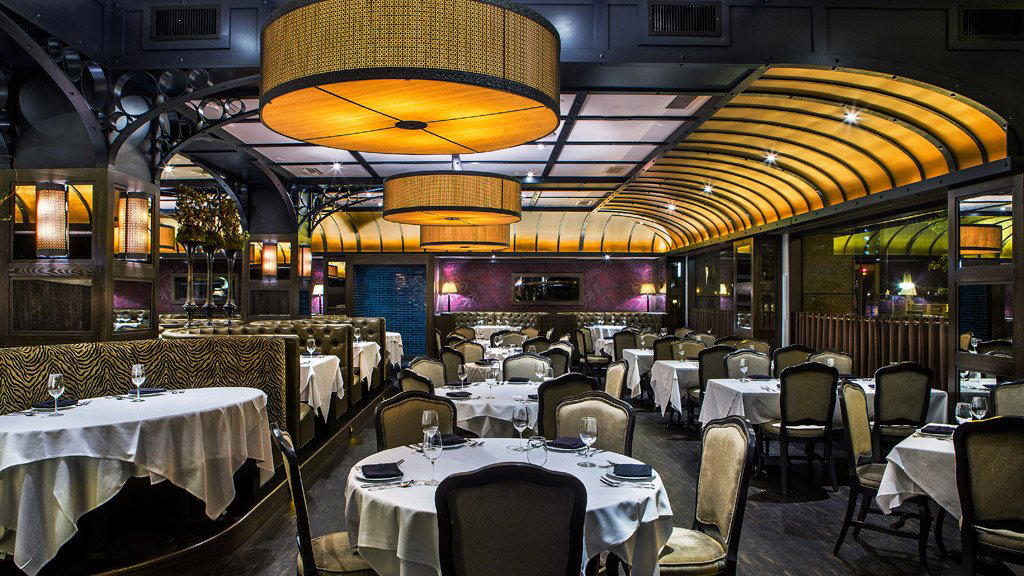
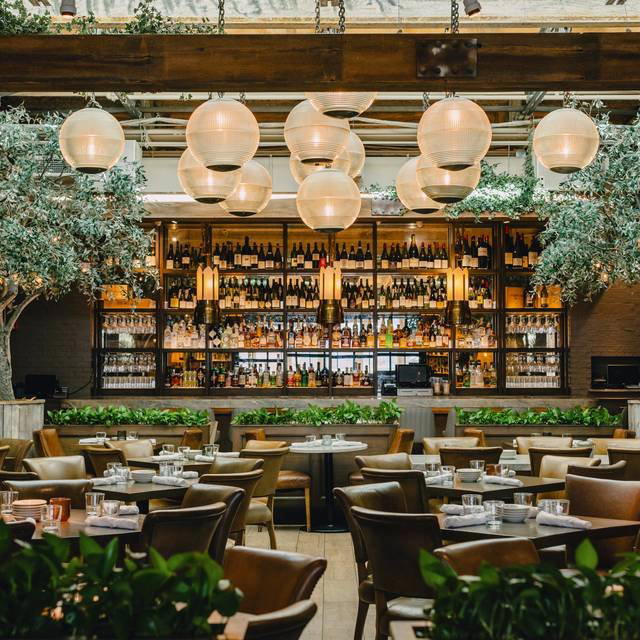
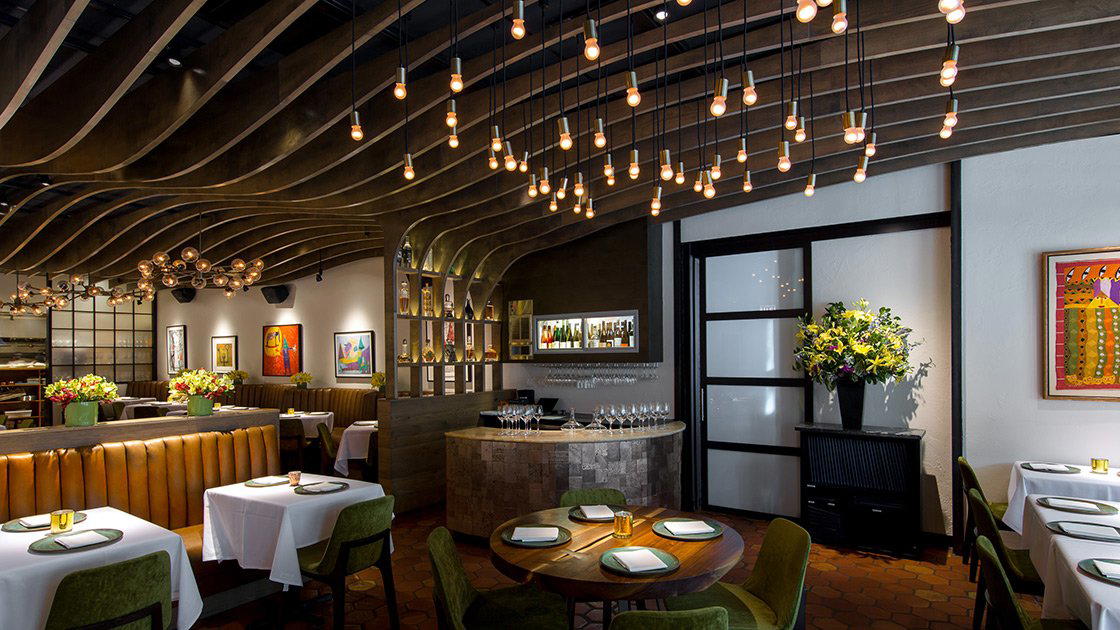
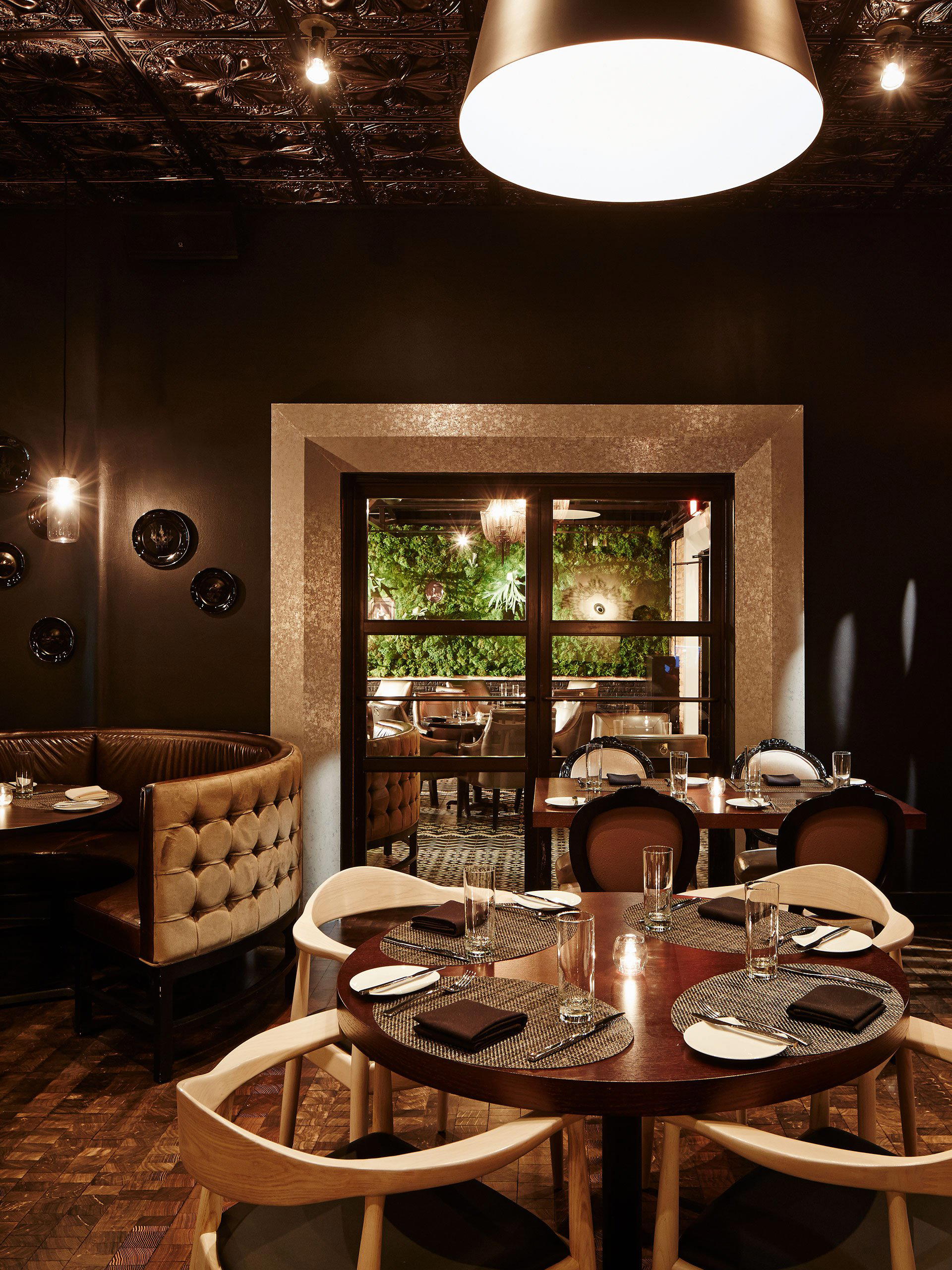
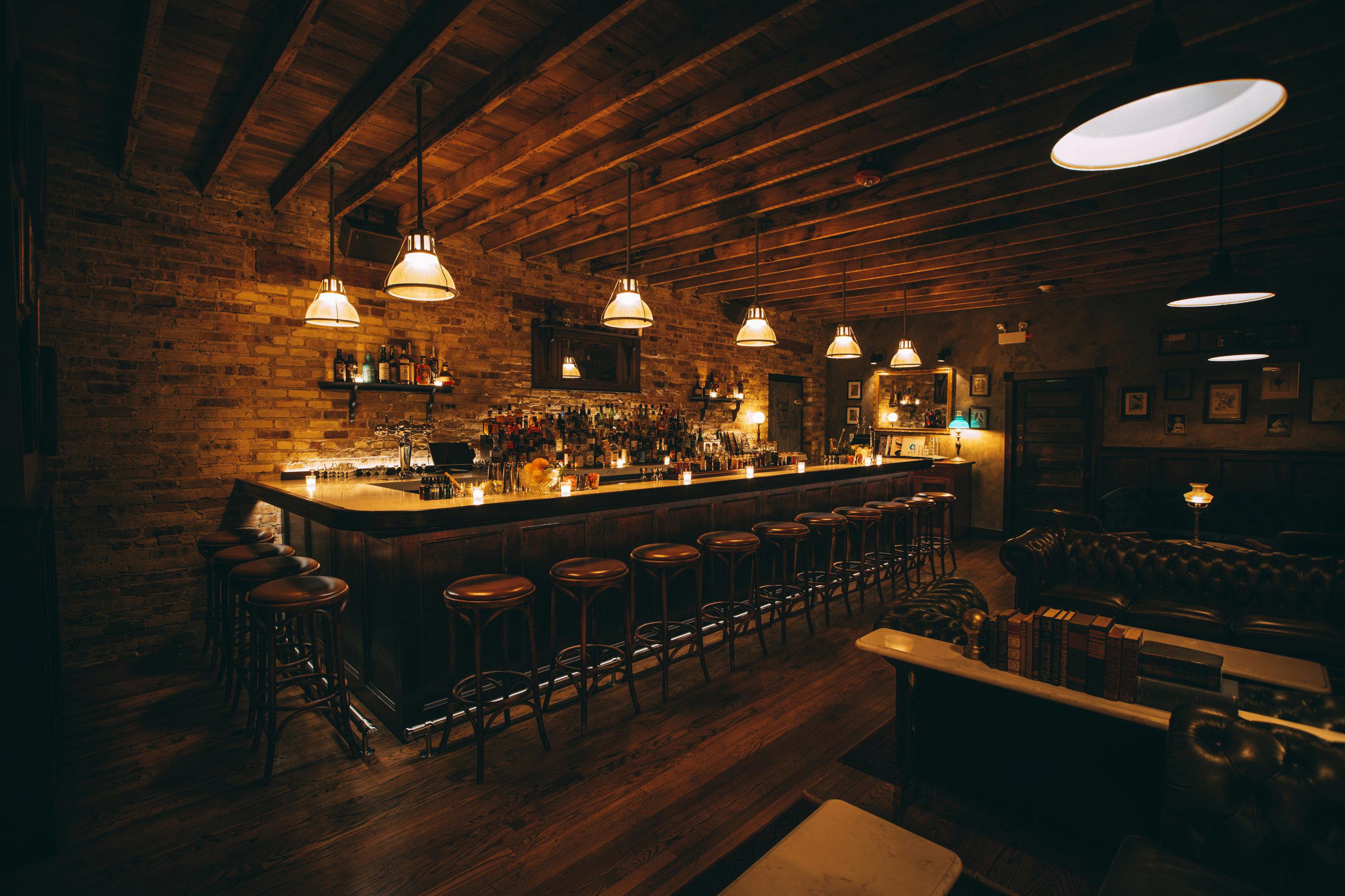
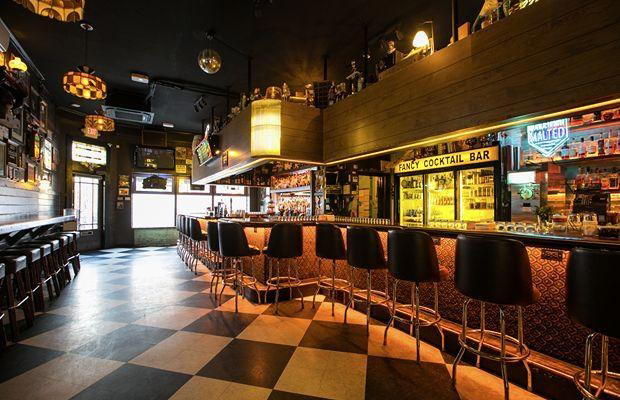
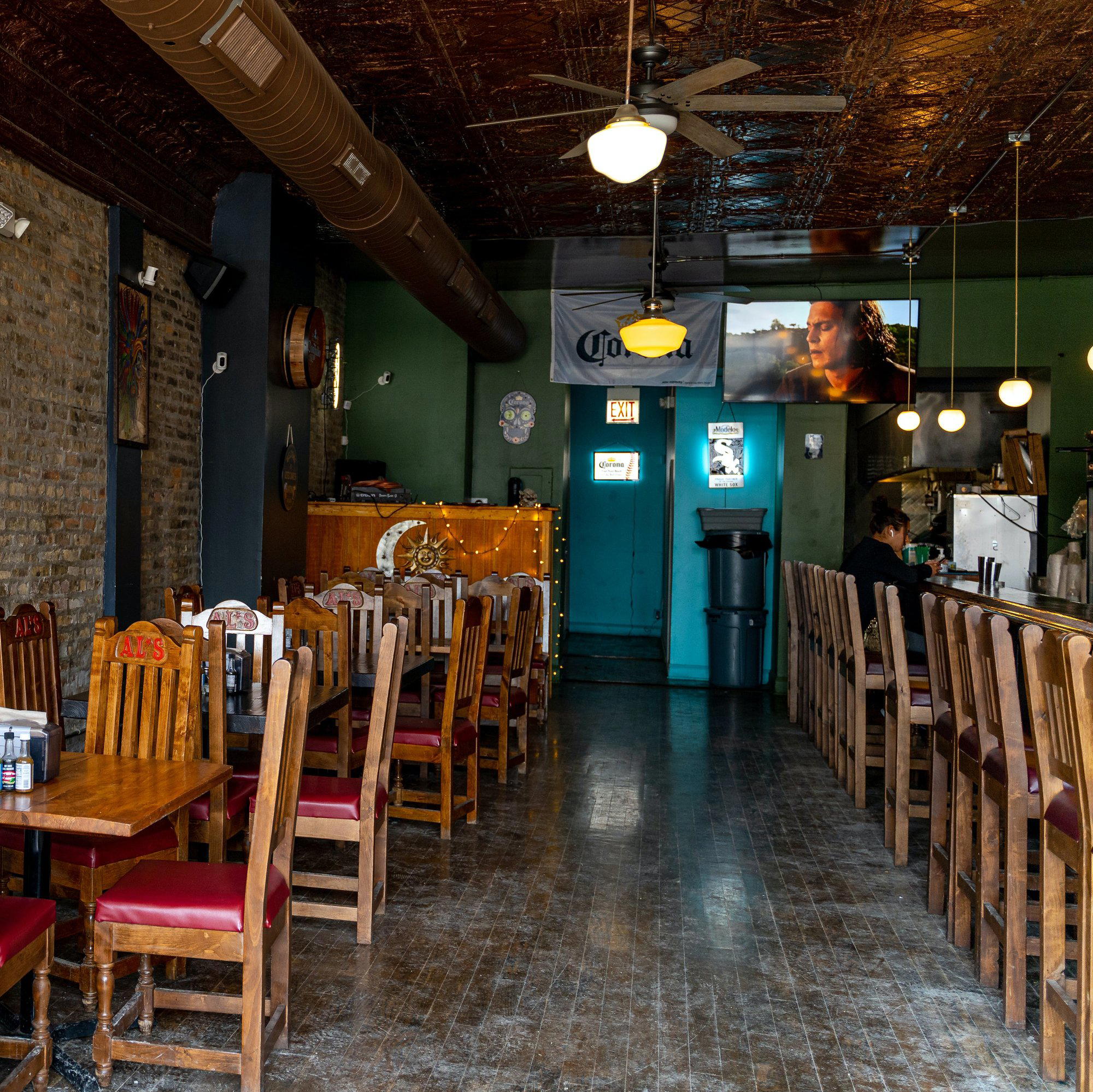
Casual riverside atmosphere with patio seating for enjoying BBQ and refreshing beers in a lively, social setting.