Loke Yun Chicken Rice
Loke Yun Chicken Rice is a long-standing Kuala Lumpur kopitiam that has built its reputation on one dish done with discipline: Hainanese chicken rice, served the way the tradition demands. The rice carries the fat and fragrance of chicken stock; the bird arrives pale, yielding, and precisely portioned. In a city where this dish appears on thousands of menus, Loke Yun holds its ground through consistency rather than novelty.

Pearl is the En Primeur Club membership app — saves, bookings, and concierge access live there. Same editors, same standards.
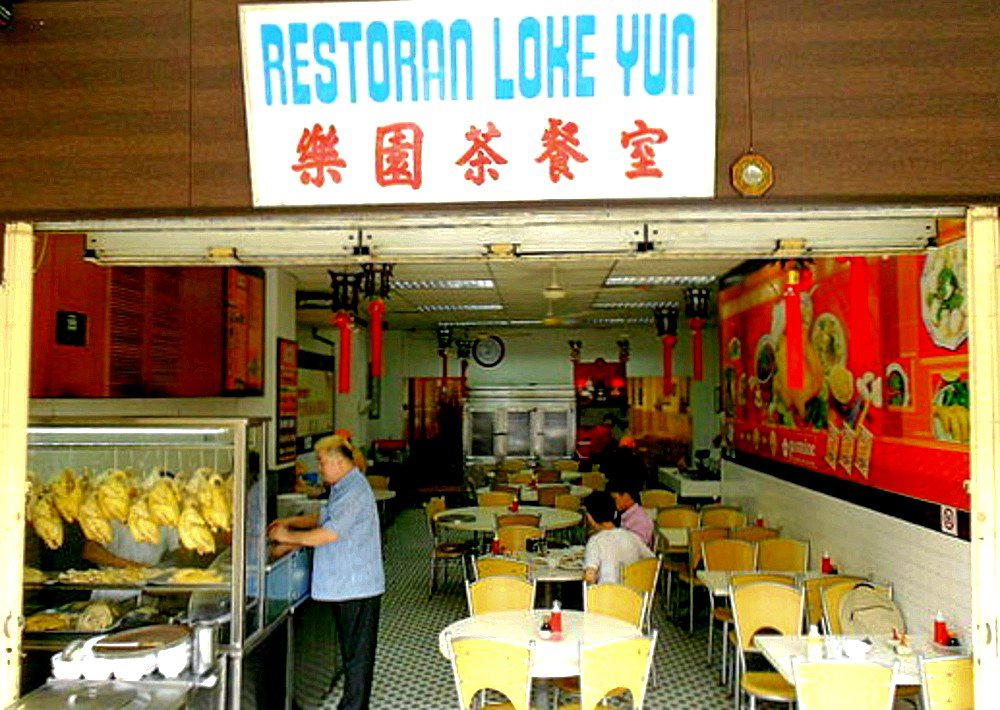
The Kopitiam as Anchor
Loke Yun Chicken Rice is a casual Kuala Lumpur restaurant serving Hainanese chicken rice in a classic kopitiam setting. There is a particular quality of light in an old Kuala Lumpur kopitiam in the early morning: fluorescent tubes over marble-topped tables, condensation on metal cups, and the low percussion of ceramic against ceramic. Loke Yun Chicken Rice operates inside this tradition. The sensory register is set before the food arrives. Steam rises from the kitchen. The smell is clean and starchy, with the faint sweetness of pandan and rendered chicken fat threading through the air. This is not the theatrical dining environment of the city's fine-dining tier, venues like Dewakan or DC. by Darren Chin operate in a completely different register, but the focus is no less deliberate.
Kuala Lumpur's hawker and kopitiam scene has long been one of the city's genuine points of distinction. Where cities like Singapore have formalised and institutionalised their hawker culture through UNESCO recognition and state-backed preservation, KL's equivalent operates through neighbourhood loyalty, generational ownership, and quiet repetition. Loke Yun belongs to that second model.
One Dish, Understood in Depth
Hainanese chicken rice arrived in Malaysia with immigrants from Hainan province, and its local evolution diverged from the Singaporean version in ways that matter to anyone paying close attention. The Malaysian interpretation tends toward a more pronounced ginger presence in the dipping sauce, rice that leans slightly drier and more fragrant rather than oily-glossy, and a preference for kampung chicken in many traditional houses. The dish rewards comparison across the city's long-standing establishments. What separates one chicken rice stall from another is rarely the recipe, the variables are the stock, the resting technique, the oil-to-rice ratio, and the calibration of the accompanying sauces.
At Loke Yun, the dish is executed within that classic framework. The chicken is poached, not roasted, in the Hainanese style, and the rice is cooked in the resulting stock. The result should carry no excess fat, no stringy texture, and no neutral flavour from the stock being under-reduced. The sauces, typically chilli, ginger, and dark soy, function as counterpoint rather than cover. This is the discipline that separates a serious chicken rice house from a generic one.
For the broader architecture of KL's kopitiam dining, context helps. The city's single-dish specialists occupy a different competitive space from the multi-concept hawker centres or the contemporary Malaysian restaurants working with indigenous ingredients, such as Beta. Kopitiam operators compete on hyper-local loyalty: the question is not which restaurant serves chicken rice in Kuala Lumpur, but which stall in a particular neighbourhood has held its standard across decades.
The Sensory Rhythm of the Room
Sound and smell define the experience before the plate does. In a kopitiam of this type, you hear orders called across the room, the slap of a cleaver through cooled chicken, and the soft churn of a ceiling fan working against the humidity. The smell profile shifts as the morning progresses: lighter and steamier at opening, richer and more fatty-sweet as the stock reduces through service. These are not incidental details. They are the texture of a food culture that has remained largely unchanged while the city around it has been rebuilt several times over.
This sensory constancy is part of what draws regulars. A diner who has been eating at a particular kopitiam since childhood is not simply eating chicken rice, they are re-entering a specific sensory context. The marble table surface, the condensation on the tea glass, the particular acoustics of a half-open shophouse: these are the environmental signals that make a neighbourhood institution different from a franchise or a hotel coffee shop. For visitors to KL, understanding this context converts a meal from an item on an itinerary into a genuine encounter with the city's daily rhythm.
Those seeking the full range of Malaysian food culture across the peninsula will find analogous traditions at different price points and formats elsewhere, from the Peranakan cooking at Auntie Gaik Lean's Old School Eatery in George Town to the heritage hawker formats documented in Penang's celebrated stall cluster. Each represents a distinct regional strand of the same underlying logic: a dish refined through repetition, sold cheaply, and maintained by institutional memory rather than by written recipes.
Planning a Visit
Kopitiam operations in Kuala Lumpur typically run on morning-to-early-afternoon schedules, with the leading stocks and most consistent product available in the first two hours of service. Arriving at or shortly after opening is advisable. Most traditional chicken rice houses operate without reservations, queue culture applies, and the format is cash-based at most long-running establishments. Pricing is at the accessible end of the city's food spectrum, well below the mid-market restaurant tier represented by venues like Molina or Ling Long. A full plate with soup and tea at a kopitiam of this type typically costs a fraction of what a set lunch at a contemporary restaurant would require.
Peers You’d Cross-Shop
Comparable venues nearby, for context on price, style, and recognition.
| Venue | Cuisine | Price | Notes |
|---|---|---|---|
| Loke Yun Chicken RiceThis venue — the venue you are viewing | Hainanese Chicken Rice | $ | Not listed |
| Wong Ah Wah Restaurant | Jalan Alor | Chinese Street BBQ | $ | Bukit Bintang |
| Restoran Wong Ah Wah (W.A.W) (Restoran Wong Ah Wah (W.A.W) 黄亚华烧鸡翅) | Chinese BBQ Chicken Wings | $ | Bukit Bintang |
| Kim Soya | Traditional Chinese Soya Bean Speciality | $ | Chinatown |
| Teochew Lao Er | Authentic Teochew | $$ | Pudu |
| Malaysia Boleh | Malaysian Chinese Hawker Street Food | $ | Golden Triangle / KLCC |
Continue exploring
More in Kuala Lumpur
Restaurants in Kuala Lumpur
Browse all →
Bars in Kuala Lumpur
Browse all →


At a Glance
- Classic
- Casual Hangout
Clean, air-conditioned dining environment with efficient service.