Teochew Lao Er

Michelin Plate
Our verdict
A Pudu institution that began as a street stall in 1984, Teochew Lao Er now holds consecutive Michelin Plate recognition (2024, 2025) in its third-generation brick-and-mortar form on Jalan Brunei. The menu centres on spiced soy braised meats, Teochew congee, and traditional kueh, all calibrated toward the local palate at accessible $$ pricing.

Pearl is the En Primeur Club membership app, where members save venues, book tables and use the concierge.
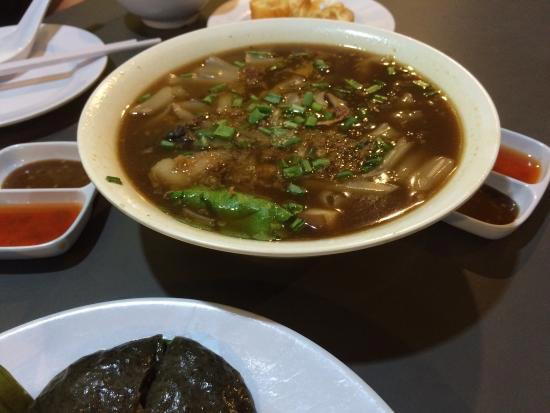
The menu
What to order
- Braised Duck
- Mui Choy Pork Belly
- Pomfret Porridge
- Teochew Kueh
Pudu's Teochew Table: Four Decades at Street Level
Pudu has long operated outside Kuala Lumpur's dining headlines. While the city's more photographed food corridors absorb visitor attention, this working district a few kilometres southeast of the city centre has kept a quieter archive of dialect-group cooking alive, the kind that feeds the neighbourhood rather than performs for it. Teochew Lao Er sits squarely in that register. The address on Jalan Brunei is the third act of a longer story: a street stall that opened in 1984, now formalised into a restaurant by the third generation in 2011, and recognised with consecutive Michelin Plates in 2024 and 2025. For readers calibrating where this sits in Kuala Lumpur's broader field, consider the contrast: at the fine-dining end, Dewakan (Malaysian) and Beta (Malaysian) work with indigenous ingredients through a contemporary lens; DC. by Darren Chin (French Contemporary), Molina (Innovative), and Ling Long (Innovative) pursue distinct creative programs at the $$$$ tier. Teochew Lao Er operates at $$, in a register where craft is measured in continuity and repetition, not invention.
What the Menu Reveals
Teochew cooking is one of the more austere southern Chinese regional traditions. It prizes clean broths, lightly seasoned seafood, and cold-served braised meats over the heavier saucing common in Cantonese or Hokkien kitchens. The menu at Teochew Lao Er is structured in a way that makes those priorities legible: the braised preparations anchor the centre of the meal, the congee provides its backbone, and the kueh function as a closing statement of dialect identity.
The signature preparation is meat marinated in spiced soy, a Teochew braising tradition known locally as lor bak in its broader Hokkien-influenced variant, though the Teochew execution here involves a more restrained spice hand and a longer marination clock. The assorted platter is the recommended entry point, gathering several proteins in a single order that lets the kitchen's spice calibration show itself across textures. This is menu logic common to Teochew braised houses across Southeast Asia: the platter as a horizontal survey rather than a vertical tasting sequence.
The congee format tells a different story. Teochew porridge is traditionally thinner and looser than Cantonese congee, served alongside small dishes of preserved vegetables and braised items rather than cooked into a single unified bowl. The pomfret and mackerel preparations here connect the restaurant directly to a coastal Teochew tradition in which fresh and preserved seafood share the table. Pomfret, specifically, carries prestige in Teochew cooking that reflects the fish's historical value along the Guangdong coast. Diners interested in how this congee tradition is practised across different Malaysian contexts can find related points of comparison at Bee See Heong in Seberang Perai and at BM Yam Rice, also Teochew, in Seberang Perai.
Traditional kueh round out the menu and function as temporal markers as much as food items. These steamed or fried rice-flour preparations are among the slower-disappearing elements of Malaysian Chinese dialect cooking, their survival in a restaurant menu in 2025 is itself a curatorial act. Singapore's Imperial Treasure Fine Teochew Cuisine (Orchard) and San Shu Gong both maintain Teochew kueh in more formal, higher-priced contexts across the causeway. Teochew Lao Er offers access to a comparable culinary register at a fraction of the price point.
Local Calibration
Menu carries an explicit adjustment: Teochew classics given a slight tweak toward the local palate. This is not an unusual position for a dialect-group restaurant operating through three generations in a diverse Malaysian city. The Teochew communities that arrived in Malaya in the nineteenth and early twentieth centuries gradually integrated local ingredients and seasoning preferences into cooking that had originated on the Guangdong coast. What arrives at the table today is not a museum reconstruction of mainland Teochew cooking, nor is it fusion; it is the accumulated result of a family operating within a living culinary tradition that has always been shaped by where it is practiced.
For context on how deep-rooted dialect cooking sits within Malaysian Penang's comparable preservation of tradition, Auntie Gaik Lean's Old School Eatery in George Town represents a Peranakan analogue, a different dialect lineage, but a similar generational commitment to cooking that resists the pressure to modernise for its own sake.
The Michelin Signal
A Michelin Plate, the Guide's designation below Bib Gourmand and star level, indicates that the inspectors found cooking worthy of attention at a straightforwardly accessible price. Two consecutive Plates (2024 and 2025) confirm that this is not a one-year anomaly. In the context of Teochew Lao Er's $$ pricing and Pudu location, the recognition functions primarily as a signal that the cooking meets a consistent technical standard, particularly in the braising preparations, where temperature, timing, and spice balance leave little room for variation between services.
For those mapping Kuala Lumpur through its broader dining field, our full Kuala Lumpur restaurants guide places this and peer venues across price tiers and cuisine types. The city's hotel and nightlife contexts are covered in our Kuala Lumpur hotels guide, our bars guide, and our experiences guide. Wine seekers can refer to our Kuala Lumpur wineries guide. For international comparison points at the opposite end of the price and format spectrum, Le Bernardin in New York City and Atomix in New York City illustrate how seafood-centred and tasting-menu formats are executed at their most technically demanding tier. The Planters at The Danna in Langkawi offers a contrasting Malaysian setting for those exploring the country's wider dining range.
Planning a Visit
Teochew Lao Er is located at 6, Jalan Brunei in the Pudu district, a neighbourhood most easily reached by taxi or ride-hailing from the KL city centre. The restaurant sits at $$ pricing, placing it among the more accessible Michelin-recognised addresses in the city. Arriving earlier in a service rather than at peak hours is the practical approach, particularly for weekends.
Frequently asked questions
Is Teochew Lao Er a family-friendly restaurant?
Yes. At $$ pricing in Pudu, Kuala Lumpur, it is designed for the kind of communal, multi-generational table that Teochew cooking is built around.
What is the atmosphere like at Teochew Lao Er?
If you are visiting Kuala Lumpur primarily for its fine-dining circuit, the room will feel deliberately unpretentious. For those who understand that two consecutive Michelin Plates at $$ pricing in a working district signals sustained craft rather than spectacle, the atmosphere reads as a functional, neighbourhood-rooted dining room where the cooking does the work. Pudu regulars and returning families make up the core audience.
What do people recommend at Teochew Lao Er?
The assorted braised meat platter, anchored by the spiced soy marinade that has been the restaurant's signature since the street-stall era, is the consistent starting point. The Teochew congee with pomfret or mackerel is a close second, representing the coastal seafood tradition that defines this cuisine. The traditional kueh round out a meal and are among the less common items on Kuala Lumpur menus at any price tier. Michelin Plate recognition across two consecutive years supports the reliability of these preparations.
Pricing, Compared
| Venue | Cuisine | Price | Awards | Notes |
|---|---|---|---|---|
| Teochew Lao ErThis venue (the venue you are viewing) | Authentic Teochew | $10–20 | Michelin Plate | Not listed |
| Dewakan | Modern Malaysian Fine Dining | $150–200 | 2 Michelin Stars · World's 50 Best #62 | Malaysian |
| Beta | Modern Malaysian Fine Dining | $100–150 | 1 Michelin Star · La Liste Top Restaurants | Malaysian |
| Molina | Avant-Garde European Fine Dining | $150–200 | 1 Michelin Star | Innovative |
| DC. by Darren Chin | French Contemporary Fine Dining | Not listed | 1 Michelin Star · La Liste Top Restaurants | French Contemporary |
| Ah Hei Bak Kut Teh | Traditional Herbal Bak Kut Teh | $10–20 | Michelin Bib Gourmand | Not listed |
Recognition history
Dated appearances from independent guides and award organizations, with the underlying list record or original source where available.
Michelin Plate
Michelin
Full recognition history (3 entries)
Michelin Plate
Michelin
Michelin Plate
Michelin
Continue exploring
More in Kuala Lumpur
Restaurants in Kuala Lumpur
All restaurants in Kuala Lumpur →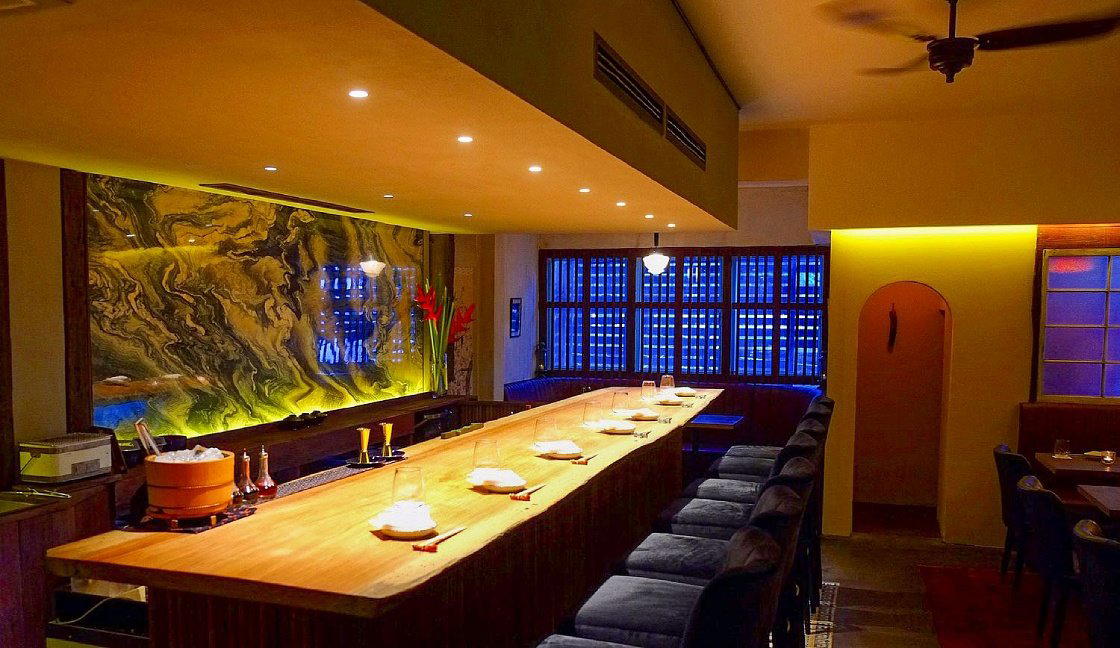
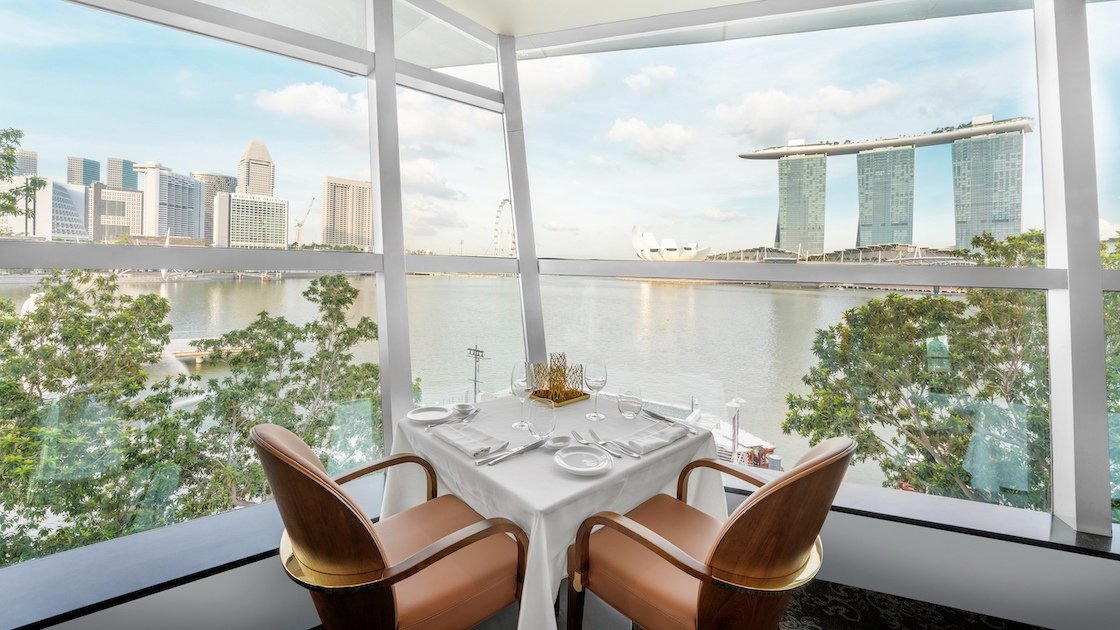
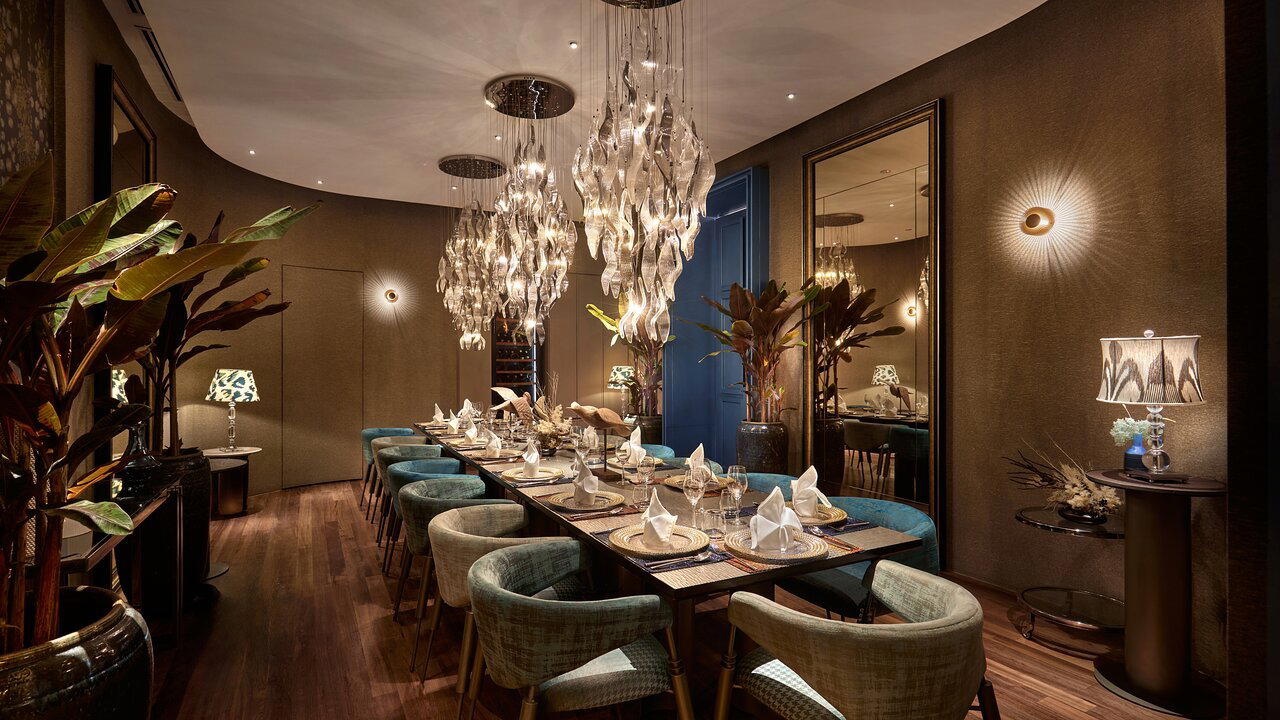
Bars in Kuala Lumpur
All bars in Kuala Lumpur →
Details
- Cozy
- Family
- Casual Hangout
- Standalone
- A La Carte
Current opening hours
- Monday
- 11 AM–9:30 PM
- Tuesday
- 11 AM–9:30 PM
- Wednesday
- 11 AM–9:30 PM
- Thursday
- 11 AM–9:30 PM
- Friday
- 11 AM–9:30 PM
- Saturday
- 11 AM–9:30 PM
- Sunday
- 11 AM–9:30 PM
Hours can change for holidays and private events. Hours as of .
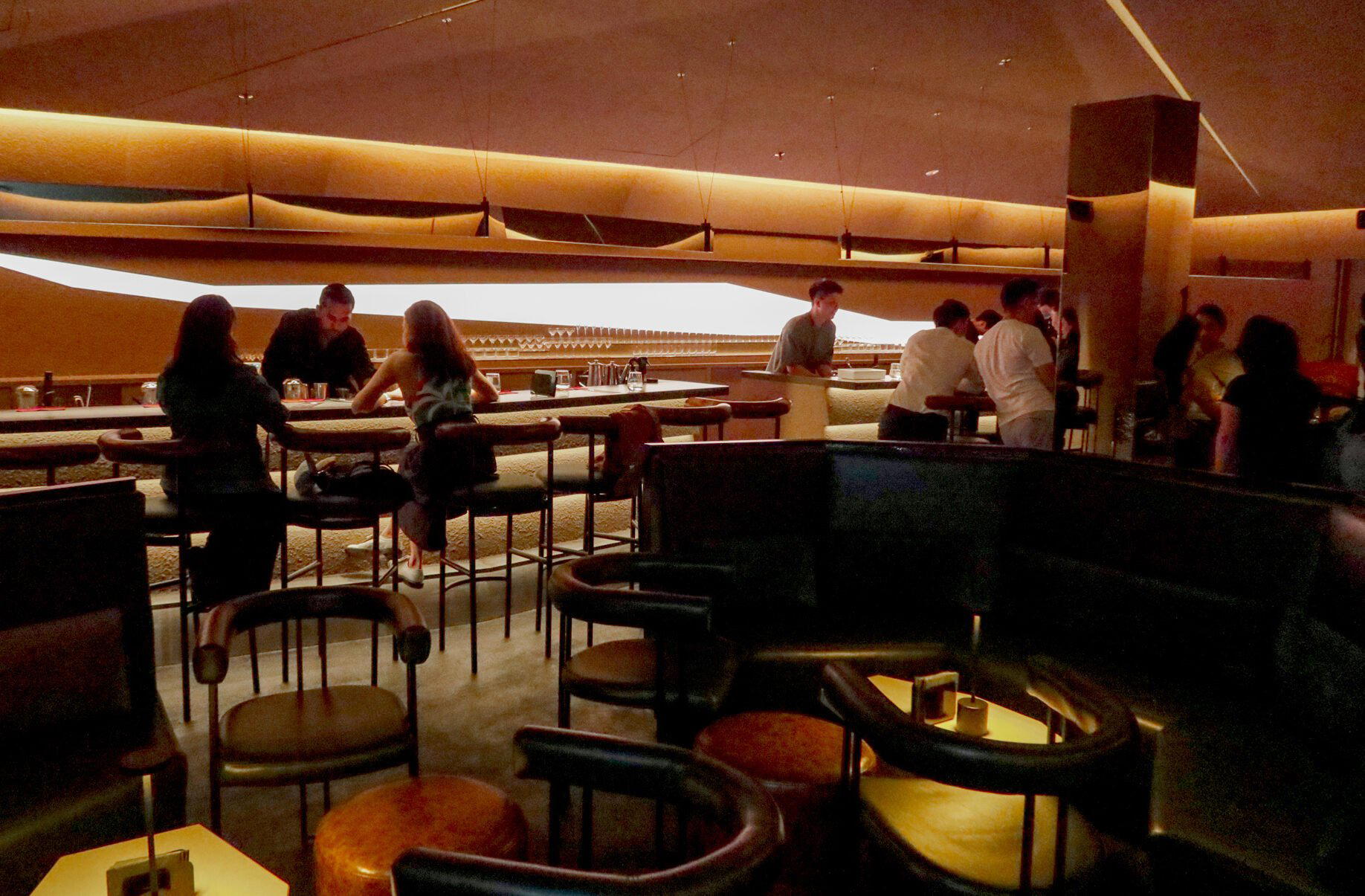
Clean, air-conditioned, simple and homey with comfortable seating and no elaborate decor.