Sonny
Our verdict
Sonny occupies a quiet address on Rådhusstræde 5 in central Copenhagen, operating within a city where the progression of a meal has become as carefully considered as the ingredients themselves.

Pearl is the En Primeur Club membership app — saves, bookings, and concierge access live there. Same editors, same standards.
- Address
- Rådhusstræde 5, 1466 København, Denmark
- Phone
- +4533147272
- Hours
- Mon–Fri 7:30 AM–5 PMSat–Sun 8:30 AM–5 PM
- Website
- sonnycph.dk
- Directions
- Get directions
- Booking
- Book on the venue's website
The menu
What to order
- Golden Latte
- Sonny Salad
- Avocado Toast
- Spicy Tuna
- Granola Bowl
A Street That Earns Its Detour
Rådhusstræde cuts through the oldest fabric of central Copenhagen, running between the canal-flanked streets near Slotsholmen and the pedestrian corridors that lead toward the city's more obvious dining thoroughfares. Restaurants on this stretch tend to earn their clientele through word of mouth rather than foot traffic, which places a particular pressure on the quality of what happens inside. The address at number 5 is the kind of location that rewards those who come with a reservation rather than those who stumble in from the street.
Copenhagen has built an international reputation on the argument that a meal should have a beginning, a middle, and an end that feel genuinely earned. That argument was made loudly by Noma over two decades and has since filtered into the city's wider dining culture at every price point. The question for any restaurant operating in this environment is whether the sequencing of a meal reflects genuine intention or merely follows the format because the format is expected.
The Architecture of a Meal in Copenhagen
Danish restaurants that operate at the serious end of the market tend to structure their menus around progression: something light and acidic to open, building through umami and fat toward a protein course, then resolving through fermented dairy or preserved fruit into something that closes the palate rather than overwhelms it. This is not exclusively a New Nordic convention. Geranium, which holds three Michelin stars and ranked among the world's most discussed restaurants before its chef pivoted to a vegetable-only format, executes this progression with near-scientific precision. Alchemist deconstructs it into fifty-course theatrical sequences. Koan fuses it with Japanese kaiseki structure, introducing a second cultural grammar into the same progression logic.
What sits between these extremes is a category of Copenhagen dining rooms that treat multi-course sequencing as craft rather than spectacle. Kadeau, originally from the island of Bornholm, brought a preservation-heavy larder approach to the capital and became a reference point for how regional Danish ingredients could carry a full tasting arc without leaning on luxury imports. Sonny operates in the same general tier of Copenhagen's dining conversation, on a street that sits close enough to the city center to attract informed visitors but removed enough to filter out casual foot traffic.
Where Sonny Sits in the City's Structure
Copenhagen's restaurant market has stratified clearly over the past decade. At the very leading, venues like Geranium, Jordnær in Gentofte, and the city's other Michelin-decorated addresses compete on a European stage. Below that, a second tier operates serious tasting formats without the full weight of international award recognition, often drawing on the same ingredient networks and kitchen talent pipelines. Sonny belongs to this second conversation, which in Copenhagen is no small thing given that the city's culinary density means even its mid-tier restaurants attract diners who have done serious research.
This positioning places Sonny alongside rather than beneath destinations like Kadeau and the newer generation of format-conscious rooms that have opened as the post-Noma talent pool has spread across the city. For context beyond the capital, the same tier includes addresses like Frederikshøj in Aarhus, LYST in Vejle, and Dragsholm Slot Gourmet in Hørve, each of which demonstrates that Denmark's serious dining culture is no longer exclusively a Copenhagen phenomenon.
Reading the Meal
In a city where tasting menus have become the default language of serious restaurants, the way a kitchen sequences its courses tells you a great deal about its actual priorities. Restaurants that open with fermented bites and close with a single malt pairing are speaking one dialect. Those that lead with raw seafood, move through cured meats, and resolve through aged cheese with preserved fruit are speaking another. The grammar of progression at a restaurant like Sonny, in a neighborhood that pulls a knowing local crowd alongside international visitors who have done their research, tends to favor restraint and technical clarity over theatrical gesture.
That restraint is partly a function of the address itself. Rådhusstræde is not a destination for the kind of performative dining that works on social media first and in the mouth second. The city has venues for that, and they are very good at it. This street tends to attract diners who are interested in whether the food is actually coherent from first course to last, which is a harder standard to meet than it sounds.
Planning Your Visit
Copenhagen's serious dining rooms book quickly, particularly between May and September when long northern evenings extend the appeal of the city considerably. For any restaurant in the second tier of Copenhagen's market, reservations one to four weeks in advance is a reasonable baseline, though venues without strong online profiles can occasionally offer shorter lead times for walk-in or same-week bookings. Cross-referencing directly with the restaurant remains the most reliable approach.
| Venue | Location | Format | Price Tier | Lead Time (approx.) |
|---|---|---|---|---|
| Sonny | Rådhusstræde, CPH | Restaurant | Mid-upper | Contact venue |
| Geranium | Østerbro, CPH | Tasting menu | €€€€ | 2-3 months |
| Alchemist | Refshaleøen, CPH | Immersive tasting | €€€€ | 2-4 months |
| Koan | Central CPH | Tasting menu | €€€€ | 4-8 weeks |
| Kadeau | Vesterbro, CPH | Tasting menu | €€€€ | 3-6 weeks |
For a broader view of how Copenhagen's dining rooms compare across neighborhoods and formats, our full Copenhagen restaurants guide maps the city by tier, style, and booking practicalities. Those extending their trip into Denmark's other cities should consider Alimentum in Aalborg, ARO in Odense, or MOTA in Nykøbing Sjælland for a more complete picture of where Danish cooking currently stands outside the capital.
For international comparison, the multi-course tasting format that Copenhagen has made its signature finds peers in venues like Atomix in New York City, which brings a similarly progression-focused discipline to its Korean-influenced format, and Le Bernardin in New York City, whose long-running consistency offers a different model of how tasting-format restaurants sustain quality over time.
Frequently asked questions
What part of town is Sonny in?
Sonny is located at Rådhusstræde 5, 1466 København, Denmark, Copenhagen.
Is Sonny worth visiting if you are staying near Tivoli or the central station?
Rådhusstræde 5 is within walking distance of Rådhuspladsen and the central station area, making Sonny one of the more geographically accessible serious dining rooms in the city for guests in that part of Copenhagen. The street itself runs through the oldest fabric of the city centre, close to the canal streets near Slotsholmen, so the walk is through historically dense neighbourhoods rather than commercial corridors. That proximity to major hotels and transit makes it a practical option without requiring a taxi or metro.
What should I order at Sonny?
The kitchen at Rådhusstræde 5 operates within a city where seasonal sourcing is a structural expectation rather than a selling point, which means the menu shifts with what Danish producers and waters are delivering. The safest approach is to follow the set progression rather than attempt à la carte substitutions, if a choice exists. Specific dishes change with the season, so arrive without a fixed target.
How far ahead should I plan for Sonny?
Copenhagen dining rooms at the serious end of the market fill fastest between May and September, when long northern evenings and peak tourism compress available covers. Rådhusstræde 5 is central enough to attract both visitors and locals throughout the year, so planning two to four weeks ahead as a baseline is reasonable, with more lead time required in summer. Check the booking channel directly for current availability windows.
What do critics highlight about Sonny?
Verified critical documentation for Sonny is not held in our current sources, so no specific reviews can be cited. What the address signals is a kitchen operating in Copenhagen's older central fabric, a part of the city where restaurants tend to compete on cooking rather than concept spectacle. The city's critical culture, shaped by years of Michelin attention across Copenhagen, generally rewards kitchens that show restraint and sourcing discipline.
How does Sonny handle allergies?
Copenhagen restaurants running set or tasting formats typically require allergy information at the point of booking rather than at the table, so check the venue's official channels before reserving. Rådhusstræde 5 can be reached through the booking platform or contact method listed on the restaurant's own channels.
Where the Accolades Land
Comparable venues nearby, for context on price, style, and recognition.
| Venue | Cuisine | Price | Notes |
|---|---|---|---|
| SonnyThis venue — the venue you are viewing | Scandinavian Café & Healthy Bites | $10–20 | Not listed |
| Brasserie Hugo | Mediterranean Brasserie with Italian & French Influences | $50–100 | Indre By |
| RizRaz | Modern Mediterranean | $20–30 | Indre By |
| Kalaset | European Cafe Brunch | $20–30 | Indre By |
| Wulff & Konstali - Islands Brygge | Danish Brunch Cafe | $20–30 | Amager Vest |
| The Union Kitchen Østerbro | Scandinavian-International Comfort Café | $20–30 | Indre By |
Continue exploring
More in Copenhagen
Restaurants in Copenhagen
Browse all →
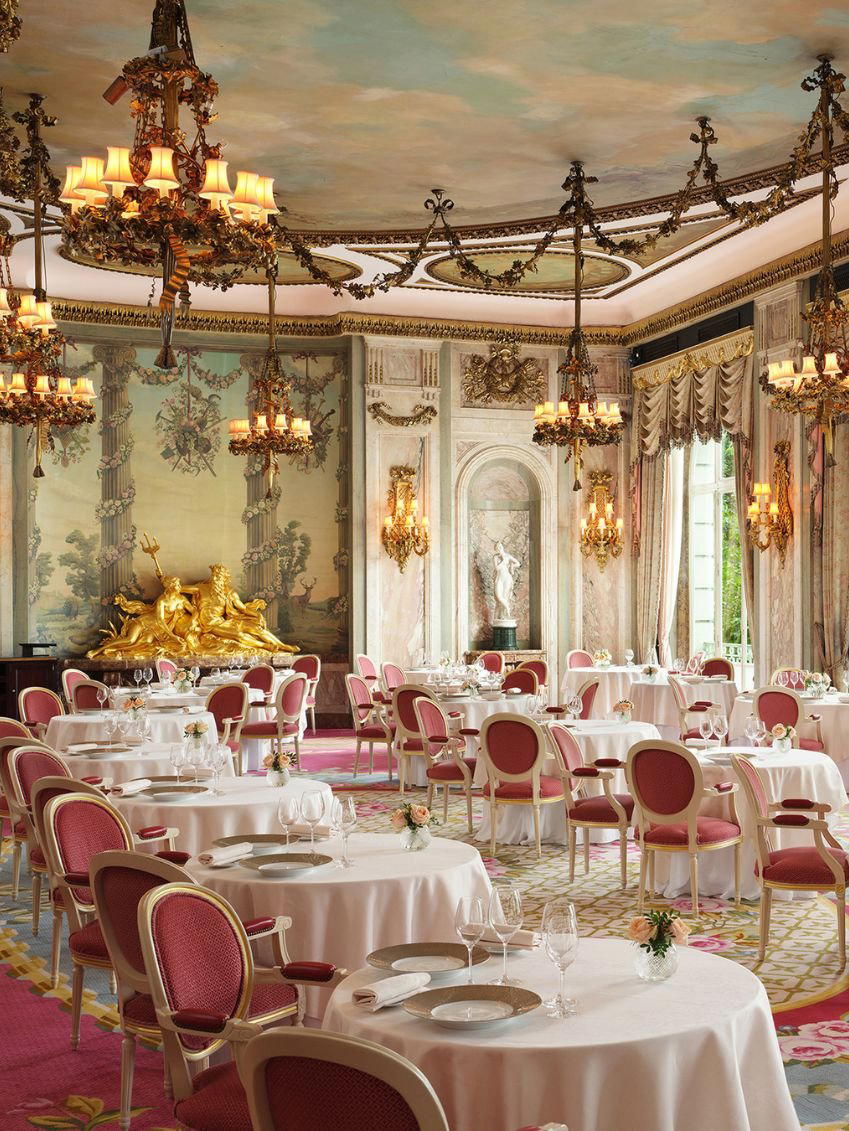
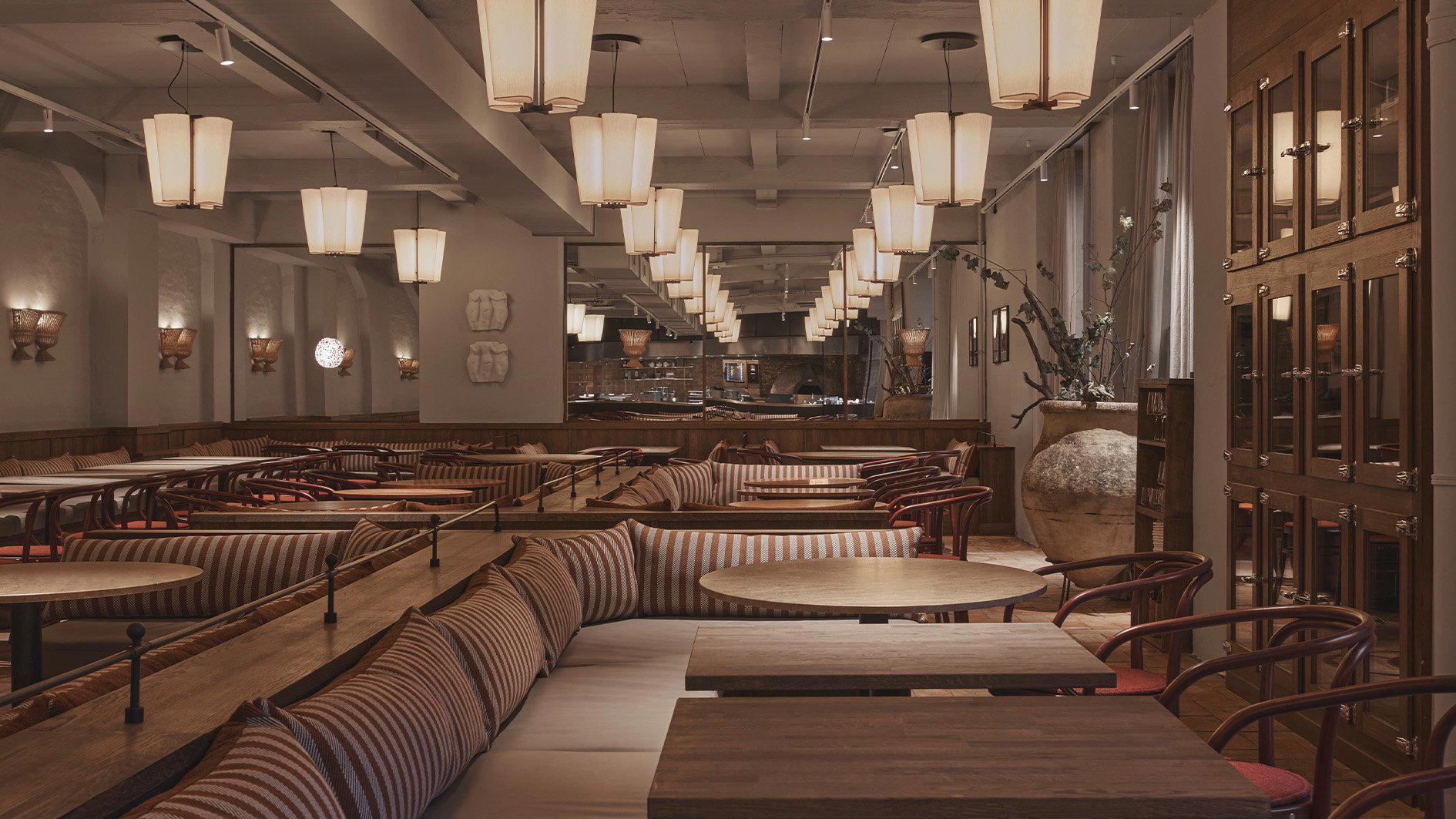
Bars in Copenhagen
Browse all →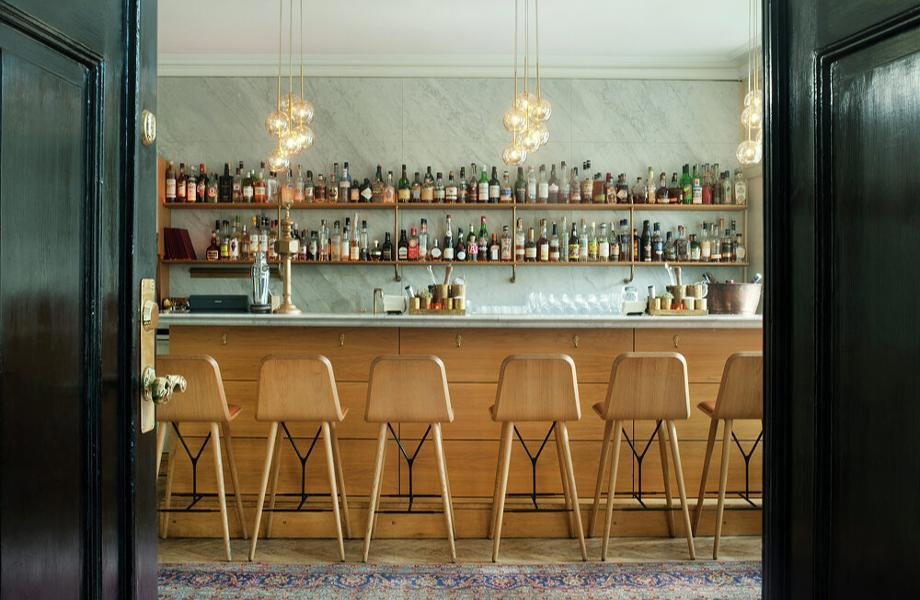
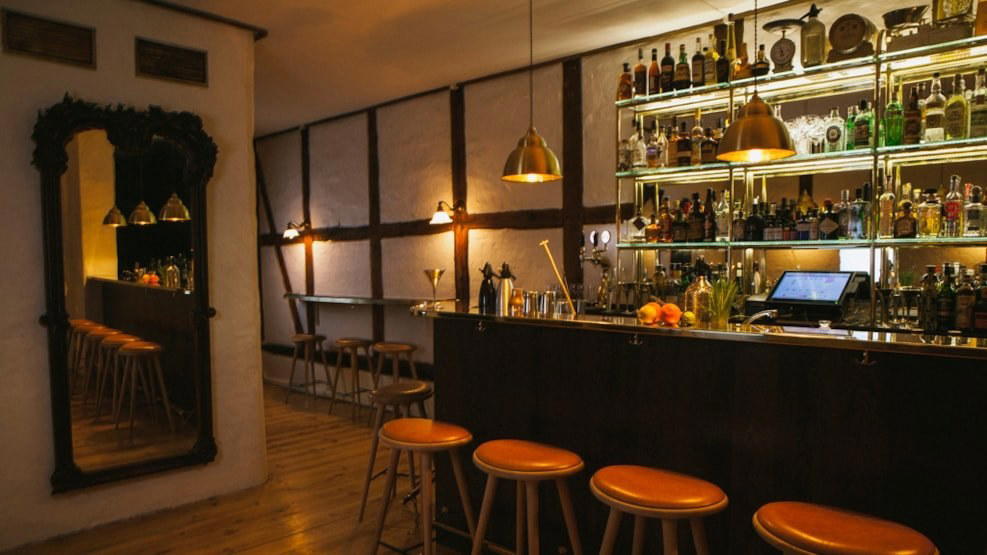
Hotels in Copenhagen
Browse all →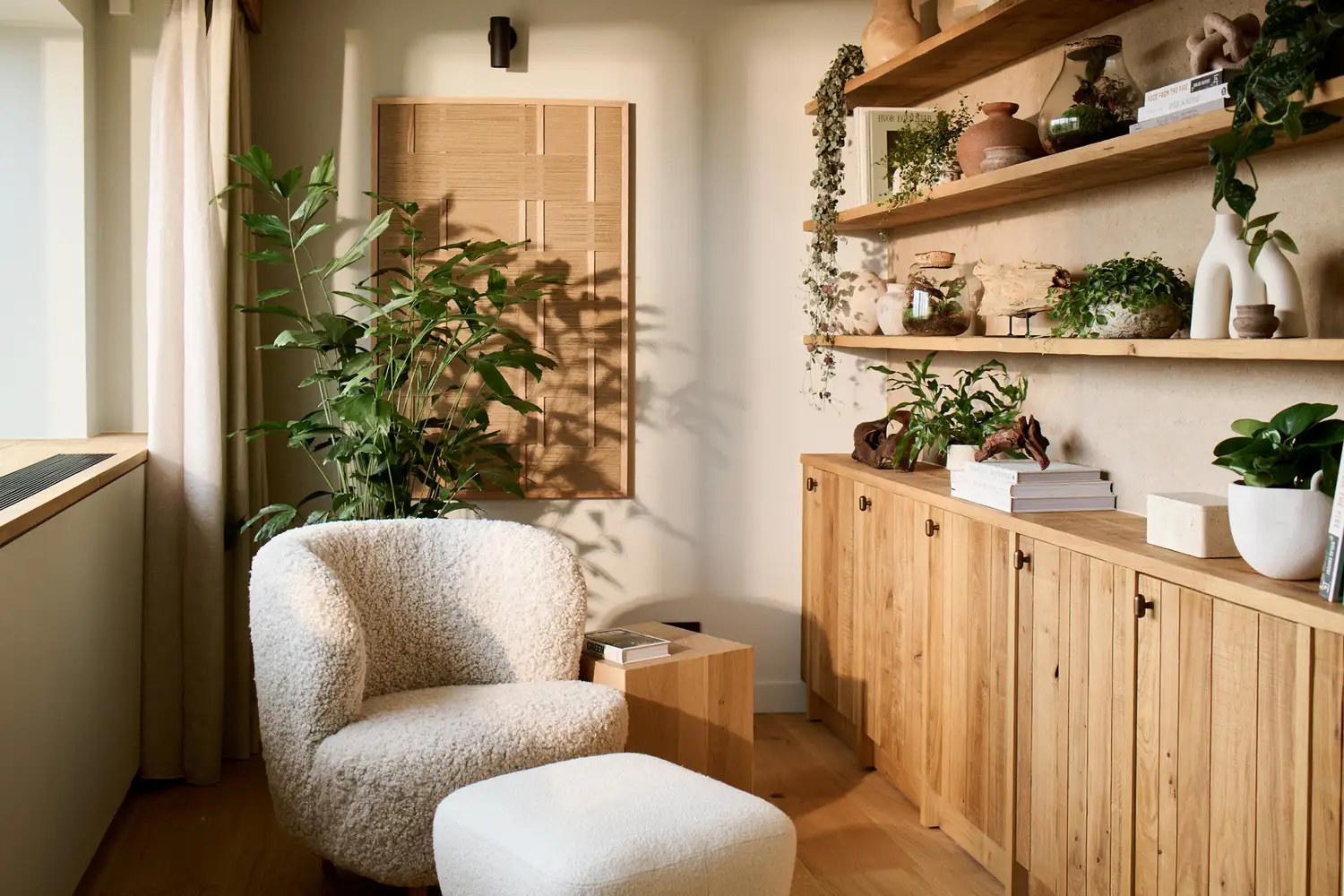

Details
- Cozy
- Modern
- Lively
- Trendy
- Brunch
- Casual Hangout
- After Work
- Design Destination
- Standalone
- Craft Cocktails
- Local Sourcing
- Organic
- A La Carte
- Specialty Coffee
- Matcha
- Golden Latte
- Vegetarian Friendly
- Vegan Options
- Gluten Free Options
Current opening hours
- Monday
- 7:30 AM–5 PM
- Tuesday
- 7:30 AM–5 PM
- Wednesday
- 7:30 AM–5 PM
- Thursday
- 7:30 AM–5 PM
- Friday
- 7:30 AM–5 PM
- Saturday
- 8:30 AM–5 PM
- Sunday
- 8:30 AM–5 PM
Hours can change for holidays and private events. Last verified .
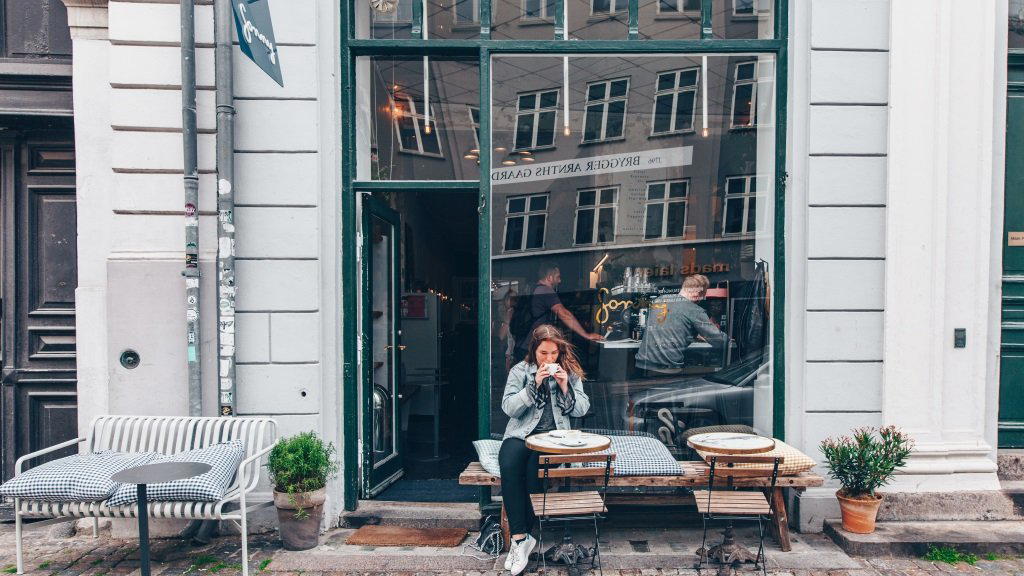
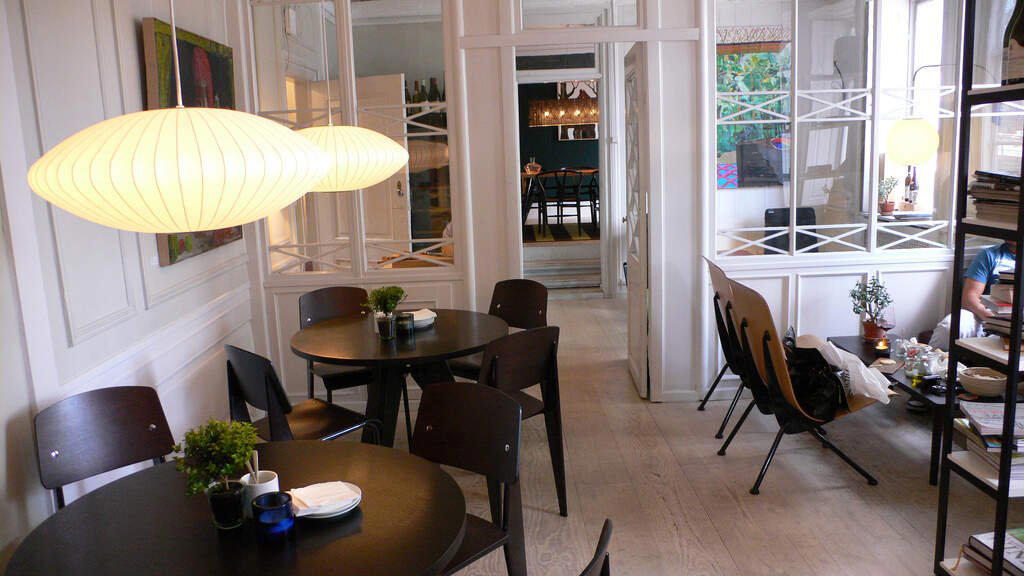
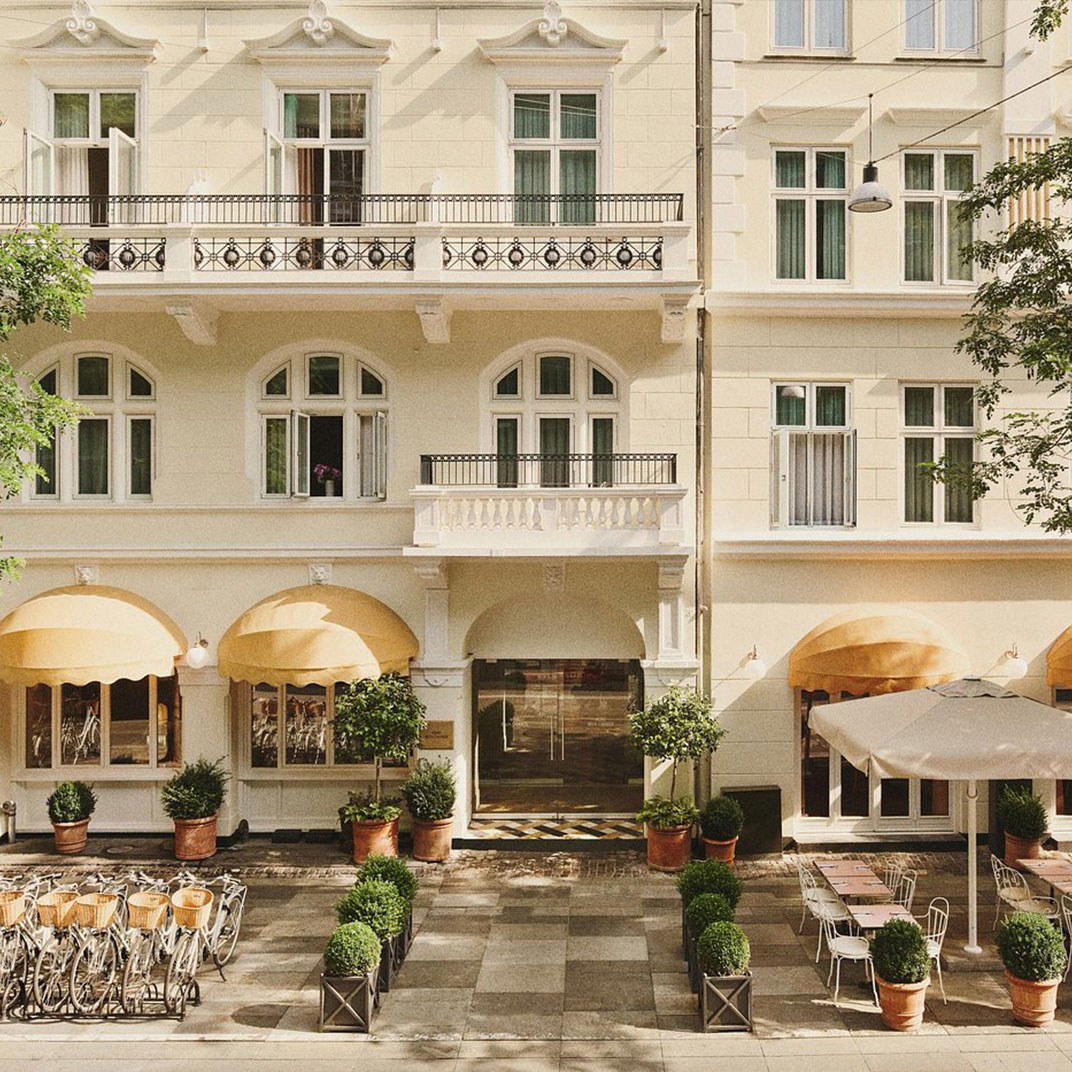
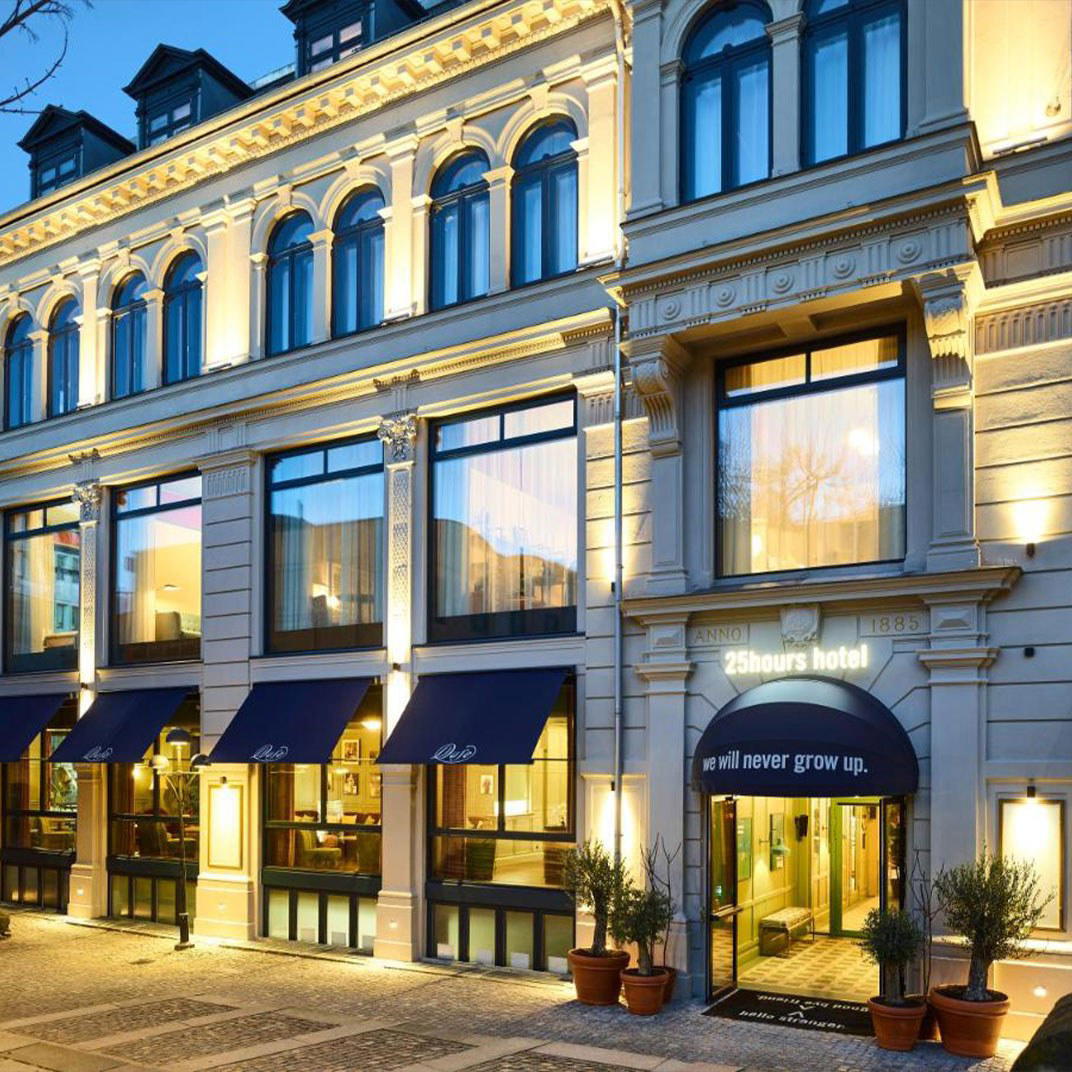
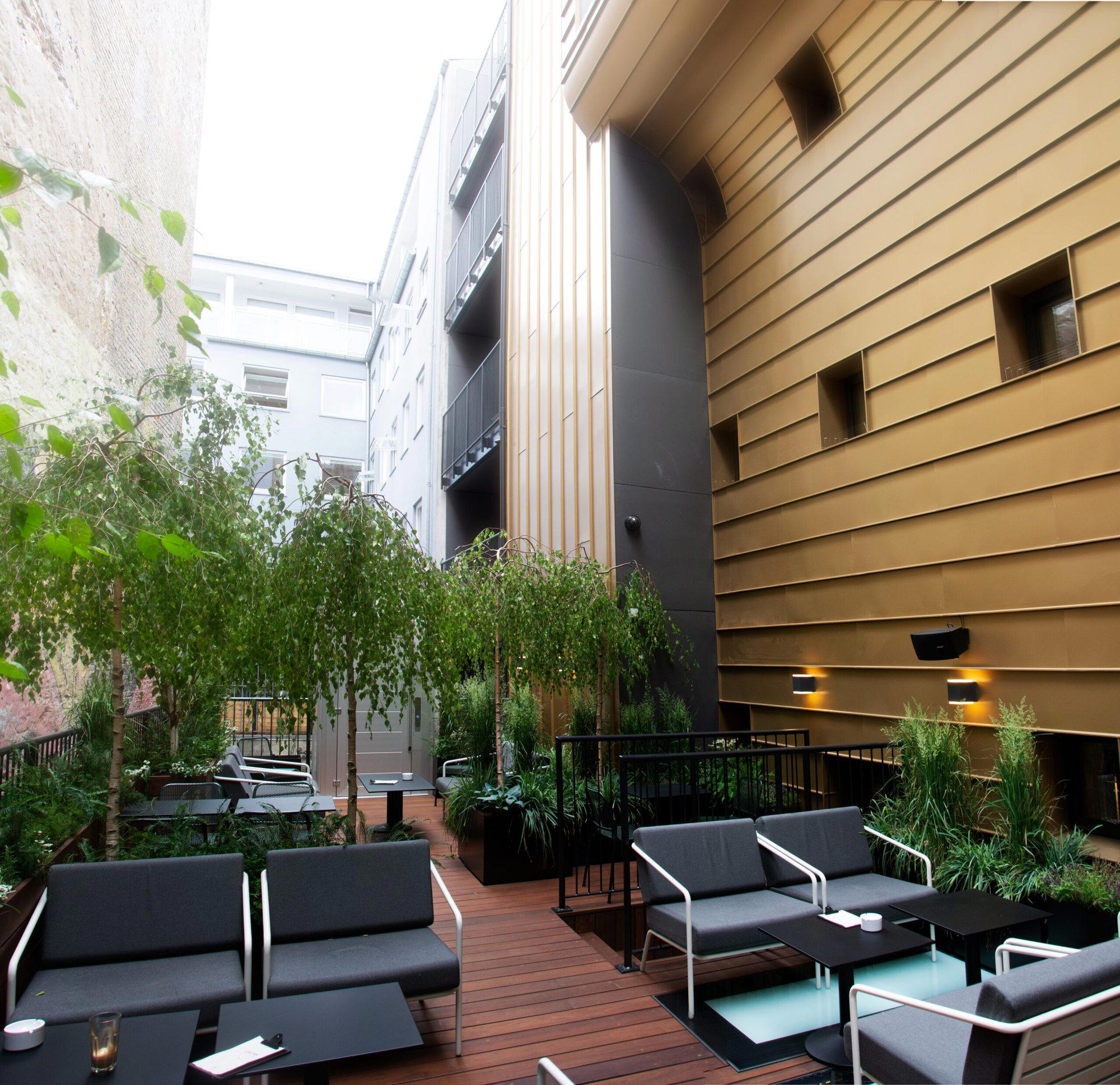
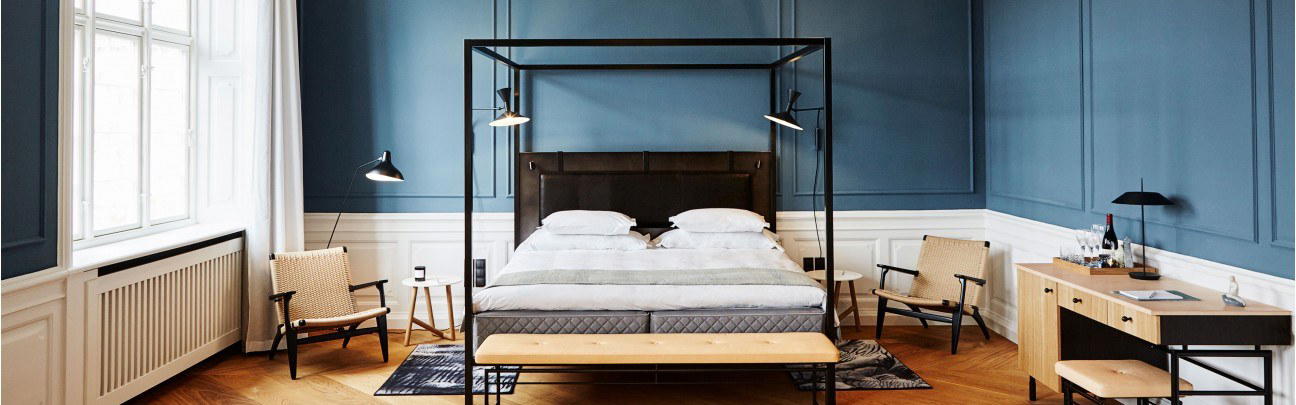
Bright and welcoming with huge windows flooding natural light, vintage furniture, cozy seating, and quintessentially Copenhagen design details creating a lively yet intimate atmosphere.