Sonmari
Sonmari occupies a suite address on West 6th Street in Los Angeles's Koreatown, a neighbourhood where Korean culinary tradition and contemporary dining ambitions have been quietly intersecting for decades. The restaurant sits inside a dining corridor that draws serious eaters from across the city, and its position within that ecosystem rewards attention from anyone tracking where LA's mid-to-upper dining tier is heading.
 Discover on Pearl
Pearl is the En Primeur Club membership app — saves, bookings, and concierge access live there. Same editors, same standards.
- Address
- 3465 W 6th St Ste 150, Los Angeles, CA 90020
- Phone
- (213) 529-4008
- Website
- sushizanmai-usa.com
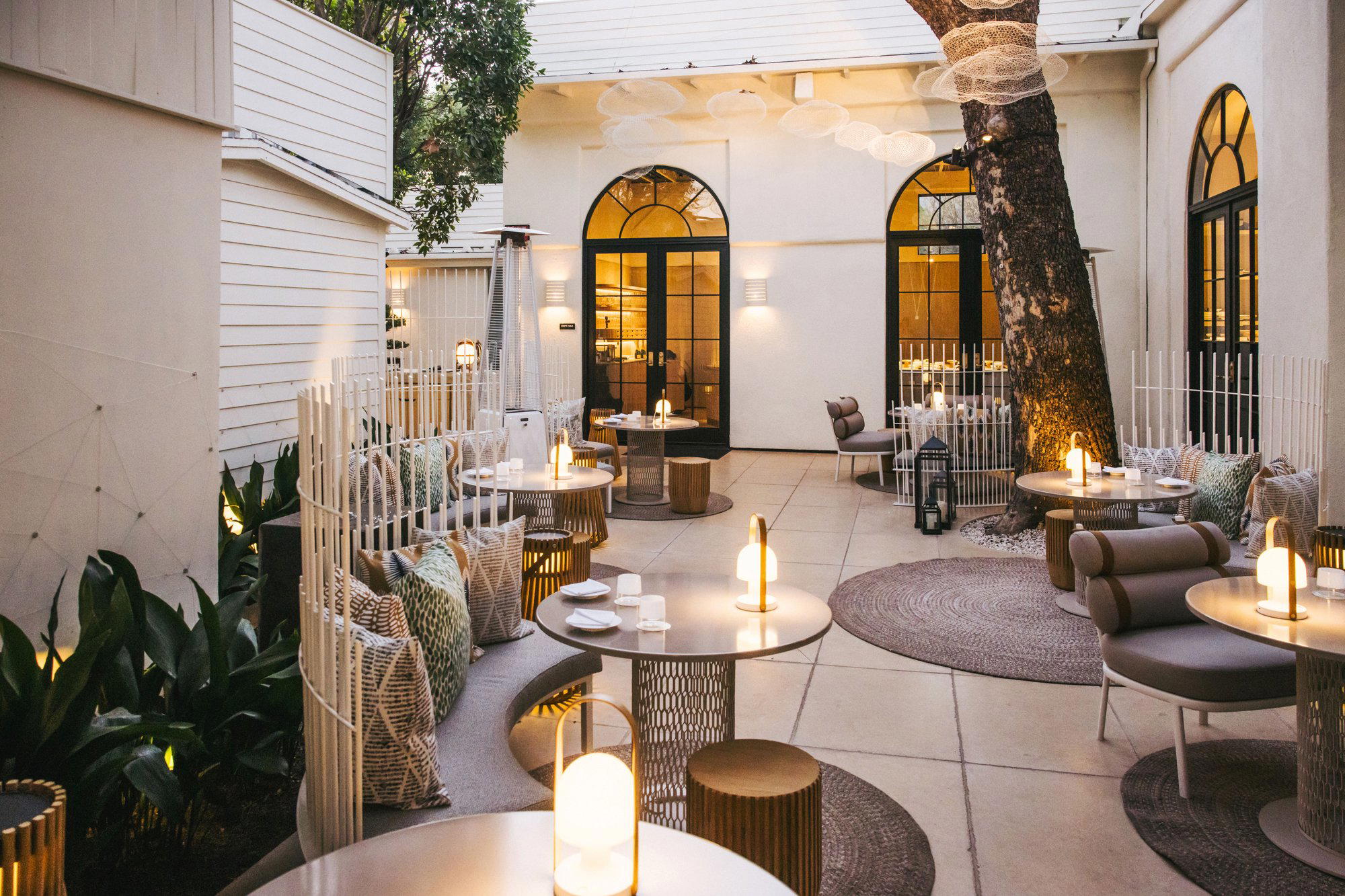
Koreatown's Dining Identity and Where Sonmari Fits
Koreatown, centred on Wilshire and 6th Street, has long operated as one of Los Angeles's most self-contained culinary districts. The neighbourhood built its reputation on late-night galbi houses, BBQ halls running past midnight, and a density of Korean regional cooking that few cities outside Seoul can match. Over the past decade, a secondary layer has emerged alongside that foundation: smaller, more considered restaurants working at a higher price point, drawing on Korean technique and ingredient culture but structuring the experience differently. Sonmari, at 3465 W 6th Street, sits within that newer stratum.
The address places it on a stretch of 6th Street that sees both neighbourhood regulars and destination diners making the drive from the Westside or Downtown. In a city where restaurant geography matters as much as the menu, Koreatown's position as an affordable and accessible district has historically undersold the ambition of some of its kitchens. That gap between neighbourhood perception and actual cooking quality is, in many ways, the story of LA dining right now, and it shapes the context in which Sonmari operates.
The Sustainability Frame in Contemporary Korean Dining
Across the higher end of Los Angeles dining, the conversation about sourcing and waste has moved from marketing language to operational fact. Restaurants like Single Thread Farm in Healdsburg have made farm-to-table integration a structural commitment rather than a menu footnote, running their own agricultural operations to control ingredient provenance end to end. Providence, LA's benchmark for fine seafood, has long been cited for its relationships with sustainable fisheries. These are not outlier positions anymore; they represent the baseline expectation at the upper tiers of West Coast dining.
Korean cuisine, with its deep roots in fermentation, preservation, and whole-animal and whole-vegetable utilisation, is arguably well-positioned to meet that expectation without strain. Kimchi culture is fundamentally a waste-reduction technology: vegetables preserved at peak, extended across months, generating flavour complexity through time rather than through resource expenditure. Doenjang and ganjang, the fermented soybean pastes and soy sauces central to Korean cooking, follow the same logic. These are traditions that predate the contemporary sustainability conversation by centuries, and kitchens that draw on them seriously are working within a culinary lineage that treats thrift as craft.
Where Koreatown's newer wave of restaurants, including the context in which Sonmari operates, differs from the legacy BBQ model is in the degree to which those fermentation and preservation traditions are foregrounded as technique rather than background assumption. Across the city's Korean fine dining and Korean-influenced contemporary spaces, there is a visible movement toward making that craft legible to diners who may not carry the cultural context to recognise it automatically.
The Koreatown Fine Dining Tier in Los Angeles
Los Angeles's Korean fine dining tier is smaller and less publicised than its Japanese or Californian-produce counterparts. Hayato in the Row DTLA and Kato in Culver City represent a style of Asian-rooted fine dining that has attracted sustained critical recognition, including Michelin distinction. Both operate at capacity limits that create genuine booking pressure. The Korean equivalent of that tier is less mapped in mainstream food media, which means kitchens working in that register in Koreatown frequently operate below the radar of the publications that track Japanese omakase or Californian tasting menus.
This is partly a structural issue in how Los Angeles's food press allocates attention, and partly a function of the neighbourhood's historical identity as a value destination. The practical result is that Koreatown has produced serious cooking at every price point for decades without receiving proportional critical attention at the higher end. Sonmari's West 6th Street location places it at the centre of that undercharted territory.
Comparable ambition at the upper end of the city's spectrum can be tracked through venues like Somni or Osteria Mozza, both of which hold positions in their respective categories that generate sustained demand. Outside Los Angeles, reference points for Asian-rooted fine dining operating at this level of culinary seriousness include Atomix in New York City and 8 1/2 Otto e Mezzo Bombana in Hong Kong, both of which demonstrate that the tier is well-established globally even where local press coverage remains uneven.
Sourcing Logic and Seasonal Rhythm
The sustainability argument in Korean cooking is most visible in seasonal alignment. Korean cuisine has always been organised around agricultural calendars: spring greens, summer perilla, autumn squash and root vegetables, winter kimchi fermentation cycles. Kitchens that take that calendar seriously produce menus that shift materially by season rather than making token adjustments. The autumn-to-winter transition, when fermentation culture is most active and root vegetables are at their most concentrated, represents one of the most compelling periods to eat in a kitchen with serious Korean technique at its core.
That seasonal logic also connects to the broader West Coast sourcing ecosystem. Los Angeles sits within reach of California's Central Valley, the Oxnard Plain, and coastal fisheries that supply some of the country's most consistent produce and seafood. Restaurants at Sonmari's address and price positioning in the Koreatown corridor are increasingly drawing on those regional supply chains rather than relying on imported products, a shift that both reduces environmental overhead and sharpens the specificity of what ends up on the plate.
Placing Sonmari in a National Context
The questions Sonmari engages, whether consciously or by position, are the same ones being asked at serious restaurants across the country. Lazy Bear in San Francisco built its identity around communal format and seasonal precision. The French Laundry in Napa has long operated its own kitchen garden as a structural sourcing commitment. Alinea in Chicago approaches waste through technique, using every element of an ingredient across a tasting progression. Le Bernardin in New York City has made sustainable seafood sourcing a defining part of its identity for decades. Emeril's in New Orleans has connected regional agricultural identity to restaurant programming since its founding.
The pattern across these reference points is consistent: at the upper end of American dining, sourcing ethics and environmental accountability have become credibility signals rather than optional additions. Koreatown's culinary community, working within a tradition already oriented toward fermentation, preservation, and minimal waste, is well-placed to make that argument on its own terms.
Planning Your Visit
Sonmari is located at 3465 W 6th Street, Suite 150, in the Koreatown neighbourhood of Los Angeles. The address is accessible by car with street and structure parking nearby, and sits on a Metro bus corridor connecting to the Wilshire/Vermont station on the B and D lines. Given the neighbourhood's density of dining options, the area rewards an extended evening rather than a single-stop visit. Current hours are Mon to Thu and Sun, 11 AM to 3 PM and 5 to 11 PM; Fri and Sat, 11 AM to 3 PM and 5 PM to 12 AM. Reservations are recommended, and the price tier is about $50 per person.
Quick reference: 3465 W 6th St Ste 150, Los Angeles, CA 90020.
Comparable Venues
Comparable venues nearby, for context on price, style, and recognition.
| Venue | Cuisine | Price | Notes |
|---|---|---|---|
| SonmariThis venue — the venue you are viewing | Modern Hand Roll and Sushi | $$$ | |
| The Izaka-ya by Katsu-ya (Beverly Grove) | Modern Japanese Izakaya | $$$ | Beverly Grove |
| Shojin | Vegan Japanese Macrobiotic | $$$ | Culver West |
| Ten Ramen | Japanese Ramen | $$ | Wilshire Center |
| Aki Restaurant | Traditional Japanese | $$ | Sawtelle |
| U-Zen | Japanese Sushi | $$ | Sawtelle |
Continue exploring
More in Los Angeles
Restaurants in Los Angeles
Browse all →
Bars in Los Angeles
Browse all →

Hotels in Los Angeles
Browse all →
Wineries in Los Angeles
Browse all →
At a Glance
- Trendy
- Cozy
- Modern
- Date Night
- Casual Hangout
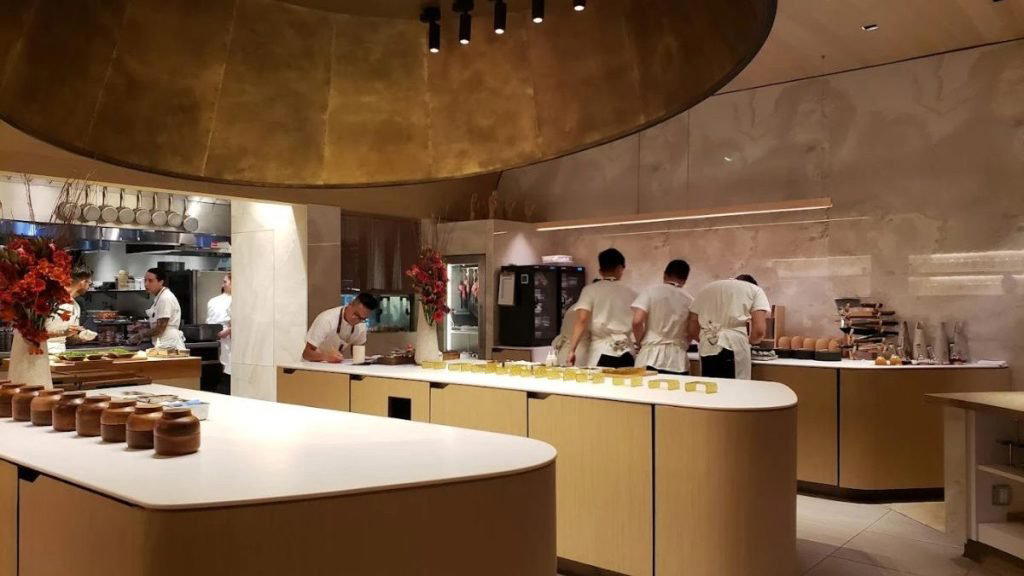
- Open Kitchen
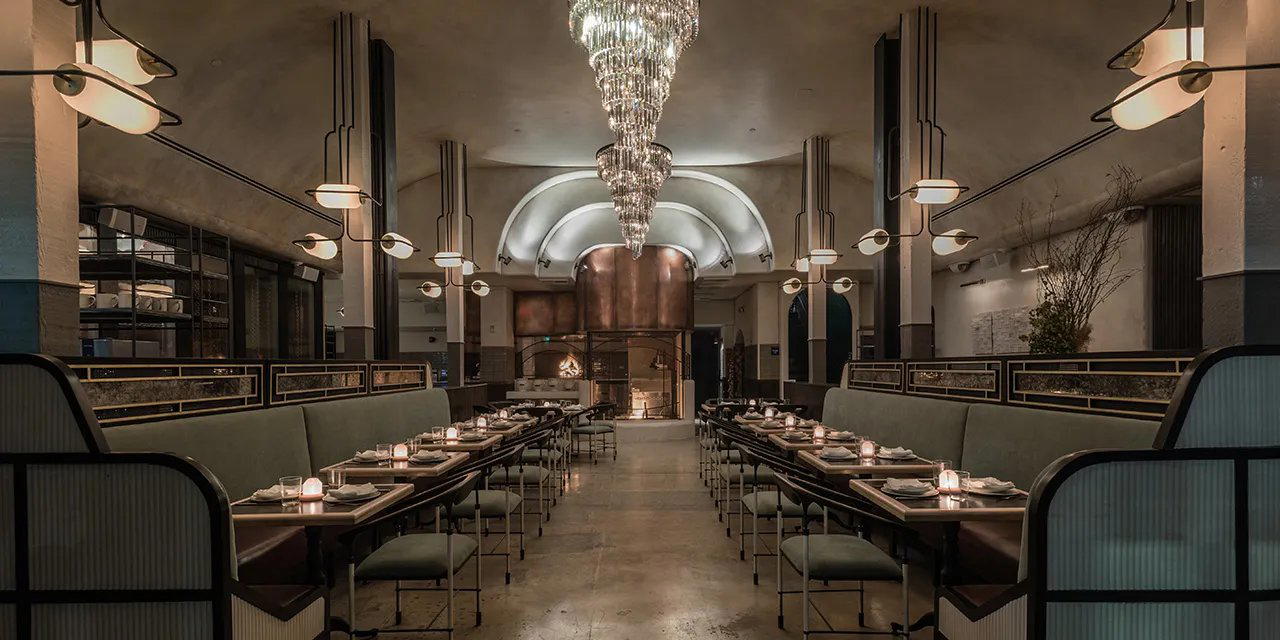
Warm, fun, and welcoming energy with a trendy, clean interior perfect for casual nights out or laid-back dates.