Aki Restaurant
On Santa Monica Boulevard in West Los Angeles, Aki Restaurant occupies the kind of address that rewards those already familiar with the neighborhood's quieter dining circuit. The cooking draws from Japanese culinary tradition in a city where that tradition ranges from casual ramen counters to destination omakase. Aki sits in the middle distance of that spectrum, drawing a regular crowd on the strength of consistent, focused cooking.
Pearl is the En Primeur Club membership app — saves, bookings, and concierge access live there. Same editors, same standards.
- Address
- 11513 Santa Monica Blvd, Los Angeles, CA 90025
- Phone
- +13104798406
- Website
- akirestaurant-la.com
- Directions
- Get directions
 Saves & bookings on Pearl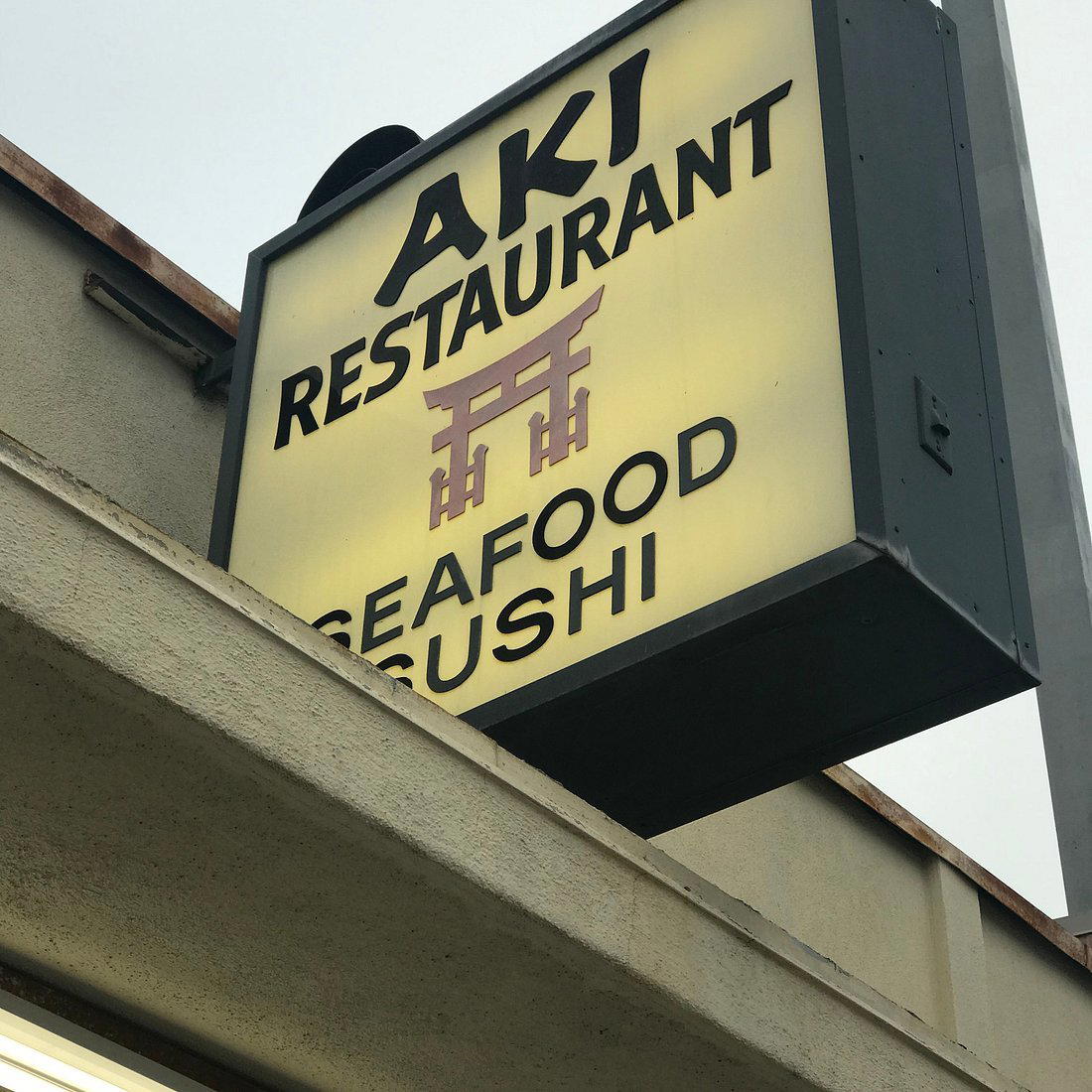
West Los Angeles and the Japanese Dining Continuum
Santa Monica Boulevard between the 405 and the western edge of Brentwood carries a particular kind of restaurant density: neighborhood regulars, working professionals, and the occasional out-of-towner who has done enough research to look past the obvious draws. This stretch of West LA is not where you go for spectacle. It is where a certain kind of dependable, culturally grounded cooking tends to accumulate, particularly within the Japanese tradition that has shaped Los Angeles dining more deeply than almost any other immigrant culinary lineage.
Los Angeles has one of the most developed Japanese restaurant ecosystems outside Japan itself. That ecosystem spans a wide price and format range, from the utilitarian counters of Sawtelle Japantown a few blocks east to the reservation-only kaiseki rooms that operate at the level of Hayato in the Arts District. Aki Restaurant at 11513 Santa Monica Blvd positions itself within the mid-to-upper register of neighborhood Japanese dining, a category that accounts for some of the most consistently satisfying eating in the city precisely because it is not built around performance or occasion.
Cultural Roots of the Cuisine
Japanese cuisine's authority in Los Angeles is not incidental. The county's Japanese American population has maintained culinary traditions for generations, and successive waves of immigration and chef migration from Japan have kept technique current and expectations high among regular diners. What this means practically is that neighborhood restaurants operating in this tradition are held to a standard of authenticity and execution that visitors from other cities sometimes underestimate.
The broader Japanese dining tradition represented by a restaurant like Aki draws on disciplined ingredient sourcing, precise knife work, and restrained seasoning philosophies that place the material at the center rather than the technique. These values run across formats, from the counter-service donburi shop to the twelve-course kappo room. Understanding where a given restaurant sits on that continuum is more useful than any single data point about decor or price range.
For comparative scale: at the top of the LA Japanese tier, you have Hayato, a Michelin-starred kaiseki counter in the Arts District that books weeks out and prices accordingly. At the accessible end, Sawtelle's ramen and izakaya corridor offers daily eating at low cost. Aki occupies a different position, the kind of place that regulars return to weekly rather than quarterly, where the cooking is precise enough to satisfy a serious palate without the booking friction or price commitment of destination dining.
This neighborhood-anchor model has parallels in other American cities with strong Japanese dining cultures. In New York, Korean-inflected fine dining has followed a similar arc, with places like Atomix representing the destination tier above a thick layer of neighborhood specialists. In San Francisco, the pattern repeats. What distinguishes the LA version is scale: the city's geographic spread means that neighborhood-level Japanese restaurants serve genuinely local communities, rather than functioning as overflow from a single dense restaurant district.
Where Aki Sits in the Los Angeles Dining Scene
Los Angeles fine and near-fine dining has grown considerably more sophisticated over the past decade. Restaurants like Providence on Melrose operate at the level of the country's leading seafood-focused tables, alongside progressively ambitious contemporaries like Kato in its new format and the molecular precision of Somni. Italian-American tradition holds ground at Osteria Mozza. This is a city with a fully developed restaurant culture, not an emerging one.
Within that context, Aki draws its relevance from consistency and cultural grounding rather than from placement in the city's award conversation. The West LA neighborhood it serves has its own dining logic, shaped by proximity to UCLA, the tech-adjacent professional class of the Westside, and longstanding Japanese American community presence. A restaurant that reads those local dynamics correctly tends to earn a durable following.
For those building a broader itinerary around serious American dining, the national context is worth noting. The tradition of culturally specific neighborhood restaurants holding their own against destination dining is visible across the country, from Le Bernardin in New York anchoring one end of the spectrum to more regionally rooted tables like Frasca Food and Wine in Boulder or Emeril's in New Orleans serving different community functions. Aki fits the neighborhood-anchor model rather than the destination model, which affects how you should plan a visit. Our full Los Angeles restaurants guide maps the city's dining across both tiers.
Planning a Visit
The address, 11513 Santa Monica Blvd, places the restaurant in the West LA corridor, accessible from the 405 via Santa Monica Boulevard and within a short drive of Brentwood, Westwood, and the Sawtelle district. Street parking along this stretch is generally available in the evenings, though the adjacent blocks fill during peak dinner hours. For neighborhoods of this character in LA, arriving early in a service is the more reliable approach than arriving at peak. Given the restaurant's position as a neighborhood regular rather than an occasion destination, the experience is calibrated for return visits rather than single-occasion spectacle, which influences both the format and the expectations you should bring.
How Aki Restaurant Los Angeles compares with similar nearby venues.
| Venue | Cuisine |
|---|---|
| Nanbankan | Yakitori |
Continue exploring
More in Los Angeles
Restaurants in Los Angeles
Browse all →
Bars in Los Angeles
Browse all →
Hotels in Los Angeles
Browse all →
Wineries in Los Angeles
Browse all →
At a Glance
- Cozy
- Classic
- Family
- Casual Hangout
- Sake Program
Current opening hours
- Monday
- Closed
- Tuesday
- Closed
- Wednesday
- 11 AM–2 PM, 5–8:30 PM
- Thursday
- 11 AM–2 PM, 5–8:30 PM
- Friday
- 11 AM–2 PM, 5–9 PM
- Saturday
- 5–9 PM
- Sunday
- 4:30–8 PM
Hours can change for holidays and private events. Last verified .
Cozy and family-friendly with a casual, homey feel.
Know Before You Go
- Getting there
- 11513 Santa Monica Blvd, Los Angeles, CA 90025