Soya e Pomodoro
A compact Italian-inflected spot on the edge of Miami's downtown grid, Soya e Pomodoro occupies the kind of low-key address that rewards the curious over the casual. The kitchen works within a vegetable-forward idiom that sits at an angle to Miami's more protein-driven dining mainstream, making it a useful reference point for anyone tracking how plant-centered cooking has quietly taken root in a city better known for its steakhouses and ceviche bars.
Pearl is the En Primeur Club membership app — saves, bookings, and concierge access live there. Same editors, same standards.
- Address
- 120 NE 1st St #2502, Miami, FL 33132
- Phone
- +1 305 381 9511
- Website
- soyaepomodoro.com
- Directions
- Get directions
 Saves & bookings on Pearl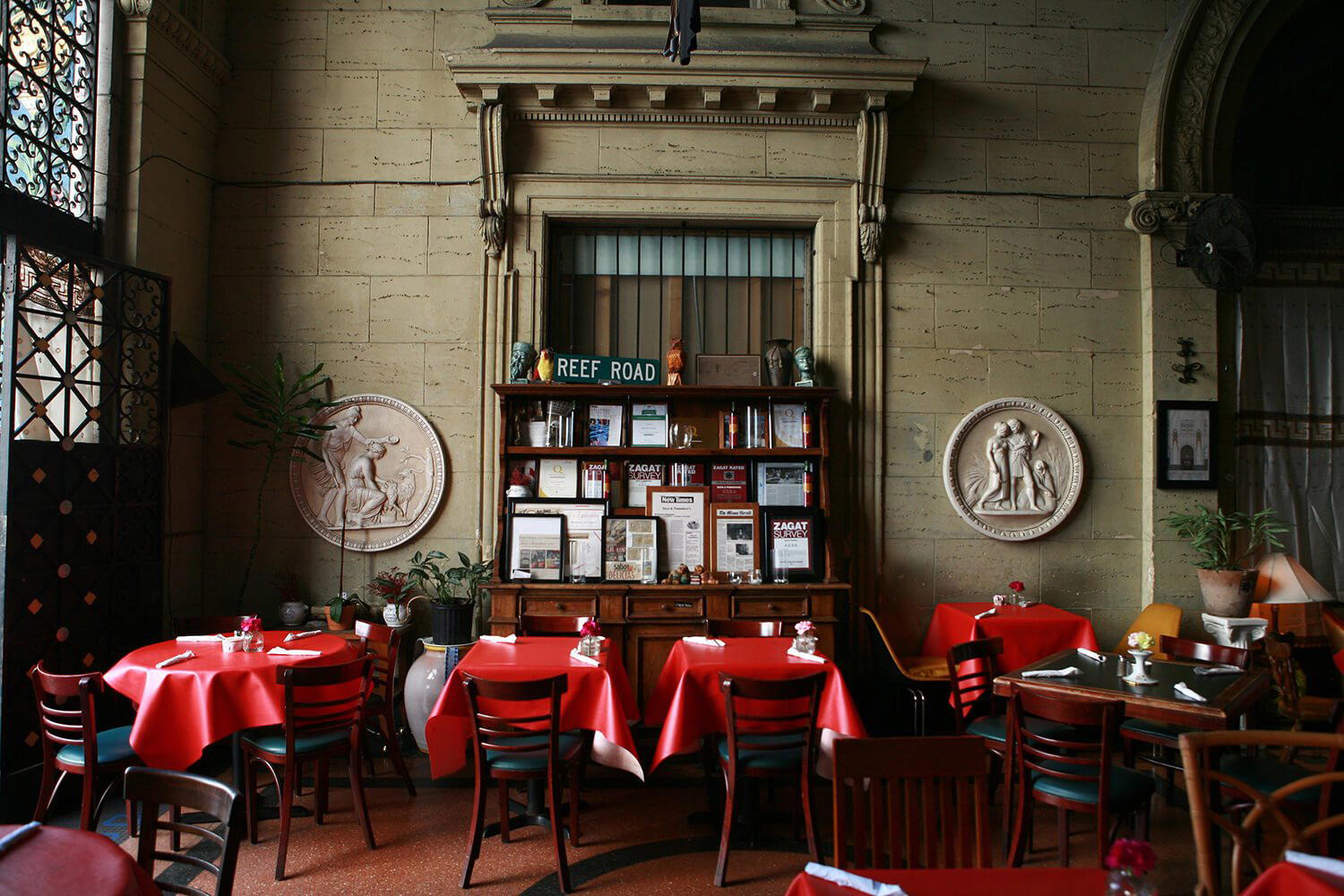
Where Downtown Miami's Quieter Dining Register Lives
Miami's restaurant conversation tends to orbit a familiar axis: the Brickell expense-account room, the Wynwood concept, the South Beach hotel dining room. The stretch of downtown near NE 1st Street operates at a different register, one where the pace slows and the signage gets smaller. Soya e Pomodoro sits at 120 NE 1st St, in a building address that reads more workaday than destination, which is partly the point. In a city where restaurants often lead with spectacle, the physical modesty of this address functions as a kind of editorial statement about what the kitchen prioritizes.
That quietness has a counterpart in the food itself. Italian-rooted, vegetable-forward cooking has been a niche in Miami for years, but the city's mainstream has pulled consistently toward beef, fish, and fire. At the higher end of the market, rooms like Cote Miami are built around the drama of dry-aged beef, while Ariete works a contemporary American frame with significant protein emphasis. Soya e Pomodoro represents a different kind of Miami dining proposition: one that takes produce seriously as the subject of the meal, not merely its supporting cast.
The Sustainability Frame in Miami's Restaurant Scene
Across American dining, sustainability has fractured into several distinct postures. There is the farm-provenance model, where restaurants like Blue Hill at Stone Barns in Tarrytown treat the farm itself as the narrative backbone of the menu. There is the hyper-local sourcing model, practiced at places like Single Thread Farm in Healdsburg, where the estate's own agricultural output shapes the tasting arc. And there is a quieter, less programmatic version that shows up in restaurants whose menus are simply vegetable-oriented by disposition rather than marketing strategy.
In Florida specifically, the sustainability conversation has particular texture. The state's agricultural calendar is inverted relative to most of the country: winter and early spring bring the most productive growing conditions, while summer heat and humidity constrain local supply. A kitchen working with genuine attention to seasonal and local sourcing in Miami must contend with that calendar honestly, which means the menu should shift noticeably across the year. The Italian culinary tradition that names this restaurant, soya and tomato being the two most literal translations of its ingredients, maps naturally onto a vegetable-led approach: Italian regional cooking has always treated the garden as central rather than incidental.
Wider down the country, restaurants like Smyth in Chicago and Providence in Los Angeles have each built sustainability commitments into their kitchen infrastructure in verifiable ways, from composting programs to supplier transparency. In Miami, that level of infrastructure-level commitment is less common at the neighborhood scale, which makes small, independently operated spots the more likely carriers of genuine environmental consciousness rather than the larger hotel-backed rooms.
Italian Roots in a City That Pulls Elsewhere
Italian cooking in Miami exists across a wide spectrum. At the contemporary end, Boia De has built a nationally noted reputation for pasta and natural wine in a tight room with a long waitlist, representing the ambitious end of the city's Italian-influenced dining. Soya e Pomodoro occupies a different position in that spectrum: less tasting-menu driven, more rooted in the everyday Italian relationship with vegetables, legumes, and simple preparations that don't require elaborate technique to succeed.
That everyday quality is actually harder to execute well than it sounds. Italian cucina povera, the tradition of cooking that makes something compelling from limited and humble ingredients, demands restraint and precision rather than complexity. When a kitchen names itself after two of the most basic ingredients in that tradition, soy and tomato, it is implicitly committing to a philosophy of reduction rather than elaboration. Whether a given visit meets that standard is a matter for the table, not the menu description.
For Miami diners already familiar with the city's more internationally profiled rooms, including L'Atelier de Joël Robuchon Miami or the Peruvian precision of ITAMAE, Soya e Pomodoro represents a lateral move rather than a step up or down the prestige ladder. It belongs to a different category entirely: the neighborhood spot that earns return visits through consistency and a clear point of view rather than through awards or spectacle.
How This Fits Into a Broader Miami Itinerary
The NE 1st Street address places Soya e Pomodoro within walking distance of downtown Miami's main transit corridors, making it accessible without a car in a city that typically requires one. For visitors staying in Brickell or the downtown core, the logistics are direct. For those based further afield in Wynwood or the Beach, it works as a lunch stop or an early dinner before the neighborhood quiets.
Planning a Miami table itinerary that takes food seriously requires accounting for price tier and format diversity. A week in Miami built around dining might sequence Soya e Pomodoro alongside Boia De for contrast, balance heavier meals at Cote Miami with something leaner at the vegetable end, and use one evening for a higher-investment room. Our full Miami restaurants guide maps those sequences in more detail.
Beyond Miami, the vegetable-forward Italian idiom connects to a broader American movement worth tracking. Nationally, restaurants like Addison in San Diego and The Inn at Little Washington have each incorporated plant-centered tasting sections into otherwise protein-heavy fine dining formats, a signal that the mainstream is moving toward the position that smaller, more quietly committed kitchens have held for years. The European reference point is even more direct: Atelier Moessmer Norbert Niederkofler in Brunico has built one of the most discussed sustainability-driven tasting experiences in Europe around Alpine produce with near-zero outside input. Soya e Pomodoro operates at a smaller scale and with less programmatic ambition, but it points in a recognizable direction.
Planning Your Visit
Soya e Pomodoro is located at 120 NE 1st St in downtown Miami. Dress is almost certainly casual; the physical setting and price positioning both suggest an informal room rather than a formal one. For broader context on what Miami's dining scene offers across formats and price points, the EP Club Miami city guide is the most useful starting point.
Where It Fits
| Venue | Cuisine | Price | Awards |
|---|---|---|---|
| Soya e PomodoroThis venue — the venue you are viewing | This venue | Not listed | Not listed |
| Cote Miami | Korean Steakhouse, Korean | $$$ | Michelin 1 Star |
| Ariete | Modern American, Contemporary | $$$$ | Michelin 1 Star |
| Boia De | Italian, Contemporary | $$$ | Michelin 1 Star |
| Stubborn Seed | Progressive American, Contemporary | $$$$ | Michelin 1 Star |
| Los Fuegos by Francis Mallmann | Argentinian | Not listed | Argentinian, $$$$ |

At a Glance
- Romantic
- Rustic
- Intimate
- Cozy
- Bohemian
- Date Night
- Group Dining
- Casual Hangout
- Special Occasion
- Live Music
- Historic Building
- Standalone
- Courtyard
- Beer Program
- Local Sourcing
Current opening hours
- Monday
- 11:30 AM–4 PM
- Tuesday
- 11:30 AM–4 PM
- Wednesday
- 11:30 AM–4 PM
- Thursday
- 11:30 AM–4 PM, 6–10 PM
- Friday
- 11:30 AM–4 PM, 6–10 PM
- Saturday
- 6–10 PM
- Sunday
- Closed
Hours can change for holidays and private events. Last verified .
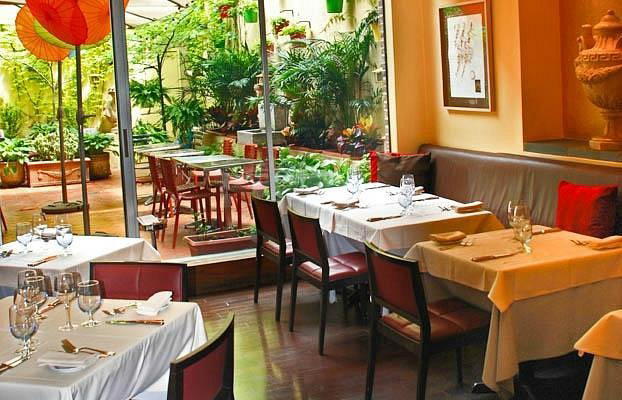
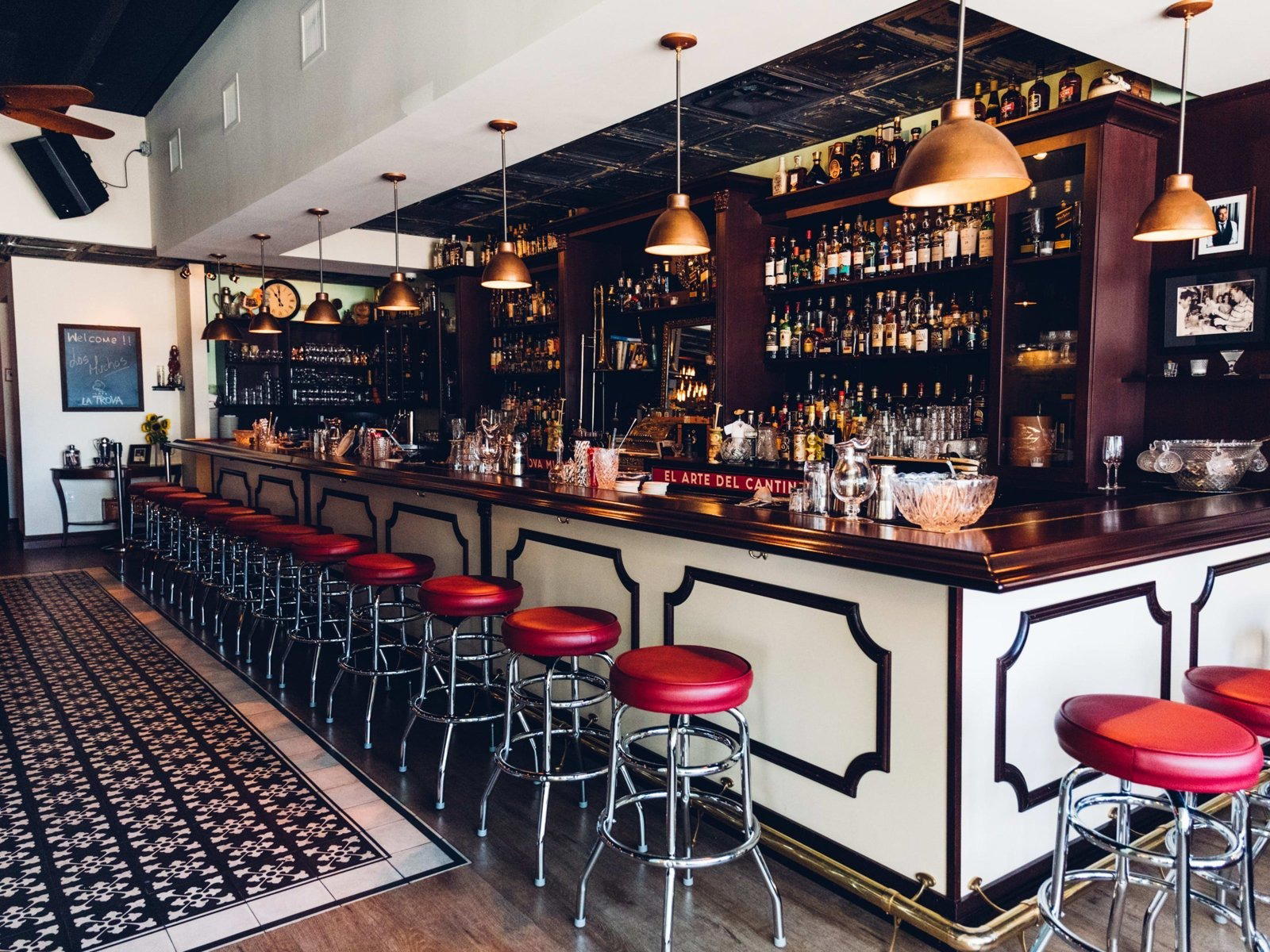
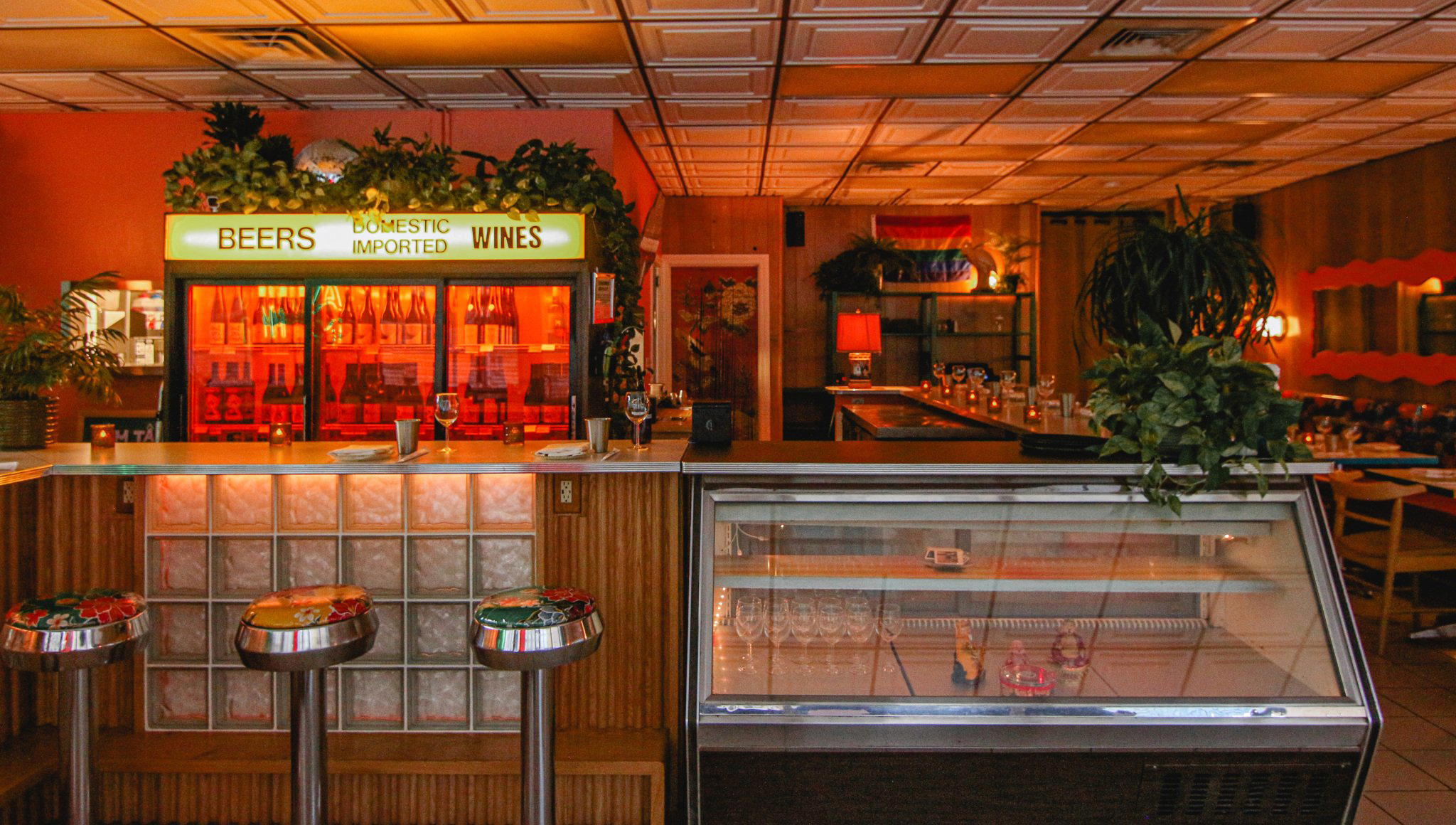
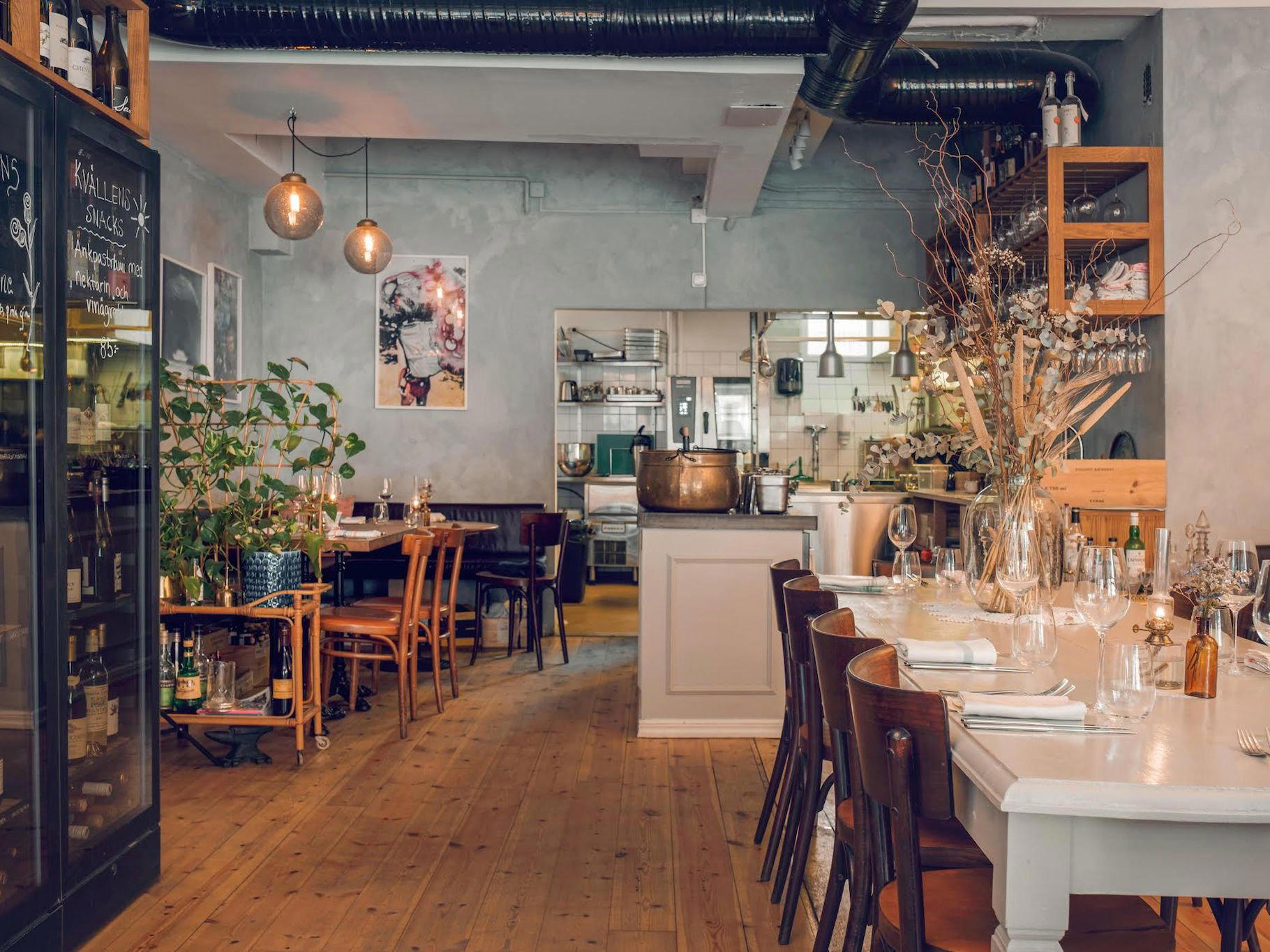
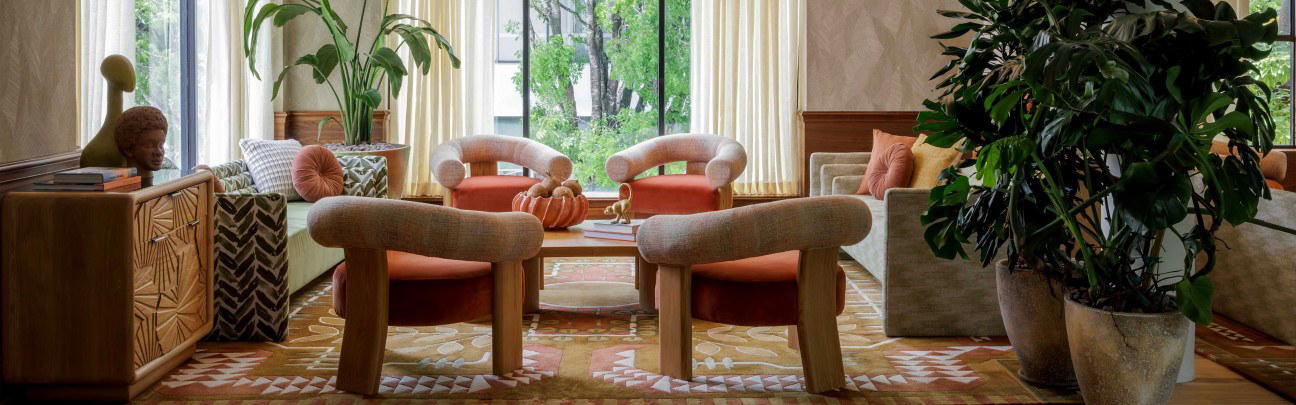
Warm, intimate atmosphere with grand arches, high ceilings, vintage furnishings, eclectic art and memorabilia, soft lighting enhanced by live jazz performances Thursday-Saturday evenings.
Know Before You Go
- Getting there
- 120 NE 1st St #2502, Miami, FL 33132