Socarrat

Socarrat holds a 2026 Michelin Plate in Cebu's Bonifacio District, placing it among a select tier of recognised restaurants in a city still building its fine-dining identity. Located in the Faustina Building on F. Cabahug Street, it draws from the Spanish culinary tradition that runs deep in Philippine cooking, positioned as one of Cebu's more deliberately considered dining addresses.
Pearl is the En Primeur Club membership app — saves, bookings, and concierge access live there. Same editors, same standards.
- Address
- Faustina Building, Bonifacio District, F. Cabahug St, Cebu City, 6000 Cebu, Philippines
- Phone
- +63 968 407 4391
- Website
- instagram.com
- Directions
- Get directions
 Saves & bookings on Pearl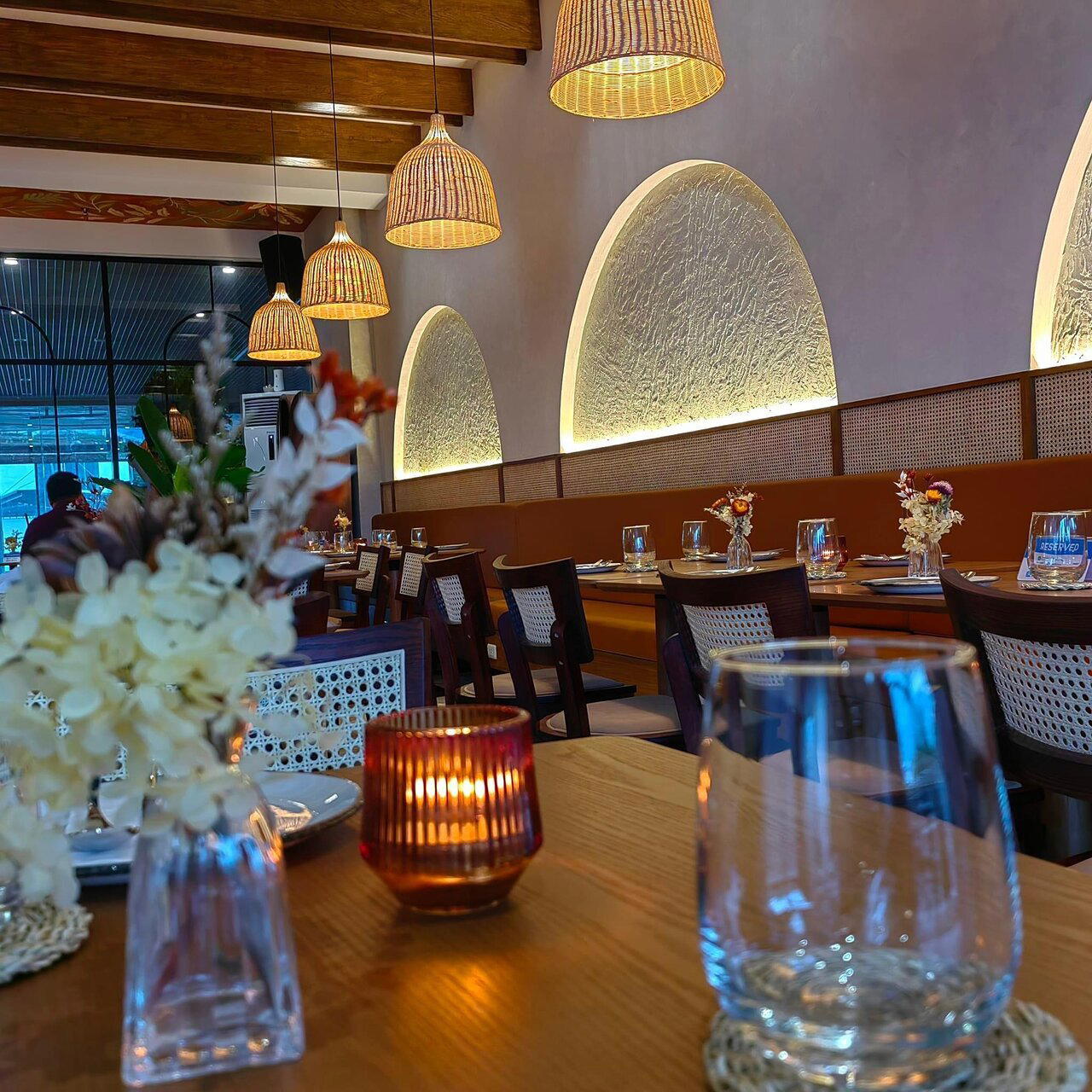
Cebu's Bonifacio District and the Case for Considered Dining
F. Cabahug Street in the Bonifacio District has become one of Cebu City's more concentrated stretches of serious restaurants, where older commercial buildings have been repurposed into dining rooms that feel deliberate rather than incidental. The Faustina Building, which houses Socarrat, fits that pattern: a mid-century commercial shell given new purpose by a kitchen with a specific point of view. The name itself is a clue. In Spanish cooking, socarrat refers to the caramelised, slightly scorched rice crust that forms at the base of a paella pan, the part serious cooks prize and guests argue over. Naming a restaurant after that detail signals where the kitchen's interests lie: in the technically demanding, the process-driven, and the Spanish-Filipino culinary overlap that defines a strand of Philippine restaurant culture going back centuries.
The 2026 Michelin Plate and What It Signals in Context
Socarrat received a Michelin Plate in the 2026 guide, the inspector designation that marks a kitchen producing food worth eating without reaching the star tier. In the Philippines, Michelin recognition carries particular weight because the guide's coverage of the country is recent and still selective. A Plate in Cebu specifically, rather than Metro Manila, places Socarrat in a small peer group: the city now has a handful of inspector-recognised addresses, but the list is short enough that each entry occupies a distinct position rather than competing in a crowded field. For comparison, the Michelin-starred restaurants in the Philippines remain concentrated around Manila, with operations like Gallery By Chele in Manila and Celera in Makati representing the starred tier. Socarrat's Plate positions it as Cebu's answer to that Manila-led conversation, an argument that serious cooking doesn't require a capital city address.
That framing matters for visitors deciding how to allocate evenings. Cebu's dining scene has historically leaned toward seafood-forward casual dining and international hotel restaurants. The emergence of inspector-recognised independents like Socarrat, alongside addresses such as CUR8 and ATO-AH, reflects a broader shift in how the city's restaurant operators are thinking about sourcing, technique, and format.
The Sustainability Angle: Spanish Technique Meets Philippine Sourcing Responsibility
The Spanish culinary tradition that Socarrat draws from is, at its core, a cuisine of place. The paella canon is built around specific rices from Valencia, specific beans from particular towns, game birds from defined regions. That localism translates well into a Philippine context where the argument for sourcing from nearby farms and fishing communities is both ethical and practical: the ingredients are fresher, the supply chains shorter, and the cooking is more honest about where it is. Cebu sits at the centre of the Visayas, surrounded by some of the Philippines' most productive fishing waters and agricultural hinterland. A kitchen in this location that commits to working with what's close rather than importing European pantry staples is making an environmental and culinary decision simultaneously.
The waste reduction logic embedded in Spanish rice cookery is also relevant here. The socarrat is, technically, the product of controlled burning, the transformation of what might otherwise be discarded into one sought-after element of the dish. That ethos, using heat and time to extract value from every part of a process, runs through the leading sustainable kitchen practices. Whether a restaurant explicitly frames itself around sustainability or simply cooks in a way that reflects those values through technique and sourcing discipline, the outcome for the guest is similar: ingredients that arrive at the table because they make sense there, not because they were flown in to signal ambition.
Cebu's restaurant scene is still in the process of building the supplier networks that support this kind of cooking. Kitchens like Abli and Abaseria Deli & Cafe are part of the same broader conversation about what Visayan ingredients can do when treated with the same seriousness applied to imported produce. Socarrat's Michelin recognition adds weight to that argument: inspectors don't plate restaurants that are coasting on imports and hotel-kitchen formulas.
The Bonifacio District as a Dining Destination
For visitors, the Bonifacio District rewards a dedicated evening rather than a casual detour. The stretch around F. Cabahug Street is walkable enough that a pre- or post-dinner drink at one of the area's bars fits naturally into the plan. Socarrat's address in the Faustina Building puts it within range of Cebu City's commercial and hotel core, making it accessible from most central accommodation without a long transfer. For planning purposes, Cebu City's restaurant neighbourhoods are compact enough that combining dinner at Socarrat with exploration of the broader Bonifacio area is a reasonable approach.
The wider Philippine fine-dining reference points are worth holding in mind. At the starred end of the Manila spectrum, Blackbird Makati in Manila and Bolero in Taguig represent the capital's range, while Asador Alfonso in Cavite and Linamnam in Parañaque show how serious cooking operates outside the city centre. Socarrat occupies an analogous position in Cebu: a recognised address that gives the city a seat at the national dining conversation. Internationally, the technical ambition of a Plate-recognised Spanish-influenced kitchen has its reference points in operations like Le Bernardin in New York City and Atomix in New York City, where precision and sourcing discipline define the identity as much as any single dish. Also worth exploring: COCO rounds out Cebu's Bonifacio-area options for evenings before or after.
Planning Your Visit
Socarrat is located at the Faustina Building, Bonifacio District, F. Cabahug Street, Cebu City, 6000. Given its Michelin Plate status and the relatively limited pool of inspector-recognised restaurants in Cebu, securing a reservation before arrival is advisable, particularly on weekends and around Philippine public holidays when the city draws domestic visitors from Manila. Specific booking contact details are best confirmed through current listings, as operational details change.
Awards and Standing
Comparable venues nearby, for context on price, style, and recognition.
| Venue | Cuisine | Price | Awards | Notes |
|---|---|---|---|---|
| SocarratThis venue — the venue you are viewing | Authentic Spanish Paella & Tapas | $$$ | Michelin Plate | Not listed |
| The Pig & Palm | Modern European Tapas with Pork Focus | $$$ | Bib Gourmand | Cebu Business Park |
| DIP | Nikkei (Japanese-Peruvian Fusion) | $$$ | Michelin Plate | Mactan Island |
| Maya | Mexican Tequila Lounge | $$ | Michelin Plate | Cebu City |
| COCO | Filipino-Thai Fusion | $$ | Michelin Plate | Lapu-Lapu |
| Sialo | Modern Cebuano Fine Dining | $$$$ | Michelin Plate | Kasambagan |
Recognition history
Dated appearances from independent guides and award organizations, with the underlying list record or original source where available.
Michelin Plate
Michelin
Continue exploring
More in Cebu
Restaurants in Cebu
Browse all →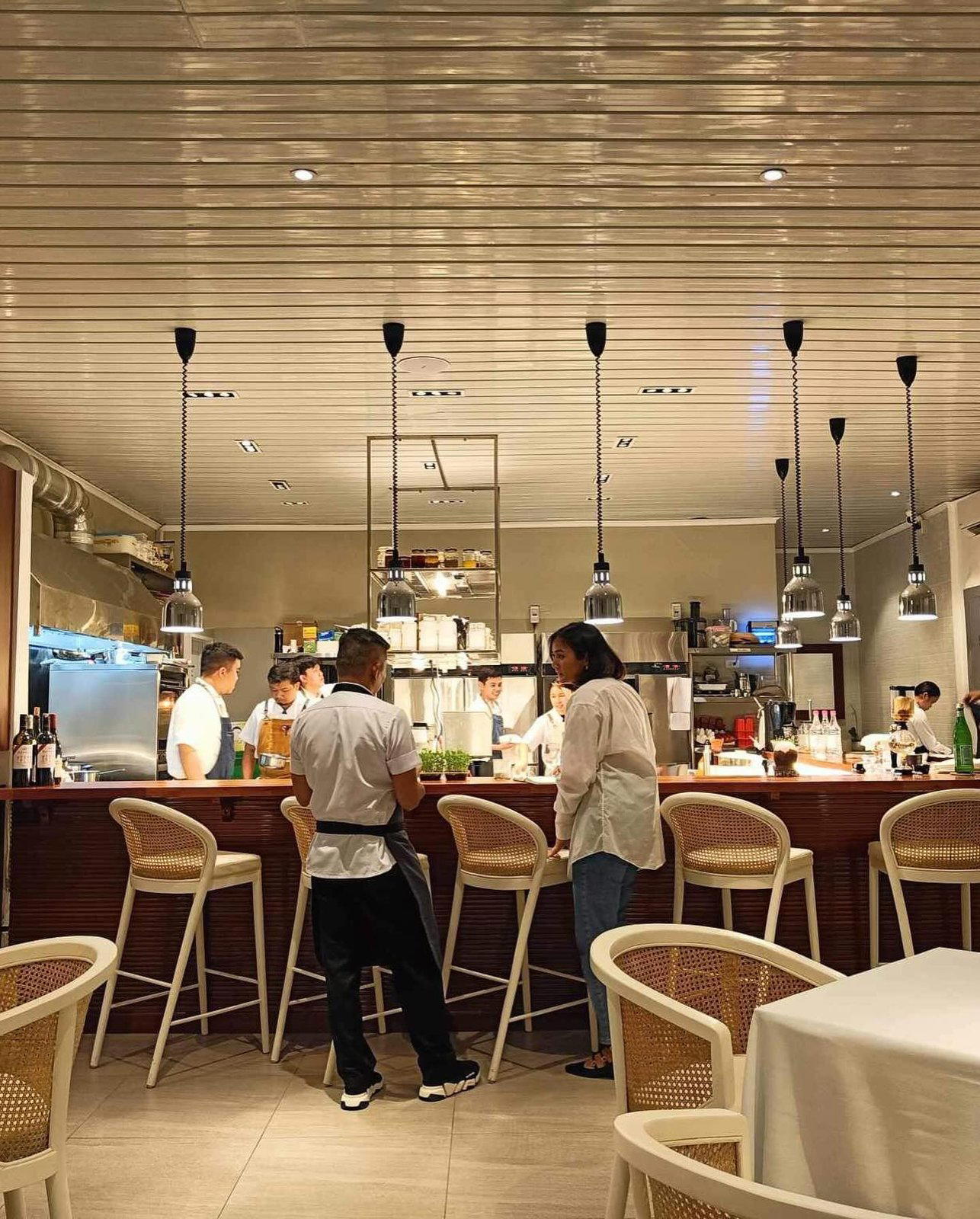

At a Glance
- Cozy
- Trendy
- Romantic
- Modern
- Elegant
- Date Night
- Group Dining
- Open Kitchen
- Craft Cocktails
- Local Sourcing
Current opening hours
- Monday
- 11:30 AM–2 PM, 5–10 PM
- Tuesday
- 11:30 AM–2 PM, 5–10 PM
- Wednesday
- 11:30 AM–2:30 PM, 5–10 PM
- Thursday
- 11:30 AM–2:30 PM, 5–10 PM
- Friday
- 11:30 AM–2:30 PM, 5–10 PM
- Saturday
- 11:30 AM–2 PM, 5–10 PM
- Sunday
- 11:30 AM–2 PM, 5–10 PM
Hours can change for holidays and private events. Last verified .
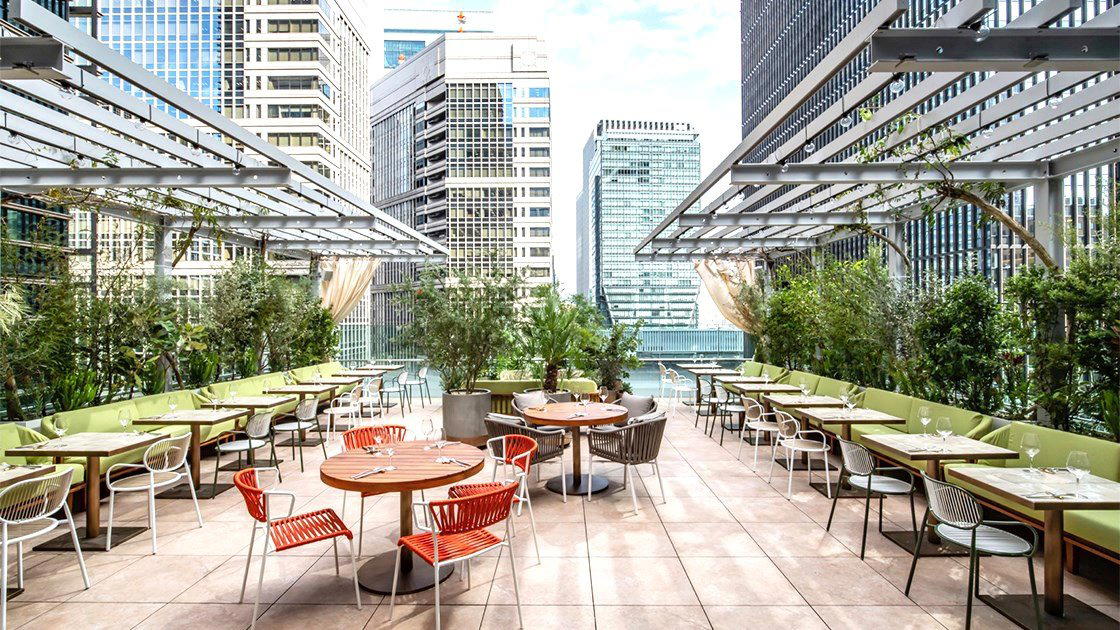
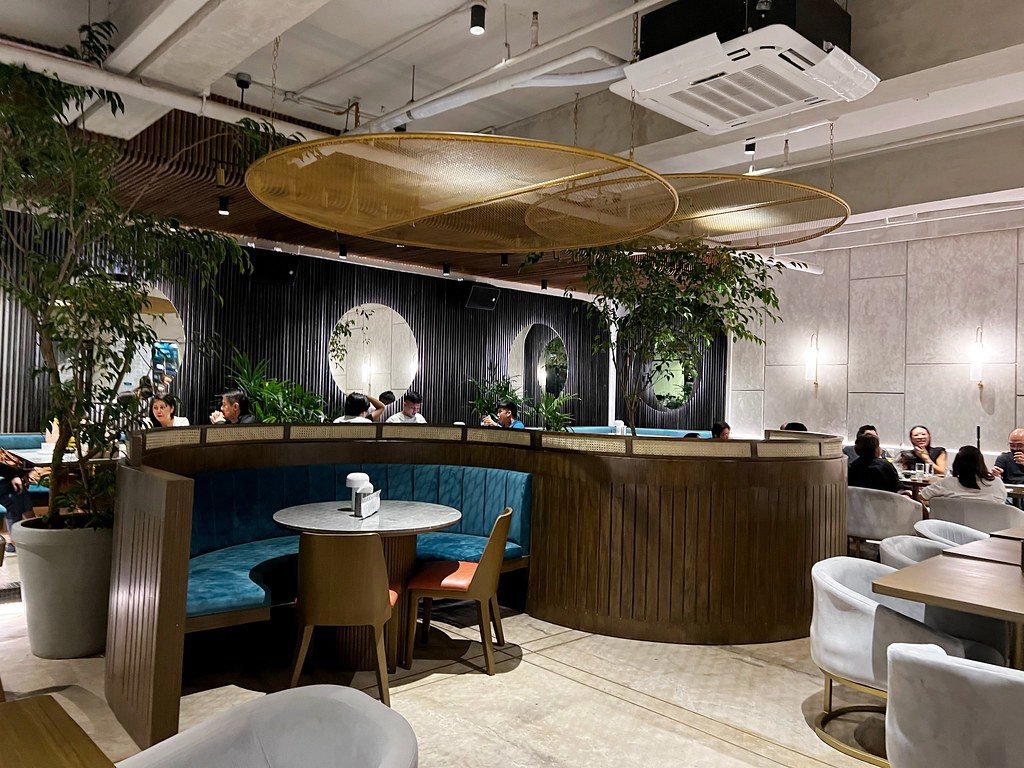
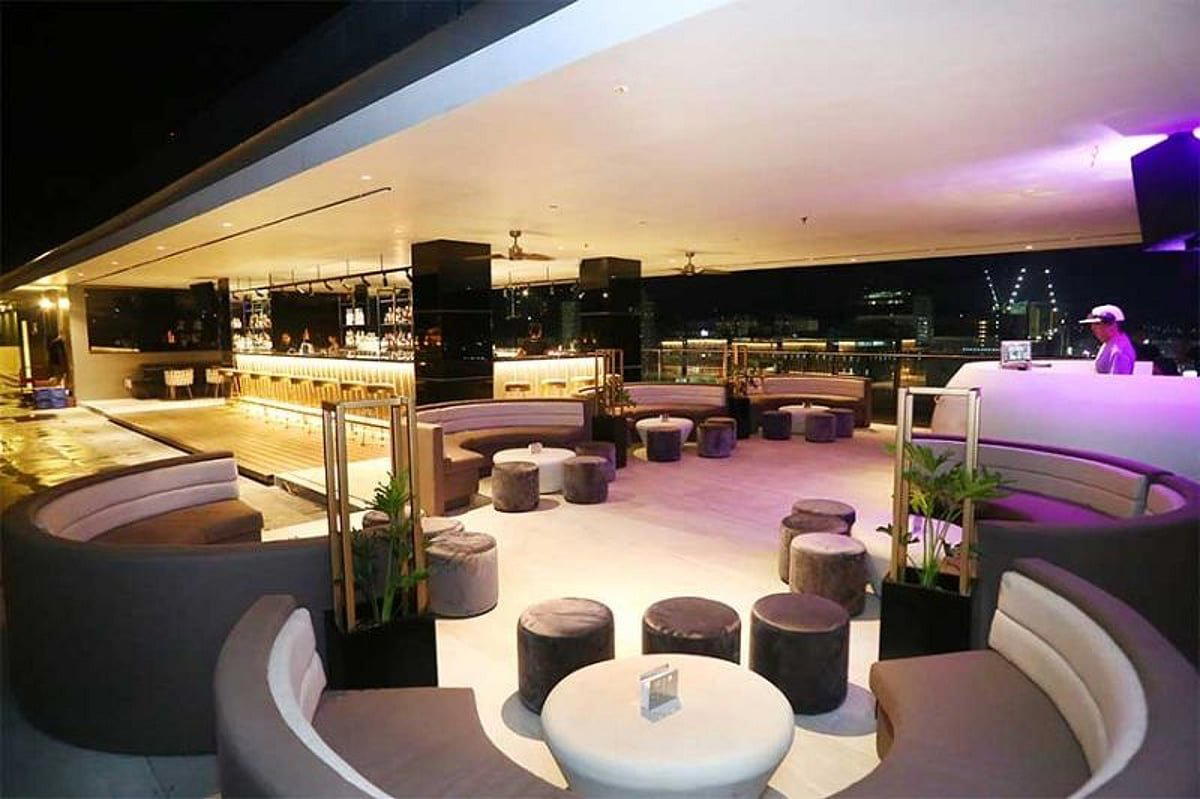
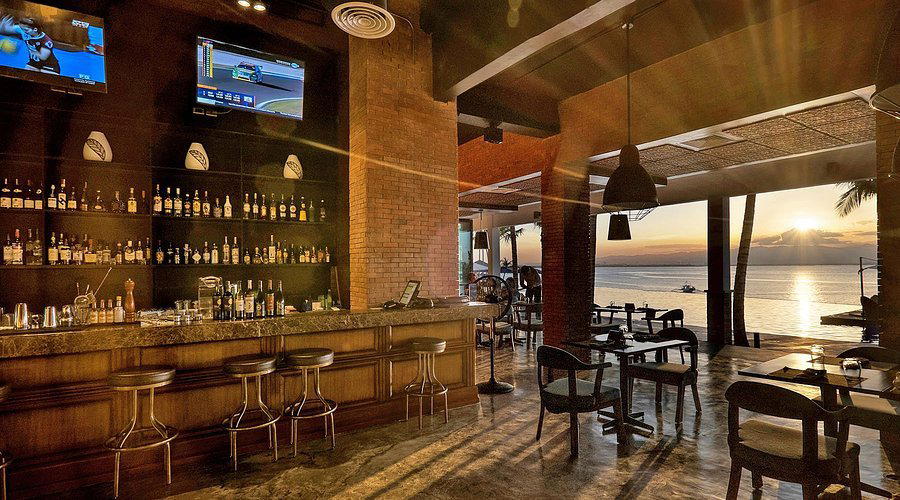
Sleek modern interior channeling bodega charm with arched walls, patterned tiles, straw lampshades, warm wood finishes, leather benches, and glossy tables creating a lively yet comfortable vibe.