Google: 4.2 · 128 reviews
Abli
.png)
Abli holds a Michelin Plate recognition in the 2026 guide, placing it among a small cohort of Cebu restaurants earning international critical attention. Located on A. Climaco Street in Cebu City, the restaurant represents the broader movement of Filipino dining asserting itself beyond Manila on the world stage. For travellers serious about the Philippines' evolving food scene, Cebu's Michelin-acknowledged addresses are a logical starting point.
 Discover on Pearl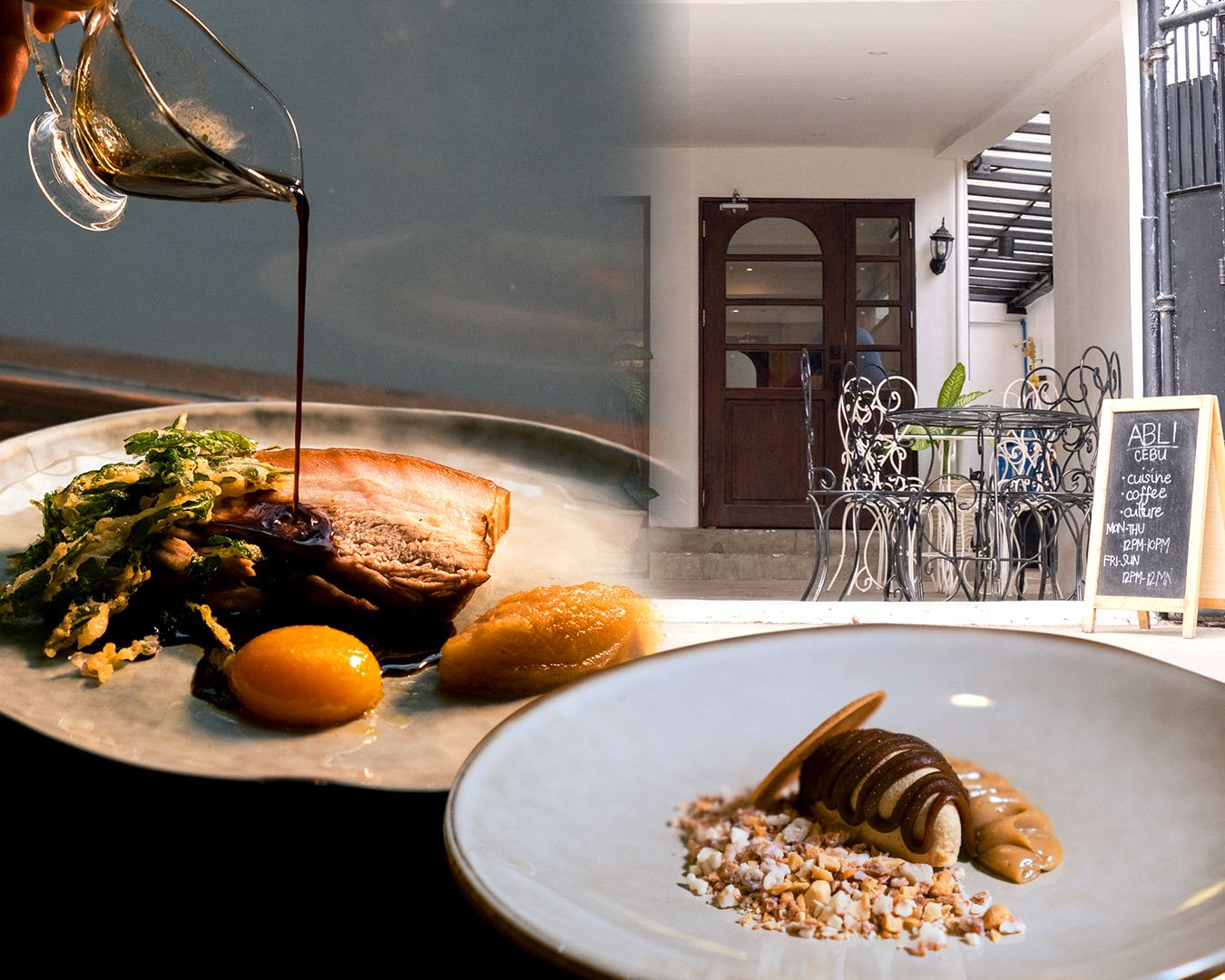
Cebu's Place in the Philippine Dining Conversation
For most of the past decade, international food attention directed at the Philippines landed almost exclusively in Manila. The capital's dining scene, anchored by addresses like Gallery By Chele in Manila and Celera in Makati, absorbed most of the critical oxygen. Cebu, despite being the country's second city and a regional trade hub with centuries of distinct culinary tradition, occupied a supporting role in that story. The 2026 Michelin Guide's expansion into the Philippines changed that framing in a concrete way: a handful of Cebu restaurants now carry Michelin recognition, and Abli is among them.
That shift matters beyond the symbolic. Michelin's arrival in the Philippines signals that the country's food culture is being evaluated on international terms, and Cebu's inclusion in that assessment acknowledges what local diners have argued for years: the Visayas region has its own culinary logic, one that doesn't trace its lineage through Manila but through trade routes, Spanish colonial kitchens, and an ingredient base shaped by the Visayan Sea.
A. Climaco Street and the Shape of Cebu Dining
Abli sits on A. Climaco Street in Cebu City, an address that places it within the urban core rather than in the resort corridors of Mactan or the beach-facing strips that attract purely tourist traffic. Cebu City's dining scene has matured in both range and ambition. Alongside Abli, a cluster of restaurants has emerged that takes the city's food culture seriously on its own terms. ATO-AH, COCO, CUR8, and DIP each represent a different angle on what contemporary Cebu dining looks like, from casual formats to more considered tasting experiences.
In cities where Michelin has recently expanded, the restaurants receiving Plate recognition, the guide's signal that a kitchen is cooking at a quality threshold worth noting, tend to cluster in neighborhoods where local dining culture has been developing independently of tourist infrastructure. Abli's A. Climaco Street location fits that pattern. It is positioned to serve the city's own food-literate population as much as visitors arriving with guides in hand.
The Cultural Weight of Visayan Cooking
Filipino cuisine as a category carries real complexity. The country's 7,000-plus islands produced regional cooking traditions that share some grammar but diverge sharply in technique, ingredient emphasis, and flavor logic. Visayan cooking, the tradition from which Cebu's food culture draws most directly, is not simply a provincial variation of Tagalog or Ilocano food. It has its own sourcing priorities, its own approach to sourness and heat, and its own relationship to pork, seafood, and fermentation.
Cebu's most discussed food export, the lechon, is a useful reference point. Cebu-style lechon, pit-roasted with an aromatics-stuffed cavity rather than the simpler preparations more common in Manila, became famous enough that Anthony Bourdain's publicly documented enthusiasm for it created a lasting association. That dish is a window into Visayan cooking's core tendencies: patience in preparation, confidence in local aromatics, and a preference for the Maillard reaction over sauce-led complexity. Whether Abli works within or adjacent to that tradition, the Michelin Plate signals a kitchen operating at a level of consistency and craft that earns external scrutiny.
The broader Philippine dining scene has been building toward this kind of international recognition for some time. Restaurants like Linamnam in Parañaque and Asador Alfonso in Cavite represent the variety of approaches Filipino chefs are taking, from hyper-local sourcing to Spanish-influenced techniques. In that context, Cebu's Michelin presence, with Abli as part of that cohort, is less a surprise than a confirmation.
What the Michelin Plate Signals in Practice
A Michelin Plate designation, introduced by the guide to acknowledge restaurants cooking good food at a consistent standard without yet reaching the star tier, functions as a useful calibration tool for travelers. It does not carry the scarcity or prestige of a star, but it does represent a level of independent critical validation that distinguishes a restaurant from the wider field. In the 2026 Philippines guide, the number of Cebu addresses receiving any form of recognition remains small, which means each entry carries proportionally more weight as a signal of quality.
For comparison, the Michelin star tier in the Philippines is anchored by Manila addresses. Cebu's Plate recipients, including Abli, sit in a different tier but represent the leading edge of the city's dining ambitions. Travelers who cross-reference against cities where Michelin has expanded more recently, Bangkok, Seoul, Singapore in its early guide years, will recognize the pattern: Plate restaurants in newly mapped cities often represent the next generation of starred candidates, kitchens building the track record that earns higher recognition over successive editions.
Internationally calibrated comparisons are instructive here. Addresses like Atomix in New York City or Le Bernardin in New York City define what fully scaled Michelin recognition looks like at the leading of the market. Cebu is not competing in that register yet, but the presence of Plate-recognized restaurants confirms that the city's dining scene is being measured against international standards, not just regional ones.
Planning a Visit to Abli
Abli is located at A. Climaco St, Cebu City, 6000 Cebu, Philippines. Contact details and a website are not publicly listed in current records, which means the most reliable approach for booking is to inquire through your hotel concierge or to visit in person to confirm current hours and availability. For travelers building a Cebu dining itinerary, combining Abli with other city addresses such as Abaseria Deli and Cafe allows for a range of formats and price points across a trip. Cebu City is accessible via Mactan-Cebu International Airport, with the city center a direct drive from arrivals. For broader trip planning, our full Cebu restaurants guide maps the city's dining options across categories, and our Cebu hotels guide covers accommodation to match different visit styles. Those extending their time in the city can also reference our Cebu bars guide, our Cebu experiences guide, and our Cebu wineries guide for a complete picture of the city's hospitality offerings.
Other Cebu restaurants in the current Michelin-recognized cohort, including Bolero in Taguig and Blackbird Makati in Manila for those passing through the capital, offer additional reference points for understanding how Philippine dining is being framed at an international level.
Continue exploring
More in Cebu
Restaurants in Cebu
Browse all →
At a Glance
- Modern
- Cozy
- Trendy
- Casual Hangout
- Date Night
- Open Kitchen
- Craft Cocktails
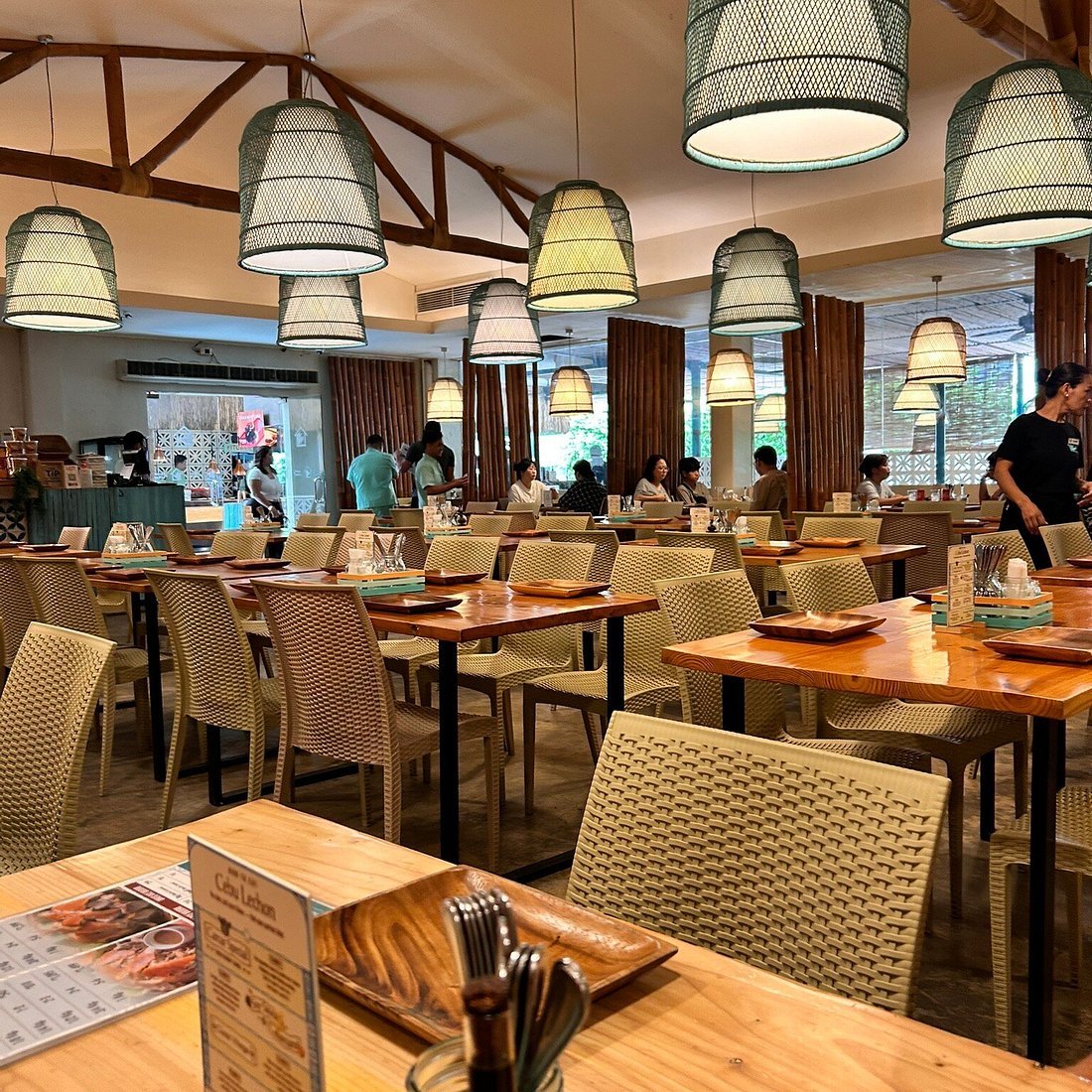
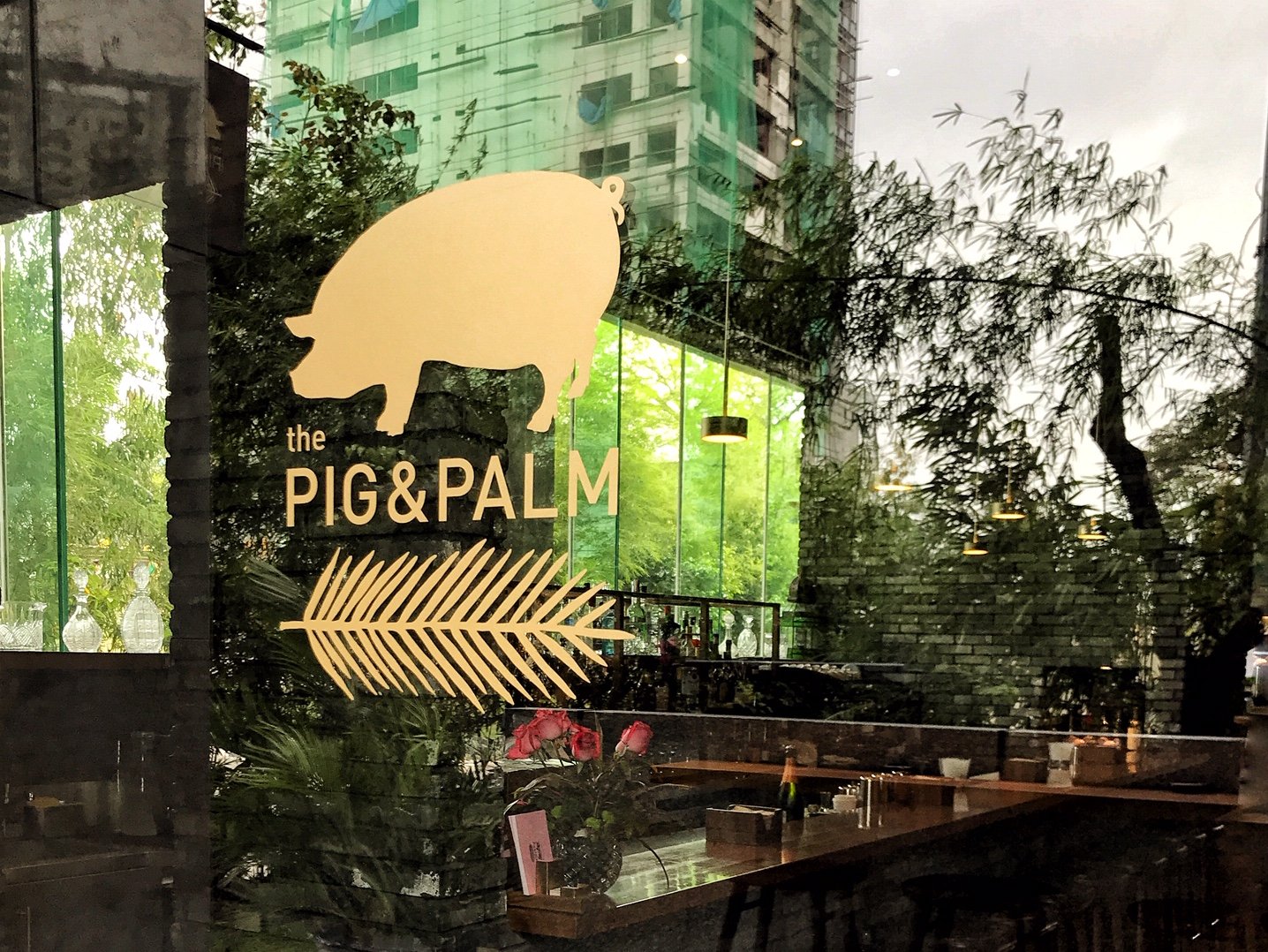
Fresh, modern feel with tiled walls, pendant lights, and a palette of cool white, resembling a cozy house-turned-cafe.