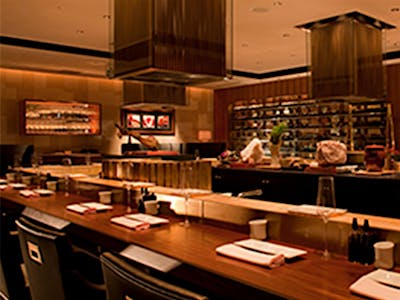
Tabelog 100 #24
Our verdict
Soba Kiri Kamonohashi puts Osaka’s quieter soba culture in focus: an eight-seat, non-smoking room in Higashisumiyoshi-ku with Tabelog 100 Soba WEST selections in 2022, 2024, and 2025. The appeal is the lunch-versus-dinner split, where daytime value and evening drink-led pacing make the same craft feel different.

Pearl is the En Primeur Club membership app, where members save venues, book tables and use the concierge.
The menu
What to order
- Kamonohashi set meal
- Tempura soba
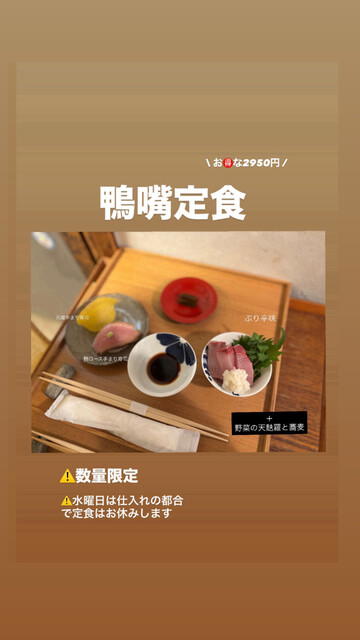
- Duck beak set meal
A serious soba room in Osaka often begins without theatre: low-key frontage, a restrained pace, and the hush before diners settle into the meal. Soba Kiri Kamonohashi belongs to this quieter side of the city’s dining culture, away from the city’s louder tourist script. Osaka is better known internationally for takoyaki, okonomiyaki, kushikatsu, and queue-driven casual eating, yet its noodle culture has another register. Soba rewards attention to texture, water, timing, and restraint. In a focused soba setting, that restraint becomes the point.
The useful reading is lunch versus dinner. At midday, soba in Japan is often disciplined rather than ceremonial: quick enough for a working day, serious enough to show whether the kitchen understands texture and temperature. At night, the same format can slow down, especially when the meal is treated as more than a simple refuelling stop. Soba Kiri Kamonohashi sits in that split. Its 2025 Tabelog Hyakumeiten recognition places it in a serious soba conversation, while its listed budget, dinner at JPY 3,000 - JPY 3,999 and lunch at JPY 2,000 - JPY 2,999, keeps the restaurant in a notably accessible range for craft-focused dining.
Osaka soba, away from the city's louder food script
Osaka’s reputation can flatten into appetite and volume: famous pork buns, quick ramen at Menya Saisai Shouwa chou honten, gyoza counters such as Gyoza no Mise Momo, and compact seafood meals at Maguro Donya. Those formats matter because they explain what soba is not doing here. It is not chasing abundance, novelty, or spectacle. In Kansai dining grammar, soba at this level asks for quieter concentration, closer in spirit to focused specialists such as Tempura Kozaki than to a snack crawl.
That distinction matters when building an Osaka itinerary. The city has strong breadth, from bakeries and cafés to casual counters and polished dining rooms. Soba Kiri Kamonohashi argues for adding one restrained meal to the rotation. The point is contrast, not category coverage. After the city’s fried, sauced, and grill-heavy staples, soba resets the palate through a narrower vocabulary.
Tabelog’s Hyakumeiten listing is a useful trust marker because it separates regional specialists from general Japanese dining. A 2025 selection signals recognition in a category where small differences matter, and the listed Tabelog score of 3.66 gives travellers a practical reference point. It also places the restaurant outside Osaka’s most casual noodle economy. A quick noodle shop and a focused soba room may both serve noodles, but they answer different needs: speed and comfort in one case, measured craft and a quieter rhythm in the other.
Lunch brings value; dinner changes the tempo
Lunch is the sharper value proposition. Soba is one of Japan’s great daytime formats because it can deliver technique without the length or cost structure of a tasting menu. In Osaka, lunch here counterpoints crowded city itineraries: a precise, traditional meal before returning to cafés, retail, museums, or bars. The budget range reinforces that reading, with lunch listed at JPY 2,000 - JPY 2,999 rather than the higher dinner band.
Dinner changes the terms. Once the day opens up, soba becomes less about refuelling and more about pacing. Evening service can feel more deliberate than a simple bowl-and-go stop, especially for diners who want a quieter meal rather than another loud Osaka staple. Travellers should read that difference as part of the format: lunch for clarity and value, dinner for a slower, more composed version of the same idea.
The choice is practical. Choose lunch for precision, value, and a clean break in the day. Choose dinner when the meal can stretch and the evening is built around a calm, craft-focused stop. Neither version needs embellishment. Soba’s discipline comes from repetition and restraint, and focused rooms expose it more clearly than large dining rooms.
How to fit it into a serious Osaka itinerary
Osaka will not suit every traveller in the same way, and Soba Kiri Kamonohashi is best read as a deliberate soba choice rather than a generic convenience stop. That is why it can make sense on a second or third day, after the obvious central eating is covered. The restaurant belongs in an itinerary for diners comfortable seeking out a quieter specialist meal rather than relying only on the city’s most famous casual signatures.
Plan with the mindset of a focused restaurant. The experience is best for diners who are comfortable with a compact, quiet meal and who value restraint over spectacle. These details define the audience. It is a weaker fit for a loose, large-group crawl and a stronger fit for diners seeking Osaka’s less obvious craft-food register.
For a broader city plan, pair this meal with EP Club Osaka coverage: Our full Osaka restaurants guide, Our full Osaka hotels guide, Our full Osaka bars guide, Our full Osaka wineries guide, and Our full Osaka experiences guide. Travellers mapping Japanese regional dining beyond Osaka can compare category choices with other Japanese restaurants generically, but Osaka’s lesson here is specific: restrained soba can say as much about the city as its louder signatures.
Frequently asked questions
What does dinner at Soba Kiri Kamonohashi typically cost?
Pricing at Soba Kiri Kamonohashi is listed as dinner at JPY 3,000 - JPY 3,999 and lunch at JPY 2,000 - JPY 2,999.
What's the address for Soba Kiri Kamonohashi?
Osaka.
Should I book Soba Kiri Kamonohashi in advance?
Advance planning makes sense for a focused soba meal in Osaka, especially if you are fitting it into a tight dining itinerary. Treat lunch as the clearer value option and dinner as the more deliberately paced choice.
What is Soba Kiri Kamonohashi known for?
Soba Kiri Kamonohashi is known for soba in Osaka and has 2025 Tabelog Hyakumeiten recognition.
Similar Picks
Comparable venues by category and price.
| Venue | Cuisine | Price | Awards | Notes |
|---|---|---|---|---|
| Soba Kiri KamonohashiThis venue (the venue you are viewing) | Traditional Japanese Soba | $30–50 | Tabelog 100 #24 | Not listed |
| Tempura Kozaki | Seasonal Tempura Omakase | $50–100 | Michelin Bib Gourmand | Tempura |
| Sumisho Kishimoto | Traditional Yakitori (Grilled Chicken Skewers) | $30–50 | Tabelog 100 #17 | JPY 4,000 - JPY 4,999 View spending breakdown |
| Gyoza no Mise Momo | Osaka gyoza counter | $10–20 | Tabelog 100 #81 | JPY 1,000 - JPY 1,999 View spending breakdown |
| Menya Saisai Shouwa chou honten | Ramen shop specializing in chicken-based broth | $1–10 | Tabelog 100 #46 | JPY 999 - JPY 999 |
| Maguro Donya | Standing maguro & seafood bar | $10–20 | Tabelog 100 #13 | JPY 1,000 - JPY 1,999 JPY 1,000 - JPY 1,999 |
Recognition history
Dated appearances from independent guides and award organizations, with the underlying list record or original source where available.
Tabelog 100 #24 · No. 24
Tabelog · Tabelog 100 - Soba - WEST - 2025