
Tabelog 100 #17
Our verdict
Sumisho Kishimoto belongs to Osaka’s serious yakitori circuit rather than the city’s snack-bar mythology. Its Showacho setting, counter format, and repeated Tabelog Yakitori WEST 100 selections place it in a quieter Abeno register, away from the Namba shorthand that often defines eating in Osaka for visitors.

Pearl is the En Primeur Club membership app, where members save venues, book tables and use the concierge.
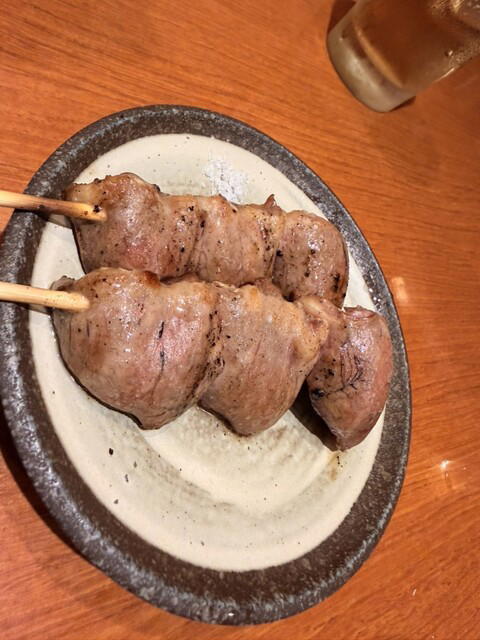
Osaka changes the tempo before dinner even begins. Away from the city’s most familiar visitor circuits, the setting feels less like a checklist district and more like a working evening rhythm: subway exits, modest shopfronts, local regulars moving with purpose, and restaurants that do not need theatrical signage to announce their intent. In that context, yakitori reads differently. The point is not spectacle, but repetition, heat control, the social grammar of grilled chicken, and the pleasure of a meal built around direct, focused cooking.
Osaka’s restaurant identity is often flattened into takoyaki, okonomiyaki, and late-night appetite. That version misses how much of the city’s dining culture is built around small specialist rooms: soba counters, tempura bars, gyoza shops, cafés, and yakitori houses that reward repeat attention. Sumisho Kishimoto sits inside that narrower tradition. Its 2025 Tabelog Hyakumeiten recognition, with a listed score of 3.62 and dinner budget of JPY 4,000 - JPY 4,999, gives the room a clear external marker, but the more telling point is category: yakitori, chicken dishes, and meat dishes rather than multi-course luxury theatre.
Osaka yakitori with a local pace
Osaka matters because it filters expectations. The city does not need every dinner to carry instant visitor recognition, so meals can feel less performative. Comparisons within the broader dining map underline the point: Gyoza no Mise Momo and Menya Saisai Shouwa chou honten speak to everyday appetite, while Soba Kiri Kamonohashi and Tempura Kozaki show how specialist formats can operate without needing a grand hotel address. Against that backdrop, Sumisho Kishimoto belongs to a local dining map where precision is not automatically paired with formality.
Yakitori in Japan has a broad range, from quick beer-and-skewer shops to more focused rooms where different chicken preparations are treated with care. Osaka’s strength is that the city rarely treats pleasure as precious. A serious yakitori meal can still feel socially direct, especially when the format leaves room for drink, conversation, and the natural pace of grilled food. That breadth suits the category: chicken, salt, heat, smoke, and texture variation make drinking choices part of the meal rather than an afterthought.
The grill-led format is the natural architecture for this kind of cooking. It shortens the distance between preparation and diner, and it also changes the room’s hierarchy. In a dining room built around plates arriving from a hidden kitchen, the guest reads the meal retrospectively. With yakitori, the meal is sequential and visible in spirit: preparation, heat, rest, seasoning, handoff. Even without turning the evening into a chef’s biography, the format makes craft legible.
Where it fits in Osaka's specialist dining map
The Tabelog Hyakumeiten marker is useful because yakitori is a crowded field with few shortcuts for assessing consistency from outside Japan. Michelin language does not dominate this category in the same way it does some other Japanese formats, and luxury cues can be misleading. A 2025 listing gives the restaurant a public quality signal inside its relevant peer group: yakitori and chicken-focused cooking, not generalized Osaka dining.
That distinction is important for travellers building a focused itinerary. A night here should not be judged against a long tasting menu, nor against Osaka’s famous street-food shorthand. It belongs beside other tightly defined formats: gyoza, soba, tempura, cafés, and other specialist rooms that make the city more interesting than a single slogan. Osaka is strongest when read as a set of formats rather than one simplified food identity, and Sumisho Kishimoto fits that reading cleanly.
For a broader route, use Our full Osaka restaurants guide to balance counter-style meals with casual shops and destination dining. Travellers pairing dinner with a stay can cross-check Our full Osaka hotels guide, while a later drink may sit better with Our full Osaka bars guide. The city also rewards category-led planning through Our full Osaka experiences guide; Our full Osaka wineries guide is useful for readers mapping Japan’s smaller wine-interest pockets rather than assuming every serious drink decision starts and ends with sake.
The editorial read
Sumisho Kishimoto is a sharp choice for diners who want Osaka without the default tourist script. The case for it rests on place, category, and recognition: Osaka gives the evening a local register; yakitori gives the meal a disciplined, fire-led structure; the 2025 Tabelog Hyakumeiten selection provides a public quality signal inside the relevant field. It is not best framed through grand-room theatre or an elaborate chef narrative. It is better understood as part of Osaka’s quieter specialist culture, where the measure of a dinner is how clearly the format knows itself.
Readers comparing Japanese dining formats beyond Osaka can usefully set this against the wider spread of EP Club’s restaurant coverage: beef, seafood, contemporary cooking, Vietnamese cooking, curry specialization, and smaller-format dining all show how specific categories shape different meals. Japanese food culture abroad pulls the same thread in different directions, from sake bars to onigiri specialists. Back in Osaka, even a small café or casual stop can help complete the picture: the city is not one appetite, but many small disciplines stacked close together.
Frequently asked questions
Is Sumisho Kishimoto child-friendly?
Those details are not published. Sumisho Kishimoto is listed in Osaka, and travellers should check the venue's official channels for the latest details before visiting with children.
Is Sumisho Kishimoto formal or casual?
It reads closer to a casual specialist meal than a formal luxury restaurant. Dinner is listed at JPY 4,000 - JPY 4,999, and the 2025 Tabelog Hyakumeiten recognition gives it credibility without pushing it into a dressy category.
Is Sumisho Kishimoto expensive?
Pricing at Sumisho Kishimoto is listed as JPY 4,000 - JPY 4,999 View spending breakdown.
What is Sumisho Kishimoto known for?
Sumisho Kishimoto is known in Osaka for yakitori, chicken dishes, and meat dishes, with 2025 Tabelog Hyakumeiten recognition and a listed score of 3.62.
The Minimal Set
Comparable venues by cuisine and price in the same metro.
| Venue | Cuisine | Price | Awards | Notes |
|---|---|---|---|---|
| Sumisho KishimotoThis venue (the venue you are viewing) | Traditional Yakitori (Grilled Chicken Skewers) | $30–50 | Tabelog 100 #17 | Not listed |
| Gyoza no Mise Momo | Osaka gyoza counter | $10–20 | Tabelog 100 #81 | JPY 1,000 - JPY 1,999 View spending breakdown |
| Menya Saisai Shouwa chou honten | Ramen shop specializing in chicken-based broth | $1–10 | Tabelog 100 #46 | JPY 999 - JPY 999 |
| Tempura Kozaki | Seasonal Tempura Omakase | $50–100 | Michelin Bib Gourmand | Tempura |
| Usagi to Boku | Home-roasted Japanese coffee & light cafe bites | $10–20 | Tabelog 100 #14 | JPY 1,000 - JPY 1,999 |
| Soba Kiri Kamonohashi | Traditional Japanese Soba | $30–50 | Tabelog 100 #24 | JPY 3,000 - JPY 3,999 JPY 2,000 - JPY 2,999 |
Recognition history
Dated appearances from independent guides and award organizations, with the underlying list record or original source where available.
Tabelog 100 #17 · No. 17
Tabelog · Tabelog 100 - Yakitori - WEST - 2025
Continue exploring
More in Osaka
Restaurants in Osaka
All restaurants in Osaka →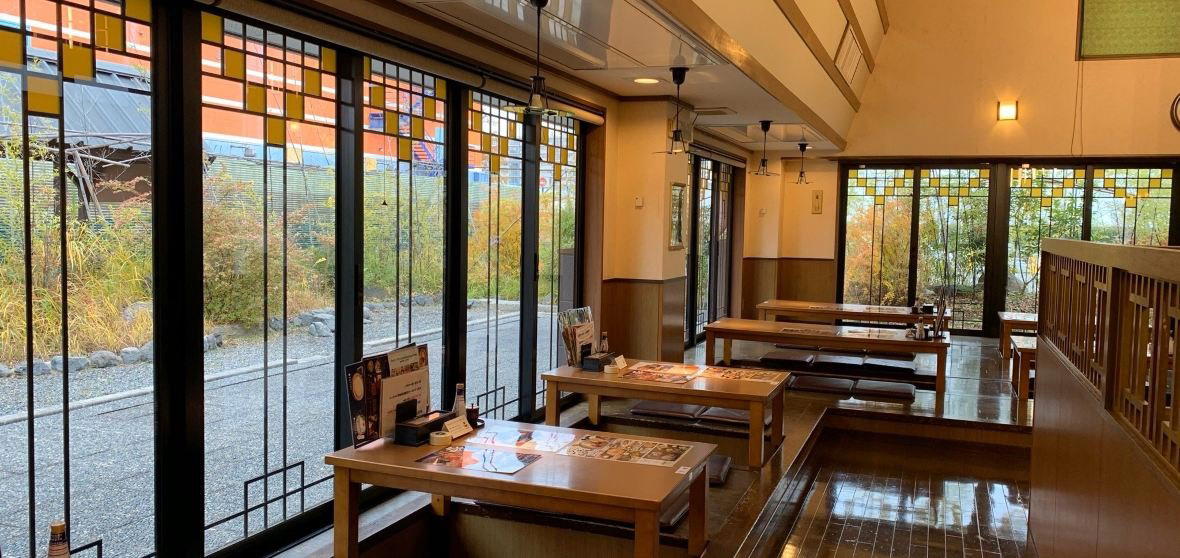
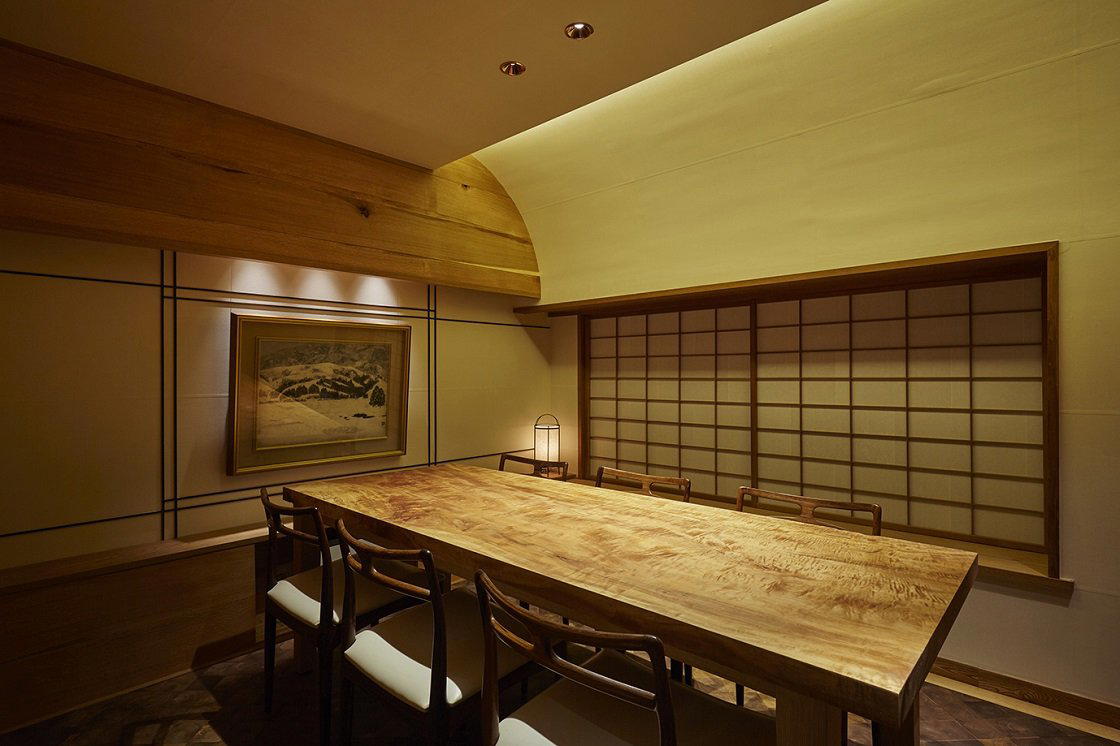
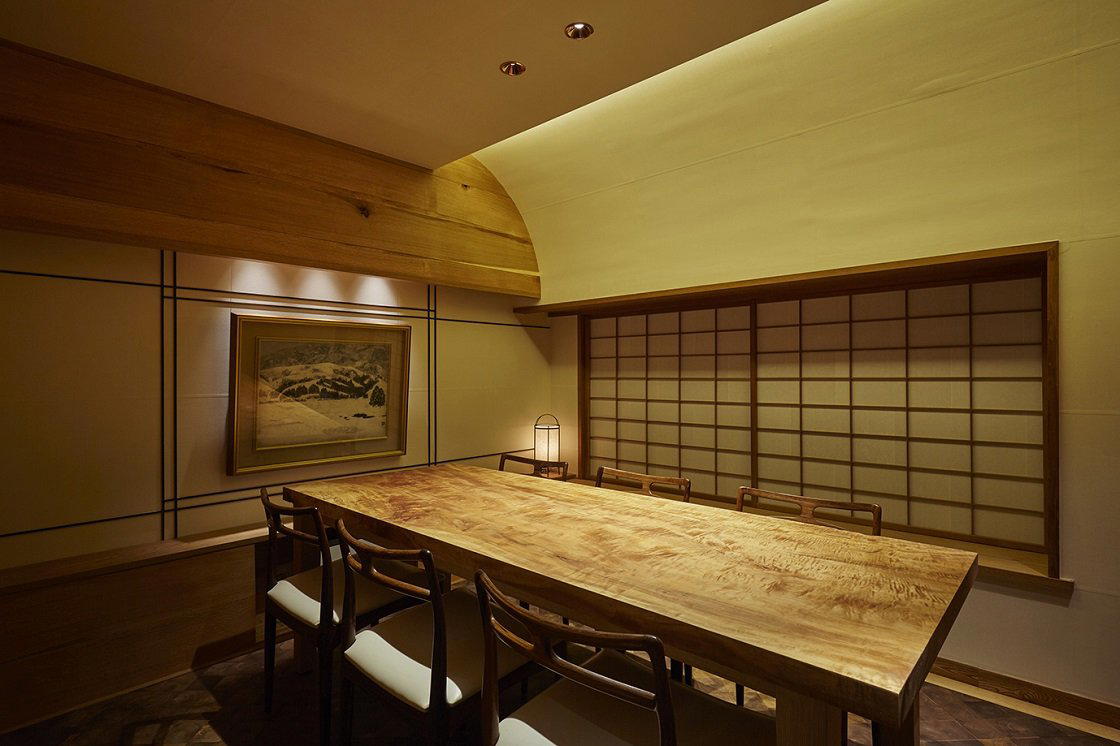

Bars in Osaka
All bars in Osaka →
Hotels in Osaka
All hotels in Osaka →

Wineries in Osaka
Browse all →
Details
- Cozy
- Intimate
- Casual Hangout
- After Work
- Solo
- Date Night
- Group Dining
- Late Night
- Standalone
- Sake Program
- A La Carte
- Small Plates
- Counter Dining
- Sake
- Shochu
- Wine
Current opening hours
- Monday
- 6–10:30 PM
- Tuesday
- 6–10:30 PM
- Wednesday
- 6–10:30 PM
- Thursday
- 6–10:30 PM
- Friday
- 6–10:30 PM
- Saturday
- 6–10:30 PM
- Sunday
- Closed
Hours can change for holidays and private events. Hours as of .
A small hideout-style yakitori bar with counter seating and a relaxed, cozy atmosphere; guests linger over charcoal-grilled skewers and sake in a casual, likely smoky, late‑night setting.