
Tabelog 100 #59
Our verdict
Soba Kappou Soba Fuji gives Osaka’s soba scene a value-led address in Toyonaka, pairing buckwheat noodles with kappo-adjacent Japanese cooking rather than treating soba as a quick lunch category. Its 2025 Tabelog 100 Soba WEST selection and modest JPY 2,000–2,999 spend bracket make it a sharp counterpoint to Osaka’s heavier tasting-menu economy.

Pearl is the En Primeur Club membership app, where members save venues, book tables and use the concierge.
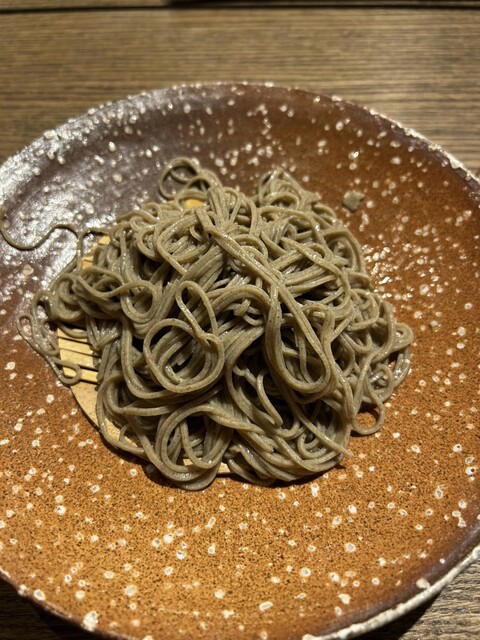
The menu
What to order
- Juwari (100% buckwheat) soba
- Domestic high-grade suppon hot pot
- Natural longline-caught kue (longtooth grouper) hot pot
- Kyoto duck and Kujo negi duck hot pot
- Binchotan-grilled Mikawa eel kabayaki
Approaching a focused soba room in Osaka changes the rhythm of eating in the city. Osaka is often read through speed and appetite: takoyaki queues, department-store basements, late-night counters, and the constant pull of busy dining zones. Soba asks for a different tempo. The meal tends to be quieter, more measured, and more about craft, temperature, texture, and restraint than sheer volume.
That is where Soba Kappou Soba Fuji becomes useful for a serious Osaka itinerary. Its 2025 Tabelog Hyakumeiten recognition puts it inside a notable bracket for buckwheat noodle specialists, while its listed spend of JPY 2,000–2,999 keeps the meal in a range that feels almost corrective against the city’s more expensive destination dining. This is not Osaka at its loudest. It is Osaka as a city of specialist formats, where a focused bowl or a compact Japanese meal can carry as much editorial weight as a long counter menu.
Soba as value, not a compromise
Osaka’s premium dining conversation often tilts toward sushi, kappo, wagyu, and kaiseki-adjacent counters, categories where the bill can climb quickly. In that context, soba has a different role. It offers precision without ceremony inflation. The craft sits in the noodle, the broth or dipping sauce, the pacing of sides, and the ability to make a short meal feel complete rather than abbreviated.
Soba Kappou Soba Fuji sits in that lane with unusual clarity. The category listing spans soba, nabe, and Japanese cuisine, which signals a broader meal structure than a bare noodle stop, but the price band remains closer to an everyday specialist than a splurge counter. Read beside Osaka peers such as Riki Chan Oosaka toyonaka ten, Kodou, Toyonaka Mente Tsu, Soratobu Udon Yamabuki Ya, and AT THE 21, it helps show how varied the city’s casual and specialist dining field can be. This soba address lands in a practical middle register, asking for more attention than an improvised noodle stop while avoiding the feel of a formal evening table.
That middle position matters. It gives travelers a way to read Osaka beyond the binary of street food versus luxury counter. The meal belongs to a Japanese tradition where modest pricing does not automatically mean low ambition, and where recognition can attach to repetition, ingredient handling, and discipline rather than spectacle. A 3.53 Tabelog score, 2025 Tabelog Hyakumeiten recognition, and a compact format together point to a place that has earned attention through category credibility rather than theatrics.
A compact room built for noodles and small-table dining
The appeal of serious soba rooms often lies in scale. Large dining rooms can dilute the ritual; intensely performative counters can turn a simple meal into something more self-conscious. The best version of the genre keeps attention on the bowl, the pacing, and the small decisions around temperature and texture. Soba Kappou Soba Fuji’s appeal sits in that focused, specialist register.
The category mix also matters. Soba is subtle, built around grain, broth, and seasoning rather than heavy fat or char, while nabe and Japanese cuisine suggest a meal that can stretch beyond a single bowl when needed. That range helps explain why the restaurant reads as more than a quick noodle stop without turning into a luxury-format commitment.
There is a practical sharpness to the proposition without turning the experience into logistics. The key facts are straightforward: Soba Kappou Soba Fuji is an Osaka soba specialist, listed in a JPY 2,000–2,999 range, with 2025 Tabelog Hyakumeiten recognition. Those details shape the tone: focused, measured, and more deliberate than an improvised meal grabbed between stations.
Where it fits in an Osaka eating plan
The strongest use case is a meal that gives structure to an Osaka day rather than another city crawl. The city’s serious food culture is not confined to its most obvious visitor corridors; many specialist rooms operate as part of everyday urban dining patterns where regulars, not tourists, define the baseline. Soba Kappou Soba Fuji fits that wider Osaka map.
For travelers building a full Osaka itinerary, this is the kind of booking that pairs well with broader research rather than impulse dining. Use Our full Osaka restaurants guide to balance soba with other categories, then map the rest of the trip through Our full Osaka hotels guide, Our full Osaka bars guide, Our full Osaka wineries guide, and Our full Osaka experiences guide. Within the city’s casual-to-specialist spectrum, unnamed bakeries, noodle shops, pizzerias, department-store counters, and Japanese dining rooms show how wide the local register can be.
The broader Japan map helps explain the appeal too. A soba-focused Osaka meal can sit alongside other regional specialists across Japan, from compact noodle rooms and casual counters to more formal Japanese dining rooms. For readers tracking Japanese food and drink culture abroad, overseas examples of sake bars, rice-ball shops, and noodle-focused formats underline how far these ideas travel once they leave Japan.
The editorial case is simple: choose this for a controlled, adult soba meal that carries recognized credibility without demanding a luxury-category budget. Osaka rewards appetite, but it also rewards calibration. A JPY 2,000–2,999 soba meal with 2025 Tabelog Hyakumeiten recognition is a clean way to spend one slot on craft rather than excess.
At-a-Glance Comparison
Comparable venues for cuisine and category context.
| Venue | Cuisine | Price | Awards | Notes |
|---|---|---|---|---|
| Soba Kappou Soba FujiThis venue (the venue you are viewing) | Soba-focused Kappou & Kaiseki | Not listed | Tabelog 100 #59 | Not listed |
| Kitashinchi Shabushabu Sukiyaki Kiraku | Traditional Wagyu Shabu-shabu & Sukiyaki | $100–150 | Tabelog 100 #35 | Kita |
| Yoshoku Matsushita | Yoshoku (Japanese-style Western) | $50–100 | Tabelog 100 #31 | Chūō |
| Noro | Classic Yoshoku (Japanese Western-style) | $20–30 | Tabelog 100 #50 | Chūō |
| Yakitori Tokei | Premium Yakitori Omakase | $50–100 | Tabelog 100 #85 | Higashiosaka (Yoshita) |
| CHIKICHIKI Tenma ten | Yakitori | $50–100 | Tabelog 100 #37 | Kita |
Recognition history
Dated appearances from independent guides and award organizations, with the underlying list record or original source where available.
Tabelog 100 #59 · No. 59
Tabelog · Tabelog 100 - Soba - WEST - 2025
Continue exploring
More in Osaka
Restaurants in Osaka
All restaurants in Osaka →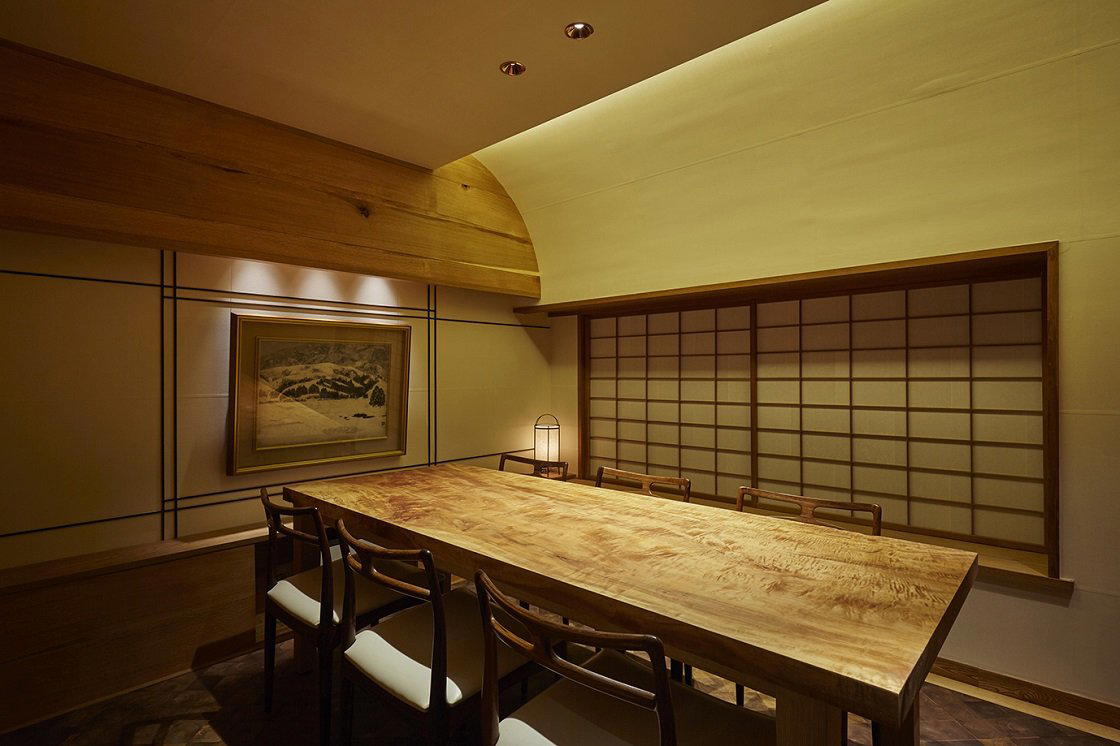


Bars in Osaka
All bars in Osaka →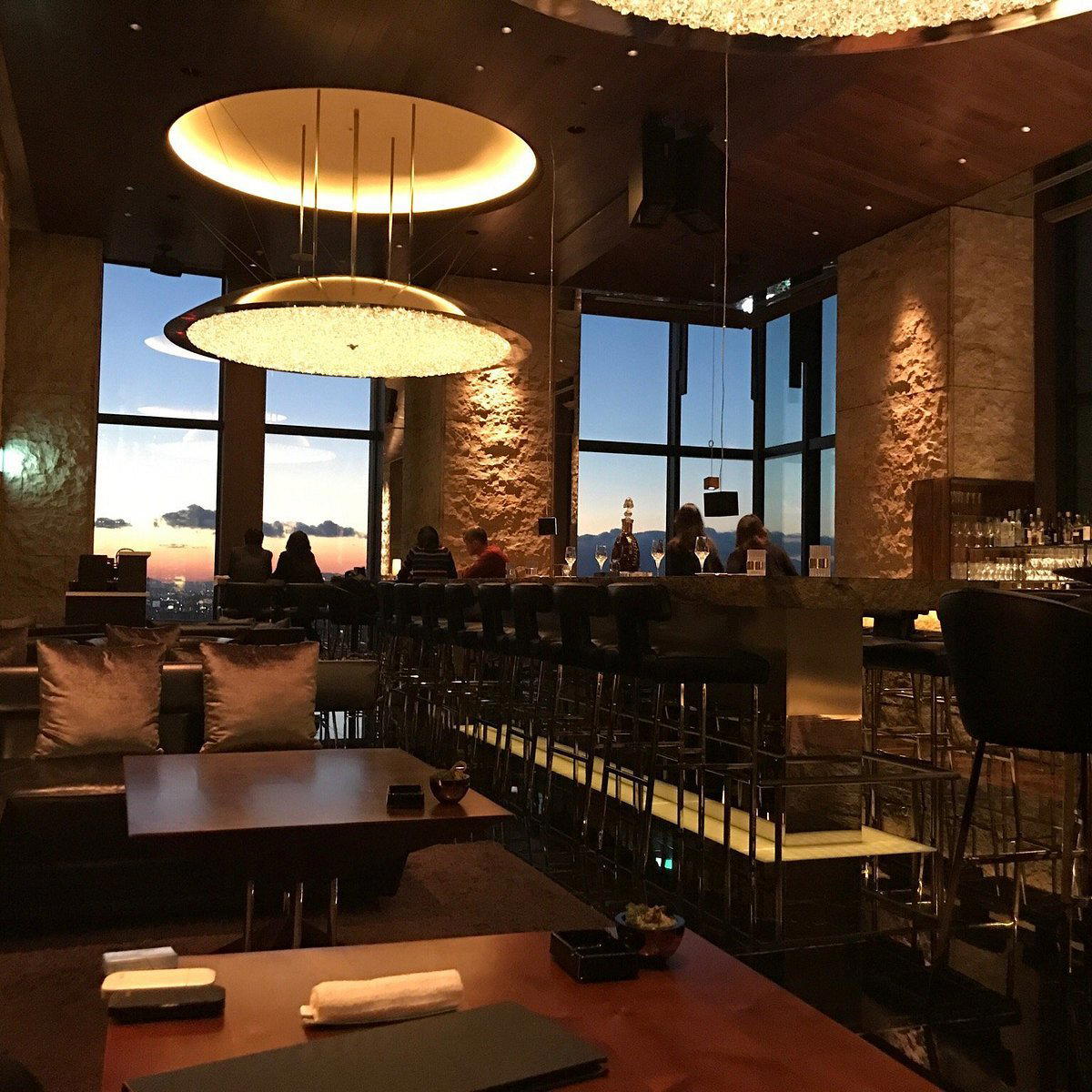



Hotels in Osaka
All hotels in Osaka →



Wineries in Osaka
Browse all →
Details
- Elegant
- Cozy
- Classic
- Intimate
- Special Occasion
- Date Night
- Business Dinner
- Celebration
- Solo
- Standalone
- Design Destination
- Private Dining
- Sake Program
- Local Sourcing
- Sustainable Seafood
- Tasting Menu
- A La Carte
- Set Menu
- Sake
- Beer
An elegant, Kyoto-Gion-inspired dining room tucked into a quiet residential area, with ceramics and lacquerware that create a refined yet cozy atmosphere suited to calm, focused dining.