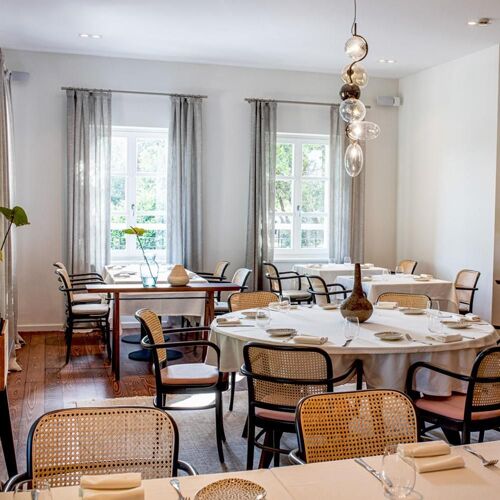
A konoba in the old-town fabric of Zadar, Konoba Martinac represents the stripped-back end of Dalmatian dining: shared tables, grilled fish, and regional wine in a format that predates the city's current restaurant boom. It occupies a different register from Zadar's more polished waterfront addresses, trading presentation for directness.
Pearl is the En Primeur Club membership app — saves, bookings, and concierge access live there. Same editors, same standards.
- Address
- Ul. Alesandra Paravije 7, 23000, Zadar, Croatia
- Phone
- +38598308869
- Website
- konoba-martinac.hr
- Directions
- Get directions
 Saves & bookings on Pearl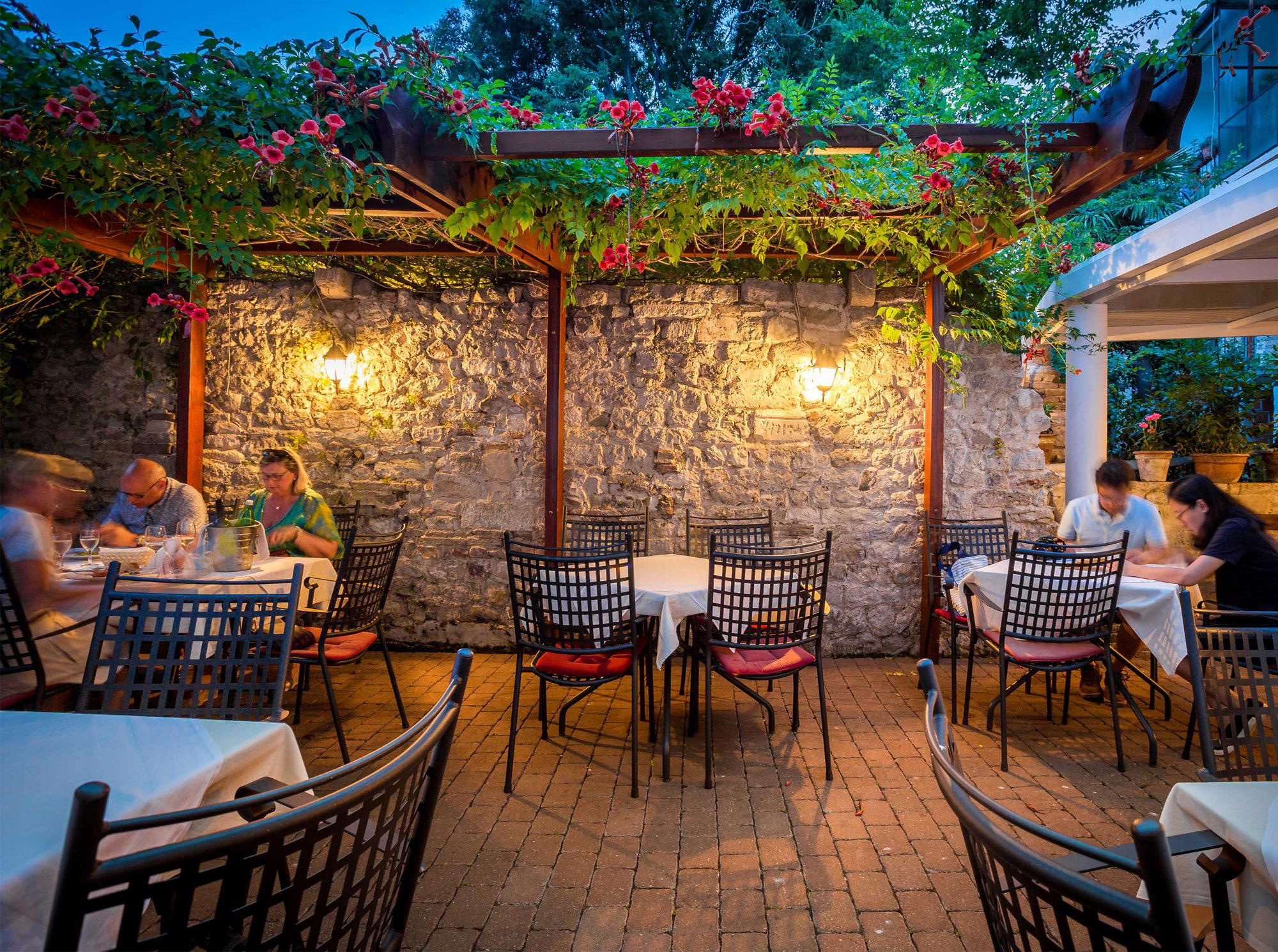
Stone Walls and Smoke: The Konoba Format in Context
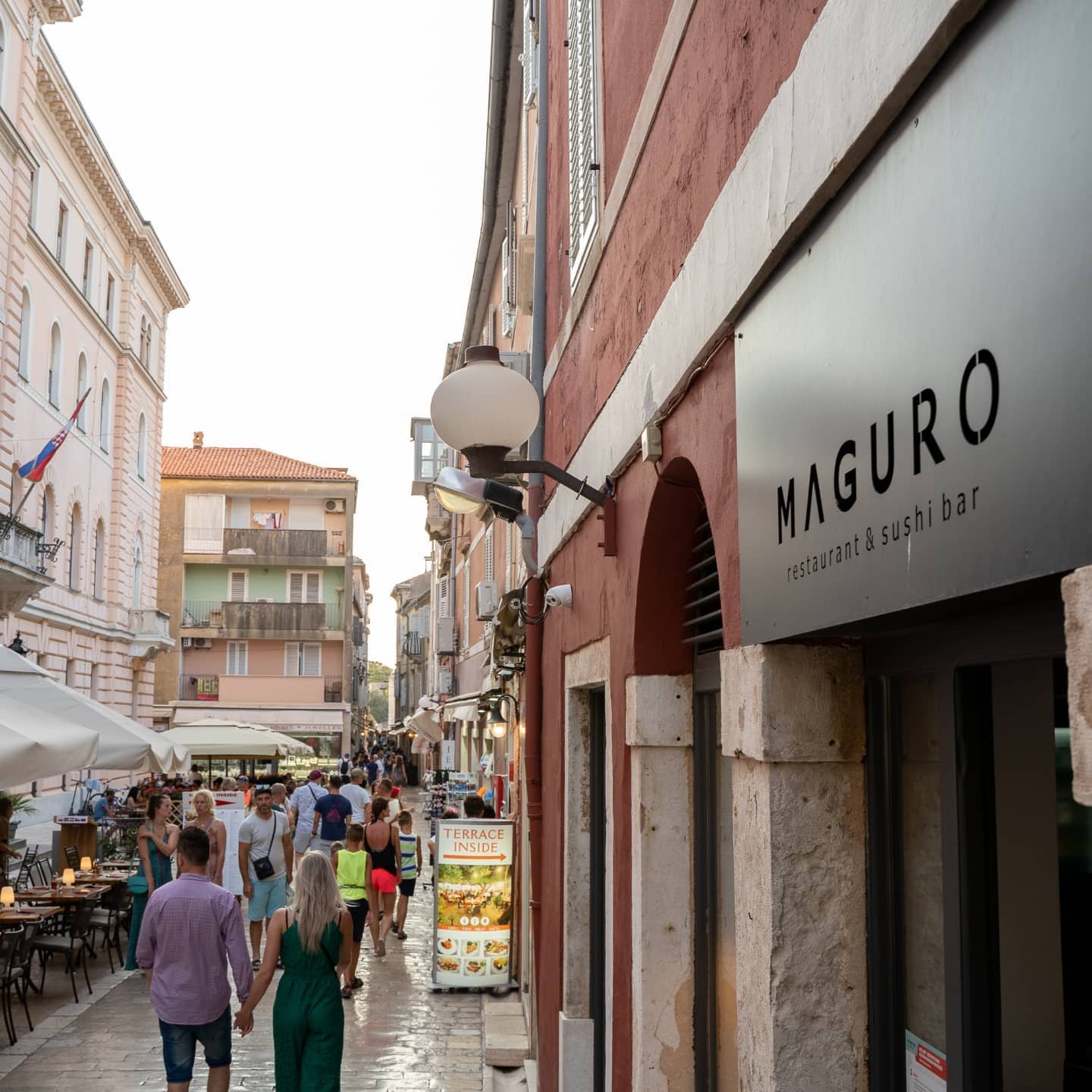
Walk the narrow lanes behind Zadar's Forum on a summer evening and the sensory cues shift quickly. The smell of charcoal and olive oil arrives before most signs do. Konoba Martinac, on Ul. Alesandra Paravije in the old-town grid, sits inside this particular geography of small rooms, hand-lettered menus, and tables that turn slowly because the kitchen moves at the pace it chooses. That atmosphere is not incidental. It is the format itself.
The konoba as a category occupies a specific position in Croatian dining culture that is often misread by visitors expecting it to map onto a Western bistro or trattoria. It does not. The konoba tradition is older and less self-conscious, rooted in coastal households that fed fishermen and extended families before the concept of hospitality became an industry. In Dalmatia, the leading konobe still carry that logic: the menu follows what was caught or grown nearby, the wine list runs to regional bottles or house pours, and the room prioritises function over staging. Konoba Martinac operates squarely within that tradition, which places it in a different competitive set from Zadar's more polished addresses like Bruschetta or the Mediterranean-forward rooms further along the waterfront.
The Dalmatian Table: What the Format Delivers
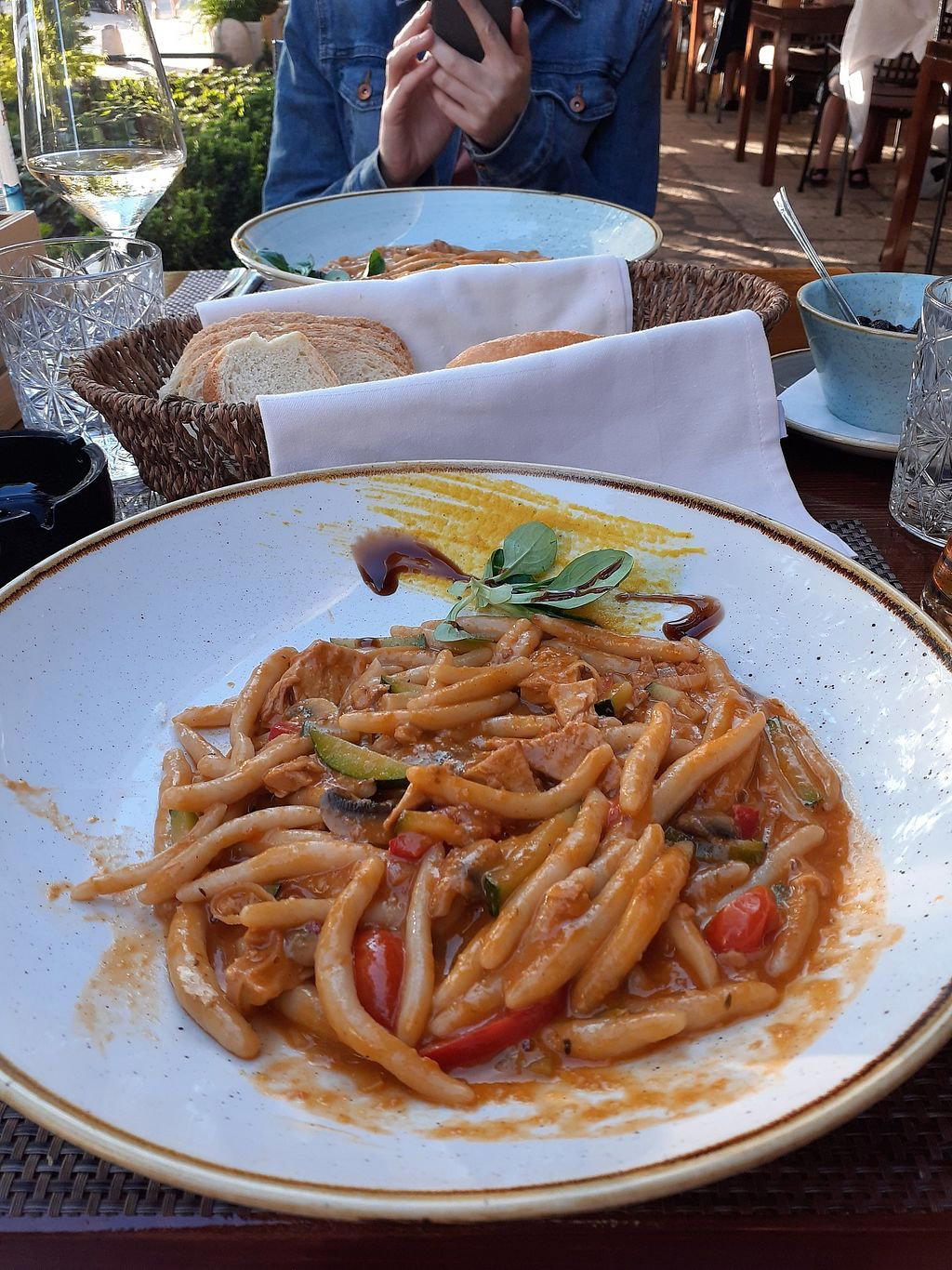
Dalmatian coastal cooking is built around a short list of techniques applied to excellent primary ingredients. Whole fish grilled over wood or charcoal, octopus slow-cooked under a peka (the domed iron lid buried in embers), lamb or veal prepared the same way, seasonal vegetables dressed with local olive oil. These are not simplified dishes. They are the product of a culinary logic that treats restraint as sophistication rather than limitation. The complexity lives in the sourcing and timing, not in the construction of the plate.
In this context, what you eat at Konoba Martinac will likely reflect what the market and the sea offered that morning. The Adriatic's catch around Zadar runs to sea bass (brancin), sea bream (orada), scorpionfish, and various shellfish depending on the season. Summer months bring maximum variety. Autumn narrows the catch but often improves the quality of what remains. The peka dishes, where they appear, require advance notice at most Dalmatian konobe because the cooking time runs to several hours. Visitors who arrive without asking should expect grilled preparations and cold starters built around cured meats, cheese, and marinated vegetables rather than anything requiring long oven time.
Regional wine is the appropriate pairing register here. Dalmatia's indigenous varieties, particularly Pošip from the islands and Debit from the Zadar hinterland for whites, and Plavac Mali for reds, are the natural frame for this kind of cooking. A konoba that reaches for international references is usually trying to be something it is not. The ones that stay local usually know what they are doing.
Zadar's Restaurant Tiers: Where Konoba Martinac Sits
Zadar's dining scene has stratified noticeably over the past decade. At the upper end, a small number of polished restaurants operate with trained kitchen teams, longer wine lists, and a format designed around the international tourist. A'mare POP and Bistro Pjat occupy that more curated tier. Below them, the old-town konoba network persists, quieter in its ambitions and more consistent in its reference points. 4kantuna and Antiquus sushi@more POP represent other angles on what Zadar's mid-register dining looks like in practice.
The restaurant belongs to the traditional end of this spectrum. It does not position against Zadar's fine-dining aspirants any more than a Burgundian village café positions against a starred room in Beaune. The comparison set is other konobe, and within that set, the address and the neighbourhood location inside the old-town walls give it a physical credibility that purpose-built tourist operations in newer districts lack. Across Croatia's Adriatic coast, the konoba format has proven durable precisely because it is not trying to be contemporary. For context, the fine-dining end of Croatian coastal cooking looks different: Pelegrini in Sibenik and LD Restaurant in Korčula represent what Croatian cuisine looks like when it reaches toward formal ambition. That is a separate conversation from what the restaurant offers.
Old Town Timing and Practical Considerations
Zadar's old town operates on seasonal rhythms that affect every address inside the walls. Summer, particularly July and August, compresses the tourist population into a compact medieval grid, and tables at even modest konobe fill quickly from early evening. The period from late May through June and September into early October gives the same setting with less competition for space and, frequently, better produce at the market. Those planning visits in shoulder season will find a more relaxed pace and a kitchen less under pressure.
Arrive early in high season or ask at the restaurant directly for the following evening. This is standard operating procedure across Zadar's traditional konoba tier, and the absence of a formal reservation system is itself a signal about how the room operates. Plan Martinac as an early-evening option rather than a late-night booking.
Ul. Alesandra Paravije sits within the pedestrianised old-town core, which means all access is on foot from the nearest parking or drop-off points at the city gates. The walk from the Sea Gate or the Land Gate is short, under ten minutes through the medieval lanes. Those arriving by ferry at Zadar's Liburnska obala terminal can reach the old town on foot within fifteen minutes.
Croatian Coastal Dining Beyond Zadar
For readers moving along the Dalmatian coast, the konoba register appears in different forms in most port towns. Krug in Split and Agli Amici Rovinj in Rovinj show how coastal Croatian cooking can shift register depending on the city's culinary ambition. Boskinac in Novalja on Pag island takes the local ingredient logic in a more ambitious direction, with its own estate wine production. Nebo by Deni Srdoč in Rijeka and Alfred Keller in Mali Lošinj represent the northern Adriatic's take on the same coastal tradition. Inland, Dubravkin Put in Zagreb and Korak in Jastrebarsko show how Croatian cooking changes once you move away from the Adriatic and into the continental interior.
For reference, the ambition scale at the highest end of fine dining internationally is a useful calibration point for understanding how deliberately the konoba format refuses that direction. The choice is not a limitation. It is a position.
Similar Picks
Comparable venues nearby, for context on price, style, and recognition.
| Venue | Cuisine | Price | Notes |
|---|---|---|---|
| Konoba MartinacThis venue — the venue you are viewing | Traditional Dalmatian Seafood | $$ | Not listed |
| Skoblar | Traditional Dalmatian Seafood | $$ | Old Town |
| Providur | Mediterranean Seafood | $$ | Old Town |
| Bistro Pjat | Mediterranean Bistro with Croatian & Italian Influences | $$ | Old Town |
| Vila Velebita | Traditional Croatian Konoba | $$ | Zadar |
| Corte | Modern Mediterranean & Croatian | $$$ | Old Town |
Continue exploring
More in Zadar
Restaurants in Zadar
Browse all →
Bars in Zadar
Browse all →
Hotels in Zadar
Browse all →
Wineries in Zadar
Browse all →
At a Glance
- Rustic
- Cozy
- Intimate
- Classic
- Date Night
- Family
- Casual Hangout
- Courtyard
- Terrace
- Extensive Wine List
- Garden
Current opening hours
- Monday
- 11 AM–11 PM
- Tuesday
- 11 AM–11 PM
- Wednesday
- 11 AM–11 PM
- Thursday
- 11 AM–11 PM
- Friday
- 11 AM–11 PM
- Saturday
- 11 AM–11 PM
- Sunday
- 11 AM–11 PM
Hours can change for holidays and private events. Last verified .
Antique interior with stone walls decorated with historical paintings and objects, complemented by shaded flower-filled courtyards under grapevines offering a peaceful, nostalgic atmosphere.