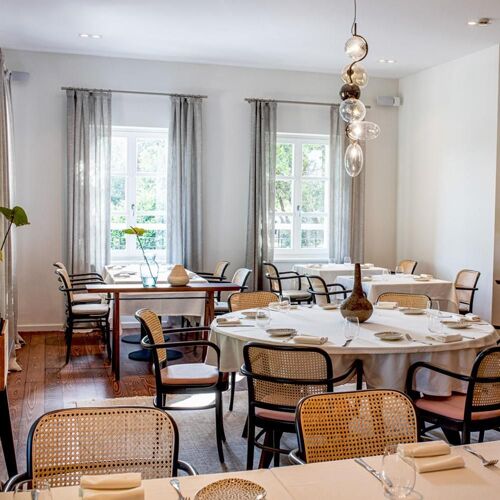
Set within Zadar's old town, Corte occupies a courtyard address at Ul. Braće Bersa 2 that places it inside the historic fabric of one of Dalmatia's most layered cities. The menu architecture reflects the Adriatic-meets-Mediterranean logic that defines the upper tier of Zadar dining, where local produce and seafood tradition anchor the kitchen's decisions. It sits comfortably alongside the city's more considered restaurants.
Pearl is the En Primeur Club membership app — saves, bookings, and concierge access live there. Same editors, same standards.
- Address
- Ul. Braće Bersa 2, 23000, Zadar, Croatia
- Phone
- +385 97 606 1301
- Website
- almayer.hr
- Directions
- Get directions
 Saves & bookings on Pearl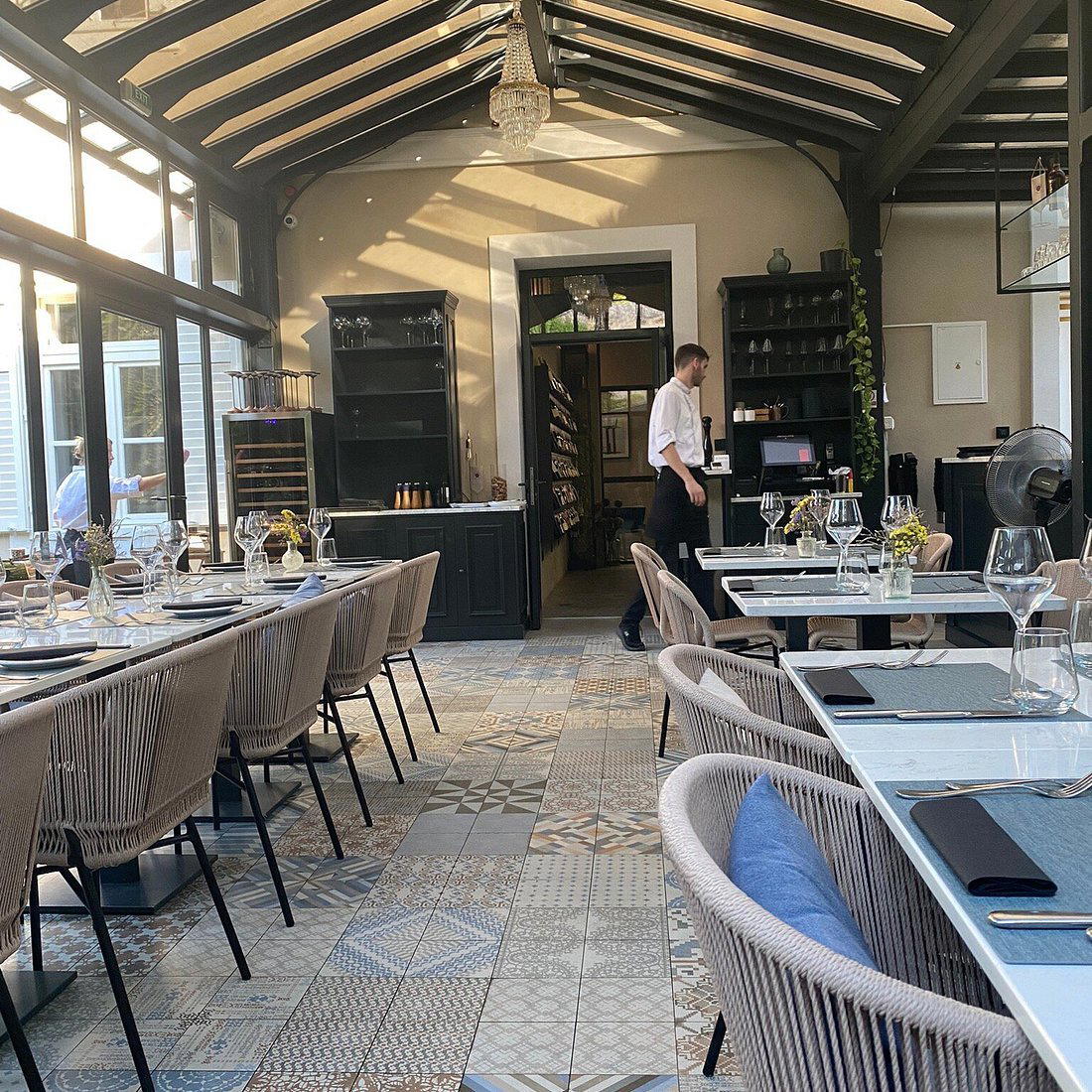
A Courtyard in the Old City
Zadar's old town is built on a peninsula where Roman forum stones sit beside Venetian-era campaniles and a contemporary waterfront promenade. Restaurants here operate inside genuine historic fabric rather than constructed heritage, and the pressure that places on a kitchen is real: the setting arrives with authority, and the food either earns its place or recedes into the backdrop. Corte, addressed at Ul. Braće Bersa 2, sits within this architectural density. A courtyard address in the old town typically means stone walls, filtered light, and a physical enclosure that pulls the noise of the surrounding streets to a low register. The experience of arriving at a place like this is one of compression followed by release, the city's activity giving way to something more contained and deliberate.
That physical grammar sets the terms for what a restaurant here can credibly attempt. Zadar's dining scene has developed significantly over the past decade, moving from a model where tourist-facing simplicity dominated the old town toward a more differentiated tier structure. At the upper end, venues like 4kantuna and A'mare POP have pushed the city's cooking conversation toward produce sourcing and technique. Corte operates inside that broader shift, where the setting and the culinary approach are expected to cohere rather than simply coexist.
What the Menu Reveals
The editorial angle that matters most when reading a restaurant like Corte is not any single dish but the structural logic of what the kitchen chooses to include and, equally, what it omits. In Zadar, the dominant menu grammar across the upper tier draws heavily on Adriatic seafood: pag lamb, local shellfish, seasonal fish from the nearby islands. The Dalmatian coastline's ingredient map is both an asset and a constraint. Restaurants that work within it thoughtfully use the seasons and local sourcing as discipline rather than limitation. Those that treat it as branding tend to produce menus that read well on paper but reveal little coherence at the table.
A courtyard restaurant in a city where Mediterranean produce is available at the level Zadar's hinterland provides has a particular obligation to its sourcing. The inland Dalmatian regions supply olive oil, stone fruits, and cured meats that Adriatic-facing kitchens have historically underused in favour of the more marketable seafood narrative. The more considered restaurants in the city's current tier are beginning to use both registers in the same menu, building dishes that move between coast and interior in a way that reflects how the region actually eats rather than how it is imagined from outside. Whether Corte pursues that integration or concentrates on one register is the kind of question that distinguishes a menu worth studying from one that is merely competent.
For comparison, the Croatian Adriatic produces some of the country's most discussed kitchens precisely because that coastal-inland tension is so productive. Pelegrini in Sibenik has built a reputation on working that seam seriously, and Boskinac in Novalja extends the logic to hospitality and wine. At the Adriatic's other end, Restaurant 360 in Dubrovnik and LD Restaurant in Korčula demonstrate how a sustained commitment to local produce and format discipline separates the category's upper tier from the broader tourist market. Corte's address places it in conversation with that tier, even if its specific position within it is for the diner to calibrate in person.
Zadar's Dining Context
Understanding Corte requires understanding what Zadar's restaurant scene has become. The city draws a sophisticated travel demographic that goes beyond the Dubrovnik-Split axis: architecture tourists, sailors using the marina, visitors to the Kornati archipelago and Plitvice Lakes. That audience sustains a market for restaurants that do more than coast on setting. The result is a tier of old-town venues where culinary ambition has begun to meet the quality of the physical backdrop.
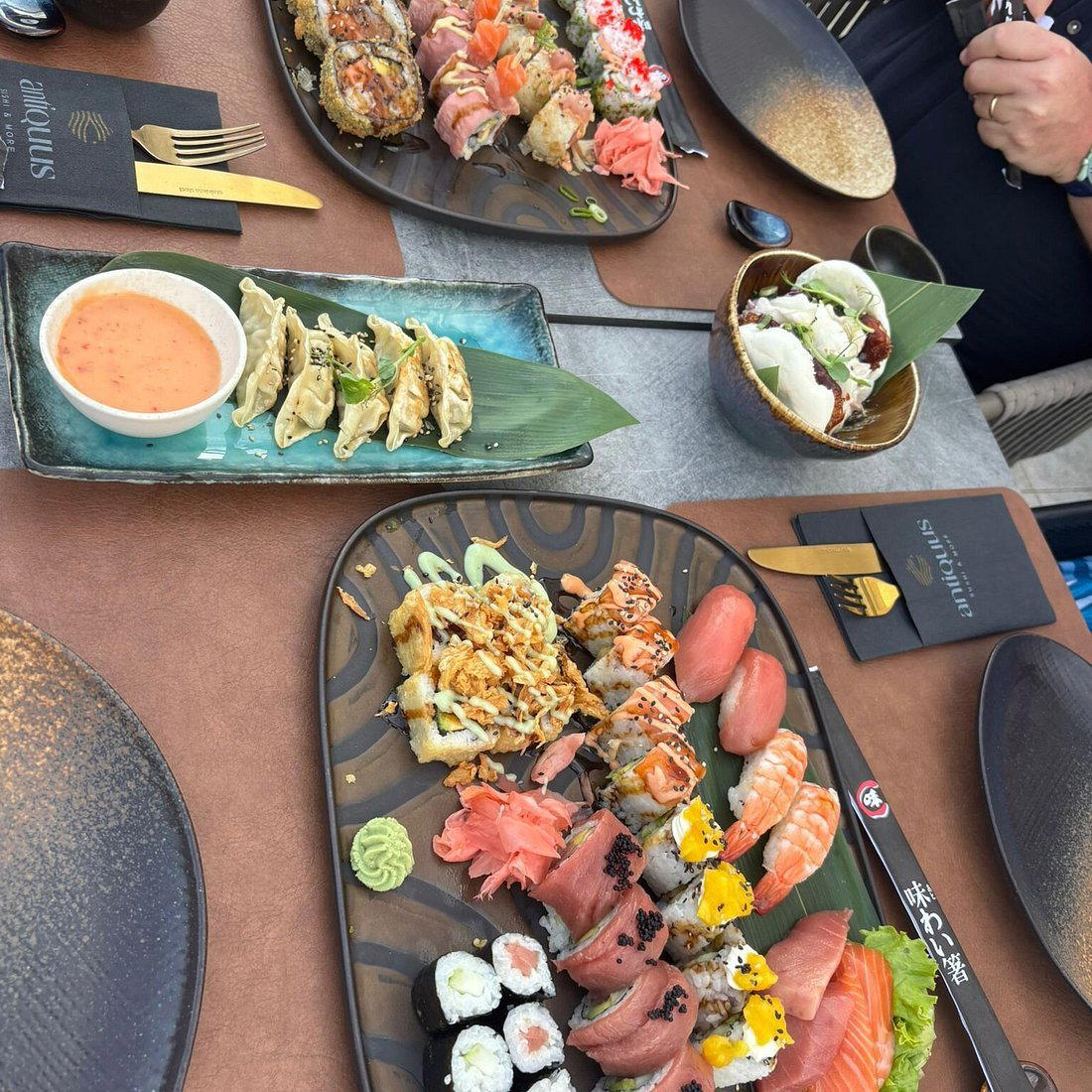
Within that local context, Corte sits alongside restaurants including Bistro Pjat, Bruschetta, and Antiquus sushi@more POP, each of which occupies a distinct position in the city's offer. Foša and Kaštel anchor the traditional Mediterranean end of the market at the €€€ tier, where reliably executed classic cuisine and good waterfront placement sustain consistent demand. The more interesting competitive question for Corte is whether it is tracking toward that established model or toward the more format-conscious approach taken by newer entrants in the scene.
Croatia's broader fine dining trajectory provides useful reference. Nebo by Deni Srdoč in Rijeka and Agli Amici Rovinj in Rovinj have raised the bar for what Adriatic coastal dining can mean, with training lineages and format discipline that places them in a different comparable set from resort-market restaurants. Alfred Keller in Mali Lošinj and Korak in Jastrebarsko extend that seriousness into different registers. Against that national backdrop, a restaurant in Zadar's old town has real runway if the kitchen matches the setting's inherent authority.
For international reference points on what menu architecture at this level of ambition can look like, the structural discipline of venues like Le Bernardin in New York City or the format coherence of Lazy Bear in San Francisco illustrates how a kitchen's choices about what to include, how to sequence, and what to omit become the clearest signal of culinary seriousness. In Zadar, that kind of signal is beginning to matter to the audience the city attracts. Dubravkin Put in Zagreb and Krug in Split demonstrate how Croatian kitchens are pursuing that seriousness in other city contexts. Corte's courtyard address puts it in a position to contribute to Zadar's version of that conversation.
Planning a Visit
Corte is located at Ul. Braće Bersa 2 in Zadar's old town, within walking distance of the Roman forum and the Sea Organ on the waterfront promenade. The old town is accessed on foot from the main gate at Kopnena Vrata, and the address is navigable on foot in a few minutes from that entry point. For one comfortable experience, visiting outside the peak summer months of July and August means smaller crowds in the old town and more attention from kitchen and service. The Adriatic shoulder season, running through May, June, and September, offers the combination of good weather and a more measured pace that suits a meal meant to last.
- beef carpaccio
- ravioli with goat cheese and lobster foam
- black risotto with cuttlefish ink
- sea bass
- lamb peka
- tuna steak
Credentials Lens
Comparable venues nearby, for context on price, style, and recognition.
| Venue | Cuisine | Price | Awards | Notes |
|---|---|---|---|---|
| CorteThis venue — the venue you are viewing | Modern Mediterranean & Croatian | $$$ | Not listed | Not listed |
| Butler Gourmet&Cocktails Garden | Modern Dalmatian with Mediterranean Influences | $$$ | Not listed | Old Town |
| Bruschetta | Mediterranean & Dalmatian Seafood | $$$ | Not listed | Old Town |
| Tinel | Traditional Mediterranean & Dalmatian | $$$ | Not listed | Old Town |
| Skoblar | Traditional Dalmatian Seafood | $$ | Not listed | Old Town |
| Kaštel | Modern Dalmatian Mediterranean | $$$ | Michelin Plate | Old Town |
Continue exploring
More in Zadar
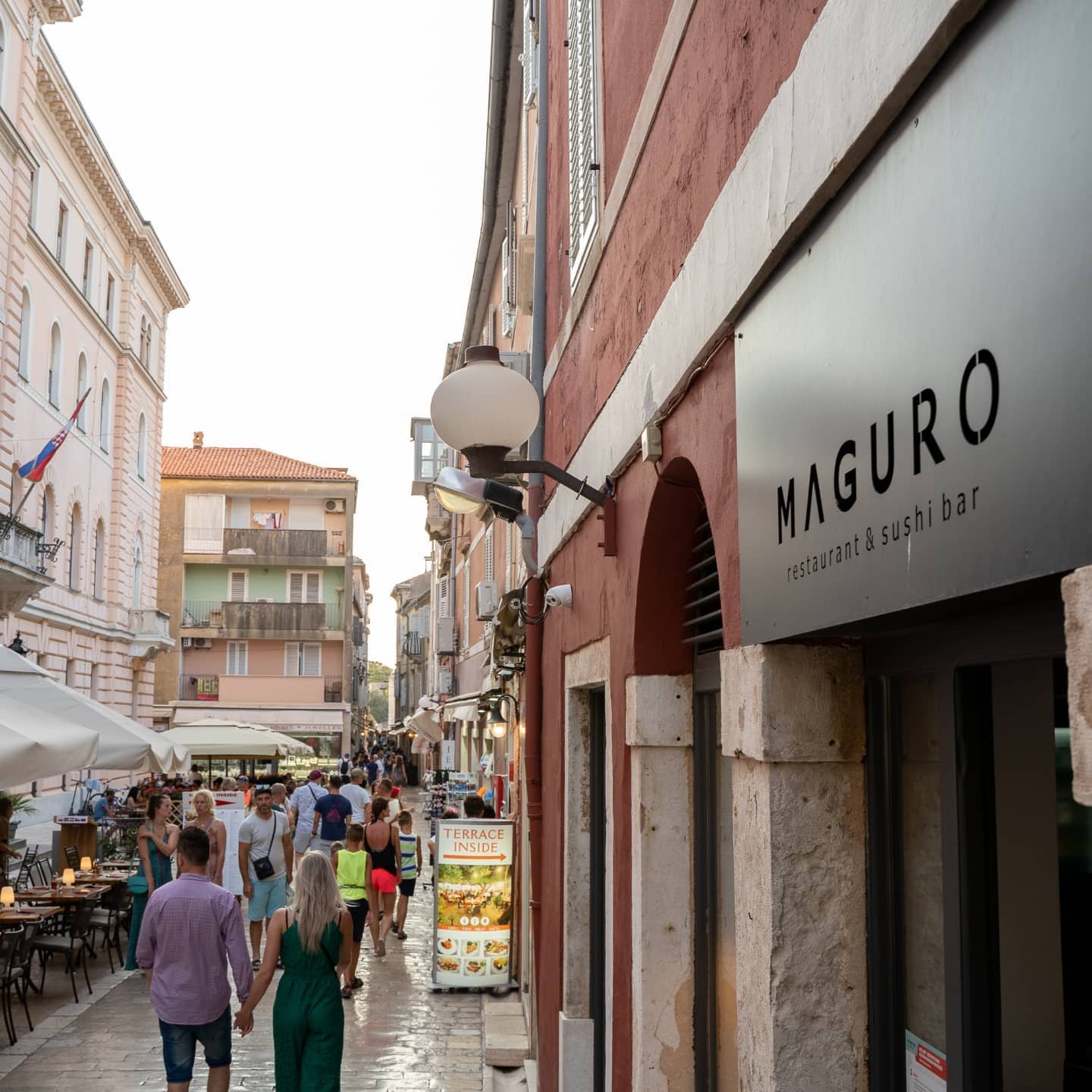
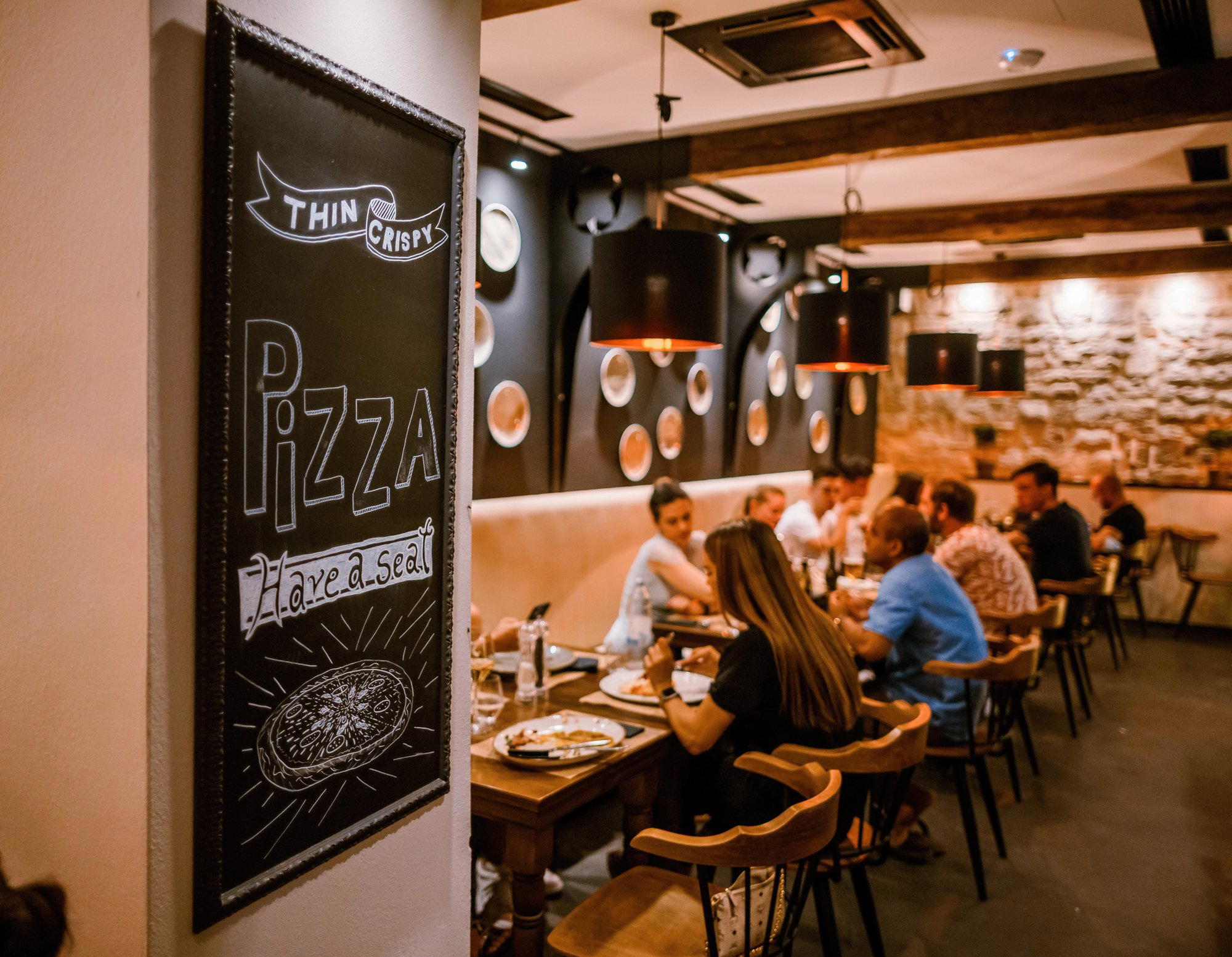
Restaurants in Zadar
Browse all →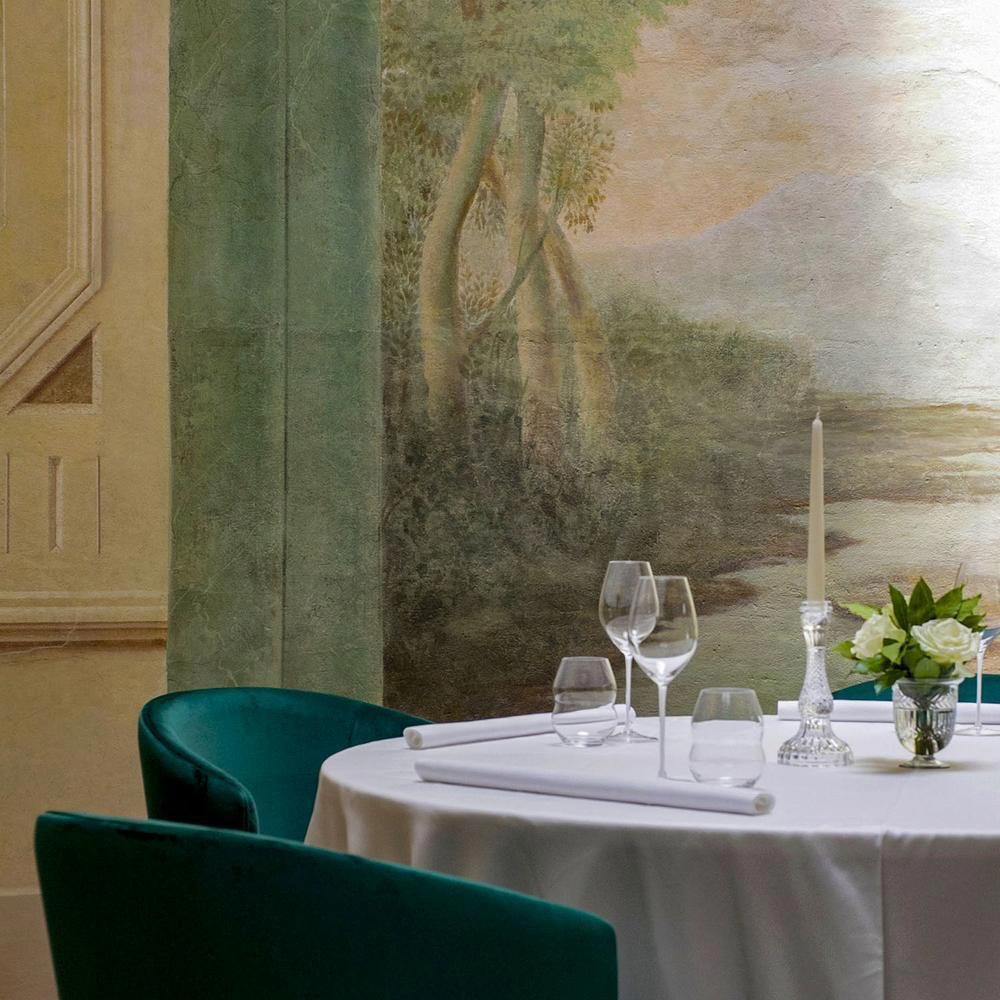
Bars in Zadar
Browse all →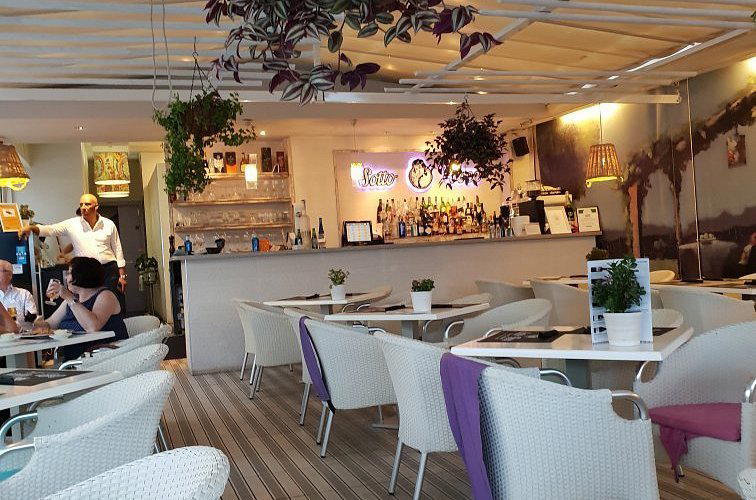
Hotels in Zadar
Browse all →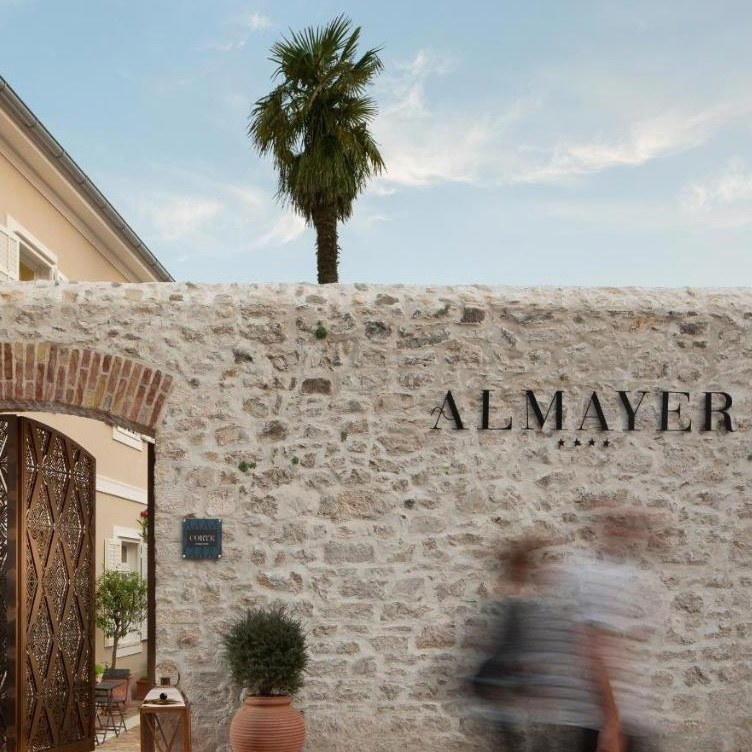
Wineries in Zadar
Browse all →
At a Glance
- Romantic
- Elegant
- Intimate
- Scenic
- Date Night
- Special Occasion
- Celebration
- Brunch
- Courtyard
- Garden
- Private Dining
- Hotel Restaurant
- Historic Building
- Extensive Wine List
- Craft Cocktails
- Sommelier Led
- Local Sourcing
- Garden
Current opening hours
- Monday
- 7 AM–2 PM
- Tuesday
- 7 AM–2 PM
- Wednesday
- 7 AM–2 PM
- Thursday
- 7 AM–1 PM
- Friday
- 7 AM–2 PM
- Saturday
- 7 AM–2 PM
- Sunday
- 7 AM–2 PM
Hours can change for holidays and private events. Last verified .
Soft mood lighting in a tranquil courtyard surrounded by potted plants, lemon trees, and ancient walls; relaxing music creates a romantic, intimate atmosphere that transports guests from the bustling Old Town.