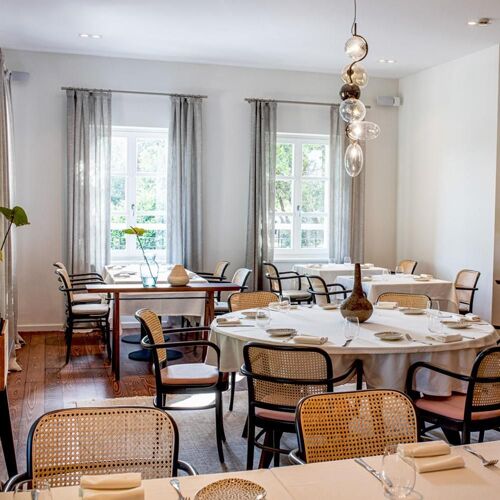
A konoba in Zadar's old town that operates in the tradition of Dalmatian tavern cooking: direct preparations of local fish, grilled meats, and seasonal produce served in a stone-walled setting on Kovačka street. The format is honest and unhurried, pitched at visitors who want regional cooking rather than a polished dining production.
Pearl is the En Primeur Club membership app — saves, bookings, and concierge access live there. Same editors, same standards.
- Address
- Kovačka 10 ulica, 23000, Zadar, Croatia
- Phone
- +38523550563
- Directions
- Get directions
 Saves & bookings on Pearl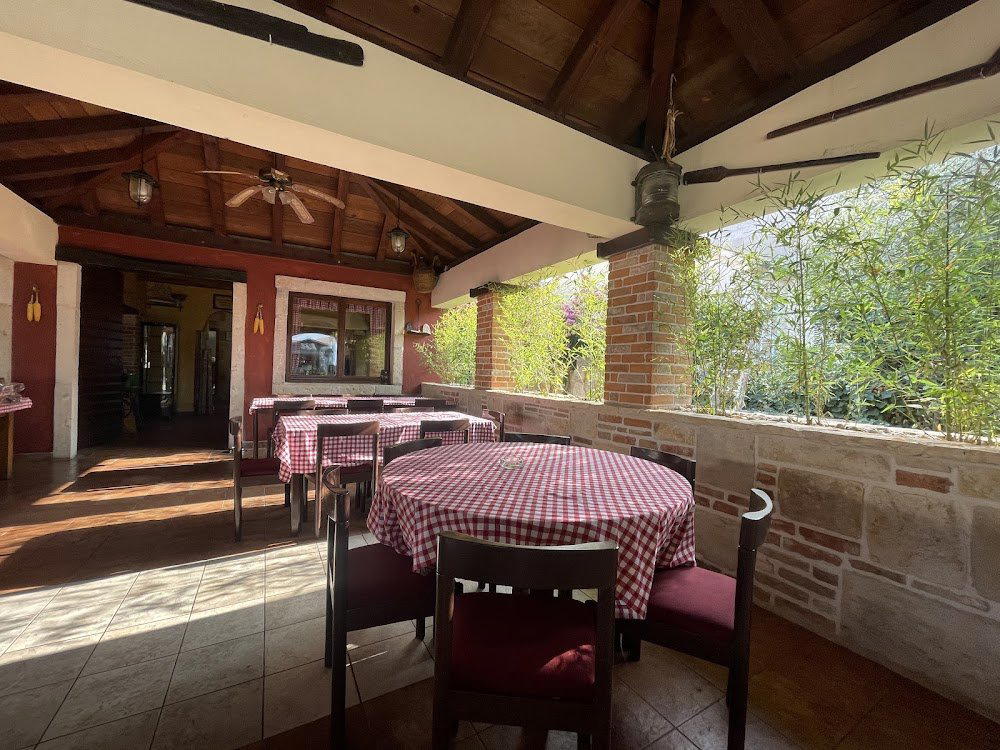
Stone Walls, Salted Fish, and the Dalmatian Tavern Tradition
Zadar's old town contains a well-worn category of eating place that predates the Michelin era by several centuries: the konoba. Originally a ground-floor storage room repurposed for family meals and simple hospitality, the konoba evolved into Croatia's defining format for unfussy, ingredient-led cooking. Today the word covers a wide range of establishments, from genuine neighborhood taverns to tourist-facing operations in historic buildings. Konoba Dalmatina, on Kovačka street in the medieval core, belongs to the tradition in the direct sense: the cooking draws from the Dalmatian repertoire, the setting is stone and timber, and the proposition is regional food served without theatrical intervention.
Understanding what a konoba is and is not matters here. It is not a fine-dining address in the manner of Pelegrini in Sibenik or Restaurant 360 in Dubrovnik, where Croatian produce is the raw material for technically ambitious cooking. Nor does it sit in the Adriatic resort tier occupied by Agli Amici Rovinj or Boskinac in Novalja. The konoba model is deliberately humbler: the kitchen's job is to not ruin good ingredients, and the ingredients' job is to carry the meal.
Lunch in the Old Town: The Quieter Shift
In Zadar's old town, the lunch-versus-dinner divide plays out predictably across most categories of restaurant, and konoba dining is no exception. Lunch, particularly outside the peak July-August window, tends to be the more local service. The city's working population, residents running errands through the medieval grid, and visitors arriving on morning ferries from the islands fill tables before two o'clock. The pace is faster, the interaction less ceremonial, and the cooking often fresher for it: fish landed that morning at the Zadar market on the Foša quay tends to reach kitchens before noon. Dalmatian lunch in this format gravitates toward grilled fish with olive oil and blitva, the Swiss chard and potato preparation that serves as the region's default accompaniment, or a bowl of brodeto, the fisherman's stew whose exact recipe varies by household and coastline.
For visitors who want to eat the way the city actually eats, a weekday lunch at a konoba like this one is a more direct path to that experience than a weekend evening sitting. The evening shift in Zadar's old town is structurally different: the dining room fills with a higher proportion of leisure visitors, the pace slows, and the kitchen is more likely to be working through large covers rather than a measured midday service. Neither is better, exactly, but they are different meals.
The Dalmatian Menu in Context
The cooking tradition that a Zadar konoba draws from is one of the more coherent regional cuisines in the eastern Adriatic. Dalmatian cooking is shaped by geography: a long, narrow coastal strip with islands offshore, limited agricultural land inland, and proximity to Italian culinary influence across centuries of Venetian administration. The result is a cuisine that is seafood-heavy but not exclusively maritime, with inland lamb and peka preparations sitting alongside fish dishes. Peka, the slow-cooking method under a bell-shaped lid covered in embers, appears across Dalmatia and Istria and represents one of the few Croatian techniques that has genuine crossover recognition among visiting food travelers.
Grilled fish, prepared simply with local olive oil and herbs, is the category where Dalmatian cooking is most self-assured. Oily fish from the Adriatic, particularly the small blue fish such as sardines and mackerel, are at their leading when treated minimally. This is the kind of cooking that rewards ingredients over technique, which is why the quality of the morning catch matters more than kitchen sophistication at this end of the market. Zadar sits close enough to the Kornati archipelago that the fish supply is, in season, genuinely good.
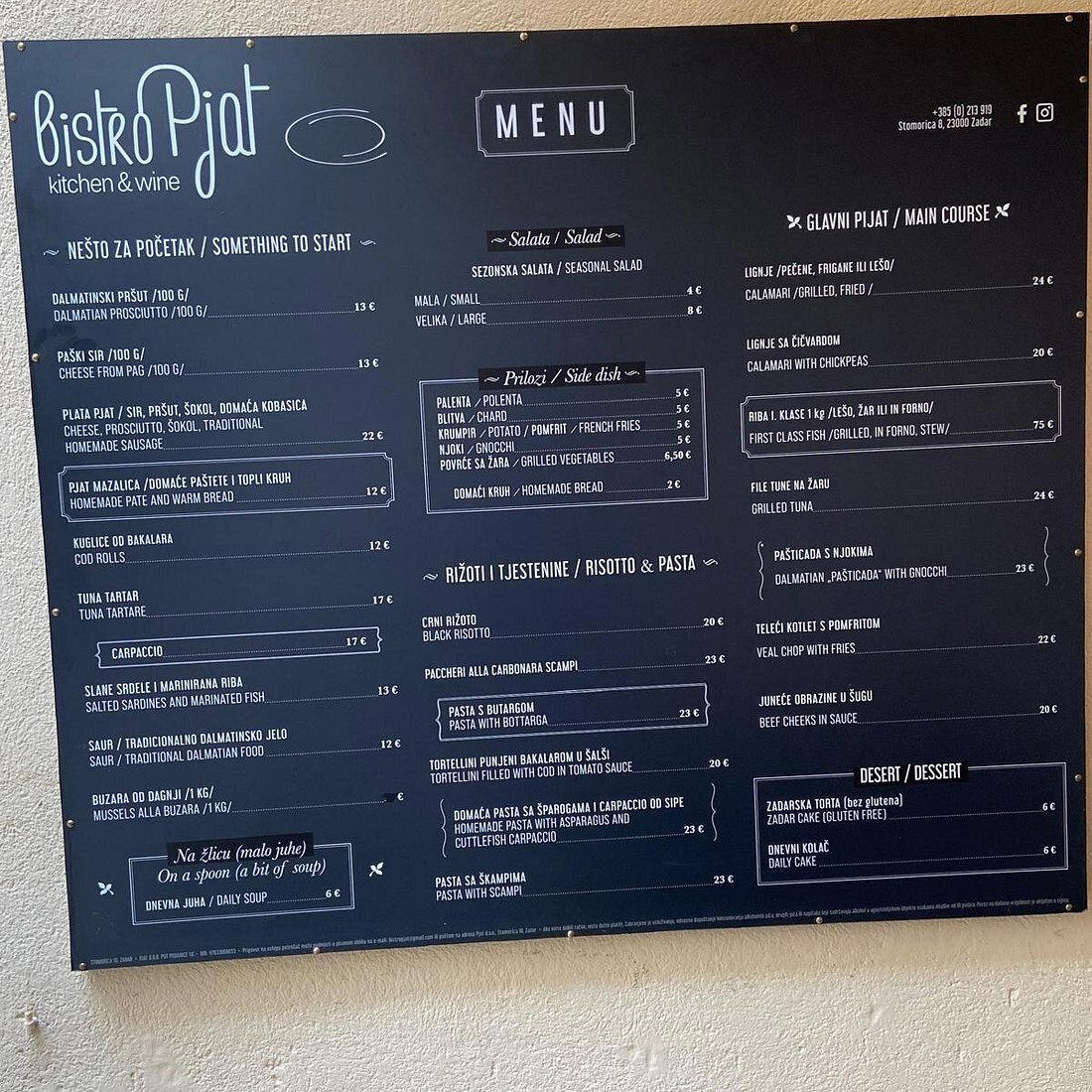
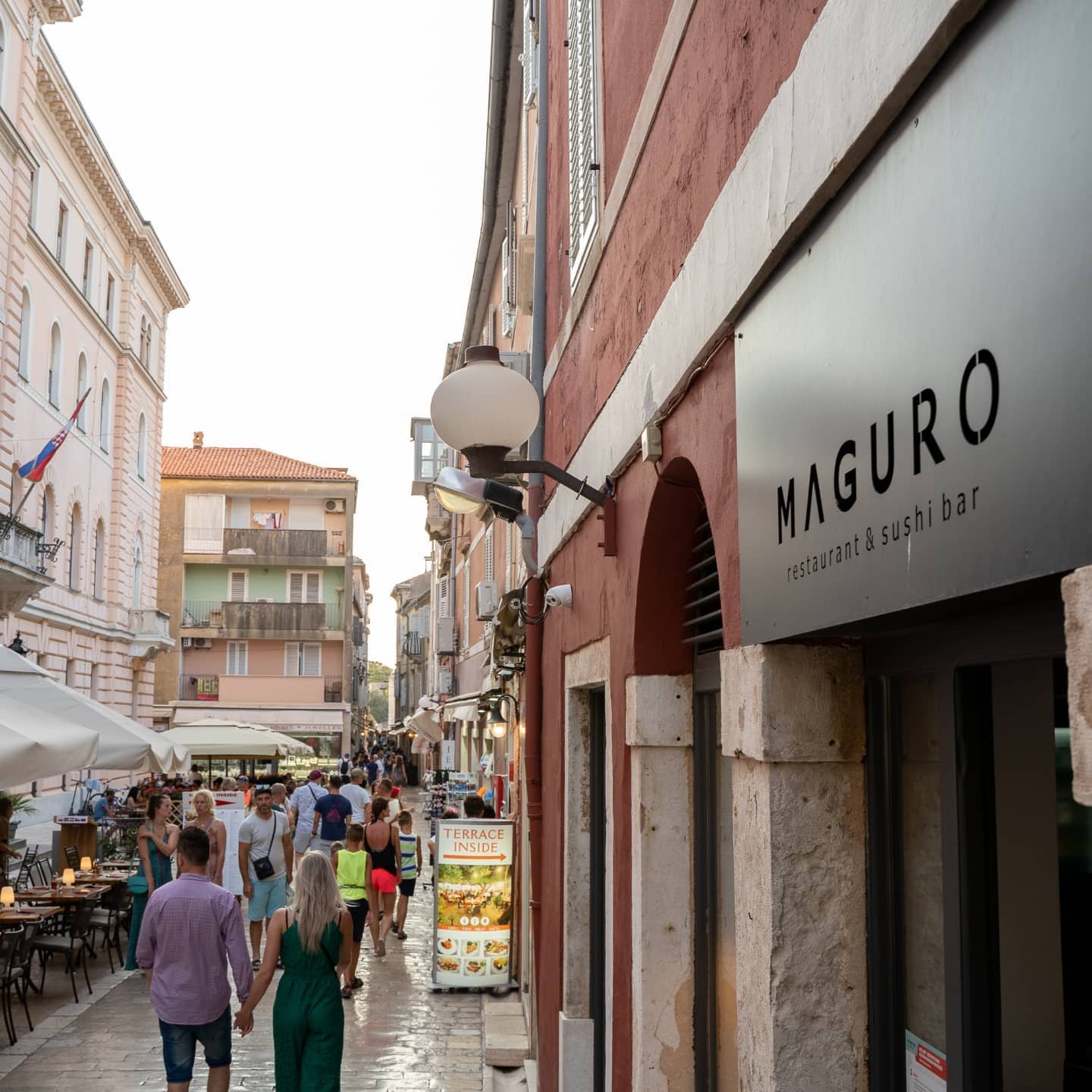
Within Zadar's konoba category, Dalmatina has local peers. 4kantuna operates in similar territory, and Bruschetta offers a slightly different take on old-town dining. Those looking for a more contemporary format within the city might consider Bistro Pjat or the more polished approach at A'mare POP. At the further end of the spectrum, Antiquus sushi@more POP signals how far Zadar's dining range now stretches beyond the konoba model.
Evening Shift: Slower, Warmer, More Tourist-Facing
By evening, particularly in summer, Zadar's old town operates at a different register. The narrow streets fill with visitors who have spent the afternoon at the Sea Organ or the Greeting to the Sun installation on the waterfront promenade, and restaurants work through larger volumes across a longer service window. A konoba in the evening is a different proposition from its lunch incarnation: the wine orders increase, the menu is the same but the kitchen is feeding different expectations, and the atmosphere becomes more convivial and less transactional.
This is not a criticism. Evening konoba dining in Dalmatia has its own logic and its own pleasures. A carafe of local Pošip or Grk white wine, grilled branzino, and a long table under stone arches is an entirely reasonable way to spend a summer evening in Croatia. The question of value shifts, though: at lunch, the konoba model tends to deliver more per kuna because the kitchen is running at a lower cover count and the clientele is more price-sensitive. Evening diners, particularly visitors unfamiliar with local norms, can find themselves paying for atmosphere as much as food.
Where Konoba Dalmatina Sits in a Wider Croatia Trip
Zadar is increasingly a serious food destination in the broader Adriatic context, with enough range to justify a dedicated stop on a Croatian coast itinerary. The city's dining offer spans from the konoba tier through to more ambitious cooking, though it does not yet compete with the depth of Nebo by Deni Srdoč in Rijeka or the ambition of Dubravkin Put in Zagreb. For visitors building a food-focused itinerary along the coast, Zadar works well as a mid-journey stop between the Kvarner islands, where Alfred Keller in Mali Lošinj represents one of the stronger regional propositions, and the Dalmatian south, where Krug in Split and LD Restaurant in Korčula offer more formal alternatives.
The konoba, within that framework, serves a specific function: it is the format through which Dalmatian cooking is most honestly transmitted. Those looking for tasting menus, wine programs with depth, or the kind of kitchen ambition found at destinations such as Le Bernardin in New York or Atomix will not find it here, nor should they expect to. The konoba makes a different argument: that simplicity, when it is executed with good ingredients and genuine hospitality, is its own form of seriousness. Our full Zadar restaurants guide maps the city's wider dining range if you are planning around multiple meals.
Konoba Dalmatina is at Kovačka 10 in Zadar's old town, within walking distance of the Roman Forum and the main pedestrian waterfront. Reservations are recommended.
Cuisine-First Comparison
Comparable venues nearby, for context on price, style, and recognition.
| Venue | Cuisine | Price | Notes |
|---|---|---|---|
| Konoba DalmatinaThis venue — the venue you are viewing | Traditional Croatian Seafood & Grill | $$ | Not listed |
| Vila Velebita | Traditional Croatian Konoba | $$ | Zadar |
| Bruschetta | Mediterranean & Dalmatian Seafood | $$$ | Old Town |
| Pet bunara Dine&Wine | Dalmatian Slow Food | $$ | Zadar Old Town |
| Corte | Modern Mediterranean & Croatian | $$$ | Old Town |
| 4kantuna | Dalmatian Mediterranean | $$ | Old Town Zadar |
Continue exploring
More in Zadar
Restaurants in Zadar
Browse all →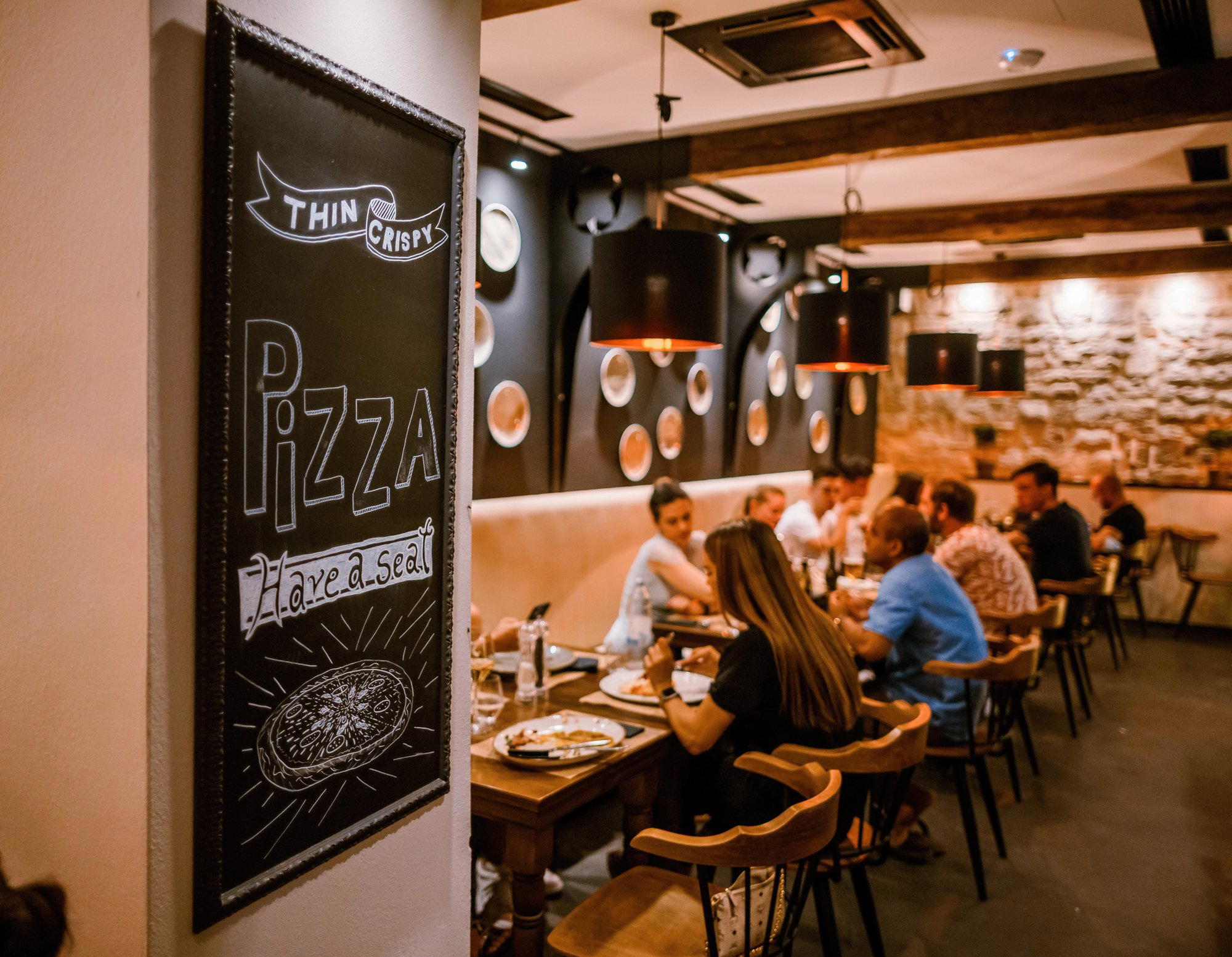
Bars in Zadar
Browse all →
Hotels in Zadar
Browse all →
Wineries in Zadar
Browse all →
At a Glance
- Cozy
- Rustic
- Classic
- Intimate
- Date Night
- Group Dining
- Casual Hangout
- Terrace
- Standalone
- Historic Building
- Beer Program
- Local Sourcing
- Sustainable Seafood
Current opening hours
- Monday
- 4–10:30 PM
- Tuesday
- 4–10:30 PM
- Wednesday
- 4–10:30 PM
- Thursday
- 4–10:30 PM
- Friday
- 4–10:30 PM
- Saturday
- 6–10:30 PM
- Sunday
- 6–10:30 PM
Hours can change for holidays and private events. Last verified .
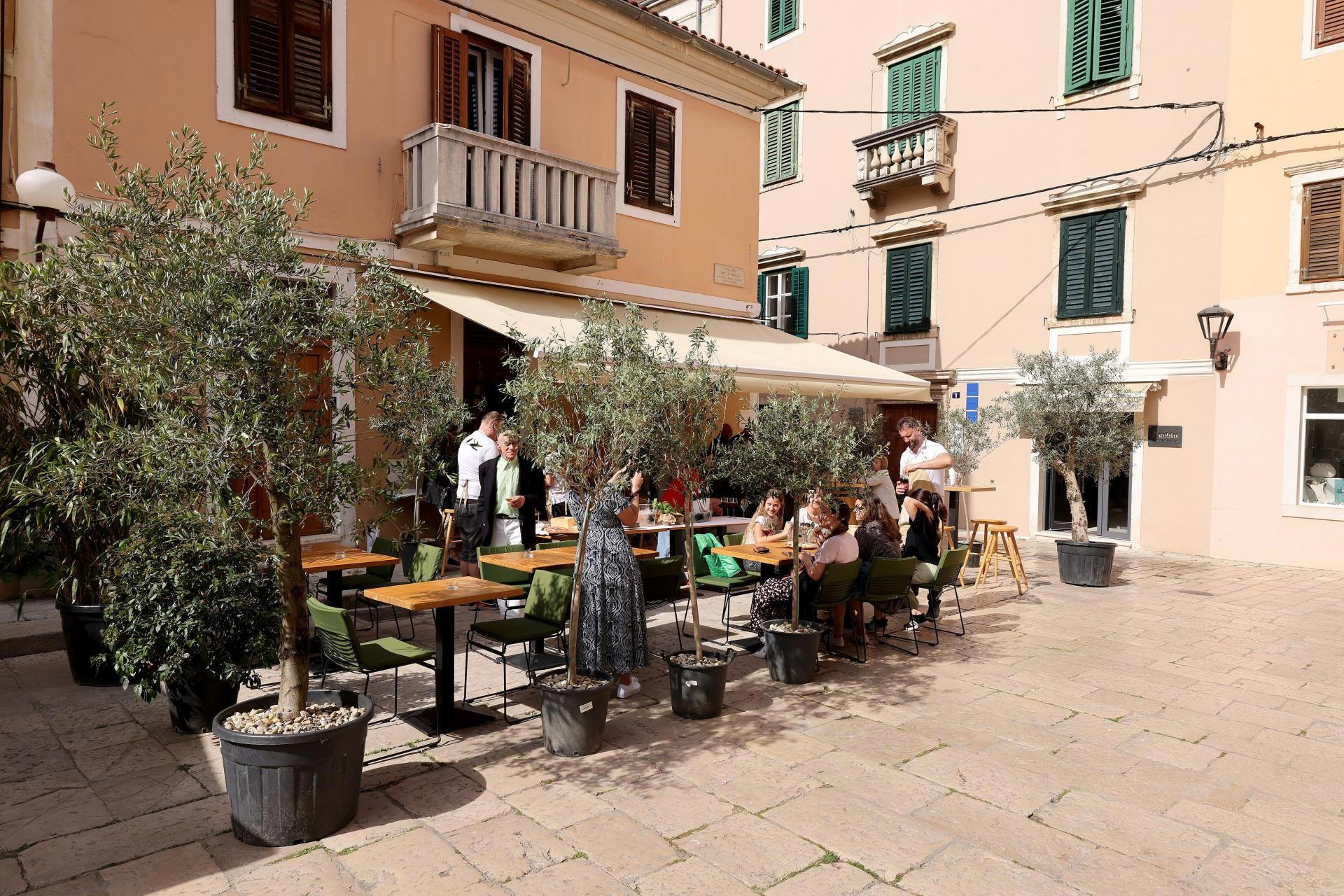
Authentic stone-walled setting with candlelit outdoor tables tucked under vines; warm, welcoming atmosphere enhanced by the aroma of wood-fired cooking drifting into narrow alleyways.