Biberia sits in Warth, a small Vorarlberg ski village where the alpine dining scene draws from the same short supply chains that feed the broader Arlberg region. The kitchen operates within a tradition of Austrian mountain hospitality where local sourcing and seasonal discipline matter more than formal accolades. For context on how Biberia fits into Warth's wider table, see our full local restaurant roundup.
Pearl is the En Primeur Club membership app — saves, bookings, and concierge access live there. Same editors, same standards.
- Address
- Warth 41, 6767 Warth, Austria
- Phone
- +43558341800
- Website
- biberkopf.at
- Directions
- Get directions
 Saves & bookings on Pearl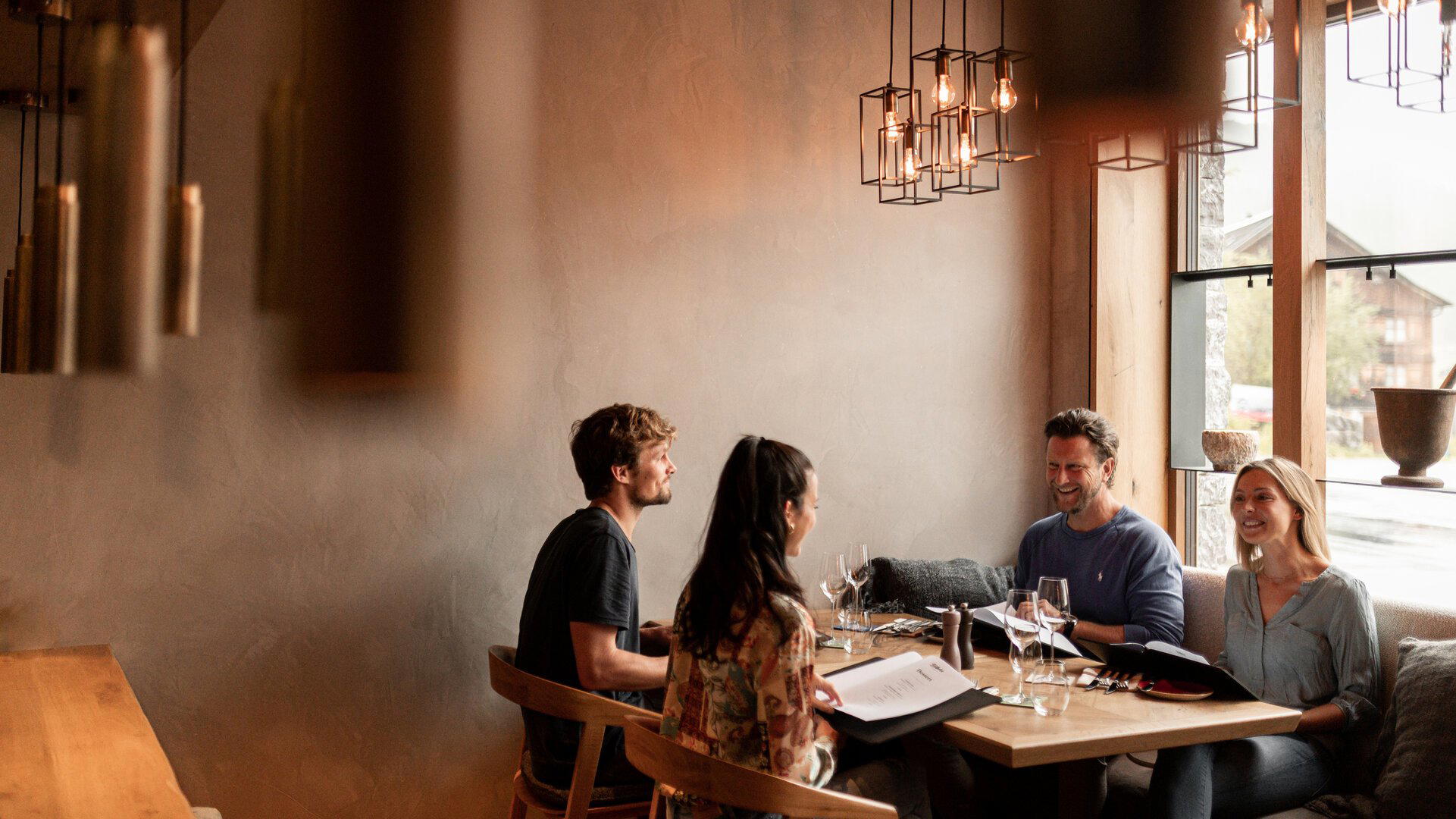
Where Mountain Terrain Shapes the Table
Biberia is a Modern Austrian Bistro in Warth, Austria, at Warth 41, with an approachable price tier. The approach to the village, whether via the Hochtannbergpass from the Bregenzerwald side or down from Lech, gives you a working sense of why sourcing matters here: the terrain is steep, the growing season is short, and what arrives on a plate has either come a long way or come from close. In this context, a kitchen that respects the second option is doing something structurally different from one that flies in premium ingredients from further afield.
Biberia, addressed at Warth 41, sits inside that local logic. Warth itself is small enough that the handful of restaurants operating here, among them Restaurant Mühle, Ski- und Wanderhotel Jägeralpe, and Sporthotel Steffisalp, draw from the same regional food culture, one grounded in Vorarlberg dairy traditions, locally raised meat, and the foraged and farmed produce of the surrounding Bregenzerwald and Lechtal valleys. Competition at this altitude is less about theatrical innovation and more about how faithfully a kitchen interprets what the season and the valley have provided.
The Ingredient Logic of the Arlberg
Austrian alpine cuisine at its most considered is almost always an argument about geography. The cheeses that define Vorarlberg's food identity, Bergkäse, Räßkäse, and the softer washed-rind varieties from the Bregenzerwald, come from dairy herds that graze at altitude and are moved seasonally, a practice called Alpwirtschaft that has shaped the region's food culture for centuries. A kitchen in Warth that sources honestly is, almost by default, plugged into this network: small dairy farms, local butchers, foragers working the surrounding forests in mushroom season, and market growers from the valley floors.
This is the supply-chain context that makes a place like Biberia legible within the wider Austrian fine dining conversation. The restaurants drawing sustained critical attention in Austria right now, from Steirereck im Stadtpark in Vienna to Döllerer in Golling an der Salzach and Landhaus Bacher in Mautern an der Donau, share a commitment to sourcing that reflects their specific regional terroir. In the western Tyrol and Vorarlberg, that means alpine dairy, river fish, game from the surrounding forests, and the root vegetables and herbs that survive the shorter growing season. Obauer in Werfen and Ois in Neufelden have built reputations on similar regional fidelity, and the pattern repeats across serious Austrian kitchens regardless of their elevation or formality level.
Warth in the Arlberg Dining Tier
The Arlberg region has developed a dining tier that sits comfortably above standard ski resort food without necessarily competing with the starred rooms in Lech or Sankt Anton. Griggeler Stuba in Lech and Gourmetrestaurant Tannenhof in Sankt Anton am Arlberg occupy the recognised-award end of that spectrum, while Stüva in Ischgl represents the kind of alpine fine dining that draws destination visitors rather than passing skiers. Warth's dining operates in a different register: the village is small, the visitor population is more local and repeat than international, and the restaurants here tend toward the kind of cooking that rewards familiarity rather than spectacle.
That positioning is not a criticism. Particularly consistent cooking in alpine Austria happens in exactly this format: modest rooms, short menus built around what the week has provided, and a service style that assumes you are returning rather than arriving for the first time. Schwarzer Adler in Hall in Tirol and Restaurant 141 by Joachim Jaud in Mieming demonstrate that serious kitchen discipline in smaller Tyrolean and Vorarlberg communities can hold its own against the region's more celebrated addresses. Biberia fits within that tradition, operating in a village where the dining culture is shaped by altitude, season, and community rather than by hotel group investment or destination-dining ambition.
Herb-Forward and Alpine: What the Region Produces
Kitchens drawing from the Vorarlberg supply chain have access to ingredients that have no equivalent at lower altitudes. Alpine herbs, including wild garlic, mountain thyme, and the various meadow plants that appear in Bregenzerwald cooking, add a register to the food that cannot be replicated by sourcing from elsewhere. Kräuterreich by Vitus Winkler in Sankt Veit im Pongau has built an entire culinary identity around this herb-forward alpine approach, and it is a model that speaks directly to what Vorarlberg's terrain makes possible. Game from the surrounding mountains arrives in autumn, freshwater fish from the Lech river system appears in the warmer months, and dairy from local farms runs through the menu in one form or another across all seasons.
This is what separates an alpine kitchen that takes sourcing seriously from one that simply uses the setting as atmosphere. The comparison is instructive when you look at destination-dining venues like Le Bernardin in New York City or Lazy Bear in San Francisco: both kitchens are defined by a specific sourcing philosophy that the region makes possible. In Warth, the equivalent argument is about Vorarlberg valley farms, mountain pasture, and a supply chain so short it sometimes involves a single conversation with the producer.
Planning a Visit
Warth is most accessible by car via the B200 from Lech or the Hochtannbergpass road from the Bregenzerwald, and the village operates on a winter-summer seasonal calendar with peak periods coinciding with ski season and summer hiking. Check locally for current details. Taubenkobel in Schützen am Gebirge is a useful reference point for understanding how Austrian regional restaurants at this level handle advance booking: the expectation of planning ahead is baked into the format, not an inconvenience.
At-a-Glance Comparison
Comparable venues nearby, for context on price, style, and recognition.
| Venue | Cuisine | Price | Notes |
|---|---|---|---|
| BiberiaThis venue — the venue you are viewing | Modern Austrian Bistro | $$ | Not listed |
| Sporthotel Steffisalp | Traditional Austrian with Regional Vorarlberg Classics | $$$ | Warth |
| Ski- und Wanderhotel Jägeralpe | Regional Austrian Mountain Cuisine | $$$ | Warth |
| Hirlanda | Traditional Austrian & Mediterranean | $$$ | Zürs am Arlberg |
| Seealm Hög | Austrian Alpine | $$ | Serfaus |
| Cafe-Conditorei-Restaurant Reichl | Traditional Austrian Cafe-Restaurant | $$ | Wolfurt |
Continue exploring
More in Warth
Restaurants in Warth
Browse all →
Bars in Warth
Browse all →



Hotels in Warth
Browse all →

At a Glance
- Trendy
- Casual
- Modern
- Casual Hangout
- Solo
- After Work
- Standalone
- Local Sourcing
- Organic
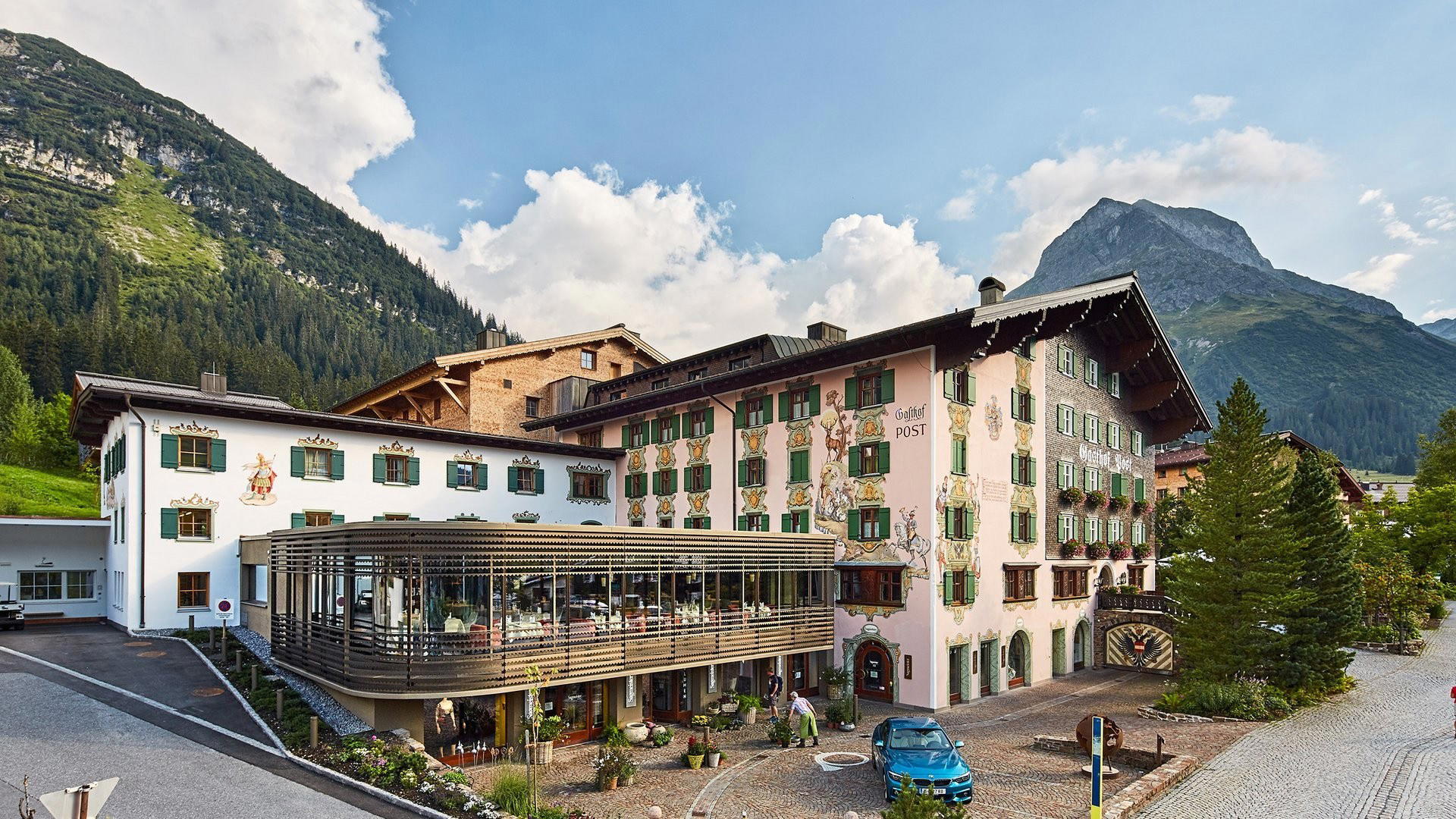
Casual yet stylish atmosphere with a focus on natural, fresh ingredients and contemporary design blending with traditional Austrian elements.