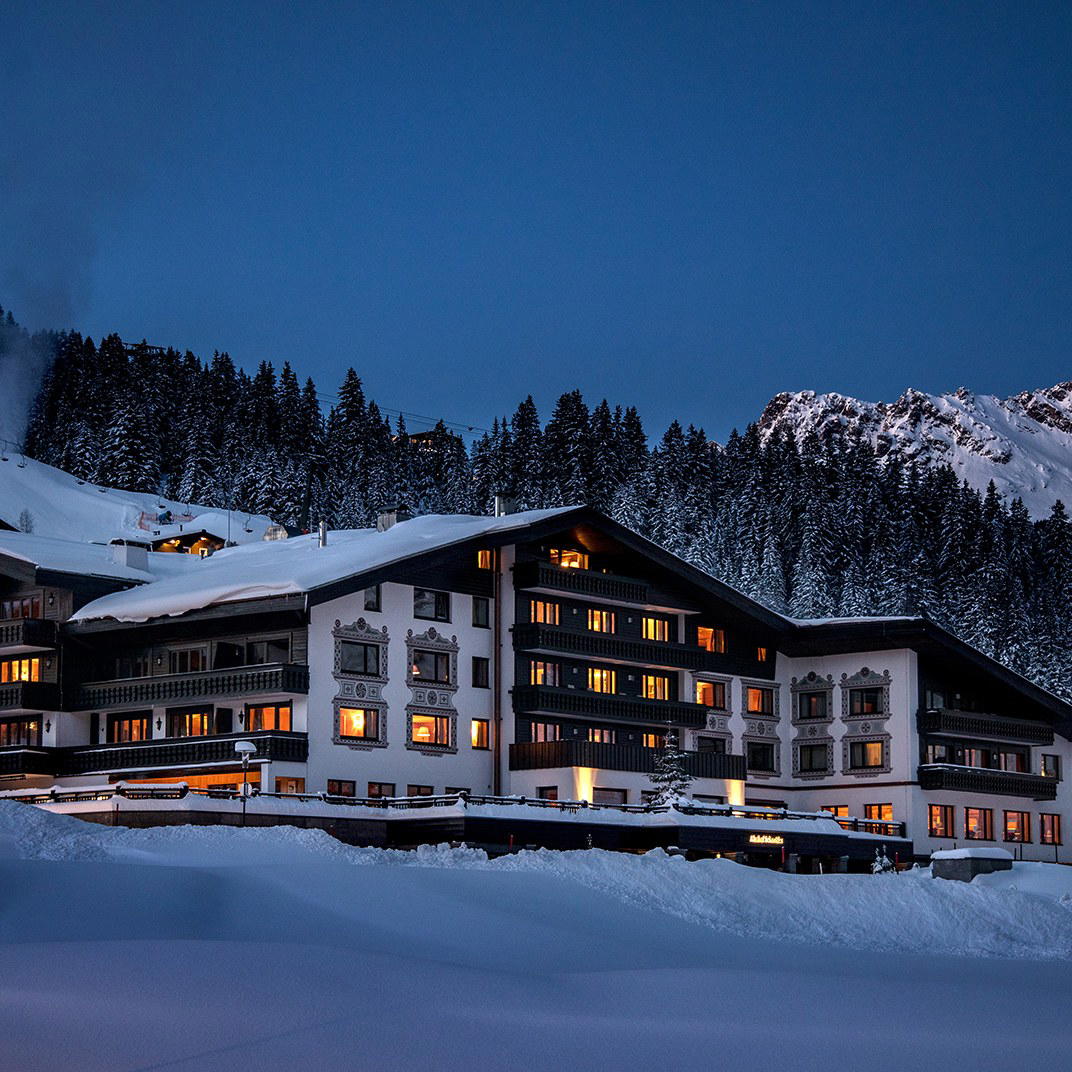
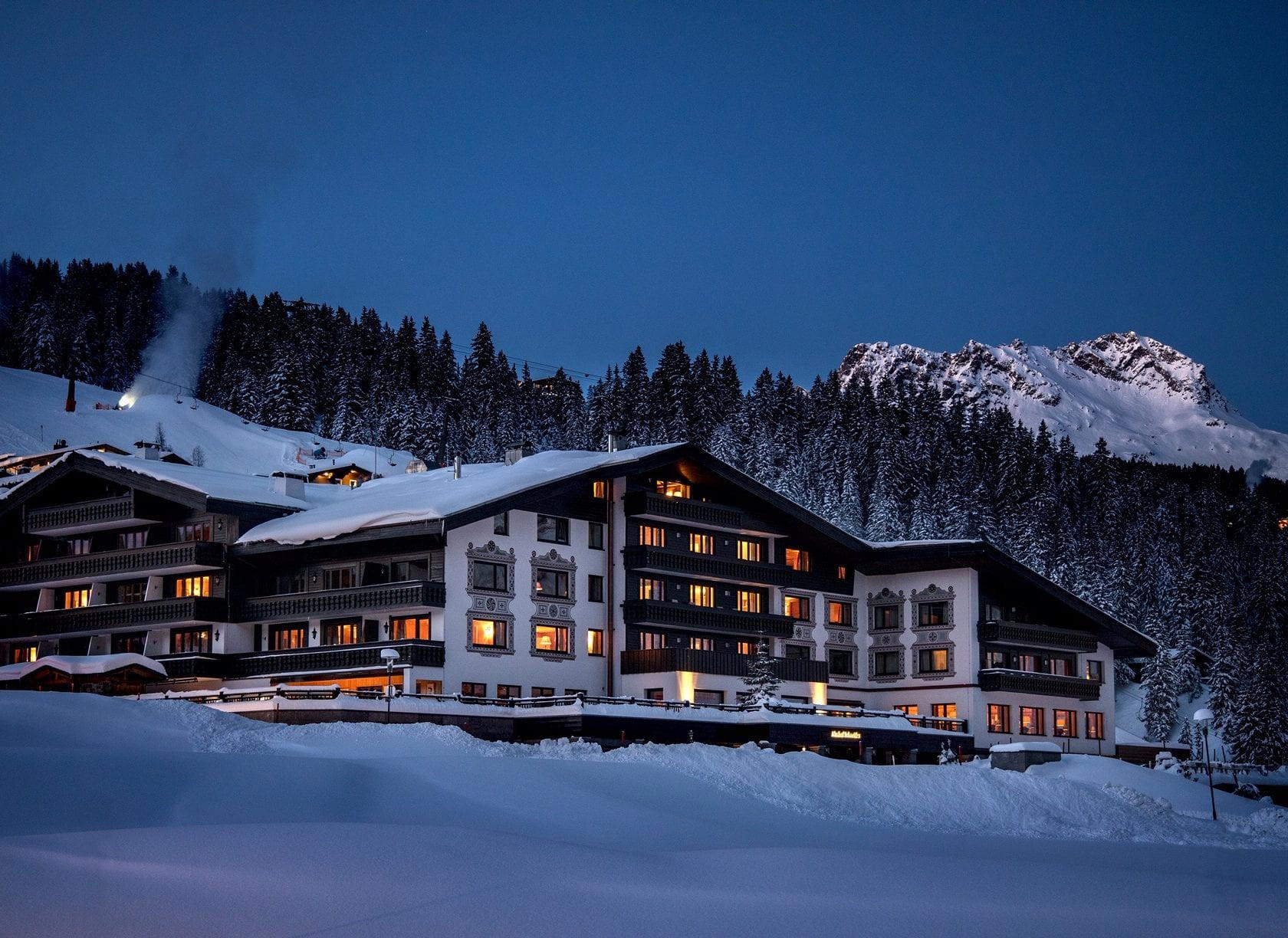
In the alpine village of Au in Vorarlberg's Bregenzerwald, Hubertus operates in a region where proximity to high-altitude pastures, mountain herbs, and artisan producers shapes how kitchens are stocked. The surrounding valley has cultivated one of Austria's more coherent local food cultures, making Au a reference point for sourcing-led cooking in the western Alps.
Pearl is the En Primeur Club membership app — saves, bookings, and concierge access live there. Same editors, same standards.
- Address
- Bundesstraße 397, 6883 Au, Austria
- Phone
- +434355152342
- Website
- hubertus-au.at
- Directions
- Get directions
 Saves & bookings on Pearl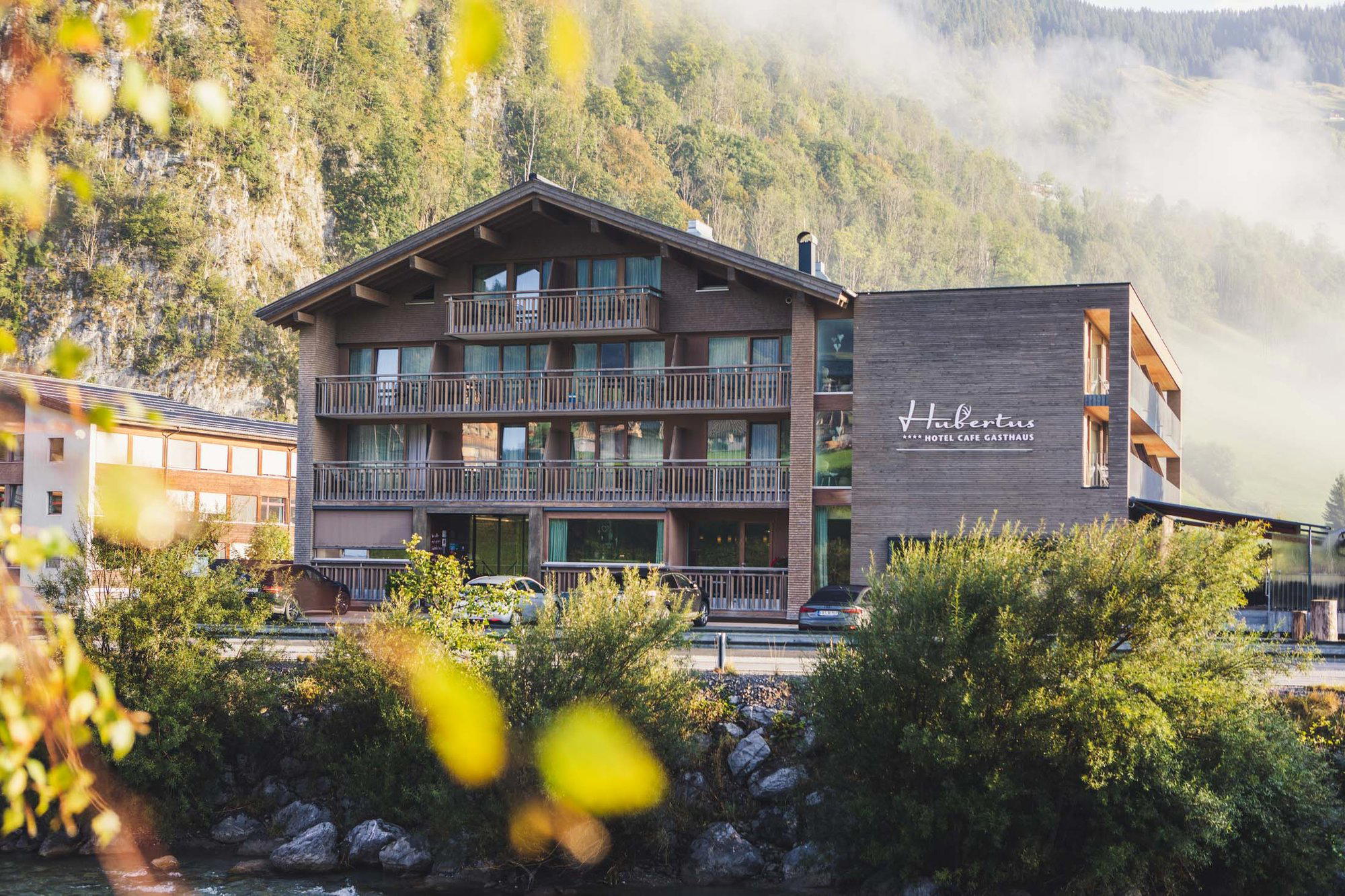
Where the Bregenzerwald Sets the Menu
Au sits in the Bregenzerwald, a valley in Vorarlberg that has built a quiet but well-documented reputation as one of Austria's most ingredient-serious regions. The area's dairy culture alone, anchored by Alpine cheese cooperatives and seasonal transhumance, where cattle move between lowland winter barns and high summer pastures, supplies a calibre of raw material that most urban kitchens have to import. For a restaurant operating here, the sourcing question is not aspirational; it is geographic. Hubertus, located on Bundesstraße 397 in Au, sits inside that supply chain by default, and the editorial question worth asking is what a kitchen does with that proximity.
The physical approach to Au tells you something before you arrive at any table. The Bregenzerwald unfolds as a series of forested ridges and open meadows, with farmhouses clustered in the valley floor and cheese cellars tucked into hillsides. It is an agricultural landscape in active use, not a preserved backdrop for tourism, and that distinction matters when assessing what sourcing-led cooking means here versus in a city restaurant making the same claim from a distance. The ingredients that appear in Bregenzerwald kitchens are often local in the literal sense: a walk or a short drive connects a chef to the farm, the dairy, or the forager.
The Sourcing Context That Defines Alpine Cooking in This Valley
Austria's fine dining tier has increasingly split between city-anchored creative restaurants and regionally rooted establishments that use geographic specificity as a culinary foundation. At the city end, places like Steirereck im Stadtpark in Vienna have built reputations on creative interpretation of Austrian produce assembled from across the country. Further along the spectrum, Döllerer in Golling an der Salzach has formalised what it calls Alpine cuisine into a recognised contemporary category. Hubertus operates in the same broader movement, but from a village position that gives it access to a more immediate sourcing radius than either of those properties.
The Bregenzerwald's food identity is not a recent marketing construction. The Käsestraße Bregenzerwald, a regional cheese route linking dairies, producers, and restaurants, has existed for decades and functions as an infrastructure for connecting kitchens to producers. Vorarlberg's alpine cheeses, including Bergkäse and Alpkäse produced from summer milk at altitude, represent a raw material category that has genuine regional specificity. A kitchen in Au that draws from these producers is working with ingredients whose character shifts with the season and the elevation of the pasture, in ways that supermarket supply chains cannot replicate.
That kind of ingredient specificity is increasingly what separates the reference points in Austrian mountain dining from the generalist hotel restaurants that populate the same valleys. Compare the positioning of Griggeler Stuba in Lech or Gourmetrestaurant Tannenhof in Sankt Anton am Arlberg, both operating in premium ski resort contexts where clientele expectations and price tolerance are high, against a village restaurant like Hubertus, which serves a more local, year-round community. The sourcing logic is similar; the framing and price register differ substantially.
Au's Dining Scene and Where Hubertus Sits Within It
Au is not a village with a deep roster of restaurants competing at the same level. The local dining offer is concentrated rather than broad, which means each kitchen carries more weight in defining what eating well here means. Gasthaus Löwen and Restaurant Burg by Sascha Beilke represent the village's other notable options, and together with Hubertus they form a compact comparable set that visitors can meaningfully compare.
The comparison set that matters editorially for Hubertus extends beyond Au itself. Austrian alpine dining at the serious end includes Obauer in Werfen, which has held its position in the Austrian canon for decades, and Stüva in Ischgl, which serves a resort clientele with a more international orientation. The contrast with establishments in the Salzkammergut and wine country, such as Taubenkobel in Schützen am Gebirge and Landhaus Bacher in Mautern an der Donau, underscores how differently the sourcing argument plays out in eastern Austria, where viticulture and river valley produce define the kitchen vocabulary rather than alpine dairy and highland herbs.
Herb foraging is a distinct dimension of Bregenzerwald cooking that doesn't map neatly onto any other Austrian region. The valley's elevation range means that meadow herbs, wild garlic, elderflower, and mountain botanicals are available across a longer seasonal window than in lower-altitude areas, and their use in local kitchens connects to a pre-industrial cooking tradition that has outlasted the industrialisation of the food supply elsewhere. This is the same current that runs through the work of Kräuterreich by Vitus Winkler in Sankt Veit im Pongau, which has formalised herb-forward alpine cooking into a named identity. In Au, the practice is less branded but no less present in how local kitchens approach their menus.
Planning a Visit
Au is accessible by road through the Bregenzerwald from Bregenz, roughly 40 kilometres to the west. The valley road is direct in summer and autumn; winter driving requires appropriate preparation given the alpine conditions. The village functions year-round rather than as a strictly seasonal resort, which gives Hubertus a different operational rhythm than the ski-season-heavy restaurants of Lech or Ischgl. Visitors making a wider Austrian dining circuit might pair a stop in Au with the broader western Austria corridor that includes Restaurant 141 by Joachim Jaud in Mieming and Schwarzer Adler in Hall in Tirol to the east. For those arriving from further afield with a reference point outside Austria, the sourcing-led alpine model here sits in a different register than city creative programs like Ikarus in Salzburg, or internationally recognised fine dining formats such as Le Bernardin in New York City and Atomix in New York City, or the herb-centric approach documented at Ois in Neufelden.
At-a-Glance Comparison
Comparable venues nearby, for context on price, style, and recognition.
| Venue | Cuisine | Price | Notes |
|---|---|---|---|
| HubertusThis venue — the venue you are viewing | Traditional Austrian with Regional Game Focus | $$$ | Not listed |
| Gasthaus Löwen | Traditional Austrian Regional | $$ | Au-Rehmen |
| Enzian Stube | Traditional Austrian Alpine | $$$ | Zürs |
| Ski- und Wanderhotel Jägeralpe | Regional Austrian Mountain Cuisine | $$$ | Warth |
| das guat | Modern Austrian Regional | $$$ | Klösterle |
| Mehdafu | Regional Austrian Fine Dining | $$$ | Eichenberg |
Continue exploring
More in Au
Restaurants in Au
Browse all →
Bars in Au
Browse all →


Hotels in Au
Browse all →

At a Glance
- Cozy
- Rustic
- Scenic
- Elegant
- Special Occasion
- Family
- Terrace
- Extensive Wine List
- Local Sourcing
- Mountain
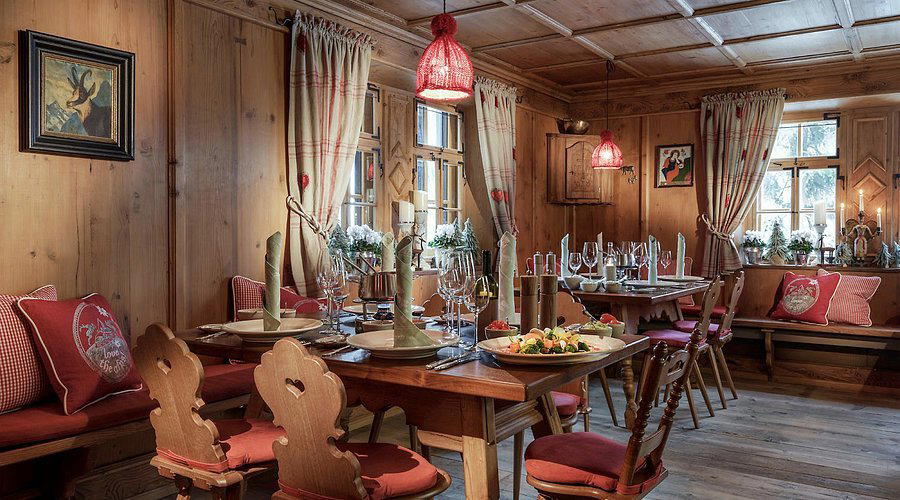
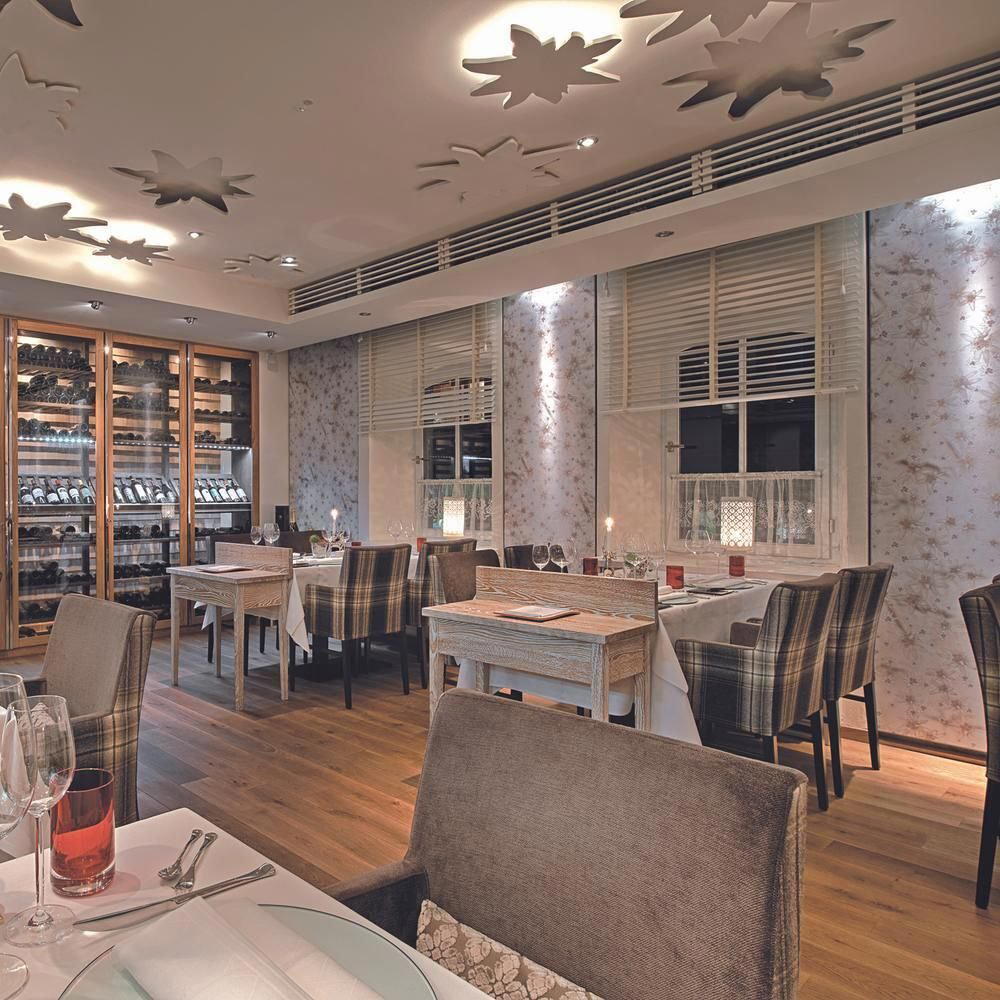
Warm and inviting with simple, stylish design emphasizing nature views and heartfelt hospitality.